MikeGrahamT21
-
Posts
1877 -
Joined
-
Last visited
-
Days Won
1
Everything posted by MikeGrahamT21
-
Water in cavity during construction
MikeGrahamT21 replied to Professionally nosey's topic in Bricklaying, Blockwork & Mortar
Engineering bricks are definitely less porous than blocks or other bricks, but will allow moisture to pass over time. As @joe90 said, it’s going to be pretty much permanently wet below ground anyway so I wouldn’t worry too much. -
SBR diluted would certainly give a good bonding surface for tile adhesive, much better than paint ever would.
-
Zanussi combi oven/microwave tripping fuse
MikeGrahamT21 replied to Adsibob's topic in Electrics - Kitchen & Bathroom
What is the current rating of the MCB in the fuse board for that circuit? Youd need a 16A MCB for the 3kW device minimum but it all depends on cable thickness as to whether it will take it. -
Plastic airbrick- seeking replacement grilles
MikeGrahamT21 replied to GLPinxit's topic in Ventilation
Yes the inners come out, available in varying colours, here is a terracotta one: https://www.screwfix.com/p/air-brick-terracotta-76mm-x-229mm/13873 A note though, not all of them have replaceable inners, so just watch out when you go to buy As above, whoever put it in, has put it in upside down, so ensure the louvres are pointed down when you replace. -
Sounds like you’ve got a Guinea pig in there 😂 Air bubbles in the water supply?
-
Any ideas what is happening with my PV array
MikeGrahamT21 replied to Omnibuswoman's topic in Photovoltaics (PV)
the live data will be available on the front of the inverter, using the display, assuming that all Solis inverters do it this way, certainly how my AC coupled storage inverter does it -
I can't say for sure 100%, as i've never heard of anyone doing this, but from a technical perspective the inverter doesn't know what type of panels they are, so having the 2 types on differing strings I would say is absolutely fine and shouldn't pose any issues. Speak to your inverter manufacturer if you want a 100% sure answer
-
I’ve had my MVHR running constantly for around 5 years and it still looks like the day I bought it inside, not even a speck of mould. I wash the heat exchanger out once a year (if I remember)
-
Spent a bit of time looking at different options today, aside from whats mentioned above, rigid insulation board, which has brought these options: Bosig Phonotherm 200 (1.35m x 500mm x 15mm) - 550kg/m3 density and 0.083 W/mK conductivity - £43.20 per length - Delivery at £65 makes it uneconomical though CompacFoam (0.97m x 100mm x 20mm) - 200kg/m3 density and 0.046 W/mK conductivity - £13.64 per length - Delivery at £25 BRIGi Foam (1.2m x 100mm x 20mm) - 150kg/m3 density and 0.040 W/mK conductivity - £12.57 per length - Free Delivery The Bosig just doesn't make sense, poorer thermal values and a lot lot more expensive. So that leaves CompacFoam and BRIGi Foam, which are both flame retardant EPS products. And the cheapest one of those is the best in terms of conductivity. Hadn't heard of BRIGi foam before today, but its read up suggests its an ideal product.
-
Yeah would be an option, but for what its worth i'll just insulated the hanger/vertical strut for ease
-
Yeah they were like that when we bought the place, so been that way for at least 16 years. Theres not a great deal of 'stuff' in the loft, so no great weights bearing down on the timbers
-
yeah that’s certainly feasible, that particular one on the photo has a horizontal timber too going over the ceiling joists, the others kind of have this but the horizontal is nowhere near the vertical. Hadn’t considered that with the horizontal one being there and I’ve not checked how these verticals are attached and where to. In that case I’ll look into cladding them with insulation board on 3 sides and something breathable on the 4th
-
As per the topic really. There is one of these vertical timbers in each quarter of the loft space, which I have realised after getting a thermal image camera, are causing a cold bridge into the rooms below. Ideally i'm just wanting to cut them out, but are they actually doing anything? My gut feeling is no they aren't, since the purlin rests on masonry, and that will be doing the heavy lifting, one tiny piece of wood onto an unsupported ceiling joist wouldn't work even if it had to, but just wondering why they are there? what are their purpose? Cheers Mike

-
Bought a new thermal camera the other week, and have since found a number of 'defects', or rather things i didn't realise would have been such an issue. I have 4 openings which have IG Cavity Steel lintels, non thermally broken, but they are insulated in between the cavity with polystyrene. It seems that now i'm well on my way to insulating everything in sight, this has become a much more obvious point of heat leak than it was before. The steel of the lintel is visible externally, I was going to glue some PVC trims to match the windows but never got round to it. I'm now thinking to use some form of insulation, and then make a box section out of PVC trims to hide that insulation, but what to use? It would have to be fairly thin, and i had a quick look at Aerogel Thermal Bridging Strips, but having never used it before not sure how well it would work in this scenario, and even it it would be suitable to be used externally (1 of the lintels is well hidden away from the elements, but the others are exposed). Other options are neoprene which i've got a part roll of, much like the aerogel strips its adhesive backed to stick to lintel, and should be fine to stick other things to it, in terms of the trim. What would you use for this purpose?
-
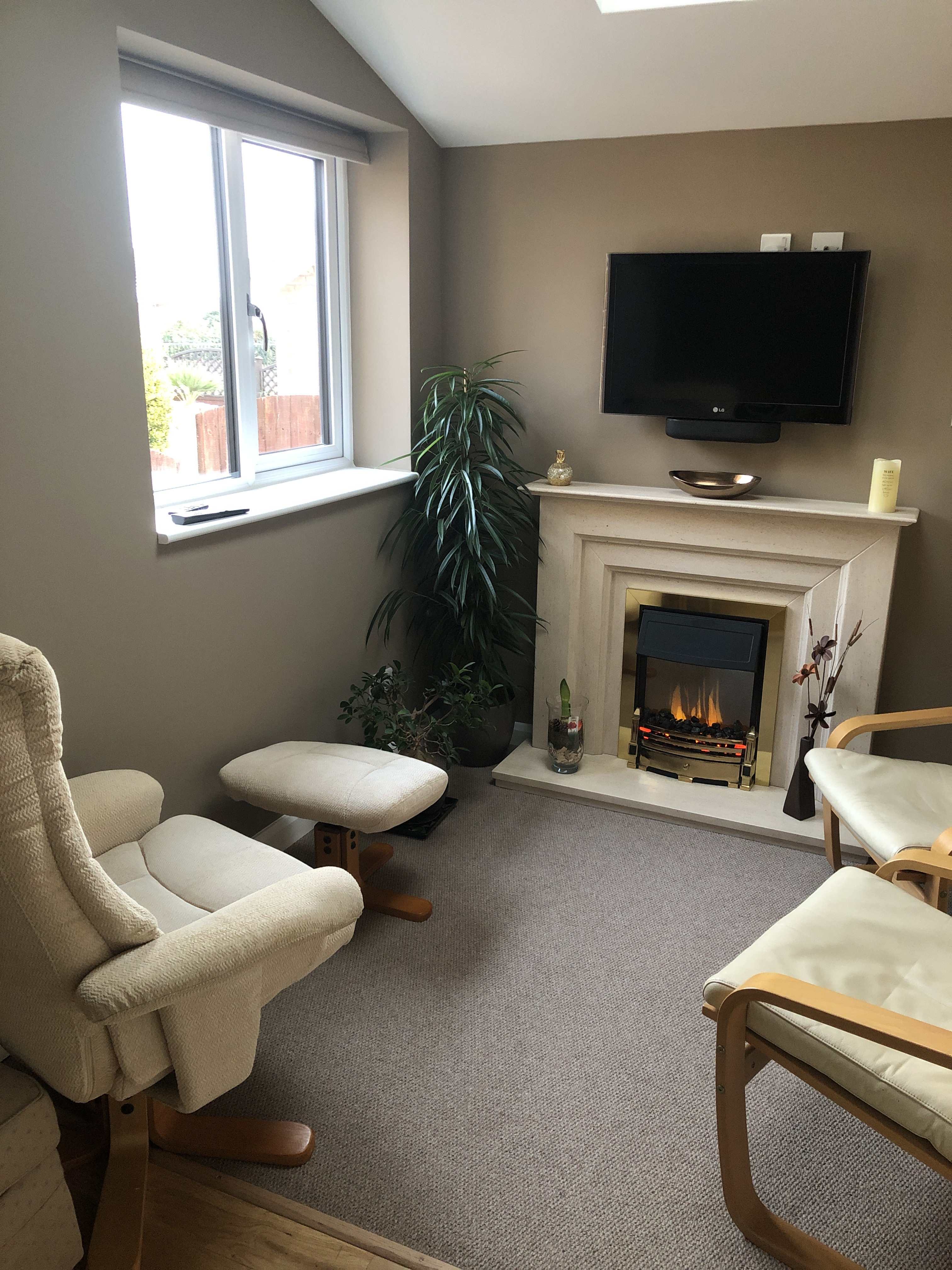
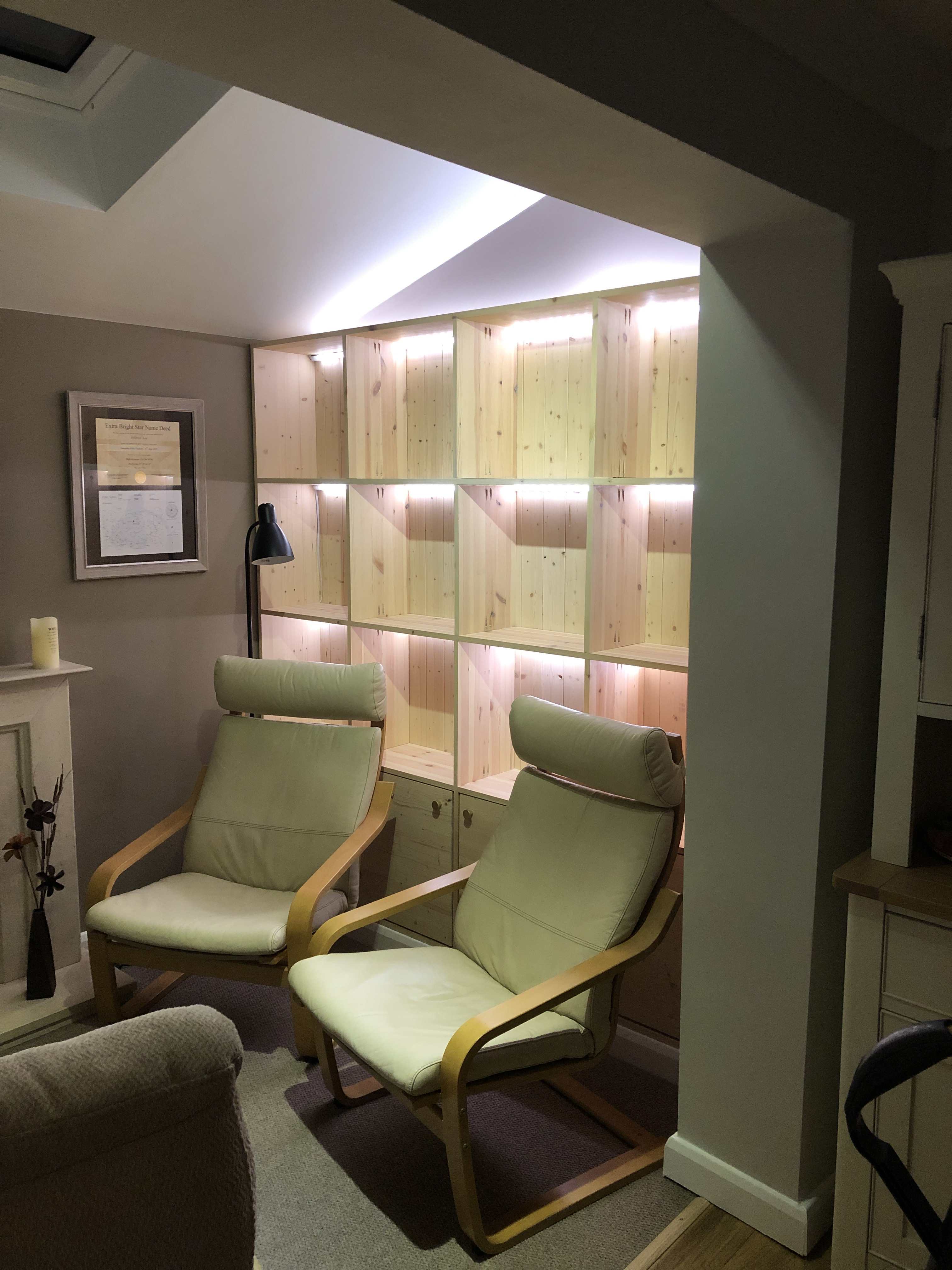
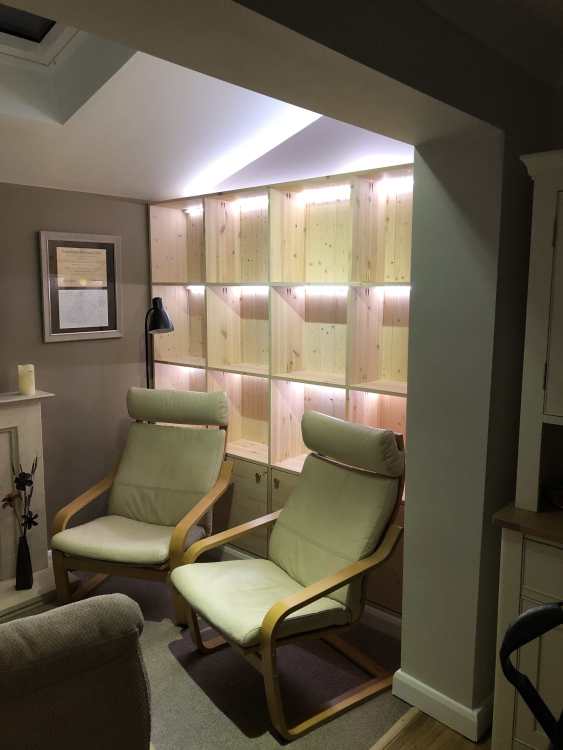
Snug and Dining room
MikeGrahamT21 commented on MikeGrahamT21's blog entry in Back on the self-build waggon...
As promised, Black Friday did me well…
-
I know foam insulation is the gold standard for this type application. had a quick look online and can see climaflex 76mm bore for not much money, but only seems to be 9mm thickness, probably wouldn’t make a worthwhile difference for the immense amount of effort I’d need to put in to install it. hopefully my efforts yesterday which I’m paying for today will work some, there’s no gale force winds up there
-
temperature does have importance, during my many years of caring for my late wife and doing IV treatments at home, we were told to only ever wash hands in cold water, since warm water opens your pores which can allow any nasties to hide away, since then I’ve always washed hands with cold water
-
went up after work and decided to tackle it whilst it’s still cold out, doing work under the eaves is no fun at the best of times! found quite a few bits which I’ve now corrected, where the ceiling joists end was warmer than I’d expected it being, so the wool is clearly doing it’s job, was just too patchy in places, fingers crossed it’ll do the trick anyway. Managed to cut out some excess pipe too from the supply runs, around 3m in total which should help also
-
You were right, just been up with thermal camera and i must have moved the insulation about when doing something else, and not done a great job of putting it back. Some of the pipes are also crossing awkwardly, as i put another 2 in after the first ones. Think its going to be a weekend sorting it out! lol
-
I'll do some poking about first, only got the thermal camera other day, so didn't even know this was an issue. Could be that i've just made a glaring error that needs fixing lol. Personally didn't have much choice but to run in loft, without making a serious mess of everything i'd already done, not for me thanks!
-
its 75mm semi rigid stuff, currently buried under around 300mm of wool insulation, but the loft is cold, very cold, almost no heat from the bungalow gets up there as under the 300mm wool, there is 100mm PUR insulation board. The manifold boxes (made from metal) are also up in loft, again buried under a lot of insulation. Theres definitely improvements to be had, and those figures were at -3C outside, so loft will also have been near this. I agree though, it is a lot of heat loss, and i hope to improve on this.
-
Where will you be running your ducting? Mine is in cold loft, but heavily insulated so it loses a bit more temp on its way to the terminals. When it was like -3C the other week, internal temp was showing as 21.2C (extract) and the supply temp was at 19.4C, with a Vortice HR200BP unit, not sure what its rated at efficiency wise but it'll be less than the Zehnder. By time it gets to terminals its down to around 15C on a very cold day like above, i'm hoping to improve on that and have got a thermal camera to check everything, just not had time to do it yet
-
Soudatight dries like stretchy paper, paints over easy enough, but the fibres that are in it to give it strength tend to clump together, and you can see it through the paint, not the end of the world but if your after a good finish
-
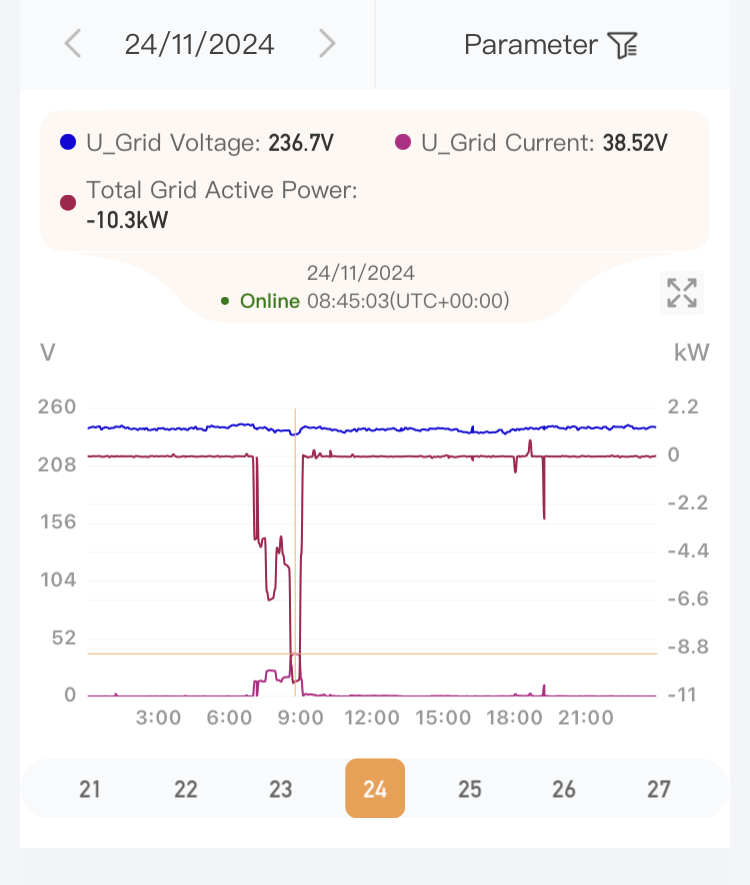
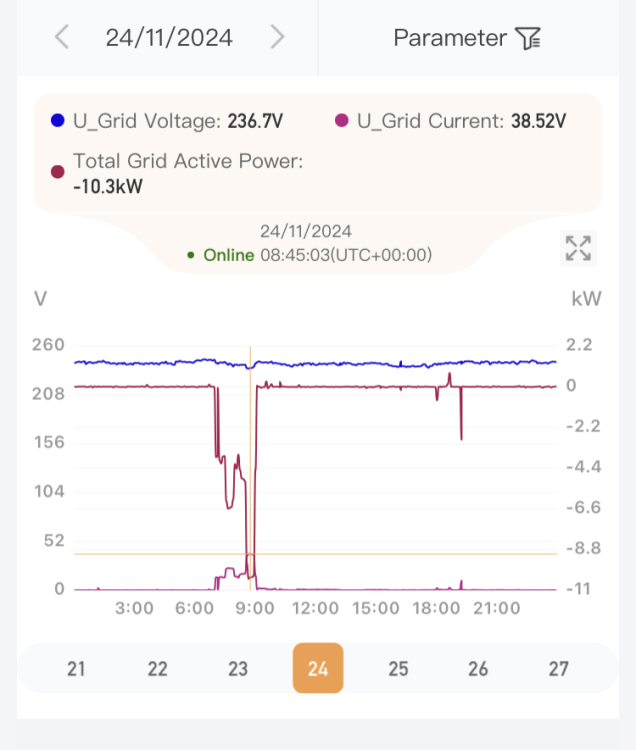
16kW isn’t really much in the grand scheme of things. I can see it was hanging around 220 @ 10kw which would be just OK, lower end. You are correct, it will pull more amps to make up the wattage (P=IV from memory). Do you have accurate monitoring on multiple devices, just thinking so you can collect lots of data for them. May also be worth speaking to Octopus as they may be able to speak to UKPN and move it along. As for damage, not too sure but most devices in UK are 220-240, so I would assume there’s a possibility there. I think it’s normal to dip away a little during load as above, but not as low as you are getting. Theyll likely want you to confirm with smart meter data unless they get that on their end.
-
You need some of this stuff to push into the gap: https://www.ebay.co.uk/itm/174673142912 Haven't spent time checking its cheapest, but that type.