Gone West
-
Posts
4668 -
Joined
-
Last visited
-
Days Won
20
Everything posted by Gone West
-

Advice please: cutting metal down pipe.... without
Gone West replied to ToughButterCup's topic in Rainwater, Guttering & SuDS
In the Lindab instructions they specifically say not to use power tools for cutting. The reason they give, is that using power tools destroys the galvanising around the cut. Apparently if hand tools are used then the galvanising is able to 'creep' back over the cut surface and maintain rust proofing. We didn't have any rust problems after six years. -
Advice please: cutting metal down pipe.... without
Gone West replied to ToughButterCup's topic in Rainwater, Guttering & SuDS
I cut all our Lindab guttering system with a hacksaw as was recommended by Lindab. -
Long time lurker and now new member, hello
Gone West replied to Daffy Fields's topic in Introduce Yourself
@Daffy Fields & @Gingerbread welcome to the forum, both. Good luck with your projects, plenty of good advice on here. Keep us updated. -
What type of Thermostat if any?
Gone West replied to RichardDIYPlumber's topic in Central Heating (Radiators)
Yup, we're showing our age 😀. -
What type of Thermostat if any?
Gone West replied to RichardDIYPlumber's topic in Central Heating (Radiators)
Close the flow valve fully, counting the number of turns. Then open the valve half that number. Leave it a day and if the room temperature is still too hot, or not hot enough, adjust the valve accordingly. -
Cladding availability
Gone West replied to Lincolnshire Ian's topic in General Self Build & DIY Discussion
We've just fitted some Cedral Click cladding which was readily available through our local builders merchants. They do a smooth or wood effect finish in a range of colours including timber. They have a featheredge (Lap) or T&G (Click) type. https://www.cedral.world/en-gb/cladding/ -
Recommended method for connecting 40/50mm wastes to a soil stack
Gone West replied to Annker's topic in Waste & Sewerage
I used a Floplast double branched connector for back to back WC connections into a single outlet pipe. The outlet dropped down and the AAV was connected to the top. The BCO was interested in the connector but was quite happy that it was designed for that purpose. We lived there for over three years without any problems. https://www.floplast.co.uk/product/double-branch -
We used timber studwork covered in 12mm Hardiebacker board in all our bathrooms.
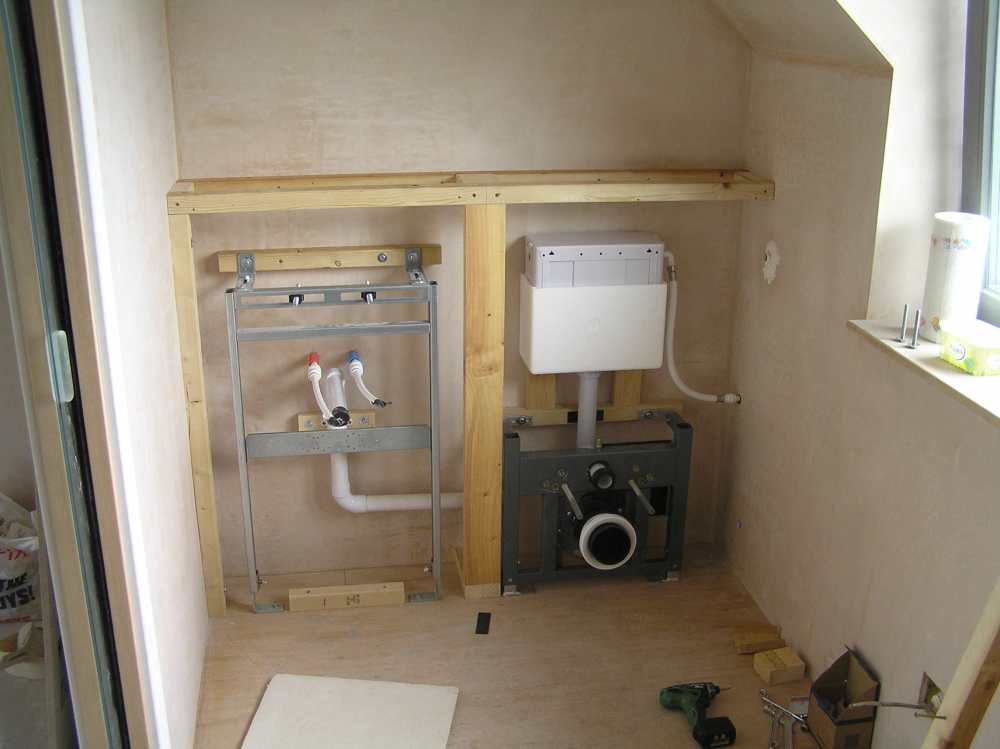
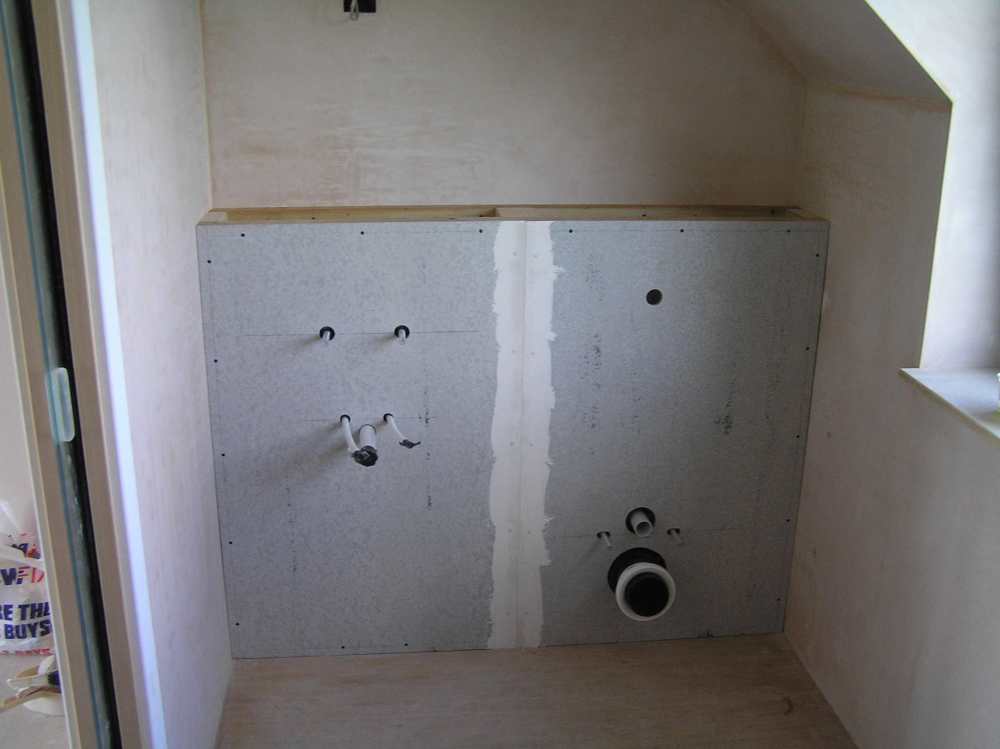
-
That's interesting, our trims were steel and were screwed down and the membrane was welded to the trim.
-
Looks like the party is over....
Gone West replied to Beelbeebub's topic in Air Source Heat Pumps (ASHP)
The problem is, who does that? To ensure it is correct would mean educating the masses about WC, who don't want to be educated about 'boring stuff'. As has already been said, finding professionals who can do it is difficult enough. -
I don't understand. The underlay used is a material that looks like a dark green nylon pot scourer and isn't visible in the last picture 😕.
-
IIRC the upstand is on top of the underlay.
-
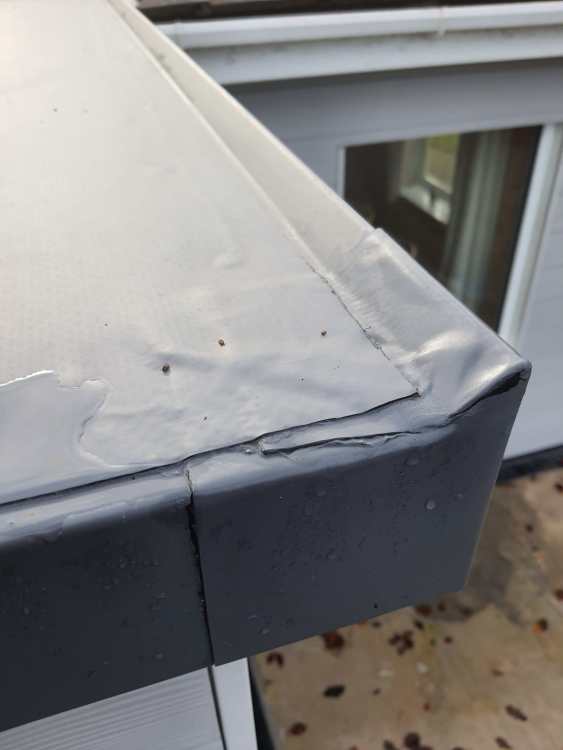
These are the best I've got, sorry.
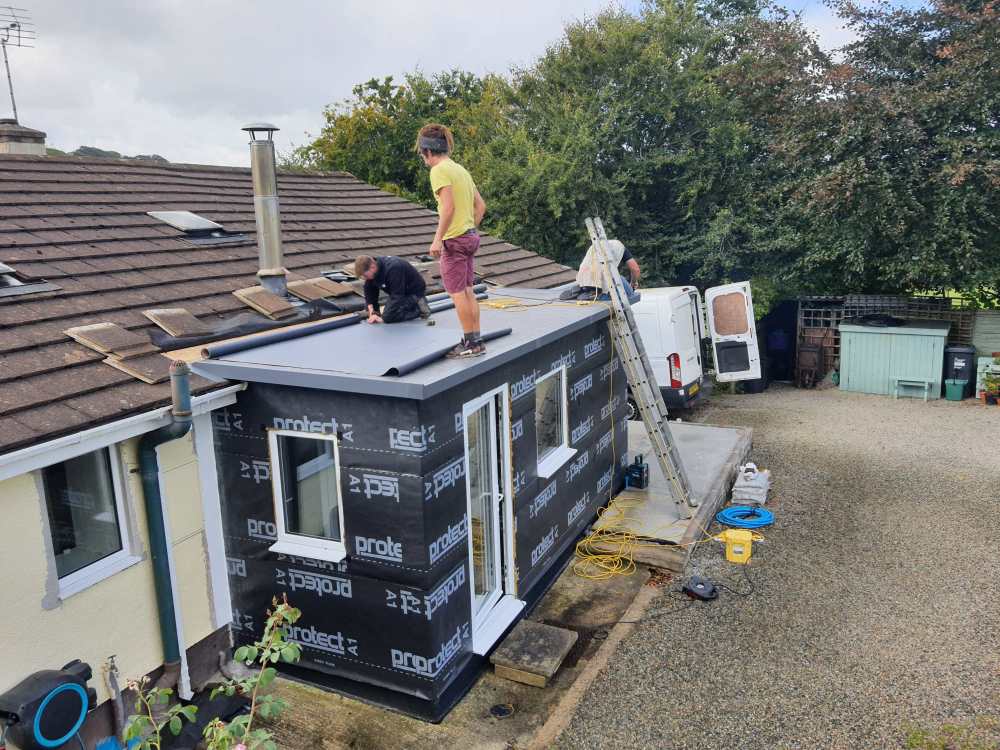
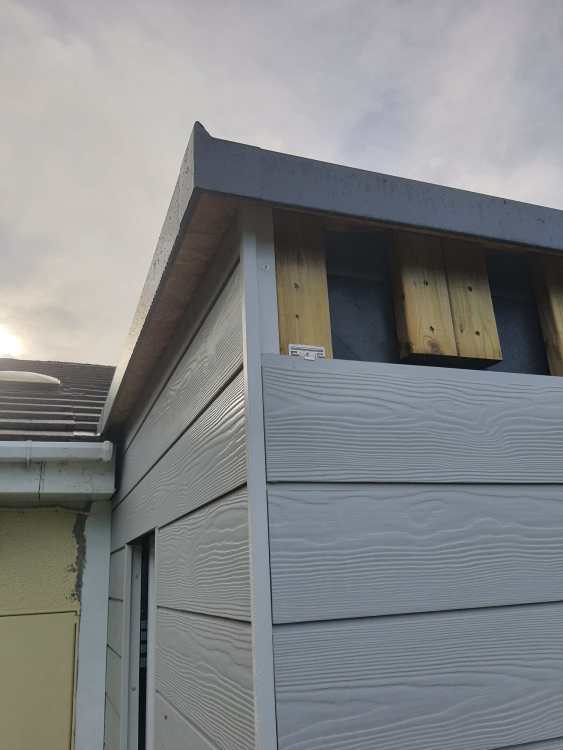
-
I'll have a look, probably not from close to.
-
We had a Sika single-ply membrane installed on a small extension a couple of months ago. The edge trim upstand is a steel profile covered with a membrane. The profiles were fitted first, then the underlay and then the roof membrane was welded to the profile. The edge of the roof was just a double layer of 18mm OSB.
-
We've got a couple of sun tubes in our kitchen, but they have frosted plastic at the bottom. It's probably so you can't see the reflective tube. Incidently we're going to replace them with boxed in skylights sometime.
-
Welcome to the forum. I hope you are able to achieve what you want with the Planners. Looks like a lovely site.
-
Help and Advice - Going from 2 SVP’s to 1
Gone West replied to James7491's topic in Bathrooms, Ensuites & Wetrooms
We had back to back bathroom and ensuite which both connected to a single stack with an AAV. It was a snug fit and the BCO was interested but happy it was all ok.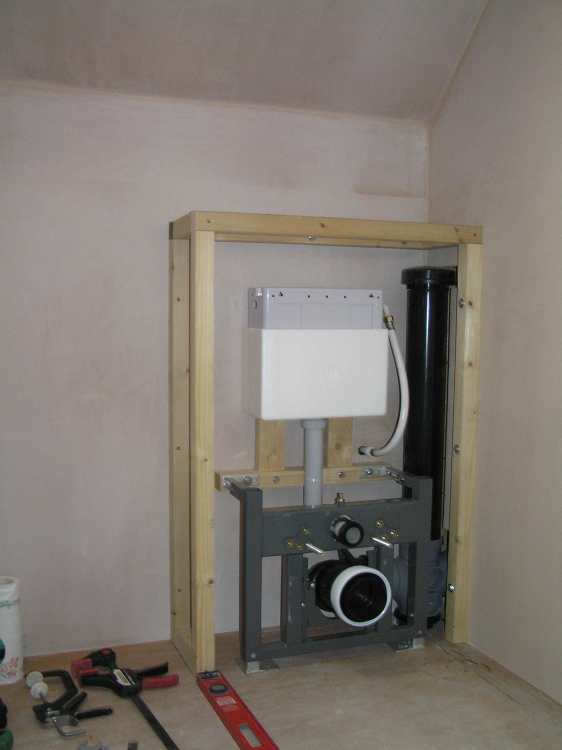
-
Electrical supply to static caravan
Gone West replied to flanagaj's topic in General Self Build & DIY Discussion
When we built our house I went to one of the two Jewsons in the city as they specialized in timber, and we were building a timber frame. We spoke to the manager, explained everything, set up an account, and he gave us a list of all the products Jewsons stocked with the full price and our discounted price listed for everything. Those prices applied to the other Jewsons as well. Their timber was sometimes complete crap, but they always replaced it and often we kept the old stuff. They can be ok, but you do have to ask. Free delivery is useful too. -
@Pbuc Fill the gaps in the brickwork by packing in mortar, then a coat of bonding plaster out to 3mm below existing plaster and skim to finish with jointing tape around the edges.
- 1 reply
-
- 1
-

-
New House at Angus Scotland
Gone West replied to gamestrolley's topic in New House & Self Build Design
You're getting on at a fair rate of knots there. Well done, it's looking good. -
Laundry room sink / appliance plumbing wobble…
Gone West replied to Omnibuswoman's topic in General Plumbing
As @dpmiller says pushfit and solvent are different diameters. This table may help. Pipe sizes and dimensions chart.pdf -
How to determine pitch of my extension
Gone West replied to JKami84's topic in House Extensions & Conservatories
Just counting the bricks in the picture I make it around 12 to 13 degrees. The easiest way to show him would be to put a digital spirit level on the string line. -
We used the Vista film from Sun-X. It had a noticeable cooling effect on our west facing triple glazed gable at our last place. I'm sure there are probably comments on here somewhere about it, but it was several years ago now. https://www.sun-x.co.uk/window-film/solar-window-film
-
Thanks, that's very useful. I remember asking about the flooring for sale, but IIRC the company don't make the same colour any longer.