Russdl
-
Posts
1722 -
Joined
-
Last visited
-
Days Won
6
Everything posted by Russdl
-
@Adsibob yes, you can change the default fan speeds, times of operation etc etc.
-
@Adsibob agreed. We have the Brink Flair 400. We wanted a good spec but overall we wanted a quiet unit as it is in the loft right above our bedroom. It's still running its factory default settings because I haven't had the time to have a good play with it yet. The factory default has it running at 200m3/hr ramping up to 300m3/hr for a couple of hours in the morning and again in the early evening. At 200m3/hr it is basically inaudible even stood right next to the unit, at 300m3/hr you can hear it and at the maximum 400m3/hr you can tell it's doing its job. Outside of its little cupboard in the loft you can only really hear the unit when it is on its maximum setting. In all rooms (apart from our bedroom) it is inaudible at 200m3/hr. At 300m3/hr you can hear airflow to some of the extracts but it's not obtrusive and if you didn't know what to listen for you probably wouldn't hear it. In our bedroom which has the shortest duct run (4.4m) you can just about hear airflow through the supply air vent at 200m3/hr, and of course it becomes more and more obvious the faster the unit runs. There is zero noise from the unit itself and zero vibration. Our unit is sat on an offcut of EPS from our slab which was a temporary measure that I think will now become permanent. In a nutshell, we're very pleased with it but have nothing to compare it with so have no idea if a less expensive unit would be any better or worse for sound transmission.
-
@ToughButterCup very pleased to hear that ?
-
It was Jeremy’s early reporting on his SunampPV that grabbed my attention way back when. His warts and all explanations of the problems he encountered with the second generation Sunamp was hugely informative and not enough to put me off. I know there are some on here who have had problems and would probably launch their Sunamps off a cliff, if only they had the strength to move them. I guess there are others here who are having no issues? Despite our little er, hiccough, I’m still smitten. Maybe not if it fails again though.
-
Dragging this thread kicking and screaming back up to date and on topic. We love our Sunamp and are definitely in the ‘marry’ camp though I suspect what follows will make most readers think we are nuts. We had the Sunamp on site for 10 months before it was finally commissioned and when it was finally commissioned there was a click, a couple of lights in the control unit and that was it, 30 mins later it was producing hot water. That first full charge was all we gave it for a week or two (we weren’t living there) and it was only towards the end of the second week that it became obvious that the water temperature was dropping. We hadn’t used it for much, washing up and the like, but I was quite surprised at how long it was able to produce hot water for. I’ve never treated a UVC in the same way so no idea if that would continue to produce hot water for the best part of two weeks after initially getting up to temperature. Would it? All was well for a month or so charging up every time the sun came out, and if the sun couldn’t be bothered to shine then we didn’t charge it. Then it stopped working. In the control box the LED’s were telling us that there was a ‘temperature sensor fault’. The only reset button was not the issue. A call to Sunamp and their technical department got back to me quickly. The problem was diagnosed as a failure of the 4 core temperature sensor that slides down a thin tube in the centre of the PCM. They sent an electrician out to confirm that, and then sent him back to refit a new one so everything is back up and running and hunky dory at the moment. If that fails again, or any other part does, then I’m sure my good lady will insist on a divorce, from the Sunamp to start with I guess, because when that was down there was no hot water, apart from the Quooker. Actually the Quooker was great, I could still do the washing up because you can get it to dispense boiling water and cold at the same time so even without the Sunamps help it is a perfect mixer tap. But probably a bit of a stretch to have a bath that way! Has anyone else experienced a failure of the temperature sensor? Is it likely that it was faulty and a few charges killed it? Could our ‘charge every fortnight if we felt like it’ policy have killed it? Any other ideas as to why that bit of wire and gubbins would have failed? One other thing (if anyone has got this far) when it was first commissioned the LED’s never showed ‘cold start active’. When the replacement temperature sensor was fitted there was still no ‘cold start active’ indication from the LED’s but on starting after the replacement temperature sensor was fitted the cracking from the PCM as it started to melt was louder than I’d heard before. Much louder.
-
Cheaper options for bespoke Crittall-style interior doors?
Russdl replied to jack's topic in Doors & Door Frames
@jack can you get a local metal fabricator to make them for you? I’m sure it would be way cheaper. -
I’m on this and should be on the Agile Outgoing by tomorrow. I’m using the cheaper overnight rates for the Sunamp and UFH. Here’s today and tomorrow’s prices. They release the following days prices at around 16:00. PV is starting to offset the peak periods. Batteries one day should help even more, charging at the low rate and using at the peak rate.


-
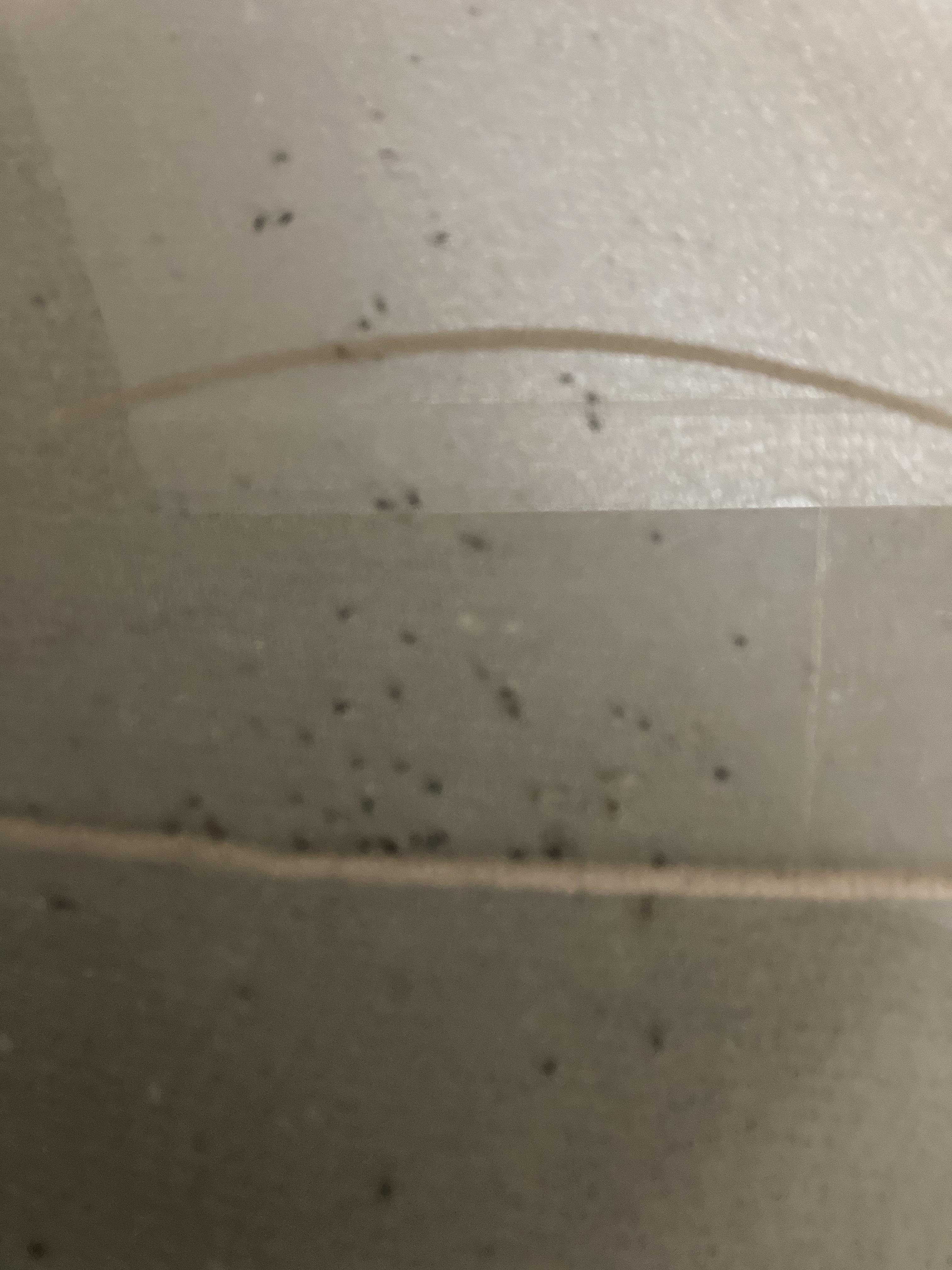
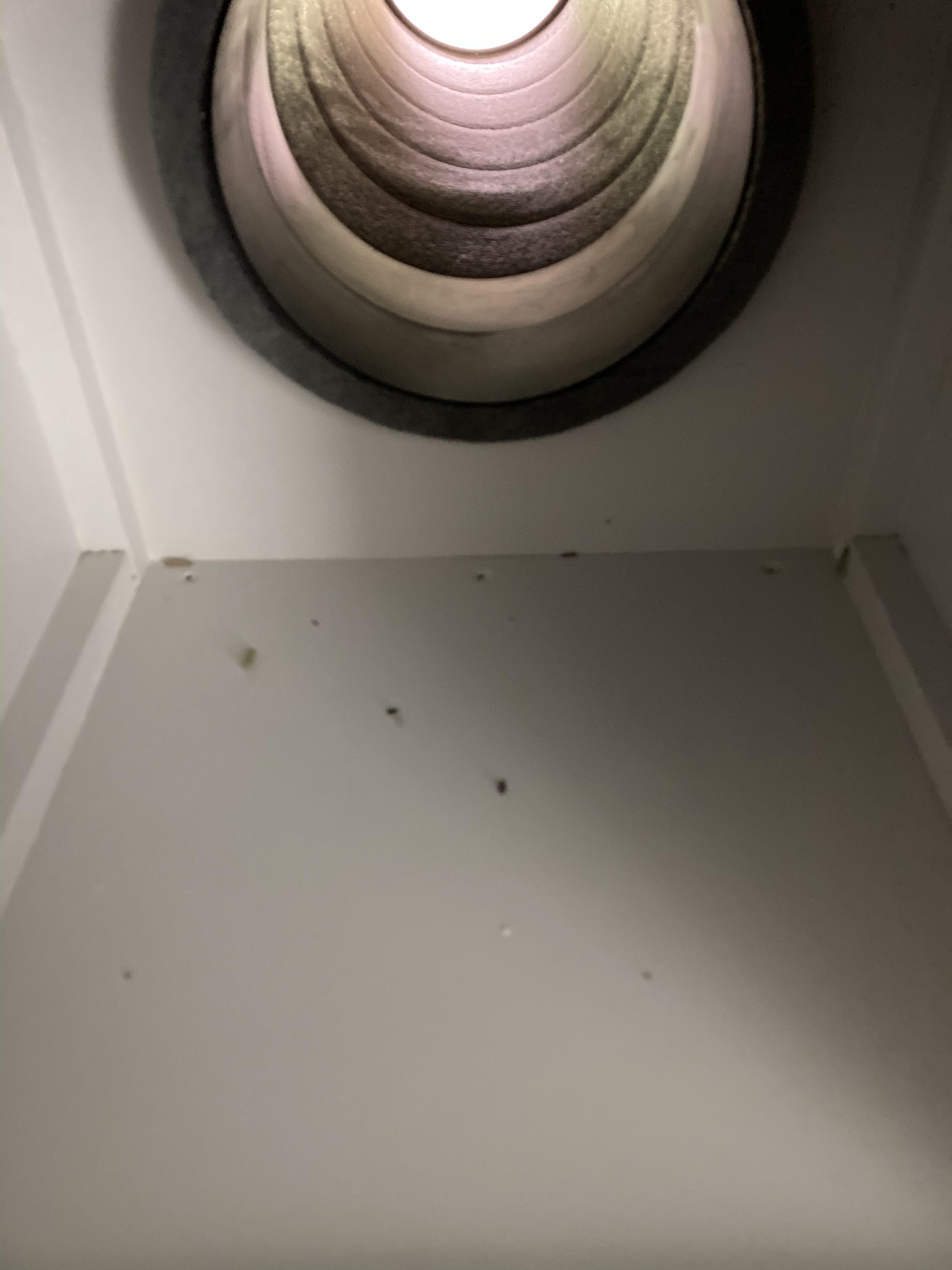
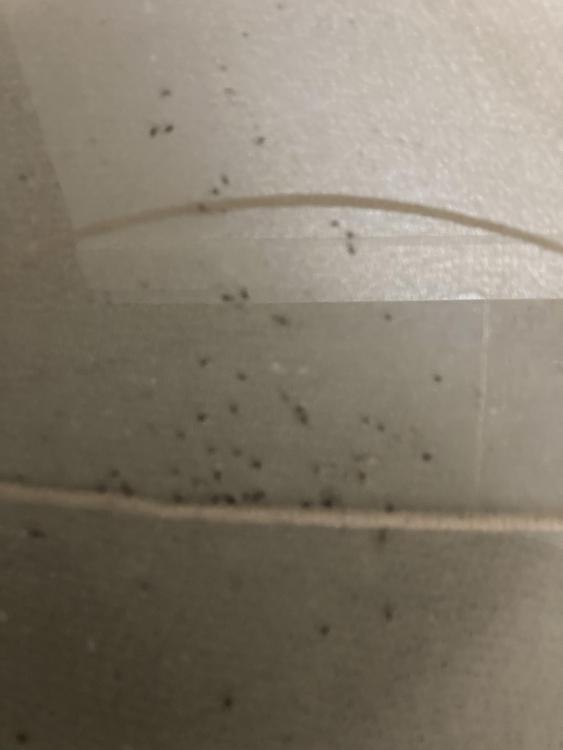
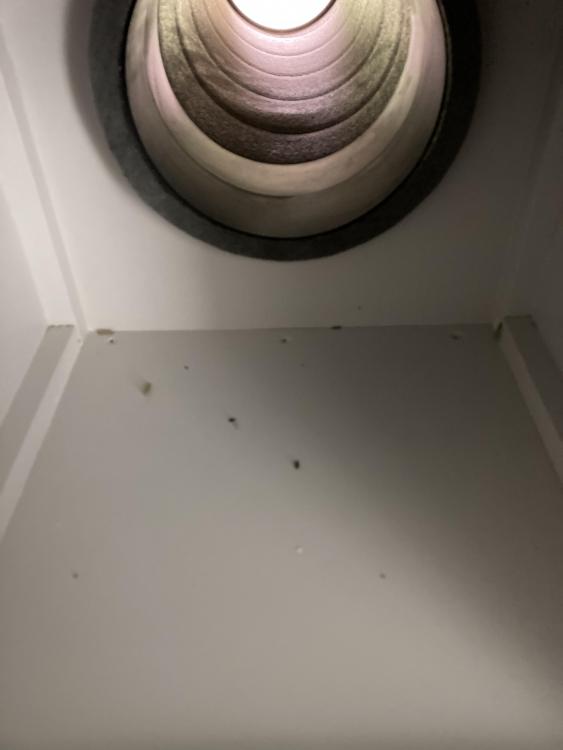
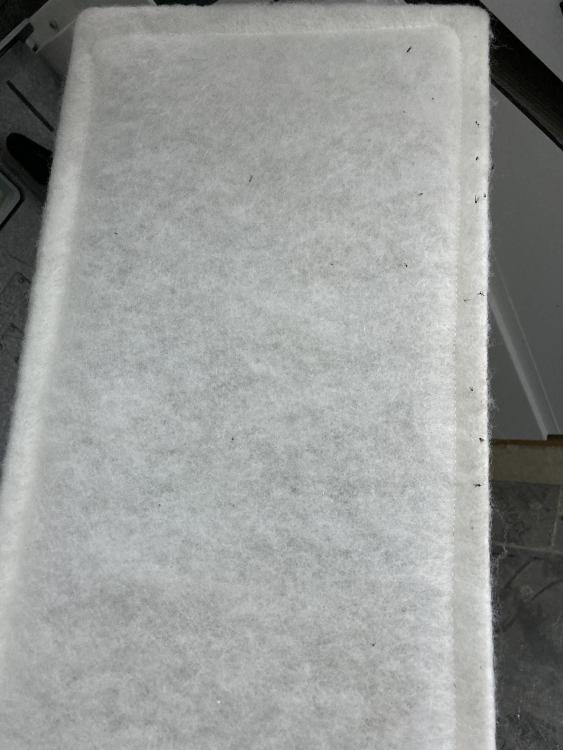
Well it’s early days as the MVHR has only been on for a little under a month but my pre filters seem to be doing the trick But not perfectly, some of the little rascals are getting through, I think I’ve got a ladder in me tights.
- 99 replies
-
- 3
-

-
- mvhr vents
- filter
- (and 1 more)
-
Gravel stabiliser grids - any experience?
Russdl replied to Weebles's topic in Landscaping, Decking & Patios
I’ve seen some. Is that not down to poor prep or is that inevitable regardless of the prep? -
Gravel stabiliser grids - any experience?
Russdl replied to Weebles's topic in Landscaping, Decking & Patios
Now ain’t THAT the truth! I’m looking forward to hear of your progress. -
Gravel stabiliser grids - any experience?
Russdl replied to Weebles's topic in Landscaping, Decking & Patios
I was thinking of the white grid with some cotswold stone to kinda match the render but haven’t got as far down the path (so to speak) as your good self. -
Gravel stabiliser grids - any experience?
Russdl replied to Weebles's topic in Landscaping, Decking & Patios
What colour grid are you going for? And what gravel? Gravel gravel or something else? -
Gravel stabiliser grids - any experience?
Russdl replied to Weebles's topic in Landscaping, Decking & Patios
We plan on using this for paths and maybe even the driveway, following with interest. -
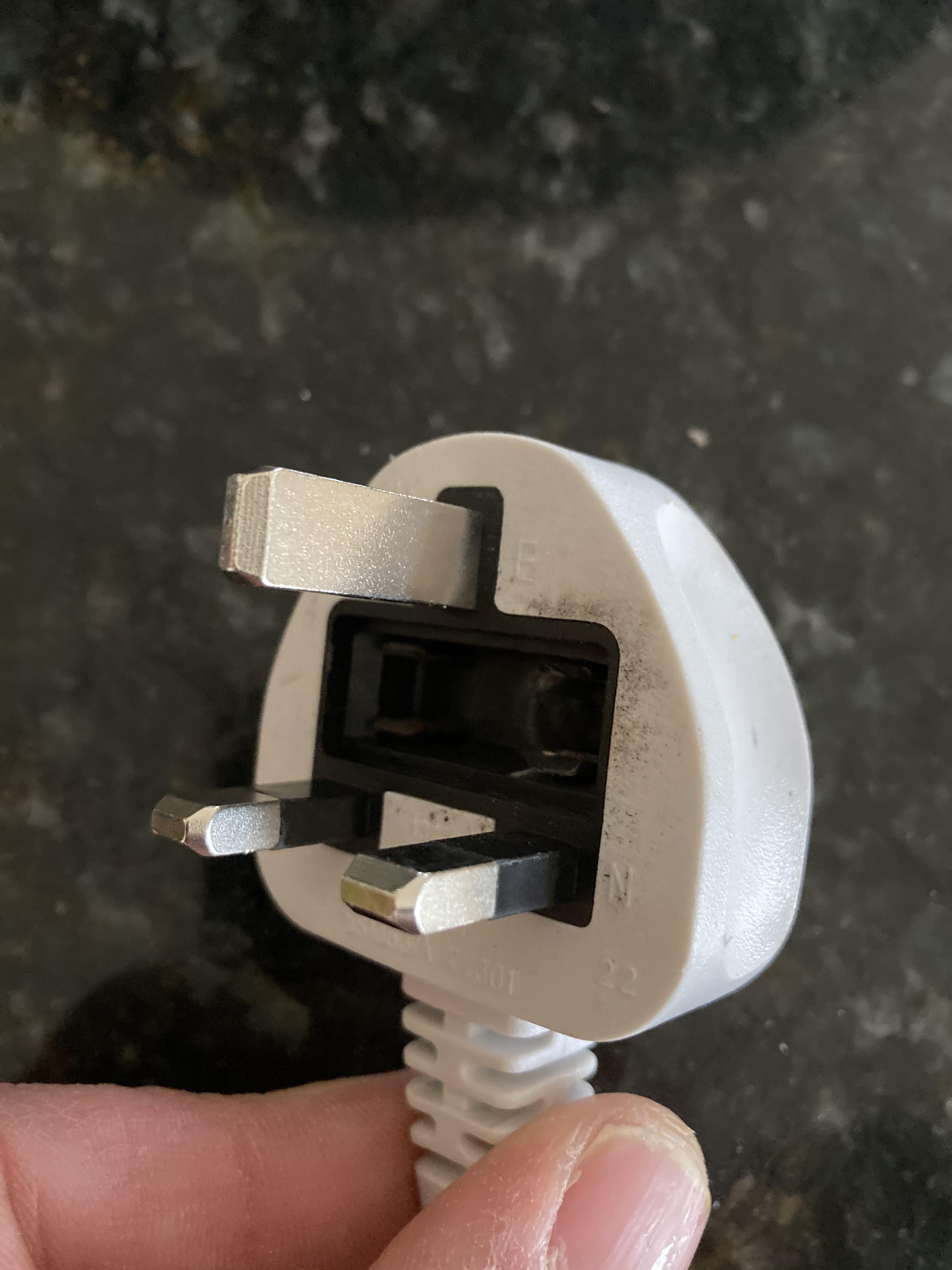
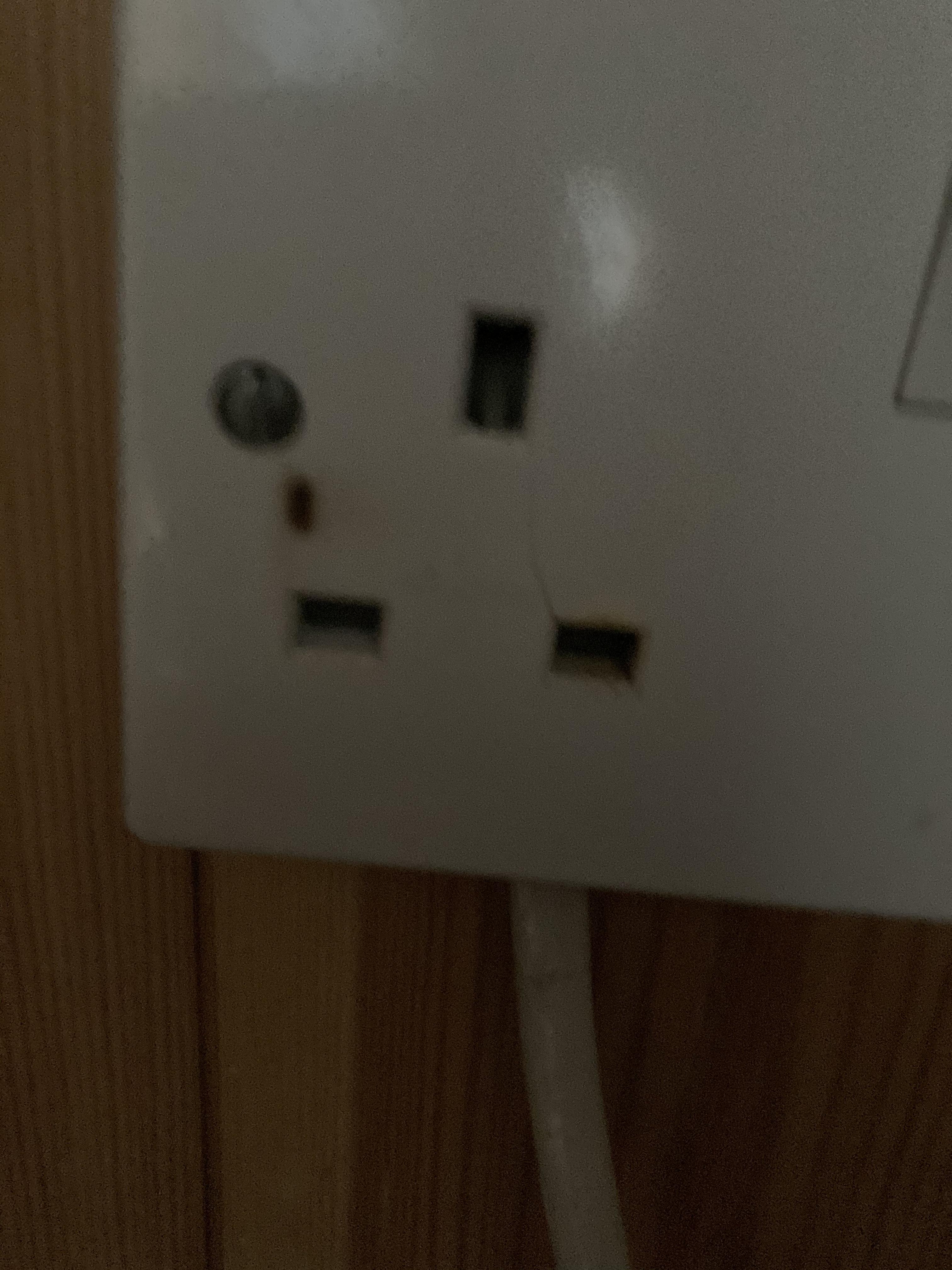
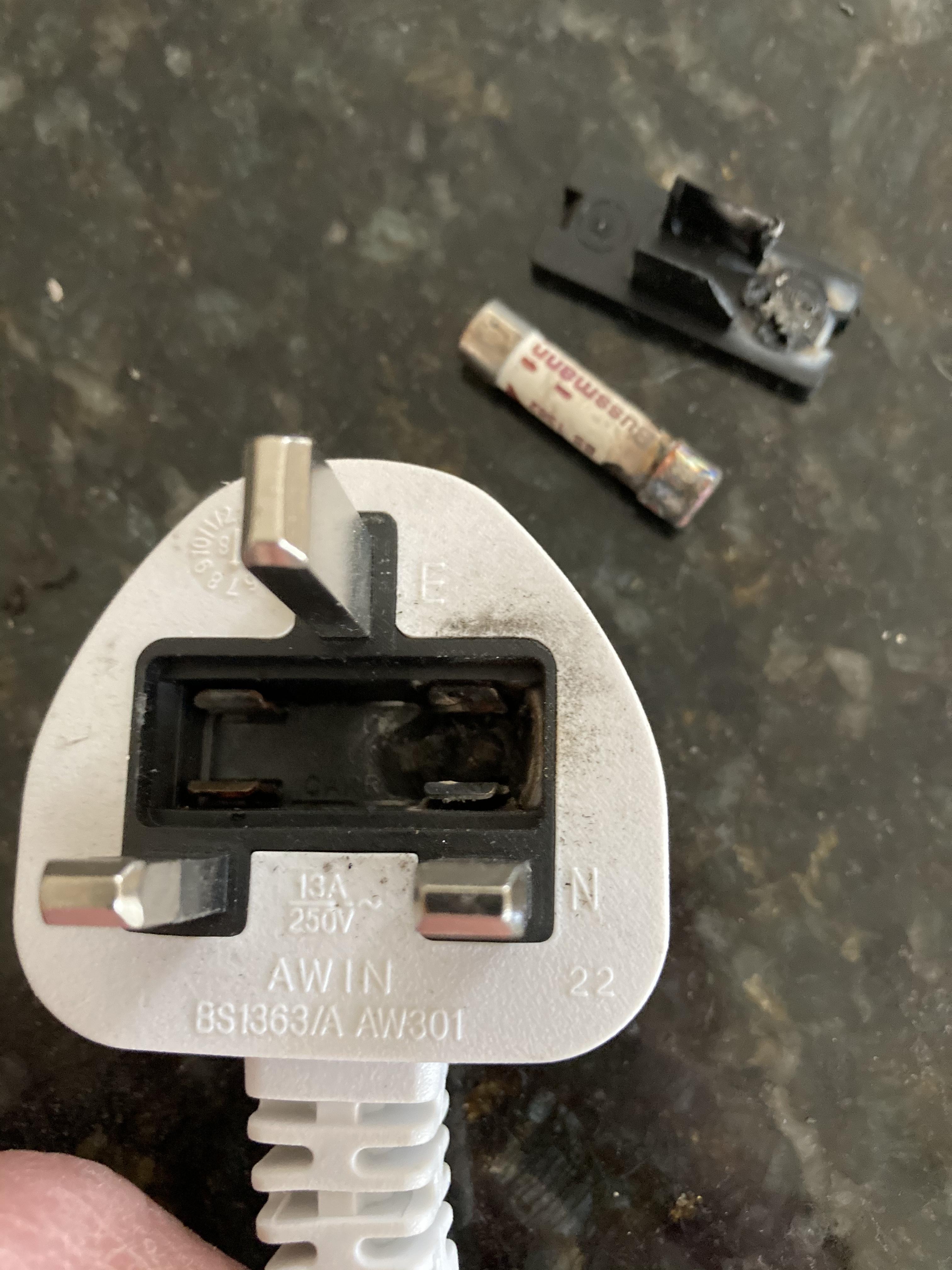
I saw that in the photo as well (couldn’t see it before) I’ll replace it. Is that likely to have had any bearing on my hot plug or is it just coincidence?
-
@TonyT sure can:
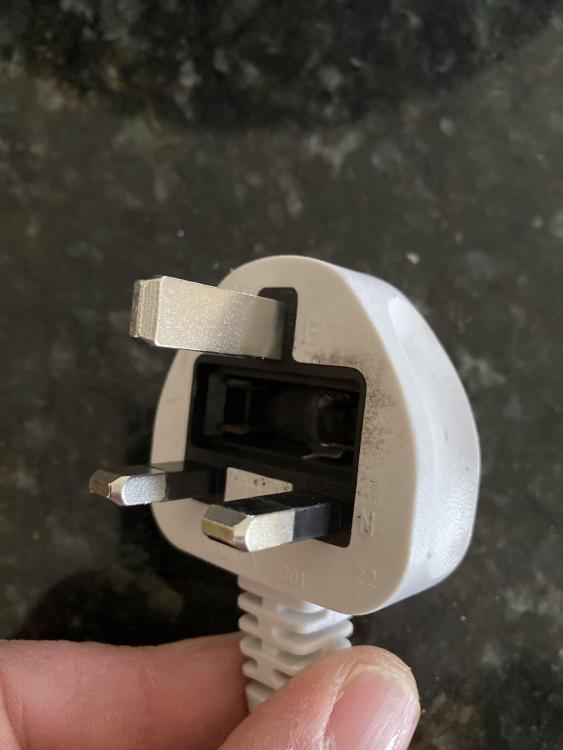
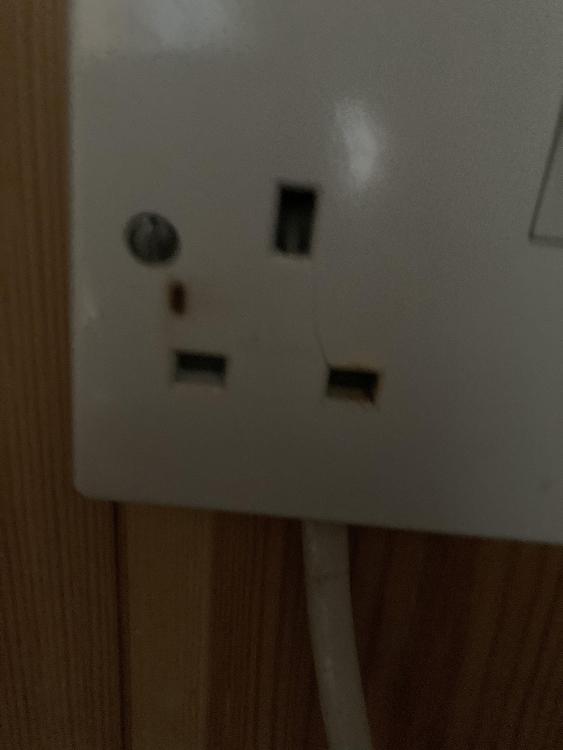
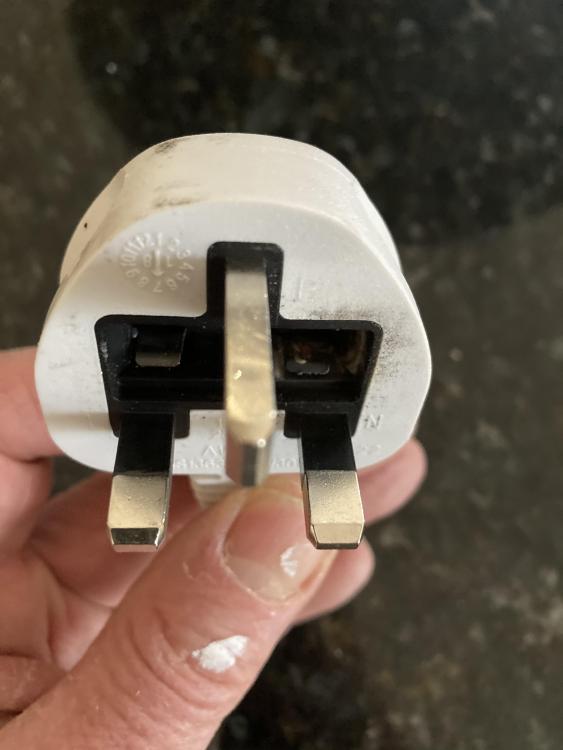
-
@ProDave yep, simple repair. I was concerned that there was something more significant going on here but if as @dpmiller says this is not unusual then I’ll change it. Makes me nervous though, that got hot and I’ve not seen that in a long time, guess I ought to do as advised and take a peek inside plugs every now and again!
-
The old dishwasher has given up the ghost. No power. RCB are all on so I checked the fuse and was mildly shocked to see how hot it had obviously got prior to failing. I didn’t think this sort of thing could happen. Any ideas what went wrong? It’s the original plug and fuse as fitted to the dishwasher at point of sale.
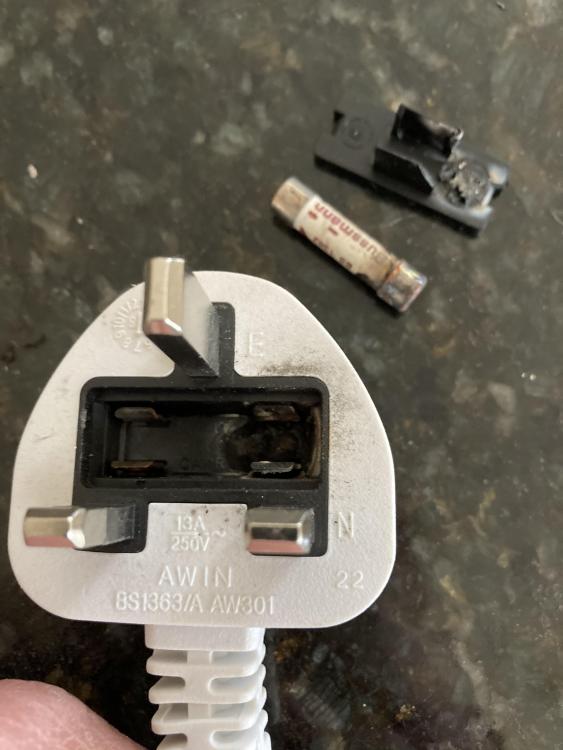
-
Temporary Stairs - Cut and Join two Halfs
Russdl replied to NewToAllOfThis's topic in General Construction Issues
@ProDave I checked the handbook before the epic trip, but was unable to find a set of scales to weigh the staircase. It wasn’t massively heavy so I took a punt, seemed to go ok. I also checked the overhanging regulations, not exceeding 1m, no problem. As I opted to put the stairs centrally on the roof bars (crazy, I know) the overhang was around 0.5m. -
Temporary Stairs - Cut and Join two Halfs
Russdl replied to NewToAllOfThis's topic in General Construction Issues
To transport I guess you mean? We transported a full staircase many miles on roof bars on our diminutive Yeti* without a hitch. (That’s a car not a snowman thingy) Just to add, the roof bars were generic £30 or so, the staircase was free from a fellow (ex)Buildhubber, and the petrol was probably £12 or so. -
I think I’d make the shelf, place it in position with some packers underneath, 3mm or so, put a stop bead in flush with the top of the shelf. Remove the shelf, get the plastering/painting done and then put gobs of glue down and refit the shelf.
-
I was well aware of that, but hadn’t considered that incredibly practical application of the safe zone. Bugger Such is life! If I do this again that will be the first cable that goes in, all around every wall.
-
What a great idea. Now we’re almost finished we’re spotting places where a socket would have been handy but can’t now be easily retrofitted. How I wish we had incorporated that simple solution. Ho-hum. Would do again: Timber frame Passive standard External blinds Sunamp Willis heaters for UFH Fixed staircase to open loft storage area (it may morph into a music room/gym after sign off). Wouldn’t do again: Use travelling trades (unless they came VERY VERY highly recommended from several sources). Use RAL 7016, not dark enough for our tastes. That’s a bit of a short ‘wouldn’t do again’. It’s early days, I’m sure I’ll be able to add to it later.
-
Durable Matt finish with a scrub rating recommendations
Russdl replied to Pocster's topic in Decorating
We’ve been using Brewers, their Albany stuff. Been told it’s hard wearing and washable. Early evidence is that it is. We’ve gone white pretty much everywhere, they match any colour so we’ve got some off whiteish walls that are fake F&B (I have to say we are delighted with the results, the white walls appear to subtly change colour throughout the day). My son/labourer is a bit like Pig Pen from Peanuts, crap and crud just sort of flies off him and covers every surface, so far all the whites/off whites have cleaned up a treat. -
The supplier got back in touch. Regarding the overflow going directly outside he says that it doesn’t have to, highlighting examples of installations in flats and other locations where any route to an outside wall was not a possibility (makes sense). He suggested a standard U bend would more than suffice as the regeneration would keep that suitably ‘wet’. He made no mention of the any air gap and as my mind was on other things when he called, I forgot to ask! He says that the regen can go uphill, by a couple of stories if necessary, but the overflow obviously has to go down hill. (It’s downhill all the way for me) So, my plan now is that I’m going to go with something like a washing machine trap as suggested by @Temp for the regen and wedged in alongside a bit of clear tube with the overflow going into the top of that so I can see/hear if it’s overflowing. (Hopefully it will look a bit better than that Heath Robinson description when I’ve finished). Standing by for any contrary advice.
-
@PeterW I think I vaguely recall it’s so that you can clearly see when it’s overflowing, we could achieve that in the plan room with one of those see through tundish/trap combinations. Hopefully I’ll hear back from the supplier tomorrow and update with any news - hopefully good news.