


Mr Punter
-
Posts
8582 -
Joined
-
Last visited
-
Days Won
27
Everything posted by Mr Punter
-
Why not fix a ledger board to both walls? Do it with resin fixings.
-
I have has this issue before. If you can do a pitched roof it will be much better and lower risk.
-
Sounds a lot to me, assuming materials are 40% that works out at £645 per day. Get at least 2 more. Cheeky sparkies.
-
Building Regs Part R connectivity plan
Mr Punter replied to Caroline's topic in General Self Build & DIY Discussion
They may want to see a plan with the connection point marked. There is a template for a connectivity plan that you can complete.- 1 reply
-
- 1
-

-
The space is so small you will not be able to move around. You need some ventilation up there but it is not obvious how to do this. Is this going to be habitable space?
-
£9-15k. 3-4 weeks. Google. Get 3 quotes and off you go. Report back how much they were.
-
I couldn't get their site to display. Probably too many cookies / spammy. Good pic of Tower Bridge. What room is it in?
-
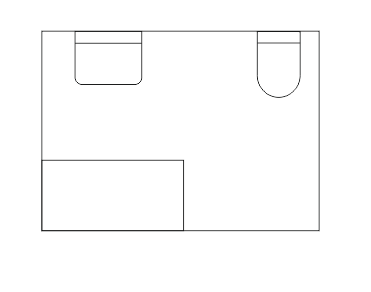
Is this a wet room? The sink and shower are very close. Maybe move and rotate the shower:
-
The damp is coming from the stone wall. The stone is porous and getting wet from rain being blown against it. You could coat the wall with StormDry, take off the plasterboard, wait a year or 2, then replaster. If the wall is stone under the plasterboard you could leave it natural stone.
-
If you don't like concrete (as it is prone to fading and looks like concrete) have you looked at clay paviours? Keeps its colour well and looks good for years.
-
I have seen it where the Chairman suggests that the last 6 applications are not controversial and recommended approval by the officer so proposes that they are all voted through at once without discussion.
-
It looks OK. I would ask chatgpt to redraft / make suggestions. How may m2, what thickness insulation and why EPDM?
-
Lay them down on some trestles to do the drilling and bolting.
-
Specified ridge height. Relative to what though?
Mr Punter replied to flanagaj's topic in General Self Build & DIY Discussion
With PD applications, they take the max ridge height from the highest point of the ground around the building. Is there a planning condition requiring further details on height? -
I cannot see and issue with noise from the pipes. The thermal expansion noise from plastic pipes is normally from the welded ones. If this is below ground drainage they will be push fit. Push each fitting fully home, then pull out 5mm.
-
Using self levelling compound on a rough floor with a slope.
Mr Punter replied to Frazer G's topic in Floor Structures
Maybe grind off any high points first. Clean the floor and prime with SBR. If you can't return the compound you may as well use it. You may need 2 coats for the thick areas. Work out how much you need before you begin. I have found levelling compound a struggle to use so I only do small areas, like mat wells. Probably just needs practice. -
Exclusions raised by the waranty provider
Mr Punter replied to murat's topic in New House & Structural Warranties
If the outer leaf is rendered, the chance of moisture getting in and tracking through the cavity must be very low, but clearly your warranty provider is a stickler. Maybe they have had claims on the full fill insulation? On most housebashing sites you are lucky to get continuous insulation at all. Nobody makes much effort to keep the cavity clean. -
Smaller stuff can get stuck in shoes. Don't lay it too thick!
-
Assume 10mm tile, 15mm adhesive, 15mm door mat, 5mm clearance, so 45mm to the underside of the door leaf?
-
How bad is this brickwork & should I start again?
Mr Punter replied to Tony L's topic in Bricklaying, Blockwork & Mortar
A pragmatic end to this. Well done for not caving in. Hopefully the rest of the project will be less stressful. -
Cheapest would probably be timber handrail and spindles.
-
I don't understand the diagram. I thought the tank inlet and outlet would normally be towards the top of the tank.
-
This is sometimes automatically triggered when there are more the x objections. The fact that it has an existing consent is a huge factor in your favour. Before the meeting, make sure you have sight of the officer's report. If it is not 100% in your favour, get a planning consultant or your architect to attend and speak on your behalf.
-
Contesting final invoice - please help!
Mr Punter replied to Tom's topic in General Self Build & DIY Discussion
Be very careful with your wording. Terminating the contract brings to an end all obligations from them. If instead it is Determined, they may still have liabilities such as defects etc. Be careful here as either way this could trigger legal action and it it very easy to get on the hook through a technicality.

