


Mr Punter
-
Posts
8581 -
Joined
-
Last visited
-
Days Won
27
Everything posted by Mr Punter
-
Ideas for best solution to replace these doors!
Mr Punter replied to Jasonnaylor's topic in Doors & Door Frames
Composite doors are low maintenance and look a bit better than upvc -
Nice. I hate doing ceilings with Rockwool as I always get a bit down my back, a bit in my eyes and then inhale the rest.
-
I quite like the untreated timber on @tonyshouse. If it is Canadian western red cedar, it is really pricey to buy
-
I have used wax to fill a few gaps that have opened up with picture framing around oak flooring. If you use wax, get the OSMO oil on first or it won't take where the wax has been applied (only a fool would do otherwise!).
-
New Build - Left at Foundation Stage - Problems?
Mr Punter replied to Mostly Chilled's topic in Foundations
If it is a new build they will be bound by the Consumer Code for newbuild homes https://consumercode.co.uk/ -
New Build - Left at Foundation Stage - Problems?
Mr Punter replied to Mostly Chilled's topic in Foundations
Also, if you have not exchanged contracts you do not have to go ahead. They must refund any deposit you have paid. If you have exchanged, there is often a long stop date by which time the building must be ready or, again, you can pull out. -
We have a separate 50mm supply for sprinklers and it has its own meter to check water is not used. They don't raise any bill for this. A small amount of usage happens if the sprinkler flow rates get tested.
-
Convert Half a Double Detached Garage - Building Regs Required?
Mr Punter replied to DB1981's topic in Building Regulations
My take is if you want it to be permanent habitable space you need building regs. Home office / studio / garden room you will not. If you have any fixed heating you would need regs. -
@WillShields why are you using Fermacell? I suggest a trial just getting a few boards and doing one small room. If that goes OK, then go for it. Not for the fainthearted. 250 boards my goodness...
-
Previously developed land - yes or no?
Mr Punter replied to KevinTreg's topic in Planning Permission
It would not be considered previously developed land just because it has a septic tank. It does not matter if it can be farmed or not but having it for grazing suggests it is not contaminated. You could use it as a camp site under the 28 day rule. -
Previously developed land - yes or no?
Mr Punter replied to KevinTreg's topic in Planning Permission
I am a bit confused here. Have you submitted a planning application? What was it for? Was it refused or withdrawn? -
Warnings of COVID Power Cuts
Mr Punter replied to Ferdinand's topic in General Self Build & DIY Discussion
What a load of nonsense. This is just the network companies scaling down their non-essential works programme to focus on the main networks. There may be the occasional local outage perhaps as a result of a component not being replaced but it would then be a priority. This is not the 70s. -
Manifold system versus hot return system
Mr Punter replied to Russell griffiths's topic in General Plumbing
If you have to have hot water to a basin and it is a long way from the cylinder you could have an undersink heater or instant water heater. If you do go for a hot water return / secondary circulation system, make sure you spend time and money to insulate pipework as much as possible. -
Looks like a lacquered finish and the lacquer has come off. Maybe they can suggest a suitable replacement?
-
Previously developed land - yes or no?
Mr Punter replied to KevinTreg's topic in Planning Permission
If you want to obtain consent for a new dwelling where the septic tank is located, on the basis of it being previously developed land, I think the chances are very remote. -
I am afraid the £23k is the way forward. Hopefully you have mains water?
-
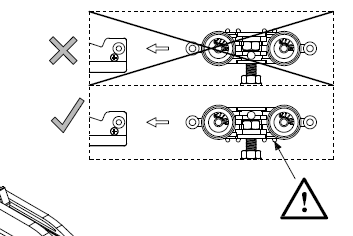
Just had a quick look at the instructions. Your runner with the nut and bolt is the wrong way up. Not sure if it helps but probably best follow the instructions!
-
I don't like the phrase "I don't think I have ever seen a council try this before. ". It is vague and equivocal. If he is so confident, suggest a no win no fee deal, offering only to pay the Local Authority application fee.
-
That's a lot of dresses you have!
-
I think you can put the vent pipe from the below ground into a shrub border at the back, away from seating or dining areas.. Just a 600mm upstand with a rodent proof mushroom cap would do. Because it is vented to atmosphere you should not detect any odour.
-
Is there a high vaulted ceiling on the ground floor in that bit?
-
Looks good. Did you do the high bits off a ladder or scaffold tower?
-
You have a house in the green belt that the planners and the local plan want to protect from development. If it was simple to circumvent, there would be no green belt or protected countryside. I guess your purchase price reflected this reality. Have you asked a planning consultant to look at this?
-
Picture of the catslide side would be good...
-
MVHR ducting planning
Mr Punter replied to Russell griffiths's topic in Mechanical Ventilation with Heat Recovery (MVHR)
It depends on the system design and duct size.

