Iceverge
-
Posts
4487 -
Joined
-
Last visited
-
Days Won
32
Everything posted by Iceverge
-

Most cost effective way to get to passive standard using block
Iceverge replied to CalvinHobbes's topic in Heat Insulation
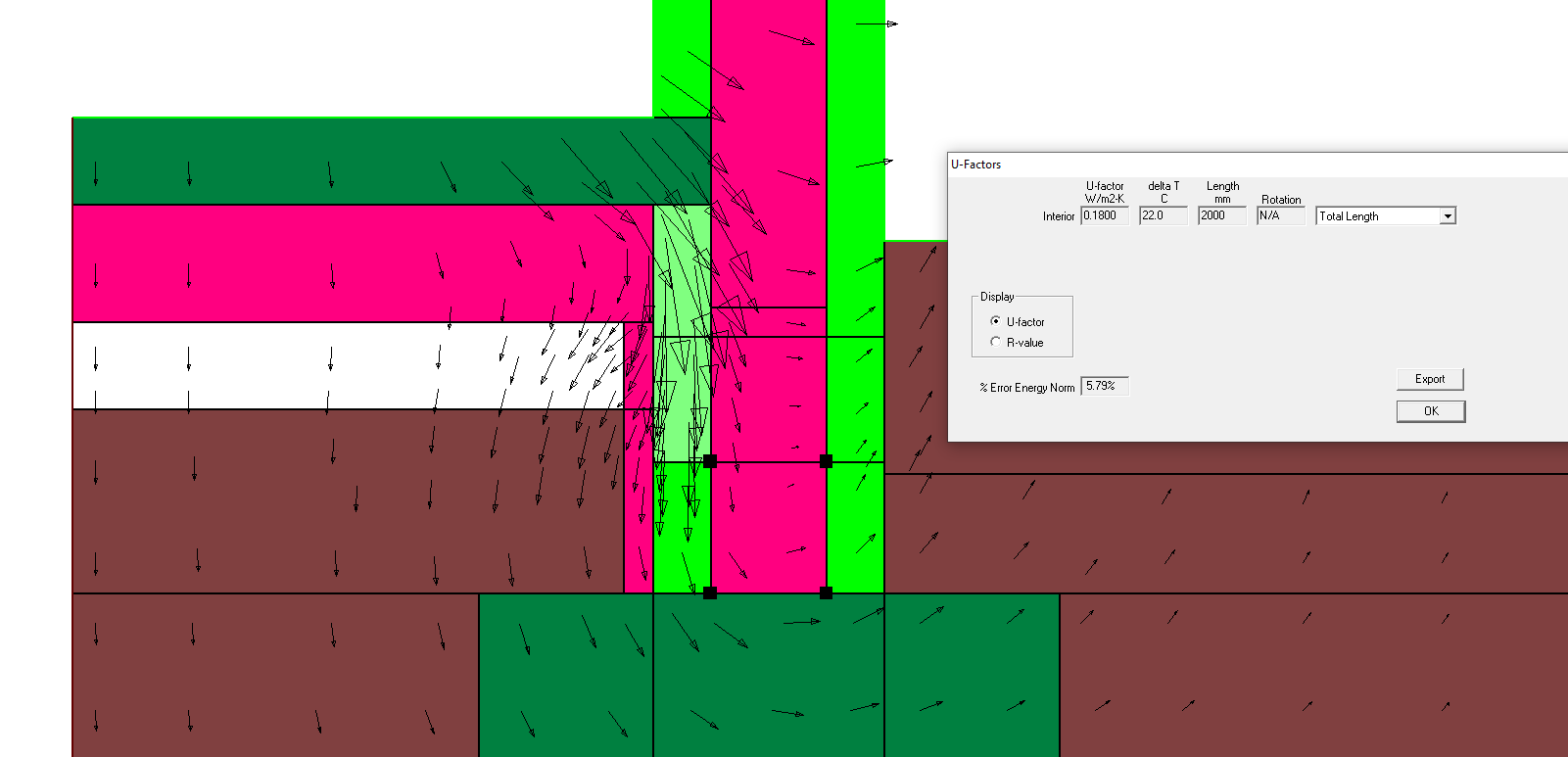
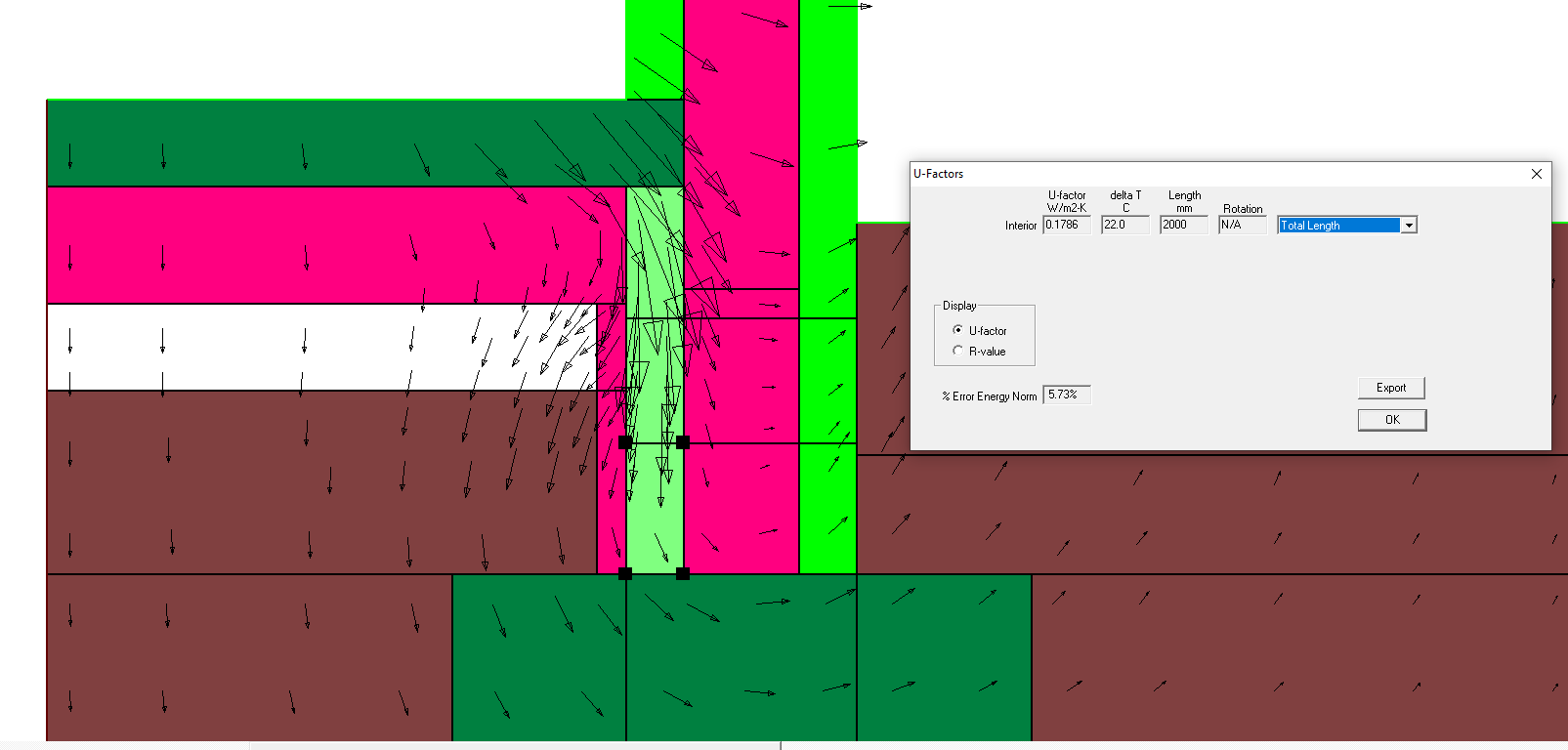
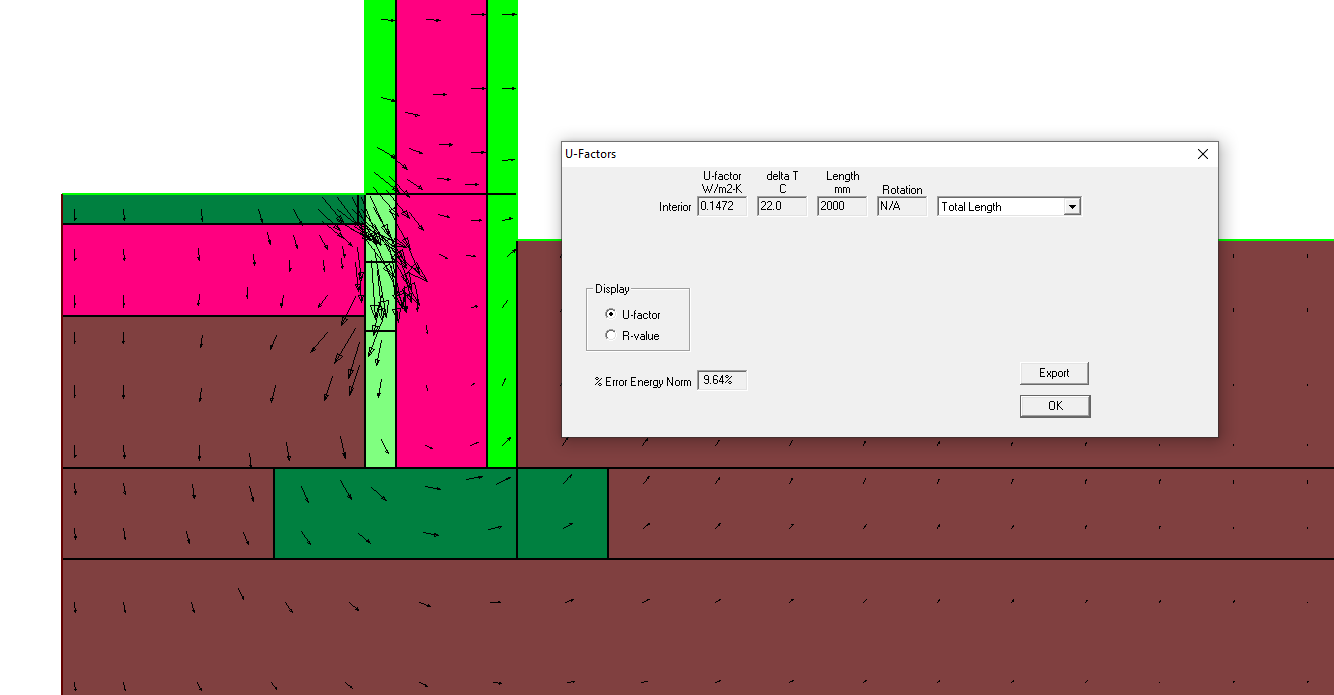
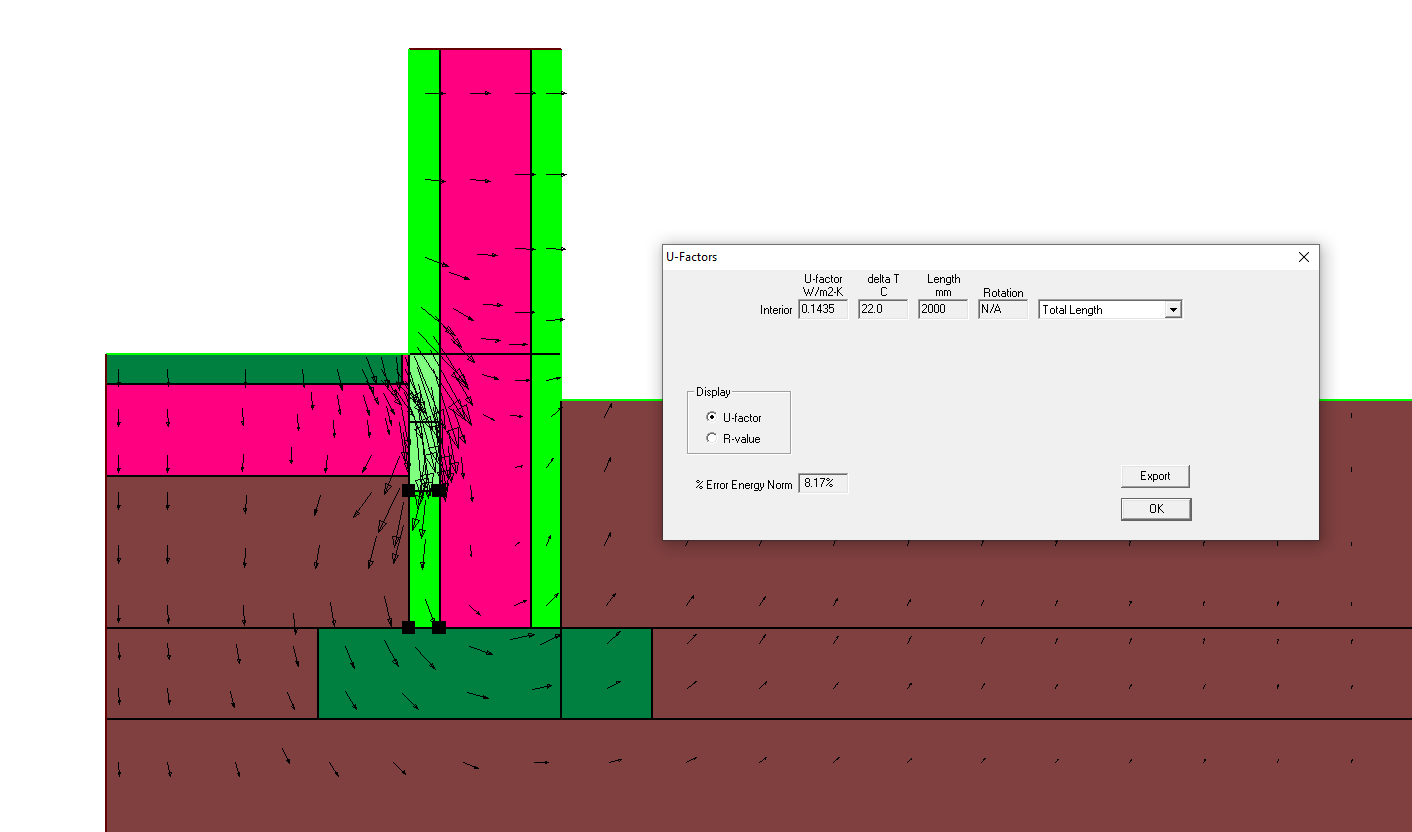
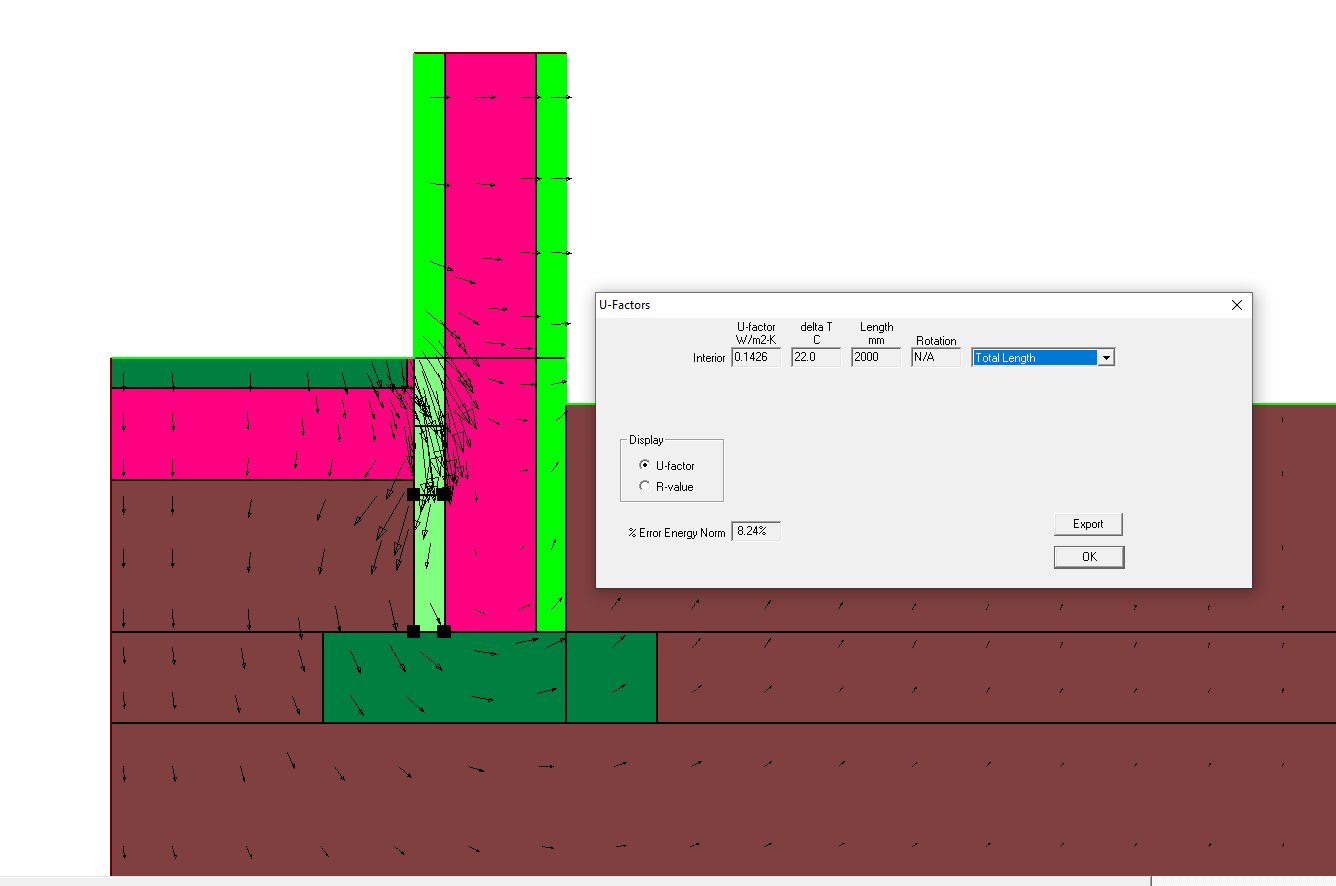
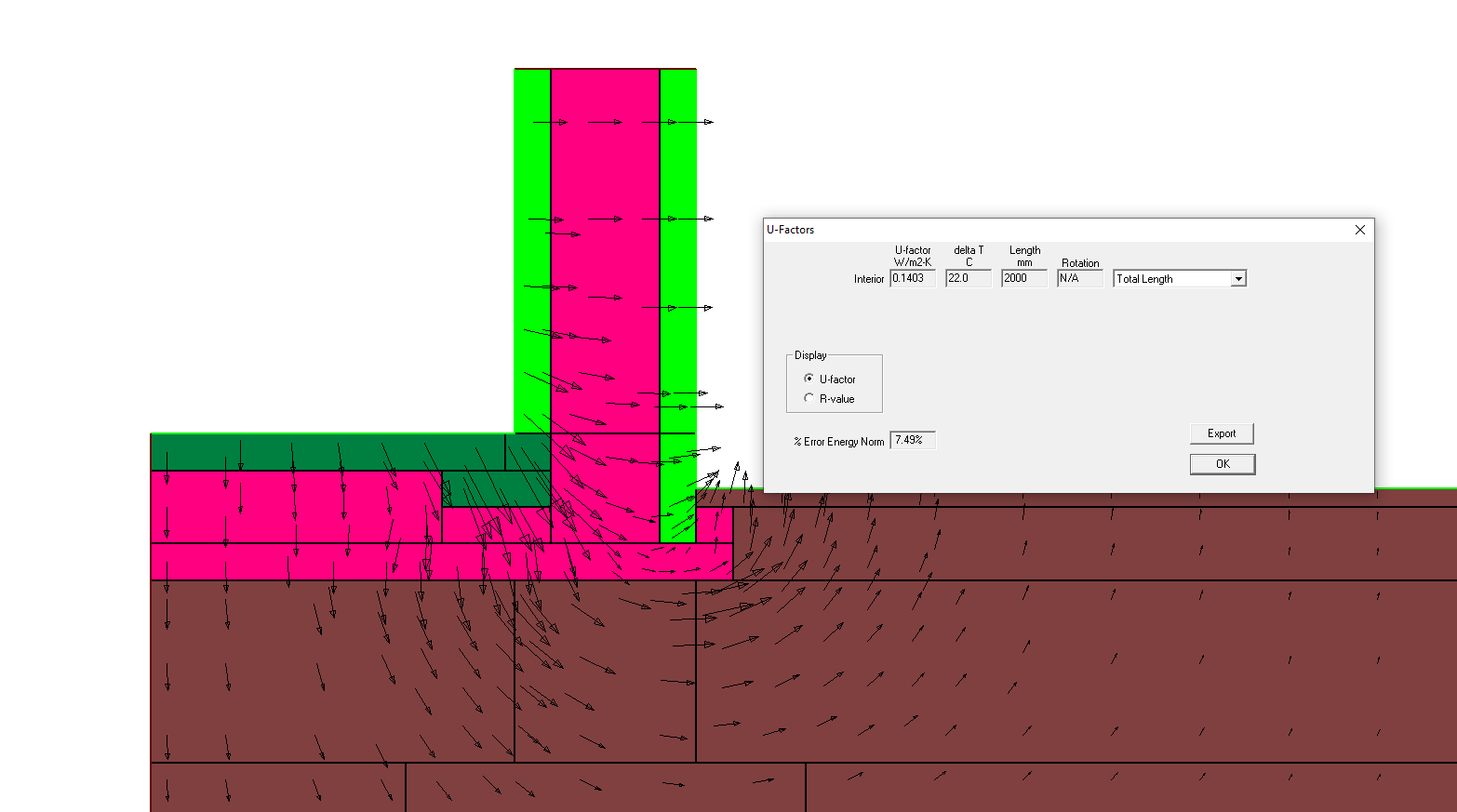
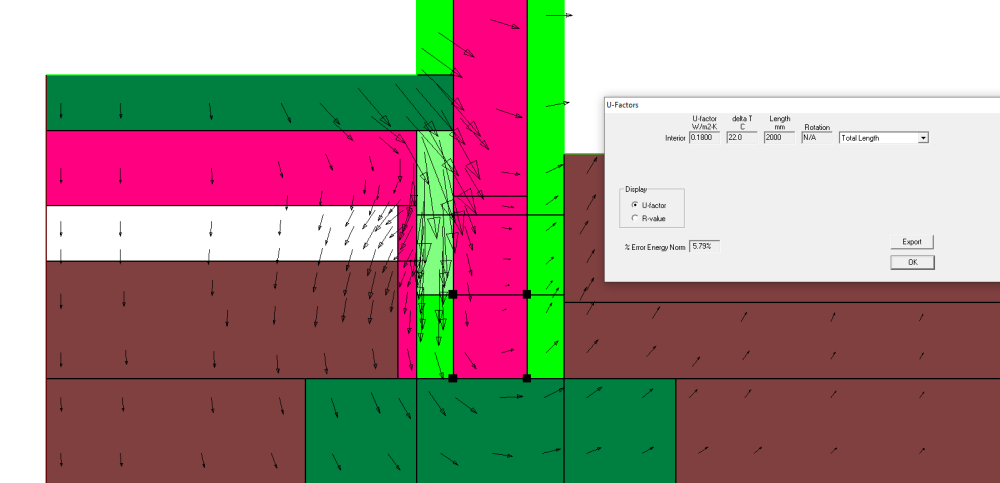
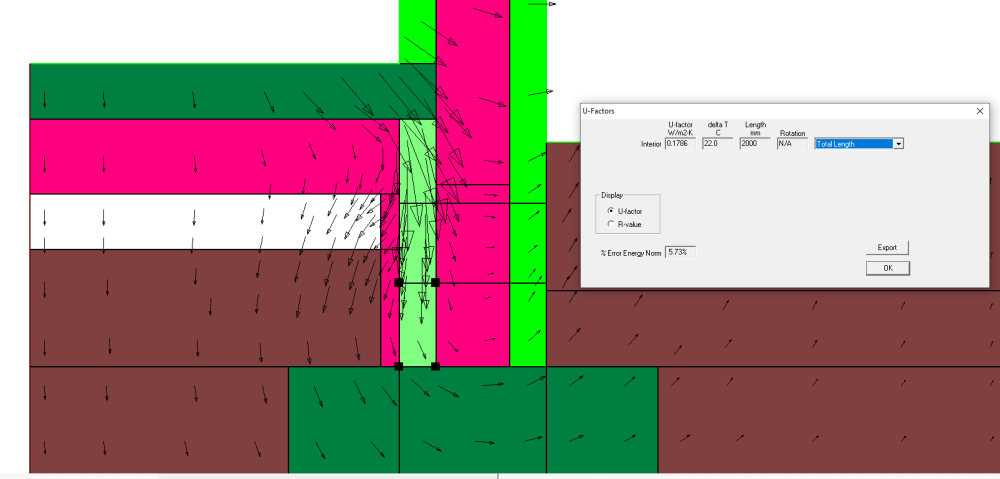
1. Basic spec. 2. Add Lower cavity insulation. 3. Add second aerated block 4. Add 50mm PIR to the foundation 5. Add more insulation lower in cavity 6. Add third aerated block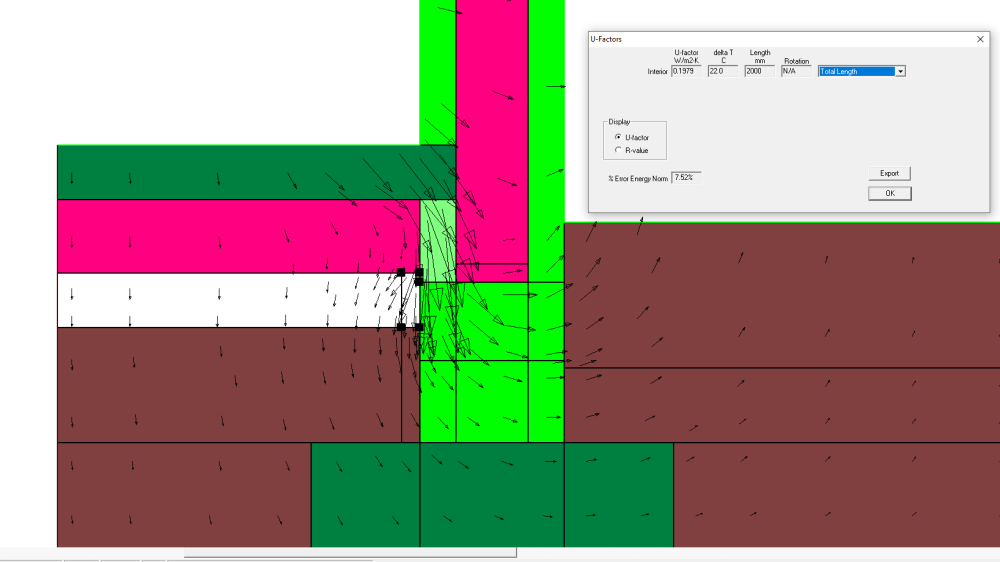



-
Most cost effective way to get to passive standard using block
Iceverge replied to CalvinHobbes's topic in Heat Insulation
It's free. THERM Software Downloads | Windows & Daylighting (lbl.gov) I used this PDF to get started. http://passivehouse.nz/wp-content/uploads/2018/07/ThermInstructions.pdf I'll draw it and have a play. -
Most cost effective way to get to passive standard using block
Iceverge replied to CalvinHobbes's topic in Heat Insulation
Very wise. 25mm got lose under out inner layer of wet plaster. Too much may make it difficult to secure carpet at the perimeter however. Yes, i use 2.0 W/mK for sand and gravel soils. Yes. -
Most cost effective way to get to passive standard using block
Iceverge replied to CalvinHobbes's topic in Heat Insulation
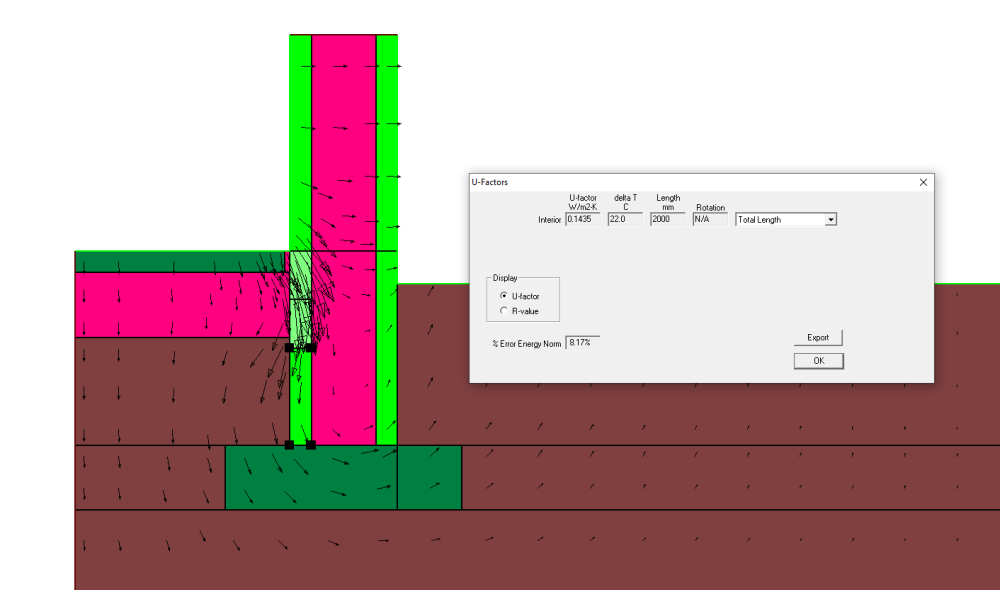
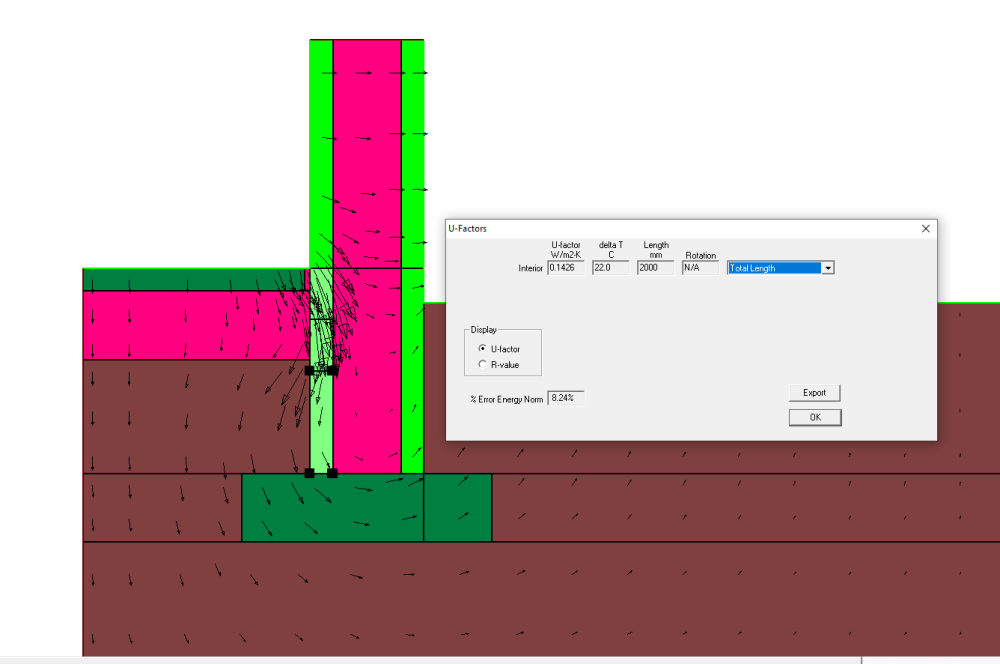
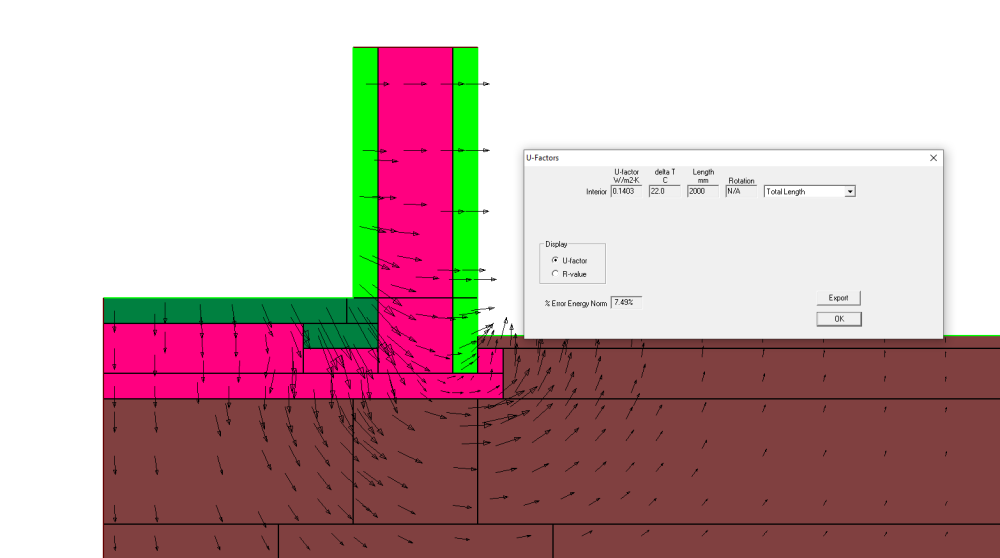
As per Denby Dale. Full lightweight blocks to the foundation. No upstand to slab. Just aerated blocks inline with insulation + 25mm PIR upstand to slab. It gives a better internal U Value. As above but with added lightweight blocks again. Only about a 0.01W/m2K improvement. Finally an insulated raft which performs the best.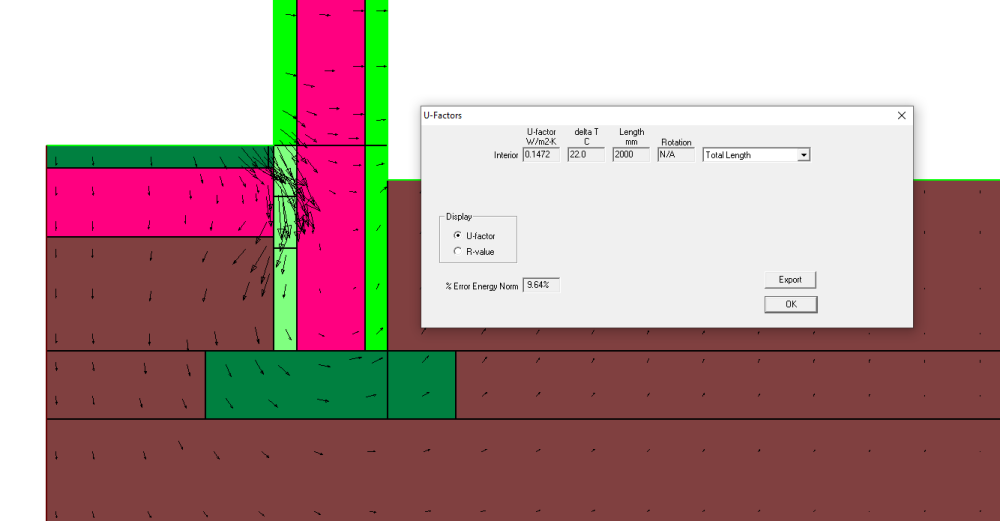
-
Most cost effective way to get to passive standard using block
Iceverge replied to CalvinHobbes's topic in Heat Insulation
I played with THERM a bit modelling this and the end result is that adding lightweight blocks that are not inline with the insulation layer in the floor is of little benefit. In the above drawing if the floor insulation is 200mm thick then one 215mm block will perform almost the exact same as three of them ( in theory at least) -
House is Too Airtight
Iceverge replied to Newlands Ian's topic in General Self Build & DIY Discussion
@Newlands Ian Well done on getting it through the check. I would be inclined to side with @JohnMo on this one and chuck in a dMEV or two anyway. I wouldn't bother with the undercuts for now. At the very least spend £5 on a cheap humidistat to keep an eye on the humidity. Its you who will benefit from the better indoor air quality and lack of noise anyway. -
Timber framed VS SIP build.
Iceverge replied to gustyturbine's topic in Structural Insulated Panels (SIPs)
The sound will follow any air gaps. Unfortunately any amount of sound proofing will make little difference if there is a clear path for sound to follow. If you ever renew the carpet you can put a layer of cement board below the underlay and use acoustic sealant to plug every gap. -
They do exist,I think Aldes do one. Most of us just tweek with the flow settings post install to achieve an air change rate that the troughs of low demand balance out with the highs of the peak demand and let the volume of air in the house buffer the changes. In practice it works fine although the CO2, RH and VOC levels will vary throughout the day. If you can live with this varying but still acceptable air quality the cost and complexity of a constantly adjusting system may not be worth paying for.
-
I worried long and hard about this. We have an AAV in the internal soil stack in the house and vent externally on a soil pipe on the garage. Seems to work ok. However you really won't loose as much heat as I thought. Here's a study. Basically is states that 25mm of insulation will make it a non issue. 50mm if you're bothered. https://www.elementalsolutions.co.uk/wp-content/uploads/2012/08/Heat-loss-via-internal-drainage-vent-pipes-full.pdf The dual function of the stack can be split. 1. Use a small (maybe 50mm or smaller) soil stack vent to air to allow for gases to escape and prevent pressurisation while minimising the chimney effect. 2. Add an AAV internally to ensure the traps don't empty.
-
Yes, that'd work. Care will be needed to ensure a straight wall however. Maybe shims behind the battens. I would use 22*70mm battens too as they're a little meatier and less lightly to split. Most people I know just use insulated plasterboard, hard to get good airtightness though compared to boards that are foil taped and properly foamed and sealed to the wall and ceiling. I suspect you do have a cavity too. Have you investigated?
-
We have the all black version from Electrolux the sister brand. That +30 second button is all I ever use. It's excellent. It has a touch button for the door too. So simple our 2 year old has managed to master warming her milk.

-
It's a bit more like buying a car without a fan and driving around with the windows open or drilling a hole in the door.
-
It'd be interesting to see the CO2 and RH stats for the house. I suspect it'd be fine due to the low occupancy rates and the propensity to keep windows open and happily exist a few degrees colder. Also, if I recall correctly, you do have an active ventilation system in the form of a stove. A completely room sealed 5kw stove will pull about 14m³ of air through an hour assuming it only uses half the O2 available in the air.
-
@ToughButterCup I suspect you have plenty of cat swinging space per person. It's fallicy to equate a house with 2 occupant's, high ceilings and an open plan compared to a house with tiny rooms and a large family even though they will have the same designed ventilation. I really liked the active system like Aereco's DCV with the humidity controlled vents. However it was dearer than our dumb MVHR system.
-
Noise reduction would be better with thicker plasterboard. I would be happier with mechanical fixings too, safer long term than foam I feel and less messy to install.
-
This is the obvious answer. I would leave it alone to allowing them to inspect it first.
-
Should I fix my energy prices?
Iceverge replied to Adsibob's topic in General Alternative Energy Issues
Gas looks cheap and electricity looks expensive. What are your annual usages of both? -
Timber framed VS SIP build.
Iceverge replied to gustyturbine's topic in Structural Insulated Panels (SIPs)
That should perform ok. Was there lots of holes cut in the ceiling, downlighters etc? -
Plate loading or coil UVC for heat pump
Iceverge replied to JohnMo's topic in Boilers & Hot Water Tanks
Would it not be more sensible to just install a plain DHW HP UVC and sell this complicated mess?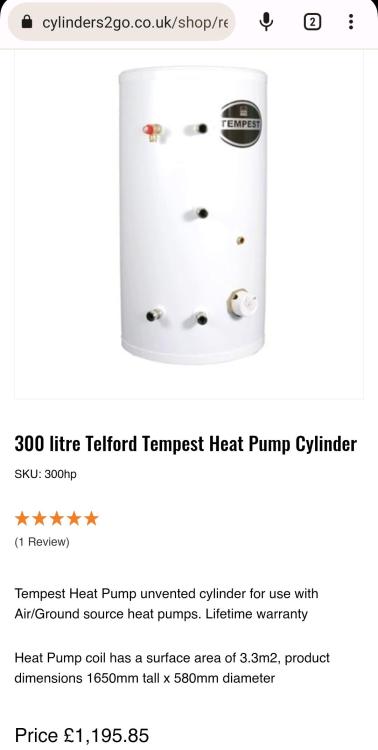
-
Plate loading or coil UVC for heat pump
Iceverge replied to JohnMo's topic in Boilers & Hot Water Tanks
They'll have plenty of space heating I fear with all the heat leakage through those tank connections no matter how good an insulating job is done on the pipes. -
Yup, sell it. Trying to build one house is stressful enough without having to look after an old one at the same time.
-
I would say that if the TS drops to 50 Deg you will not get any more useable DHW. Therefore the useable energy is typically the volume X delta T storage temp - 50) X heat capacity of water. If you run your store at 80 Deg from a gas boiler and have a 200l TS then you have 25.2MJ of energy to play with. However if you run it at 55 Deg from an ASHP you'll need a 1200l TS to match it, It can be done but often it's not practical. P.S. For what it's worth I reckon our UVC is at an average of 30 Deg when it stops providing useable hot water. So for a storage temp of 80 deg (80deg-30deg) X Volume X 4.2Kj/KgK = 25.2MJ The equivalent volume of a high temp UVC is 120l. About 60% of a high temp TS and 10% of a thermal store with ASHP. A low temp ASHP would be 240l for the same stored energy. TLDR. All the below give the same amount of hot water. 200l TS @ 80deg. 1200l TS @ 55deg 120l UVC @ 80deg 240l UVC @ 55deg.
-
Haven't gone into your calcs but the assumption is correct. You will get far less useable stored water from a TS compared with an UVC. An UVC can be heated efficiently by an ASHP to 50 Deg with a good COP. You will have almost all of that at your disposal. However a thermal store is all out of ideas at 50 Deg as the coil won't be able to transfer enough energy fast enough and the DHW will only be luke warm. (A plate heat exchanger is better but that's a heatbank rather than a TS really) They really like being as hot as possible. The one I installed ( Maxipod 250l ) for my parents ticks over at 80 Deg on a solid fuel Rayburn and works excellently. However run an ASHP at that temp and your COP would be awful.
-
@Big Jimbo I think I'm right in saying you have a block cavity design. have you seen the denby dale videos on you tube?
-
If you have no penetrations I would rather render directly to the woodfiber as an airtightness layer rather than purple passive. A a clay or lime render may be needed if you wish to retain the breathability of the wood fiber. Having used a fair few tubs of the Soudal airtight paint it yellows in sunlight and has a texture a bit like fiberglass so I don't think it's a suitable final finish. Caution of blocking any airflow gaps with the batts if you have under sarking ventilation in the roof.