Iceverge
-
Posts
4487 -
Joined
-
Last visited
-
Days Won
32
Everything posted by Iceverge
-

No-concrete foundations for a timber framed building
Iceverge replied to Carol L's topic in Foundations
https://youtu.be/BeU7dzlh6wk -
Excellent, I've got one on the way for my folks home to see if it can dry the place up a little. I think I'll going to have to core a 150mm hole through the wall thought. My plan is to begin by installing it as a single point extract in a central area and add more ducts if that doesn't work.
-
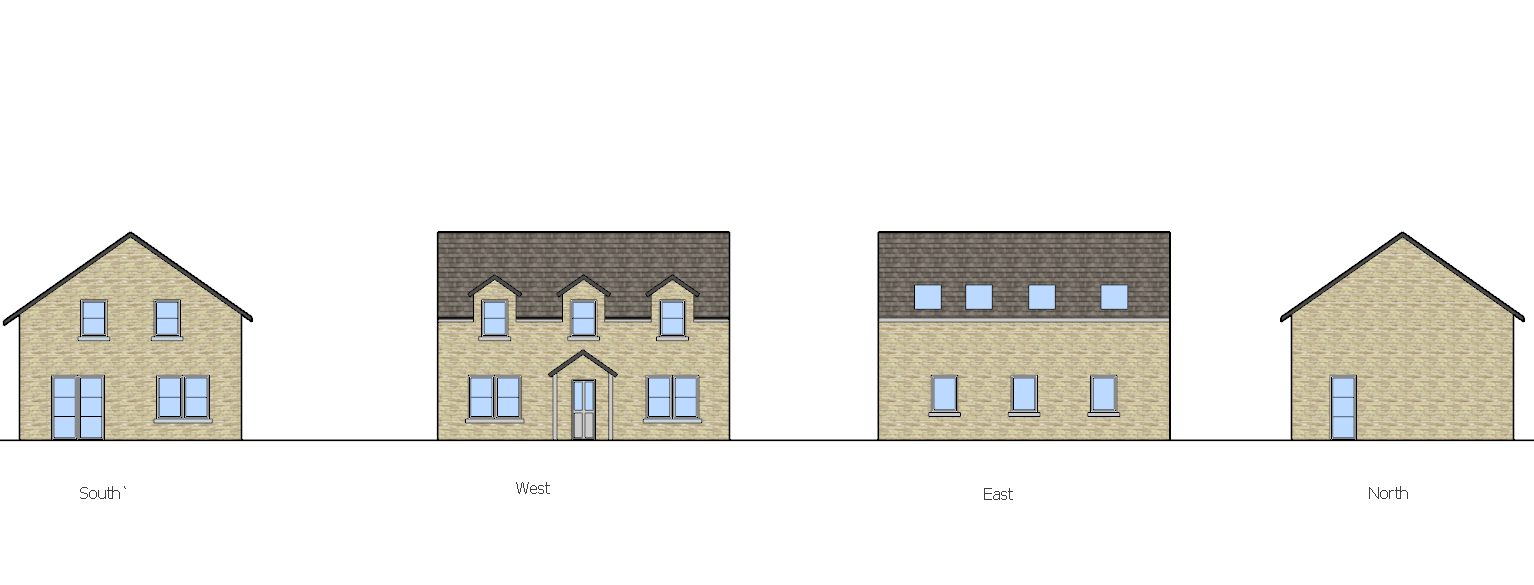
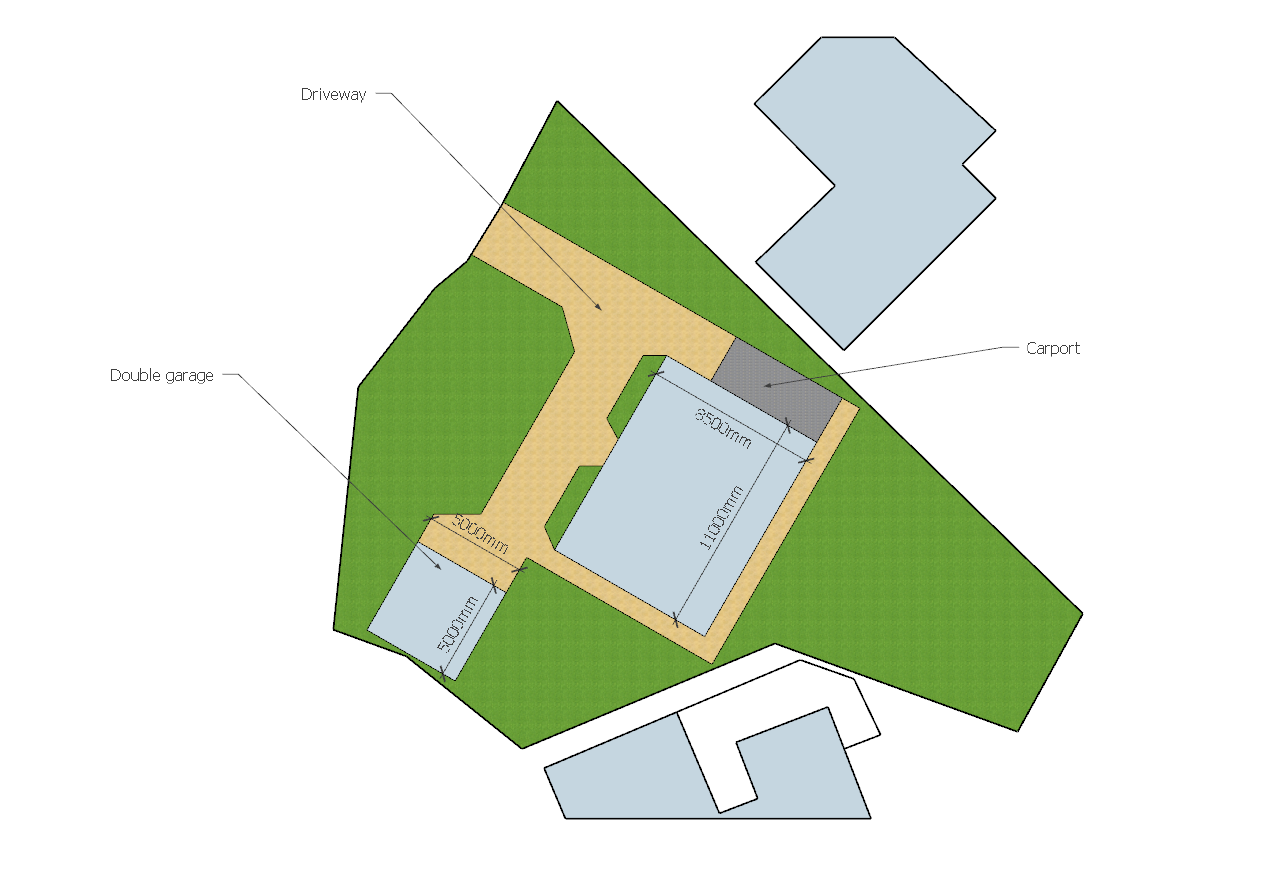
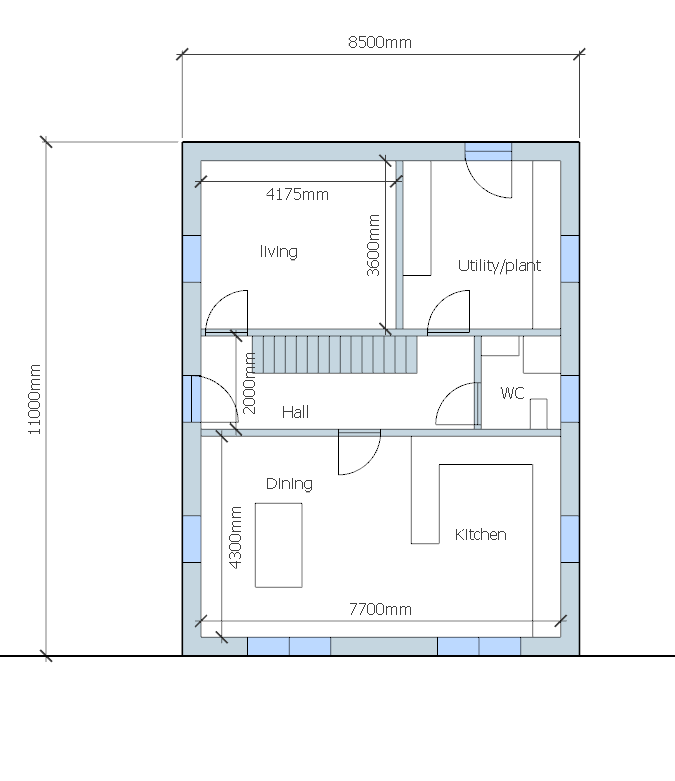
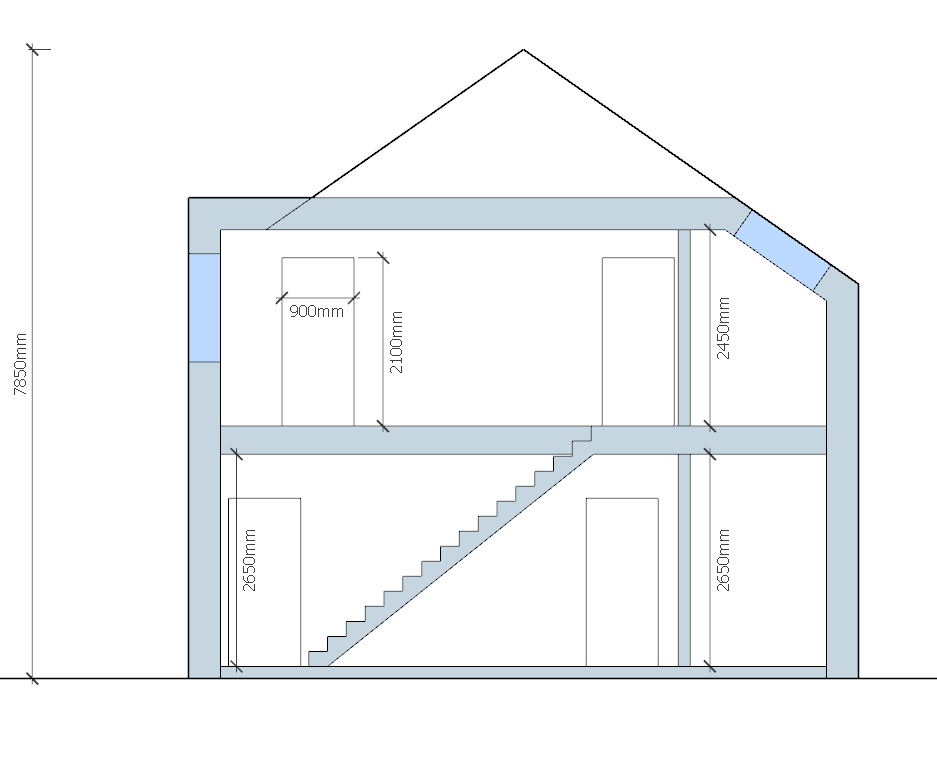
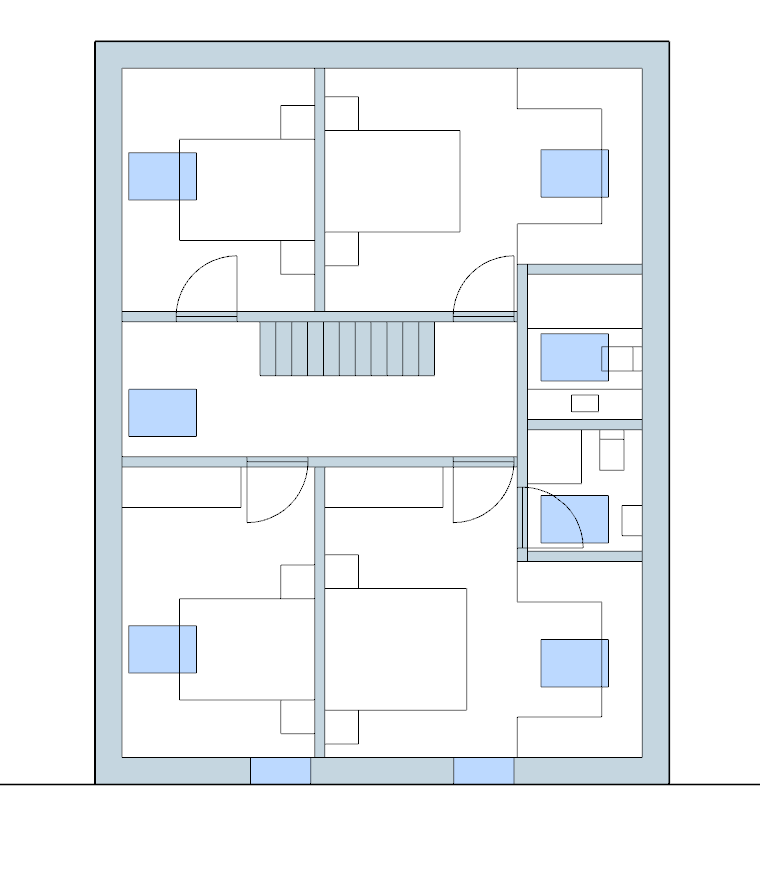
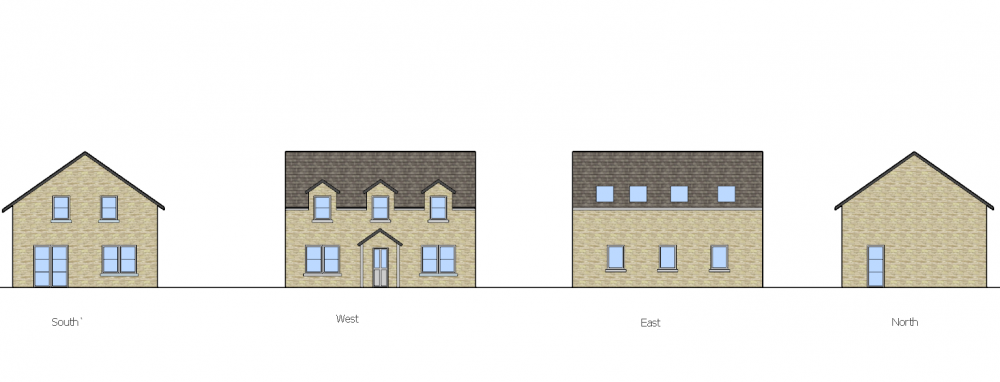
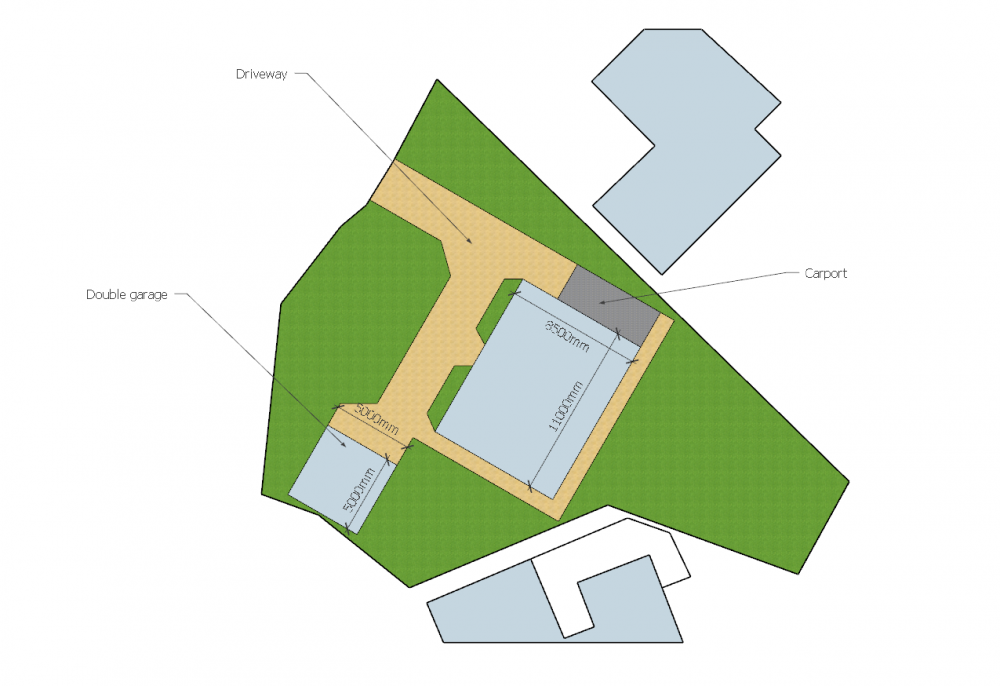
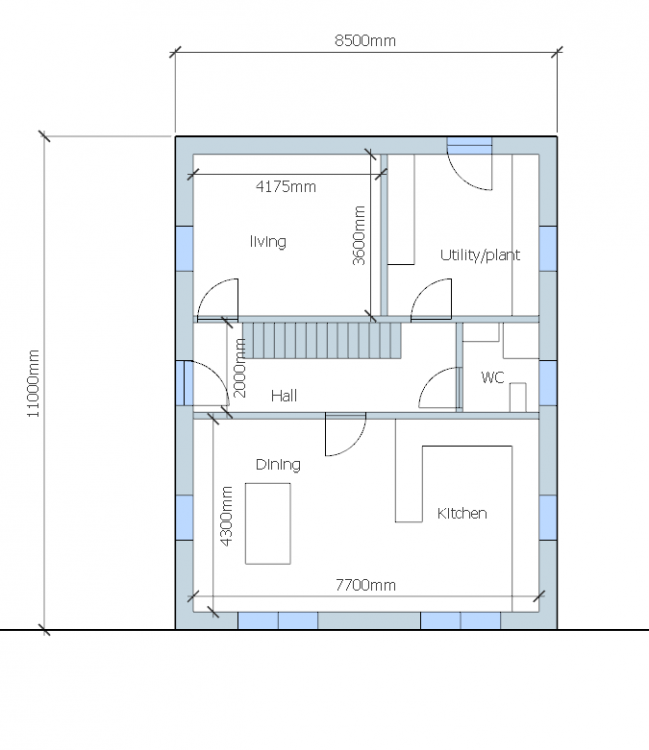
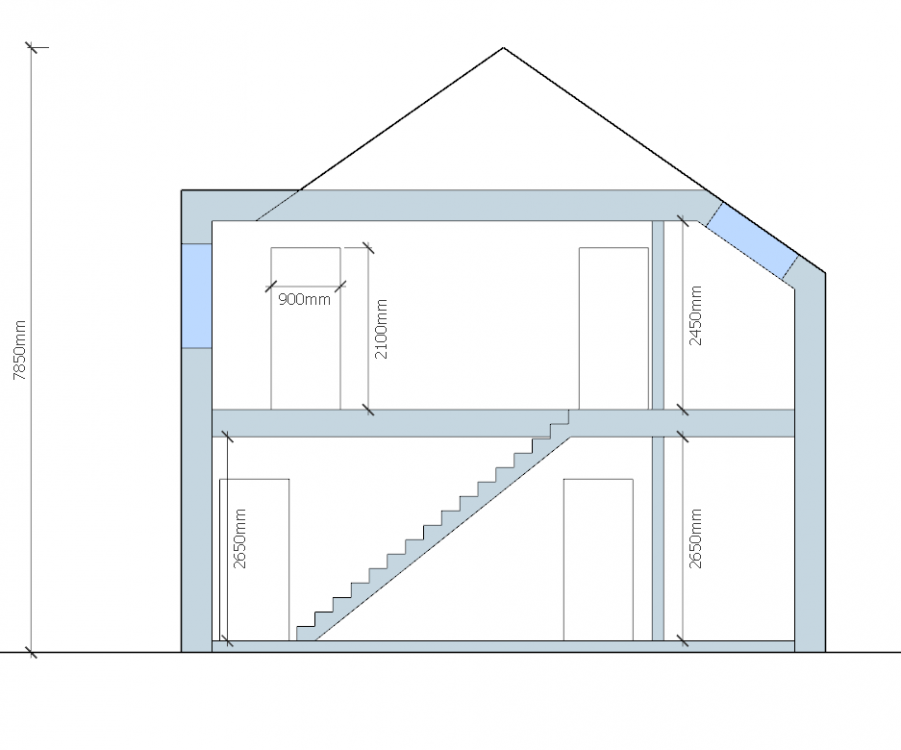
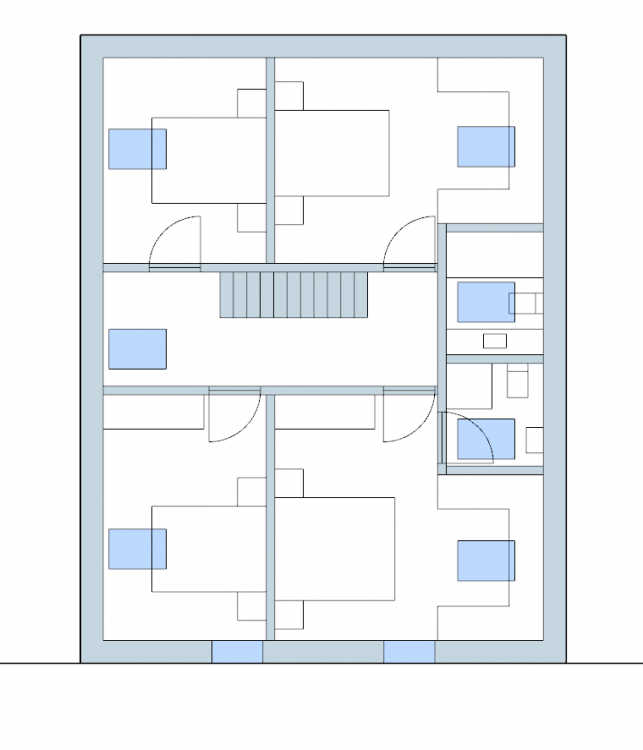
Alas I was nearly done before I read your above post. Have a look at the below and see if you have any thoughts. I have retained the ridge height, the location and orientation but changed the layout, the size, and the appearance. I have moved the kitchen dining into the sun. It amazes me how much main living areas end up at the dark north of a house. I have simplified the stairs meaning there will be more useable space below. The utility is much bigger and leads onto a carport area. The living is smaller but still a descent size and will allow for conversion to a bedroom later if required. This coupled with a wetroom WC will allow groundfloor living should it be needed. I elimated an ensuite but added 2 walk in dressing wardrobe areas. The front of the house is more balanced. The garage is detached and larger and should provide some additional separation between the neighbours. I have not included any fireplaces but one or two could be added to the kitchen or living room as required. Notes: Gross internal area 157m2, All walls 400mm externally and 150mm internally. Doors all 2100x900mm. All cabinets shown 600mm deep. All beds are king size except the master is superking. Jonathan I just noticed I forgot a door on the family bathroom.
-
MVHR pro-design needed?
Iceverge replied to Dreadnaught's topic in Mechanical Ventilation with Heat Recovery (MVHR)
Yup can do. They're expensive mind you. -
MVHR pro-design needed?
Iceverge replied to Dreadnaught's topic in Mechanical Ventilation with Heat Recovery (MVHR)
Good point I didn't think about this. Anyone have a good method of DIY measuring the duct pressures? -
It looks a lovely location. The planners bizarre decade by decade approach to building aesthetics isn't isolated it seems. Nonetheless the pictures give some clues as to what they might find acceptable. @joe90 I agree about the garage. However the project of building a garden wall from stone is wonderful. Undertaking a slow manual project by the roadside is just about the best way of meeting all your neighbours. Right I'll get to work!
-
MVHR pro-design needed?
Iceverge replied to Dreadnaught's topic in Mechanical Ventilation with Heat Recovery (MVHR)
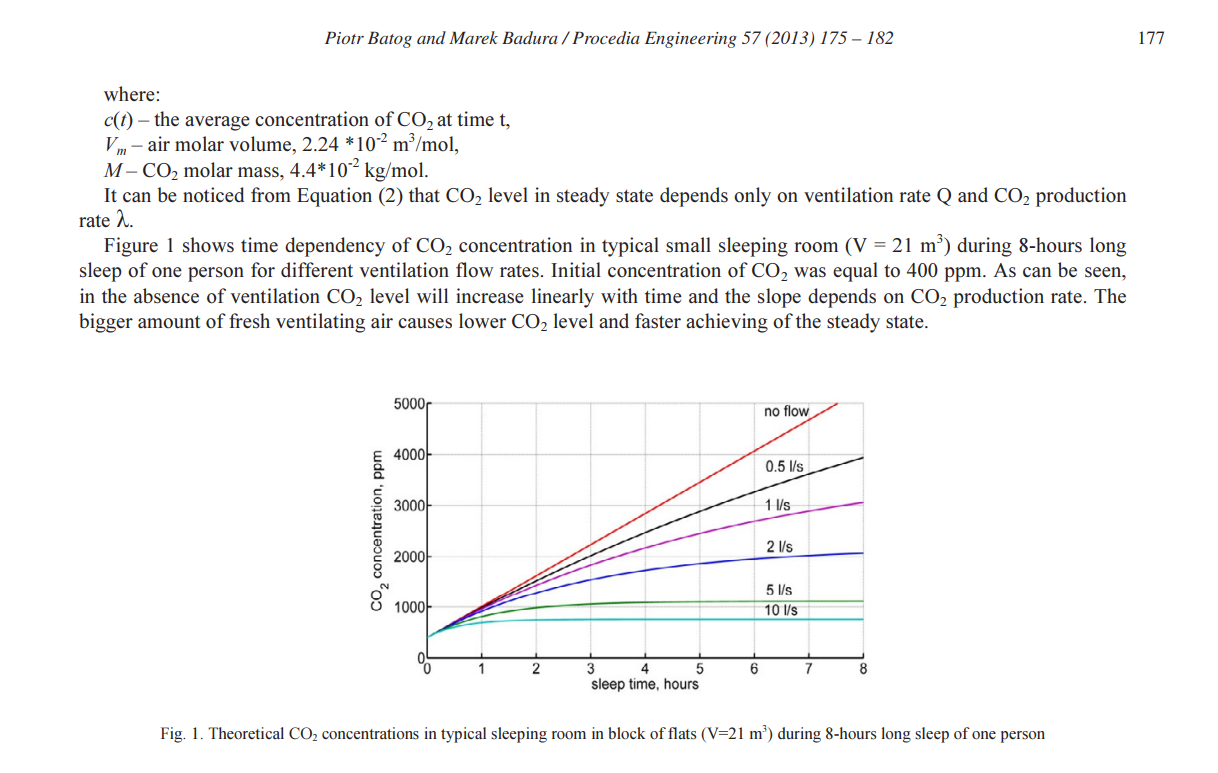
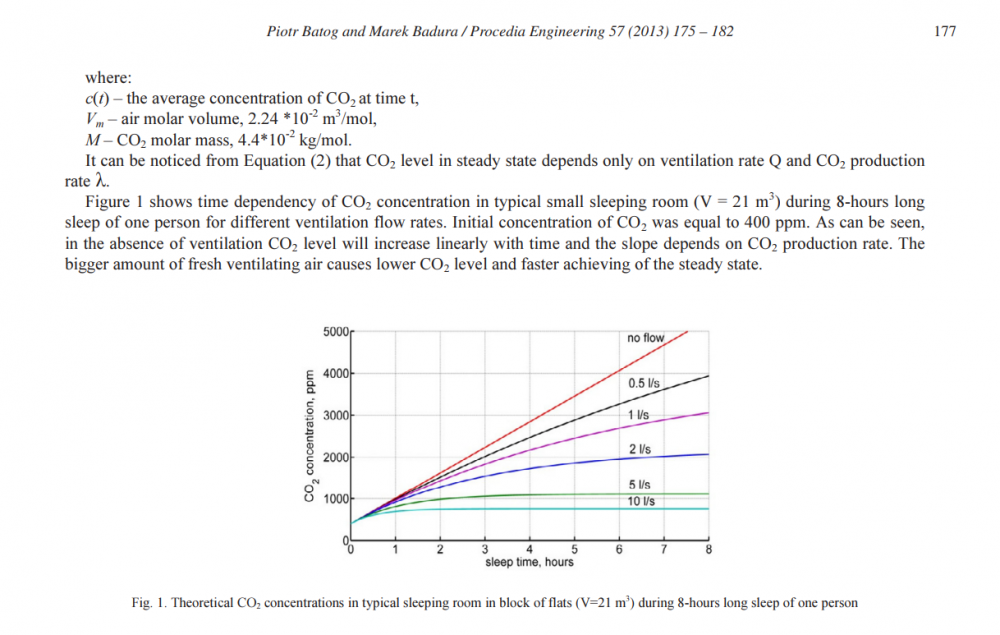
Start your design at your bedrooms. Bedrooms are the most limiting rooms for ventilation for 2 reasons. 1.They are the most noise sensitive 2. When occupied the doors are closed and air mixing with other rooms is limited. CO2 levels need to be controlled to ensure good health. As per the above graph 5l/s per person will keep CO2 levels acceptable. I worked on the principle that maximum bedroom occupancy would be 2 individuals or 10l/s. Every meter of 75/63mm ducting contains 3.12 litres of air so at 10l/s in our master bedroom our design velocity is 3.2m/s. It is above the recommended 2.5m/s but I followed Jeremy Harris's notes about noise where he suggested that it was almost exclusively caused by the MVHR unit itself and the room terminals. From my experience I would agree. Even at boost (4.5m/s) there is little duct noise. As long as you take care to have straight duct runs in the vicinity of bedrooms 2.5m/s is very conservative. More important is to consider your choice of MVHR unit. The passivhaus component database is the only independent comparison of noise I could find. https://database.passivehouse.com/en/components/list/ventilation_small Important also is how the unit is mounted. If it is in the attic it needs to be physically isolated from lightweight structures like ceiling joists. Either by hanging form the rafters or using acoustic mounts. Alternatively mount it on an external wall or on the floor of a plant room. Another thing to consider is the location of external vents. Don't put them near bedroom windows. I used flexible acoustic silencers from BPC ventilation on both the extract and supply sides of the unit. They were cheap and cheerful and I don't know how well they perform. @joe90 diy foam lined distribution boxes may well outperform them. I only doubled up on the 75/63mm ducting for the kitchen extract. Through experimentation i found that the maximum a 63mm duct could transfer without restricting any other outlets was about 5.1m/s or 16l/s. Again just using this trial case the noise was primarily from the terminal and the MVHR unit. TLDR. I used 75/63mm everywhere. Only doubling up for the kitchen. We have no issued with duct noise or air volume restrictions but were careful to have straight short duct runs and shallow bends only. If I was to reduce noise further I would probably install a larger volume acoustic silencer first. Then possible upgrade the MVHR unit to a quieter model. P.S on positioning rooms terminals. Aim to have them: 1.Across the room from the door. ( not vital if you can't manage it ) 2. Where high furniture won't obstruct them ( over a window works well) 3. Not over a bed or other occupied area where drafts might be noticed.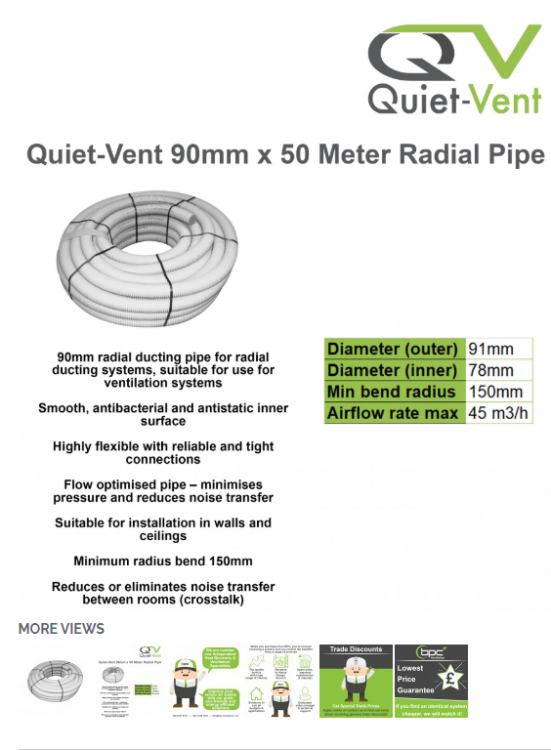
-
welcome welcome! I might have ago at a redesign as a Sunday project later on if you like. Is your Site layout plan North up? How close are your neighbours from an overlooking point of view? Have you any sample pictures of the general style of houses in your area? What kind of style do you prefer? Jonathan
-
MVHR pro-design needed?
Iceverge replied to Dreadnaught's topic in Mechanical Ventilation with Heat Recovery (MVHR)
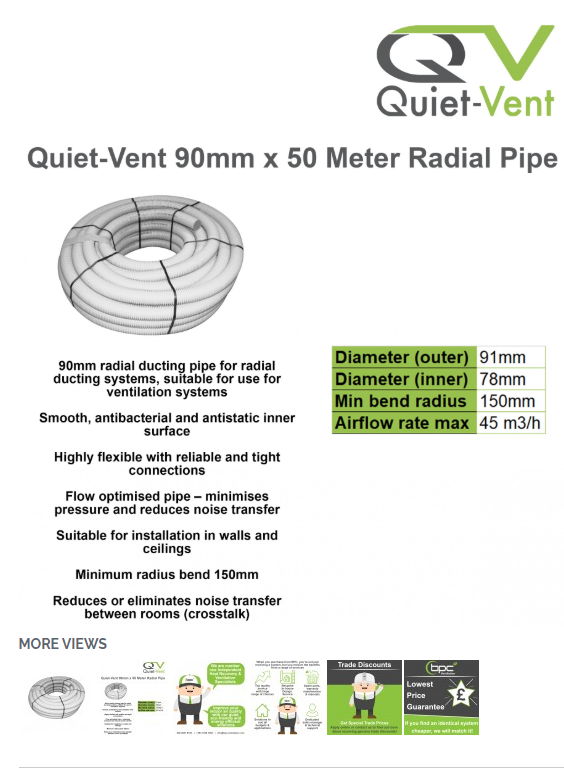
Another self design here. We only doubled the pipe to the kitchen extract. Recommended maximum air flow velocity is 2.5m/s. In theory we’re above this in our bedroom but unless it’s on boost you can’t hear it. If you have plenty space it might be easier to use 90mm ducting than doubling up. -
Unvented Cylinder Installation. Spot the Problem!
Iceverge replied to Iceverge's topic in Boilers & Hot Water Tanks
Ok, we're moving in the next few days so I'll see what it's like to live with. As above could I fit an undersink heater as a workaround? 45 secs seems super long to wait for hot water. -
Planned ASHP 1930s semi retrofit - experiences please?
Iceverge replied to Greenbot's topic in Air Source Heat Pumps (ASHP)
Is it an option to install an air to air heat pump in a central area and an immersion in the tank. You could use these to avail of low carbon electricity when available. While leaving your boiler to top up when needed? Gas boilers are a still a very efficient method of using fossil fuels. In terms of your global carbon usage have you compared the benefit of house modifications Vs changing to an electric car for instance? -
Unvented Cylinder Installation. Spot the Problem!
Iceverge replied to Iceverge's topic in Boilers & Hot Water Tanks
It would be difficult. The pipes are behind utility and kitchen cabinets that went in last week. Would 10mm Hep do 6L/minute at 3 bar over 11m for the kitchen taps. No elbows? -
Unvented Cylinder Installation. Spot the Problem!
Iceverge replied to Iceverge's topic in Boilers & Hot Water Tanks
Groan. So we're stuck with it? I was hoping for better. Can I install an under sink water heater on the hot water line to help this? -
Unvented Cylinder Installation. Spot the Problem!
Iceverge replied to Iceverge's topic in Boilers & Hot Water Tanks
Ok, I've removed the handle to the EV. I couldn't fit in the non return valve as I have no tools or fittings for the multilayer pipe and I would need to cut it and rejoin. I measured the kitchen tap's performance. It is a run of 11m from the UVC. Half 26mm, half 16mm. It takes an average of 45 seconds and 4 litres of water to get to full hot temperature. This seems very slow. The issue returns if you leave the tap alone and come back to it. Is it the unbalanced feeds that is causing this or an issue with the TMV? -
Unvented Cylinder Installation. Spot the Problem!
Iceverge replied to Iceverge's topic in Boilers & Hot Water Tanks
-
Unvented Cylinder Installation. Spot the Problem!
Iceverge replied to Iceverge's topic in Boilers & Hot Water Tanks
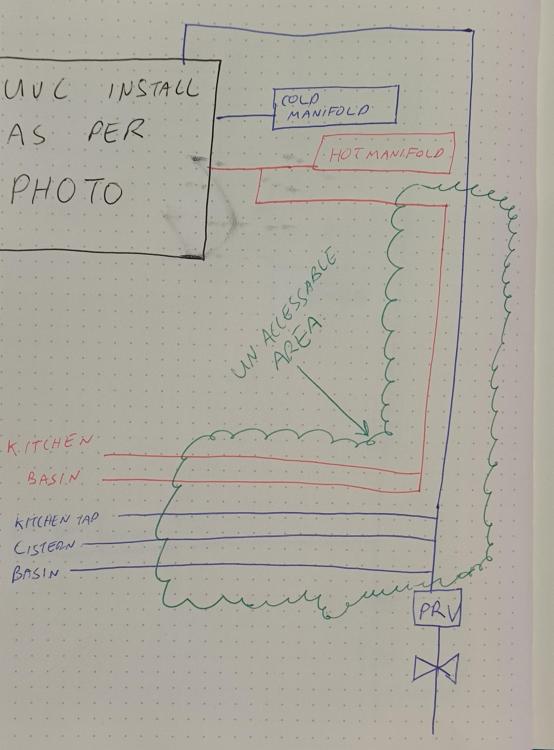
Morning All, Thanks very much for the help. I was thinking/worrying deep into the wee small hours this morning. I think I've come up with a solution, although with knowledge its a bigger problem than what I've shown you. For clarity the plumber has installed 16mm, 26mm and 32mm multilayer crimp fittings. Firstly we checked the EV and adjusted the pressure from 2.5 to 3.0 Bar to match the multibloc. I was beginning to think I was the only one who thought so! They did come with it and depict a normal G3 installation. I also contacted the engineer at Joule and he insisted that the diagram be followed. Prior to the plumber returning to rectify I explained where and how to connect things as per the diagram. It didn't happen. I'll fit it today. I'll leave that off for now as I think I'm going to redo the cylinder installation myself in the coming months. I will take off the handle today. Ok on to the big problem. As I said above I initially asked the Cold Mains to be taken to the UVC and everything to be distributed via a manifold system. This didn't happen. The plumber installed: 1. A Mains stop cock 2. A mains PRV 3. Teeed off the main pipe to provide cold for (downstairs) 1 basin mixer, 1 cistern and the kitchen tap. 4. Routed the mains to the UVC 5. Teeed off for a cold manifold 6. Installed the UVC as shown. 7. Routed the water to a hot manifold 8.Teed off in 26mm pipe for the (downstairs) aforementioned basin and kitchen tap. 9.Went from 26mm to 2x 16mm pipe for the final runs to the taps downstairs. Will this mean our basin and kitchen mixer will remain unbalanced even if we remedy the UVC installation? Is this contributing to the 3.5 Litre and 1 minute wait time for hot water in our kitchen tap at full hot? ( I thought it was just the 26mm pipe run holding a lot of cold water) The basin takes ages to get hot too. My solution: Run more 16mm pipes from the UVC to join the final runs to the downstairs taps. Unfortunately this will require pulling down a ceiling in our utility and either cutting out a section of our built in utility cupboards that were installed last week or removing them. I'll add a video in a while and sketch a diagram. Thanks, Jonathan -
Unvented Cylinder Installation. Spot the Problem!
Iceverge replied to Iceverge's topic in Boilers & Hot Water Tanks
Will do. -
Unvented Cylinder Installation. Spot the Problem!
Iceverge replied to Iceverge's topic in Boilers & Hot Water Tanks
Commissioning was never mentioned. There's no G3 signoff required in Ireland. There probably should be looking at what's happened. -
Unvented Cylinder Installation. Spot the Problem!
Iceverge replied to Iceverge's topic in Boilers & Hot Water Tanks
I think I'll do that. Would the system work as is apart from that? We were hoping to move at the weekend. -
Unvented Cylinder Installation. Spot the Problem!
Iceverge replied to Iceverge's topic in Boilers & Hot Water Tanks
I noticed in the kit there was a separate tank thermostat for controlling the immersions. They immersions have an inbuilt stat. Will this be enough or should the plumber have installed it? -
Unvented Cylinder Installation. Spot the Problem!
Iceverge replied to Iceverge's topic in Boilers & Hot Water Tanks
Good plan. I could rectify the issues myself but I feel like it's not my job. Unfortunately it usually ends up being my job. -
Unvented Cylinder Installation. Spot the Problem!
Iceverge replied to Iceverge's topic in Boilers & Hot Water Tanks
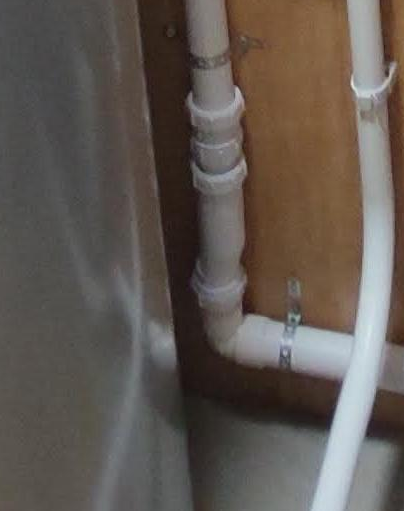
@Gav_P Yes, it is. I asked for the handle to be removed but alas............... Here is another view of the expansion. Will 100mm be enough?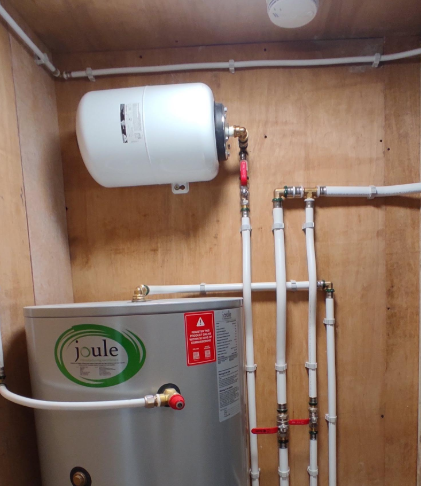
-
Unvented Cylinder Installation. Spot the Problem!
Iceverge replied to Iceverge's topic in Boilers & Hot Water Tanks
That makes sense, However I believe the main pressure reducing valve is set to 2.5 bar from looking at the gauge. The control block is factory set to 3 bar. Would this mean that as long as my main pressure reducing valve is set below 3 bar it would still be balanced? -
Unvented Cylinder Installation. Spot the Problem!
Iceverge replied to Iceverge's topic in Boilers & Hot Water Tanks
I don't know. I suspect it's probably the same reason that 2 out of 5 taps we have are connected backwards. I had asked the builder to direct the plumber to insert the valve at the location of the Tee. Would this have been right? The build it through a main contractor. So every point I try to make is lost in translation. Its very frustrating. I'm kicking myself for not plumbing the house myself in Hep2o.- 69 replies
-
- 1
-

-
- uvc ( unvented hot water cylinder )
- plumbing
- (and 1 more)
-
Unvented Cylinder Installation. Spot the Problem!
Iceverge replied to Iceverge's topic in Boilers & Hot Water Tanks
II assumed that was what was fitted here?