Ajn
-
Posts
110 -
Joined
-
Last visited
Everything posted by Ajn
-
The thing that appears to be missing from all these posts is mention of the third and ruling party in these designs. The one that has the ultimate say.... the Planning Officer. We had our view and requirements,. The achitect added in the well... have you thought of this or that etc and presents a plan that we can try. He adds "it may work if the local planner is busy but we may need plan B". ... we used plan B. A good architect also needs to be able to sell to the client that he understands the clients requirements but needs to be able to work the planning process for the best interest of the client.
-
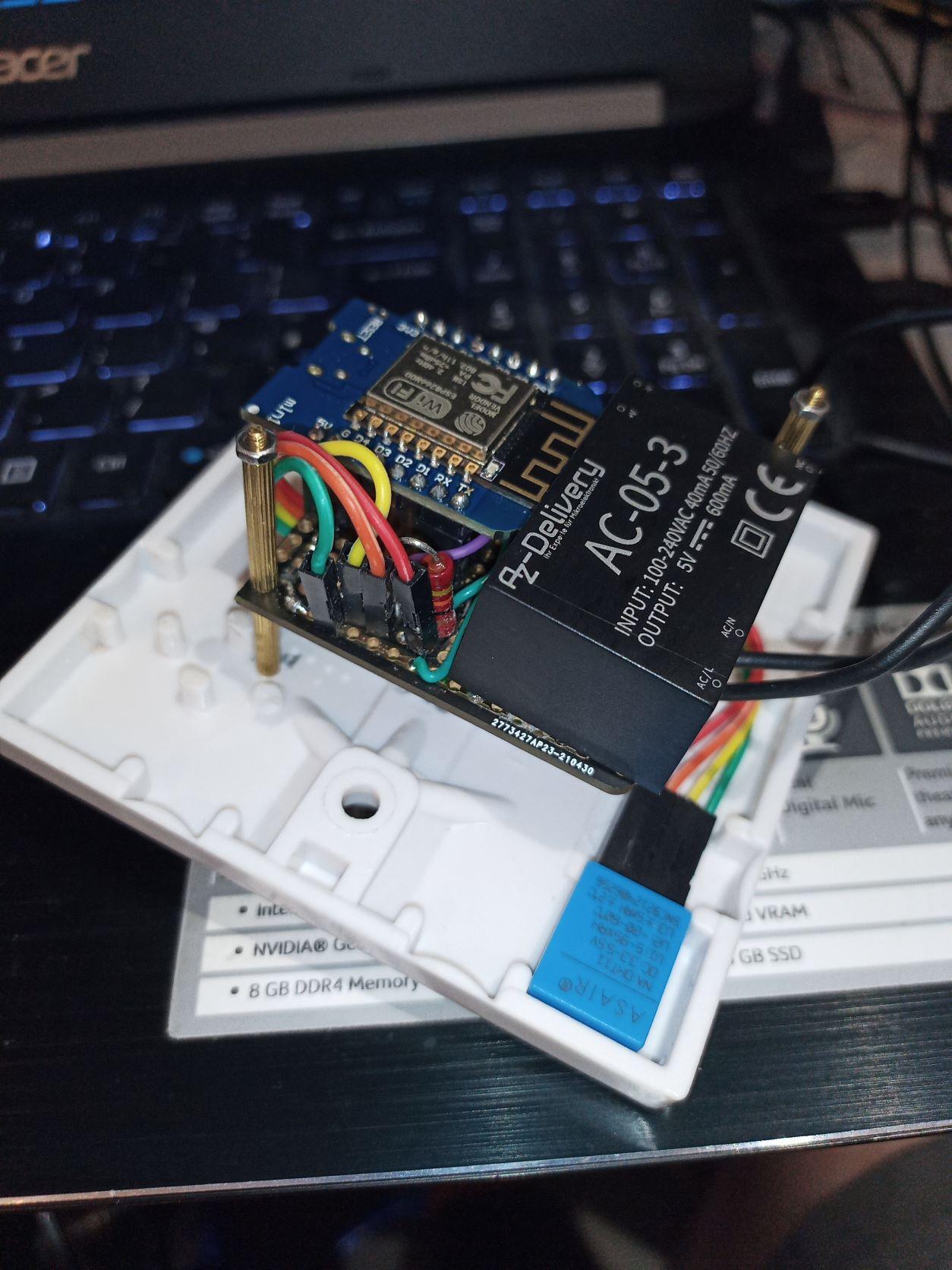
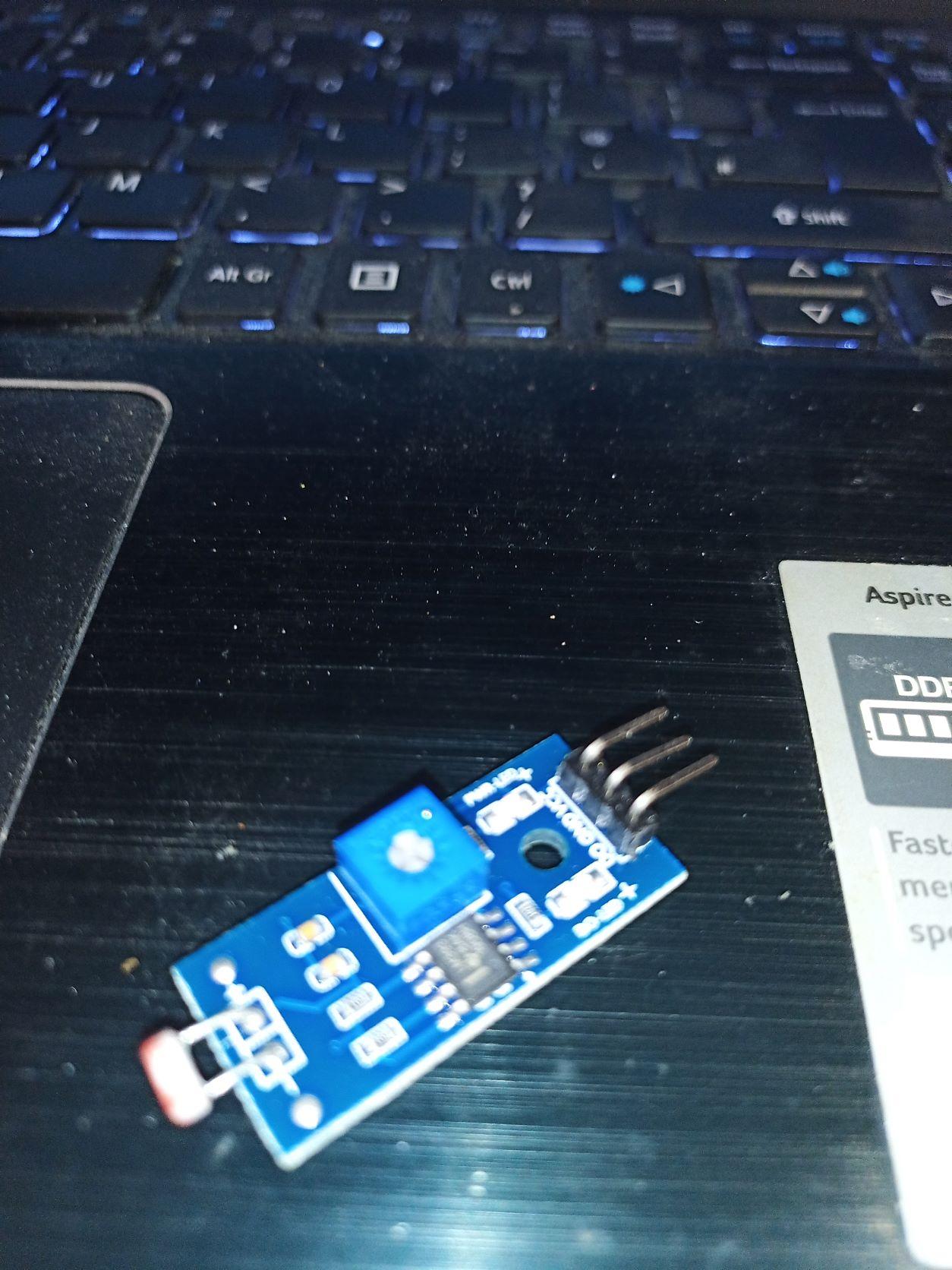
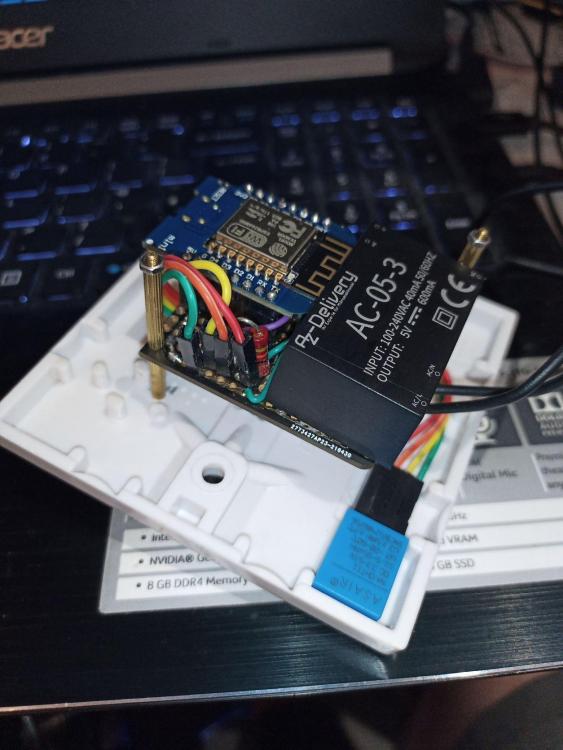
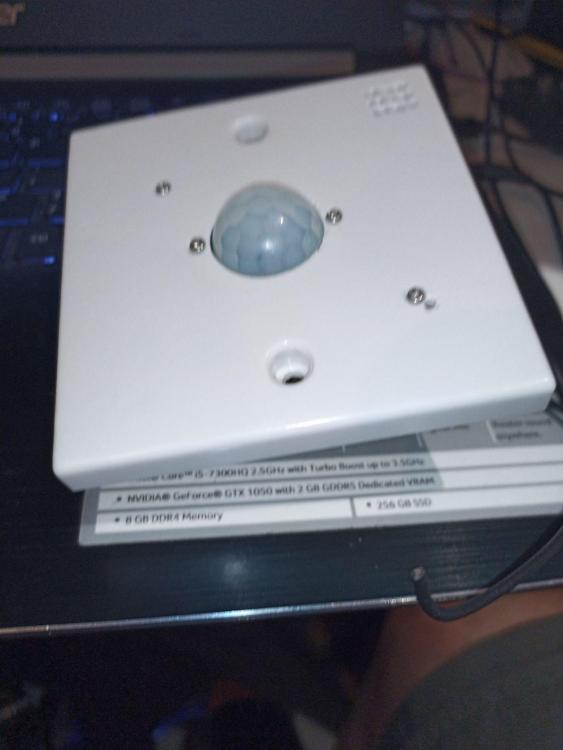
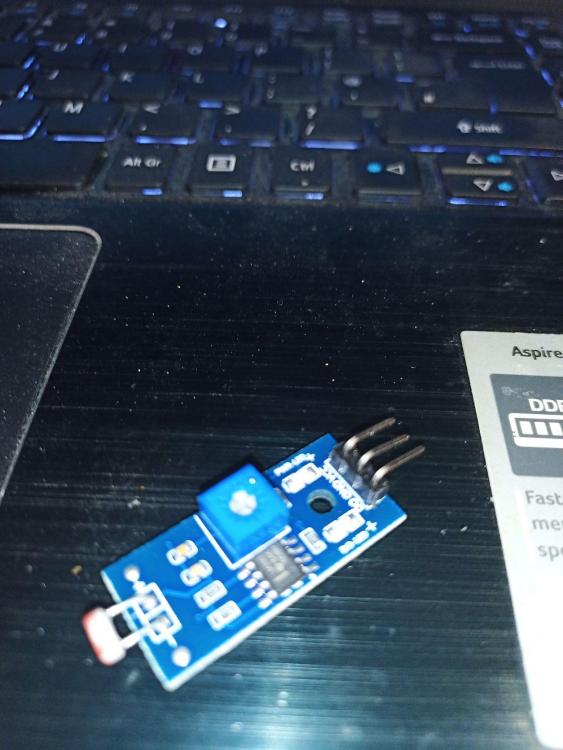
Didn't think its a sound idea? Well this is my starter for ten to go in our downstairs loo...(we are only single storey but..what else to call it?). There is a shower in this room so it was going to have a RH sensor. I have added a PIR to the RH sensor. I have also included a light sensor, more to determine who has left the light on.... (I know who it is... but need to catch them) The sensors connect to a D1mini wifi micro controller running esp-easy. The output via wifi goes to a MQTT server running on a respberry pi. This also runs Node red as the control software and Web user interface. Node red controls all my heat recovery and heating activity including recording data to an SQL server. So to trigger "additional ventilation". I have ordered a mic and ADC (anolog to digital converter) recorder that will create a sound file to be stored in segments as triggered by the PIR. Software on the pi will look at the sound files to learn when the ventilation needs to be activated above the background level and for how long. Pictures are the PIR, RH and light sensors built on the back of a single blank face plate. This goes in the ceiling not far from the extract vent and one of the lights.
-
In a word corbelling.... the building is 200 years old, never had gutters just corbelling to shed the water. Also didn't want to change the ground conditions around the foundation of the building by removing the water. We have maintained the absorption of the ground around the building. No DPC either.
-
we didn't use any guttering so nothing to clean or overflow.
-
The AI would cope with that.
-
The solution is simple and sound. First we need to identify a start point. This can be done by PIR whitch sets off the proceedure by detecting arrival of target instance.. A microphone then records to a database the sounds made by the target for the duration of the active PIR. Then using a bit of machine learning it identifies from the sound the actual activity of the target. The key sounds are then used to trigger the required extraction type and the required duration e.g. Boost, super boost, five or ten minutes, a week etc. It is likely that individual targets would have specific profile sounds and these could be used to profile boost and durations for the identified target. Use of the data could open up many other possibilites.... hmm.
-
Plumbing pipes - copper v plastic, different sized pipes
Ajn replied to Porthole's topic in General Plumbing
it was atleast five years ago so a few sleeps since then. Likely to have been local building supplier so no idea. The inline one looked like the speedfit ones. -
Plumbing pipes - copper v plastic, different sized pipes
Ajn replied to Porthole's topic in General Plumbing
Having had a couple of failures of the O ring with push fit to copper after five to seven years. I would only use compression joints on the plastic to copper. On inspection some form of crystallization had taken place over a long period within the joints and caused failure of the O ring. The two joints were different. One was an inline connector (copper copper) and the other was a copper to flexible. The flexible (7 years) had a very positive drip and the inline connector (five ish years) was damp at both ends. These were the only two we had in the house at the time. Our current build has lots of plactic plastic push fit but no plastic copper push fit . Just my personal experiance. -
We are not too far from you. We used the Durisol ICF blocks clad with brick and timber, very easy for diy, very quick to build, once the foundation is good, if you follow a few simple tips. One Key point to remember is to ensure all templates for holes through the finished concrete are done before it is poured. Drilling C30 concrete later is not fun.
-
Can a slab be too thick to have UFH pipes in it?
Ajn replied to Thorfun's topic in Underfloor Heating
used the armpit before anyone questions it... not where the sun does not shine. -
Can a slab be too thick to have UFH pipes in it?
Ajn replied to Thorfun's topic in Underfloor Heating
would agree with that, I got 15, so far used 6 (7) one was faulty. Also had to add a calibration factor to all of them. All were reading high, max was 2 deg, min was 0.5 degrees. Used a medical thermometer as the ref. -
What does that include? Ours was about the same price and covered Site caravan and content, own plant but not hired. We bought our own telehandler, digger and dumper. We did it through ProTek At the time they didn't do the structural warranty though.
-
1 degree slope flat roof & zinc batten roll
Ajn replied to luz624's topic in Roofing, Tiling & Slating
The question can't be answered unless it is known where the water on it will be comming from. Is it just the sky or is there other runoff? What is your peak rain fall? How does it drain, one side or one corner? What is the height of the seam? What is the distance between the seams. Heavy rain will cause the water to pool (get deeper) where is is running against an edge (seam) due to resistance. Such pooling can be significant. It can all be calculated but a bit of thought is enough... -
MVHR flow rate - safe to reduce it ?
Ajn replied to ollie's topic in Mechanical Ventilation with Heat Recovery (MVHR)
That is a snapshot at the time. CO2 is monitored in the extract and it will increase to the standard .35 ACH if CO2 gets to 1000ppm and above. Thing is, with doors opening due to dog or grandkids in and out etc etc there isn't a need for higher flows. Bathroom and Kitchen RH is monitored to control the boost which is set at standard levels. Boost is loud but the unit is not boxed in yet. At night 2230 - 0700 it always runs in bypass mode and it does give the feeling of slightly nicer air. This is done as we don't have windows I can open. -
MVHR flow rate - safe to reduce it ?
Ajn replied to ollie's topic in Mechanical Ventilation with Heat Recovery (MVHR)
A snapshot of ours running at 16 l/s for two people and 95sqm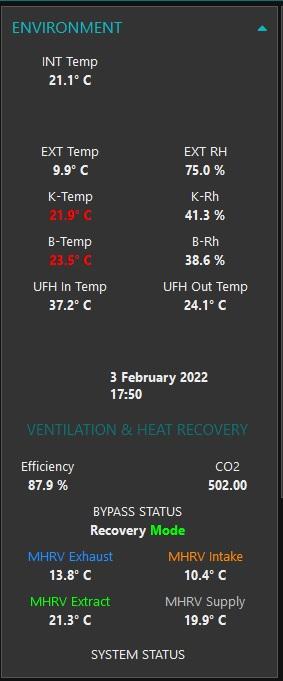
-
That sounds a good price. can't you get the same team to do the roof. EDPM is easy as long as the instructions are followed. Why not pay for you existing builder to go on the course. Our day rate builder did ours. He had done a couple before. Ours was two separate areas, total 95 sqm with two parapet walls and a concealed gutter on the main bit. Took about three weeks but rain was an issue and this includes the warm roof deck. Him and his man at £1500 a week so very little overhead for him.
-
Whatch it they do seem to vary. From a few faceplates I have to hand... Metal (expensive) switched spur 17mm screw ctr to edge.. plastic fused spur 12mm .. plastic blanking plate 12mm.. Metal double socket 15mm... Plastic double socket 12mm .... metal light switch (cheap) 13mm. I think it indicates you need the get the fittings you are going to use.
-
My son used Kitchen exchange. It was ex display, not shop but suppier display. We painted it and fitted new handles .. see https://www.usedkitchenexchange.co.uk/channel-4-george-clarke-adrian-and-lauras-sustainable-kitchen/ Saved a shed load of money.
-
You need to check, slate is fine but don't be persuaded by any thoughts of damp proof injection if it hasn't. It's likely (the wall) been there a long time without problem just consider the implications of covering it.
-
Assume the outer skin is outside in the weather? A solid wall and they look old bricks so is the existing motar lime? If so the wall breathes so the use of Thistle as it is a gypsum product will stop that.
-
Yes but it will still give you a pain in the neck even though you are not looking up at it.
-
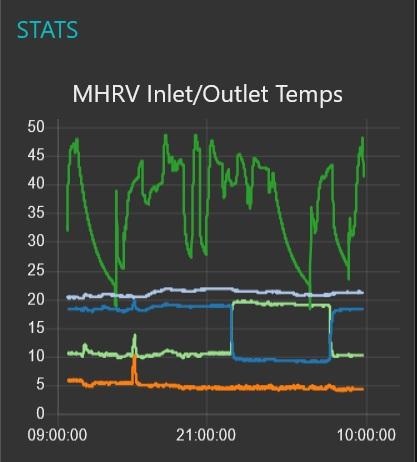
We have found the same. The dark green line on the chart is the UFH feed temp (note: the feed to our "single story annex" bit of 95sqm comes from the main building of 230sqm and I have no control on what the children are doing) The other lines are, grey - Vent extract temp, blue - vent supply temp, light green - vent exhaust to outside temp, orange - vent outside inlet temp. As an experiment at the moment at night we do a bypass on the MVHR to see if it makes sleeping better. I am a window open man which does not go down well with the other half when we are on the ground floor and only have a patio type door in the bedroom. This period of bypass does not seem to affect the heat loss and its is dependent on external/internal temps to be active. However I still feel the need for some sort of variable timed control on the UFH as just moving around during the day needs a lower temperature than sitting in the evening and sleeping needs a lower temp still. Our floor takes about 3 hours to take the room from 18 to 21C. I would not be allowed to remove any of the supplied controls. I can bypass or suplement with as many "toys" as I like BUT if I stop waking up in the morning then the installed system has to be useable.
-
An Overview of my House Heating and Controls 4 years on
Ajn commented on TerryE's blog entry in The House at the Bottom of the Garden
@MikeSharp01 Its called a "blue brain" controller. It retains all the settings and program but not the clock on power failure. Happy with the MVHR though although one has to question the 100% bypass option. It may bypass the heating of the incomming air BUT the air coming in gains heat fom the fact of it just passing through the unit. -
An Overview of my House Heating and Controls 4 years on
Ajn commented on TerryE's blog entry in The House at the Bottom of the Garden
@TerryE I have similar to yours, Node-Red, MQTT, SQL etc. I use a Radio Spares Power Bank (RS7757508) as UPS for the two Pi 3's employed in the monitoring and control of the UFH and MVHR. The RS power banks are the only ones I could find that do not interupt the output if the supply fails. They will run the Pi's for more than four hours. One of the pi's is also a wireless AP which allows connection should a long power cut be on the cards. Most of our cuts (which we have a few of) are only a few seconds. Node Red has repalced all the functions of the provided MVHR controller as it is junk, a power cut needs a clock reset.. what!! + I have added temp sensors into each of the four pipes plus a Co2 sensor in the extract pipe. -
The general view on this forum appears to be that GSHP and ASHP with UFH should in the ideal conditions be on for most of the time and the room temps set to the required level and not changed. While I understsand the processes and calculations involved in heat transfer and heat loss and the time taken to heat a room with low and slow as opposed to high and quick, what I am failing to understand is why I have been sold as "Ideal for control" for my GSHP supplied UFH a set of expensive all singing thermostats with internet connection that I can set any range of setting from anywhere in the world. When the companies commissioning process recomends all the features are turned off and reduced to a basic stat setting am I correct in thinking I have been ripped off?