
ETC
-
Posts
1673 -
Joined
-
Last visited
-
Days Won
9
Everything posted by ETC
-
Your BCO can only inspect what is on site and what the application is for. Suspecting what a future use could be is not relevant and is something that your BCO will not be able to consider.
-
Since the works are not complete I suspect that your BCO will only ask for an extract fan - and if the garage is attached to the house/has accommodation above - a heat alarm and if it contains a boiler then a CO alarm. The addition of the utility area is no big deal. What else can he ask for? - electrics for the appliances? should be part and parcel of the rest of the garage electrics - and I presume the garage is not heated? Don’t sweat the small stuff - give your BCO a ring and run the changes by him/her.
-
Widening Fireplace to have more room around log burner
ETC replied to Whitefusion's topic in Stoves, Fires & Fireplaces
If you widen the opening you will more than likely be affecting the cavity wall that I presume encloses the fireplace. The only options you have are: Put in a smaller stove and leave the opening as it is. Build a separate chimney breast inside the room as suggested by @Whitefusion above. Might be wee bit tricky to connect the flue to the existing chimney. Consider construction materials in relation to heat from the stove - your stove supplier will be able to advise you on distances of the stove and flue from combustible materials. -
Put an extract fan and a heat alarm in and you will be grand.
-
What are the pipes for?
-
You sure it’s not the other half snoring?
-
Stepped DPC/ move DPM above the floor insulation. Also your DPC in the outer leaf is too low.
-
Plus 225mm for droppings below the lowest DPC.
-
VCL?
-
The pvc window is still there so the cavity is not closed.
-
Internal height only needs to be 900mm. Not 1100mm. Check out K2 Diagram 3.1.
-
Because if they do put the balustrade in the inside.
-
Do the doors slide on the outside?
-
Glass. Just glass.
-
The DPM will only be laid once the building is water tight and everything but the floor insulation and screed are to be completed. So it will not be exposed or compromised during construction.
-
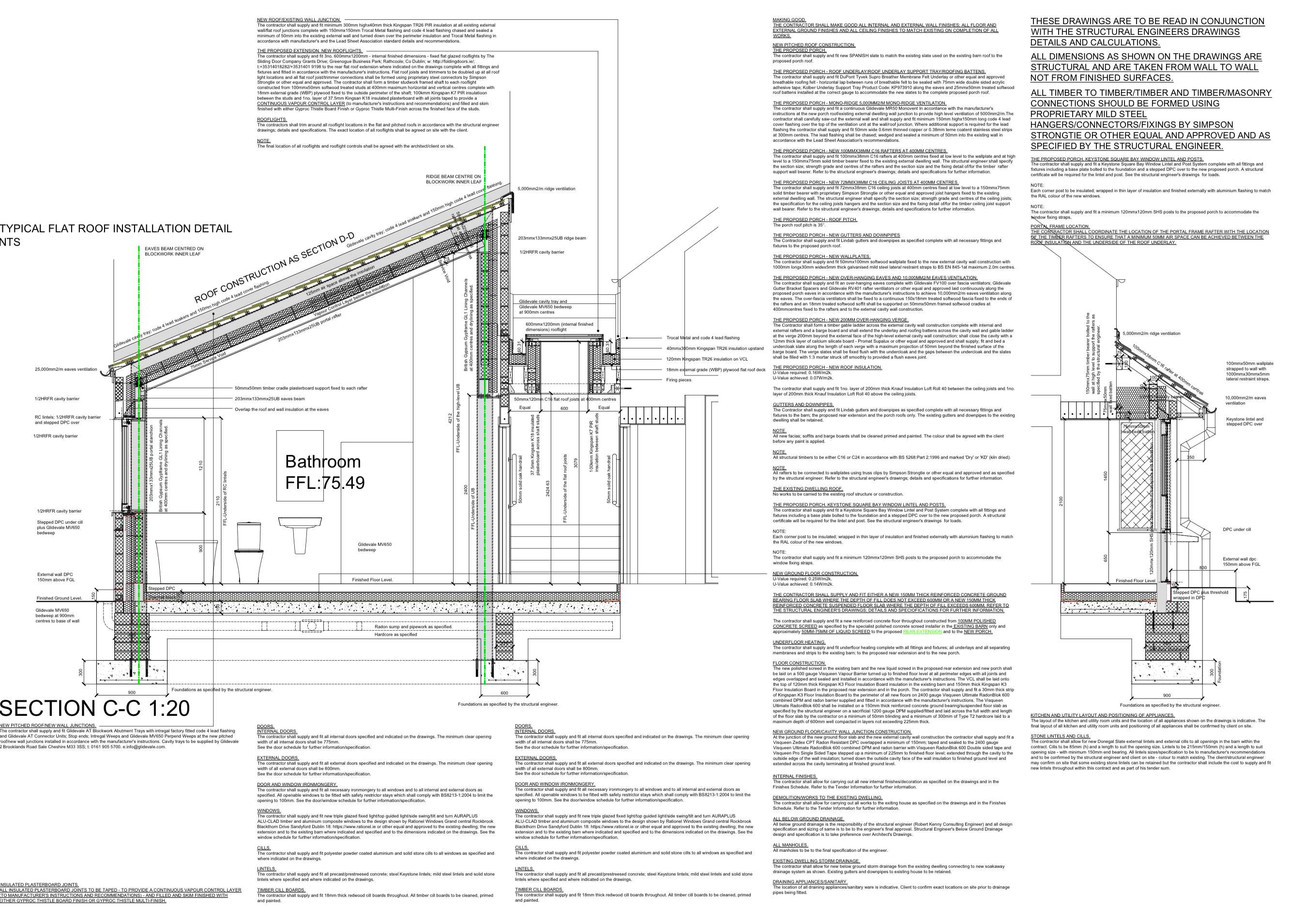
Differential settlement, reducing the height of any tanking membrane and connecting the inner wall DPCs to the DPM. Speak to your local Visqueen representative - he/she will do you a site specific detail. Don’t forget about radon if you are in a radon area.
-
@Digger1@Adsibob …………you are putting far too much faith in the BCO. He is not going to check your concrete has been mixed to the right consistency. Slump or cube tests will be asked for if required. ……….or that the dimensions of the blocks you are casting are the right size. Yes they will. ……….or that any reinforcement bars are of the correct spec and in the correct position. Yes they will. Most definitely. ……….Most BCOs, as far as I’m aware, don’t have any special qualifications. You would be surprised what qualifications BCOs have. ……….Some may have surveying of building backgrounds, but most don’t. Many have backgrounds in the construction industry some with specialist qualifications in architecture, engineering and construction technology. ……….They are effectively underpaid pen pushers. Very naive statement - underpaid - probably - pen pushers - certainly not. ……….some are very good at what they do, but many aren’t. Most are conscientious and willing to help.
-
Put the DPM above the slab and look out for cavity tie locations in relation to the height of the tanking.
-
-
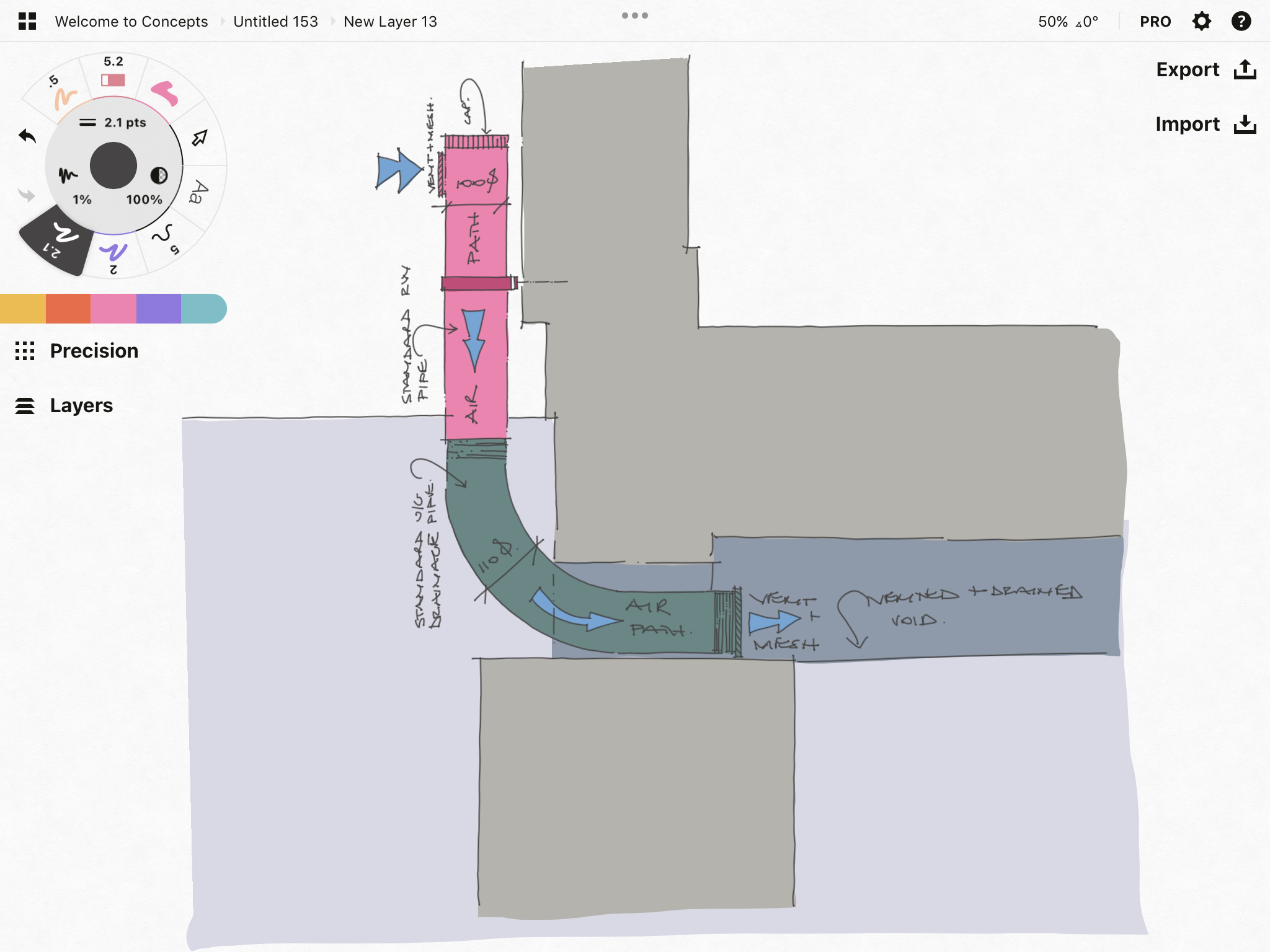
Hmm. Sounds very strange. I thought from an earlier post that there was a suggestion to use a straight through vent and keep the FGL down as far as possible. Would also negate the need to drain the sub-floor void. Pity the void wasn’t filled. No void - no ventilation.
-
Sorry for being stupid but is the sub-floor block work solid and if so how will the telescope vents work if there is no cavity to hide the vertical riser? Or are you just going for through wall vents without the riser? Thanks.
-
Shouldn’t there be at least 100mm bearing for the outer leaf at the top of the plinth? I’d love to see a section detail through the plinth @LA3222. I’d have thought it would have been better widening out from 100mm brick down rather than up.
-
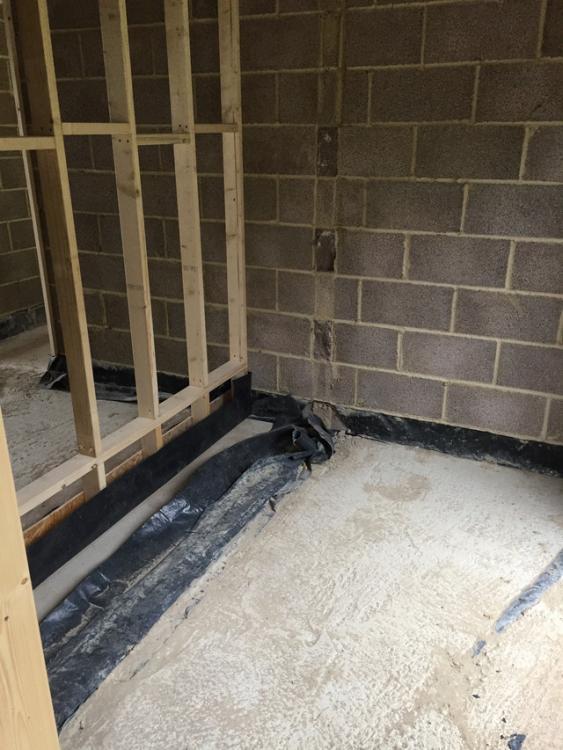
I presume this wasn’t a buttress wall?
-
Post some pictures please.
-
Speak to a passivhaus designer/architect. There are plenty out there.