ProDave
-
Posts
30861 -
Joined
-
Last visited
-
Days Won
427
Everything posted by ProDave
-
Speaking as an electrician, now used to working mostly on timber framed buildings, I now HATE chasing brick or block walls for cables and thankfully I don't have to do it often. For that reason, I would do as I suggested a few posts back. It is SO much easier to make alterations at a later date.
-
Just checked my Howdens catalogue and you are right just 3 metres. Definitley worth asking as the house I have just wired had a Howdens kitchen and I am sure that had 4M long worktops, so see if they can get them to order?
-
I was sure Howdens do 4M worktops. Do Magnet still have a place in Inverness?
-
That's what I am doing at the moment to hold the bottom edge of my OSB sheets as I am sheeting my vaulted ceilings with OSB. I don't mind this here as the vapour layer goes on top of the OSB. but if I do the same when fixing the plasterboard, that's a nail hole through the air tightness membrane that will then be pulled out. (a lot of my PB is going straight on the OSB with no service void to maximum height) Re working platforms, That's the advantage of something like Kwikstage. You can join it together both ways to make a really big working platform, not just restricted to a narrow scaffold tower.
-
Why not stick with 100mm block, and screw 25mm by 50mm vertical battens to make a service void and fix plasterboard to the battens. Best of both words.
-
I am using Intello for all the tough bits, like Tony tray's etc, but it's expensive http://www.ecomerchant.co.uk/walls/airtightness-products/internal-membranes/pro-clima-intello-plus-1-5x50m.html The one I am looking for for all the simple stuff, just lining the walls etc I have see, another builder just up the road is using it. It's Yellow in colour and very much like the Intello but without the reinforcing strands built into it. It's called Protect Air or something like that. he said he got it from Jewsons, but when I was in there last week to get some timber I asked and got a blank look and a shrug of the shoulders, so I am still looking. Once I have positively identified it I will see if they or TP can order it, or buy it on line. EDIT: Found it. It's called Protect Barriair http://www.protectmembranes.com/protect-barriair-avcl/p/13 The builder up the road said it was the cheapest he could find, so now I know what it's called I'll see what the merchants can come up with.
-
I keep looking for one of those PB lifters second hand but haven't found one yet. (anyone close selling one?) I will probably end up buying one new and then selling it when done. At the moment I'm boarding my vaulted ceilings with 9mm OSB.
-
I have to ask, why 15mm plasterboard not 12mm? In fact I am a fan of 9mm plasterboard, especially for ceilings, so much easier to lift especially if you are doing it DIY and one of the "lifters" is SWMBO How did they get the sheets up and hold them while they fixed them, especially on the vaulted ceilings? did they use a plasterboard lift or just brute force? (we use brute force and a "dead man" to hold them, but I can't see how that would work on a vaulted ceiling hence the question)
-
Just don't rely only on the self adhesive of the trunking. Again ask me how I know.....
-
Whichever one STAYS white is the answer. My top tip is never, no NEVER use those tile strips with a flexible edge to seal tiles to a bath. the flexible bit first turns yellow, then curles up (so it no longer seals) ask me how I know.
-
Insurance for vehicles on private land
ProDave replied to Temp's topic in General Self Build & DIY Discussion
Yes this is exactly the sort of stupid directive that I want an end to which is why I voted for brexit. Especially if as the article hints, it puts and end to the SORN scheme. So are you going to have to continue paying road tax and insurance on an unused car on your own land? That is going to upset a lot of people, especially those in the process of restoring a classic car. And as for ride on lawnmowers. Madness. Fairground dodgems must already have some form of insurance as surely all fairground rides have. I wouldn't mind betting most golf clubs require insurance on a golf buggy already, just as to keep a boat in a harbour, the harbour requires it to be insured (though there is no legal requirement to insure a leisure boat on the sea) -
I am using PDF Exchange viewer instead of adobe, search for it and download it. When you go to print, there is an option under scaling to "tile larger pages" you can set an overlap percentage so you don't lose a bit. With that, the default 100% scaling, it would tile page 2 onto 15 separate A4 sheets. You can look through them in the print preview and decide which one(s) you actually want to print. As an example I printed just the first one and I now have a print of Section A, very clear and readable. If the "tiles" don't break down into exactly what bits you want to print, play around with the scaliong factor and margin percentage.
-
I'll stick with my flask.
-
Am I being too sensitive or should I be concerned.
ProDave replied to MikeSharp01's topic in Surveyors & Architects
Is it necessary for the drawings to be perfect? Yes for things like foundations. but certainly on my build, a lot of the finer details are being worked out / improved upon as we actually build it. -
Whats wrong with this; stone columns as soakaway?
ProDave replied to ToughButterCup's topic in Waste & Sewerage
At the start I dud a 2 metre test pit (for the structrual engineer to assess the ground) The water level varied from 1 metre down, to level with the ground. -
Whats wrong with this; stone columns as soakaway?
ProDave replied to ToughButterCup's topic in Waste & Sewerage
How high is the water table? Here it's very high so only the first metre or less of the column would act as the soakaway, the rest would be a "well" So there would not me much surface area to do any good. It might be totally different if your water table is normally 10 metres down. -
i used to live in a 1930's semi in Oxfordshire. While I did a lot of work to it, and extended it to double it's size, I didn't address the basic fundamental problems with the design like solid 9" walls. I guess if like most 1930's builds it is rendered on the outside, then external wall insulation and a new coat of render is probably the easiest way to tackle that part. Floor and roof are a lot easier to insulate. Probably best now to start topics in the relevant sections of the forum to discuss each aspect of the improvements you want to make. Oh and welcome to the forum.
-
Discount Offers of the Week
ProDave replied to Ferdinand's topic in General Self Build & DIY Discussion
Email today from Wickes We've got an extra 15% all tiles and flooring online including existing offers* to help you get your project done for less. Hurry offer ends on 2nd Jan 2017. Start planning your project today. From your Wickes team -
You couldn't make it up...over 5 months and windows not sorted
ProDave replied to jamiehamy's topic in Windows & Glazing
If you really want British, try Tree Craft in Dornoch, not far from me. But I found them expensive and hard to deal with. Rationel were much cheaper and their distributor ADW were a lot easier to deal with. Shame as I would have liked to use the local manufacturer, but it just wasn't to be. -
Look carefully where the opal difuser joins the back plastic back. There will be a slot somewhere, usually at least two, to insert a flat screwdriver and turn to pop the front off. Put a low energy lamp in. If it's got a filament lamp, chances are the wire is overheated and brittle now.
-
Wood burning stove flue liners
ProDave replied to joe90's topic in General Self Build & DIY Discussion
We have the same flue liners. I remember the bricklayer fiddling around a bit with some lintels to try and support the flue liners. Then he said "nah, that's not going to work" He then went outside and came back with one of those really thick 600 by 900 paving slabs. Cut a hole in it to match the flue liner, and put that on as a "roof" to the fireplace and for the flue liners to sit on. -
You couldn't make it up...over 5 months and windows not sorted
ProDave replied to jamiehamy's topic in Windows & Glazing
Are you going to name the make of the windows? -
Batten down the hatches.....
ProDave replied to ProDave's topic in General Self Build & DIY Discussion
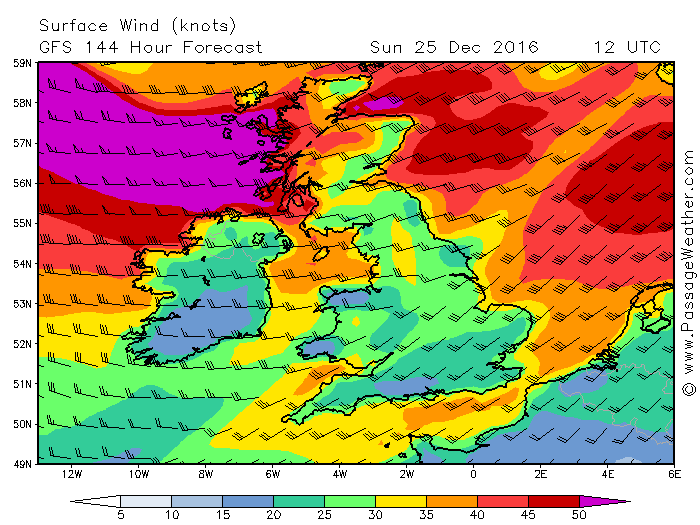
Oh lordy. Sunday is looking even worse with the >50 mph winds Stretching further inland.50mph winds stretching a lot further inland This is unusual for Passage Weather. Usually when they forecast gales a few days out, as you get close the prediction reduces. Not this time. Today was definitely a lot windier than their prediction.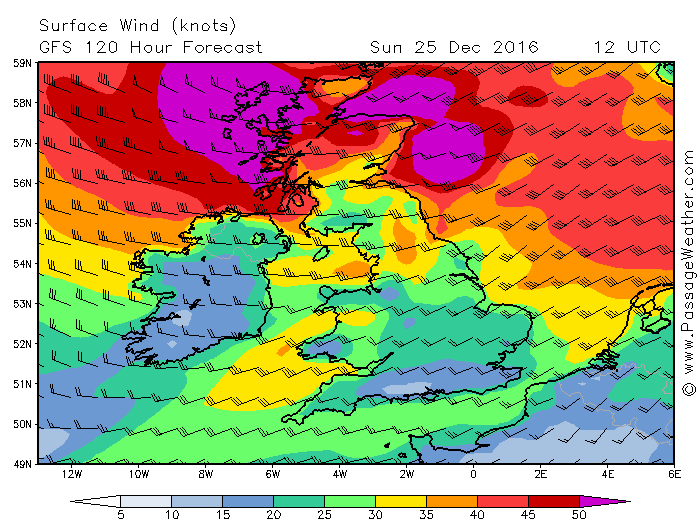
-
Batten down the hatches.....
ProDave replied to ProDave's topic in General Self Build & DIY Discussion
Already seen 40mph sustained and gusts to 60 mph today at Inverness airport. And this isn't "the storm" All my sheets of OSB are now inside the house where they can't go awol. -
It's going to get a bit blowy over the Christmas weekend. Especially over West Scotland. If you are leaving your building site for the holiday, don't leave anything lying around that can blow away, as it WILL blow away. and make sure your buildings are secure. Passage Weather plot for Sunday