markc
-
Posts
3826 -
Joined
-
Last visited
-
Days Won
22
Everything posted by markc
-
Is a wago and tape “text book” ? No! But it is insulated and protected from accidental touching of conductors so no different from a cable. Looping back against the cable and taping looks neater.
-
Has to be a plumbing issue, tank overflow, pipe connection loose, pipe chewed by rodents?
-

Need heating and hot water control suggestion
markc replied to markc's topic in Boilers & Hot Water Tanks
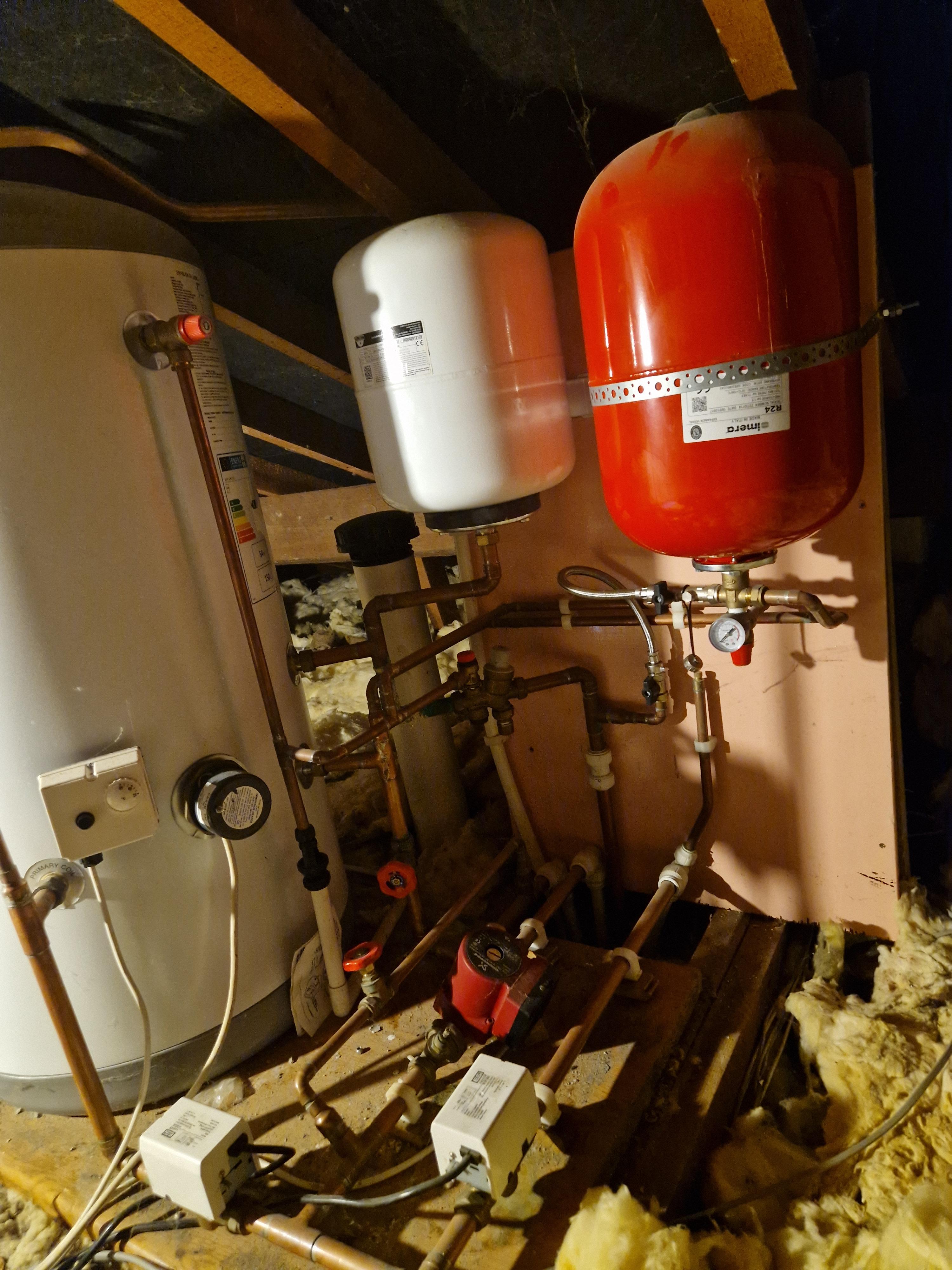
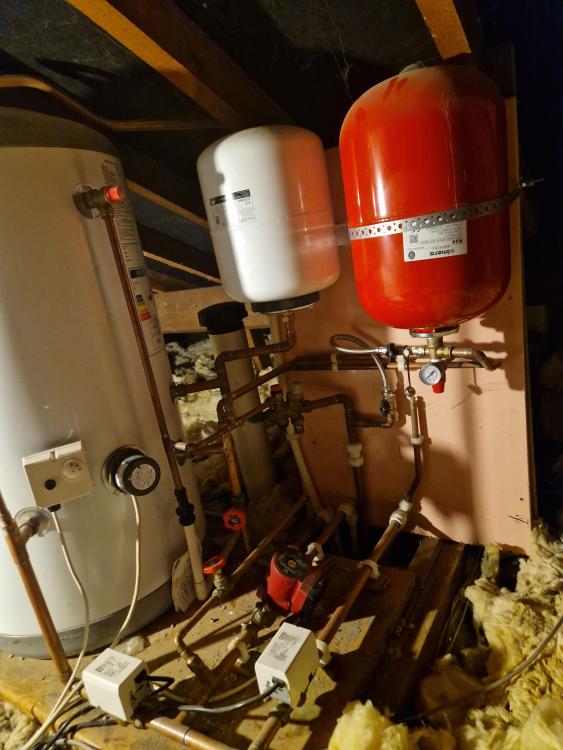
Cheers John, I asked vendor to leave the heating etc on and was then told the Honeywell controller is too complicated so they have been doing both heating and hot water manually. looking at the photo it’s amazing what can be missed, yes it looks like all the uninsulated pipework is in a cold space 🙈. give me foundations and structures anyday over faffing around with heating controls lol. -
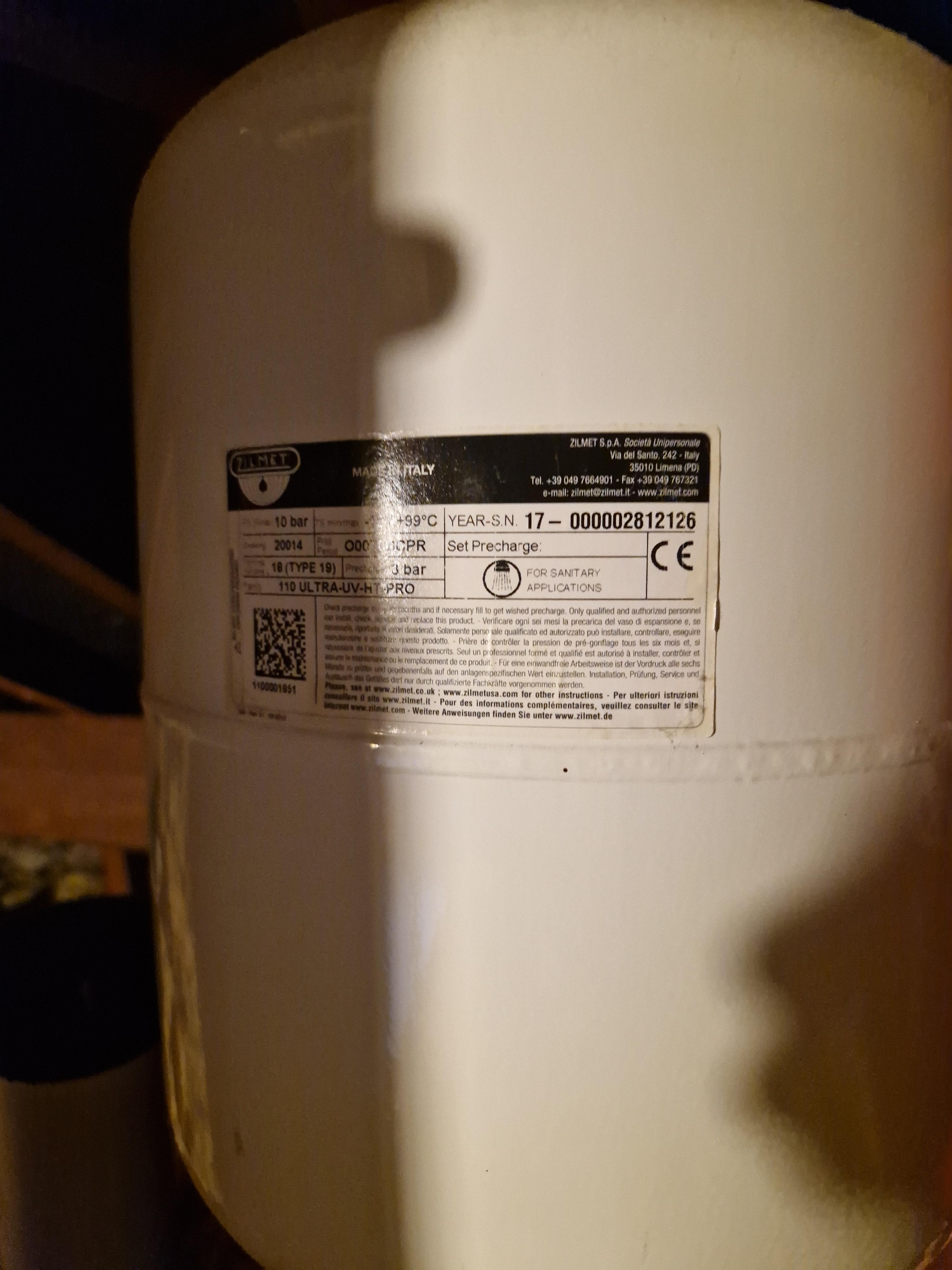
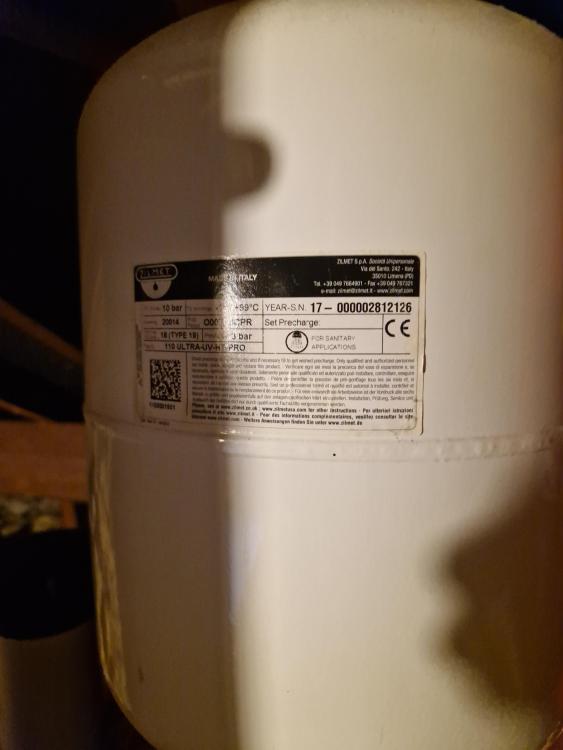
Still haven’t found a suitable plot to build new so bought a small farm in the meantime 🤔. Nicely refurb bungalow so not going to do anything too drastic but changes need to be made so looking for suggestions. part electric UFH, not water unfortunately. Rest has rads. Boiler is oil fired. Hot water tank as photo. short term, need now :- need new controller for hot water and rads (oil boiler), need programmable immersion controller, To decide over next few month :- have loads of south facing roof space to add PV loads of outdoor space for ASHP etc. Would love some ideas and suggestions from you guys as heating and controls etc. is not my forte.
-
The Mammotion Luba (few variants, 2WD, 4WD and area covered) are excellent, I don’t have one but trying to justify getting one!
-
Good morning and welcome, I would be raising it slightly above the lawn, stops turf migrating onto the patio area and helps drainage
-
Is the carcass side panel distorting? The hinges could well be fine but the load may be twisting the side panel into an ‘S’ shape moving the top hinge towards the door and the lower one away so the door effectively sags but the panel may return to vertical when the door is opened.
-
Permitted Development and covered area
markc replied to ToughButterCup's topic in Planning Permission
Any covered area attached to a garden building is included in the building floor area, I’m guessing this is to prevent 36sq/m garages having another covered space at the side. -
Beam can be above joists to keep a clean soffit / ceiling line, it does make connections somewhat more complicated tho. padstone looks ok, a little off centre but I have seen much worse. back to the underslung joists, what is above them? Is it just roof space or a usable room? Because this affects the loadings
-
It’s a garden shed, as long as it’s not habitable then no regs or approvals apart from dimensions (floor area and eaves height) so you can just get on with it.
-
rafter sizes on 50s bungalow extension query
markc replied to mandrake's topic in Roofing, Tiling & Slating
Morning, this is one an SE because your BCO will (should) ask for the calcs. -
Cable on surface or buried without the conduit
-
No you don’t need planning “consent” to abandon a project and return to original. However you could find yourself on the wrong side of BC if the original didn’t comply and you put it back as it was I.e the original foundations would now be deemed insufficient so to reinstate you would need to put in new founds with BC sign off etc.
-
Yep! They look very close to some precast benches we were asked to lift in. When the guy said they were around a grand for each 2m block he was told to “drop them in place” his self.
-
Reinforcing is tied together so it acts as a continuous piece, overlap and wire together.
-
Removing outhouse wall, do I need a support beam?
markc replied to spleenharvester's topic in Demolition
Pretty typical ex council house outhouse, concrete slab roofs were lifted on in one piece usually. Good concrete little reinforcing. Will happily self support over a single doorway but would need support for a double door size opening. -
@Pocster with Mod power …. Be afraid …. Be very afraid! But it gets my vote just for the sh#£s and giggles.
-
Hi and welcome
-
Morning, for your 6 or 8 holes I would be hiring the cutter. If it’s new then won’t be distorted or side worn so excess wear isn’t going to be an issue. concrete especially war time era around steel producing industries can contain a lot of slag which is very abrasive and a PITA to cut through. Keep the water flowing to flush the cut and let the cutter go at its own pace. And yes cores can look amazing, I used to have one we took from a bridge pier - it was more steel than concrete!
-
Should be hardly any wear at all doing those holes, mesh doesn’t cause much heat or wear. Measure the bit before you take it and when you get back with a signature. They always put down 2 or 3mm of wear and impossible to argue when the invoice comes in.
-
Good morning and welcome, we all start somewhere. Loads of info available on here, searching past threads is likely to pull up similar projects to learn from.
-
I would split windows and doors off as one package, general building works as another, electrics, roofing, plumbing again separate
-
If you are tiling over anyway then sand and cement is fine, the render stuff is likely to be cement and a high silica sand similar to fire cement.
-
Ahh, looks like I misunderstood, I thought you wanted to put something under a hearth to raise it, hence the almost dry mix. If you are putting it on top then mix more like concrete or stiff mortar and compact it down well. Compact/tamp using a piece of timber or board and a hammer or mallet.
-
Agree with both of the above, fixing wall units to a continuous ply strip is so easy and curse free. 100x easy and nicer than drilling and plugging etc.