
JohnMo
-
Posts
12465 -
Joined
-
Last visited
-
Days Won
179
Everything posted by JohnMo
-
Glycol is only part of the ingredients in the glycol tub. There is also the corrosion inhibitors etc these may or may not be compatible. Using a car antifreeze as an example, they are dyed a different colour to indicate compatibility i.e OAT (Organic Acid Technology) based chemicals are coloured orange. So you ideally need to match the chemical makeup otherwise you can cause more issues than you solve.
-

Panasonic aquarea - dual zone cooling @ diff temps possible?
JohnMo replied to SBMS's topic in Air Source Heat Pumps (ASHP)
Read a lot of ASHP manuals (yes sad), they all seem to work in a similar fashion. The ASHP receives a zero volt signal to run the second operating temperature, otherwise it runs at normal temperature So if your UFH is only calling for heat only it runs at one temperature, if your upstairs also calling for heat the second set point comes in, a mixer valve then mixes up/down in cooling/heating Work equally well for heat and cooling. You need (generally) an electronic mixer valve, volt free thermostat in addition to what in your fan coils, maybe a buffer or ideally a volumiser to cover just the fan coils calling for heat. Adds loads of additional complexity. -
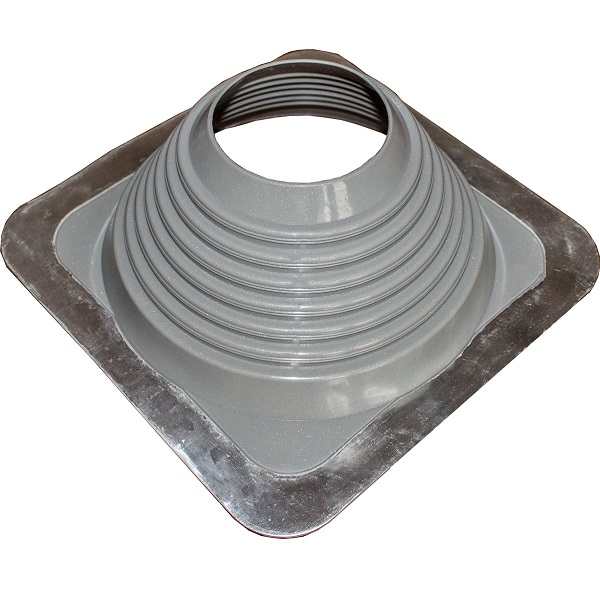
Mine went through cathedral ceiling and I used something like this taped to airtight membrane.
-
Wet underfloor heating laid under wc position
JohnMo replied to Jothetaxi's topic in Underfloor Heating
Just incase, we did that also. Was also concerned about drilling holes through tiles etc. 5 years later no issues. -
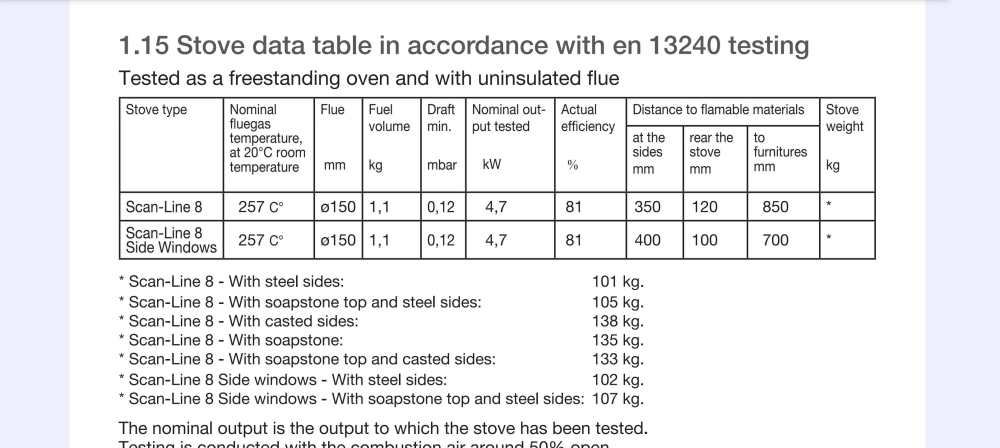
AI may say that, but it depends on the manufacturers instructions for distance to combustibles. Mine for example clearly states 125mm at back and 350mm at the sides
-
So you've answered your own question. Be prepared to be told to "f off", but are right, people need saving from themselves. The nextdoor neighbour will get the additional bill for scaffolding.
-
Wet underfloor heating laid under wc position
JohnMo replied to Jothetaxi's topic in Underfloor Heating
Are you a new build? What did your plans say? -
First down load the install manual for your chosen stove, this trumps everything in building regs. These are all classed as combustible. You could change the construction locally to the stove. Use an aluminium based membrane or a cement board, steel studs and Rockwool insulation. Our planners insisted we used metal studs forming our service cavity in wall behind the stove. But became a needless upgrade, when I read our stove instructions. We have a Heat a Scanline and distance as trea to combustibles is only 150mm. As we were well away from combustion clearance required. Different stoves have different distances to combustibles.
-
There are some here https://www.bpdstore.co.uk/search/?s=Humidity+sensitive
-
The units you are looking at are dMVHR, not dMEV. So they work in pairs one sucks for 20 secs and the other blows and then they reverse. You need them in every room and it gets super expensive. dMEV I would look at Greenwood CV2 or CV3 fans, cheap on eBay normally. Silent in normal operation and have smart humidity activated boost. Have one in each wet room. If wet rooms have a trickle vents close and seal closed. Dry rooms, need an air inlet. If a dry room has a window trickle vent upgrade to humidity activated ones. If not do a through wall humidity activated vent. You will not be able to modify the stove vent so that would stay as is. All internal doors need a 10mm or so undercut so you get ventilation even with doors closed. You shouldn't need anything for the halls as they will get through flow ventilation.
-
How to fill and vent without isolation valves
JohnMo replied to MikeLeoLond's topic in Underfloor Heating
Are there any isolation valves near your boiler you can use? But water will take the path of least resistance, so will be more likely to flow through open loops instead of the through a mixing valve the wrong way. I would just go for it, it will be ok or it won't, if it doesn't work there is always a plan B. -
Your drawing just needs to be simplified Hot from ASHP goes to central port of a diverter valve. The normally closed port goes to the cylinder top coil connector. The normally open port goes to central heating. The return piping from central heating goes to ASHP. The cylinder return pipe from bottom connector on cylinder coil tees in the central heating return. After tee on the ASHP side you place the expansion vessel and relief valve. This is sometimes within the ASHP itself already. How it works ASHP senses cylinder temperature, if it needs topping up, the diverter valve is energised by signal from ASHP, a second operating temp becomes active. Cylinder is heated, heating is off for 30 to 50 mins. Once cylinder is hot diverter is deenergised and normal heating returns to a lower set point.
-
Another person overthinking - KISS applies. 3 port on either on flow or return. One side normally closed (by spring return) to cylinder, the other to CH. If you want to do something similar to drawn use a thermal store, designed for heat pump. Not really sure what you achieved by not keeping it simple.
-
First pic, but treated so it doesn't go grey. Black looks awful, doesn't look finished
-
UFH Mixing Valve advice on Air Source Heat Pump set up
JohnMo replied to MorganP's topic in Underfloor Heating
Why isn't the shower(s) just coming from your cylinder? You shouldn't need electric showers, which are pants anyway. -
True, in theory you can only develop what's on the plans. Any changes either need minor amendments or full planning application. PD only exists after sign off at completion. On site storage is just an open invite to toe rags, to steal the contents.
-
Would have said 40 is very low, we just heat ours to 50 still get a CoP of 3.5 to 4 depending on temperature at start of heating. Your family must think ASHP equals luke warm water. From a health perspective 40 is the ideal temperature for legionella to grow, so way from optimal. You really need minimum of 45 then it's dormant.
-
Not sure it makes any difference. I actually have two MVHR units both have a combination inlet/outlets. One is in one side of the house the second the other the side of the house. One sees the prevailing wind the other doesn't, don't notice anything in the house. If you are getting wind driven rain in you have done something very wrong. Maybe you are overthinking stuff. Only important bit is have both inlet and outlet on the same face of the building.
-
Not sure, when I had a UFH pump, the first one lasted about 2 years before it became noisy. Did away with pump and mixer in the end - totally silent now. I suspect there is a decent markup for sellers.
-
What sort of cop do you get doing a TS, how many reheat does it do a day. Do you draw you CH water from there also?
-
Bottom one looks the prettiest. But not really the point, your roof needs to be designed for wind loads etc. You structural engineer may decide 592mm is too far apart.
-
Just looked on Cool Energy website full manual is available to download.
-
Unlimited hot water with 4 bathrooms - is it possible?
JohnMo replied to Indy's topic in Boilers & Hot Water Tanks
They can be gas guzzlers, depending on how you operate, my wife like putting the hot tap on for a few seconds and then off again, repeated during the whole washing up, hot tap runs just enough time for the boiler to fire up and then tap is closed and it stops again - loads of times. Bit like short cycling. We now have a cylinder, way better. Heating a 210L cylinder using a 6kW heat pump heating from 40 to 50 is generally about 40 mins, can be longer or shorter depending on flow rate you set. CoP varies with time. The same cylinder (3m² coil) heated by gas is about a 1/3 the time running at a max flow temp of 60 degs, but can be really quick if you let the boiler run full load. -
UFH Mixing Valve advice on Air Source Heat Pump set up
JohnMo replied to MorganP's topic in Underfloor Heating
I installed a fan coil. Disconnected the pipes to the UFH and directed them to fan coil. -
Normally simple stuff that trips up systems. And old chip oil - that wouldn't have come up after a 1000 questions.