


Gone West
-
Posts
4668 -
Joined
-
Last visited
-
Days Won
20
Everything posted by Gone West
-
Our timber frame worked out at 0.095 U value and we heated the house with just three electric towel rails and warm air from a 685W EASP. We kept the whole house at 23C.
-
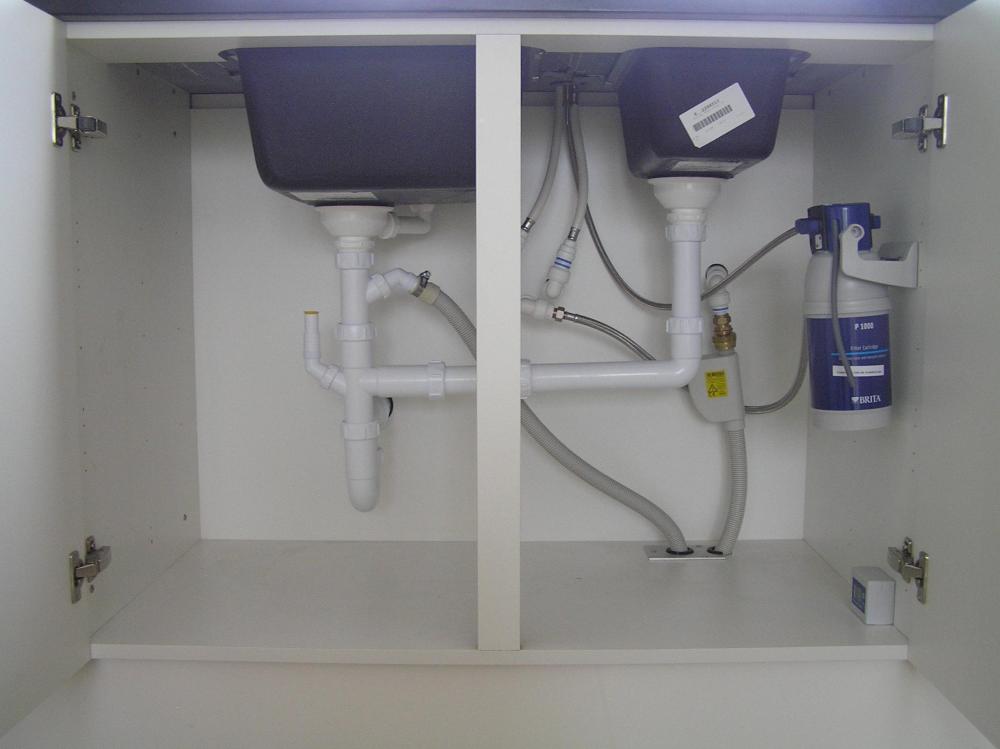
It's not good. I'm not a plumber but did my own plumbing because I like stuff tidy. Nothings perfect but that could be a lot better.
-
 We built in the garden of the existing bungalow and had a new driveway position and highways weren't worried.
 -
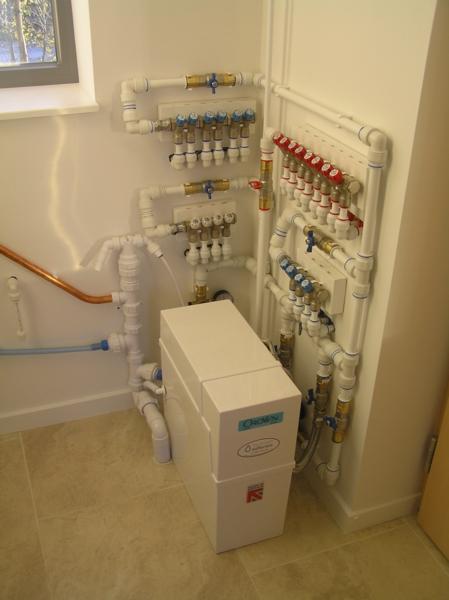
They certainly do. I used these several years ago and only used Speedfit connectors.
-
Insulation & Air Tightness before Windows and Doors arrive?
Gone West replied to mike2016's topic in Timber Frame
I had our timber frame totally clad in OSB3 and covered with a membrane. I routed out the openings when the weather improved. It enabled us to work on the inside during the winter months. -
Thanks, it looks good, I've bookmarked it, it's a pity only their installers can fit it. "Topseal PU is only available to Topseal Approved Contractors and not available off the shelf."
-
I wouldn't want to do any fibre glassing on the roof. I wonder why someone hasn't come up with a resin that uses moisture to set, like PU glue.
-
The GRP thickness, I was thinking 3mm sounds about right. So with an old house the angle may change along the wall, so it's sounding more complicated than using EPDM, which would be easier.
-
@SteamyTea Following on from the other thread, where we were discussing using GRP sheets for flat roofing. I was wondering what would be the best thickness for that application. Also, if I wanted the flat roof (say 1.5 degree slope) to be just under the level of the existing main roof how would that be done? If I were laying EPDM I would continue it up under the main roof tiles, are suitable GRP sheets flexible enough to be able to bend up a 30 degree slope under the main roof tiles?
-
Passivhaus in St Albans for sale
Gone West replied to TheMitchells's topic in General Self Build & DIY Discussion
OK, thanks, I'll do that. -
Passivhaus in St Albans for sale
Gone West replied to TheMitchells's topic in General Self Build & DIY Discussion
What thickness sheet would you use on a roof and how flexible is it, for example for sliding up under the main roof when installing on an extension. -
Passivhaus in St Albans for sale
Gone West replied to TheMitchells's topic in General Self Build & DIY Discussion
Butyl rubber has been around a long time and EPDM. To get around the problem of damp when installing GRP on a roof is it feasible to use GRP sheets bonded to the substrate? -
Passivhaus in St Albans for sale
Gone West replied to TheMitchells's topic in General Self Build & DIY Discussion
I'm sorry, but that is a load of twaddle. You're seriously worried about green streaks on the roof? Oh no, our PVs have some lichen growing along the bottom edge, what am I to do, they've only been there twelve years and we're in the wet and windy South West. We're going to be building a flat roofed extension as well, there's no hope. Perhaps we'll be alright though, as technology has moved on and there are now roofing materials that allow flat roofs to be built safely. -
Passivhaus in St Albans for sale
Gone West replied to TheMitchells's topic in General Self Build & DIY Discussion
We sold ours during the pandemic and we had several people bidding against each other for it and it sold for a lot more than the asking price. The buyers were all interested because it was a PH. -
I'd be surprised. My son lives out in the sticks near Bishop Auckland and there are several large turbines only a few hundred yards away and you can hear the whooosh from the blades, but it's not too bad. Not what I would want though.
-
Just started a self-build in Dorset. Exciting times!
Gone West replied to NailBiter's topic in Introduce Yourself
When I was modelling my last house, I ran my house design through the PHPP with a range of air infiltration values to see what the effect would be. Pressurisation Test Result (ACH) Specific Space Heating Demand (kWh/m2a) 0.2 12.1 0.4 12.3 0.6 12.5 0.8 12.7 1.0 12.9 2.0 14.0 -
As it's a contract, and you don't know what it means, I would ask them for an explanation. Does the 230m to tip, refer to the overall blade diameter, or from ground to highest point point of a blade tip?
-
Retaining Wall with Fence on Top
Gone West replied to Spinny's topic in Landscaping, Decking & Patios
I've used horizontal hit and miss panels to reduce wind load. -
Rendering over Knauf external insultation
Gone West replied to Walshie's topic in Plastering & Rendering
I recently moved to Cornwall from East Kent where I built the house, so not much use I'm afraid. I didn't treat the cladding and we let it go silvery grey. -
Rendering over Knauf external insultation
Gone West replied to Walshie's topic in Plastering & Rendering
Welcome to the forum and good luck with your project. I clad our house with Western Red Cedar which I sourced from a local timber yard, as I was able to get the lengths I wanted, in the right grade at a better price than on-line. I used grade 2 clear and better which was virtually knot free. -
How to tie blockwork to a steel box column?
Gone West replied to NRMartin's topic in General Self Build & DIY Discussion
I use aluminium warehouse for metalwork, usually a good price. https://www.aluminiumwarehouse.co.uk/collections/aluminium-mouldings-half-round-moulding/products/2-in-x-1-4-in-aluminium-half-round-moulding-hrm -
Recommendation for a SVP flashing for metal roof
Gone West replied to Kelvin's topic in Building Materials
We had AAVs in the house and a low level SVP in the flower bed near the treatment plant. -
I think there are plans for changes to PD this year, which might include wraparound extensions. I expect a general election will affect that though. https://www.planninggeek.co.uk/2024/changes-planned-for-permitted-development-rights-for-extensions-roofs-and-outbuildings/
-
What about 445mm long inclinometer strapped to the crossbar? https://www.amazon.co.uk/Digital-Magnetic-Spirit-Inclinometer-Backlight/dp/B00A2B57AU
-
Solidor do smooth finish composite doors, but in their contemporary range. https://www.solidor.co.uk/news/the-contemporary-collection/2019/05/


