Gone West
-
Posts
4668 -
Joined
-
Last visited
-
Days Won
20
Everything posted by Gone West
-
 Very true.
 -
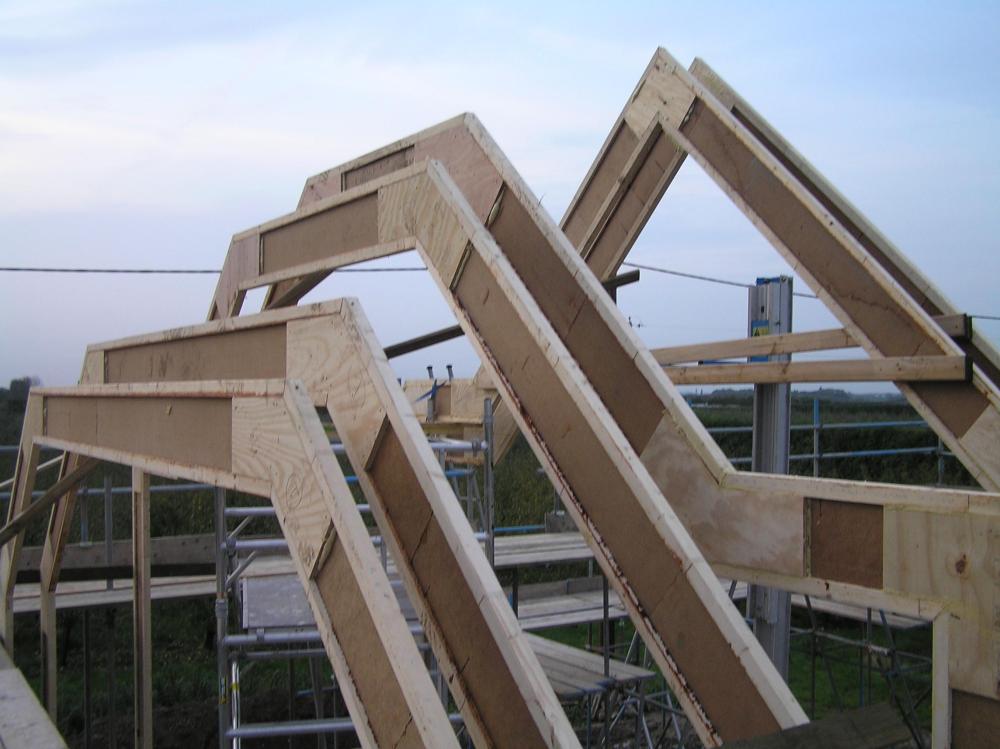
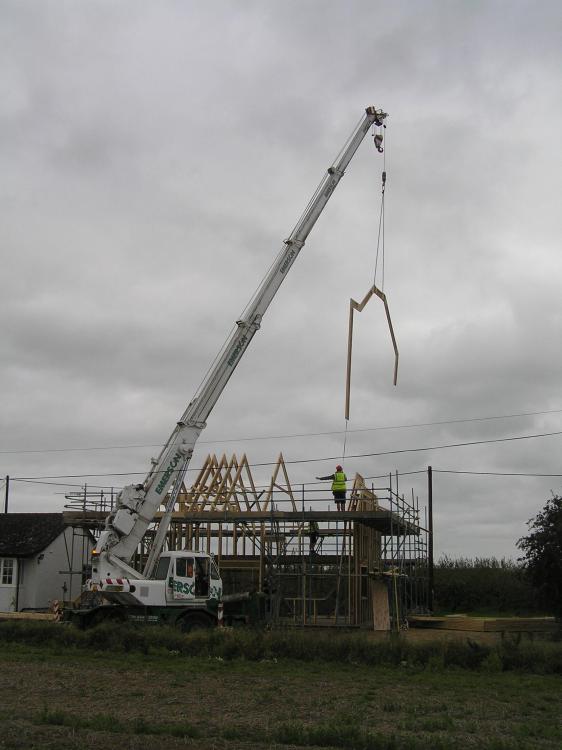
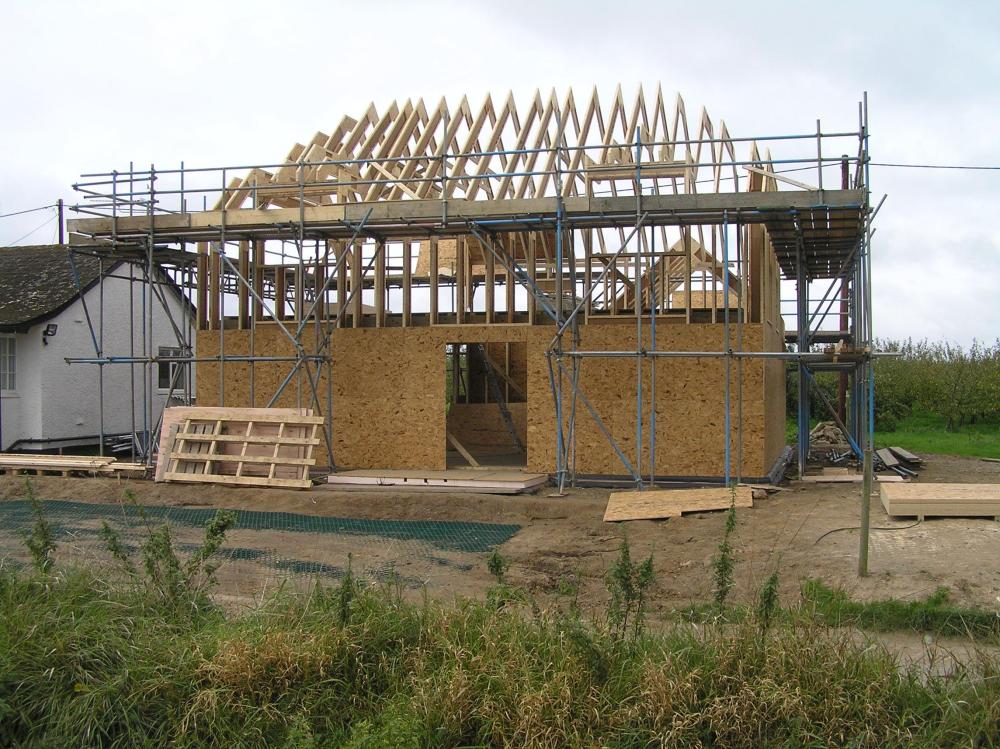
We used 350mm portal frames which were made in the factory in two halves for easy transporting. They were joined on site and lifted into position. We used timber I beams for all of the structure, so no solid timber or steel. The whole frame was covered in 15mm OSB3 as racking. I then routed out the openings when the weather improved.
-
Ovo Energy use Heatgeek as the supplier and installer of their ASHPs scheme. So I would be surprised if they tried to scam you.
-
In 2018 our house achieved an A95 without any renewables, but we did design it to better than PH standards using PHPP.
-
Quite possibly, I just find following a diagram easier.
-
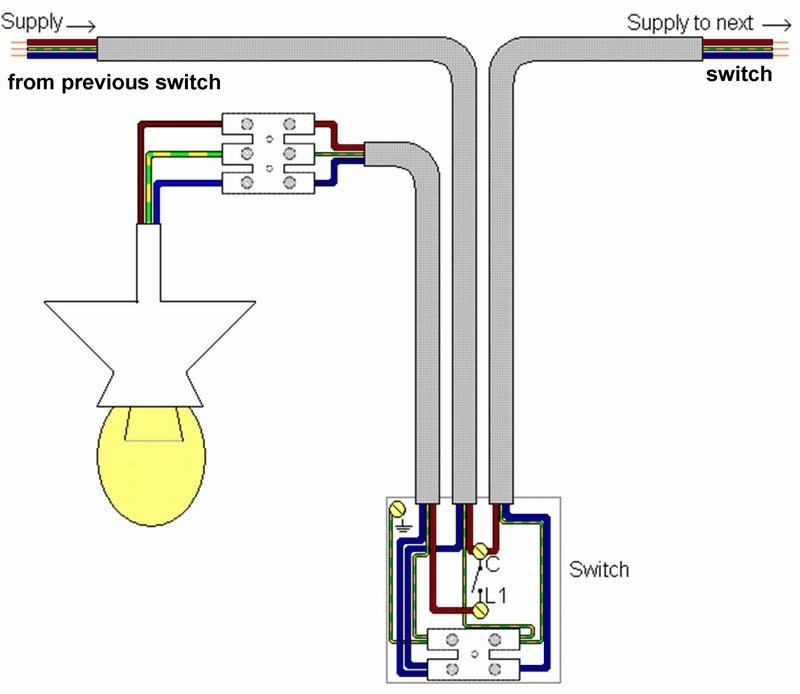
@Pocster One way loop at switch diagram.
-
It will probably solve itself. My daughter lived in London and New York for a few years and then moved back to the area where she was born. It all got too busy and noisy for family life.
-
If it was all kept by France and not exported, then used solely for electricity generation it would surely make a useful dent in reducing France's CO2 production.
-
I hadn't heard about this before but it was apparently reported last year as a possiblity, and has now been confirmed. How long it takes to naturally produce 250m tonnes of hydrogen I do not know. Hydrogen has long been seen as a wonder fuel that does not give off greenhouse gases when used, and which could help replace fossil fuels. But there is at least one major drawback to this idea because the production of hydrogen largely uses fossil fuels and so making clean hydrogen from the process of splitting water needs renewable sources of electricity. Lots of power is required and it is expensive. Less well known are deposits of natural hydrogen buried underground. Scientists at the University of Lorraine were searching for methane in north-east France, when they unexpectedly discovered a large deposit of natural hydrogen more than 1,000 metres deep underground. This hydrogen is produced by groundwater reacting with iron-rich minerals, splitting the water into hydrogen, possibly renewing itself almost indefinitely. Natural hydrogen deposits have been found before and there is already a small well in western Mali. Larger deposits are thought to exist elsewhere, such as the US, Australia and some European countries. But the discovery in France could be the largest naturally occurring deposit of the gas ever found, possibly 250m tonnes of hydrogen, enough to meet current global demand for more than two years. The challenge is how to transport that gas to where it is needed.
-
Does it run in the family? 😉
-
Lucky I didn't get a taste for Icynene.
-
IIRC Icynene is made from oil from the castor oil plant.
-
You'll get supporters for both types of insulation. I built a PH and used Icynene sprayed foam which gave me an airtightness of 0.47ACH without using any membrames or tapes. The reason I didn't use blown cellulose was because a friend had used it in her house and after a year it had slumped and she used an airtightness membrane but couldn't get below 1.0ACH. There is also blown mineral fibre, which was second on my list.
-
We moved into an old stone bungalow, with 600mm thick walls, which had been empty for a year. It is in Cornwall and we found, after we moved in, that it took months for the fabric of the building to dry out. We moved from a lightweight timber frame, timber clad Passivhaus in East Kent which, excluding the concrete slab, only took a week to dry, which was for the plaster skim and that was it.
-
Strewth, that's not cheap. Will you actually be using it, I'd be scared stiff about damaging it. Respect.
-
Yeah, if possible.
-
@Pocster I like that, if you don't mind me asking, what's the name of the material?
-
What's more important for comfort U value or 'thermal mass'
Gone West replied to Gone West's topic in Boffin's Corner
Thanks for the offer, but I have just looked at the data sheet for ecoCORK and it says shelf-life is 12 months. -
What's more important for comfort U value or 'thermal mass'
Gone West replied to Gone West's topic in Boffin's Corner
I agree, but without cooling the house down in the evenings, it would have just got hotter day by day. We like a warm house and I don't feel comfortable sitting down, unless the temperature is at least 23C. -
What's more important for comfort U value or 'thermal mass'
Gone West replied to Gone West's topic in Boffin's Corner
There was no active cooling and in the summer with long sunny days the inside temperature went up to 26C IIRC. Cooling took place in the evening by opening an outside door and the roof window in the bathroom. -
What's more important for comfort U value or 'thermal mass'
Gone West replied to Gone West's topic in Boffin's Corner
It was a timber I-beam portal frame with 350mm Icynene insulation between the I-beams and 50mm Rockwool outside of the 15mm OSB3 racking, so walls and roof were the same except for the rain screen, U 0.095 W/m2K. Floor was 200mm concrete on 300mm EPS with 200mm upstand, overall U=0.1W/m2K. -
What's more important for comfort U value or 'thermal mass'
Gone West replied to Gone West's topic in Boffin's Corner
As I said, we moved from a Passivhaus, so we were used to very little temperature or humidity variation. It is not that simple though, as we thought the reason it felt uncomfortable was because the temperature, and possibly humidity, changed as you moved closer to the wall, even though the room temperature away from the wall was as expected. After months of heat being pumped into the house the walls warmed up and it felt more comfortable. At the time @SteamyTea explained about the large amount of energy required to remove water from the wall. -
What's more important for comfort U value or 'thermal mass'
Gone West replied to Gone West's topic in Boffin's Corner
There has never been any visual indication that the wall is damp in the three years we have lived here, and as far as we have been able to find out, the wall structure has not changed in the last 50 years. When we moved in, the house had been empty for a year and felt damp. As humidity is generally quite high around here we assumed the structure had just absorbed moisture from the air. Our solution was to heat the building to 23C and ventilate in the summer. It took the best part of a year before we felt the house was ok. We had moved from a Passivhaus where the humidity and temperature was more or less constant all the time, so we may have been more sensitive to the situation here. As I said previously, the wall is hard plastered, which was done in the 1970s. From what has been said it seems that removing the hard plaster and replastering with Hempcrete may be the best solution for increased insulation without greatly affecting 'thermal mass' and the feeling of comfort. -
What's more important for comfort U value or 'thermal mass'
Gone West replied to Gone West's topic in Boffin's Corner
Which is exactly why I started this thread. To find out as much as I can. There is no discernable damp in the wall, which has been the same for the last 50 years. Although I would like to insulate it I don't want to end up with a wall that deteriorates as a result. -
What's more important for comfort U value or 'thermal mass'
Gone West replied to Gone West's topic in Boffin's Corner
So presumably an insulated lime based plaster should be ok, such as hempcrete? Would there be a difference in the effects on the wall, of different types of insulating materials in the plaster, such as hemp or expanded glass beads.