
Onoff
-
Posts
21052 -
Joined
-
Last visited
-
Days Won
206
Everything posted by Onoff
-
When it pools on the floor does it come in through the damp patch in the picture and run down, or does it come in at the base of the wall? No guttering...so is there water running down the outside of the wall (from the roof) when it rains?
-
What's going on outside then, ground too high, water splashing up, gutter running down? What type of Ford is it then?
-
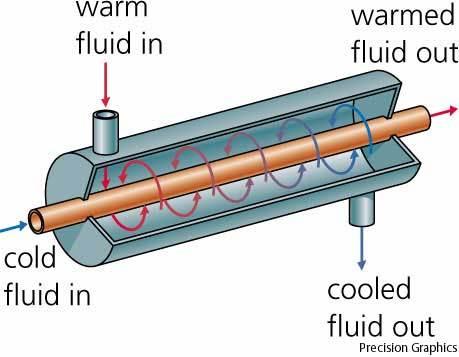
Try again...replace the word fluid with "air". This diagram is very conceptual but valid. Cold air gets drawn in from the outside (on the left). Your warm, moist, stinky air gets drawn from inside the house where it heats up the pipe carrying the incoming cold air. It's warmth spent in heating the pipe up, it exits outside the house as cold, stinky air:
-
Jimmy Darling!
-
Shouldn't need a spanner. Finger tight. Only need a spanner for the long nut on the bolt that comes down.
-
You'll be begging to jump! ?
-
Fairs fair and all that. Put the deck lower then complain about the neighbours conservatory.
-
With your cabinet building skills and low budget you could even build you own MVHR unit! https://www.builditsolar.com/Experimental/DIYHRV/DIYHRV.htm
-
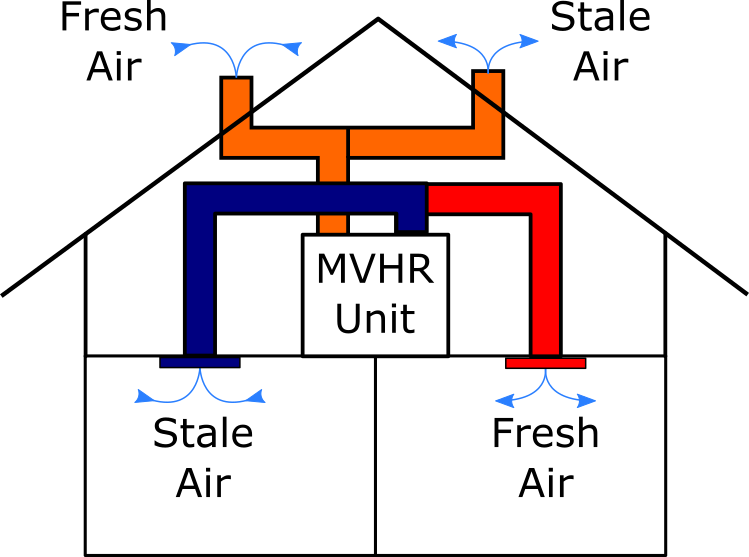
Zoot, FFS listen to people! You DO need fresh air period. Your house is very similar to mine in many ways, old in parts, new in others, badly insulated, bloody draughty etc. Lots of different construction methods. Fitting MVHR to an existing property is doable but a balls ache for many reasons for the most part. The key to efficient MVHR is good airtightness and good insulation, far better than what you will I'm sure grasp as good until you get the concept. And btw there is no real argument against what are indisputable facts. So the concept of MVHR, mechanical ventilation and heat recovery is what it stands for. Stale, moist, germ and dust laden air is pumped out of the house. Fresh, yes often cold, air is sucked in from the outside. The two streams of air don't meet as such but pass over a heat exchanger. The heat from the outgoing stale air is used to warm the fresh air coming in. This is a simplified view of how MVHR works: Now you can do this for the whole house which involves running ducts up in the ceiling (difficult in an existing build) or per room with a wall / ceiling mounted unit for just that room. With good airtightness and insulation they're around 90% efficient. That lost 10% you'll save that in other ways and health benefits. The single room, on the wall are a bit less efficient. This mould issue wasn't an issue "in the old days" as the construction as in doors and windows was inherently draughty. Another option is called positive input ventilation. This is atypical: https://www.vent-axia.com/positive-input-ventilation It's a case of making the best if what you've got. To do that as best as you possibly could costs.
-
Please, keep the key. Bleed your rads annually.
-
It's a new box basically, better sealed up than any of the old rooms. The problem will likely be WORSE than in other rooms rooms. Guessing no trickle vents in the new windows? Lots of dead air, dust, dead skin cells, sneezes and coughs and other organic detritus to stick and grow.
-
Regular cleaning with a mild bleach in water solution would be my suggestion. SWMBO used to regularly do it at No.1 son's uni digs when we went to visit. Old building / modern uPVC windows. Redoing the silicone with a specific anti mould one like Forever White might help a bit. Ventilation is going to be a big thing always. Dead space with little airflow around the windows, corners and so on. Edit: Saying that just looked on the net and it says bleach might actually encourage mould and black spots! Vinegar maybe?
-
Business? Sod slumming it! ? I was the only passenger in 1st Class coming back from NZ one time on Emirates. It was Hell!
-
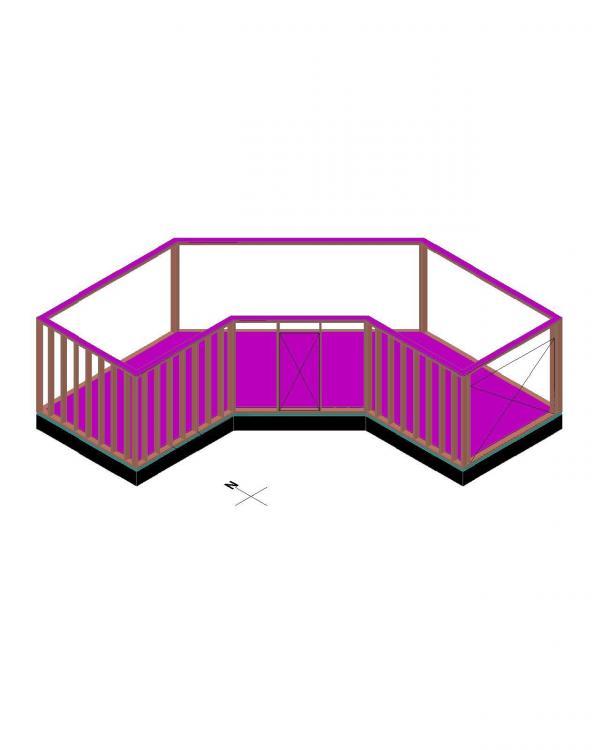
Going to have to pretend mine's a bendy bus!
-
Belongaonoff! Not too far off the mark tbf. Second hand shed that was destined for firewood. Stocks circa 1863 from the chimney on my first house. Used the original door T&G to block the side windows. Made a stable door for the front. Given the spaces I have, wtf was I thinking? Should have sold it as firewood down the gate and built something bigger!
-
It's good isn't it? Different consistency to CT1. Did you use it as the final finish?
-
Baby wipes to get the excess CT1 off the tiles. (Thanks to @Nickfromwales for that top tip).
-
££££ ?
-
@pocster is having similar wall hung pan issues at the moment but his frame and pan are both Geberit. Hopefully your fixing inserts fit the pan fine? I'd CT1 it assuming your wastes behind are all good and leak free then the Geberit frame is pretty much bullet proof and accessible through the flush plate for maintenance. If those wastes fail then it's tiles off and cut through the wall board time anyway! I was particularly careful testing before boarding over, not least as I had a two different makes, "wrong way round" F to M joint where the grey meets the brown, solvent joint (done with pvc gap filling cement then CT1'd over): I even mocked up a pan to test the flush etc:
-
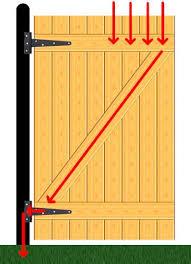
The haunch is proper old school tba. The way the forces work the load goes down through the brace. The haunch "locks" the brace into the ledge. Keeps the door square. More relevant if a real heavy door. I did it because I could pretty much and it's quite satisfying, the marking out, getting it right etc.
-
DIY or die!
-
Exactly what I did save my bottom is wide open thus didn't need the pack trick.
-
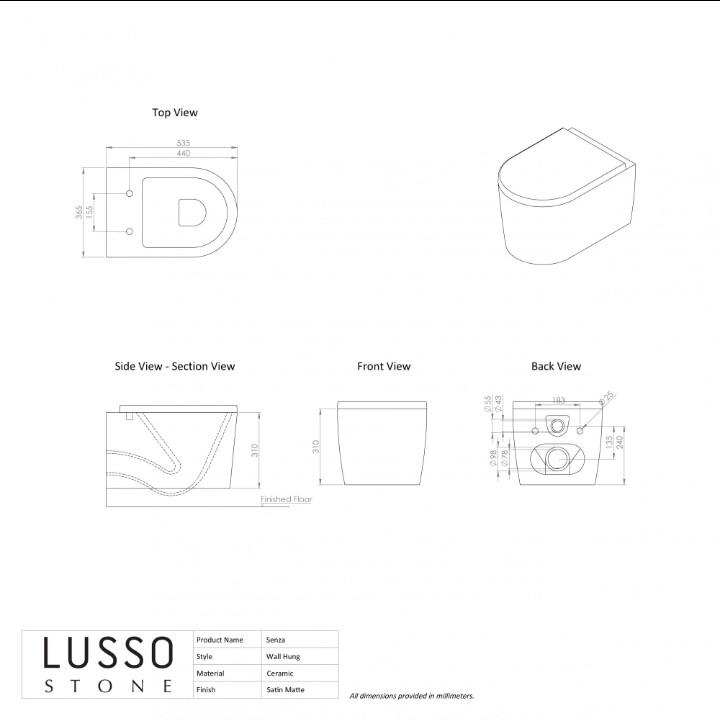
If it helps I think it's this one:
-
Built from scrap and whatever accumulated junk and fixings. As per usual my interest waned so I don't reckon I'll be getting back to the screws any time soon!
-
Biscuit jointer? No, slot cut on the table saw and continuous tongues of 6mm ply. Stainless steel hinges. It's the bottom half of a stable door. I did then rebate the top. All a bit rough but solid.