


SuperJohnG
-
Posts
1260 -
Joined
-
Last visited
-
Days Won
5
Everything posted by SuperJohnG
-
Wow - Are Exterior doors really that expensive?
SuperJohnG replied to Triassic's topic in Doors & Door Frames
But you had a deal if I temeber correctly? So you have to compare that with what your actual price would have been. The prices above seem pretty standard for any of the high quality (or perceived high-quality) brands. -
Makes perfect sense and thats why I'd like to do it. I think I'd maybe do that for internal ceilings. But if not required on the roof (and provides a significant saving then I might follow @ProDaves thinking. If there is no need for sound deadening there its lighter and easier to work with it makes sense.
-
Itll be harder, take longer and probably work out the same cost in the end.....with little to no actual benefit. But this is the way of the self builder..... I will be buying one. ?
-
Ah ok. Yep just extensions for the tank access. Thought it might be a different thing. Thanks.
-
Basically Chinese whispers....but as others said. More info required. @PeterW when you say risers do you just mean a pumped TP?
-
I've been thinking about one of these. Thanks for the recommendation. As a typical self builder and forum member...Happy to be in charge of my own destiny! I don't know...I'm.happy to take arguments to the contrary.. especially if there is a saving. Ill have 400mm centres for posi joists (I think) and battens wherever I put them. I do have some vaulted roofs.
-
Steam ovens and ovens in general
SuperJohnG replied to Mandana's topic in Kitchen & Household Appliances
I fancied some cool ovens. But I cook all our 'sunday dinners' and all big meats and pizzas etc on my kamado come.rain or shine. Do t know if a steam oven would be a waste? -
I've got a SIPS build so it's all on battens and could put it them on 600 centres. But I've allowed for 15mm on ceilings anyways which should work out fine. I await prices for 900 sqm of it. Gulp.
-
Just reigniting this thread. I'm just about to do the same thing. So is 12.5mm plus skim for internal and external walls, 15mm (single layer) for all ceilings still the norm? Note - not fussed at all about external noise as I'm rural. Internally kids are other side of house so no major issue there. I would just like a good standard of 'solidness' on the walls that's all. I have the living room below master bedroom, but I plan to treat that separately and do resilient bars in there (Wife goes to bed early, I'm a night owl and I would like to avoid being told to turn the TV down at night ?) At one point I had noted down double layer, but I don't really think it's required for a mere mortal like me. My current house is a 1975 Thermalite block house, walls are solid internally. No insulation between floors (timber) so whilst I will lose that solid wall feel internally I will hopefully have less noise travelling. @Triassic what did you end up doing?
-
Yep fine. Have a look here for some detail.
-
If you go ASHP you need a bigger tank as the water is stored at a lower temp, circa 48 degrees for most people here, hence it is mixed down less when compared with storing water at 65 degrees from a gas boiler. The ecodan units are used wide here and I have heard good things. Don't know much about the other. I'm going with 8.5kW ecodan and 400l tank in my house with 190 sqm GIA. Three bathrooms. But I have two young children and I also like to spend 30 mins standing in the shower. So 250 may do you but id be tempted to go 300. Gledhill are named regularly here along with another I cannot for the life of me remember just now. Id be tempted to do some calcs on your heat loss to check a 5kW will cover it. What levels of airtightness are you aiming for? And where in the country are you?
-
I think sorted now. Same as SIPS kit suppliers with superstructure engineer.....Kore going to lump in with their costs for the foundation insulation and can keep it that way. thanks. Now I just need to get it in the country and store it before brexit happens! otherwise mayhem and 6% tariff if no deal
-
did anyone claim back Tanners design fees? I have contracted directly with them rather than through Kore, hence I now have an invoice from Tanners, but like architect fees I assume you can't claim the VAT back on the foundation structural design? thanks
-
I think tanners were going to add a note. Would defo be easier just to add some formwork and then leave space for a low profile drain and run which could tie into the SVP. Just getting it lined up again isn't it.
-
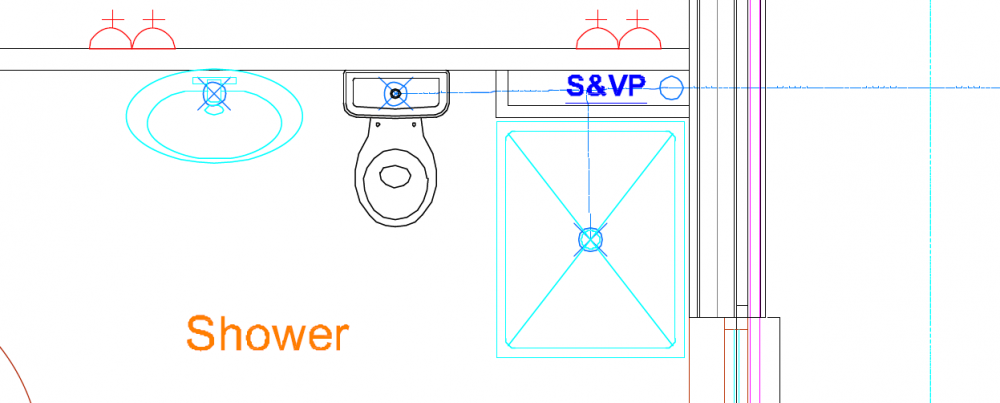
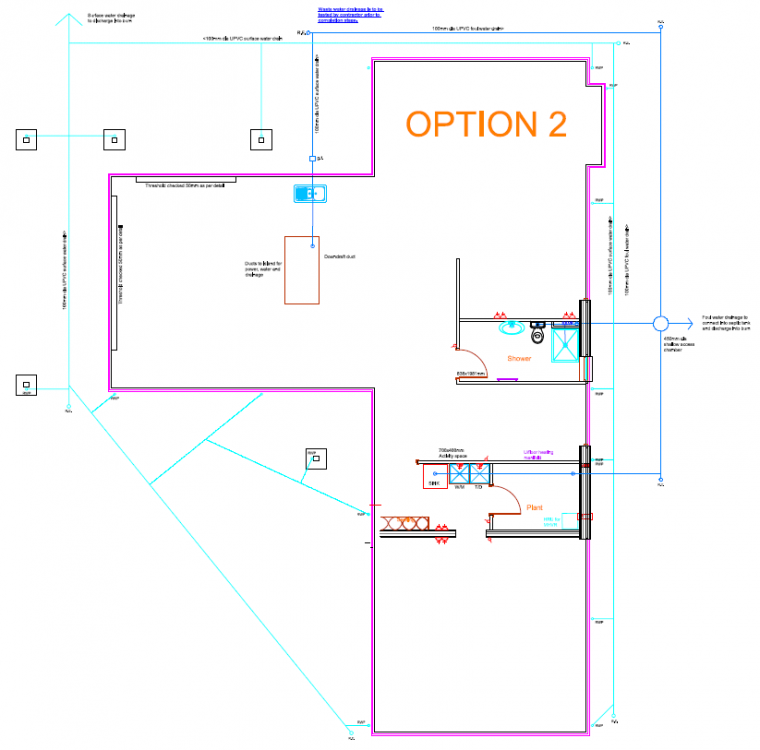
Also, how do I tie this together through slab? SVP obviously goes all the way through slab, the basin and toilet will be wall hung, hence the basin i can put waste down through wall and pop it into the SVP. For the toilet should I just actually build that section out make it wall hung and tie the waste directly into the SVP ? Shower tray will be floor mounted, so we were going to add a drain below FFL, but I haven't selected the shower tray hence location is not set do I again drop a 110mm pipe straight down and connect below slab or in slab. Some of these things I feel should be obvious but not having done them it's good to understand best practice.
-
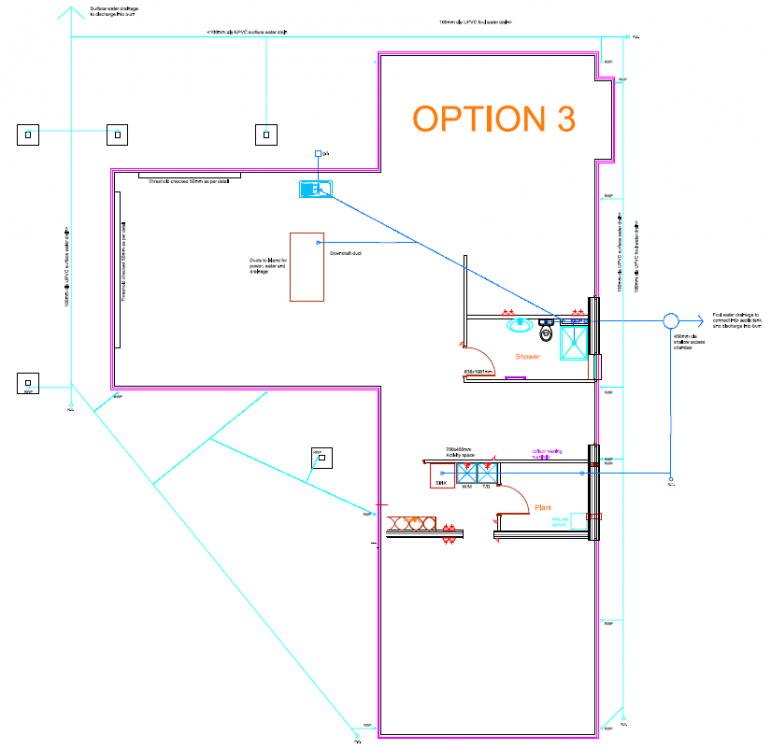
Not so much minimising to about pipe runs, but more so pipe runs underneath the slab as I thought it would be best to have them out the slab? I think what I am trying to do here is find out where I need them and what is best. The burn runs from east to west , I previously had the treatment plant out to the west downstream as it made sense, but was struggling with the falls and then it made sense to put it out the back of the house as it was a shorter straighter run and less falls issues. Not bothered about saving a few pence on pipe, but I have a borehole to the north there to go in, plus a power to come in front the front. I was thinking this was the worst option. So get the main angled run between sink and island, then punch it straight out the wall outside? Not quite getting that. Dishwasher will be somewhere close to sink there - I am assuming pop the 110mm pipe up through the slab underneath kitchen unit then tie sink and dishwasher into it? Plant room external - got it - why an IC instead of 90 with RE? So do the 3 way IC where i have it, but just take kitchen connection straight outside? I do prefer to not have that connection underneath the slab. How do the level chamber bases differ compared to something else? Is it just that they are moulded with that small invert compared a normal chamber having a larger invert? thanks for the replies so far.
-
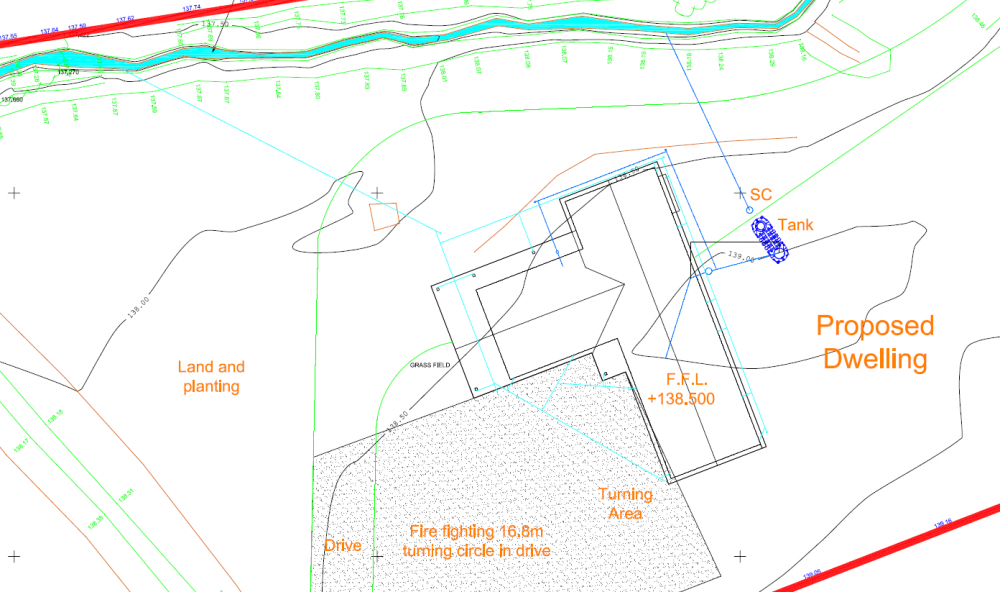
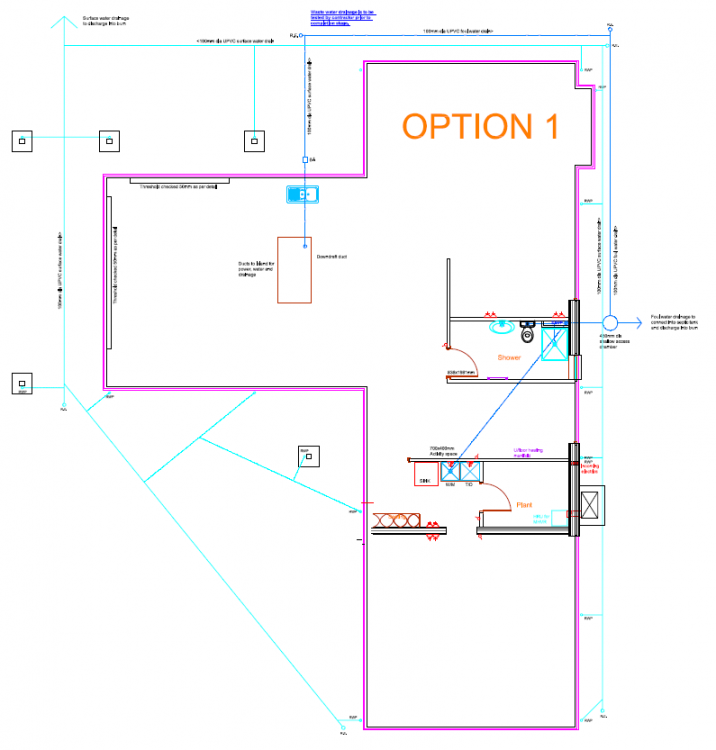
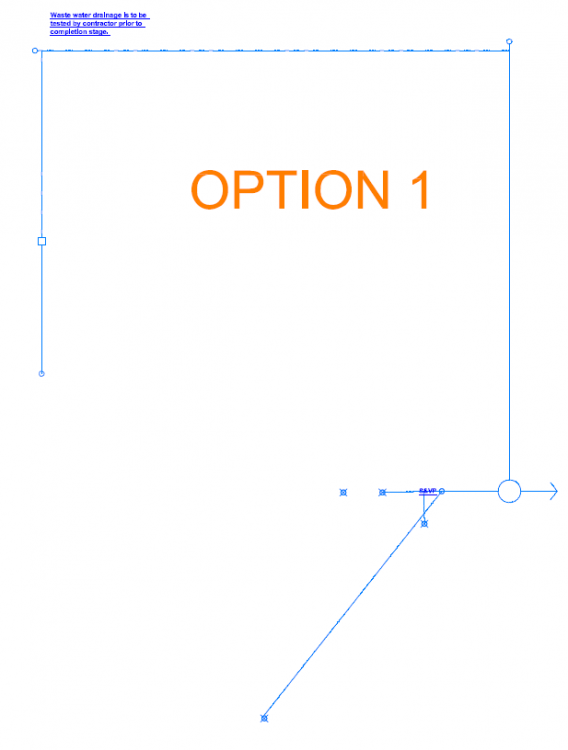
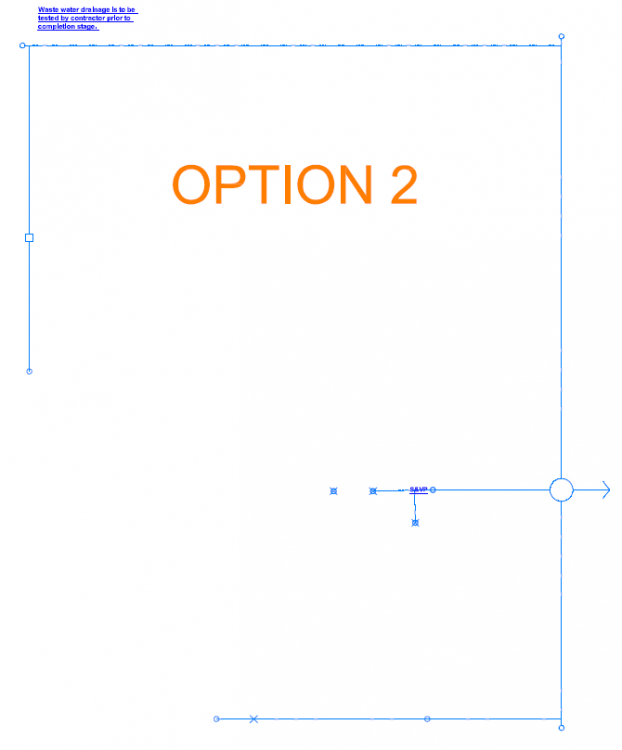
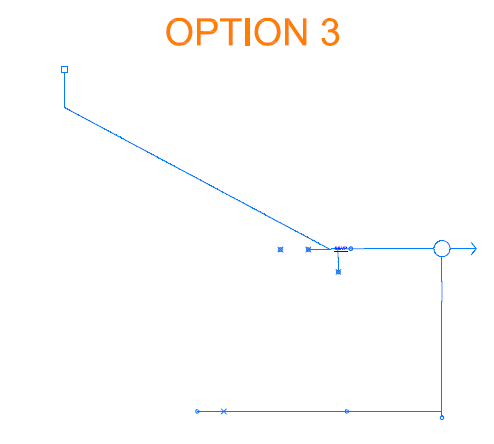
Due to undertake the foundation shortly and the drainage design needs figured out so I can finalise the drawings and then no last minute decisions with the groundworkers or hold ups. I have an insulated foundation and hence drainage need to go under the slab where required, I am trying to minimise this but have a few options currently I wanted some input on to ensure I avoid problems that other may have encountered, it's a large open plot with fairly low invert levels due to a burn which I'll discharge into. If i need to I will use a pumped tank to remove the worry of not having good enough falls. I have attached a section of the site plan showing house and foul and surface water discharge for reference. I have a number of drains on the ground floor: 1) Kitchen sink(plus optional drain underneath island for future changes if we wanted to put a sink there). 2) Gully trap outside kitchen window 3) Downstairs shower room including toilet, basin and shower. 4) Soil vent pipe which is located in a w)all within the downstairs shower room 5) Utility room sink drain (does WM too) 6) Plant room drain - covers safety reliefs, MVHR condensate etc. my question is what layout works seems to work best, and how best to tie some of these together. I.e. In the downstairs bathroom, how do I tie the toilet, basin, shower and soil vent pipe together below the floor do I drop down a 110mm for all? or try hide them in a wall, then tie all to SVP or what seems best? I've shown my drgs below, with an overall view of house an positions, then a detailed view of the respective drainage run for each option. Foul runs are in dark blue Option 1: Architect suggested layout, no plant room drain. Option 2 - My first layout, keeps the runs straight and gets them out from under the slab. Punches straight out from utility picking up plant room and then straight runs outside into an IC to collect everything then flow to treatment plant. Good straight runs and allows Rodding eyes to access everywhere. Otion 3: My second option - removes outside run around hosue and ties it back under the slab from kithchen to downstairs wc. Short run, but a join underneath slab and difficult to add rodding eye at kitchen end. Option 2 for me seems to make the most sense as it is straight easy runs and tied where possible outside the slab, I just need to check invert levels. Does anyone have any input that would help? I've added the full pdf with all options of anyone is really really bored... Drainage options Model update.pdf
-
WPD quote for electricity supply blowing our budget
SuperJohnG replied to Omnibuswoman's topic in Electrics - Other
Well done..fantastic. -
installing sewage treatment plant with discharge to stream
SuperJohnG replied to Tom's topic in Waste & Sewerage
@ProDave ehat did you backfill with above the concrete? It sayd self compacting like pea gravel. But pea gravel is more than double the cost of concrete so it doesn't really make sense to do that. -
installing sewage treatment plant with discharge to stream
SuperJohnG replied to Tom's topic in Waste & Sewerage
I've been looking at this recently too. Hadn't quite finished my assessment and I'll go.back to it soon enough, but the WPL diamond is very similar to the condor. Condor seemed good value and helpful woth some feedback from @ProDave it worked well. The only downside for me on that was the vent sticks out the ground whichnis a pain if its located ina viewable area im your garden and mine will be right out my back door. Other than that it's a good selection. -
I was thinking that now and yep, that height will go up which will mean the wall thickness of that section will increase, so cost will rise there. Also wondering now I'll think the TYPE 3 stone underneath will increase from 150mm to 250mm probably. so possibly 2-4k extra depending on the Kore costs. I'll maybe check a few things in the morning with Tanners, at 2k it makes it simpler for sure, but at 4k it starts to not make sense, considering the concrete for the pads only costs 150 quid. The rest is just time to dig the holes out really, plus the foamglass blocks.
-
Hm. Thats maybe one to check in the morning with Kore actually. I'm assuming that having a thicker slab is a better thing somewhere..maybe better for the UFH. Spot on thanks. Amy recommendations and ill have a wee read up?
-
Great pics @LA3222 How thick was you slab by the way? Tanners had called saying the super structure changes now added another 2 pads (5 in total now) however they have told me they can increase the slab by 50mm (so from 100 up to 150mm non load bearing and 200-250mm in the ring beam) which will remove the need for the pads. Only downside I can see is extra concrete ( I calculate around extra 9 cubes, which is a 40% increase) an extra 1k i think but drastically simplifies it again. I can't see any other reasons not to? anything I should consider?
-
Welcome rob
-
Is Zehnder worth it?
SuperJohnG replied to BartW's topic in Mechanical Ventilation with Heat Recovery (MVHR)
That'll teach you to let someone else make decisions. I couldnt deal with that in the first place...I'm not a control freak but I need to research everything to death before buying. My wife won't even follow the rules about where the dishes go in the dishwasher...and she always puts a tiny pan on the biggest hob ring...both which bother me each day. She isn't allowed to make technical decisions. Disclaimer: this isn't a sexist comment..its.merely one about my other half. ( I load the dishwasher!)




