Ian
-
Posts
751 -
Joined
-
Last visited
-
Days Won
3
Everything posted by Ian
-
Building Regs / Construction drawings - what is needed?
Ian replied to Weebles's topic in Building Regulations
Part L of the regs: You'll need to get the 'U' values from MBC for each part of your construction e.g. Walls, roof, slab as well for the windows and doors. You should also get a statement from them regarding accredited details for avoidance of thermal bridging. These will be needed for your EPC as well as for Building Control. -
@lizzie Part B of the Building Regs has all the info you need. If your wall is rendered you should ok but you'll need to check window locations and areas obviously if you are close to the boundary. edit. Part B for England. You need page 42 onwards: https://www.gov.uk/government/uploads/system/uploads/attachment_data/file/485420/BR_PDF_AD_B1_2013.pdf
-
He was only a young guy but a real grafter and a perfectionist too which was great to see. I'd be happy to recommend him to anyone else with a build in north Wales.
-
I paid £22/sqm for labour only. That included installing Ditra matting as well as the porcelain floor tiles. Area was 65sqm Edit: location is North Wales
-
I paid £22/sqm for labour only. That included installing Ditra matting as well as the porcelain floor tiles. Area was 65sqm
-
@Barney12 Provided the internal gutter is sized and detailed correctly then the main residual issue is one of maintenance. You'll need to be able to get to the gutter twice a year or so to clear away any leaves etc that have collected that could lead to a blockage.
-
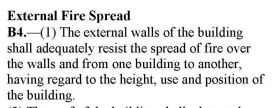
@JSHarris There's also the 'catch all' of "Material Alteration" in Part B which applies to existing buildings that are being altered: Quote: 0.2 MATERIAL ALTERATION ".....requires that once that building work has been completed, the building as a whole must comply with the relevant requirements of Schedule 1 or, where it did not comply before, must be no more unsatisfactory than it was before the work was carried out" Schedule 1 is attached below for reference
-
What are you most pleased about?
Ian replied to ToughButterCup's topic in General Self Build & DIY Discussion
Things that make me smile: - The building as a whole and the fact that we managed to get PP - the site itself with its remoteness (no cars) and fantastic views- 31 replies
-
- 1
-

-
- self build
- advantages
- (and 1 more)
-
Done (Good luck!)
-
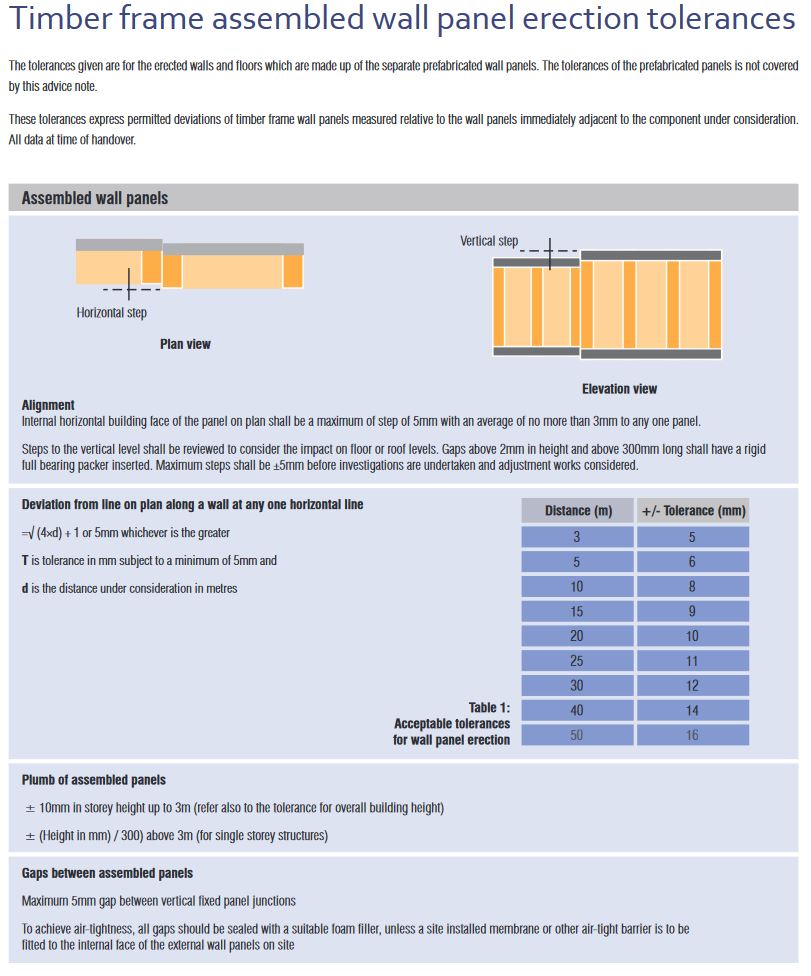
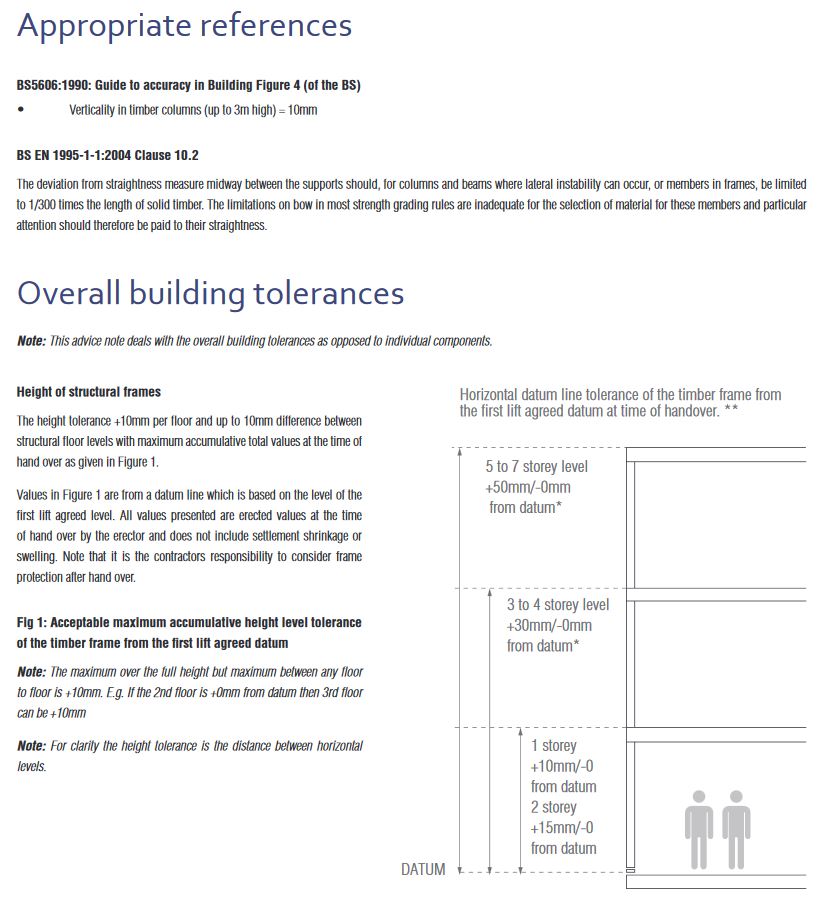
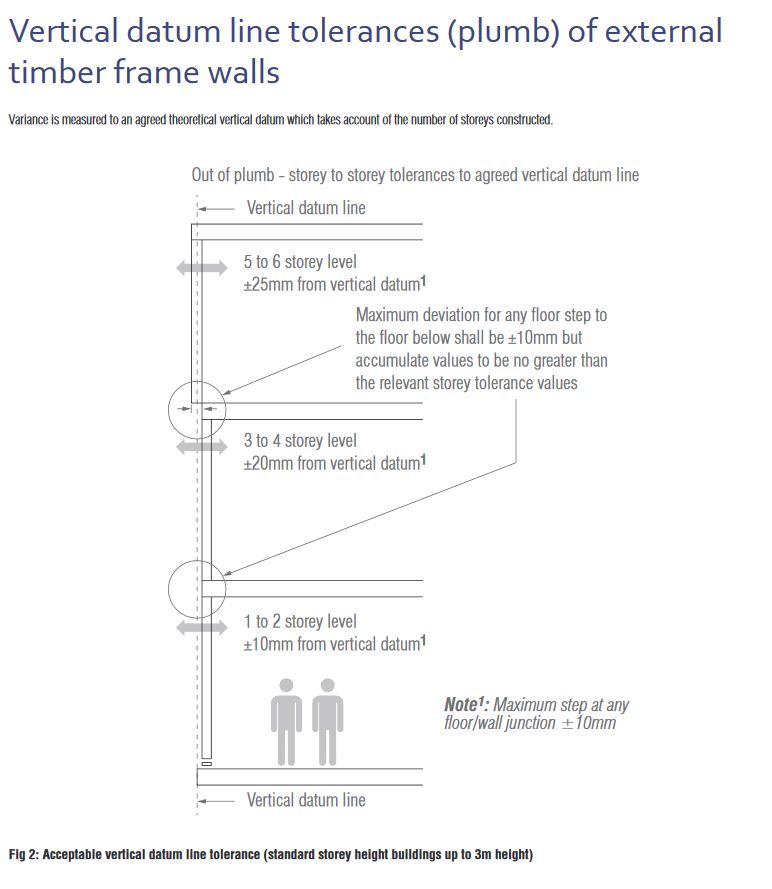
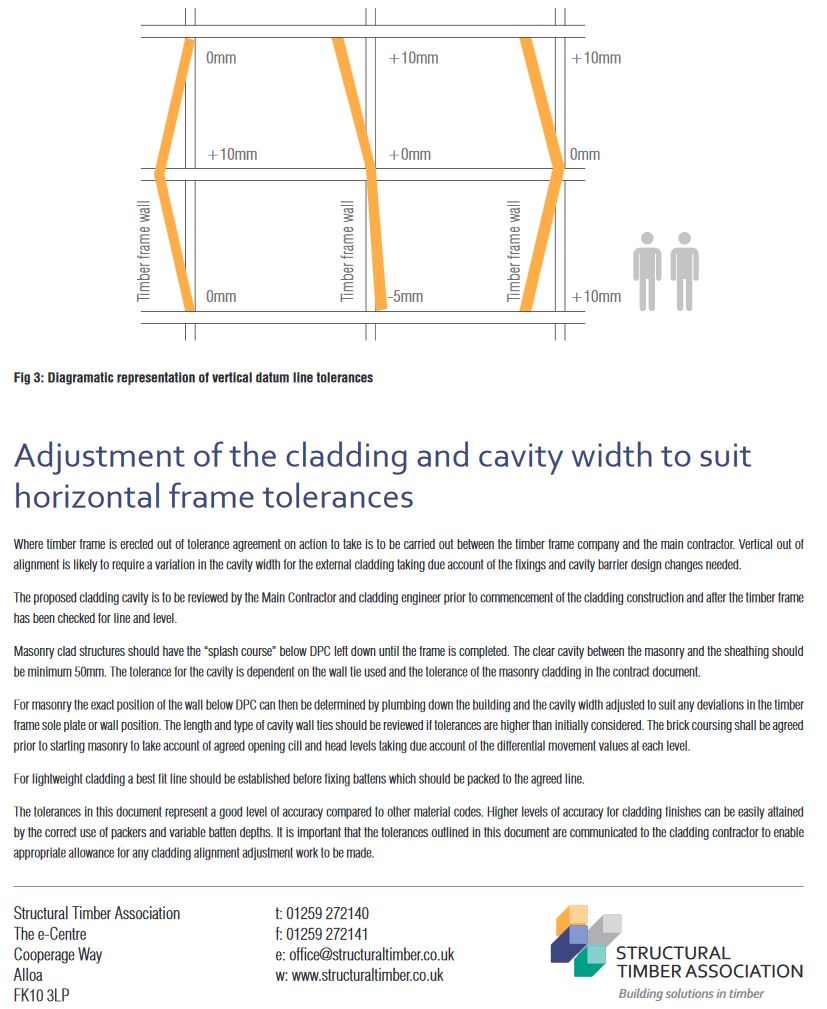
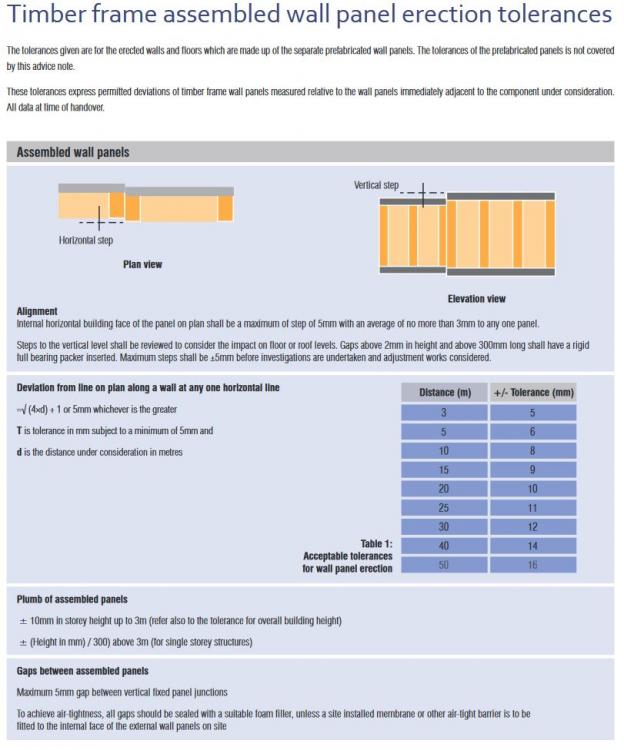
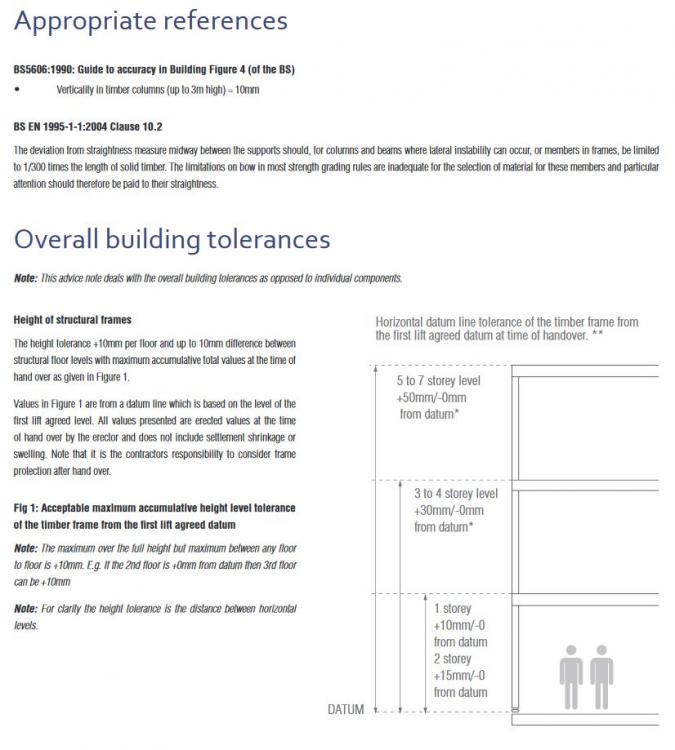
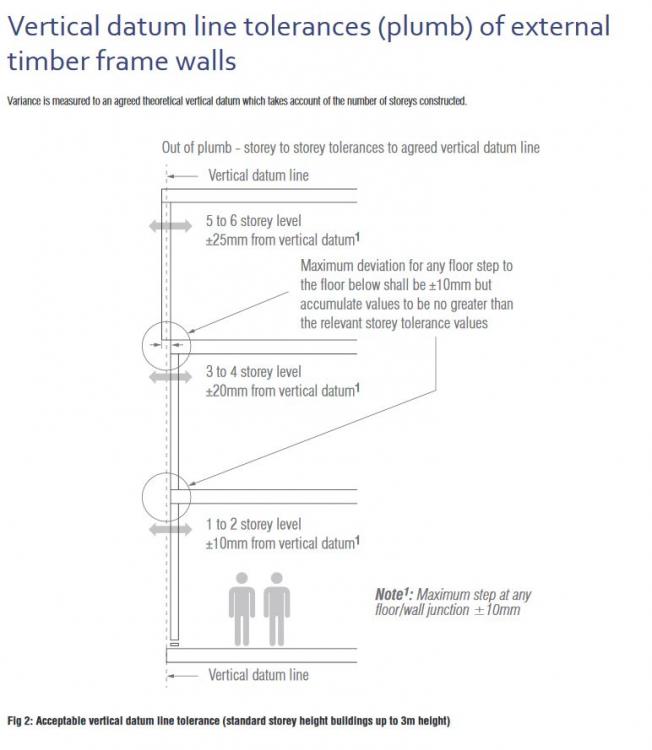
That sounds hopeful. MBC have accreditation with the Structural Timber Association. Just in case it's of any use in your conversation with MBC here's the tolerances for timber frames published by the STA. Let me know if you need the document sent to you by DM.
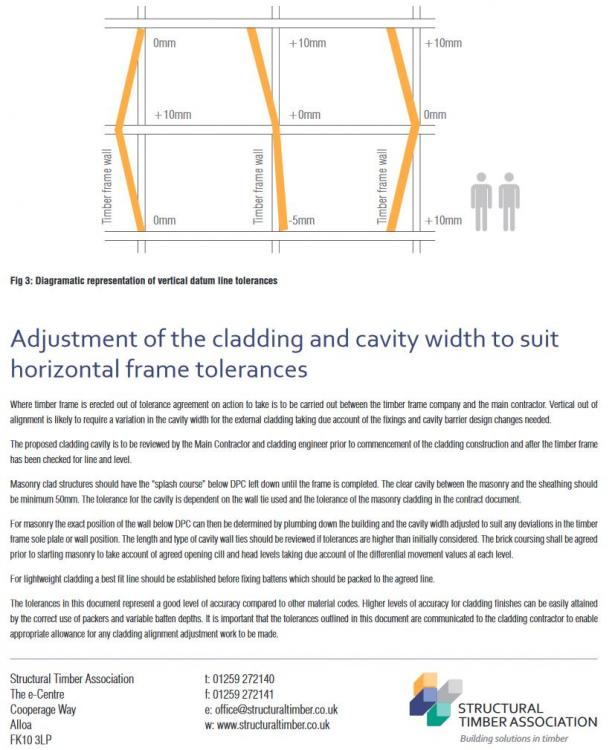
-
Re window opening sizes: personally speaking I was in the lucky situation of not being in a rush so I made the deliberate decision to get the timber frame completed first c/w all openings then get the window & door contractor to site to do their own site measure of the openings. Their contract was supply & fit so no arguments or divided responsibility. The big problem with that approach is timescale (and added cost for those living in temp accomodation) - it adds at least 4 weeks onto the overall job.
-
It sounds like it needs some very careful thought before changing the original design. I've got timber cladding (cedar) on my own building. Expect movement of the timber and design accordingly. You may find after the timber t&g cladding has been on the building for a while that you'll get gaps opening up at the butt joints between the boards. If one of these joints happens to be directly below a part of the roof where there's no gutter or roof overhang you will get water penetration through the wall.
-
I'm guessing that you've already seen this very good Scottish government guide to timber cladding detailing?: http://www.gov.scot/Publications/2002/03/15098/8744
-
It's difficult to give proper advice without seeing a drawing of the relationship between the dormer and the rest of the building. Do you have a drawing you could post? rainwater carries pollutants and dirt with it and these can get deposited unevenly down the facade unless you have either a roof overhang or a very good drip profile to the capping at the interface of the wall and roof.
-
@Barney12 Edit: if you don't have an overhang on your flat roof then it's important that the parapet flashings all have a good slope pointing back into the roof if you want to avoid the uneven staining that I mentioned. Not having an overhang means that you are more reliant on good workmanship and weatherproof detailing to keep the water out of the top of the wall.
-
@Barney12 The reason you normally have an overhang is to prevent uneven wetting of the facade of the building. The uneven wetting in turn produces uneven staining. This staining shows up worst on some facing materials such as timber and render.
-
@recoveringacademic That's looking really great Ian!
-
@PeterW I was already with Scottish Power which made the switch of tariff a very easy decision. There's no penalty for using more power than you have prepaid for. They keep supplying you with power after the pre-payment amount has run out and they give you 14 days to buy another pre-payment package before they put you on the more expensive variable rate tariff. They estimate your annual usage and I bought 2 x 6 month packages (these are the cheapest unit rate) which should, in theory at least, last me significantly longer than 12 months as my winter usage should be less than their estimate. You effectively pre-pay for a block of kWh of power and if it runs out early you buy another block at whatever the going rate is at the time. If it lasts longer than they estimated then it lasts longer - there's no penalty. FAQ here: https://www.scottishpower.co.uk/powerup-support/faqs#threefaq
-
My recently completed self build in Wales is used as a holiday home mainly at weekends. The building is only small (net 71sq.m) and with the intermittent use my electric usage is very low so the £100 annual standing charge is inevitably a very large percentage of my overall bill. I've therefore been looking around for a supply option which doesn't have the standing charge element. I thought this may be of interest to those of you who, like me, have low electric demand. This weekend I've switched to Scottish Power's "PowerUp" tariff. The idea is that you pre-pay for your power up to a year in advance. The further ahead you pre-pay the lower the kWh unit price. If you buy a 6 month package the unit price is only about 0.5p/kWh more than the standard variable rate but the big advantage is there's no standing charge. I should therefore save about £90 a year. Ian
- 3 replies
-
- 1
-
-
- electric
- standing charge
- (and 2 more)
-
I thought this prescient article by Probyn Miers may be interest to some: They are architects with specialist expertise in this area of construction. The article was written about 6 months ago and is titled "Fire Risks From External Cladding Panels – A Perspective From The UK" http://www.probyn-miers.com/perspective/2016/02/fire-risks-from-external-cladding-panels-perspective-from-the-uk/
-
@JSHarris its now being widely reported that the overcladding system comprised Reynobond aluminium rain screen (the version with a polyethylene core); a 50mm ventilation gap and Celotex FR 5000 insulation
-
The most common risk is a lit cigarette being thrown out of a window and landing on the top of a section of damaged EWI below. There was a similar case recently with a cigarette landing on a balcony and starting a fire. Once the fire gets into the EPS it spreads upward and horizontally under the surface of the render. Fire barriers at intermediate floor levels will do little to contain a fire like that.
-
The relevant legislation is the Work at Height Regulations 2005. The regs are not really meant to be applicable to diy work and self-builders however there's an obvious potential for liability if you employ someone to work on scaffolding that you have erected for them. . Extract from the regs: (3) The requirements imposed by these Regulations on an employer shall also apply to— (a)a self-employed person, in relation to work— (i)by him; or (ii)by a person under his control, to the extent of his control; and (b)to any person other than a self-employed person, in relation to work by a person under his control, to the extent of his control Some HSE links: http://www.hse.gov.uk/work-at-height/the-law.htm http://www.hse.gov.uk/pubns/indg401.pdf http://www.hse.gov.uk/construction/faq-scaffold.htm
-
Have you got enough room outside for a free-standing timber pergola. Maybe one with a climbing plant on it? No need for PP for that I'd have thought.
-
We were lucky with our local authority in N Wales as their address registration process was free and they also did the liaison with the Royal Mail.