


Nick Laslett
-
Posts
687 -
Joined
-
Last visited
-
Days Won
1
Everything posted by Nick Laslett
-
MF across sloping ceiling
Nick Laslett replied to crispy_wafer's topic in General Self Build & DIY Discussion
Using MF for all my stud walls. All of my upstairs is in the roof. All of these walls will need to deal with the roof angle. My current plan is to cut timber to the roof angle to get the ceiling u-track to be perpendicular to the floor u-track. Not had any pro advice, this just seemed like the most straightforward solution. -
Durisol - in administration
Nick Laslett replied to PeterW's topic in Insulated Concrete Formwork (ICF)
Thank you. I believe that I have this in my hot knife kit.
-
Durisol - in administration
Nick Laslett replied to PeterW's topic in Insulated Concrete Formwork (ICF)
I’m very close to first fix with my ICF build. I have already procured a hot knife, KD-7H. Here is a picture from the Thermohouse manual. This is what I was going to copy. @FM2015 Any advice appreciated, my sparks has no prior ICF experience so we are on this journey together.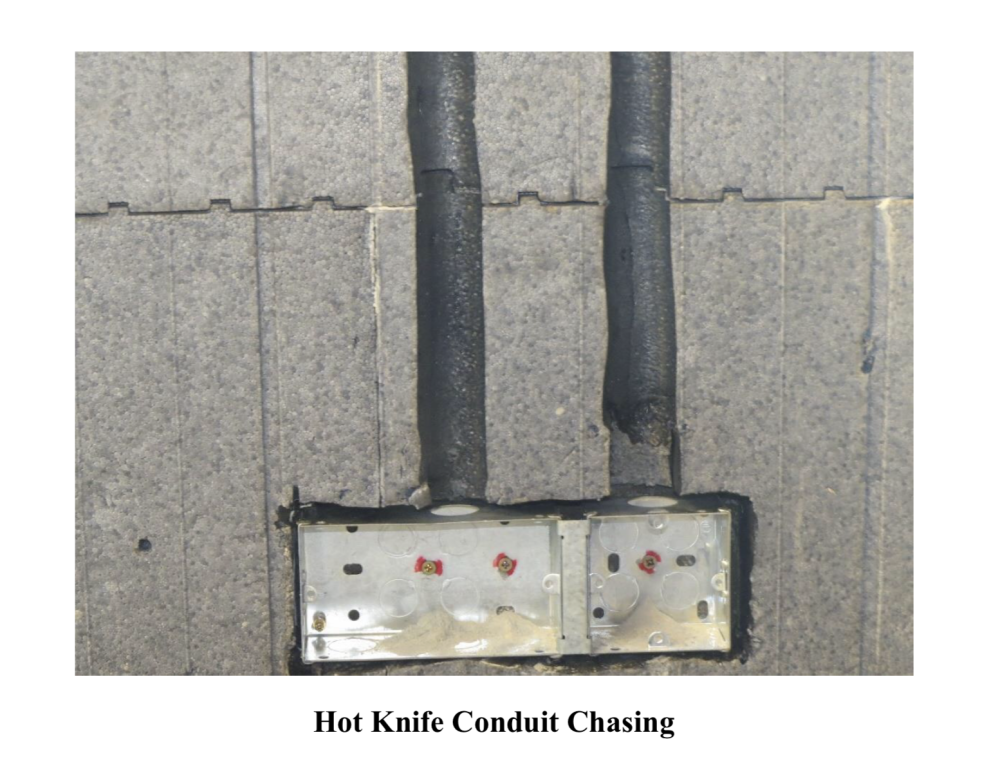
-
Durisol - in administration
Nick Laslett replied to PeterW's topic in Insulated Concrete Formwork (ICF)
Thermohouse ICF blocks have 0.5mm galvanised steel flanges/ties, with 35mm fixing face, they comply with EN 10237. They can take 12.5mm plasterboard directly fixed to the flanges according to the technical manual. Not at that stage yet, but happy to perform some tests on the strength of the flanges, if you have any ideas? The technical manual also says you can use mushroom fixing into the EPS for the plasterboard. -
EPS lack of strength is a double edged sword. It may be easily damaged, but it is also easily repaired. The concrete core is the structural element. You could go to great lengths to protect the EPS, but it is only the insulation layer. Think of it like plastering plasterboard. The plaster gives the plasterboard a hard shell, without it, it is easily dented. You don’t put cement board in front of plasterboard, then plaster. (Maybe this is a bad analogy?) Every system has its strengths and weaknesses, don’t use ICF if you are worried about what will happen to the external EPS layer, or go to great lengths to remedy this weakness.
-
Problems with glazing fitted into green oak frame
Nick Laslett replied to Robert Clark's topic in Windows & Glazing
These guys list a lot of IGU with different u-values. https://www.regencyglass.co.uk/sealed-unit-types/thermal-performance/u-values-library/ They don’t do a 24mm TGU. The 28mm unit has a u-value of 1.0. We used illbruck Trio compriband tape for our windows install. They do a tape specific for timber frame that can accommodate differential movement. https://www.illbruck.com/en_GB/product/tp450-compriband-timber-max/ -
Problems with glazing fitted into green oak frame
Nick Laslett replied to Robert Clark's topic in Windows & Glazing
When I was reading various window spec documents there seemed to be an optimal spacing for using argon and a different optimal spacing for uses krypton. I seem to remember that a DGU with 16mm gap would outperform a TGU if the gaps weren’t large enough, sorry can’t remember the actual measurement. It would not surprise me if a 24mm DGU outperform a 24mm TGU, the gaps are less than 4mm. *Edit sorry bad maths of course it is 6mm. Here is an FAQ that illustrates this point. https://www.regencyglass.co.uk/faq-2/triple-glazing-v-double-glazing/ Also you get improved sound insulation if the panes are different thicknesses. -
We are having the top half of one gable end clad with ash thermowood, in horizontal feather edge style. The rest of the house will be rendered with EWIPro Silicon render. We are not doing anything to the ICF before the cladding goes on. The ICF supplier will have construction details for all types of external finishes and what is required.
-
Is the entrance door a 'first fix" item?
Nick Laslett replied to Dreadnaught's topic in Doors & Door Frames
We already have our front door in. From a sequencing perspective I thought it needed to be in place so that the external rendering could be completed. -
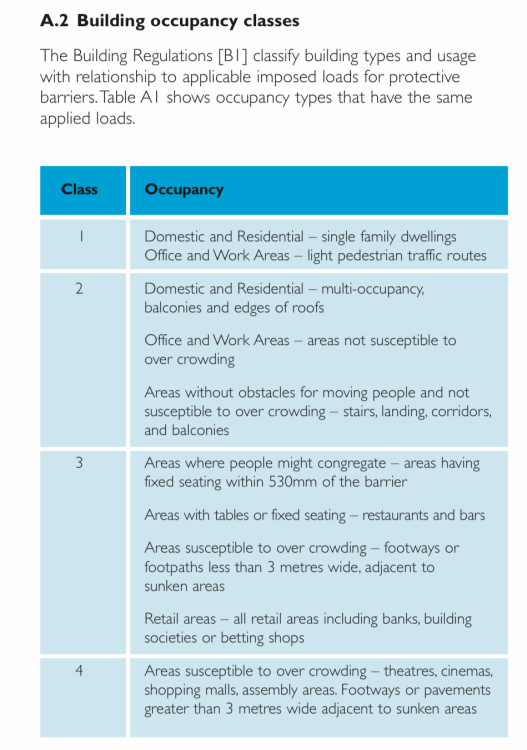
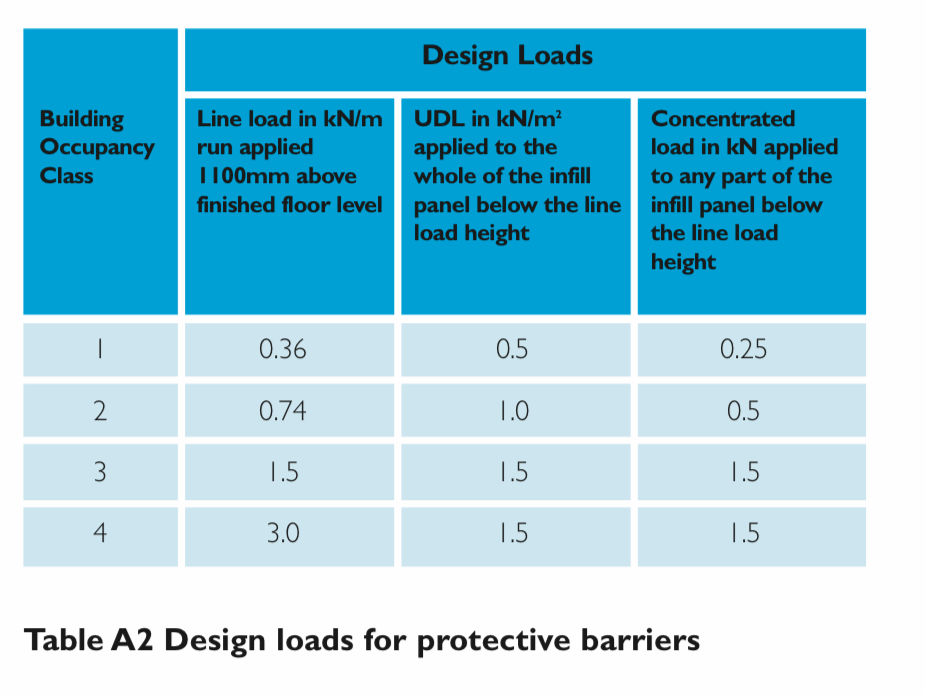
Most of your house is Occupancy class 1. Protective barriers in this class only need to pass 0.36kN load. Occupancy Class 2, covers balconies, landing, stairs & corridors. Protective barriers in this class need to pass 0.74kN load. I’m not sure if any residential dwelling windows should be in Occupancy Class 2. Document K, section K4 refers to glass in windows with chills below 800mm needing to pass Class 3 of BS EN 12600, most toughened and laminated glass satisfies this requirement. I thought this web page explained it well. https://www.bereco.co.uk/blog/navigating-complying-uk-building-regulations-windows-doors-v1-new-homes
-
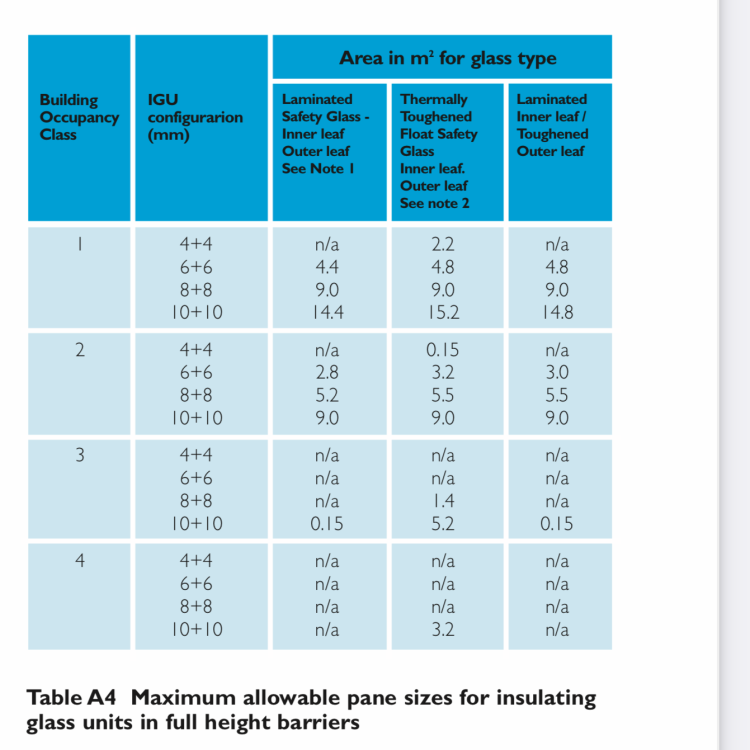
“The table has been based on maximum glass area of 3.4m2.” E.g. a 6.8mm laminated pane, 3.2m2 in size can take over 0.25kN concentrated load. That was my interpretation. On page 7 of the FH Brundle doc there is table for DGU units. https://www.fhbrundle.co.uk/files/pdf/co1/Technical/Glass Loading Data Sheet 7.2.pdf It is pretty clear to me that a 2.0m2 DGU with 6.8mm laminated pane and 4mm toughened pane would pass the 0.74kN test. How you convince the BCO is a different matter. Not to mention how astragal bars effect the calculations, SHMBO has our windows in full prison bar look, so each pane is essentially reinforced.
-
I got the impression that DHW reheat time was also something to consider when sizing an ASHP? Of course you can just switch on the immersion if you need to replenish hot water in a hurry.
-
You can install Windows 10 on a Mac, but you will need to buy a license. You will also need enough hard drive space, 64gb minimum. This uses Boot Camp, an app already installed on your Mac. When you do a hard restart of your Mac, you choose whether you want to run Windows or Mac OS. If suspending from sleep you stay in the current selected operating system. https://support.apple.com/en-gb/HT201468 You can download Windows 10 from Microsoft. Don’t need licence for initial install. https://www.microsoft.com/en-us/software-download/windows10ISO It may seem daunting, but it is actually quite straightforward. Bit off topic, sorry. I just don’t want Mac owners to think they can’t run Windows software. There is another method using Virtualisation, this allows you to run MacOS and Windows simultaneously, this is a bit more complicated.
-
Design loadings of first floor low level windows
Nick Laslett replied to Dan F's topic in Windows & Glazing
The frames will only take a 28mm DGU, (Sadly, SWMBO aesthetic requirements trump U-values). A 6mm inner pane would make it 28.8mm in total. These are Guardian Glass SN 70/30 units, the 6.8mm-16mm-4mm sizing looks like the default according to their website. https://www.guardianglass.com/gb/en/our-glass/sunguard-superneutral/sn-70-35 I see Saint-Gobain Planiterm Comfort Plus DGU has the same specs. https://www.planitherm.com/media/5598/422757-sgg-planitherm-a4-info-leaflet.pdf What are the draw backs to not having the panes the same thickness? Is it condensation?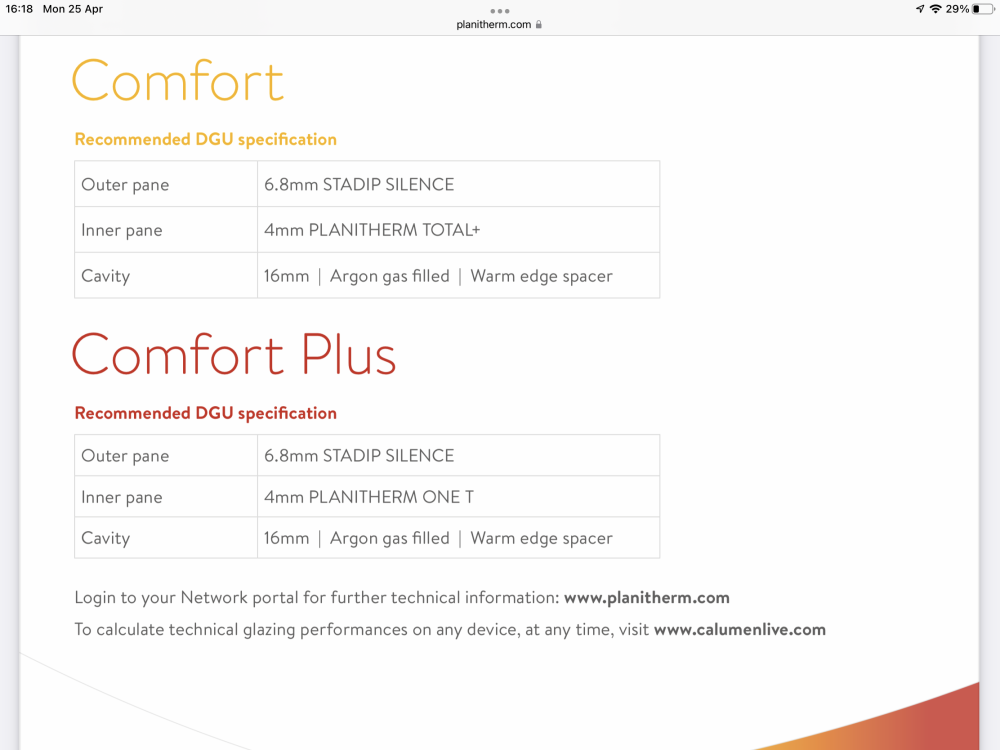
-
Here is a similar discussion with some ideas. https://forum.buildhub.org.uk/topic/17519-ufh-pipes-on-to-concrete-slabs/ Here is a thread at another forum: http://www.greenbuildingforum.co.uk/newforum/comments.php?DiscussionID=6598 One suggestion I liked was to use thin reinforcing mesh, and tie the Pipes to that. Another was to screw the clip tracks to the concrete. A third suggestion was hammer clips, which need a pre-drilled hole. https://floorheating-direct.co.uk/blogs/underfloor-heating/different-installation-methods-water-underfloor-heating-systems https://ufhsupplies.co.uk/product/hammer-clips/
-
Design loadings of first floor low level windows
Nick Laslett replied to Dan F's topic in Windows & Glazing
Two useful docs for BS6180: https://techhub.uk.saint-gobain-building-glass.com/sites/default/files/document-files/Guards %26 Barriers 5A - SGBG Guidance for Low Risk Design - 19-09-2018.pdf https://www.fhbrundle.co.uk/files/pdf/co1/Technical/Glass Loading Data Sheet 7.2.pdf BS EN 12150 kite mark for thermally toughened safety glass The majority of our upstairs windows are 250mm from floor level. They are all 6.8mm laminated and 4mm toughened DGU. I suspect your units would pass the test, but have not be subjected to them, so there is no certificate.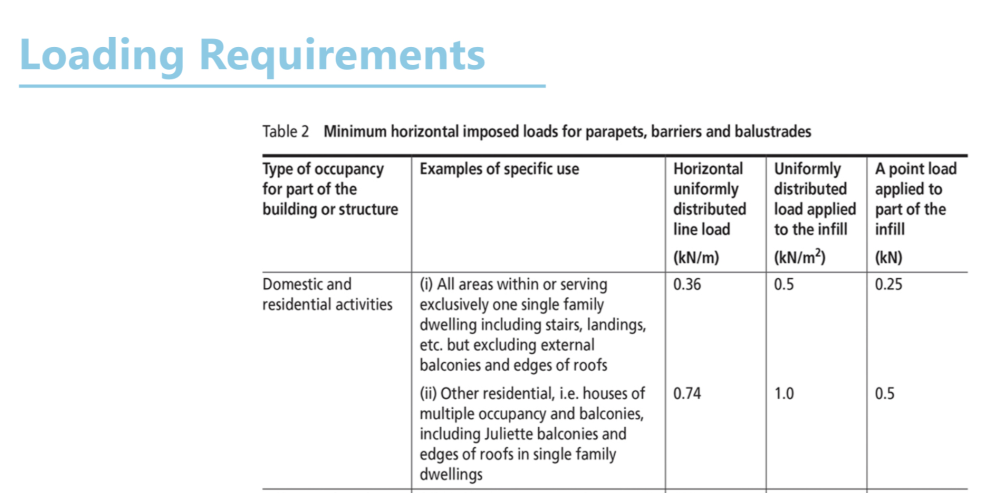
-
The concrete stairs in our ICF build were poured the same day they poured the concrete for the first floor. I thought we were going to need precast stairs, but when I discussed this with our ICF supplier, they said they would build the form work and cast the stairs in situ. This worked out very well. Their structural engineer did the calculations and design too. We were already using their EPS floorboard product for the first floor, so this already required a concrete pour. If you are planning on having a concrete staircase make sure the structural engineer designing the foundation is aware of this.
-
I have 1x50mm duct per single pipe. Hot and cold to kitchen island. Hot and cold to utility room, hot and could to downstairs shower room. The 50mm ducts run along the bottom of the 150mm concrete raft on top of 300mm of Kore EPS. This is a Tanner designed foundation. Reading a few more threads and I thought there was not much value in insulating these pipes even if it was possible.
-
I’m planning on running hot & cold water pipes in 50mm ducting that is inside the concrete of an insulated slab foundation. I assume that it is difficult to add insulation to these pipes and get them through the duct. Back in 2020 when all this stuff was being planned, this is the approach I adopted. I can’t remember if these pipes did need insulation. Any advice appreciated.
-
My two questions are earlier in the thread. 1. My Wall height is 2750mm. Can I use a piece of 2”x3” under the u-track to raise it by 50mm and use 2700mm C studs? 2. I need to run 90mm MVHR ducting between rooms, can I make cuts in the deep u-track on the ceiling and bend over the metal to make these runs easier?
-
I didn’t want to start a new thread. I have a few questions before I start my metal framing, @nod, @Dreadnaught any help would be appreciated. 1. My ceiling height is 2750mm, can I just add a piece of 2”x4” underneath the U-Track so that I can use 2700mm C-studs? Or do I need to use 3000mm C-studs and cut them to length? Any other methods to bridge the 50mm height gap? The longer studs don’t cost much more, but it just seems like a lot of waste and extra work. 2. For the MVHR 90mm ducts can I make two cuts and bend down the sides of the deep U-track on the ceiling to allow the ducts to more easily pass into the next room? Or will this effect the U-track’s integrity? I could use the standard U-track on the ceiling, but I like the higher gauge that the deep track has. Do I just leave a gap in the U track and use two pieces?
-
I think you are missing a lot. We used Thermohouse. https://icfa.org.uk/association-membership/
-
Just to echo these points from Happy Valley. If you can adapt your design to fit the strengths of the ICF system it will make things much simpler.
-
Which ICF method should I use?
Nick Laslett replied to Indy's topic in Insulated Concrete Formwork (ICF)
With a traditional shuttering method, the shuttering is removed after the pour so you can see the finished concrete. My staircase was a traditional in situ concrete pour using plywood for shuttering. With ICF the EPS is the shuttering and this isn’t removed.
-
Which ICF method should I use?
Nick Laslett replied to Indy's topic in Insulated Concrete Formwork (ICF)
Just drilling the screw holes for my windows and hit a void today, 60mm into the concrete. Whichever system you choose, the execution is everything. My ICF wall could be littered with air pockets, very hard to tell after the fact. Pretty difficult to remedy. During the wall pour I observed them using the poker, but I guess you still have the issue with voids. Perhaps they needed to leave the poker in that area for 30 seconds more, seems like a very hard judgement call.






