
Cpd
-
Posts
1627 -
Joined
-
Last visited
-
Days Won
7
Everything posted by Cpd
-
Copper nails - aluminium is cheaper but they bend really easily and it all becomes a faff……
-
Board on board cladding - fixing advice / critique
Cpd replied to markocosic's topic in General Joinery
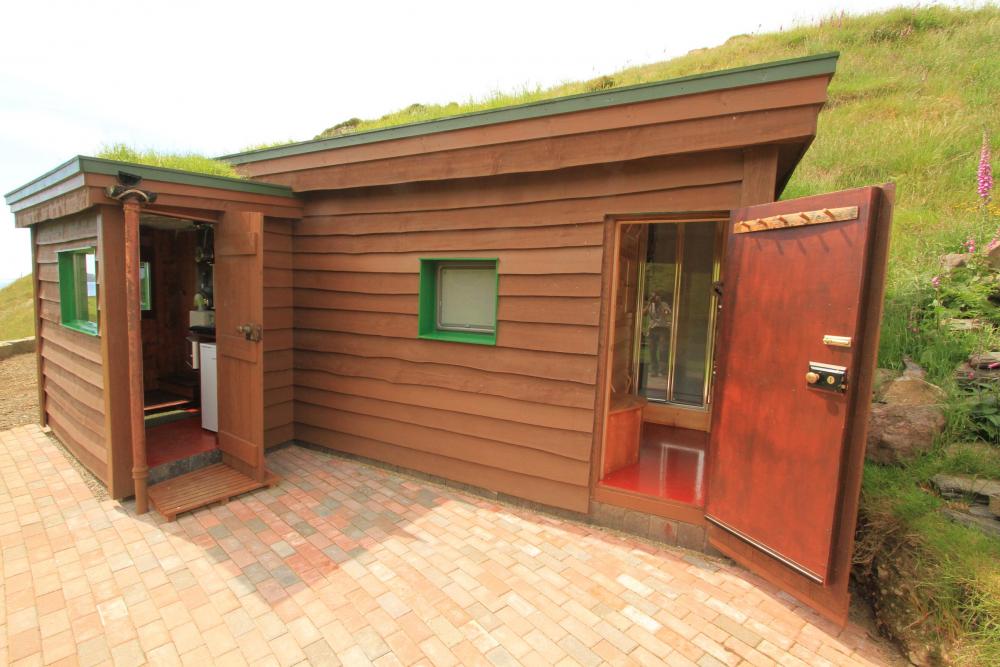
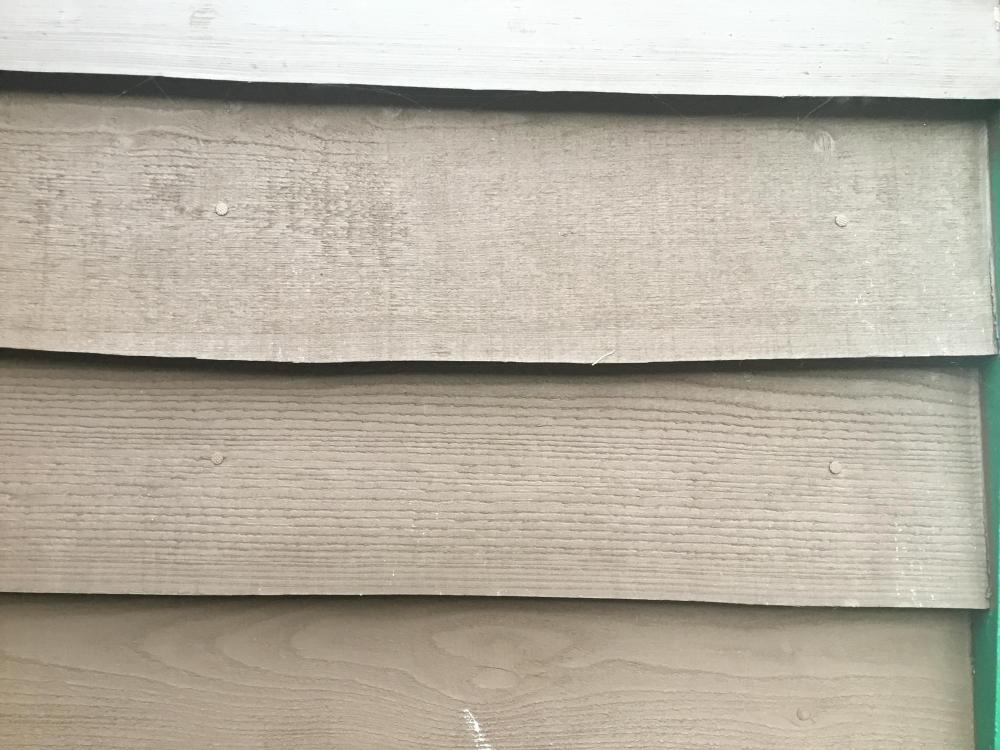
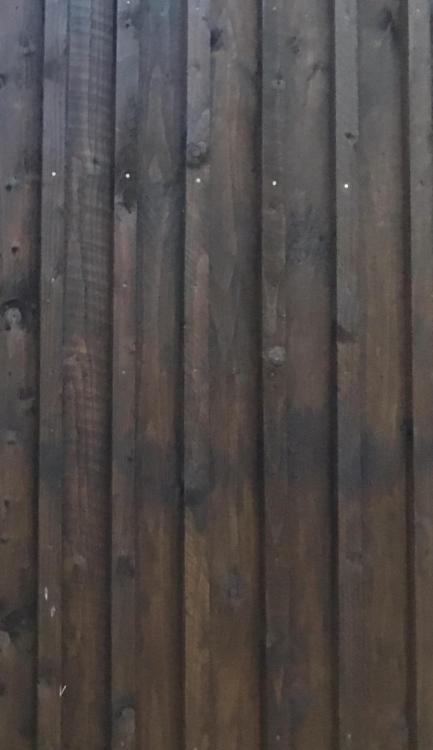
Really interesting post, it’s a bit overwhelming and by the end of it I had forgotten what questions you asked at the beginning ? I am really not sure about the whole groove cutting process….. but it looks like your committed, will be interesting to see how this works in real life……. I live in a coastal area and the only screws that have not failed are stainless steel….. but I have not used painted screws before - maybe something I should look into. I fixed my cladding with a single line of ss ring shank nails and have had no problems, I have both ship lap and board on board but my top board on the board on board is just 50mm wide as I like the look.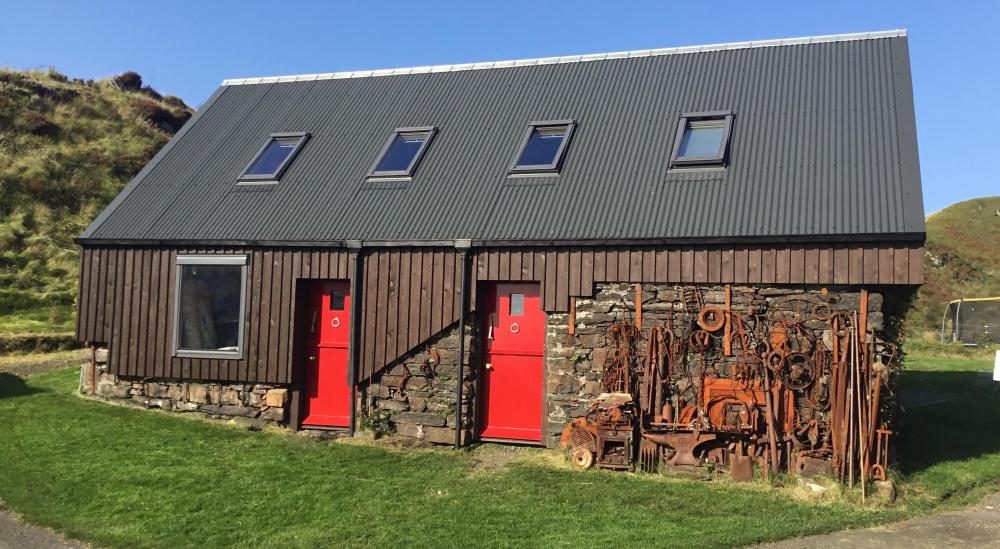
-
You want the insulation to be as close to the top of the floor surface as possible and battens will make fitting the insulation much more easy as you can fix them at the exact depth you need to make sure the top of the insulation is where you want it. You can temporarily hold the insulation in place with short bits of wood screwed into the joists while you foam around the sheets, then remove the wood and fill any holes, cut back and tape. If it was me I would do it in two layers, 100mm foamed in place and then another 100mm foamed and taped. If your going to use less insulation then I would still split it, 50mm and then 100mm etc. It will be near impossible to do it right without battens below. I have never used eps so can’t comment but as it’s not as good as PIR I would be looking at using it full depth in two layers of 100mm I would not consider using mineral wool as your not going to get the results you need for UFH. you still need to deal with the cold bridge.
-
If your just insulating between the floor joists will UFH actually work effectively as your going to have some massive and repetitive cold bridging through each and every joust….. you say cost is a major factor and it would be a shame to spend all this money on something that is potentially going be to expensive to run. i would look into this issue before committing.
-
That looks amazing but has an eye watering price tag ……
-
Welcome to the forum, and congratulations on your property purchase, deep renovations are very fiddly and time consuming and established gardens can be a full time job in themselves…. But if you make sure to enjoy the process it will not feel like an unpaid job but rather a challenging hobby ! your in the right place to get started, read some blogs and cherry pick threads that are going to be relevant to you as a starting point. best of luck cpd
-
Welcome to the forum, it really sounds like you have your head screwed on the right way and not being in a rush to throw your money at the first quote for the sake of progress is very wise. There is a wealth of knowledge on this forum and nearly all your issues will have been covered in one way or another on this forum so do spend a few days / weeks working your way through relevant threads as they are invaluable, also read a few blogs as these give a feel for the whole process that your embarking on. Look forward to following your progress. Cpd.
-
You need to shop around fir good tape, or try and get recommendations from on here. The best stuff I’ve had is from my local travis Perkins and the next best from screwfix.
-
As long as the 150mm layer is properly sealed with foam and tape and if necessary a vcl then you won’t loose any performance, if there are ANY air gaps in the 150mm layer then cold air will flow through between the two layers of insulation and then you would only have 32.5mm insulated plasterboard as working insulation…….. so many houses have this problem where cold air bypasses the insulation and blows around in the service void behind the plaster board.
-
The idea of a vcl(I think) Is to prevent any moisture created inside the house getting trapped inside the building fabric and potentiality causing problems. it would be normal to have the vcl all the way from the ground floor up and linked into the ceiling vcl. But I am unsure how it works when your insulation is on the outside but I am sure someone will know ! I guess e question would be how breathable will the actual wall build up be from the inside and will it actually perform as predicted as it can only breath into the house. Paint plasterboard cork insulation block work external insulation something else ! It’s all above my pay grade but I think you need to have a clear understanding of how the wall will perform when you have two layers of insulation sandwiching a block work wall in. Maybe you can use the cork but then stick a vcl up behind the plaster board…. It costs very little and should be easy. But then if you have a vcl would this not prevent off gassing from 25mm of calotex which would be cheaper and easier to instal maybe…. sorry not much help but maybe some questions to follow up.
-
I can’t see the point putting breathable insulation on the inside if the outside in Calotex….. if your concerned about off gassing then make sure your vcl is fully taped and sealed. what’s the point in using cork if you then cover it with a vcl and then plasterboard ? just trying to find the logic in your suggestion, not trying to shoot your idea down
-
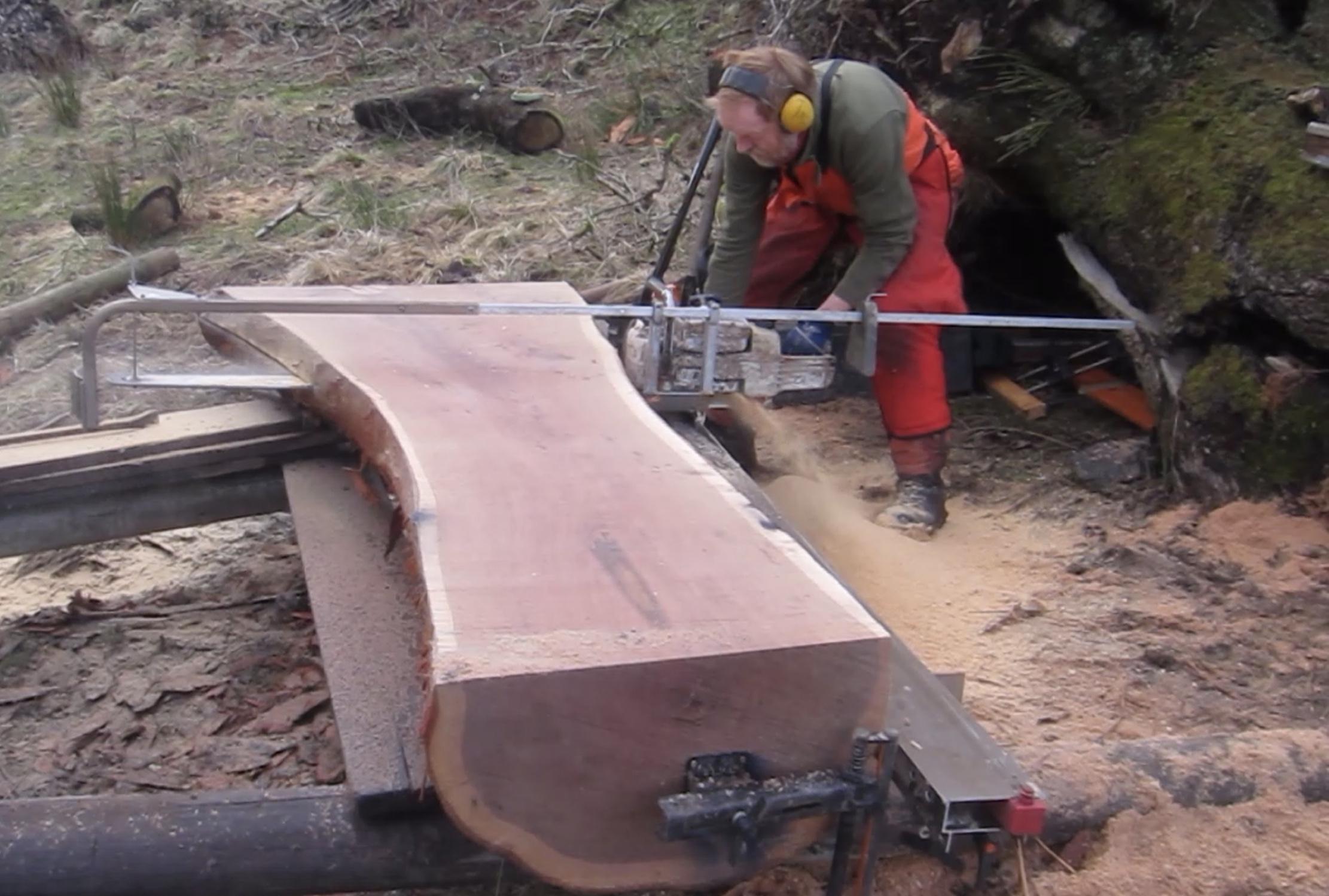
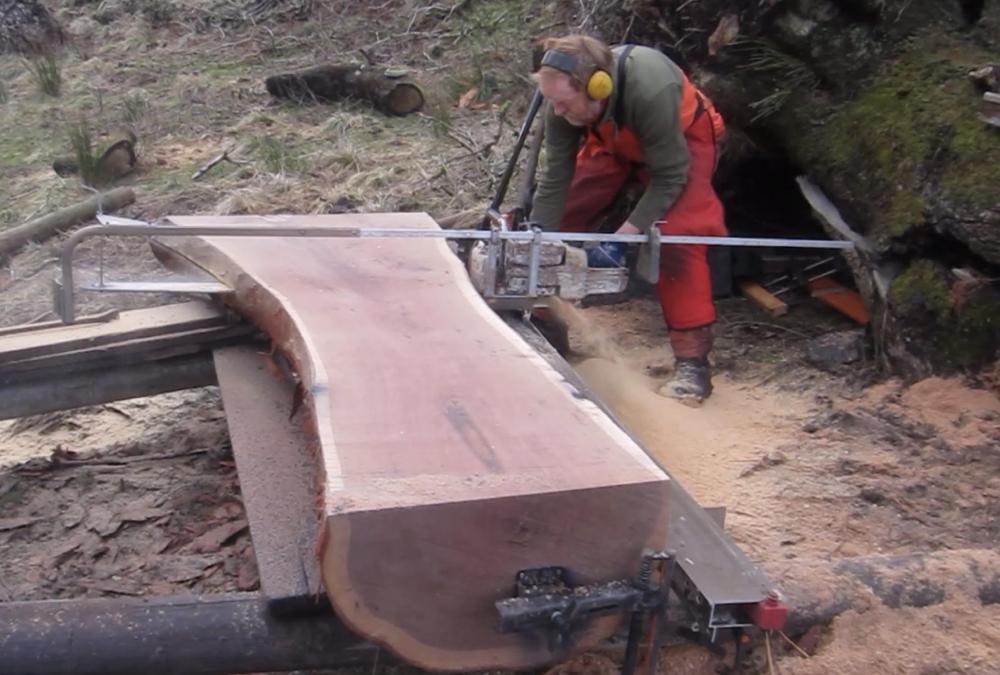
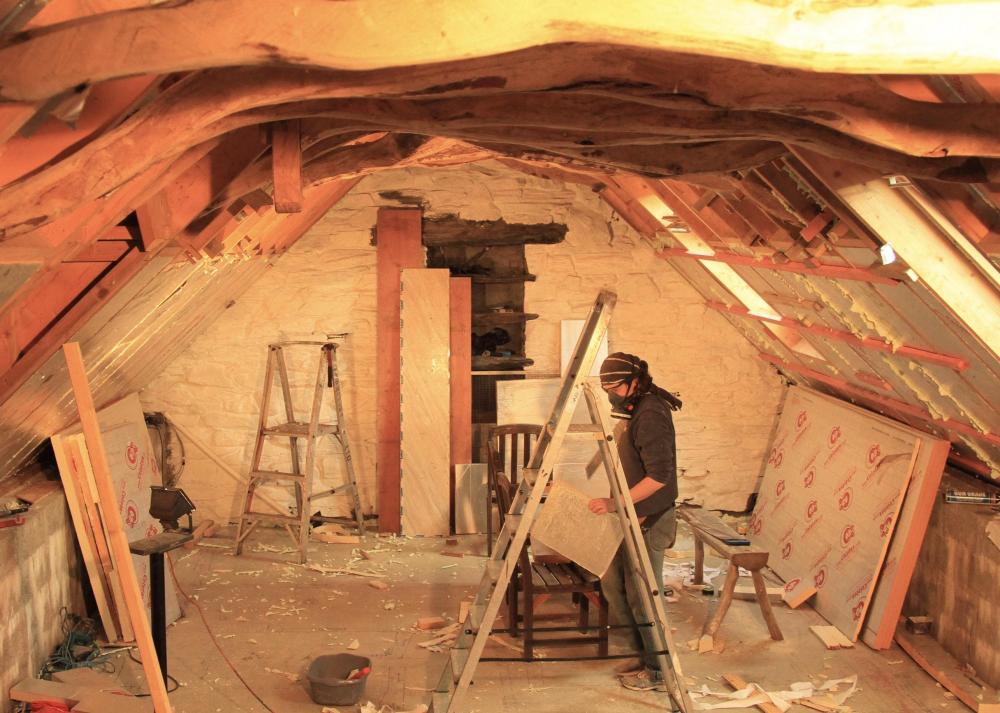
I could not afford to buy oak so salvaged it from a big oak tree that fell down on my road, got a mate to slab the trunks and I turned the bigger branches into roof ties, my dad is a dab hand with an axe so the finish was very authentic.

-
Give us a photo then !
-
I just don’t dare go into my local hardware……. I need battens for some internal work but am going to brake down some 22mm sarking board I have on stock….
-
in my experience if the roof leeks with driving rain then you need a fully vented cold roof, not infilled with insulation. My house roof is made up of old small slates with no membrane and sarking boards, when it’s windy and wet, rain is driven under the slates and it runs down the inside of the sarking boards and roof joists but gets no further as the wind then dries it out before it gets into the ceiling where it’s insulated with rock wool. (The roof is about 120 years old) If there was insulation between the rafters then the water would get stuck between the timber and insulation as it would not dry out and this would cause the timber to rot.
-
I am also putting various building project on hold and concentrating on jobs I already have materials for - I have been stockpiling on a tiny scale for a few years.
-
I think the answer is yes ! The foil is to help performance but only works if there is a gap between the foil face and the next surface so buried in a floor build up should be fine. maybe wait until someone confirms this before buying ?
-
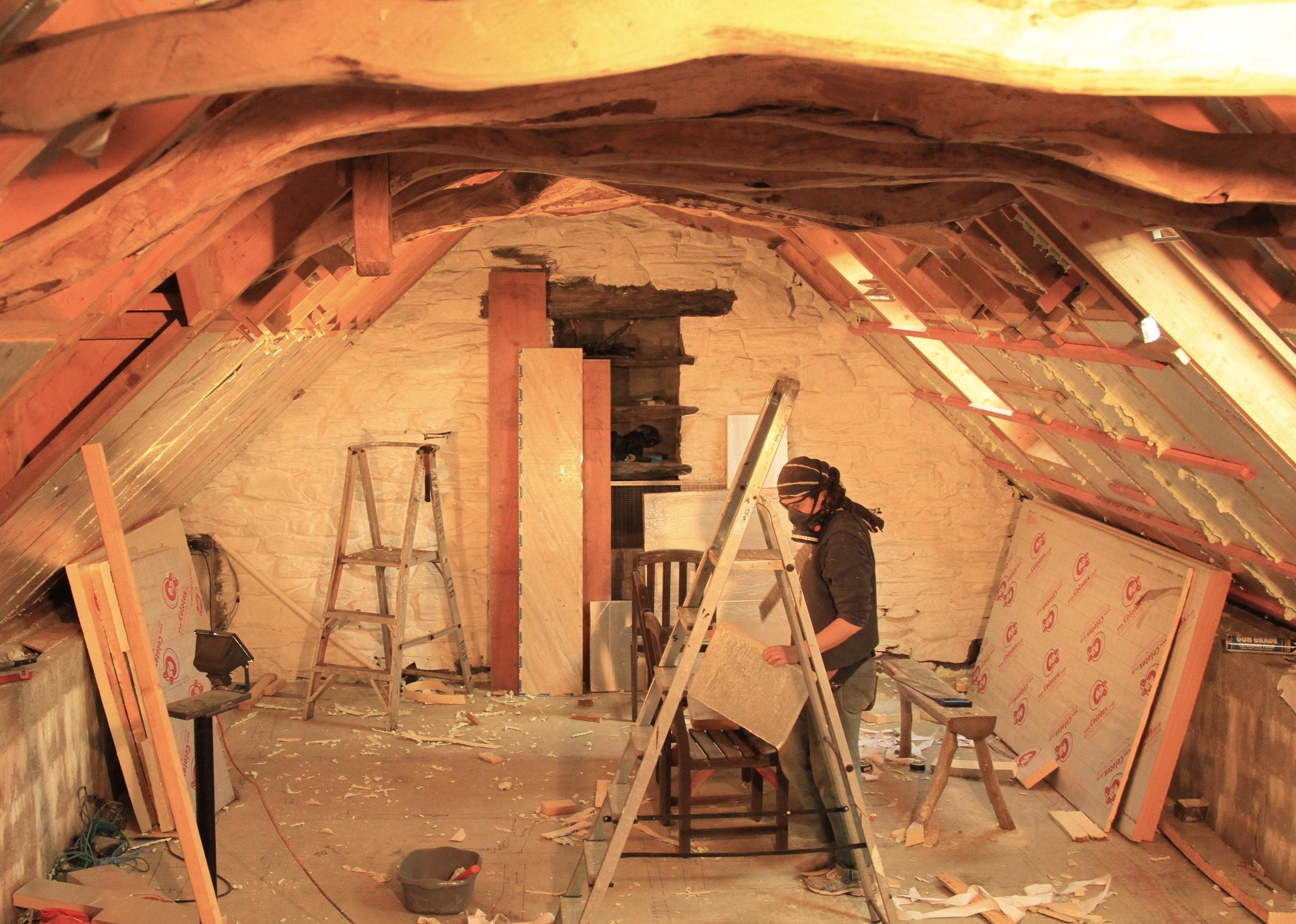
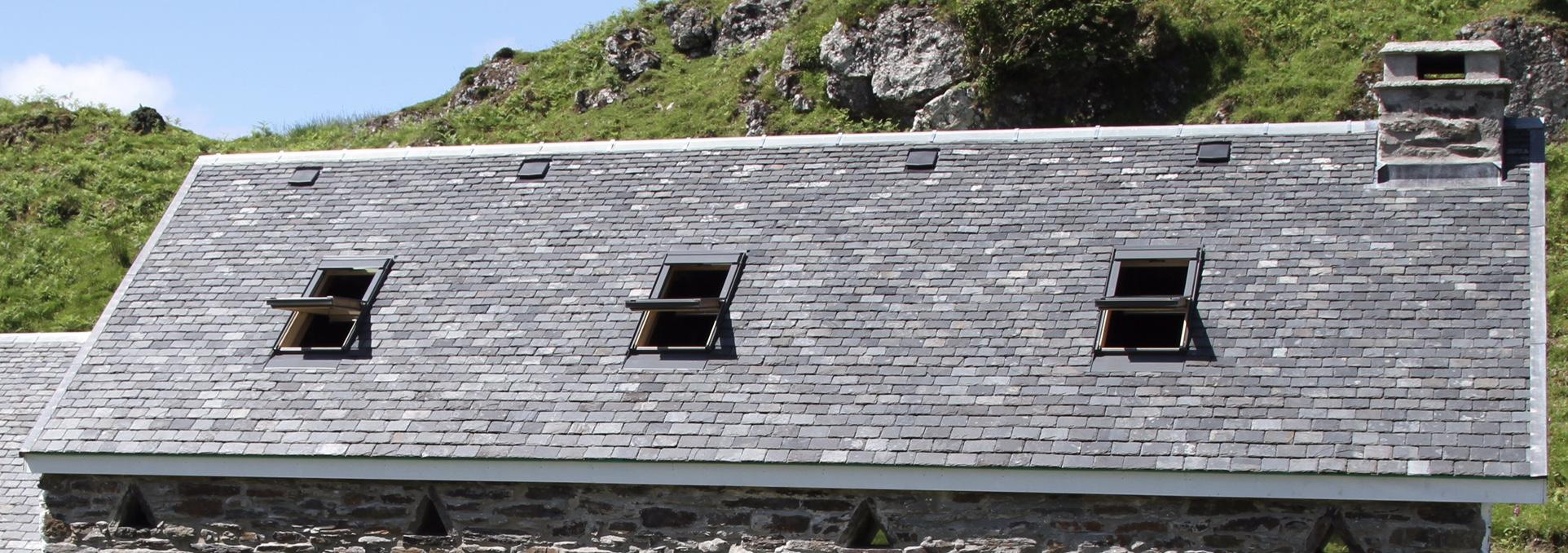
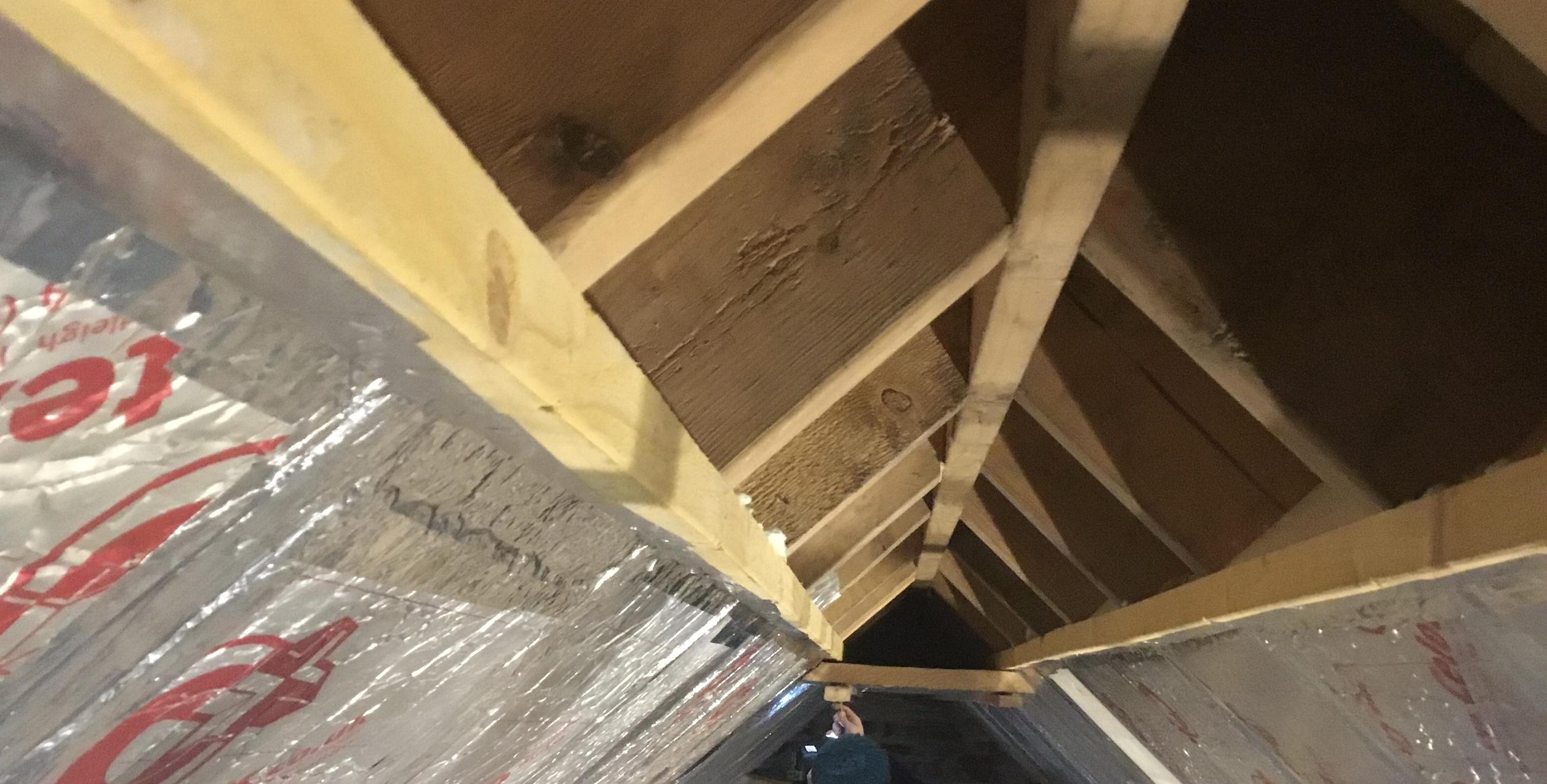
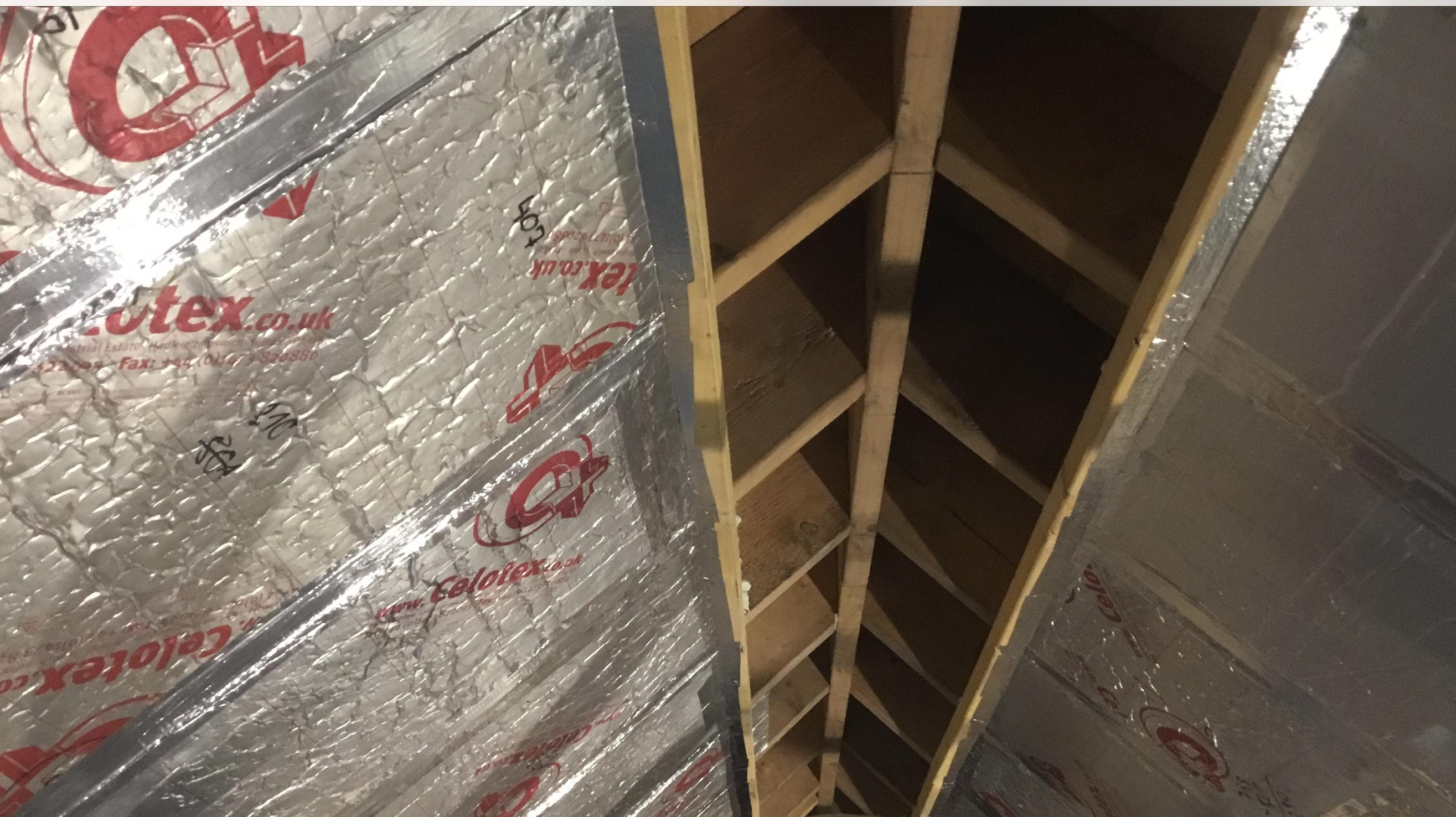
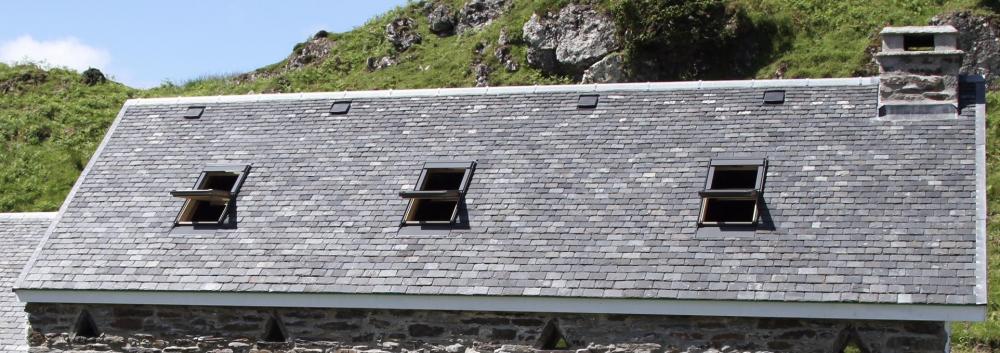
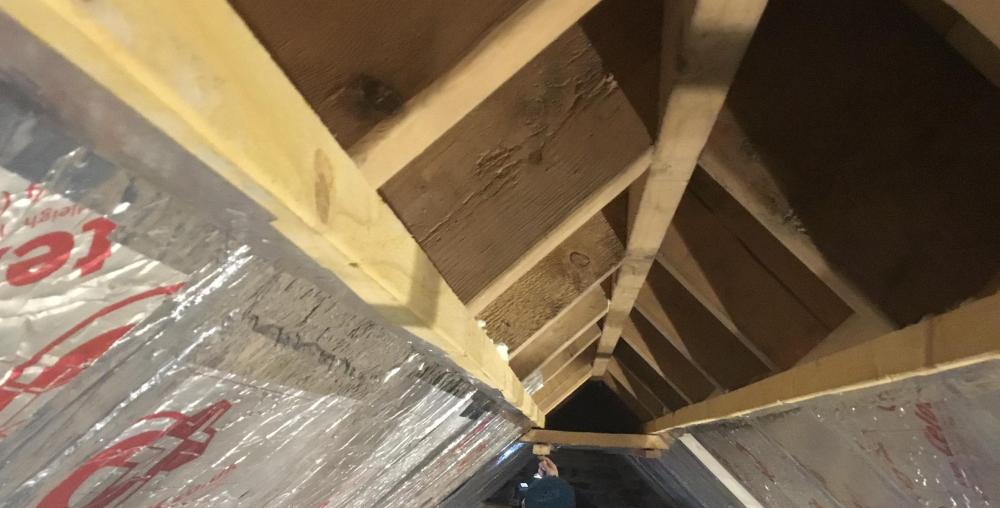
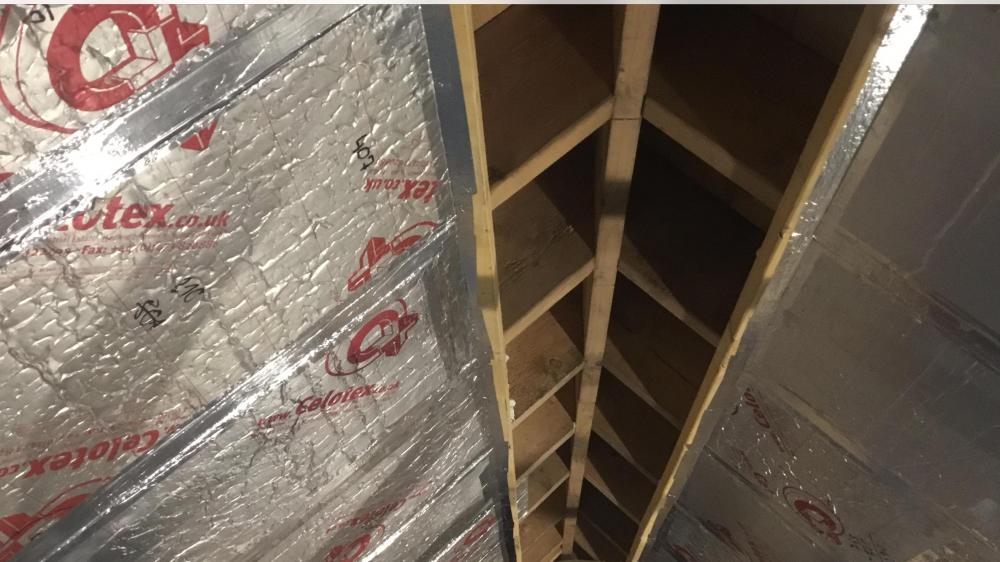
When I did my roof I vented the soffits at each rafter bay and then a 50mm gap all The way up below sarking and then vented the ridge with tile vents along the top x 4 The result is a VERY well vented rood, you can feel the wind blowing up each bay really well. In the picture you can see the area that is fully vented at the top. The bits of wood running length ways are so there is something solid to butt the insulation up to and adds another fixing point. I put 50mm of insulation up first (foamed and taped) as in the picture - We used foam glue to stick up the first 50mm and held the board in place with battens until the glue had gone off and then removed the battens - that’s what’s going on in the second pic and then added another 170mm over the 50mm and attached this with foam glue and screws. It’s probably not how the “book” says to do it but it’s been up 8 years without a hitch. The last picture just shows the vents on the roof.
-
This is exactly what I have found, 150mm x 22mm sarking boards with a 3-5mm gap are very permeable and the roof performs really well, but as soon as you use sheet board it’s impermeable and need fairly serious ventilation below to stop moisture build up - this then leads to mould….. don’t ask how I know ? I would personally always use 150mm x 22mm sarking board on any future roofs I build but I also put a 50mm ventilation gap below them as well !
-
This is what I used to do in Australia, I would shop around for the best price and quality and then add on 10-15% and the final price would reflect the average price that the client could easily find, this way I made a bit on materials which paid for researching, finding, purchasing and supply. If the job was bigger 10k -50k then you could make a substantial bonus on the material part of the job but spread out over the time the job took it was always reasonable.
-
Can’t answer the technical side of the question but by pushing the PIR all the way you loose the reflective values of the foil faced boards….. not sure to what extent this effects efficiency @SteamyTea ? I know that in my build up I had a ventilation gap - slate - breather membrane - sarking board - 50mm air gap vented at the bottom and top - 170mm PIR between the rafters- 25mm PIR over the top - plasterboard
-
How level is the area ? Did you get the correct up stands put in ? Do you have some better photos of the whole area before the screed went in and after ? I am no expert but it might help people give better advice.
-
Better sorting it out now than ignoring it and having to deal with the consequences later, it’s really important to get the basics RIGHT, insulation where it needs to go minimise cold bridging get the air tightness sorted try and get everything to fit standard sized materials - nothing more annoying than having to cut perfectly good sheets of plaster board down because the studs were put in the wrong place…. the list is endless but ignoring it will result in things like mould on the walls and depressing Electic bills……. I know this as I have seen people cut the wrong corners and then regret it. In my opinion your better of going with a great FABRIC FIRST approach and living in a shell than shine over shite with a fancy kitchen……..
-
I think your at the point where you need to step back and work out exactly what jobs need to be done in which order otherwise your going to get into a pickle…… it’s very stressful and we all want to help but it’s better to have the horse in the stable when you ask a question….. not when it’s already running down the road like a mad banshee…….. I feel like I have been where you are but I have the luxury of no time restrictions and I do ALL the work myself so procrastinating is great !
-
I can’t see how changing it to masonry would be better as the timber will have more insulation quality’s than masonry and be less likely to attract condensation…. (I think…..) if the timber stud walls are not structural then they should not have been built until the floors were finished (I think……) that way there would have been insulation under them already.