
Conor
-
Posts
4165 -
Joined
-
Last visited
-
Days Won
12
Everything posted by Conor
-
No lintel over the window. Was probably originally hardwood timber, somebody ripped it out and put PVC in, some movement, might be something to do with it. More context needed tho, dozens of possibilities.
-
General rule of thumb in the civils world is fitting every 5x pipe diameter, i.e. max every 550mm (on average.) Can be less over sort runs.
-
Are we talking SDS here? If you're talking standard masonry bits for a hammer drill, then you're using the wrong tool. I mostly used errbauer as they are cheap and I kept breaking tips on rebar, regardless of the brand, so went cheap. However, I had to drill a load of holes recently for resin anchors and realised they have terrible dust extraction. DeWalt much better and last a bit longer.
-
It's PTFE. Though there is a backing plate and fibre waster in the box, but no mention of how/why it's to be used. This is pretty much the entirety of the instructions that I could find.
-
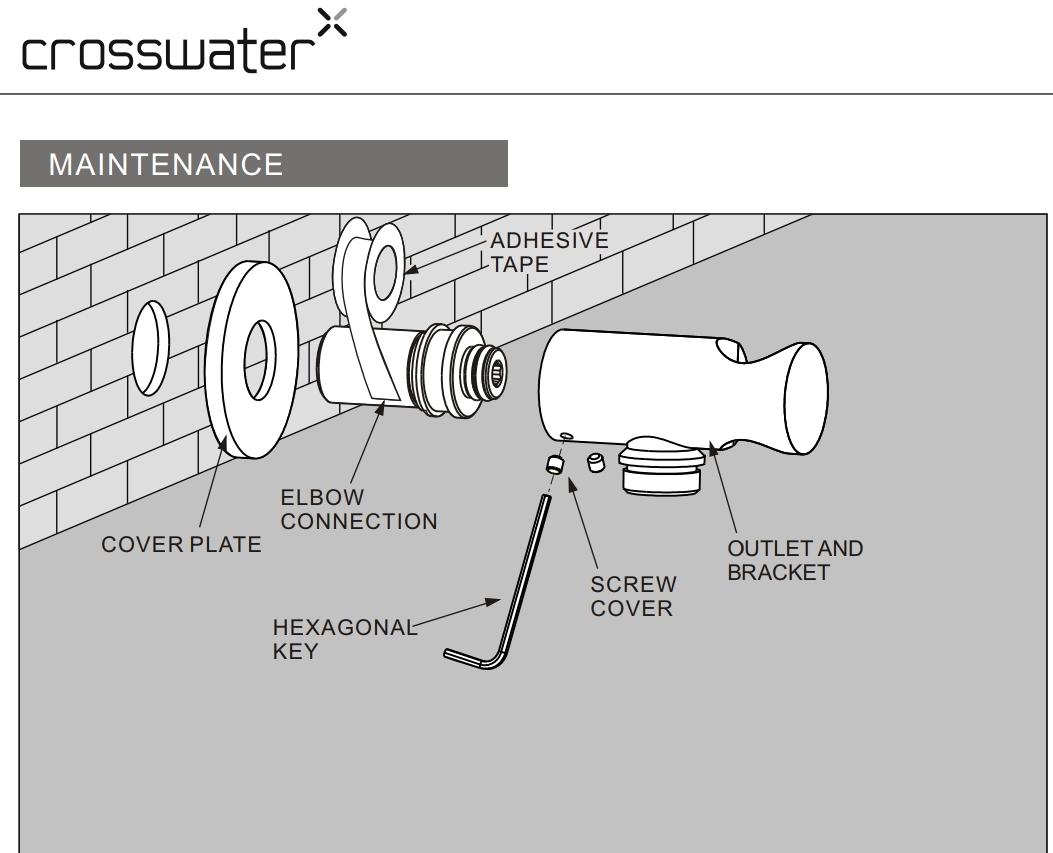
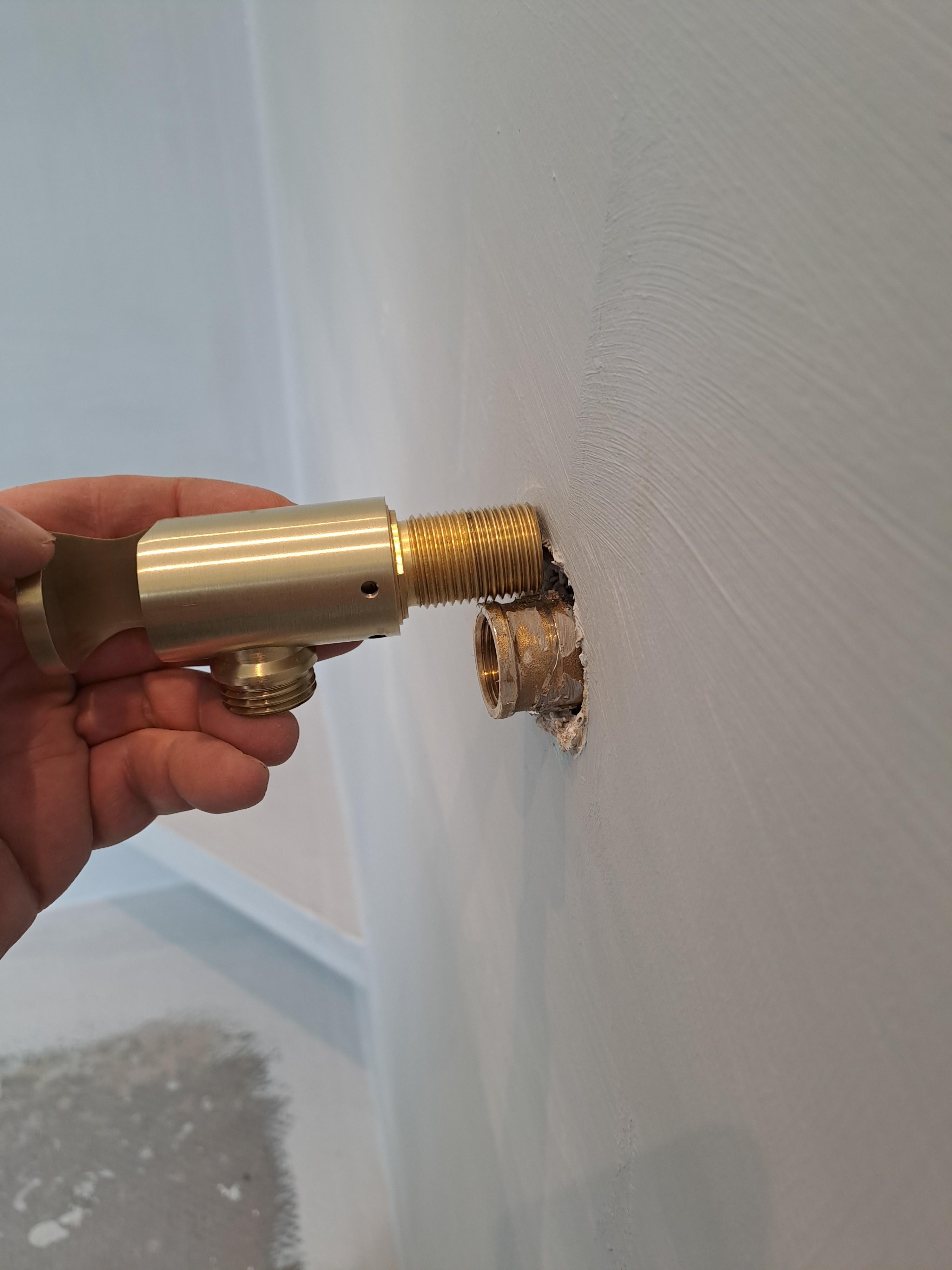
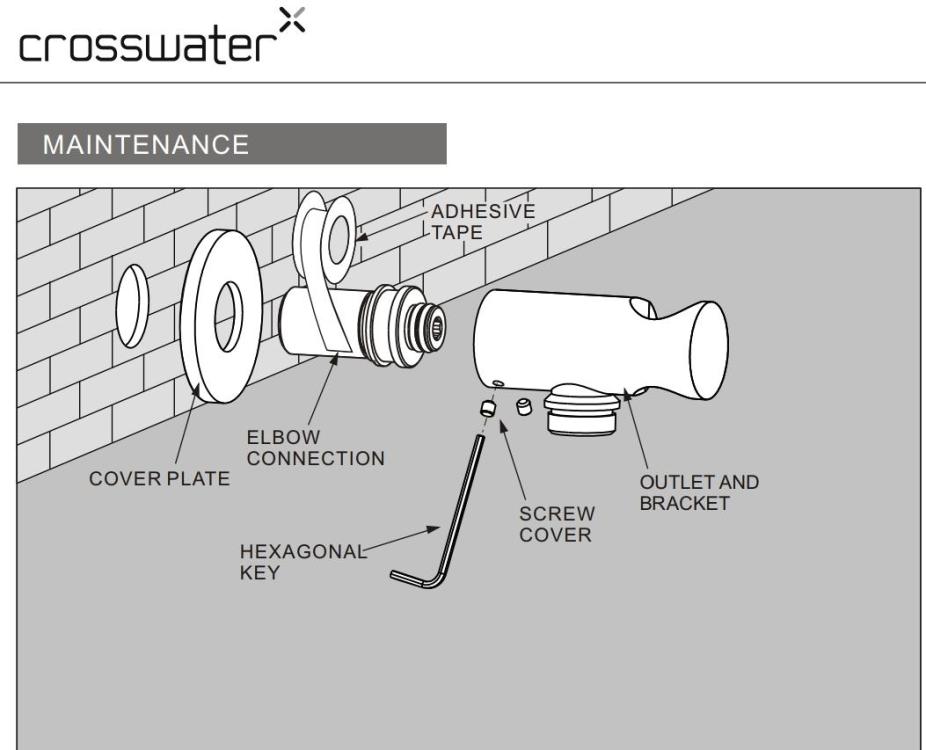
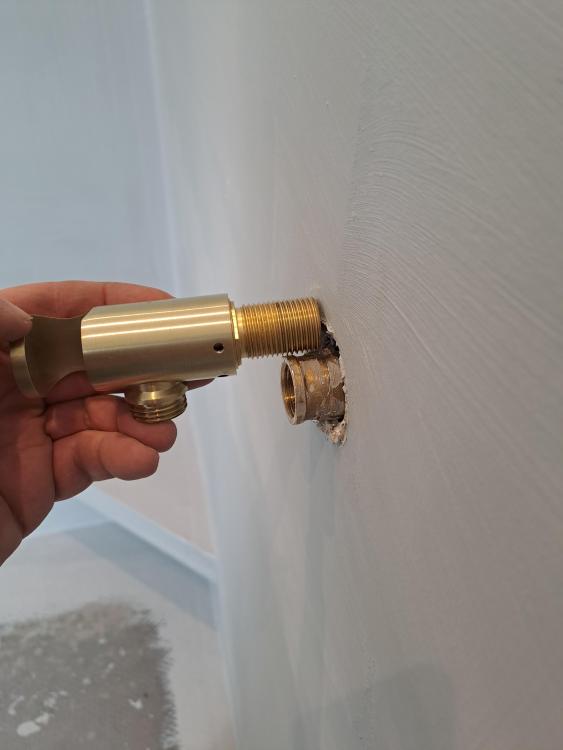
Hi. Double checking some things before the tiler arrives tomorrow. We have a wall mounted shower outlet, with remote valve. I've set the depth of the female tee to be 15mm out from the wall, 12mm tile with 3mm adhesive. The outlet fitting itself is much, much deeper than the female boss. Is it ok to get the grinder out and trim it back to about 12 mm long from the current 25mm then install? I can't see any other option as even if I were to get a deeper female fitting, I'd have to trim it back anyway (the tee is quite deep, so I've a male equal straight, then the 1" female straight. In hindsight I probably should have used a deeper female straight and had it deeper in the wall.
-

Calling all Solar experts - need help speccing battery
Conor replied to ollie's topic in Photovoltaics (PV)
Wish we put batteries in at the time, even though the economics are marginal... I did the calcs for us a month ago. Very similar to yourselves, all electric, last year we used 8.5MWh. 3 of which was self generated and we imported 5.3MWh. Exported 1.5MWh @ 8.5p unit. We've a 5pkW array, and economy 7. Heatpump only runs overnight. Same for dishwasher. Bill for the year after export payments was £1200. I worked out that batteries would save a max of £300 a year at current rates, by shifting to 100% economy 7 and solar. Meaning payback is at least 15 years. I think it's the similar in most other scenarios, the "payback" is much longer than on panels alone. Also think of what that £8k your not spending on batteries could be used for. Do you have an electric car yet? -
ICF How much more expensive ?
Conor replied to Dave Jones's topic in Insulated Concrete Formwork (ICF)
I worked it out as 1.25 times more for walls of U 0.12. The higher the insualtion spec you are going for, the less of a difference. BUT openings are so much simpler and faster. And you don't have to worry about gaps in insulation boards, or damp/airtight detailing. -
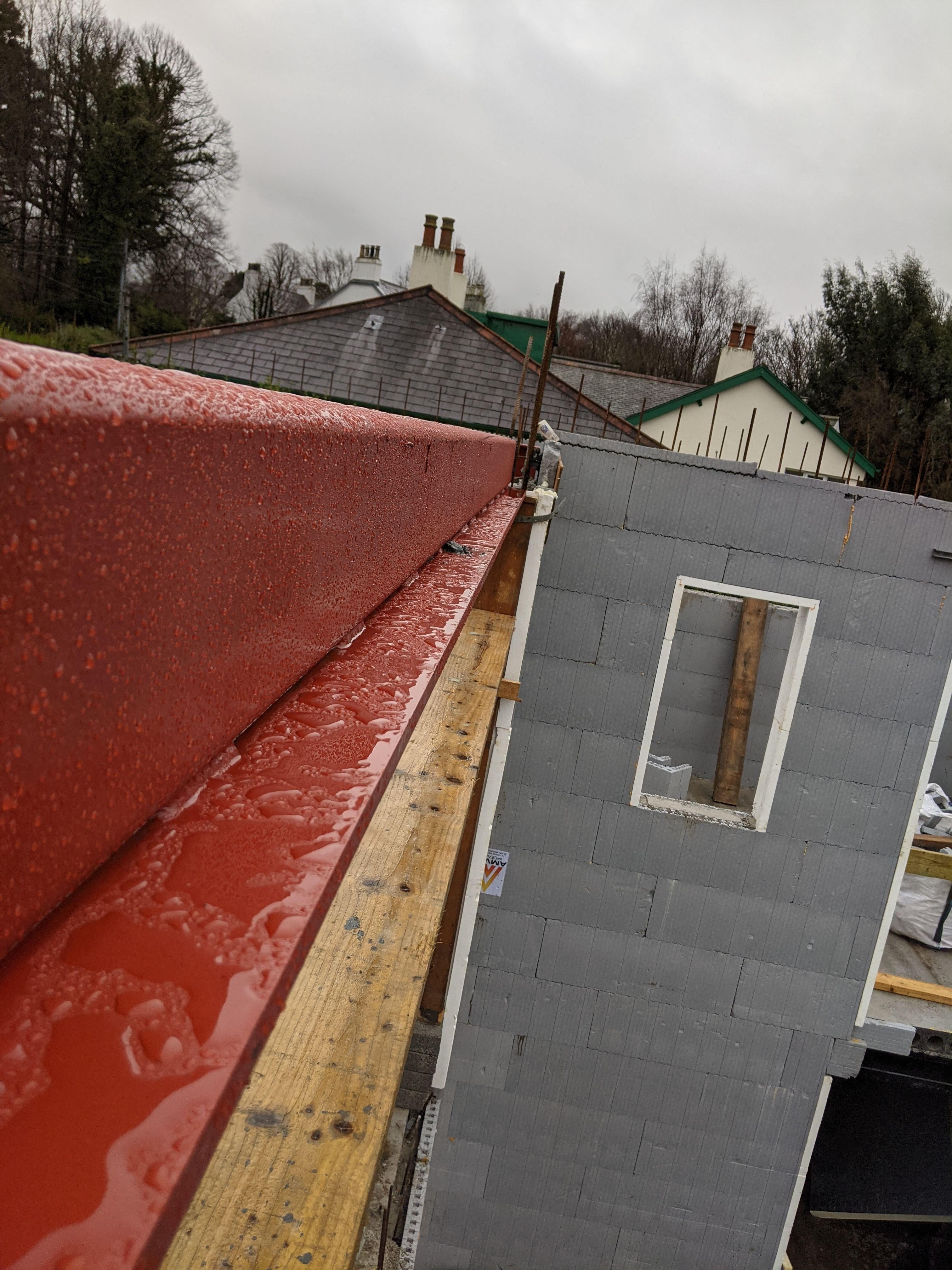
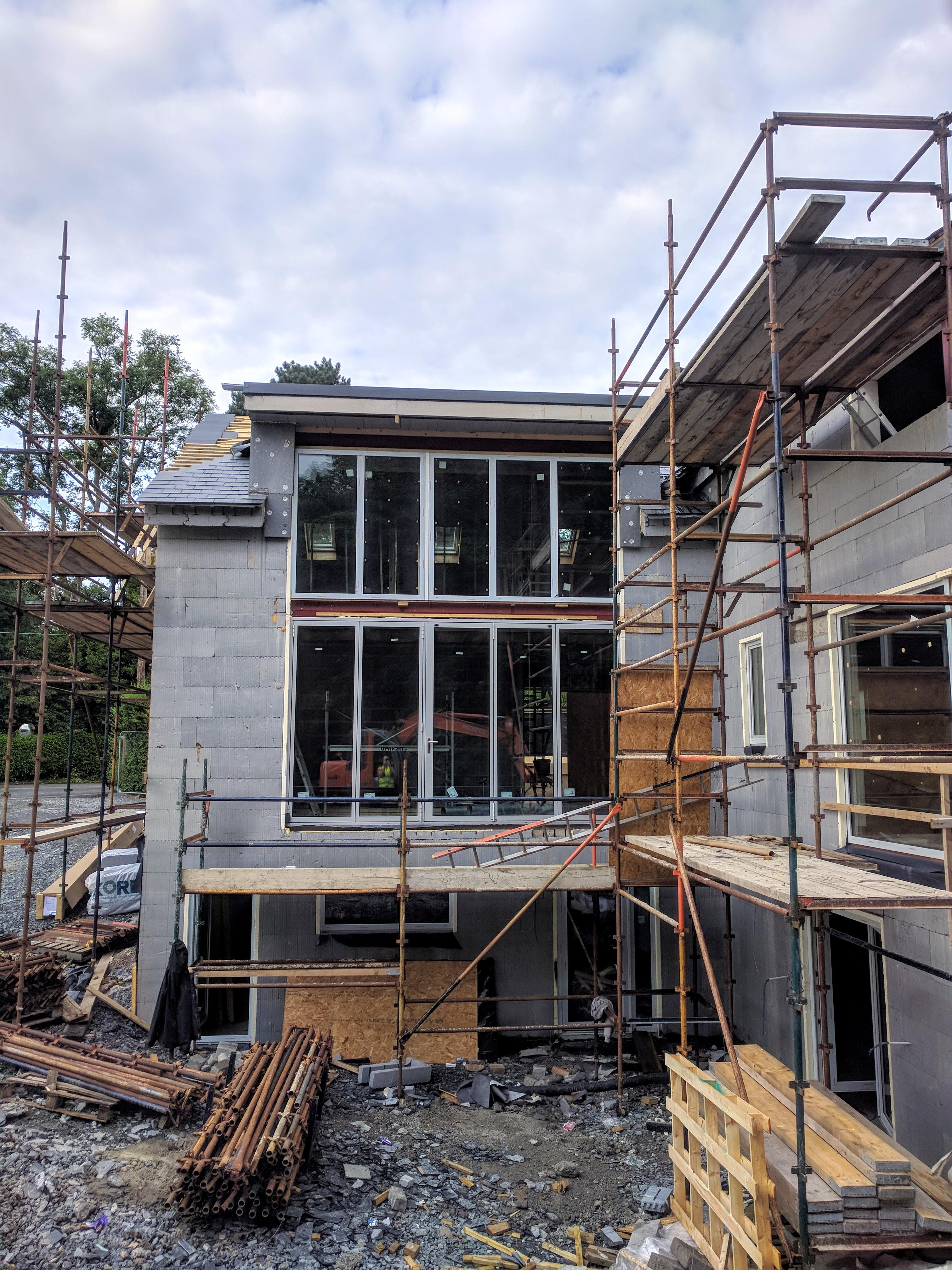
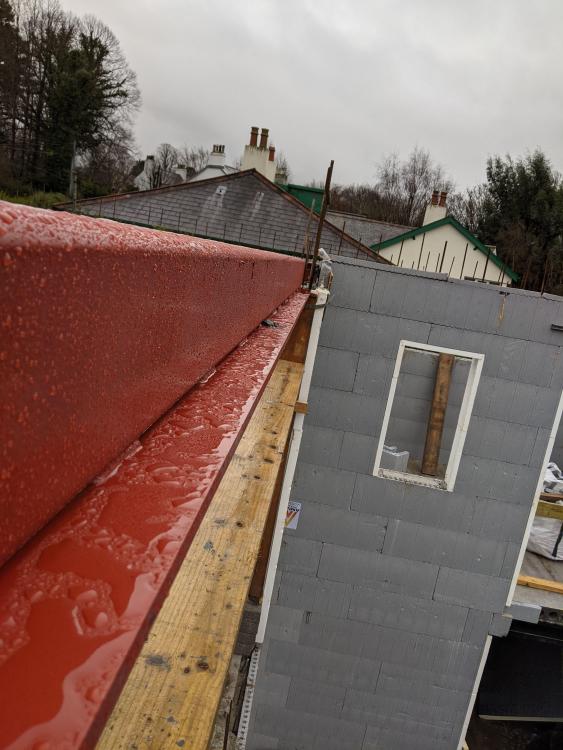
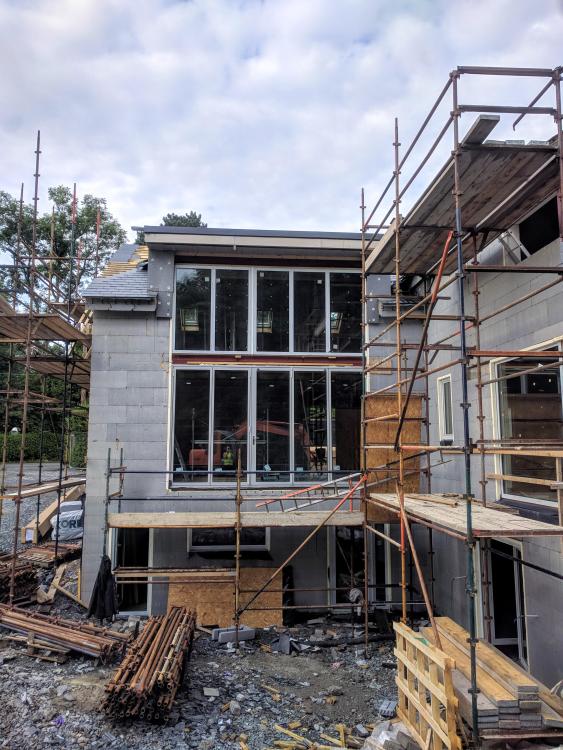
Too late now, but this is how my architect dealt with it. We had a 5m beam doing similar to yours, supporting bi-folds under and 5 fixed units above. He and the SE specced a 200mm square hallow section beam. To this there was a (12mm?) Plate that was welded to the underside that projected out to the exterior side. And on the top we had 5mm brackets made. They both prjected out slightly less than the depth of the framrs. This meant the main part of the beam was behind the bulk of the wall insulation. The window / door frames sat on/under the plates but sat out a bit. This means the plates could be behind the eventual spandrel panel. Insulated the gap between the doors / window, and on the inside I wrapped the top of the box beam in aerogel. Seems to have worked really well.
-
We had a deck in our last place and tried everything, most failed in less than a year Sadolin wood stain is the way to go. Got a nice light blond stain that worked a treat.
-
What's the consensus on legionella and dhw storage temps
Conor replied to SimonD's topic in Boilers & Hot Water Tanks
There's a cascade, chlorine breakdowns / reacts to another form, it's effective for a period of time, then there is another step. All in, I think five stages of decay, exponential and highly dependent on temperature and organic content in the water. We prefer water to get to the customer with 24hrs, any longer and you can't guarantee that there's enough active chlorine left to be effective. But in reality 48-72hours is not unusual. -
Both the gas and electric company will have criteria that will restrict where you can put them. E.g. accessible from the front, certain distance along the wall, and height. Check all that first.
-
We have balconies but not for sun shading. We were meant to have a mirriad of brise soleis but didn't bother. Decided to live through a full year to see if they are actually needed. They aren't, the single week the house over heated we used the heatpump to cool the house. Several thousand saved.
-
Cut anywhere, big diamond blade. My local merchant didn't stock the end caps and said just fill the open ends with a bit of concrete. Saved me £14.
-
No, that kind of variance is purely weather /climate related. It's a 50% south, 25% west, 25% east array, 5.1pkW gross, 4.5pkW output at the inverter. Limited to 3.8kW.
-
Just one year of data for me, but PV GIS estimate of 4.5MWh, is pretty close to our actual output of 4.26MWh. not looked at it on a monthly basis.
-
Your house is basically same U value spec as ours but our house is a bit bigger... Our 9kW heat pump coped admirably with the cold snap in December. In theory we could have got away with a 5kW unit, but glad of the larger one as we only run it 7 hours a day on Economy 7. For a 5kW unit, it would have been running 24x7. Get it modelled in PHPP and use the figures it spits out. The SAP is shite.
-
Did more drilling this evening. The cobalt bits really are in a different league to even really good titanium coated HSS bits. Twice the price but 10 times better. My biggest issue was the cordless drill overheating, even with two of them working alternately, still had to take breaks.
-
I've just spent most of the weekend drilling 54 14mm holes through 5mm and 12mm thick mild steel. What I learned No-name HSS bits from Amazon do not work. At all. Screwfix erbauer coated HSS bits are pretty good but I broke a few as they tended to jam and get stuck. The gold standard for me were the cobalt HSS bits from "UK Drills". A single 7mm bit drilled about 20 holes though total of 22mm of steel in each drill (5mm walled SHS sitting on a 12mm thick UC flange). Just a 3mm pilot hole to get them started. Oil only needed when mid way through the 12mm webs. All done with a Makita cordless drill. High speed, low pressure.
-
MVHR Valves in vaulted ceiling help
Conor replied to richo106's topic in Mechanical Ventilation with Heat Recovery (MVHR)
That's exactly what we did. Formed a small flat ceiling at the ridge that left enough room for the plenums. With 3.5m ceilings it hardly feels oppressive. -
Genie lift hire/lifting sheets
Conor replied to eandg's topic in General Self Build & DIY Discussion
A labourer for an extra day is better value. Our boarding company provided one at the start and end of the job, something like £300 but he helped lift all the boards up and more importantly cleaned everything out and filled the skip. -
Hadn't realised prices had gone up so much in the last 2 years. I bought JA solar 345w panels for £90, I see they are now more like £140.
-
I doubt it, in the future you'll need to hire scaffolding which will wipe out any savings. Panels are now well less than £100 each, so no longer the dominant cost factor - inverters, optimisers, mounting systems and installation etc combined cost more than the panels. My system cost £5k and the payback period is currently 5 years. The sooner you get it, the sooner you get the benefits.
-
How much insulation / glazing spec are you planning? I'm surprised you need that much PV. Second option is much better value, but you'll need a three phase supply and G99 approval from the DNO. We've 4.5pKW, cost £5k. Wish we could have got more.
-
Beam & Block Grouting - Estimating Materials...
Conor replied to Mulberry View's topic in General Self Build & DIY Discussion
We did our precast slab grouting whenever there was a bit of cement or fine concrete going to waste. Took a few goes but by the end it was done and didn't cost me a penny. -
Stick a directional cowl on it and simply point it away from the bits you don't want the extract getting to.