
Conor
-
Posts
4165 -
Joined
-
Last visited
-
Days Won
12
Everything posted by Conor
-
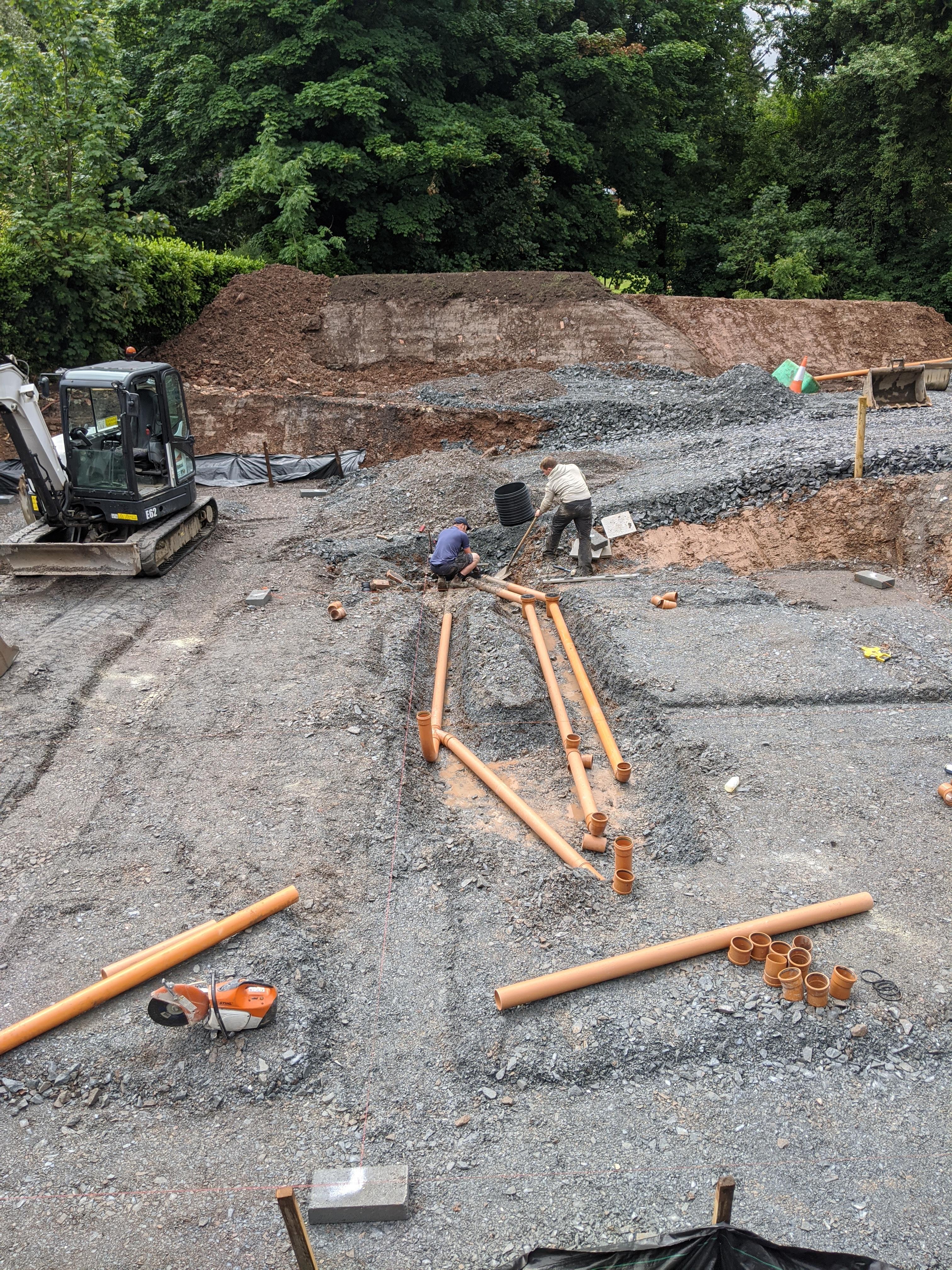
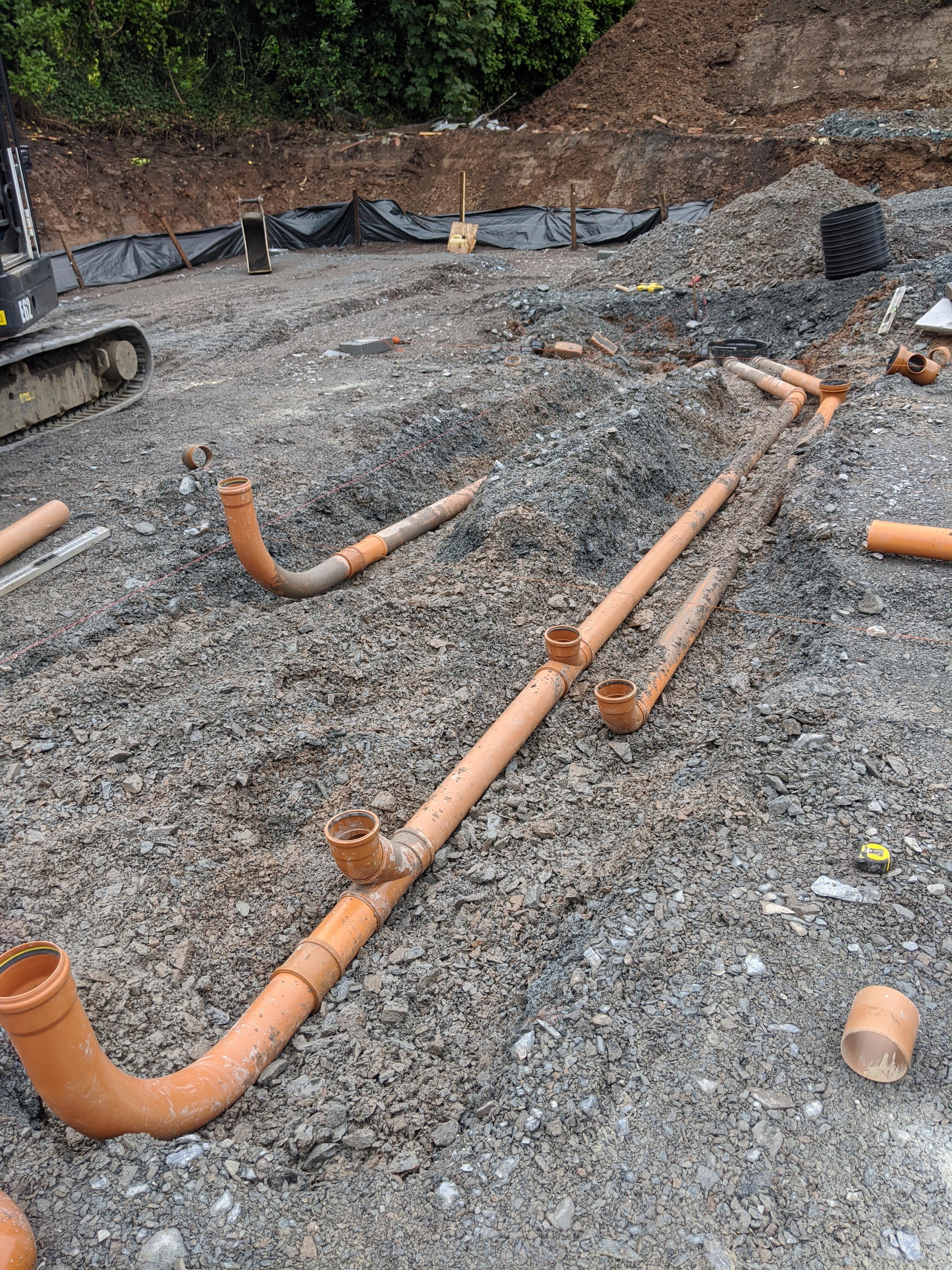
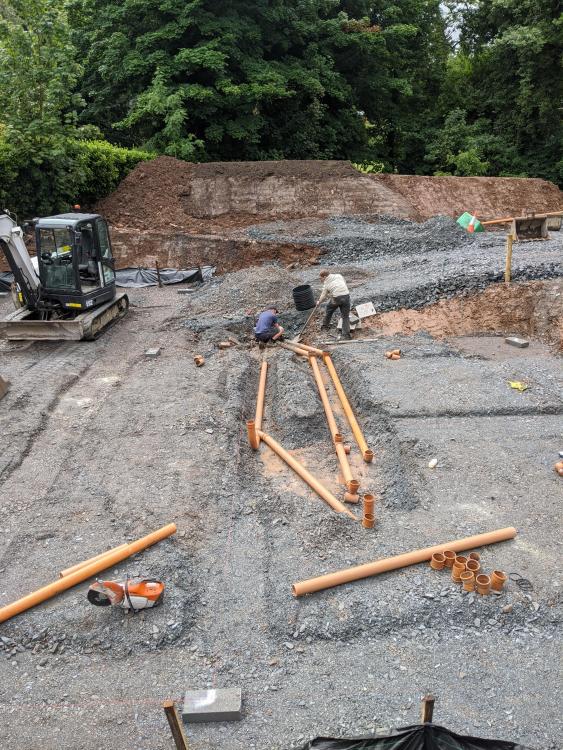
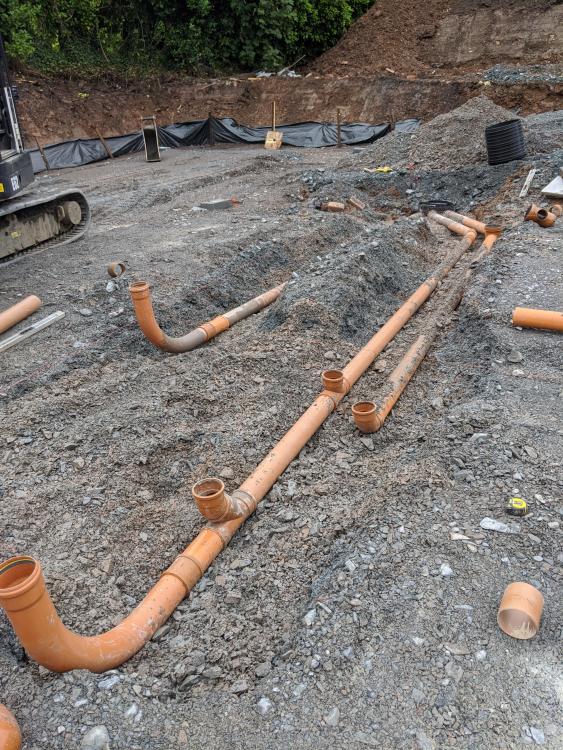
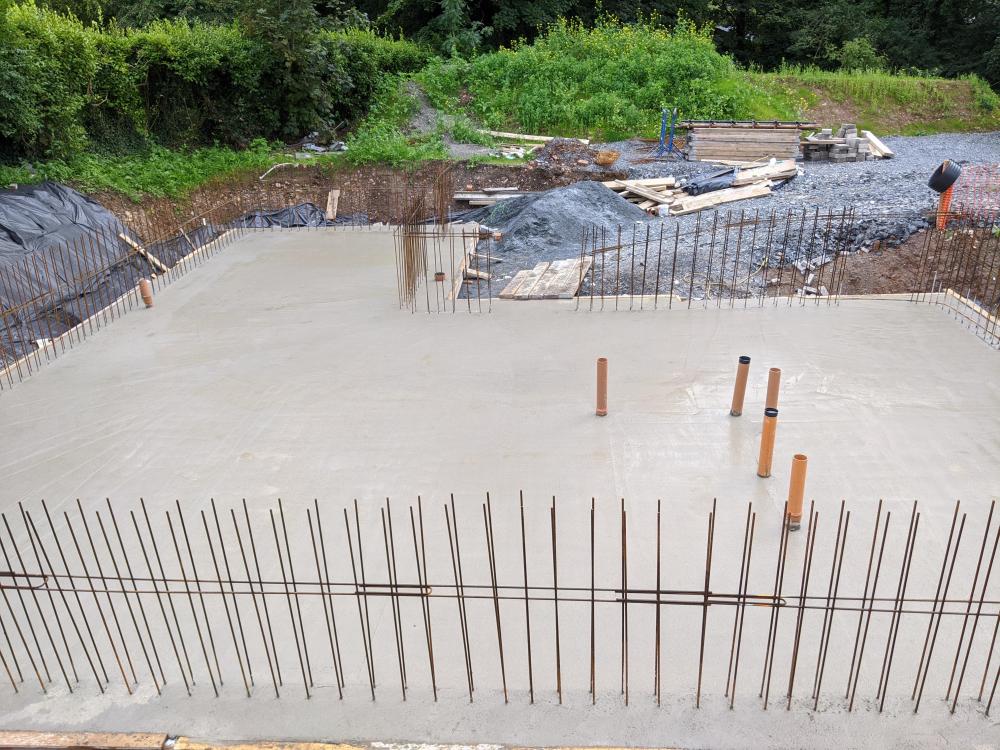
Lhs line is the main vent stack with basement toilet connecting to it, them to the right we have the basin and shower, and finally utility sink / DW in next room. We originally had the toilet in same line as main soil stack from above, but BC asked us to put it in with basin and shower for some reason as it obviously meant the toilet line would be more than 6m unvented.
-
Do you ever think you'll sell the house? Of yes, then stick in a small ASHP as you'll have have difficulties selling a house without central heating. I think we're a decade or two away from unheated passive houses being widely understood and accepted.
-
Same when we did our extension. Had a spark to 90%, then I added some eternal sockets and extended a loop to my shed. BCO didn't care. I was worried I wasn't going to get signed off.
-
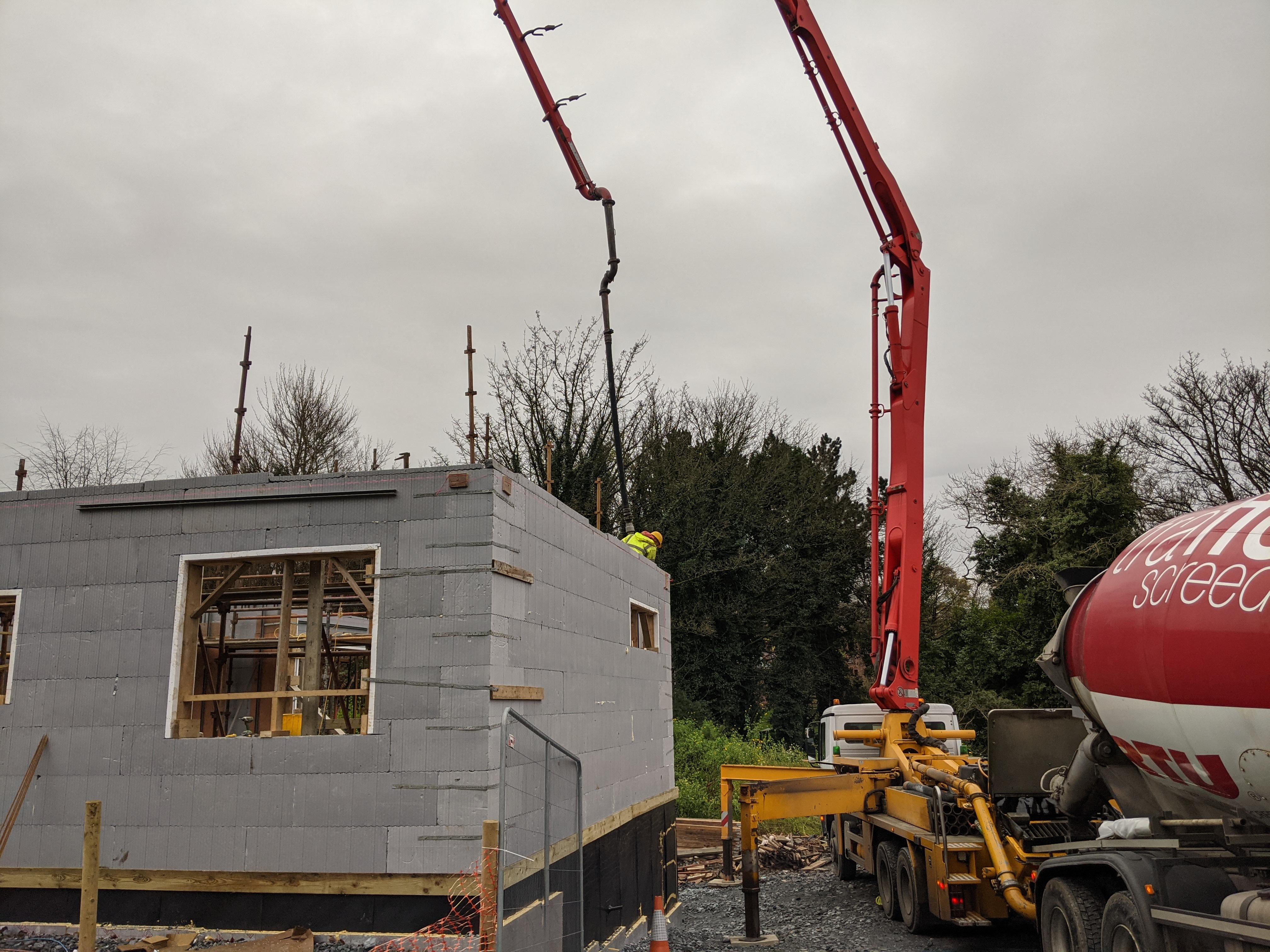
We did a Lot for the whole structure (founds, walls, tanking, floors, steels, roof), went out to three builders that I had researched that do ICF and concrete works etc. Went for the cheapest lol
-
How deep are your roof trusses? You need to leave a decent air gap. In our build, we're doing 100mm celotex between 150mm rafters, air tightness membrane under rafters, another 50mm celotex, 25mm service void made with batons, then plasterboard. Issue with spray insulation is consistency... Hard to get even coverage and hears of some horror stories.
-
My new Reolink is exactly the same. A single droplet of rain at nighttime or a passing car headlight sets it off, even with sensitivity set to minimum. The other one I have is a slightly different model and works absolutely perfectly.
-

Combining AC and MVHR
Conor replied to moldy's topic in Mechanical Ventilation with Heat Recovery (MVHR)
If you have an ASHP, can be really effective at cooling the floor slab. Few here have done it and seems really effective. Alternative is an AC unit in a large space in the house (e.g. top of stairwell) and allow convection to distribute the cooling. -
Is it going to be a free standing wall? You can just resin in wall ties at either end to the existing walls. Every third or fourth course. If it's just against an existing wall, just build it against it with a bit of a gap for mortar
-
That's a bit below average. When we did pressure management for UU, we'd set the PRVs to deliver a min of 20-25m head (2.2bar ish) to the highest elevation property in the zone. The minimum set by the regulator is 12m (1.5bar ish). What time of day did you test? There will be a big difference between middle of the night and peak demand times.... I.e. lowest when you want that shower!
-
@dpmiller RTU? Prices competitive?
-
Think you'll be ok unless somebody complains. Depends on your neighbours and your local planning authority. A developer near us decided to stick on another metre or so to half a dozen houses to get an extra floor in (2.5 story houses instead of 2) initiating a cascade of complaints form locals as they obviously blocked views over Lough for loads of people... Put in a retrospective application and surprise surprise were granted almost immediately. Get your brown envelope loaded up.
-
Induction downdraft hobs requirements (Bora etc)
Conor replied to SuperJohnG's topic in Kitchen & Household Appliances
It will mess with balance. But only for the time the extractor is on. Unless you do a LOT of cooking, that will only be a few mins a day typically. Wouldn't worry too much. -
Integrating an MVHR to our build
Conor replied to djcdan's topic in Mechanical Ventilation with Heat Recovery (MVHR)
Go triple glazed. It won't cost that much more. Same for the velux. -
Integrating an MVHR to our build
Conor replied to djcdan's topic in Mechanical Ventilation with Heat Recovery (MVHR)
0.13-.015 is great. That's passive house levels. Have you had the house modelled in PHPP? It will give you a better idea of heat load compared to the SAP. For a 200m2 house with passive levels of insulation, a 5kw ASHP is more than enough- we're going for that in our 300m2 house. What's your glazing? 1.2 is quite poor. Its not much money to go to triple glazing and get 0.7-0.9. you'll really notice that, esp for summer over heating. If you get your airtightness and glazing right, you've an opportunity to reduce the size and complexity of your UFH system. E.g. we're only having it in bathrooms and one other room per floor. I have been looking at Zenhder but they are quite pricey. Now leaning towards Brink. Have a look in the forum and you'll see the discussions. -
Integrating an MVHR to our build
Conor replied to djcdan's topic in Mechanical Ventilation with Heat Recovery (MVHR)
Don't have time to respond in detail, but an MHVR is primarily there to maintain good air quality - you should pick one for that reason alone. In short, you don't need any other forms of ventilation (except kitchen extractor) and if you improve your airtightness to <3, you'll see a big improvement in your SAP and therefore heating demand. Finally, they don't move any heat around the house. You'll have much more heat movement through natural convection. Consensus seems to be in a airtight, well insulated house, heating on upper floors is not required. Re noise - over size the MVHR so the fan runs at lower speeds. in my 300m2 house, that means two units. The exhaust heat pump MVHRs are a good solution... just quite pricey and when I looked at them, not viable for a large house as flow rates not enough. -
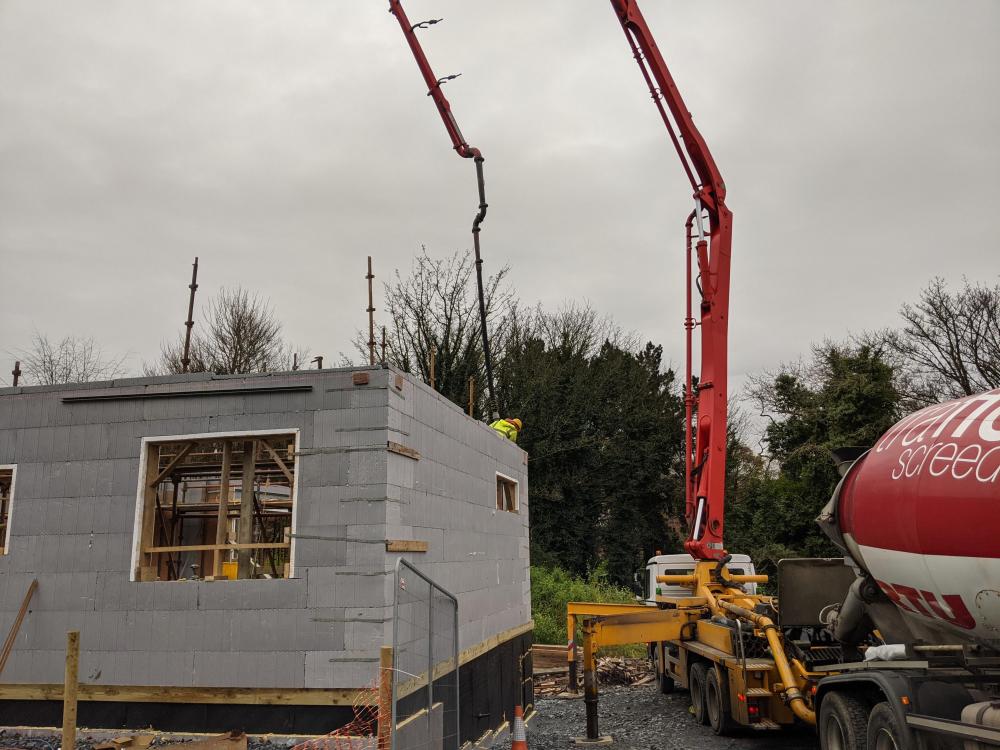
I want to locate our basement MVHR in the plant room - I'd have to have the vent ducts go through the basement wall and up though the ground - only a couple hundred mm though. I'd then need them to vent another few hundred mm above the FGL. The connection at the wall would need to be tanked. Is there a kit available for this? I was thinking 200mm PVC pipe through the wall, tanked then up through the ground and change to stainless steel clamped to the wall - bit like a boiler flue - then a cowl. Any other ideas. It's also not a problem to build a false wall against the building as I'm having to create a "cavity" here for the electric meter box anyway. Ducts would be in middle of this wall where the cone is... FGL not yet determined yet but assume it's at top of tanking.
-
@larry @Olf @Levo I've been looking in to this a bit more. None of the standard Brink units come with a built in RH sensor - just temperature. So only boost option is single contact push button for a 30min boost. Also, if you want a RH sensor, you need to buy the "plus" version, so that's another £180 or so. And sensor seems to be another £140... so not so cheap after all.
-
Cheers Dave, they sound perfect. 1.2m long sink here we come! Basically going to get them to copy this: https://www.homedepot.com/p/KRAUS-Kore-2-Tier-Workstation-16-Gauge-Stainless-Steel-57-in-Single-Bowl-Undermount-Kitchen-Sink-with-10-Piece-Chefs-Kit-KWU210-57/315296533
-
Please update when you get to use it... I've a 125mm one sitting in my wish basket. I'm tempted to take the punt as wel as majority of these tools will never be used again after my build is finished.
-
That's almost 15% of your total budget. Design fees should be closer to 5% of construction budget, going up to 10% to include engineer calcs, planning, BC fees etc. Can you tell us a bit more about the brief? Size of property, extent of remodelling and extensions? Either your architect is very expensive or you're massively underestimating the budget required to do the works. But £1500 to measure a house is redoculous. £300-£500. (Unless that includes things like asbestos survey and report, full engineers condition report etc) Either way, shop round and get a couple more prices. Should do this regardless to see what other ideas they come up with.
-
Plan is to clean some up and use them where we can around the courtyard and garden. I've had some offers for the bricks as is but it's been pennies and not worth it. Think once we've used what we can, I'll either clean up the rest and sell by the pallet or if (more likely) I've no time see if one of the reclimation yards will talk them rough.
-
Hit the other one with a hammer and you'll know for sure of its safety glass or not
-
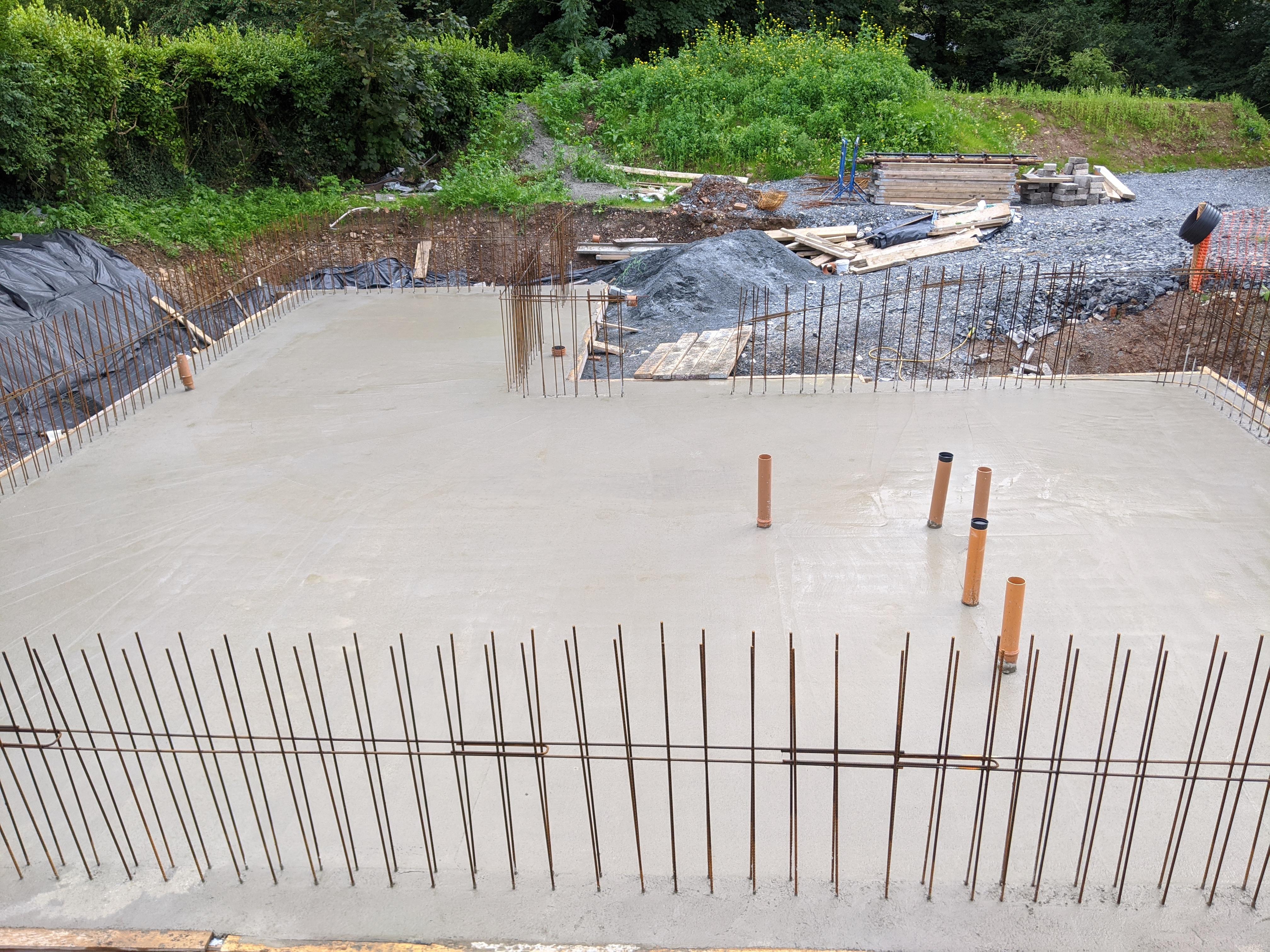
I had similar issue when making my brewshed. I left 40mm drain pipes through the slab as conduit for the water pipe but could get the pipe round the bend! So I drilled in through the side just above ground level. To protect the pipe, I built up a small brick pier (3 bricks making a U shape against the wall) from just below ground level to just above the entry point, and capped with a couple bricks cut at an angle. Didn't have any issues with frost... But we are by the sea and heavy frosts are a rarity so I didn't worry too much. For a house, I'd be filling the void with rockwool.
-
My partner has come up with the controversial (i.e expensive) idea of turning our mound of ~15k clay bricks in to slips and cladding our entire house rather than rendering. Has anybody done brick Slips on a large scale? Is it something an average DIYer could attempt our would you be calling in a pro slipper??!! I'd prefer to lay full bricks around the house but I'm not sure we'd have enough... And I'm thinking fitting slips would be faster and cheaper? (No, I've not yet addressed the challenge of turning a mound of Georgian clay bricks into 15mm slips...)
-
Update. Supplier has said the solar edge can be configured to output at a lower limit. So I'll go for the 5kW inverter for now, and If I go for more panels in the future it can handle up to 7.5kW anyway.