
Super_Paulie
-
Posts
831 -
Joined
-
Last visited
-
Days Won
3
Everything posted by Super_Paulie
-
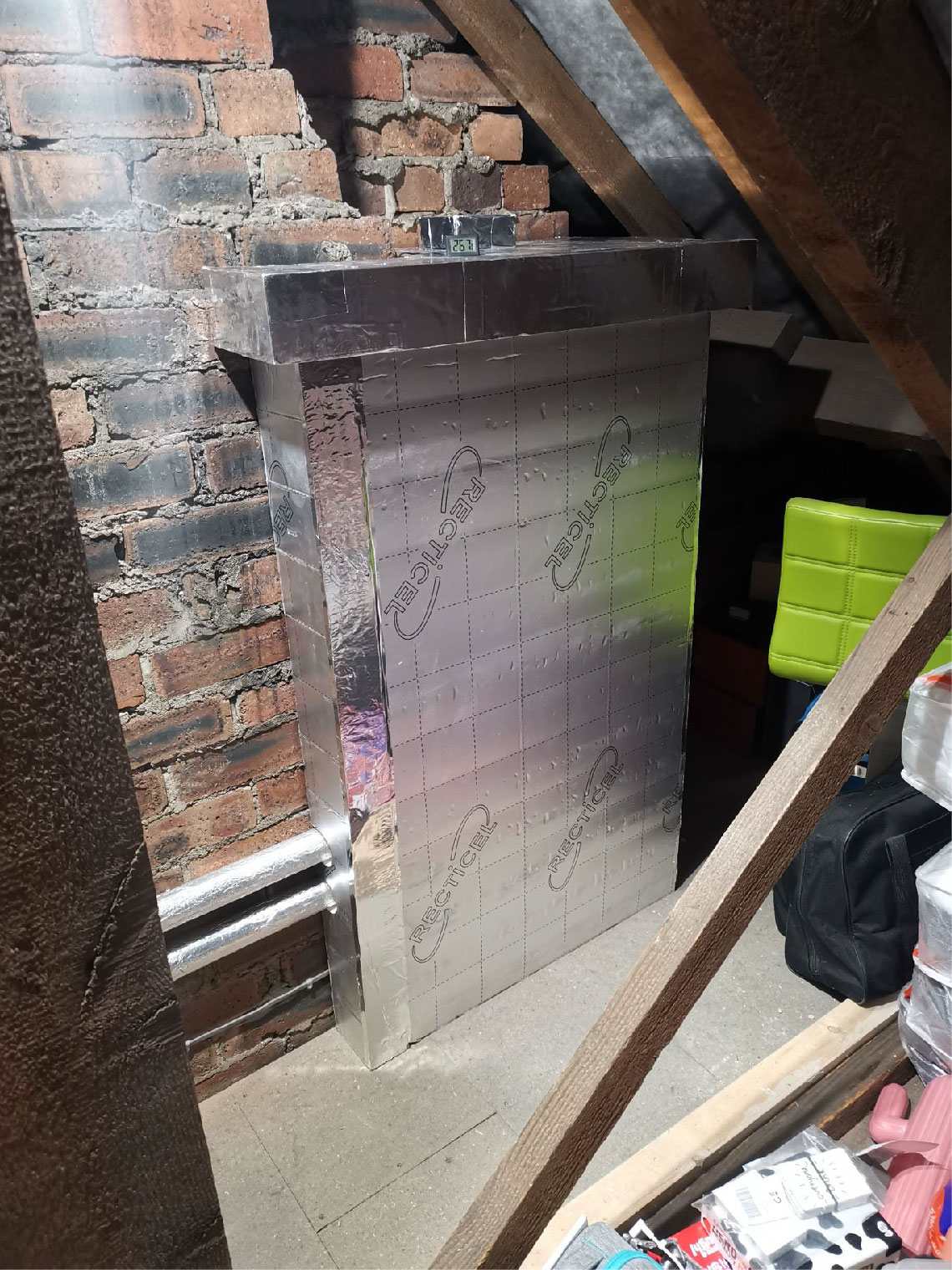
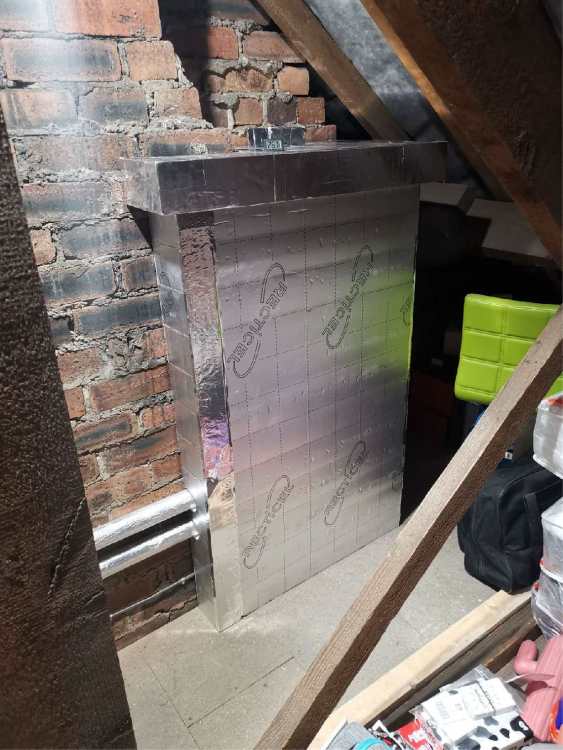
the boiler and the tank are in the loft. The tank is jacketed, plus i have it basically encased in a 75mm PIR tomb. The bypass rad is in the bathroom, its tiny but will be replaced on bathroom refurb time. Its operated from the flow and return before the 2 ports so its running through whenever the boiler is running. Buffer
-
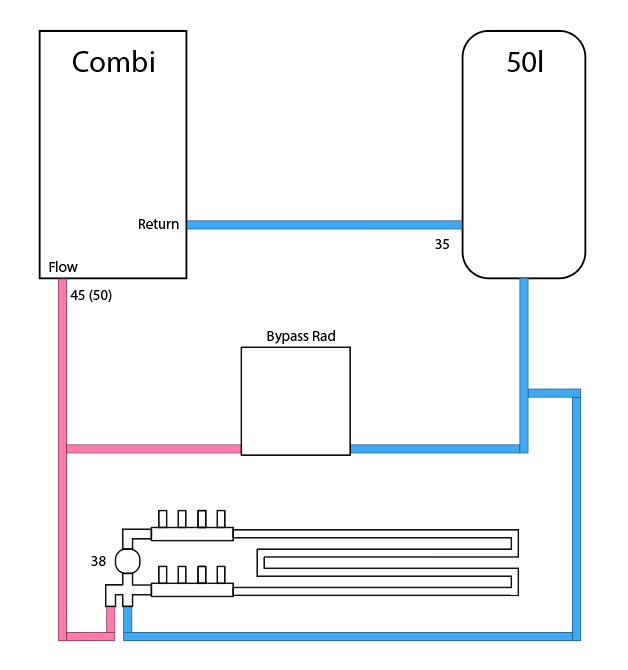
hello friends. Yet another "short cycling" thread sadly that id love some advice on. Not sure if its a) my plumbing b) my electrics or c) my lack of knowledge on it. System My system is a gas combi boiler Baxi 830 (or 800, cant recall) (30kw (or 24kw, id need to check the model), modulation 5:1, way oversized by plumber when i didnt know better), UFH downstairs and rads upstairs, on separate circuits via 2-ports etc. 4 loops, roughly 400m of 16mm, 2 zones (running as 1 zone currently)100/120mm centers in biscuit mix, 170mm PIR, flow rate via Salus auto-balance 2.5l-ish. On the advice of you wonderful gents i also fitted a buffer tank (50l) at the time of install with help from @Nickfromwales and @JohnMo, at the time i didnt have a clue about having to do this, i was uneducated on it (still am to be fair) Buffer tank saga I run the tank plumbed into the return as a 2-port and its only in play when the UFH valve is open. When the rad valve opens the tank is bypassed via a 3-port valve wired into the rad valve, everything's golden. I also run a small nearby bathroom rad as a bypass which runs independently as it is plumbed in before the 2x2-port valves. Ok, so i can run my system at the lowest setting on the mixer of 38 and have it run 24/7 keeping the house a constant 20/21. Or i can run it as a timed system with a mixer at 40/45 to make the house 21 in the morning and then 22 for the evening with a setback of 18. I have tried both ways and the consumption is basically the same, when its very cold outside it costs about a fiver to do this, other times 3 or 4 quid, great (i guess). Short Cycling So, i assumed this was all working correctly, the boiler is in the loft so out of sight, out of mind. I went up there on a whim to time my cycle and found out it was short cycling. What it does is the boiler gets up to its target temp, flames off (pump still running/over-run?) for exactly 3 minutes while the temp drops, then flames on and repeat. It seems to do this no matter what i set the boiler flow to. When it fires up with a cold buffer it takes a good half an hour for the return temp to come up before the above happens, but when warm it cycles as below: UFH mixer Boiler flow Return Flame on Flame off /buffer temp 38 40 (45) 34 0.47 3.00 38 45 (50) 35 1.40 3.00 38 60 (65) 49 4.20 3.00 after i ran it at 60 for a while i then turned the boiler flow down to 40 and it took a good half an hour for the buffer to empty while being pumped around the system by the boiler, satisfying the UFH demand. This i what i thought i was building (what id like to have?), the boiler fills up the buffer over 10 minutes then it takes 30 minutes to empty, and repeat. Obviously it doesnt, the boiler is always trying to satisfy the heat it is set at, duh, its a volume buffer not a storage tank. So my question is, is this running as its meant to? i thought the addition of the buffer was meant to alleviate the short cycling, which it does but only if running from cold so its short lived. Im not sure what i was expecting but as the 3 minute flame off is always exactly 3 minutes thats obviously an anti-short cycling function of the boiler kicking in. I mean its only costing a few quid each day but it cant be good and is obviously a failing somewhere on my behalf. I have attached a simplified diagram below to maybe help explain my system. What have i done wrong guys, do i just need more volume? run the mixer hotter to bring my return down? Unfortunately i am going through a redundancy process (sob story) so my build is on hold so id really like to see what i can about this if anything. Thank you people.
-

ufh actuators flashing and floor not working
Super_Paulie replied to Jilly's topic in Underfloor Heating
i have those Salus ones and im pretty sure the flashing means they are in calibration mode. Have you recently powered them on and off in quick succession? -
probably just keep an eye on it then and repair in the future if necessary. Fully expect it to crack at this point but onwards and upwards!
-
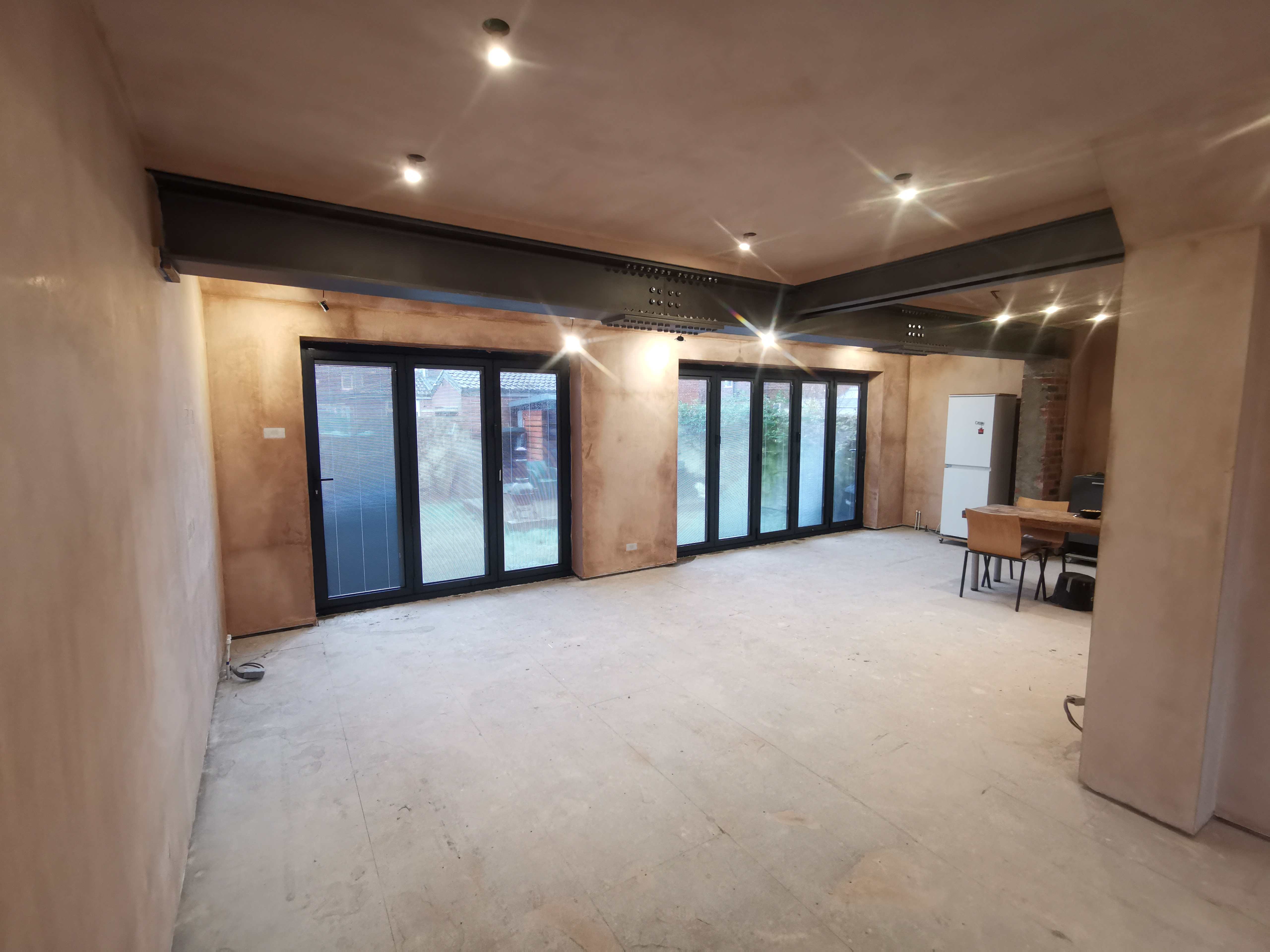
yeah its an absolute beast, 305x305. What can ya do, the engineers calculations came back with that and i aint gunna argue as we love it and everyone who sees it says how mad it is, a great talking point. Its marked "British Steel", id imagine it sat as surplus from a car park before it ended up in my house. Yeah it needs fire protecting, thats a christmas job. Anyways, so caulking the corners is not something to do? i'll just leave it then and caulk in the future when/if it cracks.
-
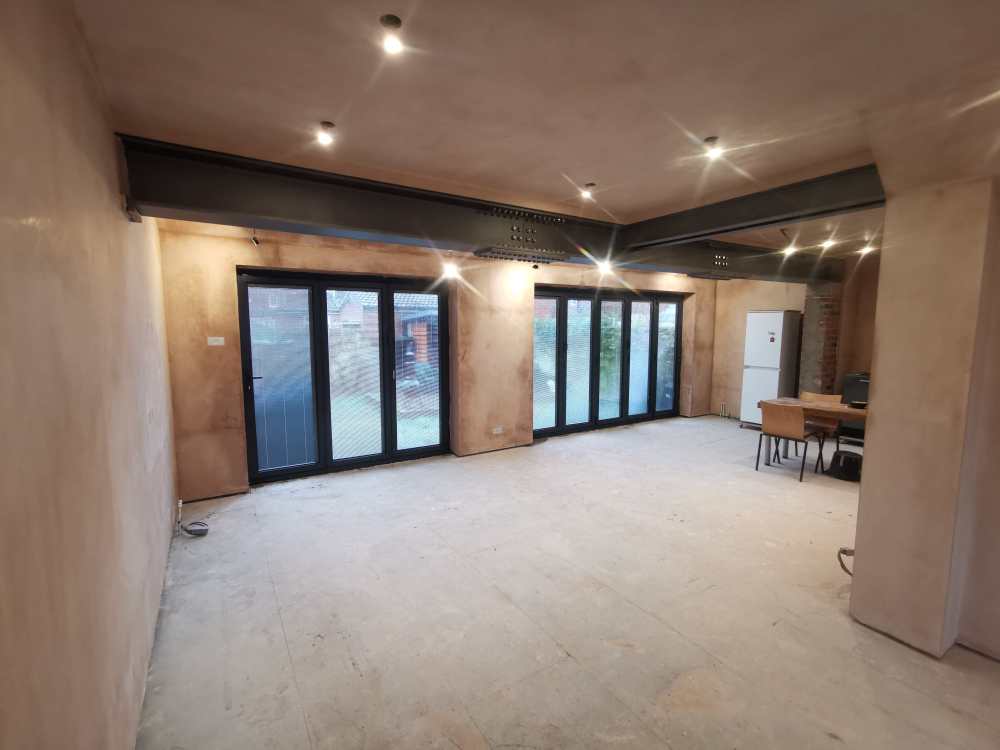
As I'm at the decorating stage, got a question for you guys. I have a hefty steel beam, with a small, maybe 2 inch section of plasterboard and skim above it and then the ceiling. Although this joint is fine currently, I'd imagine the house is still settling and thus the join will likely crack, no doubt as soon as I'm finished decorating. Would it be an advantage to mist coat, then go along the wall/ceiling join with decorators caulk before my final coats of paint? In my mind this will add a flexible joint in that section that will crack if it's just skim. Any opinions?
-
ive ordered some SBR so i'll go with that. Cheers guys.
-
You see, that's where I'm at. The internet was all this way or that way, and so far on here I've got the same. To be fair I painted my last wall and when I removed the tiles they came away like they weren't even attached in the first place. Not sure if that's a good or bad thing but I never experienced any issues in their lifetime. Really looking for a definitive answer on this, maybe run a poll?
-
Afternoon guys. My kitchen is ready to mist coat after a fortnight waiting for the fresh skim to dry. However, the middle third (above worktop but below wall units) is to be tiled across it's full length. I don't really want to leave bare plaster behind my units so I was going to mist them and then just whack some paint on to keep it nice and clean, but what about the section to be tiled? Should I just leave that bare plaster and then use something like SBR there? As usual, multiple conflicting advice online so buildhub to the rescue hopefully.
-
i did as Mike says, but i was moving 15mm. Sleeved in 22mm conduit, propped into place and then mortar back in. Also done the same job but used airtight expanding foam (FM330) as well as it was too awkward to get the mortar in without it being a mess and that has worked totally fine as well.
-
whatever happened to that gaff that was built on an old barge or tanker or something? the whole thing was an incredible watch.
-
i will move onto HA when i have finished building the place, but for now Google does what i need it to do (barely) like open the velux's and turn on lights that have no switches yet etc. All my Sonoff minis can be flashed to work locally, so when i have the time i'll move onwards and upwards.
-
I have pretty much every switch in my house running through Sonoff minis. So as well as potentially burning the house down im also sending everything I do to China. However they haven't let me down, work perfectly, and my bank balance remains at £0 so I haven't been robbed yet.
-
for what its worth, i have 100mm centres in a 30mm pug with Thermal Stream underlay but my original carpets and its average at best. That carpet will be going in the bin once i have finished the building work and getting something that is borderline invisible to get a quicker response. The back room with LVT is 4 times the size but heats up significantly quicker.
-
so you have flow but the Δt is 0... im not sure how that would be possible. Have you tried removing the actuators from those loops and just running them open to see if its actually flowing, is there any warmth at all?
-
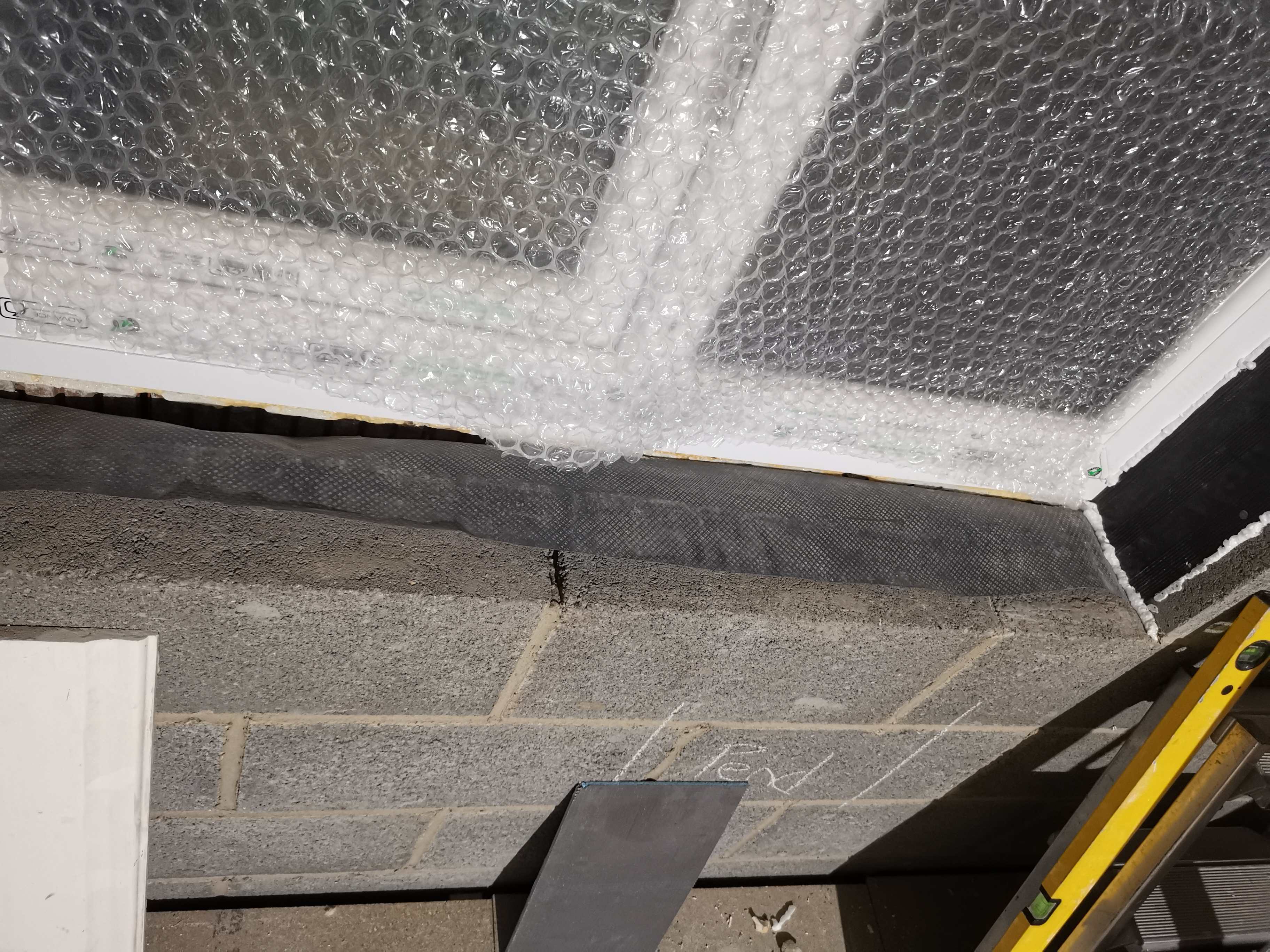
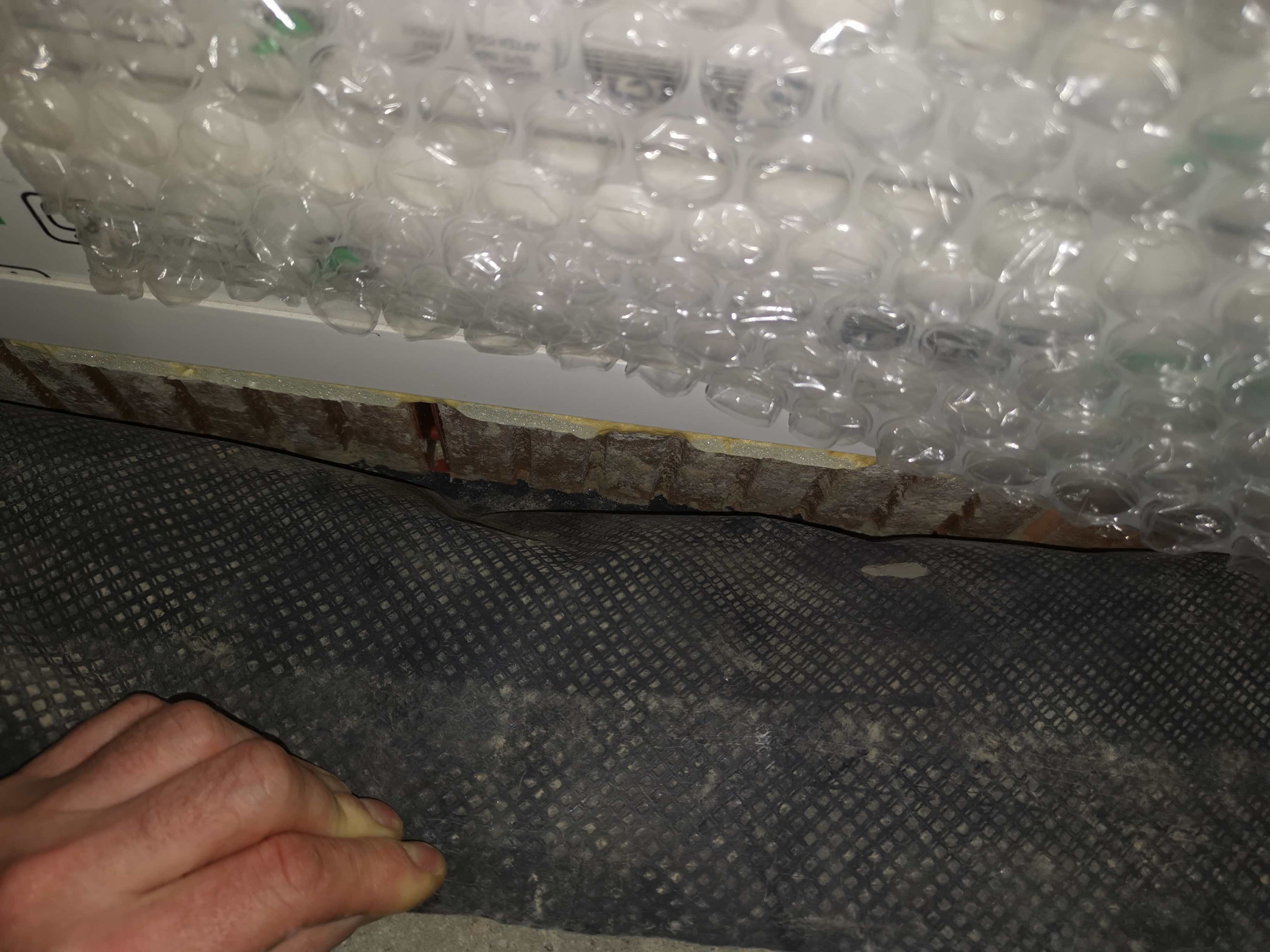
for info i foamed in some PIR, levelled the sill with ply and looped the DPM over onto the ply and stapled it down, ready for a window board. Rightly or wrongly!
-
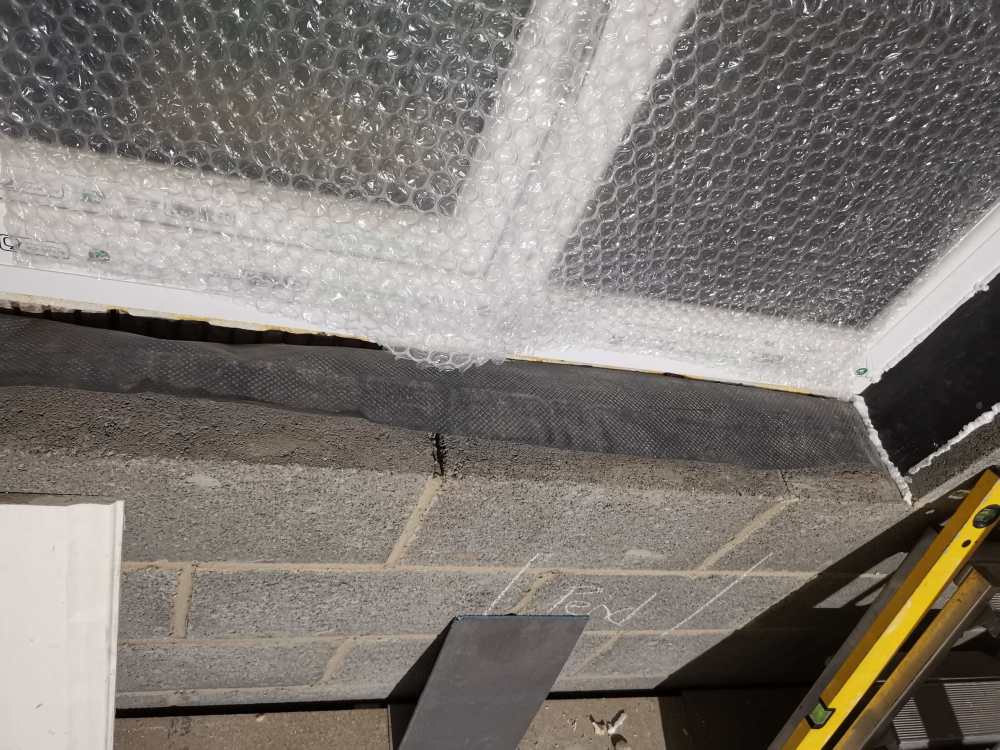
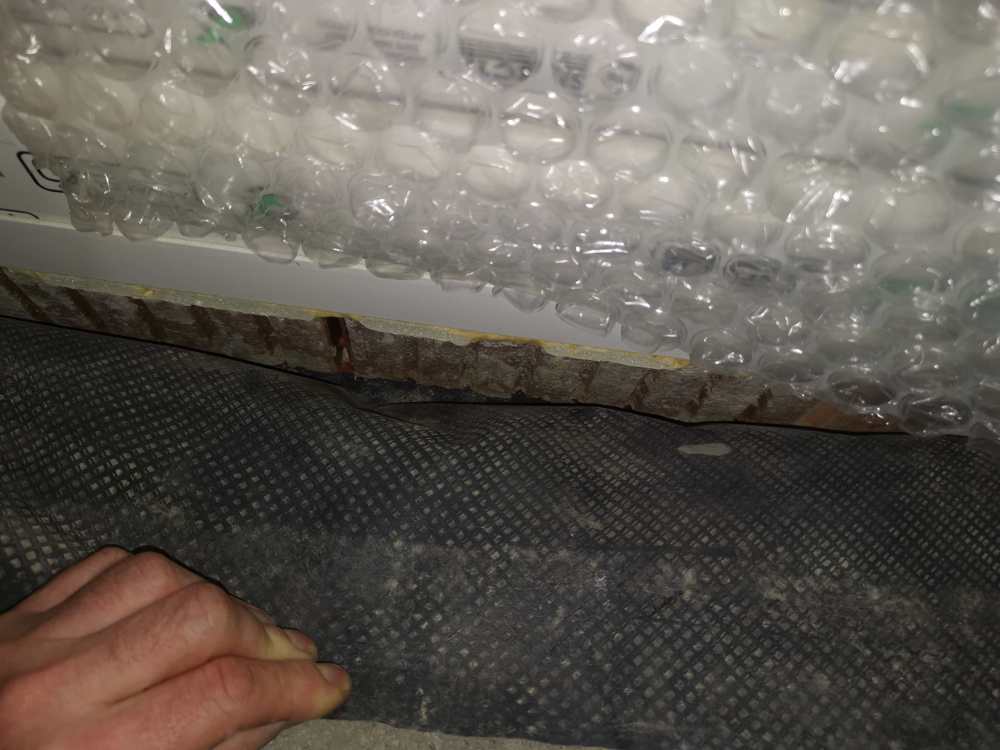
Hi guys. After some quick advice on one of my windows. I'm about to board the reveals, but the lower cill has no cavity closer like my other windows but it does have a DPM as a cavity tray going into the outside leaf. How am I meant to detail this, merely drop an insulated board over the top of the DPM? I can see outside brick under the frame of the window so not sure the best way to proceed. Cheers guys
-
thats weird, that never used to be the case at all. Still, good news on the sign off.
-
cant you just lash it with intumescent paint as it is and its job done? Rawlins will give you a certificate regardless of how well its been applied and that will be enough to satisfy BC.
-
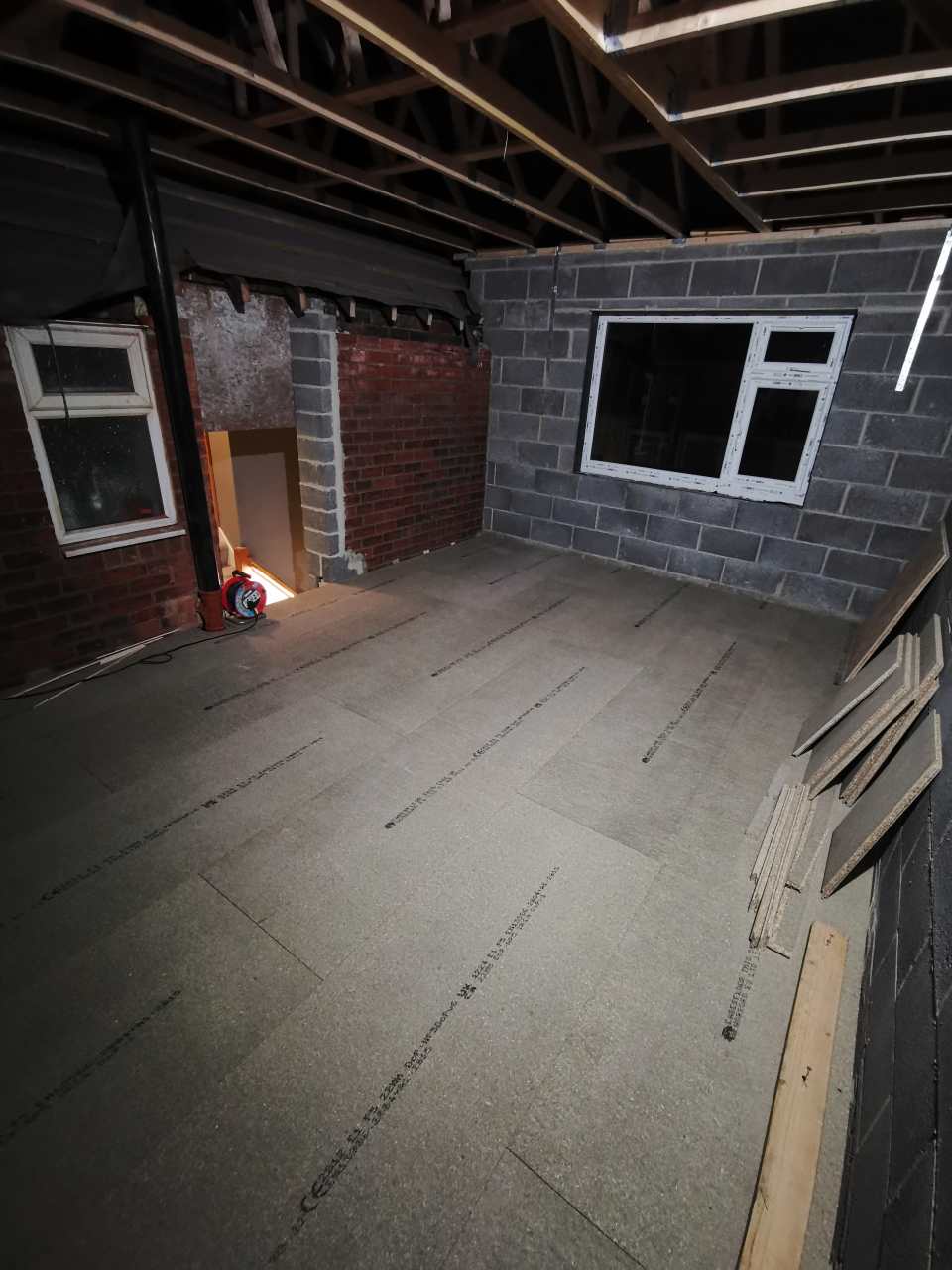
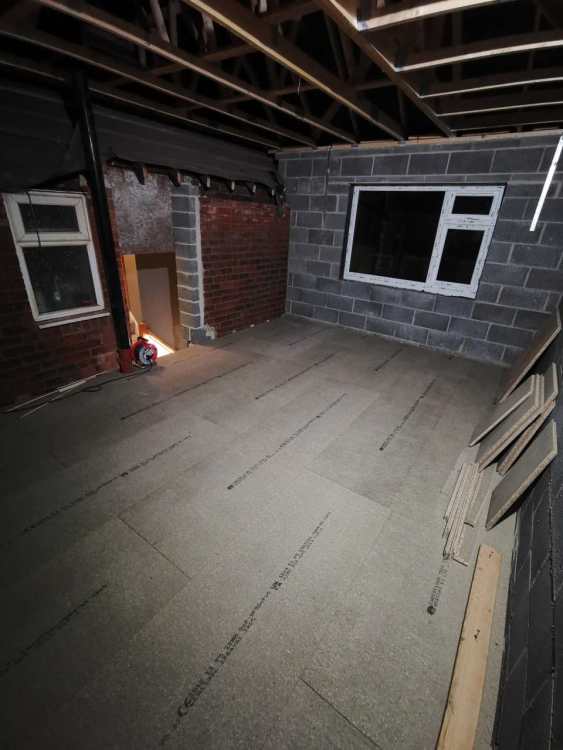
Hi guys. Just about to plasterboard the extension ceiling but the trussed roof has joists that go in both directions. Am I better off keeping the direction of the boards the same, resulting in half the boards having just 1 screw line in the field (dead centre) and screwing in along the long edges? Or have the board change direction to keep my boarding screws mainly in the field. Hard to describe, here's a photo. The board going from right to left means the boards to the right in the photo will have the centre line at 600mm.
-
Best practice to extend short cable to external light
Super_Paulie replied to DIYHacker's topic in Electrics - Other
What Dave said. IP65 black junction box and extend the cables/connect the new light via Wago is probably what id do. -
Plus I've had at least a few bird strikes into the doors and it's such a shock you literally nearly soil yourself. Also had a seagull actually fly in and walk around the kitchen.
-
sounds like youre bitter... just let it go, god speed.
-
agree to this. Was totally seduced by "Grand Designs" and went for double set of doors meaning the entire back end of the house cant be used for furniture at all. If i could go back id do what you suggest there for sure. Saying that, in summer its the absolute dogs danglies but summer is "blink and you'll miss it" here in the North East.
-
Would have 100% been more demanding to the builder to do what I had on the plans. I ended up with a lot missed off, things slightly out of place that had massive knock-ons, and just generally it was a bit shit. At the end of the day I was paying them to do a job, and it went on for that long I just wanted them gone but it's cost me months (years?) to work around the issues I was left with or rectify them.