chrisb
-
Posts
95 -
Joined
-
Last visited
Everything posted by chrisb
-
We've been fitting internal doors (nothing special, 6 panel type), but the latches I picked up from Toolstation are rubbish. They have up to 3mm of play in the moving part of the latch which means that it often doesn't engage with the strike plate when the door is closed. Without ordering a whole load of others, or driving round every DIY shed in town, can anyone recommend a better product +/- supplier?
-
Discount Offers of the Week
chrisb replied to Ferdinand's topic in General Self Build & DIY Discussion
That Vacmaster looks identical to the Lidl Parkside one, but with the addition of a PTO socket. -
Toolstation do single lengths of copper if you collect from branch. They are the cheapest locally, Selco BM are slightly more expensive, then B&Q etc.
-
Just a note in case anyone searches for this in the future, that CPC might be better value: http://cpc.farnell.com/pro-power/cg80/cable-protection-guards-3m/dp/CBBR4980?st=cable guard
-
If anyone wants a parkside special, I now have two.
-
Yes, I think in an ideal world, the soffit box would have been insulated, but I'm not even sure how this would have been achieved - there's no way we could have added an extra 150mm on the fascia and another 150mm under the soffit - the projections would be unacceptably large. I'll see what the architect has to say.
-
I'm watching this thread with interest as I'm trying to find a solution to lighting in my extension, and later, the rest of the house. Various illnesses, ailments, needs and preferences are pushing me towards multiple LED flat panels or downlighters in each room, with groups of them separately dimmable - example is a bedroom with 6 fittings, in two groups of three. Add to this a socket for a sensory lamp (think disco ball flashy lighty thing) and a socket for a desk lamp, all controllable from the doorway or thereabouts. Doing this with mains required 2x LED-compatible dimmers, and two switches. If I want to do this in one housing, then its got to be a grid switch, at about £55-60. I'm already running OpenHAB for temperature data, integration with Alexa, and Logitech Harmony, and will likely start down the road of heating controls, so adding lighting control seems like a natural progression and maintains flexibility with an open platform. Family members use it too, so there is help at hand if I drop dead. The problem i'm finding is reasonably priced wall-mounted in-room controls, and also controllable dimmers (if not in the same unit as the controls). I might be able to do something with the H801 12v LED drivers, but then I need a 12v LED fitting - far less choice than 240v. Also I've yet to find a suitable controller - as much as my son would love an android tablet stuck to his bedroom wall, that's not going to happen.
-
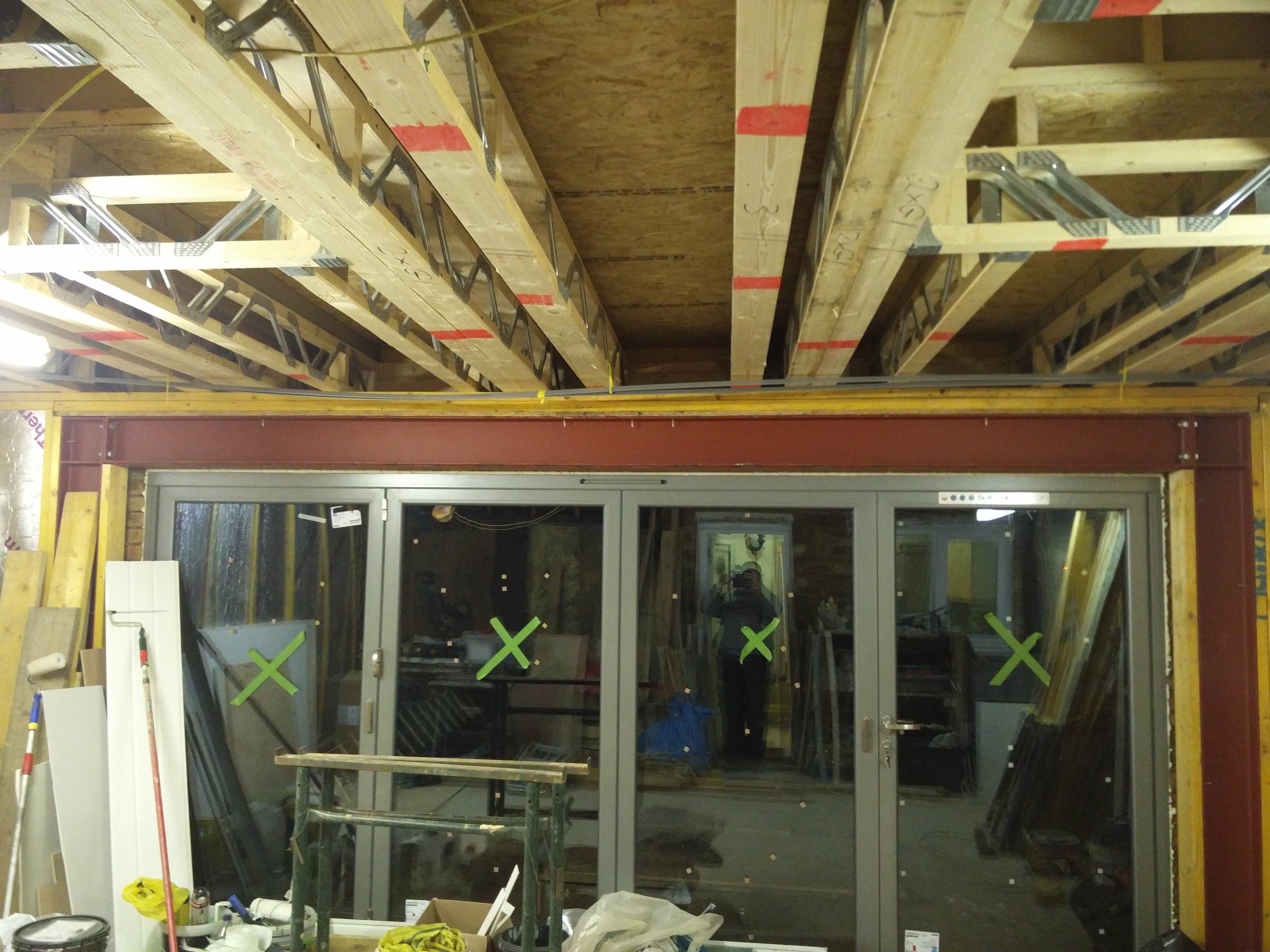
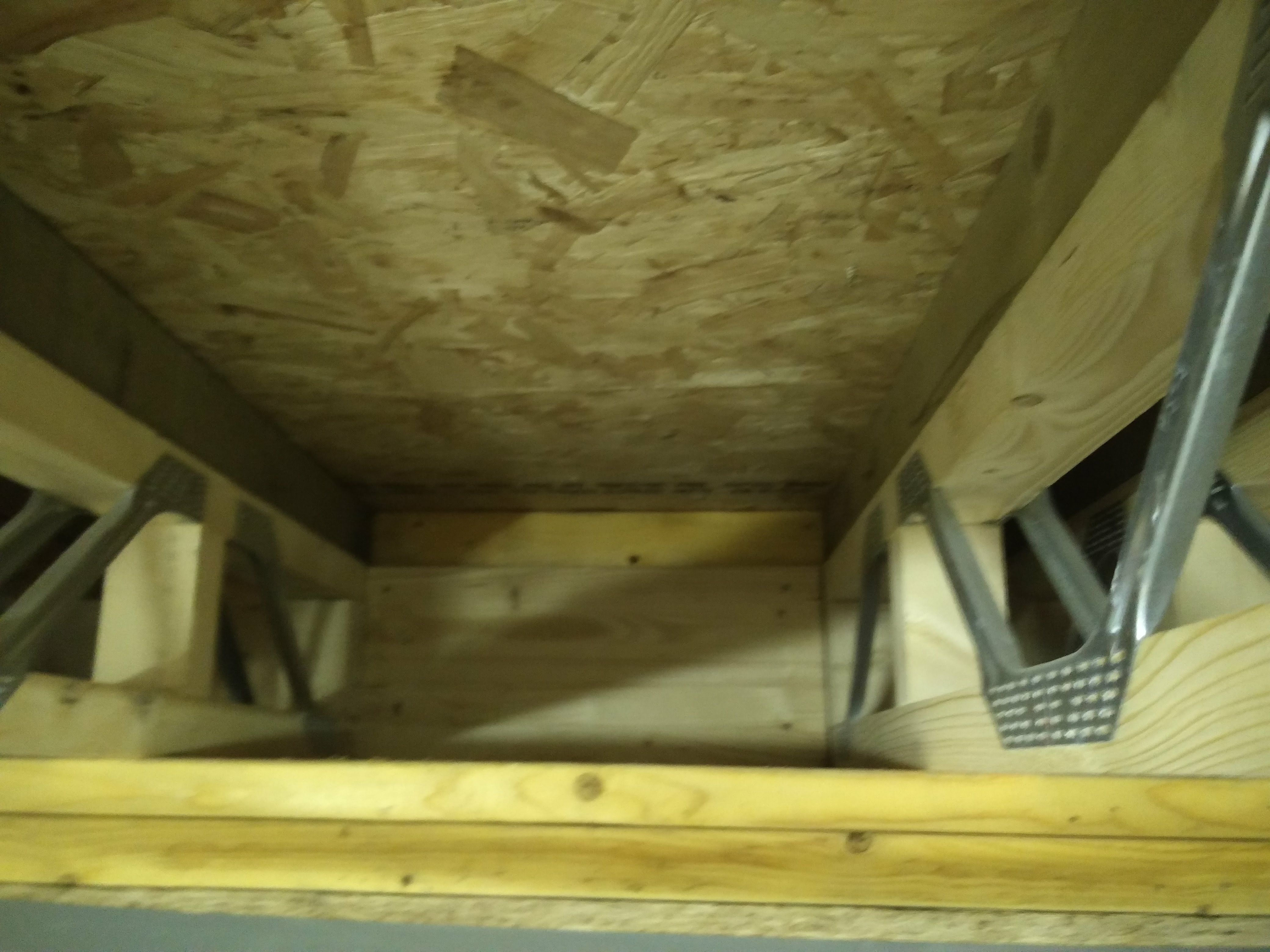
Moving this thread along, I now have a watertight roof (well I will do when the rooflights go in when the air temp is above zero for a day). The builder laid membrane on top of structural OSB3 deck, 150mm PIR, membrane, 18mm ply, GRP. The fascias and soffits have been done, along with guttering. I now need to insulate the resultant space behind it, and would like to hear any advice please. The wall is 120mm PIR inside 140mm TF, cavity with brick outer skin. A significant portion of the part to be insulated is above bifolds (4.5m). Pictures attached to illustrate far better than words can. I've thought about cutting PIR to fit in there and foaming it in to form a vertical barrier above the wall insulation. This is probably doable, likely to need quite a bit of foam to get around the metal webs. Alternatively, I could lay mineral wool in there which is probably my preference as I have significant stock, and is far less effort compared to the PIR option. I'm not sure if there would be any issue with just filling the whole space behind the fascia, on top of the soffit, back to over the top of the wall insulation? This seems to me to be the most sensible way to eliminate any wall-roof cold bridge, but I might be missing something. Tiredness and stress of the build is increasingly affecting concentration and logical thought :-( Any thoughts appreciated!
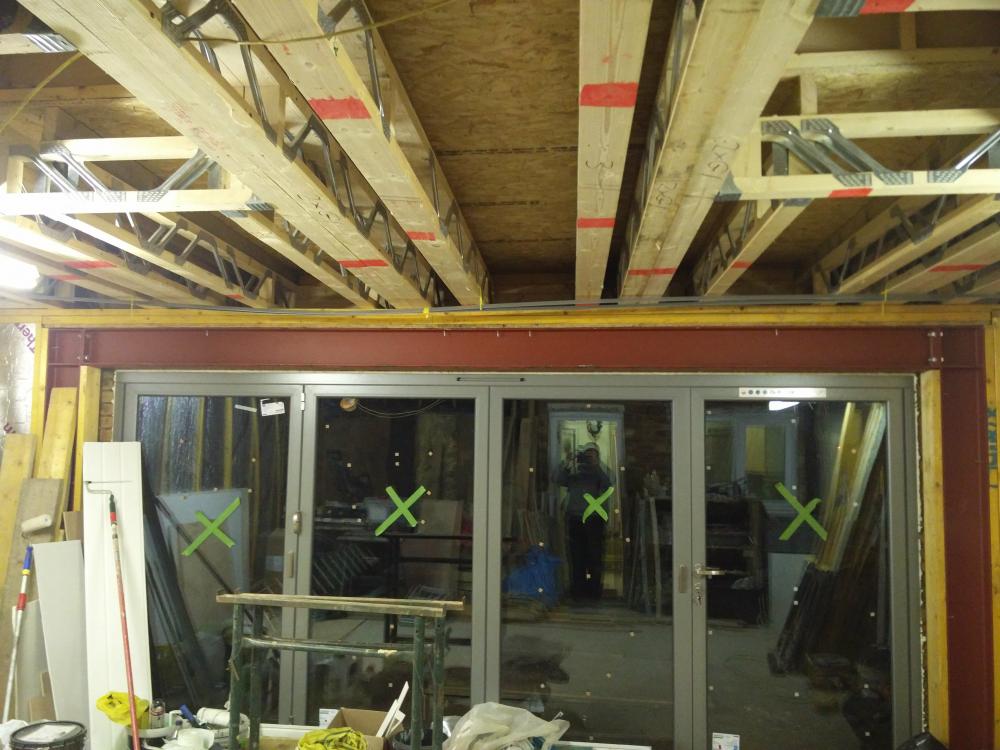
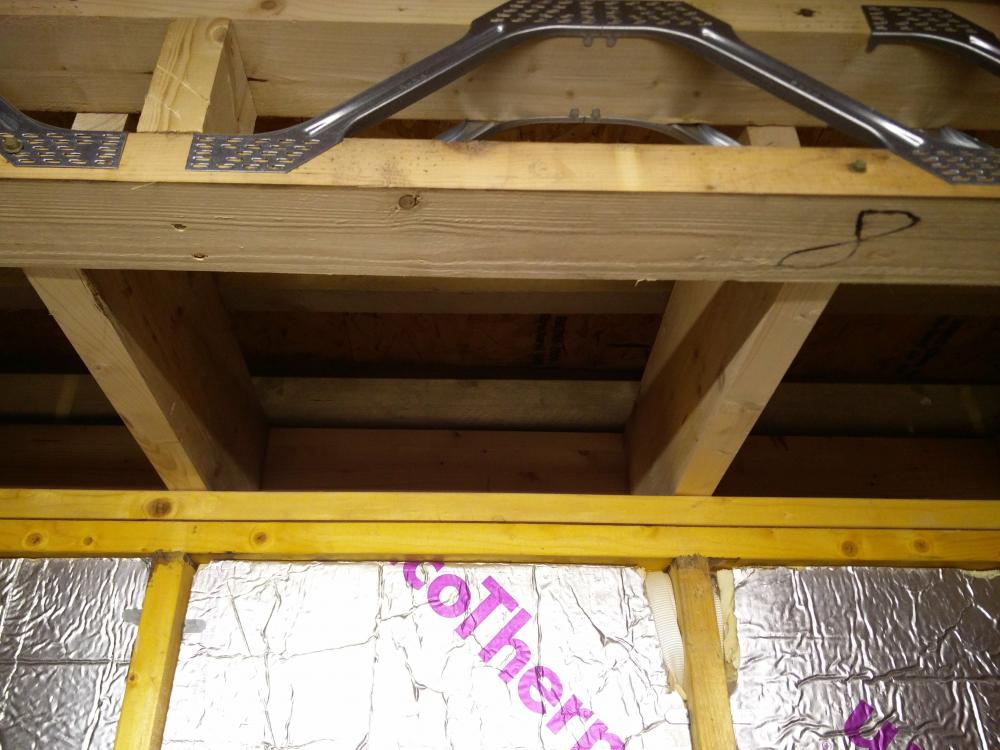
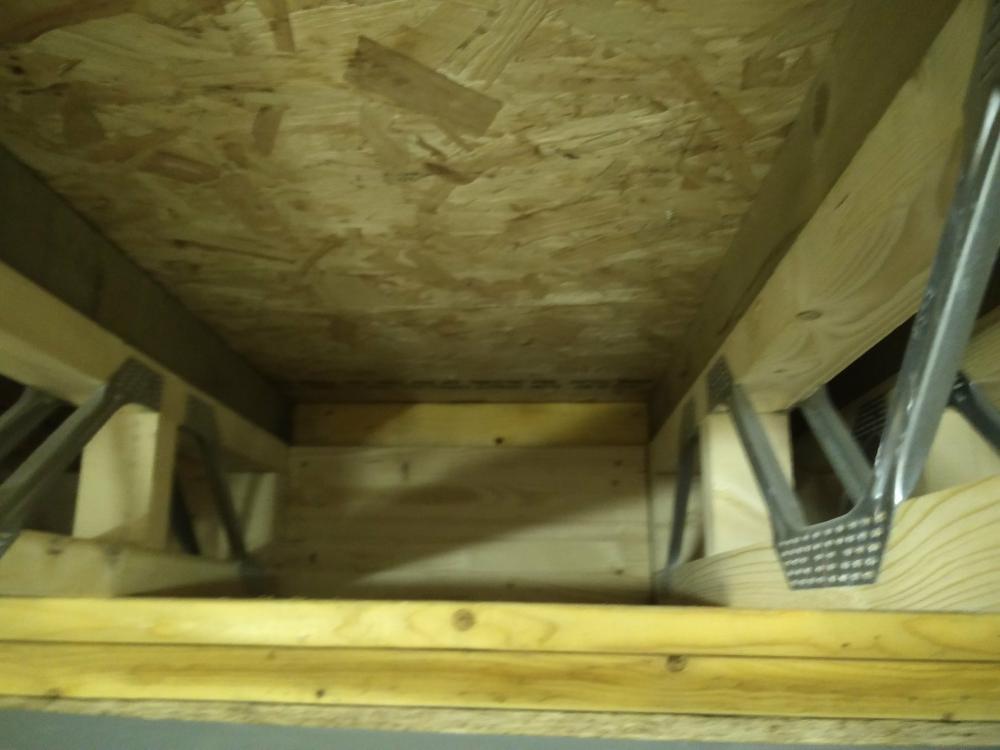
-
3G glass supplier for fixed rooflight
chrisb replied to divorcingjack's topic in Skylights & Roof Windows
My formwork is made up of a frame of 50mmx50mm timber, skinned on the outside with 12mm ply. The PIR on the flat roof covers the lower 150mm, so it's effectively insulated from the outside. The inside of the formwork will have 50mm PIR between the 50mm square timber. I'm going to see what it looks like before deciding whether to add 25mm PIR over the top of that, or some of the 'foil bubble-wrap' stuff under the plasterboard. -
I found I could make more of a saving by doing the (internet & phone) legwork on materials than putting time into manual labour on site. The only exception is probably sorting waste - I have pulled out at least 3 skiploads of rubbish that can legitimately go to the tip, leaving the skip free for hardcore and plasterboard that can't at £390/skip, that's a fair bit. If you can negotiate with your builder to supply materials then you can save serious cash. Get yourself a cashback credit card and make your purchases on there if you can, as merchants prices are cheaper for cash/card than account plus you get the cashback too. Get to know cheapest suppliers locally, or where you can get quick delivery from online. Also work out any materials that may have long lead times: bricks, insulation, tiles etc. You could end up waiting 6 weeks or more for some of these. Big savings can sometimes be made if you don't need the stuff ASAP. Keep a look out / register for monthly bargains from merchants - smart buying when offers are on saves £££.
-
Latest Toolstation catalogue has these in.
-
3G glass supplier for fixed rooflight
chrisb replied to divorcingjack's topic in Skylights & Roof Windows
Mine came from http://toughenedglasssystems.co.uk/. Cheap and cheerful, but the units seem to be good quality and delivery and comms were good. They are extensively on eBay too. I have 3G units and the outer pane of glass is 100mm larger all round to sit on top of an upstand. The two inner panes are smaller to fit inside the upstand. Can take a pic later when I get home if that helps. -
If you can lay your hands on MS Visio, it lends itself quite well to this kind of thing. Don't spend £££ on it though - Powerpoint is a reasonable substitute.
-
I have just used 2 thicknesses of 100mm roll. It goes in easy. The mistake I made was to leave it a week before covering the second side with plasterboard, so the wool expanded and made that very difficult. I should have covered it straight away, which would have been much easier.
-
Does anyone have experience of a supplier for UPVC windows imported from Europe? Not after anything spectacular, but reading historical threads suggests that the cost/quality ratio might be better with Polish manufactured units. Then the wider question of any other items worth importing - Genvex from Denmark is the well-mentioned one, but is there anything else to look out for? As a starter, I will soon need a water softener, sink waste disposal unit and a filtered +/- boiling water tap. I haven't started looking at these things yet, so all ideas welcome. I'm guessing that the transport costs on larger materials (8'x4' Hardwood Ply) will likely exceed any savings over buying from Selco locally.
-
I have a related question about VCL positioning: I have a 140mm TF with 120mm PIR factory fitted, OSB, TF200 Thermo membrane, 50mm cavity, brick outer skin. On the inside I realise I need a VCL, and am thinking of using Protec VC Foil Ultra from the same stable as the TF200 unless there is a better / more cost effective option? The real question for me, is how deep do I need to make my service cavity between plasterboard and VCL? I have 20mm already between Foiled PIR and the face of the studs, so by adding 10mm battens, I could fit 35mm deep dry lining boxes in, so long as they went between the studs and not on top of them. The room(s) are only 2.1m wide internally, so I'm keen to keep hold of as much interior space as possible. Is there a reason to maintain the VCL taught across the studs and therefore have a 20mm air gap behind it?
-
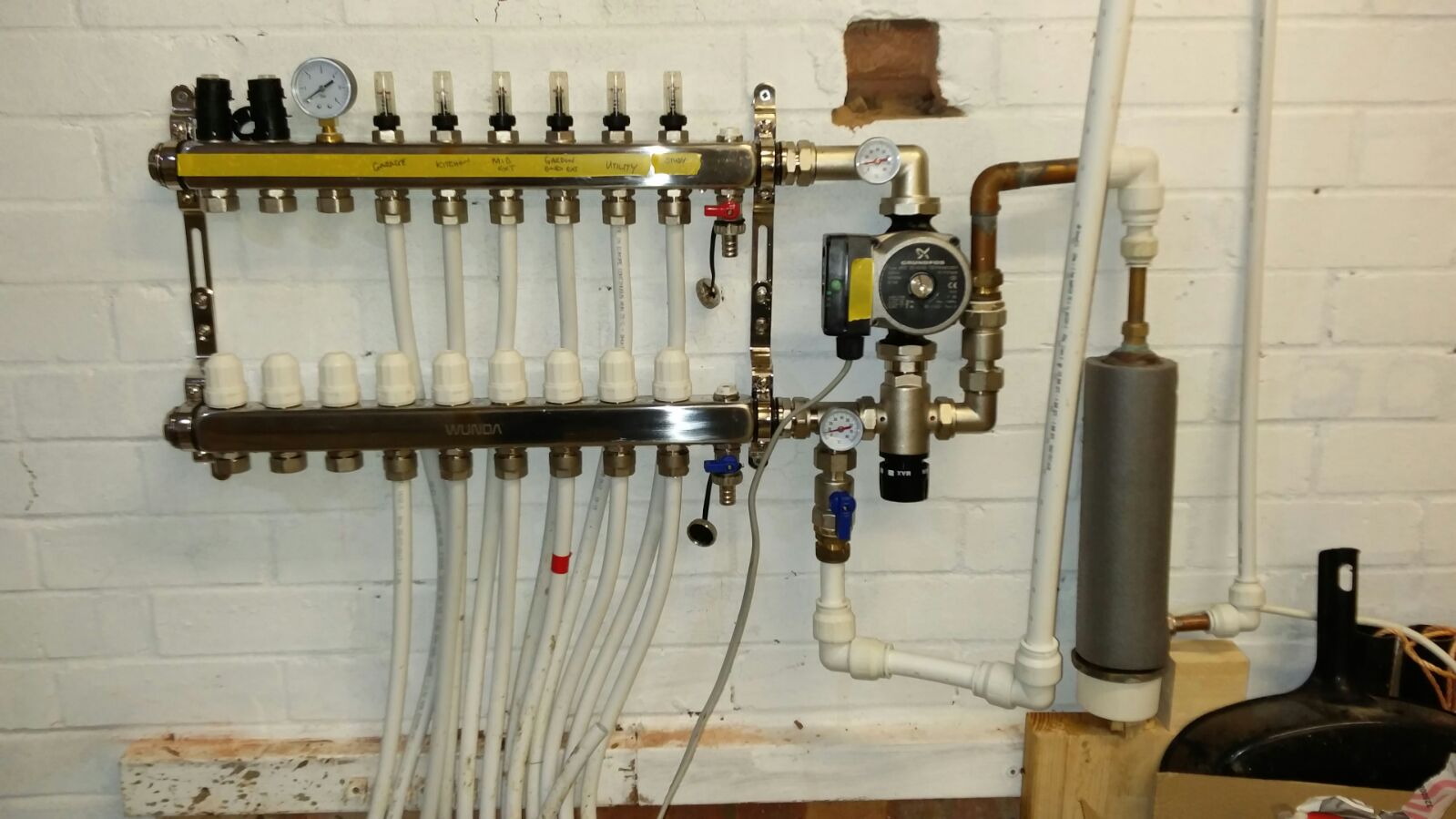
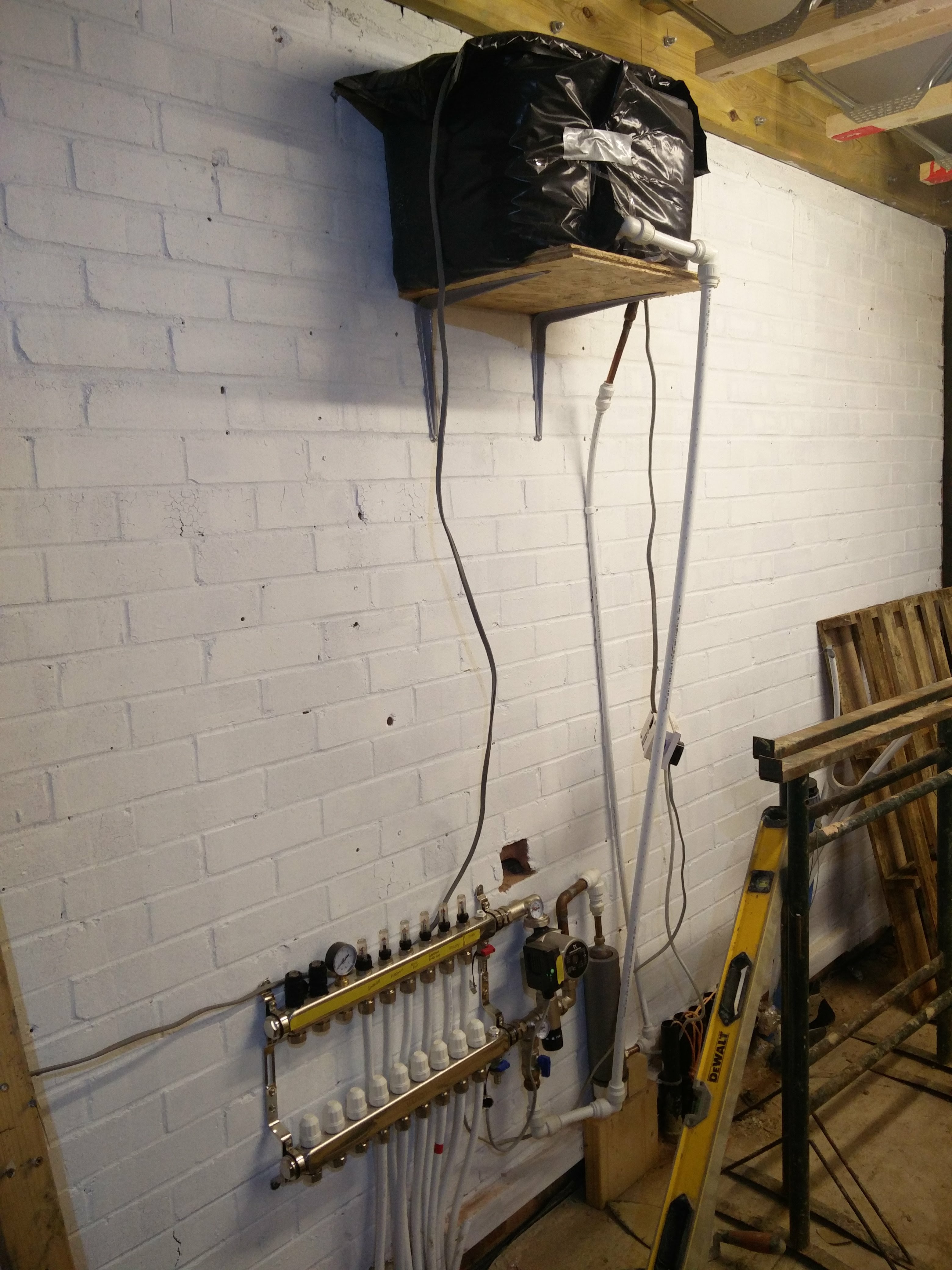
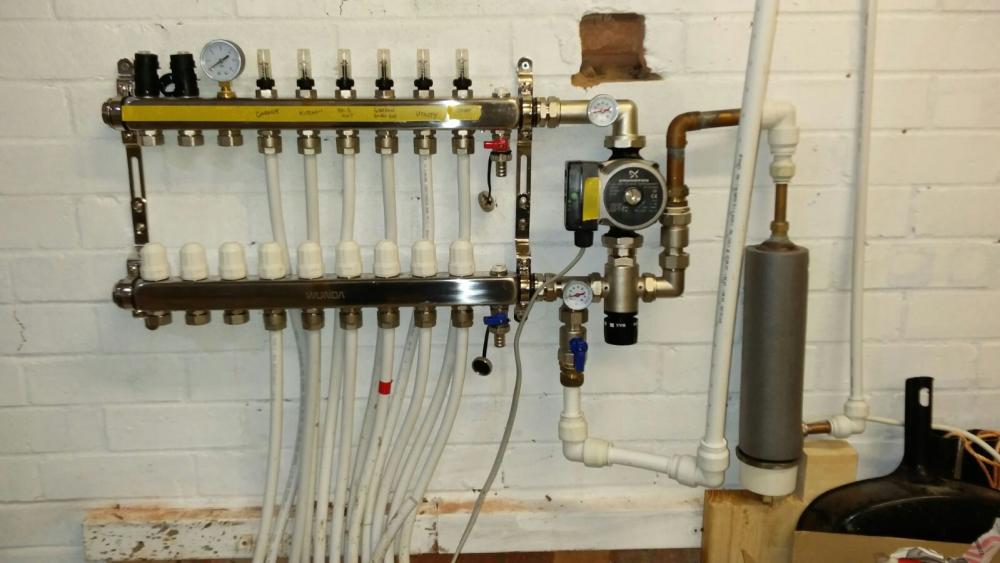
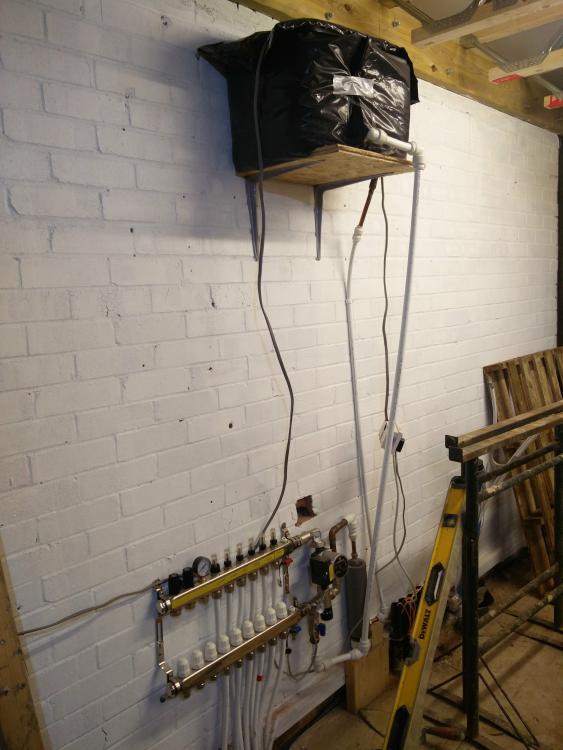
Both the feed and return pipes are attached with tank connectors low down in the side of the tank. I filled it with a hosepipe and check the level every couple of days. The Willis thermostat is set to 25oC and the TMV set to the hottest setting. The Willis never turns off, well certainly not yet, anyway. I wired the willis and the pump to their own 13A plugs (yes, I know about them not being continuously rated for 13A), which connect to a pair of single 13A sockets connected with a length of 2.5mm2 T&E run from a 16A MCB in the consumer unit on the other side of the wall. The plugs are in free air, and I have checked after several hours of operation and the heater one is only slightly warm. I'm satisfied that the fire risk is low, unlike the 2kw fan heater which stopped 'fanning' and turned into a melted lump of plastic pretty quickly, and the convector heater which has a very hot plug if run on the 3kW setting.
-
This is exactly what I have right now, the 3kW willis is running flat out 24/7 but is keeping the slab at about 10oC with outside air temp between -2 and 5. Costing £££ in leccy, but its stopping any UFH freezing, and also dries up any water on top of the slab. Otherwise, it would be like an ice rink in there. The Willis cost me ~£40 on eBay, and I used the old CH header tank just above the manifold to rig up something till I get the new boiler in.
-
Note that Selco seem to have a good deal on their short roll stuff at the moment. https://www.selcobw.com/products/insulation/loft-insulation/earthwool-44-short-len-loft-insulation-100mm-8-30m
-
So, the concrete slab is poured to FFL. Planning to put Karndean or similar stuck vinyl on top, but the slab is going to need many weeks more drying time, and we want to do the flooring last, so other stuff needs to happen first, probably including moving back in to the house. Right now, the surface of the concrete is very dusty, as expected. Not helped by the swamp-like situation out the front & back with a mixture of mortar and mud swilling around everywhere at the moment on everyone's boots. Is there anything I can seal the concrete floor with so that it's not so dusty, but still allow it to dry? I think I probably know that the answer to this is 'no', but others must have been is similar situations and there may be alternatives I haven't thought of. Any ideas welcome!
-
A friend / neighbour(ish) reported a leaking shower pump. A local (decent) plumbing firm sent a chap round, who discovered a dead squirrel in the cold water tank in the loft, clearly missing it's lid. I don't know much more about the situation, aside from the plumbing firm aren't interested any more due to the risk to employee health, and they don't know about disinfection even if someone else removed the deceased. I haven't asked too many questions, and haven't been asked to assist (other than to loan a jerrycan to use in the bathroom), but it got me thinking: is it possible to disinfect pipework with this type of potential contamination, or is replacement the only real option? I recall reading about @JSHarris disinfecting pipework with chlorination, but not sure if there is a recommended method or it's suitability in this case. Chris
-
Did it have an M6 bolt in the fuseholder in the 13A plug?
-
My parents-in-law have two ovens which require a 16A supply each, with a double-pole switch to each oven. We took the existing 10mm2 cable from the old cooker which is protected with a 40A MCB in the consumer unit. This terminates in a small consumer unit with two 16A double-pole MCBs. This provides the necessary circuit protection, appliance protection and isolation requirements in a neat box, and it's much easier to wire than 10mm2 cable into backboxes. There are a couple of spare ways in the CU, so if they want to add anything in the future (over-unit lighting etc) there is plenty of scope to add an MCB without much work at all.
-
I've got about 12 metres of this stuff stuck around the walls of my kitchen, and also under the cabinets. It's been stuck there for at least 3 years without issue. The cabinets weren't very clean when I applied the LEDs. The ones on the walls had the emulsion cleaned with a baby wipe before application. The only thing I had to do was use a cable clip at the feedpoint of the strip on the walls to stop the weight of the cable pulling them off. Cheapest available product from WunHungLo's eBay store at the time.
-
TF supplier has just used similar fixings to attach 2x4 timbers to my steel windframe (which will have 4.5m bifolds underneath it). I'm expecting to use similar to fix the bifold frame to the steel. They go in very quickly and easily, just make sure you don't catch your hand on the pointy end afterwards!