
Nickfromwales
-
Posts
31362 -
Joined
-
Last visited
-
Days Won
345
Everything posted by Nickfromwales
-
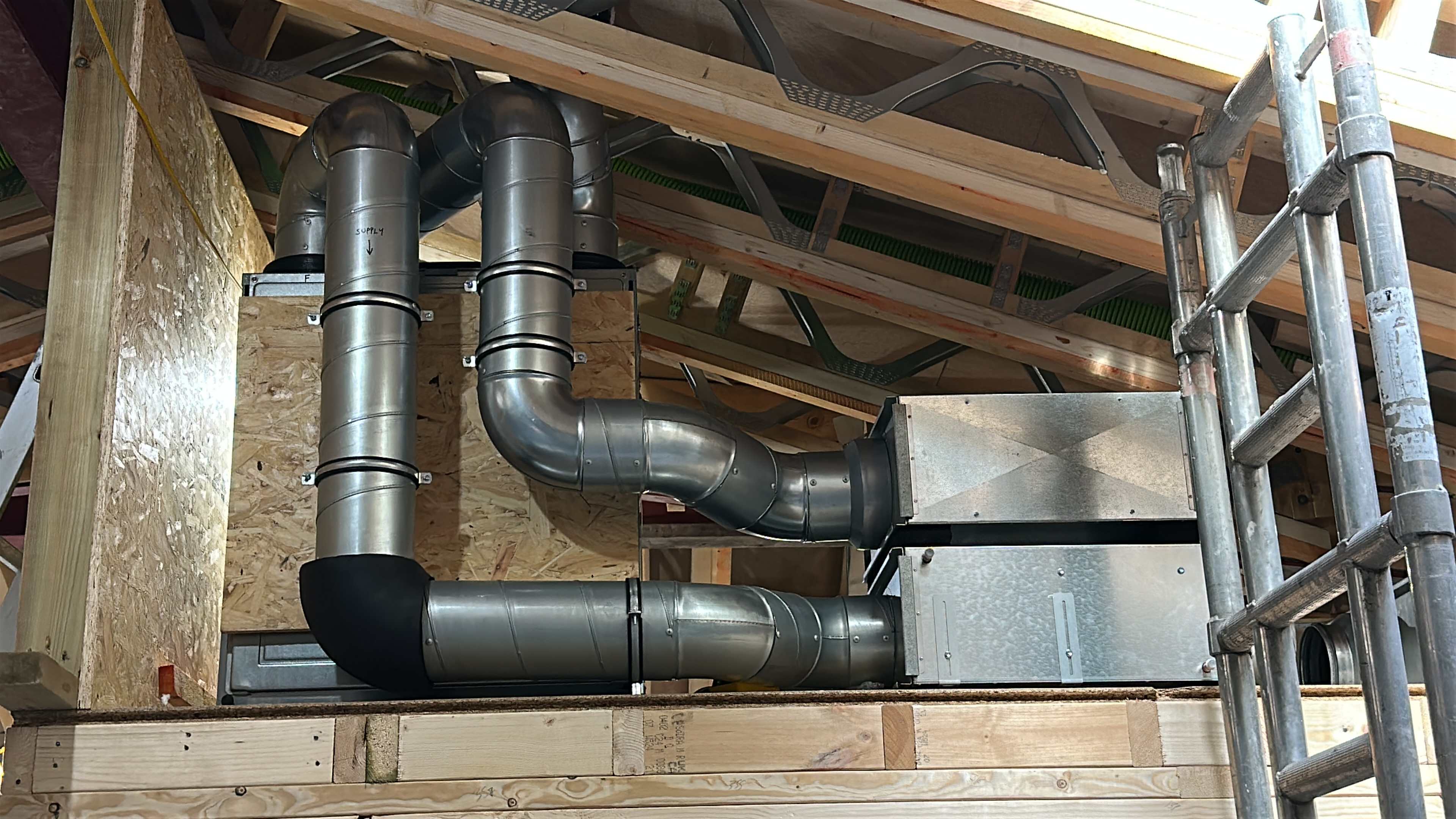
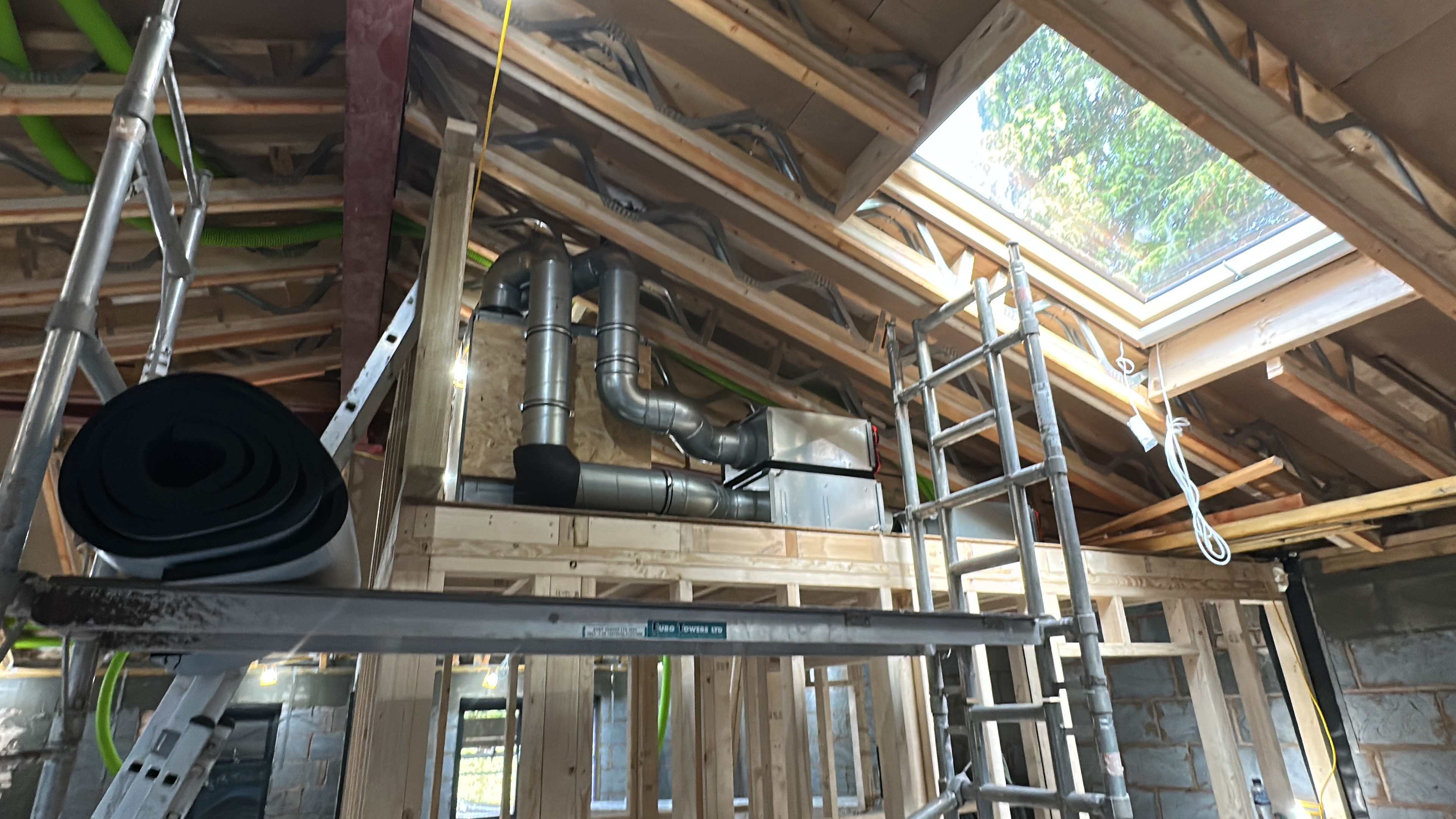
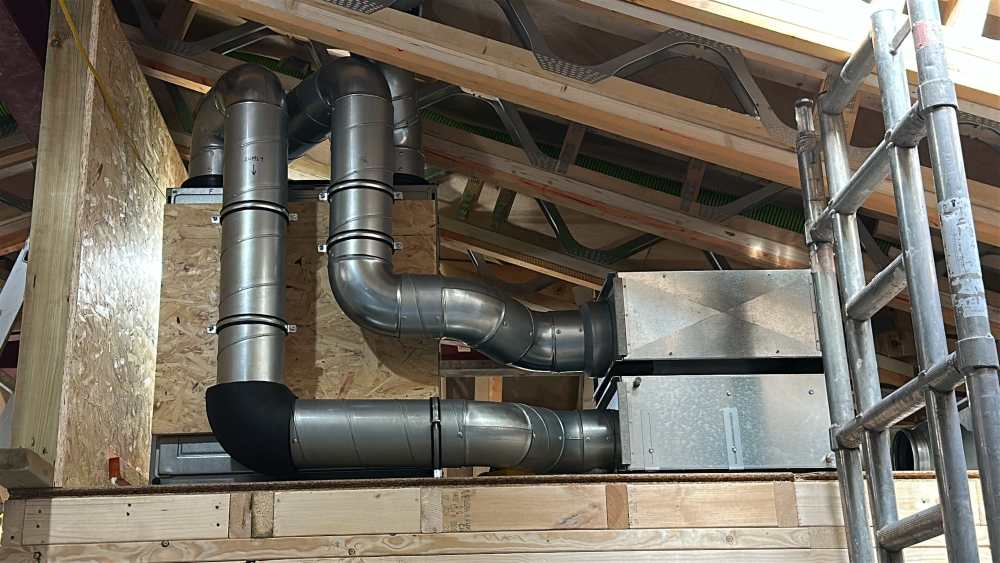
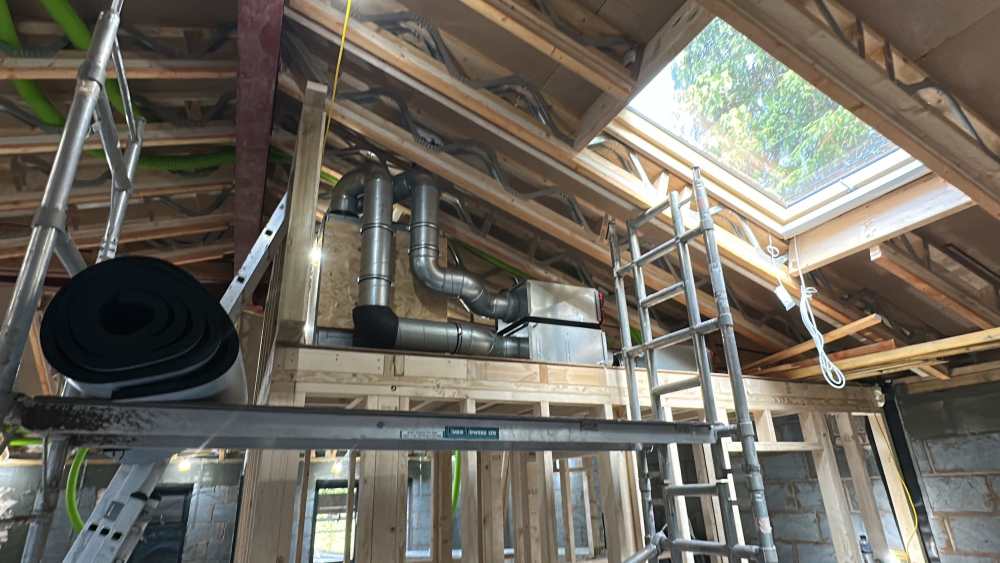
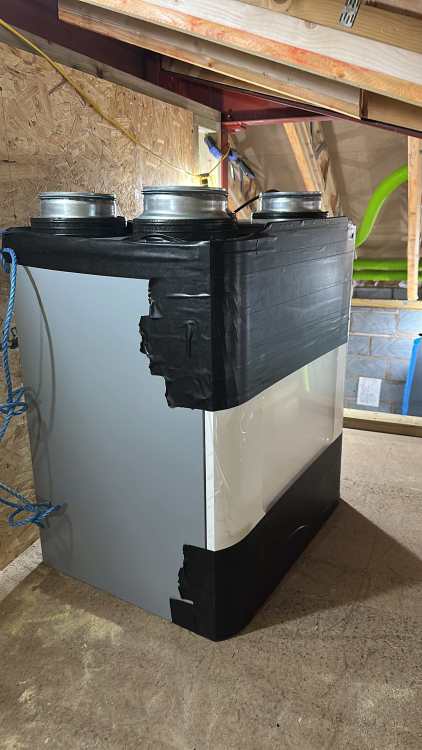
 It was all accessible. Tight as feck, but I made it work. Sat the unit on 2x neoprene clad 3x2” feet, so it could be lowered down and replaced if necessary, but in reality everything is changeable from the front panel. All good, I made it to be so Got zero thanks, but 🤷♂️, we move lol
 -
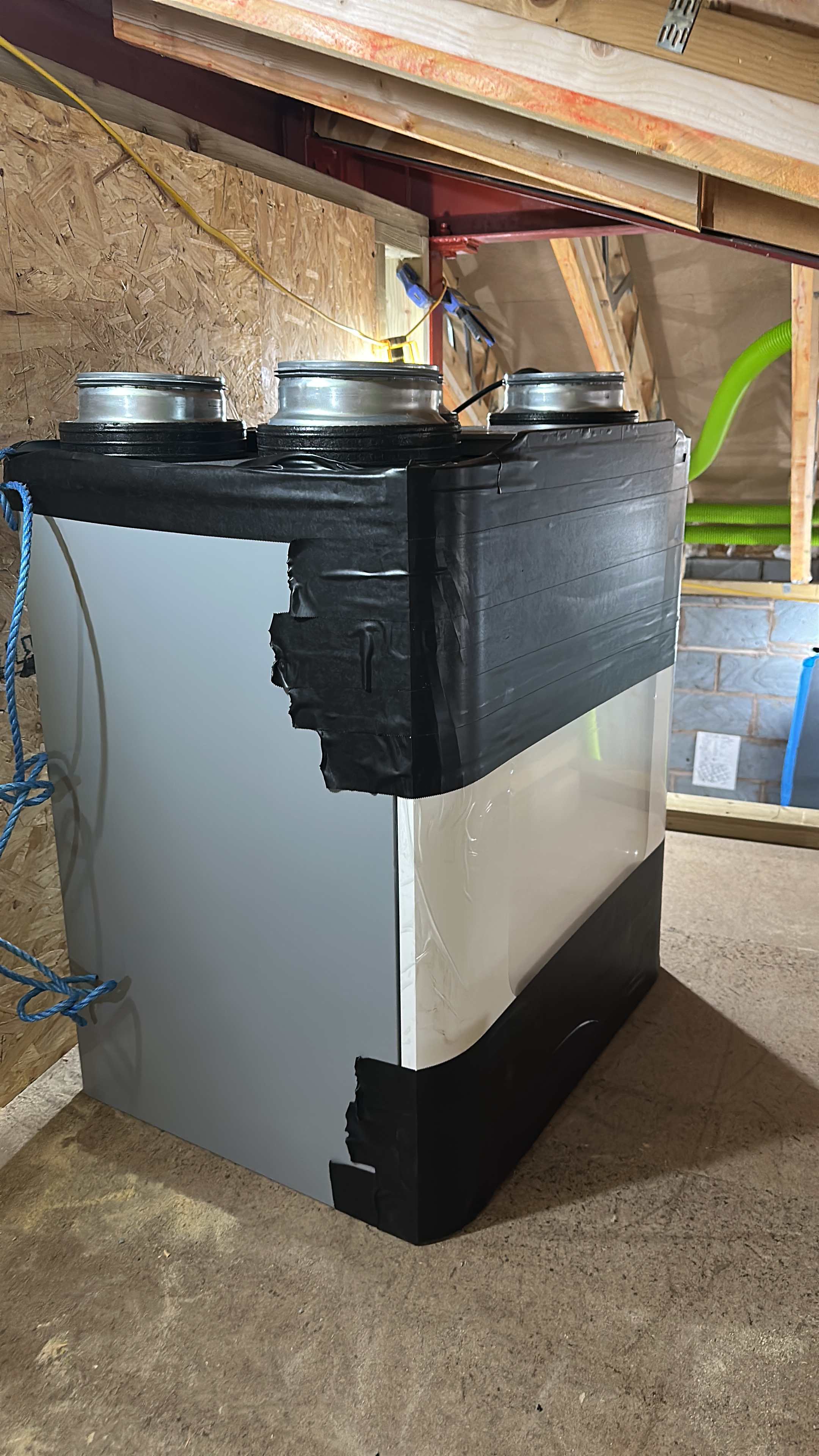
Ping me a PM when you’re ready to buy We’ve been here, Brink is often the winner on price / performance and more; CVC Systems in Oxford have not once let me or my clients down, ever. Passivhaus certification where I’ve needed it, and beyond. Fitted a Zehnder recently, nothing to report wrt boosted quality etc tbh. Black PVC tape to mask the unit during handling, so it didn’t get scratched. I think the tightest plant space I have ever managed to squeeze one into lol. I suggested a Brink here, physically smaller unit which would have done a plenty-good-enough job, but the client went supersized for zero reward, but hey 🤷♂️, if you’ve got the money and know better……..
-
Fire Alarm smoke detectors on walls not ceiling
Nickfromwales replied to Great_scot_selfbuild's topic in Electrics - Other
3 button presses later: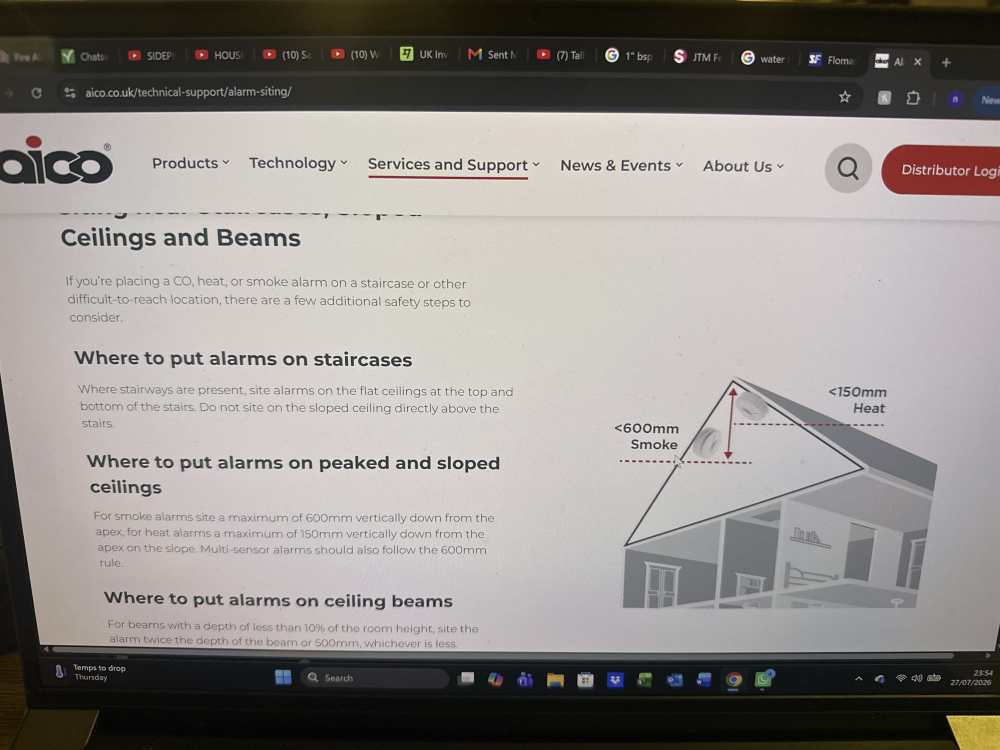
-
Fire Alarm smoke detectors on walls not ceiling
Nickfromwales replied to Great_scot_selfbuild's topic in Electrics - Other
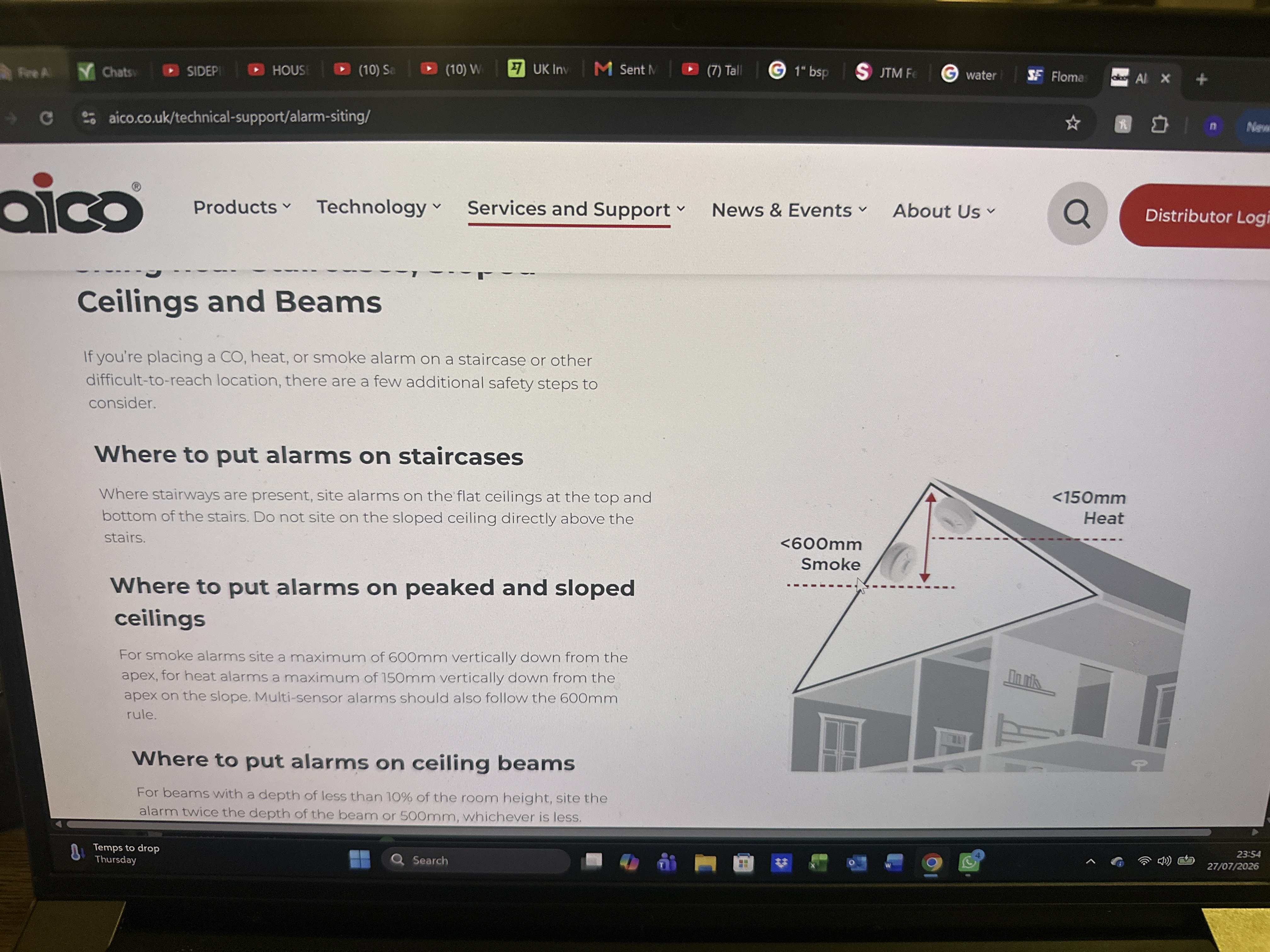
That wasn't @JohnMo's question. Look at the bloody MI's!!!! It will show you the distance from the top of the vaulted area, 600mm down and a horizontal line drawn outward, where the detector must reside within. It is "in the instructions"....... -
Plaster-in valves
Nickfromwales replied to jayc89's topic in Mechanical Ventilation with Heat Recovery (MVHR)
You're supposed to paint over these after they've been "finessed" Raw plaster (of Paris) is not meant to be left on show afaik. However, in real life, air will be continuously flowing here 24/7/365, so is it ever actually going to remain 'wet'? A: "No". -
Is what your doctor said. Apparently he didn't need a magnifying glass to see these critters running amuck upon your nethers Nicer looking landscapes now though, keep plugging away.
-
"You may pass....." lol
-
Your builder is a useless, slovenly, embarrassment of an excuse of a human being. (expletive deleted)ing talentless, disrespectful prick. What does he offer up under "snagging" and retainers against defects in his contract???? What the actual (expletive deleted)?
-
That is not my point here. Nobody cares about how long that takes as far as I know. The way I plumb peoples homes is so that the filling washing machine doesn't rob them of a good blasting shower.
-
A lot of people mis-diagnose water hammer. Picture the wall of the pipe, over say 20m, it gets pulled (quite violently if it's a good mains) in the opposite direction when the water shoots through it, then when the water gets abruptly shut off the reverse happens. A clunk when it gets going, and a much worse one when it is told to stop. Hence the term "hammer". A simple resolve is to fit a water-hammer arrestor at the incoming stopcock as an accumulator (so dissipator) of said energy. Example here: https://www.screwfix.com/p/flomasta-vessel-shock-arrestor-1-2-bsp/905FA?tc=YT5&gclsrc=aw.ds&gad_source=1&gad_campaignid=19822796606&gbraid=0AAAAAD8IdPwbFYTzmJVQor27lqW3HlWdF&gclid=Cj0KCQjwg5zTBhCLARIsAP2AFU4mo_FATJ9q8AnAmVKo36-pIGsoGKt9BSlS3DhWw4HT_ahp1HefyRoaAoOGEALw_wcB People don't see such problems, if you're not an experienced plumber then you wouldn't, and then have to resolve them somehow, retrospectively and crudely, which is where folk with experience shine through and save such annoyance / cost with some simple mitigation by design. Prob is, good people seem to be few and far between.
-
Pro: It appears to be thermostatic. Con: It's 100% cheap seats. I would recommend buying another unit, or at least a spare thermostatic cartridge (or two) for when this inevitably snuffs it. I bought a cheap unit, very similar "quality" and fitted it in my new bathroom; I had the splendid notion of doing a much better bathroom in maybe 5 years. Same bathroom remains like maybe 7-8 years later............. Issue: the shite cartridges are giving up the ghost, so when the diverter should only be sending water to the rainfall head some is now finding its way to the bath filler and handset (3 way output). Plus, to turn mine off 100% now In have to turn the flow valve off to around 2 o'clock vs 12 o'clock. If you're on a budget, buy a surface mounted setup vs a concealed arrangement. Don't bury a ticking timebomb. Cheap is cheap for a very good reason.
-
Plaster-in valves
Nickfromwales replied to jayc89's topic in Mechanical Ventilation with Heat Recovery (MVHR)
If you use superglue, do NOT use too much as it won't sand back as quickly as the plaster / paint around it. As it's plaster you could prob happily just use neat PVA, with the benefit of being able to wipe this with a wet cloth to clear away excess when wet. Remember to stop the scrim tape well away from the edge as you defo do not want to catch that when tidying up after the plasterer with some sandpaper; I doubt they'll get them A1 so expect to have some faffing to do before paint. Also, don't forget to take the centres off and remove the foam restrictor before (and put them bloody safe so you don't need to repair those!!). -
How many washing machines are sold each year in the UK? And how many of these have someone raise their hand to halt proceedings, stating "I need to check the pressure first!". I'd say that's <20% if that. WRAS stuff is tested to 10bar, and dynamic pressure is very different to static, so some diversity remains here; the reason washing machines / dish-washers et-al don't just blow up all over the place. I used to fit domestic appliances each evening for an appliance showroom, for beer money, and I can't recall any such failures tbh. Almost nobody reads the MI's before installing an appliance, we're a rare few on here, plus most installers are against the clock so simply don't GAF. Agree, softeners throw a curved ball here, good point.
-
Standard PRedV on the control group will come with a stainless gauze filter. I always try to put these at eye level and easily accessible so the maintenance is a doddle.
-
Why? The new UVC will have a PRedV on the control group, therefore all your cold feeds will become balanced at 3bar by default. I’d keep the 5.5 and tee off it for all the WC’s, the washing machine, dishwasher, outside tap (anything significant which just takes a solo cold feed), and then let the PRedV at the UVC do everything else for all the mixing outlets which require balanced supplies. This is what I am doing atm for a client, with an accumulator on the mains immediately prior to the control group. Sounds like you found a muppet here tbh, as there’s absolutely zero need to put a PRedV inline immediately before another one?!? . If you do as I suggest above then showers will be as least affected as possible; eg they can take from the full bore mains so these cold feed items won’t then be robbing pressure from the post 3bar side when you least want them to.
-
Defo not.
-
#1 rule in a wet area, is, “don’t make any feckin holes in a wet area!!”. I never use treated timber as fixing don't hold well, screws just go in one side and out the other due to the moisture, it dries and shrinks back, just horrible stuff to work with indoors basically. Currently doing 5 bathrooms / wet rooms in a clients new (timber frame) house and am using kiln dried regularised CLS only. If water gets to the wood then you have MUCH bigger problems. I only ever use plasterboard, and tank the living daylights out of it, and in over 25 years never had a single complaint or failure (same phone number for about 27 years btw, and I’ve worked for some proper moaning gits over the years who would DEFO have called me if their 1st floor wetroom was leaking into downstairs ). What do you need access for? I’ve never added this or ever needed to, just leak test the plumbing before boarding over, finish the job, and go to the pub. Isolators can be located elsewhere, like under the floorboards outside the room, or above in the attic etc, and most modern mixer showers are bombproof (if you don’t buy cheap crap blind from AliExpress et-al).
-
1 is nice at first, then I consider the amount of it and then I think it detracts, sorry, so I am a 4. Lets the brick dominate, which I think it should.
-
Renovating 200 year old property in Gloucestershire
Nickfromwales replied to nobody's topic in Introduce Yourself
You have a ‘digital mixer shower’, some are pumped to draw stored hot/cold water from gravity or ‘open pipe’ systems, others can accept high (balanced) pressure hot & cold inputs; both mix the temp digitally so are quite elegant solutions if getting into a pre-warmed shower is on the wish list. Caveat is, these wear out and need replacing more often than a basic thermostatic shower mixer that you control manually. -
Renovating 200 year old property in Gloucestershire
Nickfromwales replied to nobody's topic in Introduce Yourself
If you’re going oil + UFH, you’ll need a large thermal store / buffer tank to accept the huge swings of heat that the oil boiler will inevitably output; basically you’ll struggle to use the heat as fast as the boiler is producing it. A thermal store with a hot water coil is an option, but you have to keep that very hot all summer so needs some serious thought / design input before pulling the trigger. -
Yup. Worked a for a few ‘acoustically obsessed’ people, but it’s pretty crazy stuff (imho).
-
No three-phase for us!
Nickfromwales commented on AshleyFae's blog entry in North Yorkshire New Build
You’d just install a 3ph CU, and install a 1ph conversion kit? Same I’ve done a load of times, and just balance loads / phases in anticipation. 3ph is borderline luxury though for most UK domestic residences, and you can pull a heck of a lot of juice down a 60a/80a fuse, with 100a giving you bags of headroom in most instances; even if this is an all electric home. EV chargers will modulate to help so can be managed easily, plus @AshleyFae you can go for a hybrid inverter so the DNO only see’s the single combined output vs two AC coupled inverters (if PV + battery). Export limitation can further support, plus it’s always best to plan to self consume as much as possible over each 24hr ‘solar day’. All quite easily doable with some sensible advice! -
Just keep the taps turned off, no need to isolate the supplies.
-
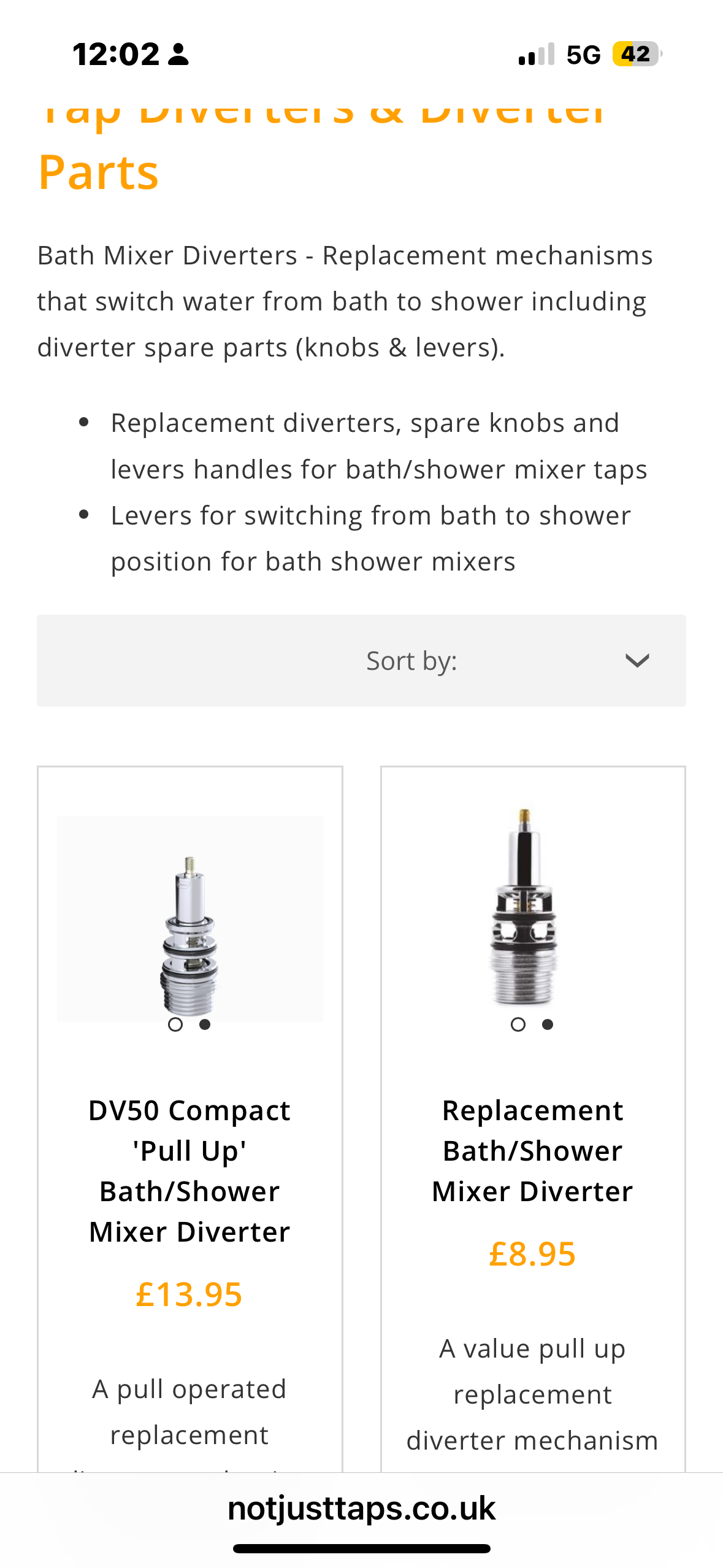
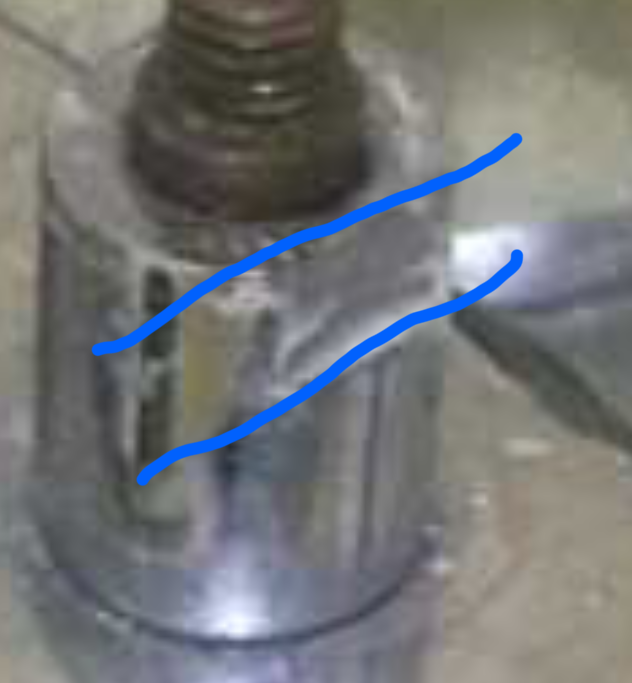
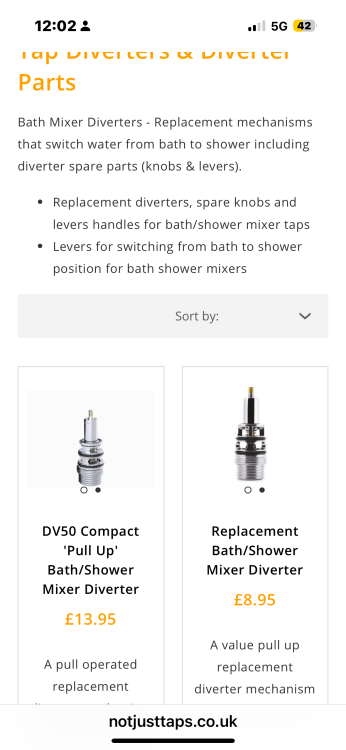
That little chrome tower will unscrew and come out of the bath filler spout, and the brass bits are captive inside it. It'll look a bit like this: https://www.notjusttaps.co.uk/bath-mixer-diverters.html?srsltid=AfmBOooConE86lzVQygWRuBY6irx9Jr3MXuk9E_xTTKGo_XLBUAOv-nM
-
Who’s asking for fire rated back boxes in a domestic home?