SteamyTea
-
Posts
23863 -
Joined
-
Days Won
200
Everything posted by SteamyTea
-
How do you get that, I had a quick look and could not see anything obvious to download it.
-
We should have really put the construction type, cubic metres to wall area ratio and main window direction in. Then we could see what sort of difference they are making.
-
Really just wondering if there is any merit in the idea of sensing CoP and using that as a control. Trouble is I think, that we want a fixed amount of energy out of an HP in as short a time as possible. But that is often not the best way to run them.
-
£50/hour
-
My sister probably still does that when she gets in, but usually the hot pipe under the bathroom floor. Many a time I found her.
-
A comment in @Conorthread about heating water got me thinking. https://forum.buildhub.org.uk/topic/10668-small-ashps-units-primarily-for-dhw/ Does heat pump constantly monitor the CoP, and if it does, it should be possible to only run it when it is over a set limit i.e 2.5 or 3. If it does not constantly monitor itself, then it should not be too hard to make a monitor and switch to make it do so. The reason for this as that it should avoid any icing issues, though it may reduce the overall energy delivered, just when you need it.
-
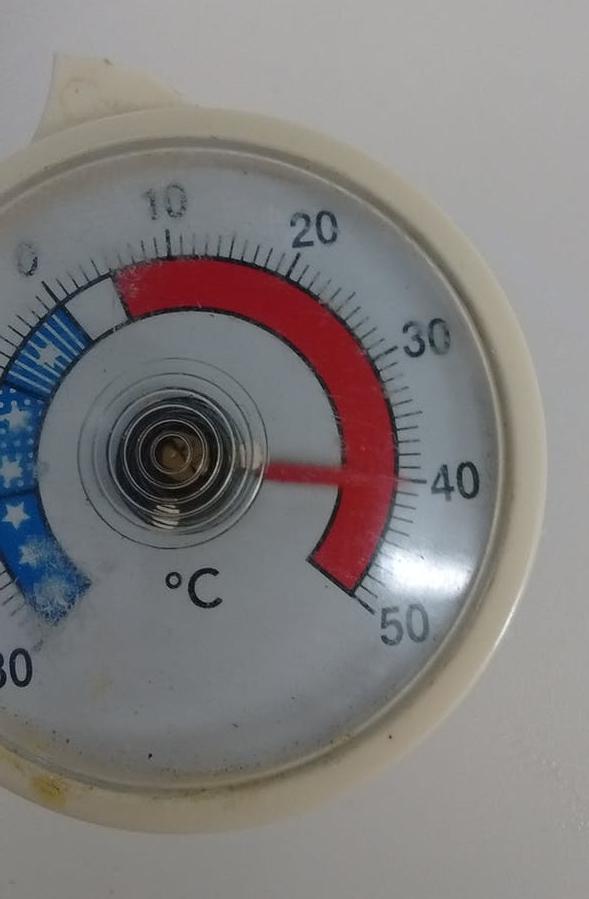
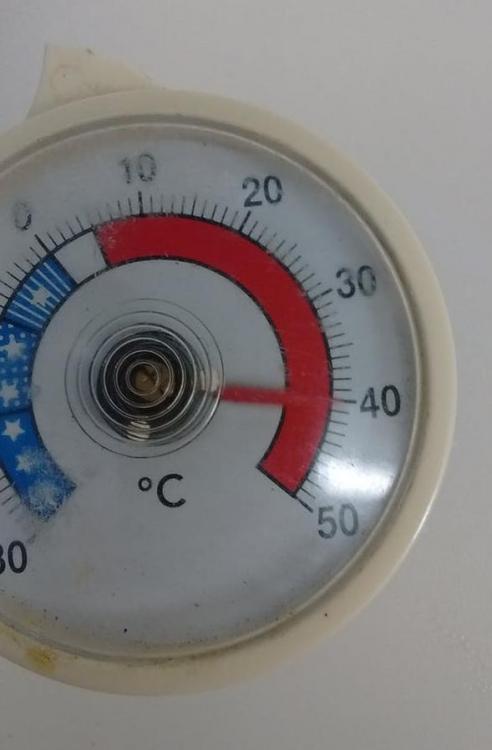
Took this last year, but not unusual at work. Bloody hot to be physically working in.
-
Current sea surface temperature at Penzance is 18.4°C That is both 20° too cold for swimming and 20° too North.
-
Right, 3 temperatures. Max outside temp so far today is 24.3°C at 13:08 to 13:22 Max house temp is 22°C at 13:33 to 14:40 (so may carry on a bit) Max window cill temperature is 25.3°C at 10:03. The windows were closed as I was out. Cloudy and a bit breezy here today.
-

PV Self-Comsumption Model for sizing system + battery.
SteamyTea replied to Dan F's topic in Photovoltaics (PV)
Needs to be checked out or we risk giving wrong answers. -
PV Self-Comsumption Model for sizing system + battery.
SteamyTea replied to Dan F's topic in Photovoltaics (PV)
Shame Would take 90% of the guesswork out of it. -
PV Self-Comsumption Model for sizing system + battery.
SteamyTea replied to Dan F's topic in Photovoltaics (PV)
Not exactly opposing, they can both apply. Don't think you can under MCS rules, they closed that loophole a few years back I think. It is the installed capacity of the modules that the DNO is concerned about. Worth checking though as things change. @Dan Feistdo you know your current usage pattern, that can help. As an example, I use about 1 kWh/day for my general use. All the rest, somewhere between 3 and 20 kWh/day is on E7. Those loads I could shift to PV/Storage if I wanted to. Failing that, use the Golden Ratio, 1.62 kW installed capacity to kWh storage. It is probably as valid as any. @JSHarris have you got, or can you dig out, daily data on how much you use and how much you export. The exports could be considered the optimal battery size needed. Then you can take away daily imports and see what is 'wasted'. -
Luxury
-
Perfect, I am off to squat in it.
-
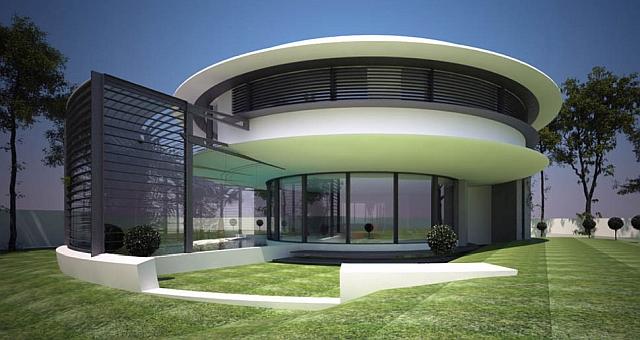
20 seconds googleing round contemporary houses images. I want one that looks like the Star Ship Enterprise
-
"No one ever lost their job by choosing IBM"
-
You can have radiators with and ASHP, they just need to have a larger surface area. Those days are gone, so no point even regretting it. Depending on where you are in the UK, the house orientation and your expected electrical usage, they can save you a lot more than £100/year. As Dave says, it is a key point to the design of a house. Ar you having MVHR fitted.
-
Any particular reason why you don't want to use this? As @ProDavesays, use both. If you design it in the from the start, the costs do not have to be prohibitive. A roof with an integrated PV system may be cheaper than a conventional roof, and it can help with limiting summer temperatures. An ASHP is best used with underfloor heating. This means that you should put in more floor insulation than building regs suggest. Building Regulations are only setting a minimum, not hard or that costly to improve on them.
-
The main thing is that the optimised modules are giving out about the same power. This shows that the system is working as well as it can.
-
Not really. Shading, in effect, turns a module into a resistor. I often wonder how shading impacts the longevity of modules, but a decent inverter should minimise that. Individual inverters on shaded modules is the best method.
-
Used to be called High Heavens, because of the smell I guess. Many a Saturday afternoon spent traipsing up there and watching the seagulls, about as far in land as they get. Shall being a few more up in next trip to see family. Down here, the local tips are staffed by pig ignorant tossers, except Helston. So that is where my rubbish goes. Having said that I always get a 'Deliverance ' moment when I go there and hear Duelling Banjos for the rest of the day.
-
Right, I must remember that just in case I feel the need to derail a topic. I wonder how hard it would be to make ones own extractor for a hob. Just a fan and an intake. Pipe work would need to run downhill all the way to get rid of water.
-
Did I miss the bit about ventilation/extraction for this hob. Tempted to get one, and the oven that came up with it.
-
Glastonbury
-
My Father was in the RAF 1939. He was sent to Buffalo for his initial training. They were looking for some volunteers, stupidly my Father put himself forward (was 18 and naive). They got him to take some pills and then monitored his performance over several hours. 3 days later my Father had still not slept. They had put him on amphetamine. There is not a lot to do in Buffalo at night.