markocosic
-
Posts
979 -
Joined
-
Last visited
-
Days Won
1
Everything posted by markocosic
-
Samsung ASHP Gen 3 issues E911 errors
markocosic replied to Mark Harrison's topic in Other Heating Systems
Figure out / draw the schematic first. Follow pipes or find the original installer / drawings etc. Then we can give wound advice free of charge. It sounds like a flowrate issue, possibly transient. I wouldn't be surprised if the UFH flowrate is high but the flowrate through the heat pump is low. I wouldn't be surprised if a filter on the heat pump primary is clogged; or the heat exchanger if there isn't a filter. There may be a buffer vessel built into that simplex "cylinder" - phot all the labels.of all your kit and Google the datasheets. As regards replacement: There is nothing exotic about heat pumps. Your own unit is likely fine. Worst case needs a heat exchanger flush. If you're running UFH at low temperatures there's les ls to be gained from a new unit (in efficiency) than there would be if you were running high temperatures into rads. A new boiler for £6k is a joke. Tell them to shove it. Ecodan units are a crock of poop. There's a reason they're marketed heavily rather than selling themselves and there's a reason they're used in social housing developments. Minimum flowrate on those unit in particular is enormous and unhelpful. -
Cleaning the heat exchanger is the most important one
-
Rate the pre plumbed cylinder install!
markocosic replied to jfb's topic in Boilers & Hot Water Tanks
Introducing a plate heat exchanger, especially an uncontrolled one, is going to screw the cop of the heat pump. How on earth is it all controlled and does it have any chance of working better than an immersion heater? Good workmanship is useless if the system design is a dog. -
@PhilTin -20C parts of the globe they also use 55C. These units can do this (55 at -20) which is partly why the high temperature feature exists. (a side effect of making normal temperatures work when it's cold out) You'd be mad to do it though courtesy of something called marginal cop. (at some point each extra kw of heat costs you more than 1ke of electricity, so at that point you stop increasing flow temperature and kick in an auxiliary heat source that is direct electric or better)
-
Just like the old is units...it doesn't have any load compensation. The controls are basic if we're being polite or not fit for purpose if we're not. It'll be ok if your house is well insulated and underfloor heated and can manage temperature on weather compensation alone. Else it doesn't work. The best advice they can give is to overcook the weather comp (set hotter than it needs to be) and install a thermostat to kick it on and off - poor man's load compensation if you will. As a consequence I doubt you'll see the stated performance in practice; save for pure weather compensation on underfloor systems. Nibe, Vaillant, et al if you're after great pumps with controls that understand wet heating systems. The asian brands only seem to do air to air well.
-
The Samsung unit is plenty decent. R32 is the past not the future for small self contained systems in Europe. The vast majority of Samsung's split air conditioner infrastructure will be R32 though which is why they have used it. The unit doesn't come with a pump inside. Only the plate heat exchanger. (and a heating pad on it to prevent freezing even without glycol as long as your electricity hasn't also tripped) Add your own pump indoors to suit your own system. Even if you only need 8 kW you probably want the 12 kW unit as it'll be more efficient when operated at part load. You can see Samsung using this trick themselves in the datasheet. (the capacity table for 8kW has a dent in it at the 7degC test temperature to force the unit into part load and bump the nameplate sCOP - cheeky buggers) 12 and 14 units appear identical except for software limits on output.
-
As above - tapered hole is the least of your concerns given the mismatch either side anyway
-
Food Waste Caddy built in to worktop - Smell?
markocosic replied to puntloos's topic in Kitchen Units & Worktops
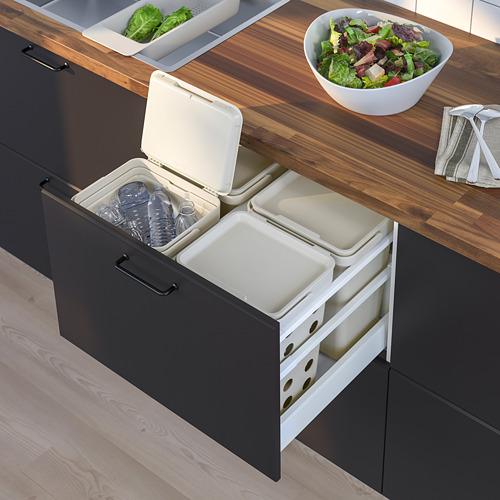
BIN DRAWER Not like this: But like this: With lids removed and 2x large size bins in a 600 wide drawer. Make mess. Open drawer with clean hand. Sweep off worktop into bin with dirty hand. Close drawer. Open drawer. Dunk teabag in bin. Close drawer. No missing. No splashing. Honestly life changing. It...doesn't smell if emptied weekly...unless you fill it with the kind of smoked fish that stinks the place up before it has a chance to rot. Smoked fish day = bin empty day. 🙂 We also have a waste disposal for goo. We started with only this but since getting putting the bings in a drawer and the tins on shelves under the sink a lot just goes in the bin these days. Try it by sticking a bowl in a drawer and filling that?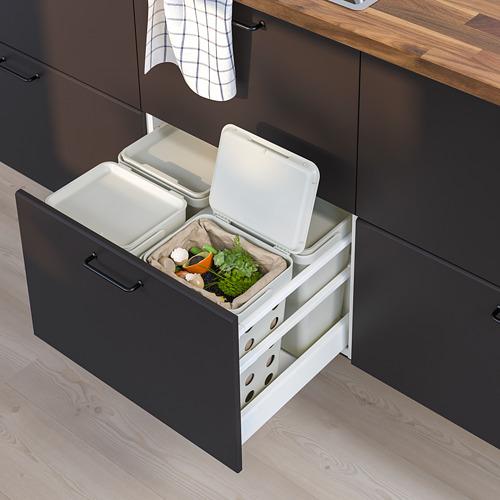
-
Integrated dishwasher? Custom made doors? Ask for a slightly bigger door to keep the gap to what you want it to be. Non integrated dishwasher? Meh. Won't notice.
-
flush mounting sinks, hobs - pros cons?
markocosic replied to puntloos's topic in Kitchen Units & Worktops
Aluminium tape or metal metal? -
Take out the newel post. Weld a length of pipe to the steel. Stay on fire watch for a couple of hours. Drill the bottom of the newel post. Slip it over the steel pipe. Avoids fudging everything apart again?
-
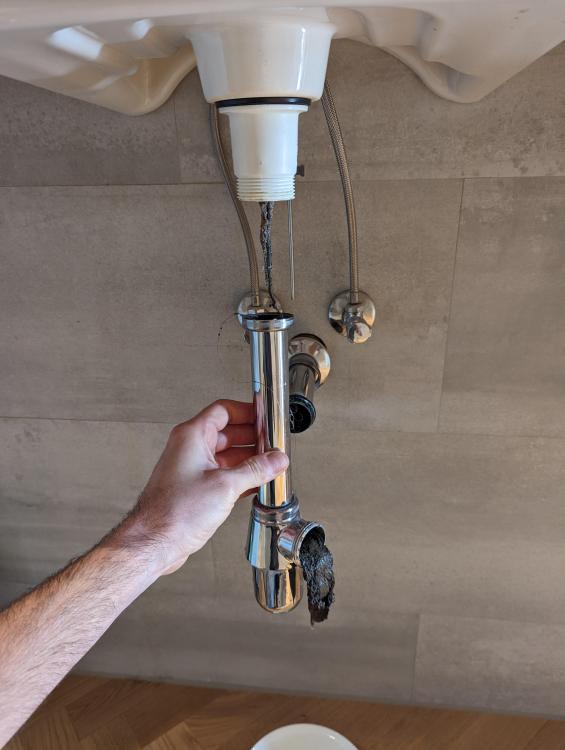
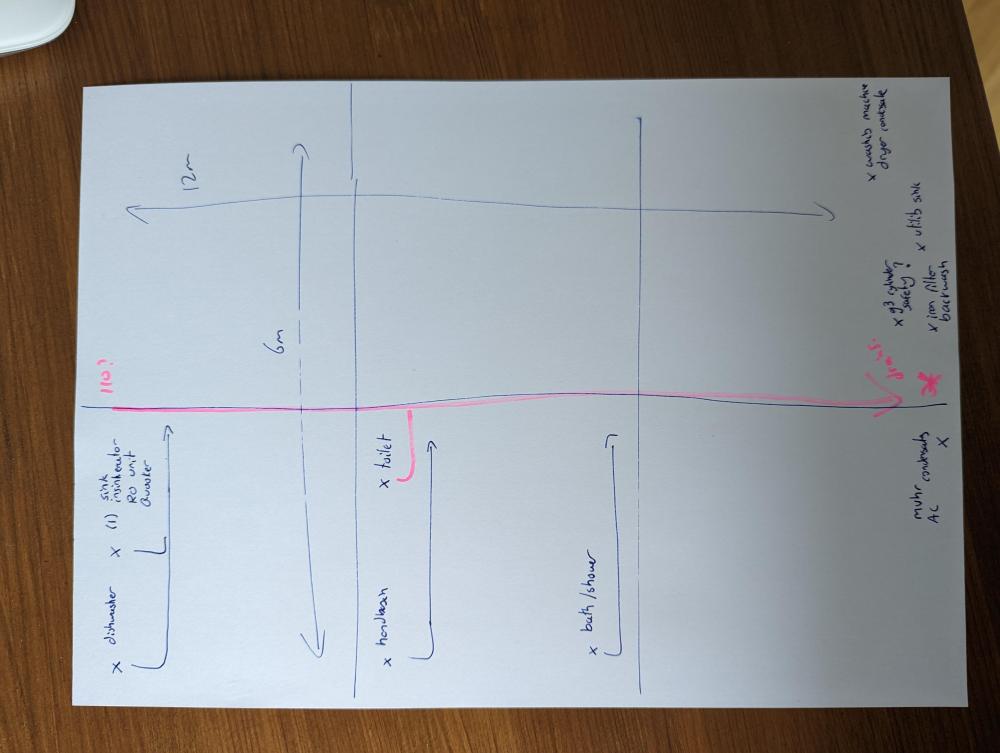
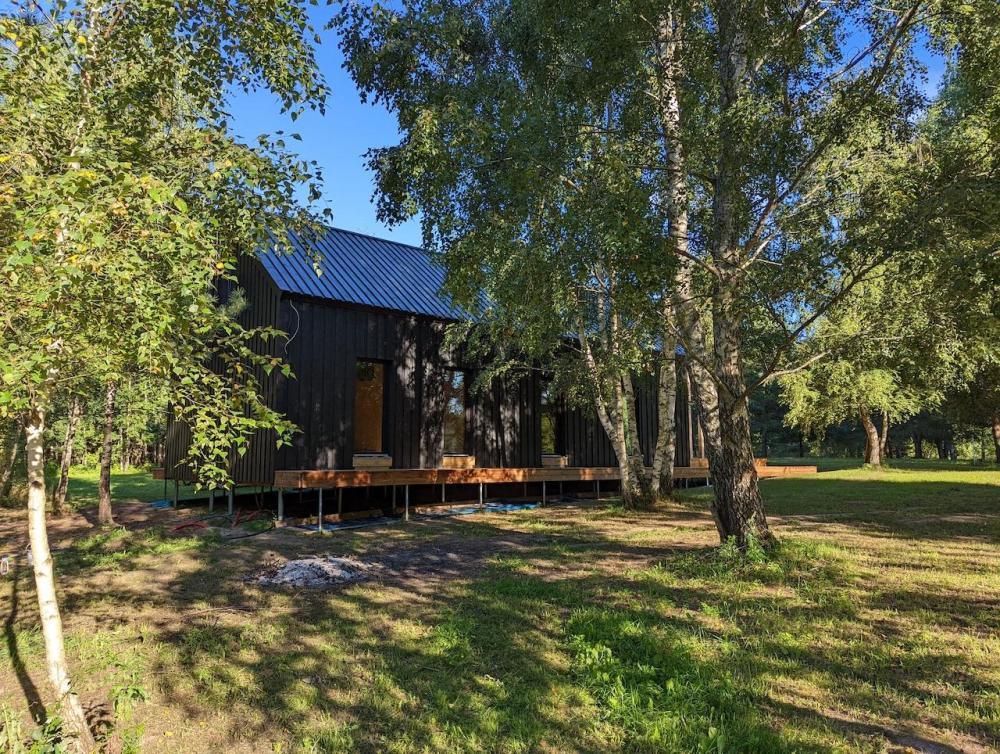
How should it be done? (I've been bitten by waste plumbing in the past...buy the house then find pipes are too small with not enough fall, adapters that seem designed to cause blockages, and fittings that seem to have been made for form over function...if there's even a fitting) Above ground waste runs There's no waste plumbing in the house yet. It's single storey for plumbing purposes and sits well above the ground on screws. I'd like all wastes to go down through the floor and into the crawlspace. We can run pretty much any size and fall. Should the worst happen it's all accessible. Have I missed something and this is absolutely daft or do we think it's ok? The sensible place to put the services (between kitchen and bathroom) was vetoed. Happy wife happy life etc. This leaves us with a 12 metre run from the kitchen to where our underground drains begin. The list of things feeding it are: (kitchen) Dishwasher (assume worst case and it's on the opposite site of a galley to the kitchen sink) Kitchen sink with waste disposal (bathroom) Handbasin (note: hair) Toilet (3/6 litre flush) Bathtub with shower over it (note: hair) (utility / craft room) Washing machine and tumble dryer condensate Utility sink Water filter (iron / birm) backwash (note: 30 litres/minute) Q Would it be daft to run a 110 mm "main" from one end of the house to the other? (even where it's just the kitchen feeding into it) Logic being that's going to be difficult to clog and if there's an access at the ends the lot is easily cleaned should it clog. Q Would it be better to drop from the kitchen in (for arguments sake) 50 mm then tee into the 110 mm pipe using 50 mm; or would it be better to drop vertically from the kitchen in (for arguments sake) 40 mm (insinkerator outlet size) into a 110 mm stub waste that then runs into the 110 mm main? Logic for the latter being that it exists vertically then doe any turning that could conceivably get clogged in 110 mm. Cost difference is pennies in the grand scheme of things and space is not at a premium. Things not fed to waste Things definitely not feeding it are: Space heating circuit overflow/maintenance discharge Ground loop overflow/maintenance discharge (because glycol filled - they're being filled by manual bucket / gravity header tank with the discharge into a large bucket for recycling should they ever need to be drained) Glycol even on the indoor part because with heat off that would well freeze and busting the heat exchangers in the heat pump would be sad. Things I'm on the fence about are: RO unit for drinking water Quooker tundish MVHR and A/C condensate drains I'm on the fence about these due to freezing risk. (-10C in winter standard; -20C not uncommon; its a holiday house) In theory there'll be a "switch most stuff off" switch to kill the Quooker and the RO unit. Chance this and run it into the drain? Or...just drop it on the ground? (no trap) The MVHR will be left on a setback to control humidity / smell though. Run the output into a syphon then into the drain? Or...just drop it on the ground? (no trap) Unvented cylinder safety discharge The cylinder built into the heat pump is ridiculous. Stainless, 10 bar working pressure, 9 bar 95 degC temperature/pressure discharge. I think drop this straight on the ground with no trap too. That's never going to lift except when being tested. (borehole pump couldn't lift it even on dead head) Sink / bath traps - catch hair or don't catch hair? The wife has hair. It's pretty but it crates new life forms when it meets soap. It's always my job to evict them. Do I want to trap this before it heads to the little sewage treatment plant or do I want to encourage it to head there without ever clogging the trap? Depending on the above which plug holes/traps do the best/worst job at trapping hair? This one is bloody fantastic at trapping it much to my annoyance. I'm hoping that the answer is don't trap it and type XYZ trap is better at not trapping it. 🙂
-
What stage did you find the hardest?
markocosic replied to BadgerBadger's topic in General Self Build & DIY Discussion
Being honest about what you're wanting and going to spend. I'd like it to be great; compromise on decent I'd like to plan things; then start; else we do things 10 times I've fixed lots myself (fixing up houses) She wants to do it on the cheap; compromises on decent She wants to start; then work it out later; else we never start She's had other people fix lots on her behalf (renovating apartments) Had we had the capacity to be honest with each other at the outset we could have avoided doing lots of things twice. Reality is sometimes you need to make the mistakes before you can see why they're mistakes / admit that they're mistakes. Drawing the line on which mistakes you're going to redo and which you're going to live with is probably the most difficult! That and having your life timetable dictated by the weather in which to prep/prime/paint/fit cladding that you've committed to doing the hard way in defiance of all logic and reason. She learned though. Interior woodwork is coming prefinished. 😉 -
It's ethylene glycol that big a deal @Gus Potter? It's fairly acutely toxic to critters; but breaks down quickly in the environment, no? It goes in everything out here. Even the regular heating circuit. Not wanting it to freeze if the heating breaks down in midwinter. 😮 Mixing it with water already in pipes is tricky. You get slugs of glycol and slugs of water running around the pipes unmixed except at the boundaries. blasting or with compressed air probably easier that properly mixing in glycol anyway!
-
Air barrier / vapour retarder goes on the inside in a heading dominated climate. Make the service void 45 or even mm and fill it with insulation if you're worried about "needing" to penetrate it. Plenty of space for cables and pipes that way. Really shouldn't need that much space though. That build is probably just badly thought through and badly supervised if the sparks and plumbers are needing to penetrate the vcl for admitting other than outside light fixtures.
-
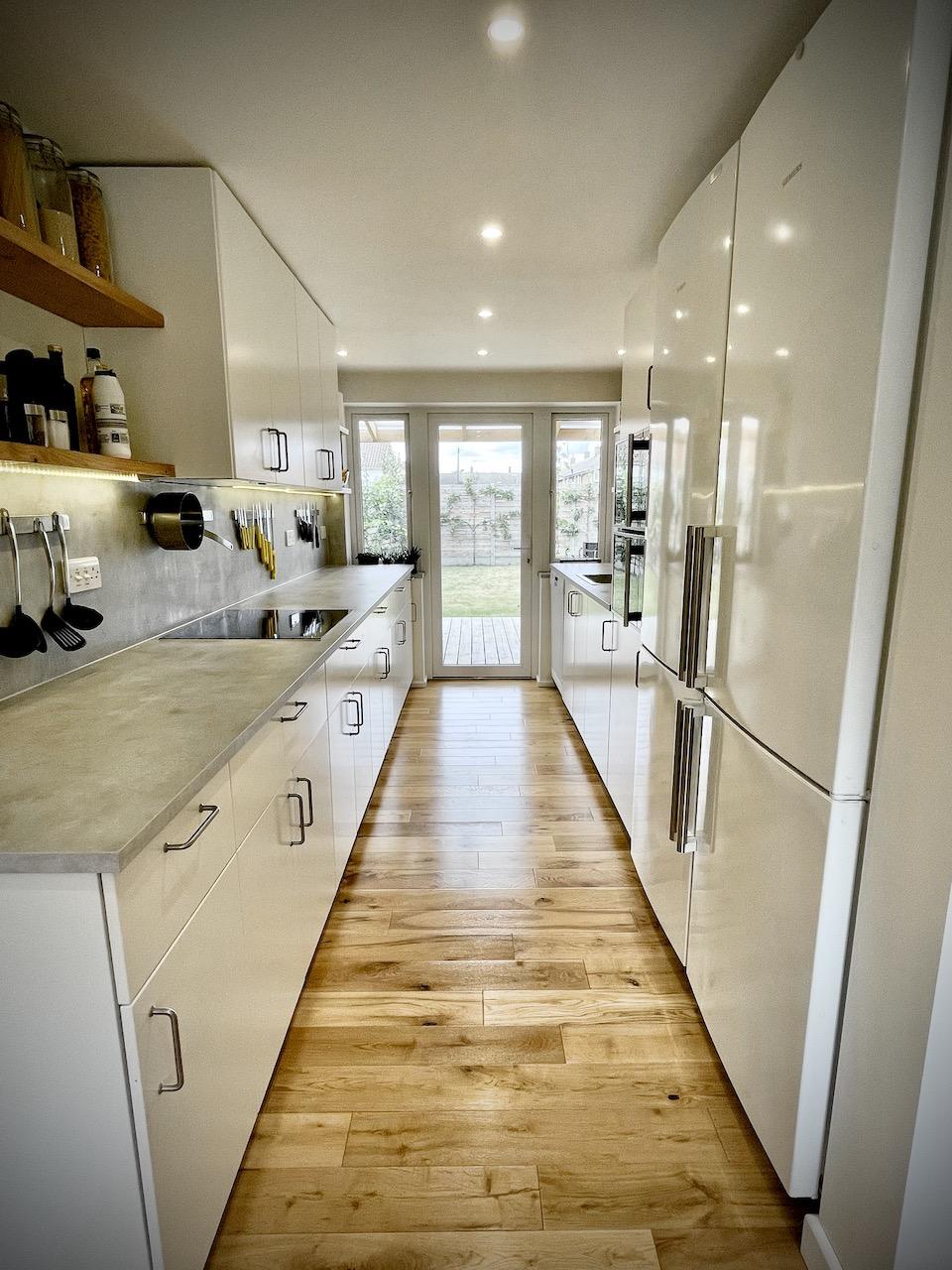
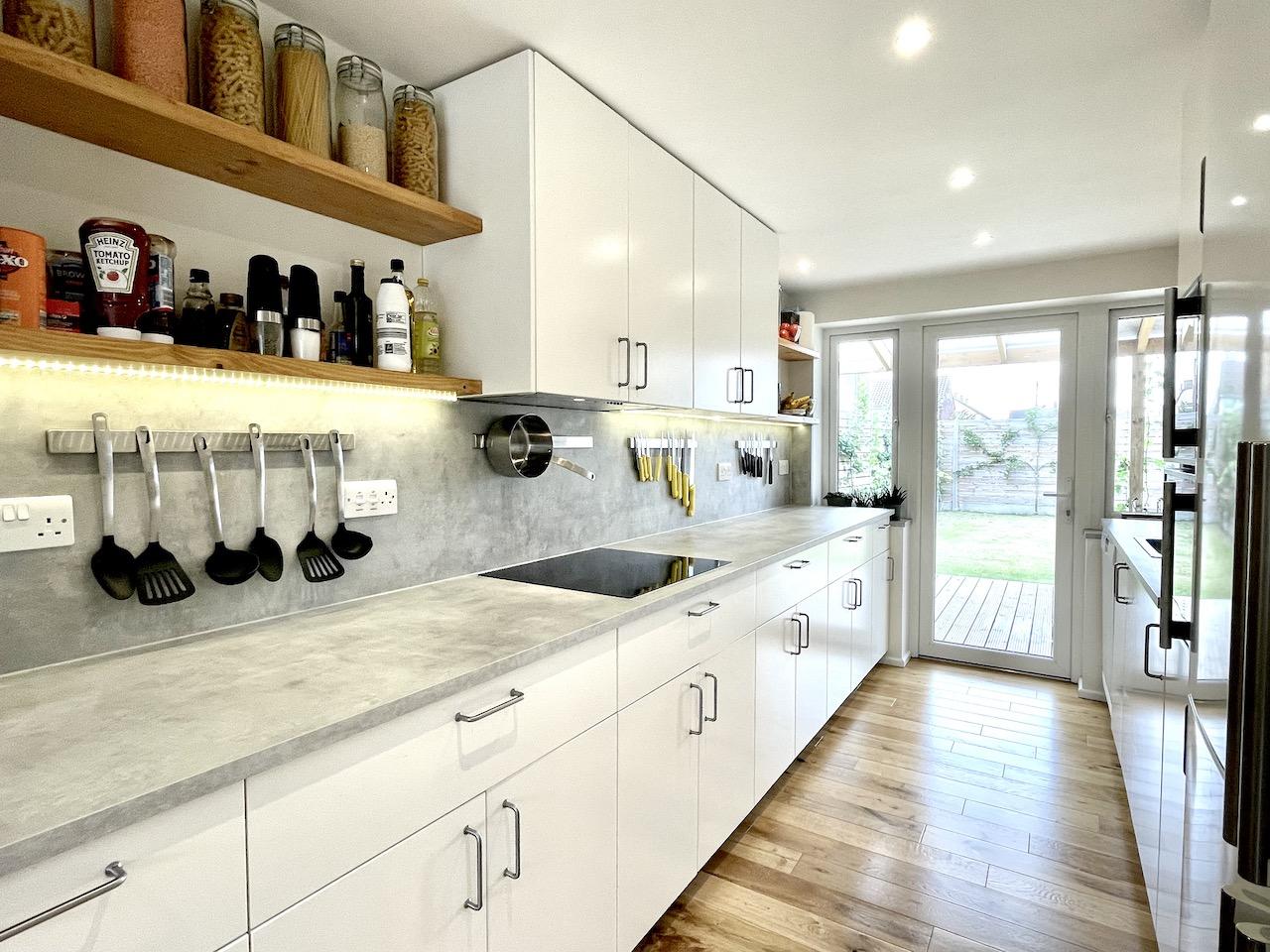
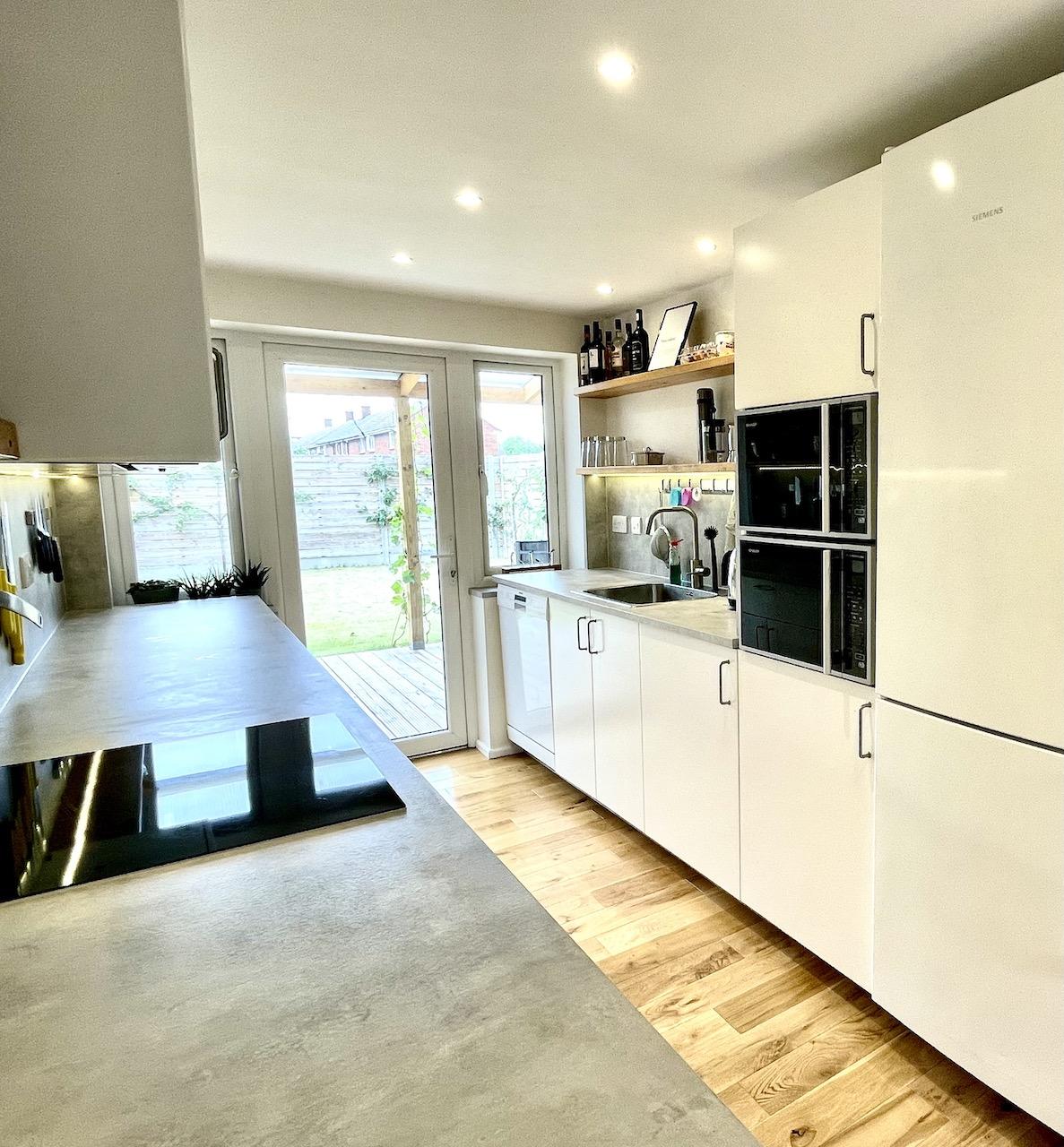
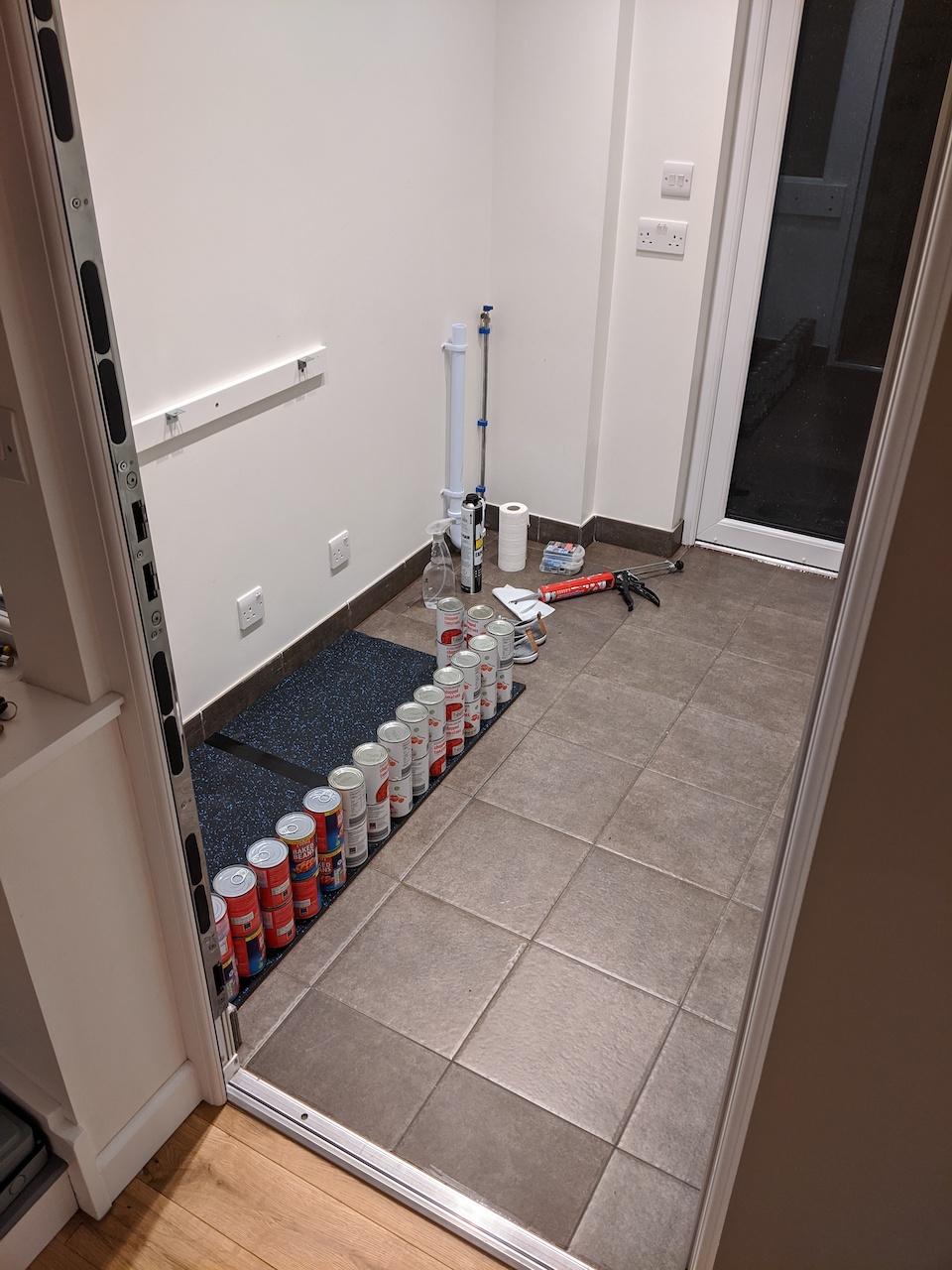
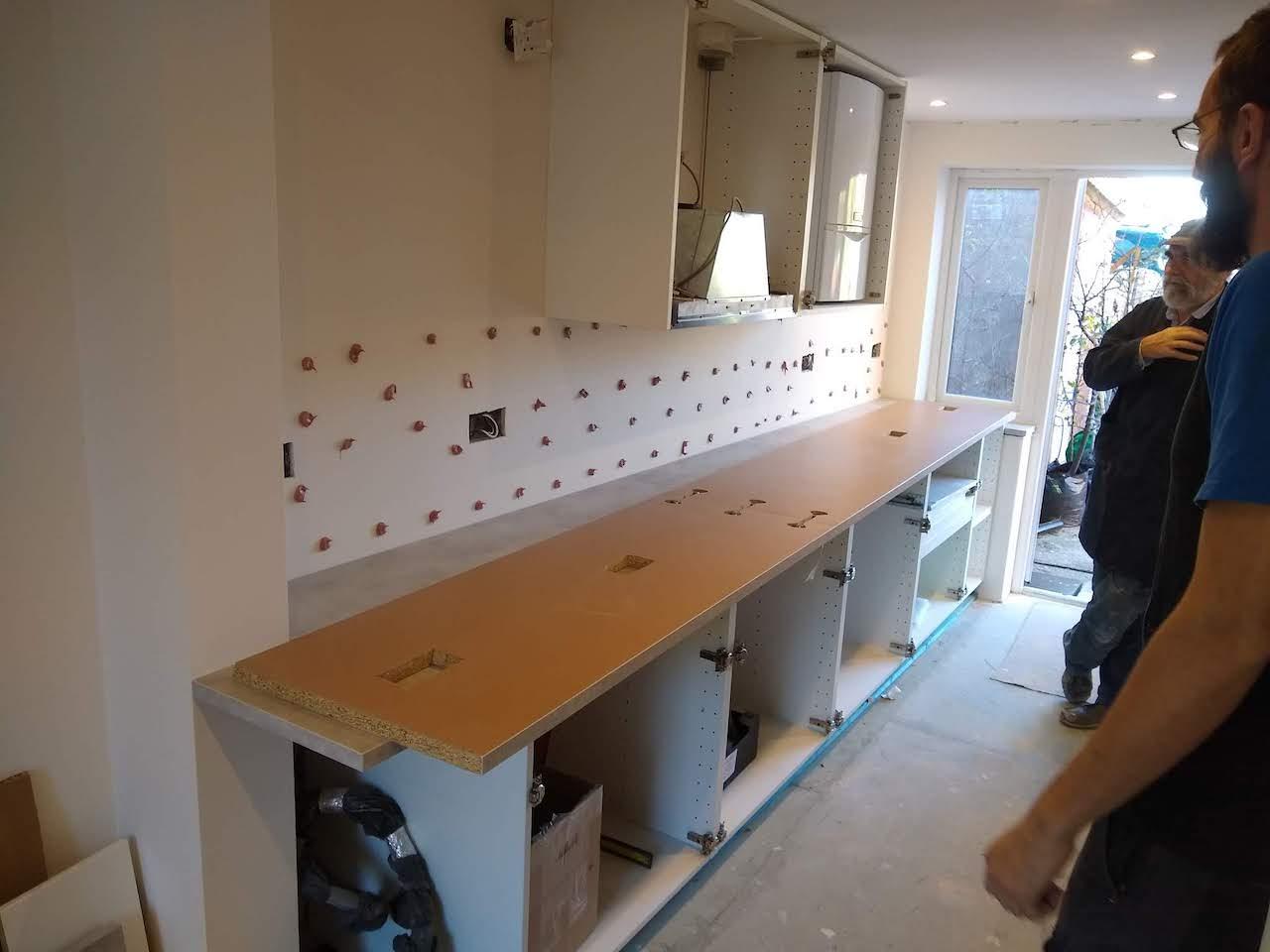
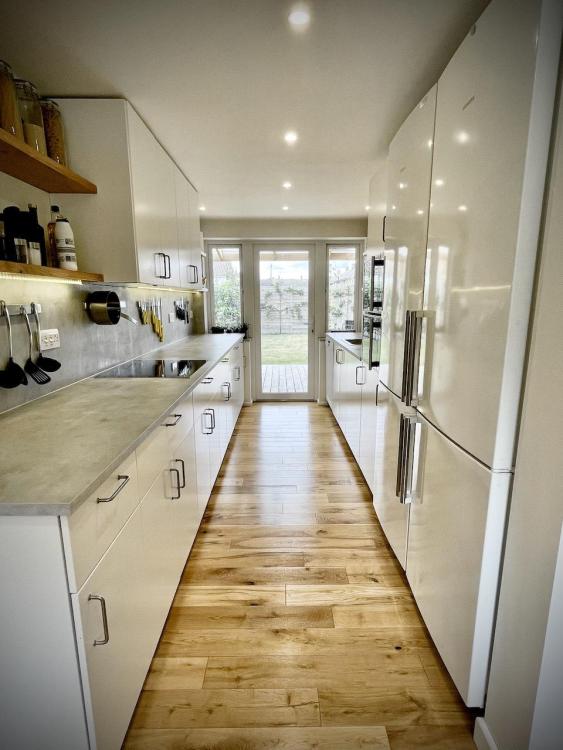
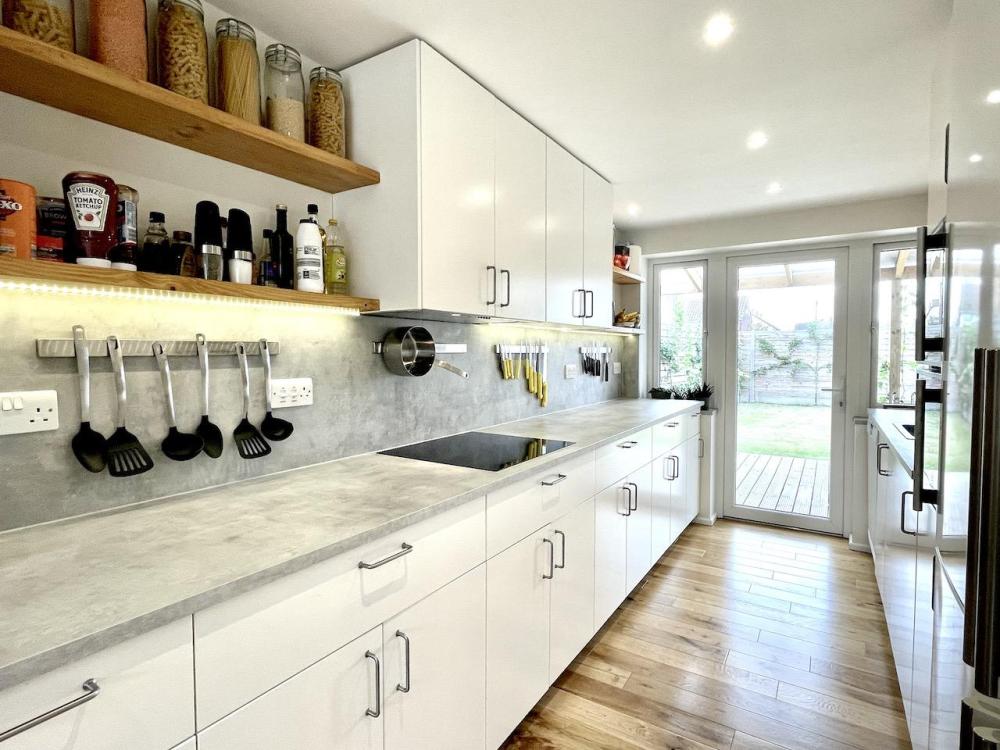
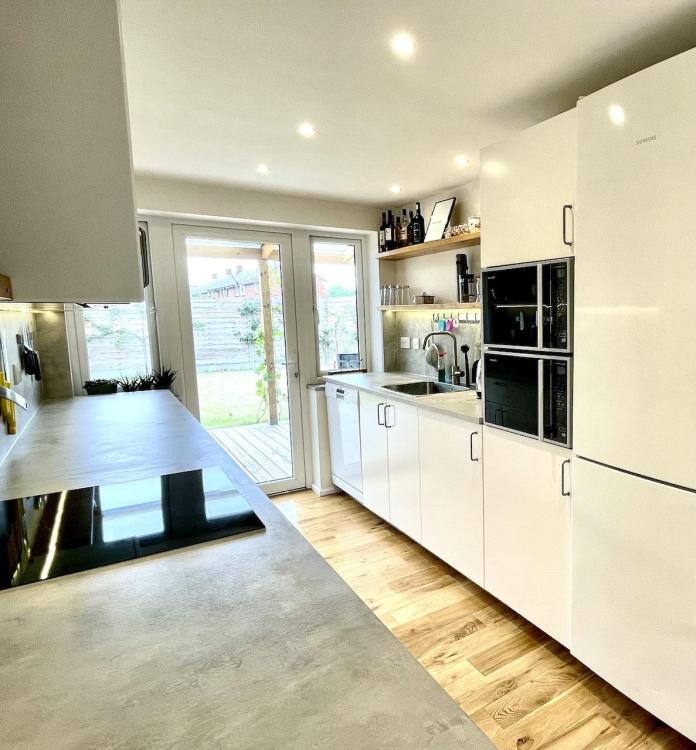
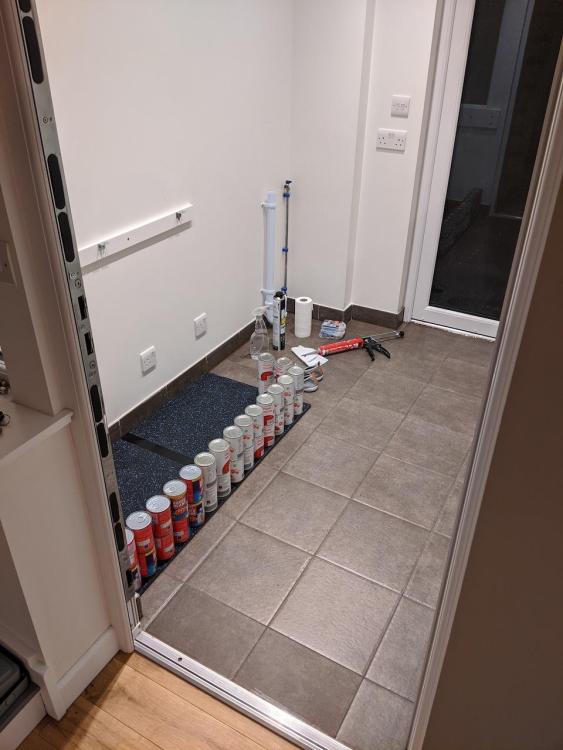
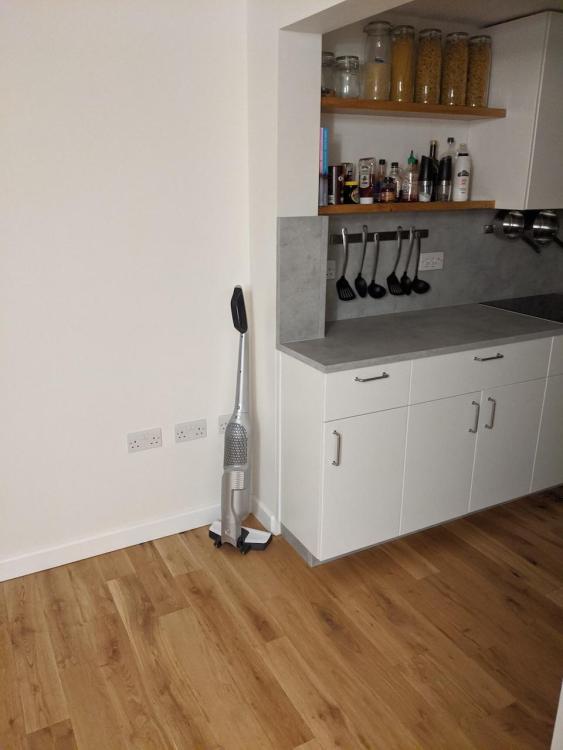
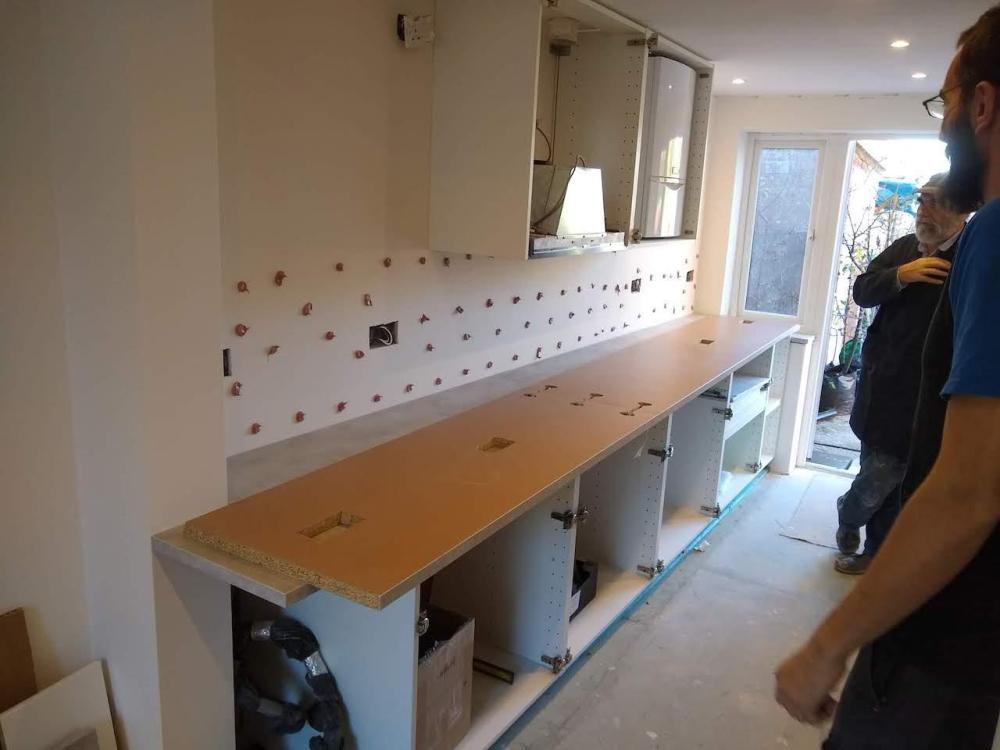
FWIW: IKEA units have a smaller plinth than most on the market. This makes the units the *same height* as most freestanding appliances once you remove the OEM feet so you can sit them on plinths the same eight as the units and the top of the dishwasher fits the bottom of the worktop and the top of the tall fridge/freezers fits the top of the tall oven units etc. Plinth can be tall as you like then. So. Much. Nicer. Lifting. A. Dishwasher. (reduction in bending from lifting these up is fab) We built timber frames behind the plinth to the desired height; then used plastic packers to fit the dishwasher (most noise is from water splashing inside so it's ok for it to be rigid mounted) hard up against the worktop; and plastic packers plus some brackets at the top to the wall to hold the fridge freezers. (2x; one for me; one for lodger; as house is shared to pay for it). I fudged up window heights (measured glass not frame) so you can see the sills are lower than the worktops. Oops but actually if it gets your worktop where you want it then worth it. Wouldn't use pacing slabs. They'll move more than a piece of timber screwed to the floor. Set it back and you can't see it / it makes the floor look bigger in a small space. I used worktop offcuts (all with sealed edges to the floor and cut edges to the top) and sealed them to the floor with a bead of grey silicone to stop the "ffs who spilled milk on the floor under the kitchen units" issue. Or mopping if you were daft enough to do that on wood. (hold up ok actually when varnished to heck) Offcuts came from the "splashback" that was made for the same worktop because I lack as much imagination as a do the patience for tiling. Router once. Jiggly saw the sockets. Bog it on with no more nails and hide the edge with shelves. Could even rebate it for pipework if you needed to. Similar thought process for washing machine / tumble dryer when it comes to sealing to the floor. Set them on a hard closed cell foam pad sillyconed to the floor. Now you can rinse down the floor without rinsing all the spilt milk under the appliances. IKEA UNDERWERK extractor hides nicely but is lousy. Would not recommend. Gas man sucks teeth but if the top / bottom panels of the cupboard clip out actually it's ok to work on. (mostly front serviced those old 824 combis) Drawer bins (sweep straight off worktop into a bin) and shelves under the sink for tins etc another suggestion. Put bins in a 40 cm deep drawer at the top. IKEA do ok ones. Again less bending or splashing gunk inside a cupboard from it falling from great height.
-
flush mounting sinks, hobs - pros cons?
markocosic replied to puntloos's topic in Kitchen Units & Worktops
I did this once with a vanilla induction hob. Router. Patience. Black silicone. Worked well. I didn't do it the second time around because we jointed the [28 mm thick] worktop in the middle of the hob and there wasn't enough "meat" left in my eyes to rebate it. I'll be doing it again with an eBay Bora hob (bought cheap because broken glass) in the cabin kitchen because I cook like a fiver year old and have no patience for cleaning corners. This kind of look: Fresh glass ~€300 on those even if you do fudge it up. Otherwise black router black silicon and patience. Don't put silicone under the hob. use the foam strip for that. Else you won't be able to knife it out again. Get it DEAD flush or slightly below. If you smack an edge you'll break it. Don't use kitchen implements that are about as hard as the glass. (stone spice mushers; rolling pins etc) If you hit it with even the tiniest piece that's hard you'll bust it like a spark plug chipping through a car window.
-
Agree with shoving the car out of the way of the window @Radian style. I'd make the driveway full width (between planters) and have the steps/slop run left/right immediately in front of the house. Steps to left to front door / slope to right for bins and bikes. Or indeed parking for two cars when visitors / valuing for mortgage purposes etc.
-
You're right. Spend the faffing time working and the money on a door. It's difficult being tight though. Even more being tight and wrong. 😄 Some shed, sauna, or outbuilding is going to get a nice window I guess!
-
Roof Trusses higher on one side by 20mm (not level)
markocosic replied to connick159's topic in Roofing, Tiling & Slating
You don't cut tapers; you pack them where they need to be fatter @Temp -
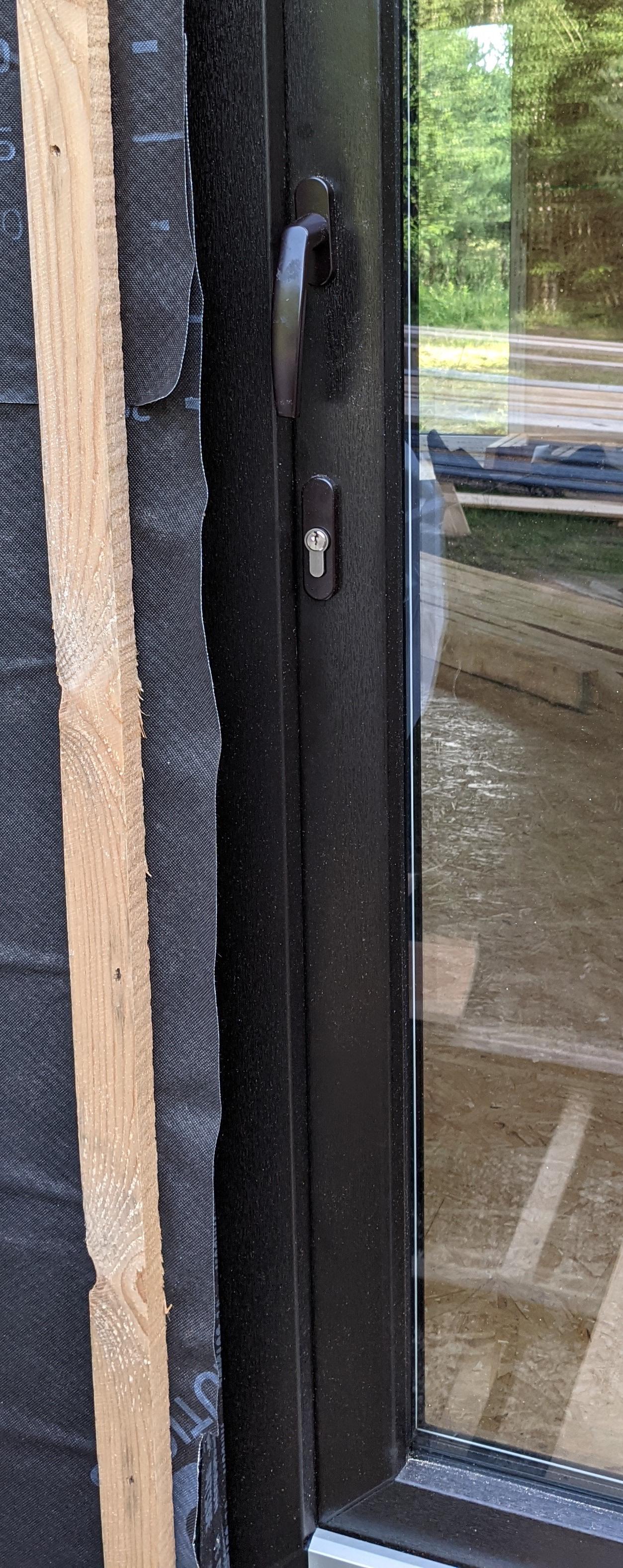
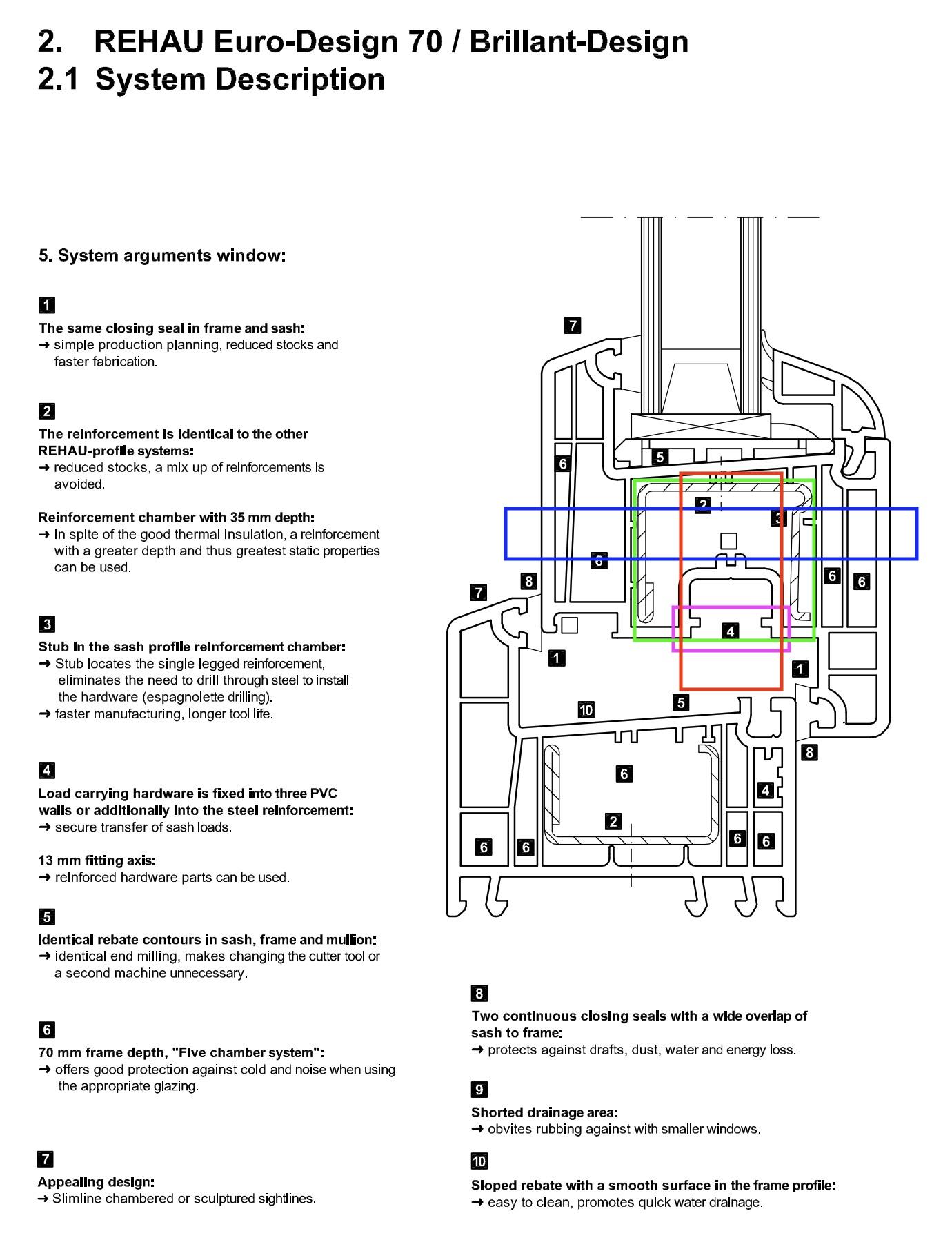
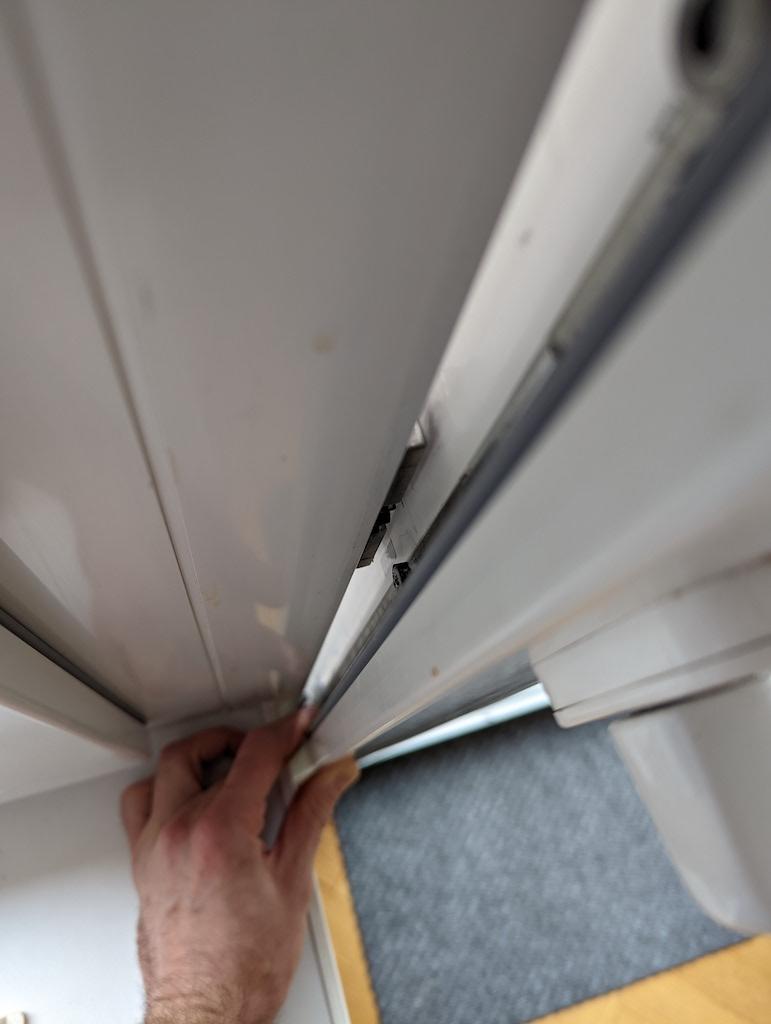
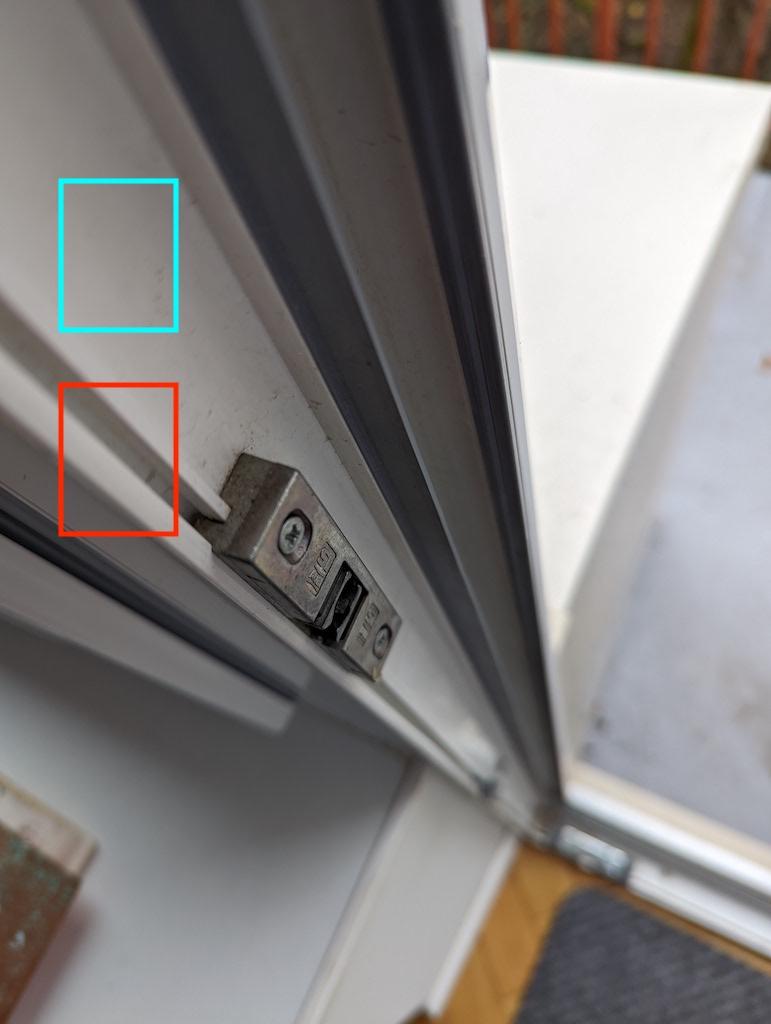
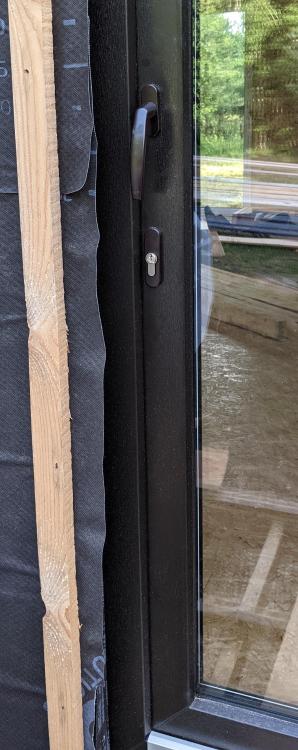
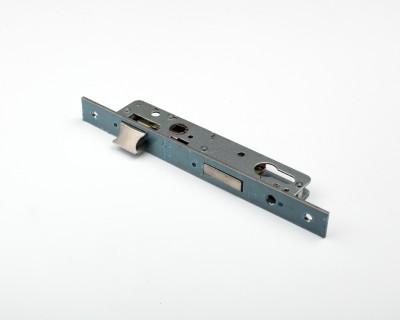
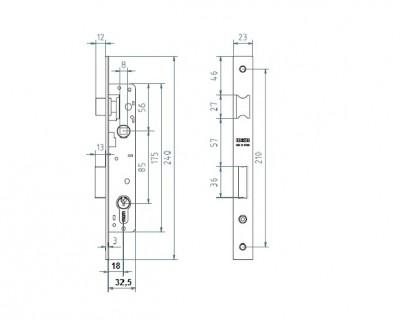
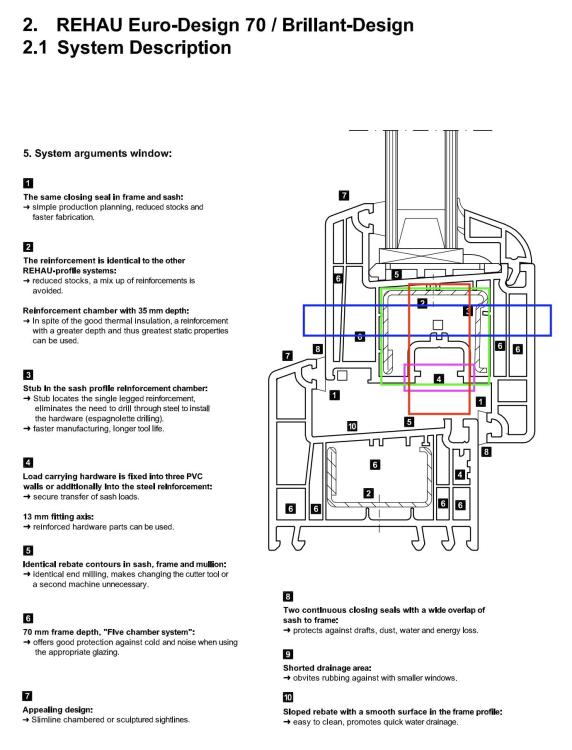
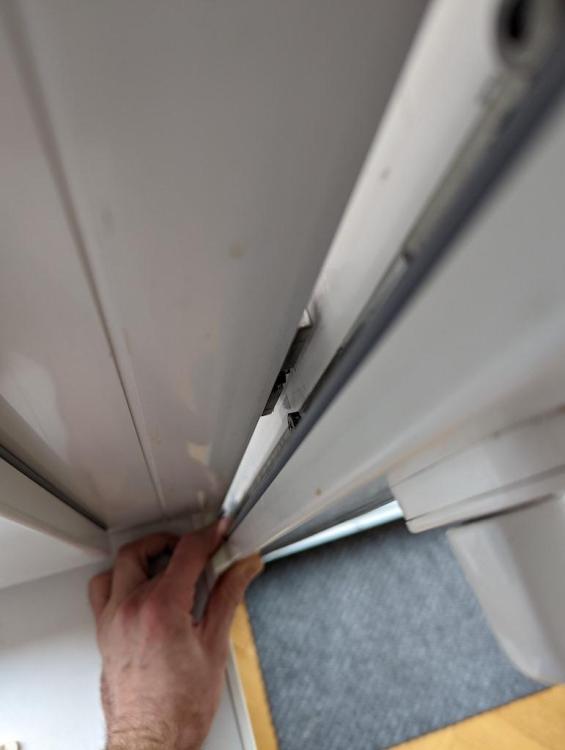
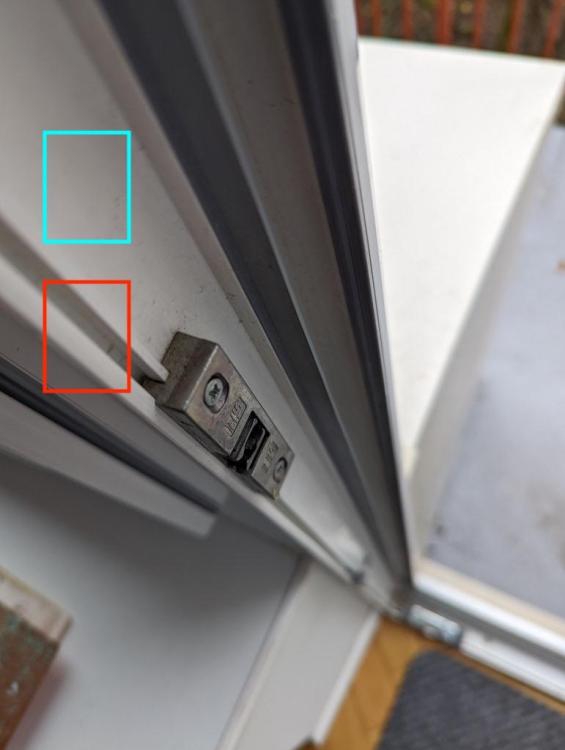
We have "windows" that are inward opening tilt/turn and 90 x 210 cm in size using Rehau Euro 70 profiles. These weren't ordered by me and I didn't realise that the window shop had specced "tilt/turn windows" instead of "side hung fully glazed doors" until they arrived. I would like to convert one from the "tilt turn mechanism" (handle down = locked, handle 90 degrees = turn/side hinge, handle up = tilt/bottom hinge) to "normal door' to make it less confusing for visitors using it as an entry door. (handle 90 degrees = closed, handle down = turn/side hinge) This is the profile and the current outside handle / lock arrangement. Highlighted in green is where a mechanism can fit. Highlighted in blue is where the current handle bar / euro cylinder are fitted. These offer fairly token security. (they half heartedly stop the slide bar moving up and down) Highlighted in pink is what I think is called a "eurogroove" for all the mechanism gubbins: I cannot find a "lift lever" mechanism like a "normal UPVC door" where there's a little sprung door bolt (pull down down to release) plus cams/hooks/pegs that engage when you lift the handle and a lock to prevent the handle from moving again...that will fit a shallow rebate such as this one. Closest I have found that it plausible to fit in that rebate is this but it isn't a multi-lock and I think we really need the cams on these upvc frames. https://spynupasaulis.lt/en/katalogas/locks/for-plastic-and-aluminum-doors/lock-mcm-1650-21/ There's a bit more space between the sash and the frame that could be used (i.e. lock could stick out a bit / not be flush with the frame) I've highlighted that in red in the section view above. You could even nibble a bit out of the outside frame if you had to (highlighted in red below) and rebate the keep elements in the blue bit; though that feels like a lot of bodging at this point. Frame below isn't quite the same profile but the edge / lock detail is the same) Questions for experts... 1) Is there such a thing as a "lift lever" mechanism like a "normal upvc door" that has a slider rack and would engage the cams if you lifted it upwards, disengage the cams if you pulled it downward, AND spring back to a horizontal neutral position? It would want to have a euro cylinder lock but doesn't necessarily need a door bolt (I assume this is the thing that takes up too much depth) 2) Is there such a thing as a "euro cylinder cam driver" that has a slider rack and lets you move those cams by turning a key in a euro cylinder one way or the other - without a handle? I could pair this with either the spring catch or a regular handle and sprung bolt like the shallow one listed above 3) Is there a magic multipoint lock cam driver thing with a normal handle and a normal lock with a super low backset that might fit a frame where the rebate is 25 mm deep in total? https://www.lockshopdirect.co.uk/multipoint-lock-measurement-guide/#:~:text=The Backset is measured from,the euro hole cut out. Don't really want to replace the door at this point. Might have to but that still doesn't solve the french window which is also the bloody same lost in translation mis ordered fitted in a hurry and regretted afterwards affair. (Price for these was €276 apiece including Uw=0.6 warm edge soft coated triple glaze in tilt turn. Won't find that again.)
-
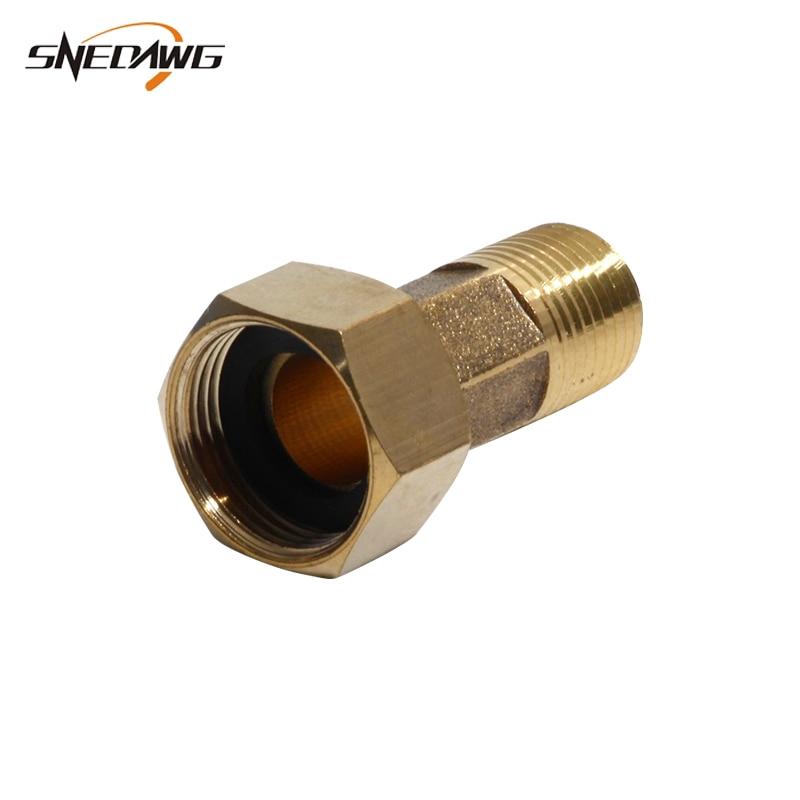
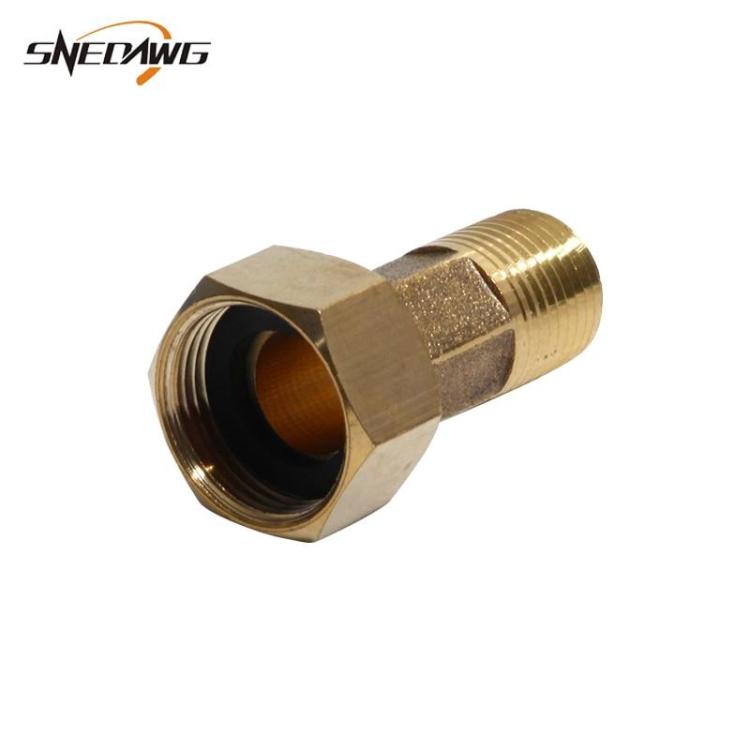
Are there hoses the right size? You usually use union nuts withmale bspt thread one side and a flat face female bspp the other for meters etc. e.g. R1" male bspt to go into 1" female taper in heat pump; and then the other side of that union coupling is a G1 1/4" female flat face to suit the hose which is fatter than the equivalent copper for the same internal diameter.
-
Rainwater drain infiltration pipe?
markocosic replied to markocosic's topic in Rainwater, Guttering & SuDS
I think so, yes, such that the ground is damp around the pipes rather than dry. (limiting factor on what can be taken from them) Possibly warm water greywater instead, such that the heat pinched from the ground for hot water is returned to the ground. -
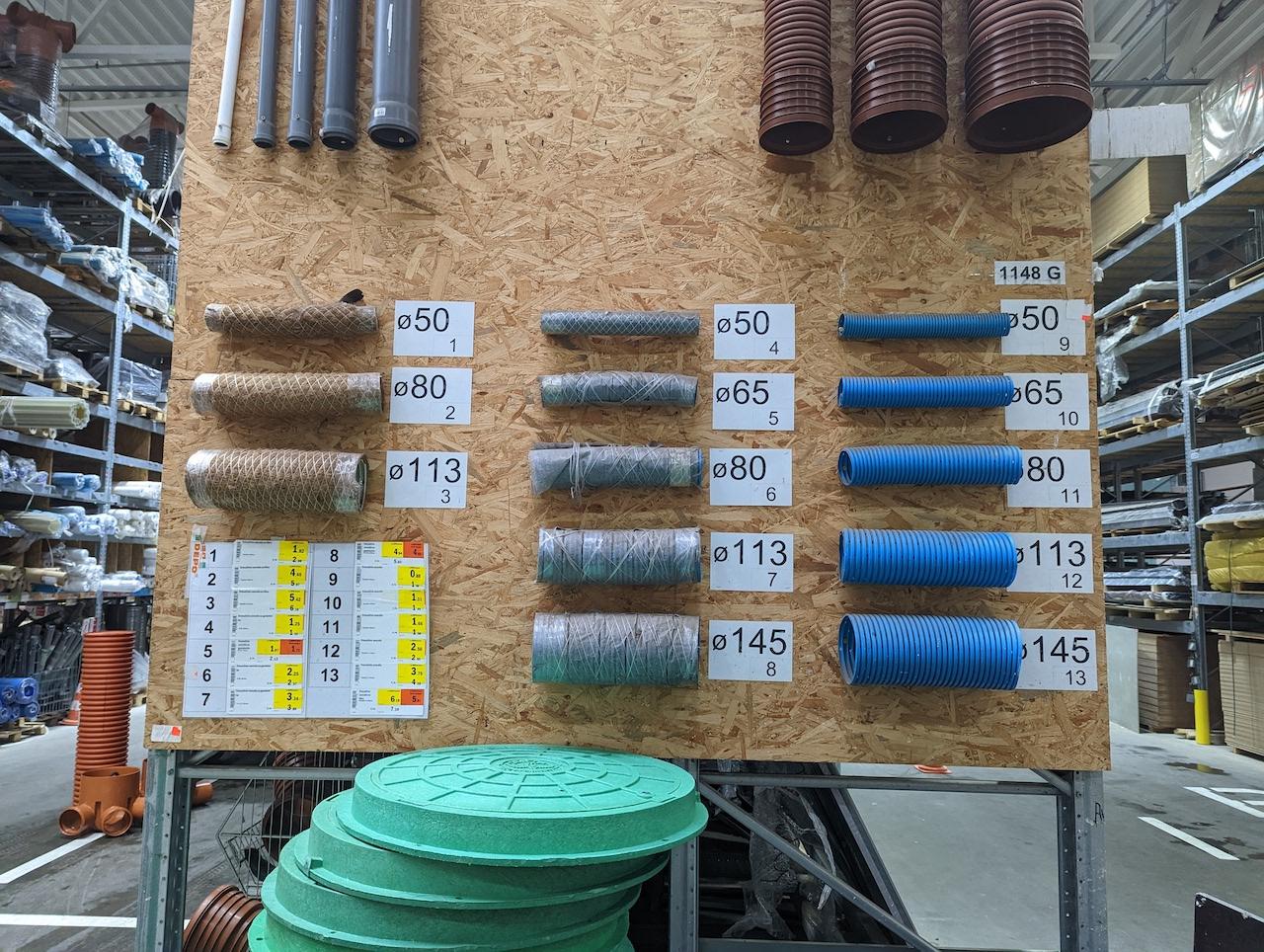
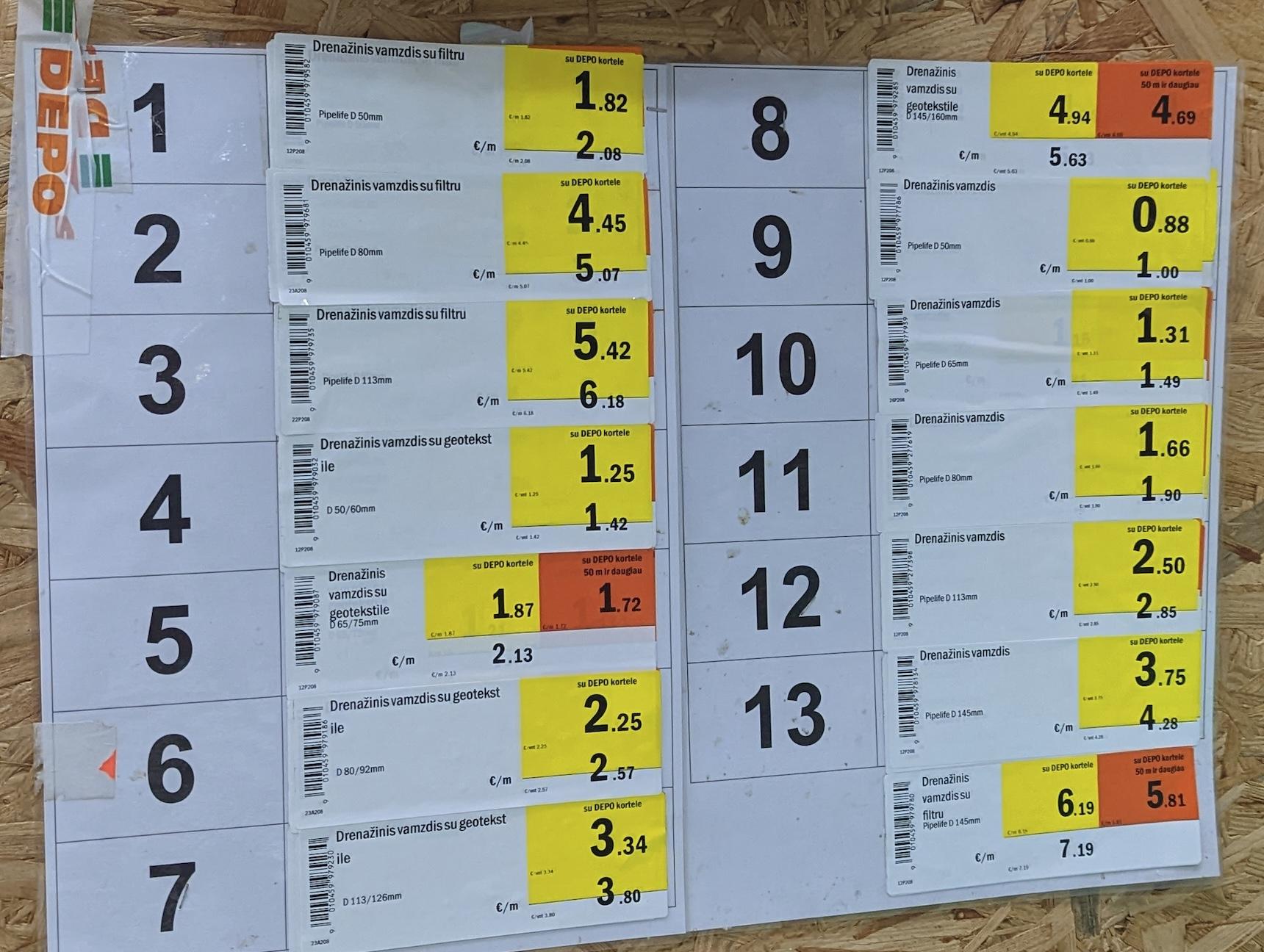
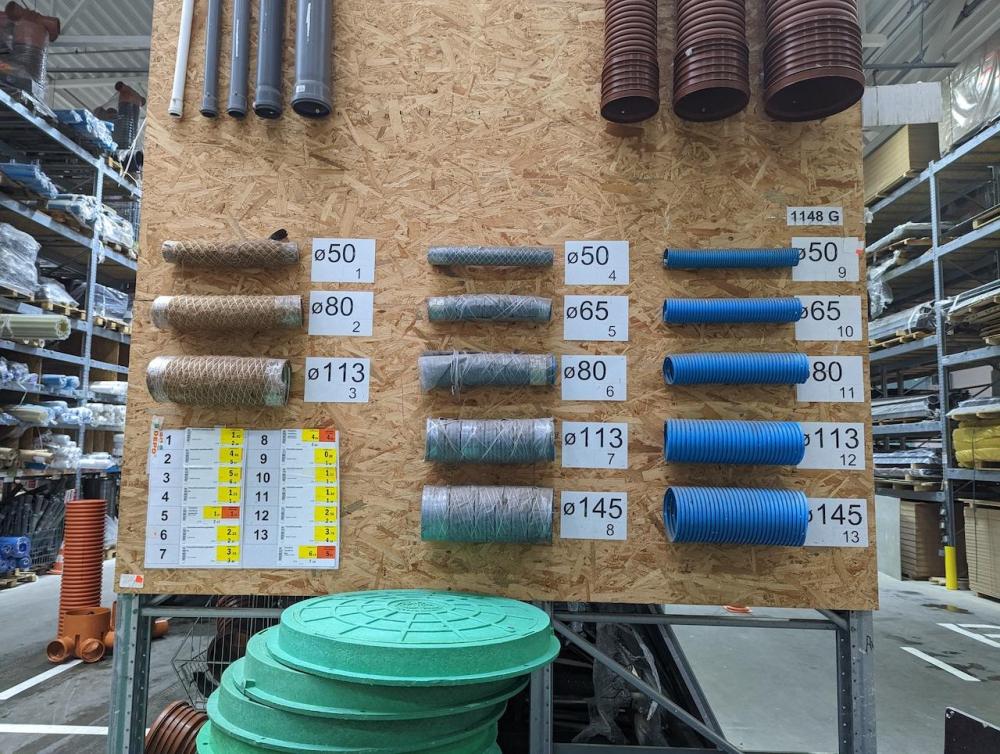
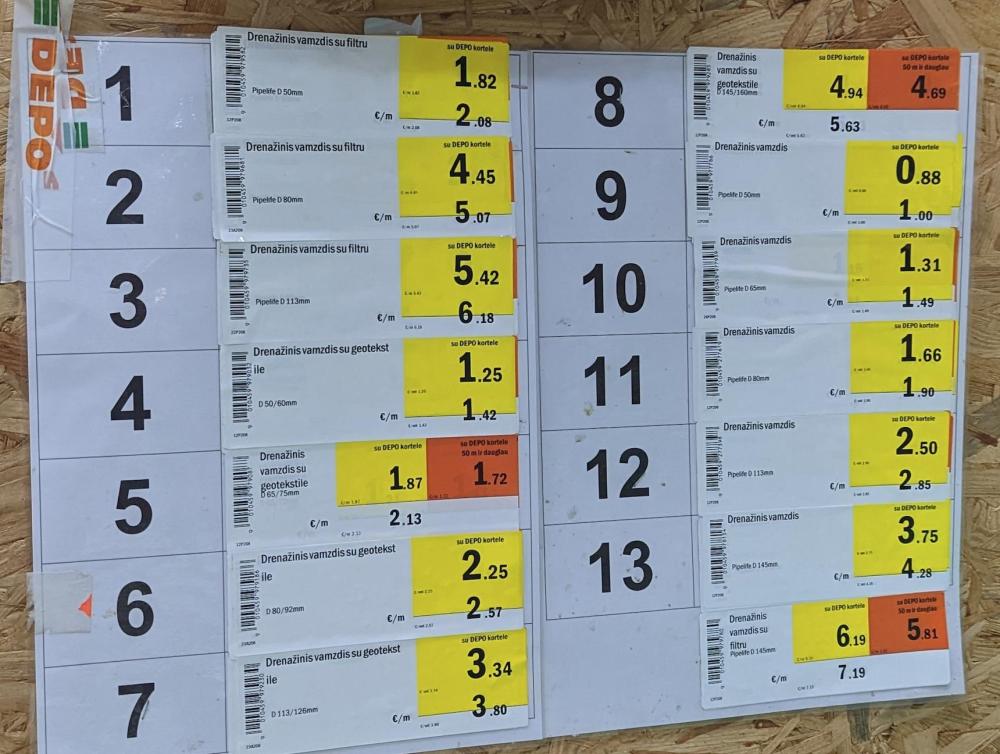
I would like to drain rainwater away from the house. I would like to drain it into an infiltration pipe above the ground source heat pump pipes. There will be two trenches, each 50 metres long, and each fed by a section of roof that's approx 60 square metres in plan view. (not much) There is perhaps a 6 metre drop in ground level over the 50 metre length. Soil is sand / clay. (drains pretty well once below the clay topsoil layer) Heat pump pipes will be from 1.5 to 2.5 metres down. Excavation 1 will be about metre wide. What kind of pipe / size of pipe wold you use here? Easy options are corrugated pipe with slots; corrugated pipe with slots and a membrane; corrugated pipe with slots and a layer of fibres. 6x price difference lowest to highest. I would potentially like to divert greywater (shower / bath water) into this too if there is a period without rain and the soil around the ground loop were to dries out. Does that change the answer? Thanks!
-
How to control an Ecodan with UFH manifolds?
markocosic replied to ADringer's topic in Air Source Heat Pumps (ASHP)
What deltaT is the system running / can it run? What is the minimum flowrate the heat pump will allow?