
Stones
-
Posts
3761 -
Joined
-
Last visited
-
Days Won
23
Everything posted by Stones
-
From what I can gather, it's the same here, and even then they are only available part of the year when not rendering, so actually being able to get them is a struggle. Tape and fill is the accepted method up here. I think we were around 200 man hours to prep, tape, fill and sand to finished surface, 400m2 internal surface area which includes 2 large vaulted ceilings (not popular with tapers!). Out if interest, when plastering, are tapes still required at plasterboard joints and corners?
-
As you say, better doing it now than later. Does the plan show the old or new layout?
-
I built upon Jeremy's spreadsheet to include solar gain (both average and peak daily), incidental & household gains, and the impact of wind, as our location is very exposed as wind driven heat loss is probably our biggest variable. Accurately modelling solar gain was very helpful in being able to determine whether we would suffer from an overheating and how this could be managed. Well worth spending the time doing this.
-

self build mortgage Mortgage Timing
Stones replied to Highland Newbie's topic in Self Build Mortgages
When we built our last house we had already sold our previous so already owned the plot outright and had enough to get the house to second fix. It was mortgage provider who actually suggested applying to borrow the maximum amount we could based on income multiples (around double what we actually needed) so that when we needed our first chunk of borrowed money, we would be so far ahead of their usual stage release, we could get the equivalent of the 1st three stage combined. We applied on that basis, drew down what was required to finish the build then converted to a standard mortgage product. -
Looks really good. Nice open plan living area.
-
Trade price list as reference point from company I purchased my ASHP and Pre-Plumb cylinder from. Secon Trade Pricelist Sept 2017.pdf
-
Thermal Solar Panel V LPG Boiler To Heat Water Costings
Stones replied to s2sap's topic in Boilers & Hot Water Tanks
@s2sap You'll generate a lot more than 17kWh per day in peak season. You could be looking at around 30 kWh on a good day. You can work out fairly accurately what you will generate on a monthly or yearly basis, but day to day is weather dependent. Over the course of the year, without an ASHP or other electricity hungry device, you'll probably use in the region of 20 to 25% of you generate, with an ASHP perhaps up to 40% (figure based on my own experience and those of friends who have PV), which leaves a lot 'spare' that will otherwise get exported. If diverting to DHW, some days PV will provide all your DHW, others not. Some days you may well use all you generate via PV, others you simply won't be able to unless you invest in battery storage, or have an EV. -
Same here, useful for remembering where pipework is located as well.
-
I know the question was aimed at TF, but if anyone is looking to insure an ICF build, i've just insured with Churchill, £160 for the year Inc full accidental.
-
Help me out of these holes, please!
Stones replied to ToughButterCup's topic in Insulated Concrete Formwork (ICF)
Are you bracing the pour as per Durisol instructions? Do they have any recommendations? -
I tried using an eraser (unsuccessfully) prior to using hob cleaner. A useful fall back to have.
-
@Tennentslager If the marks are not shifting with normal cleaning, and they are not deep scratches, try ceramic hob cleaner. Worked a treat on some marked sanitary ware (transit/packaging marks) we had.
-
Copper versus Stainless Steel Cylinders
Stones replied to Triassic's topic in Boilers & Hot Water Tanks
The main part of McDonalds business is Copper... I've been round their factory in Glenrothes, a very slick operation, and found them very helpful to deal with. They also make stainless steel cylinders, although that's a much smaller part of their operation. -
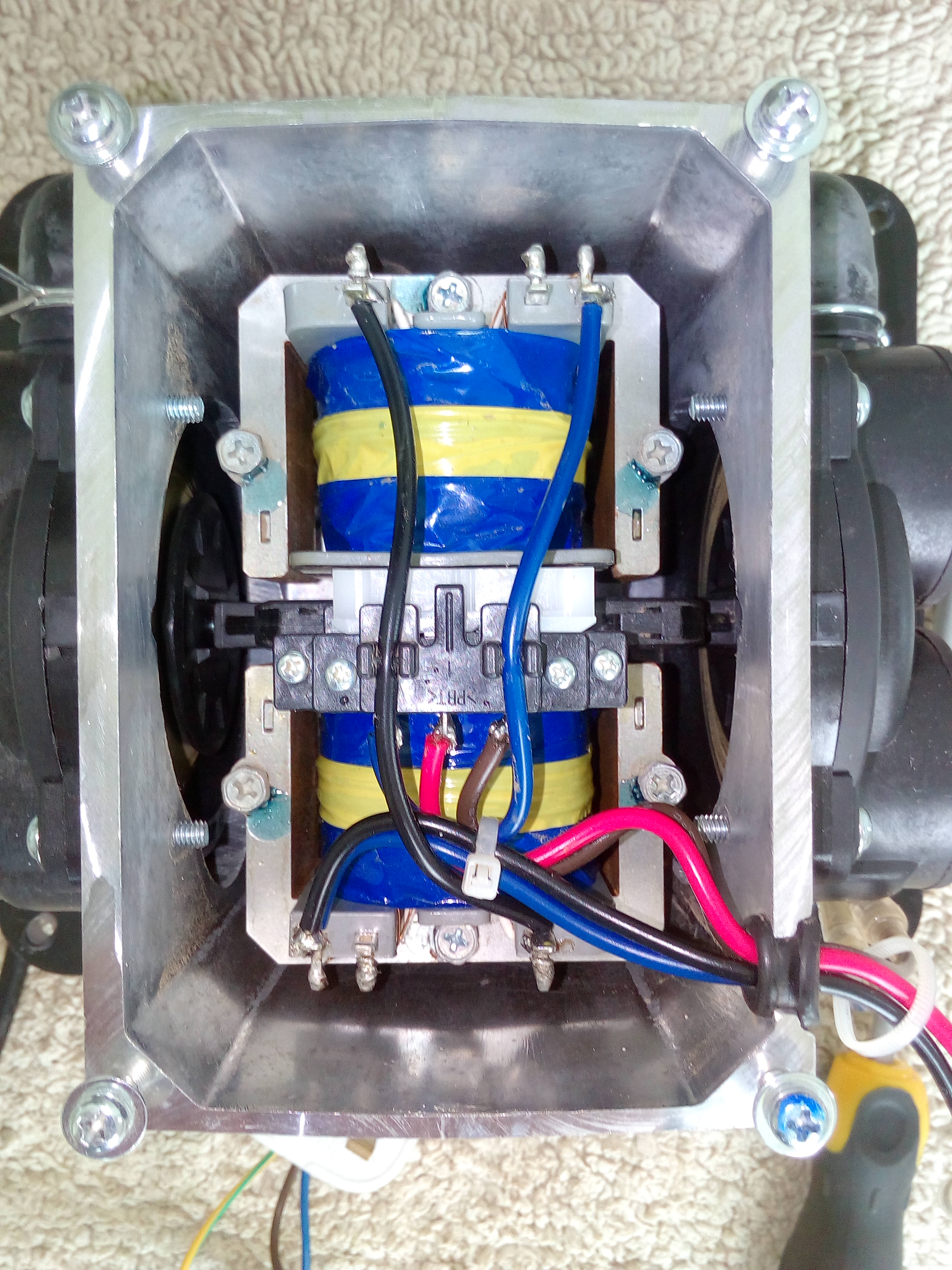
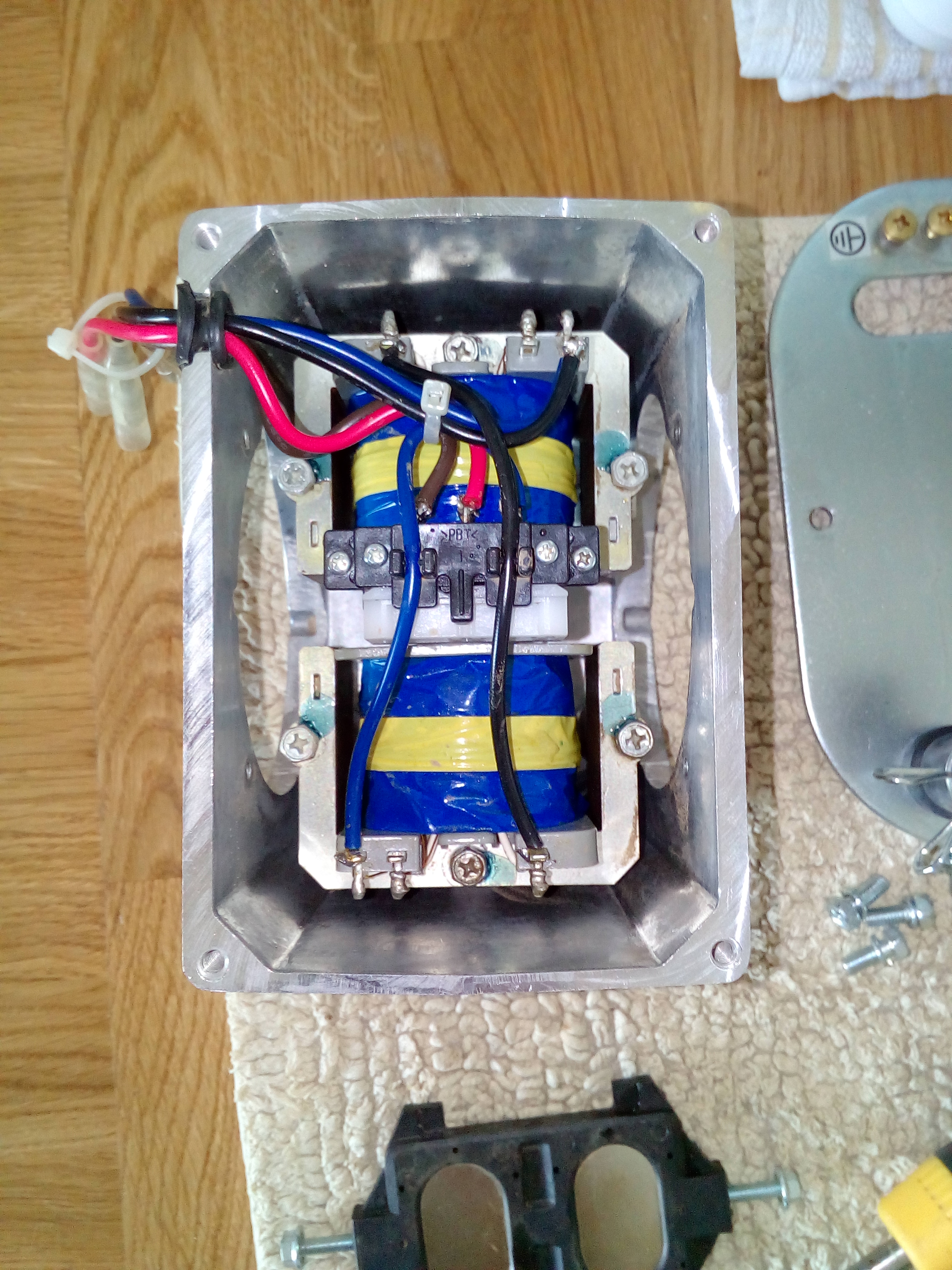
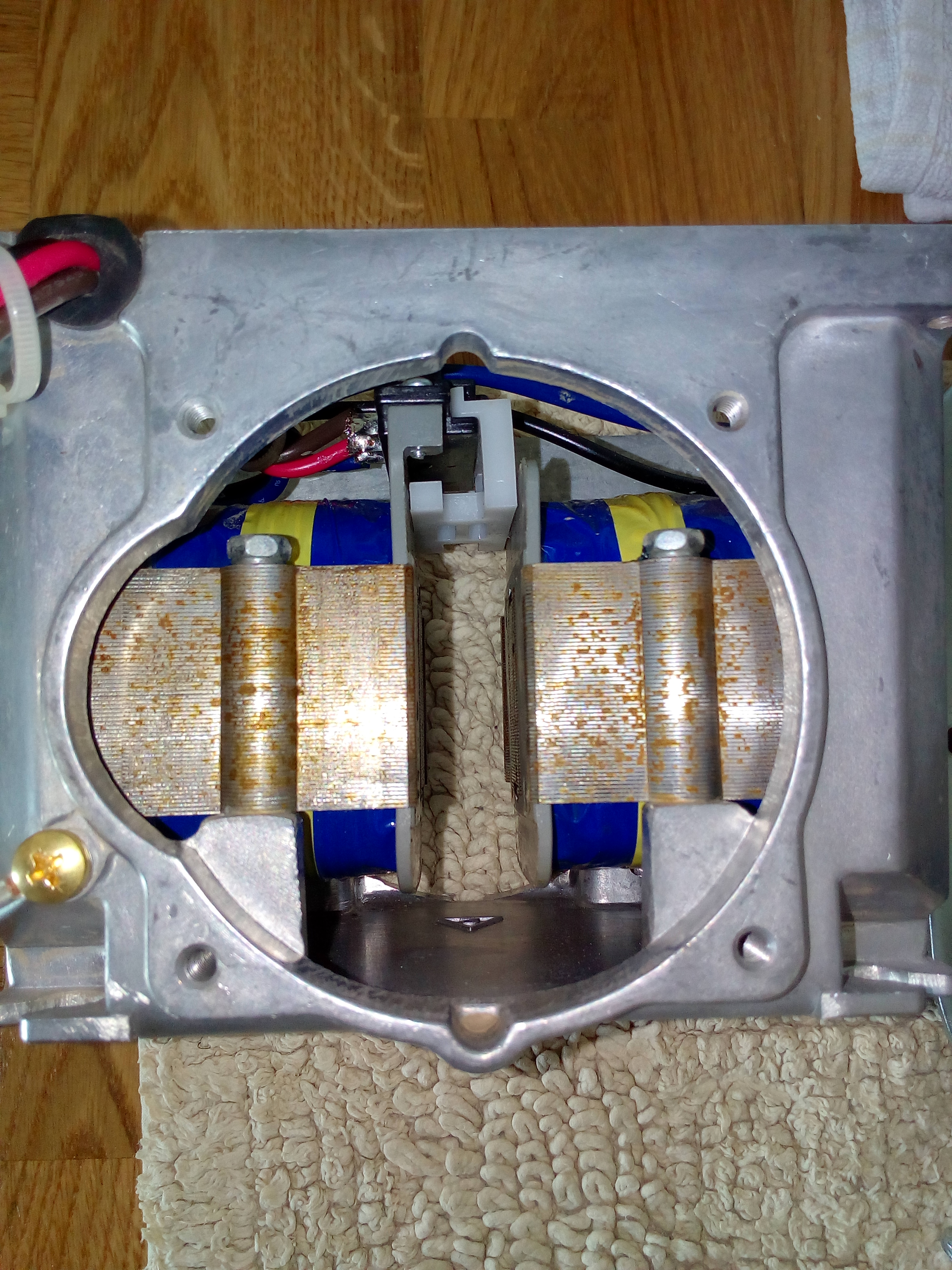
Well, I decided to take it apart again and reassemble. Plugged back in and its working once more. Currently on test in the garage.
-
No, neighbour has a multimeter I can borrow, although not sure what I would be checking
-
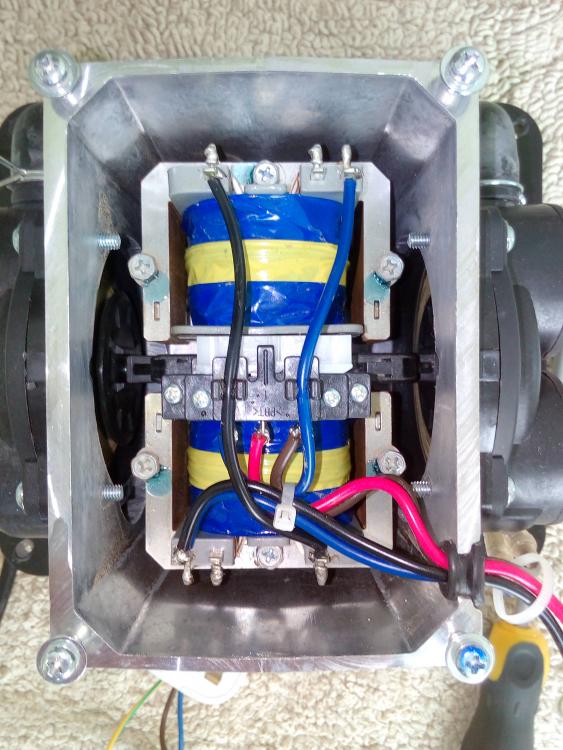
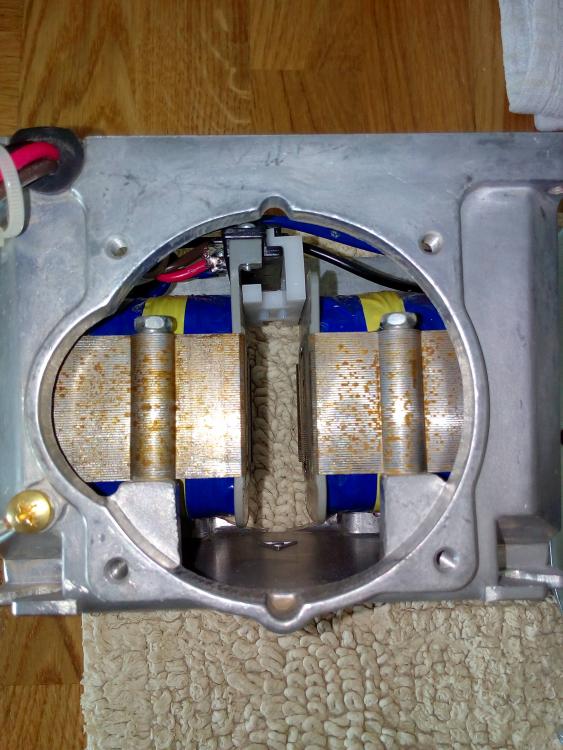
I've now reassembled the pump, but other than the alarm light illuminating, no sign of life. I'm wondering whether the windings are still damp. A quick read online suggests drying the motor (stripped of diaphrams etc) out in a low temp oven. The other alternative would be a hot box using a fan heater, again with the intention of heating the motor up enough to drive out any moisture. Thoughts?
-
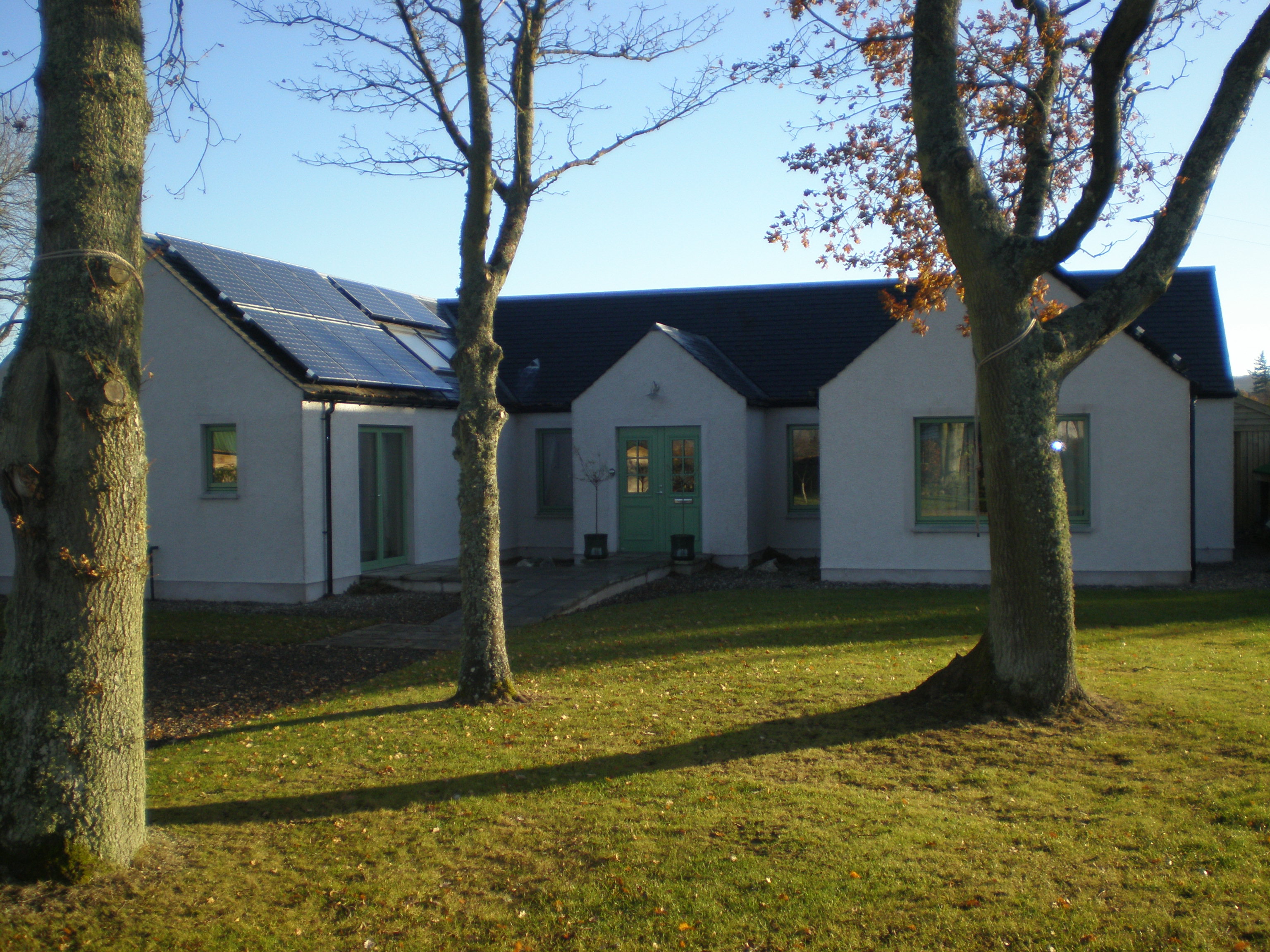
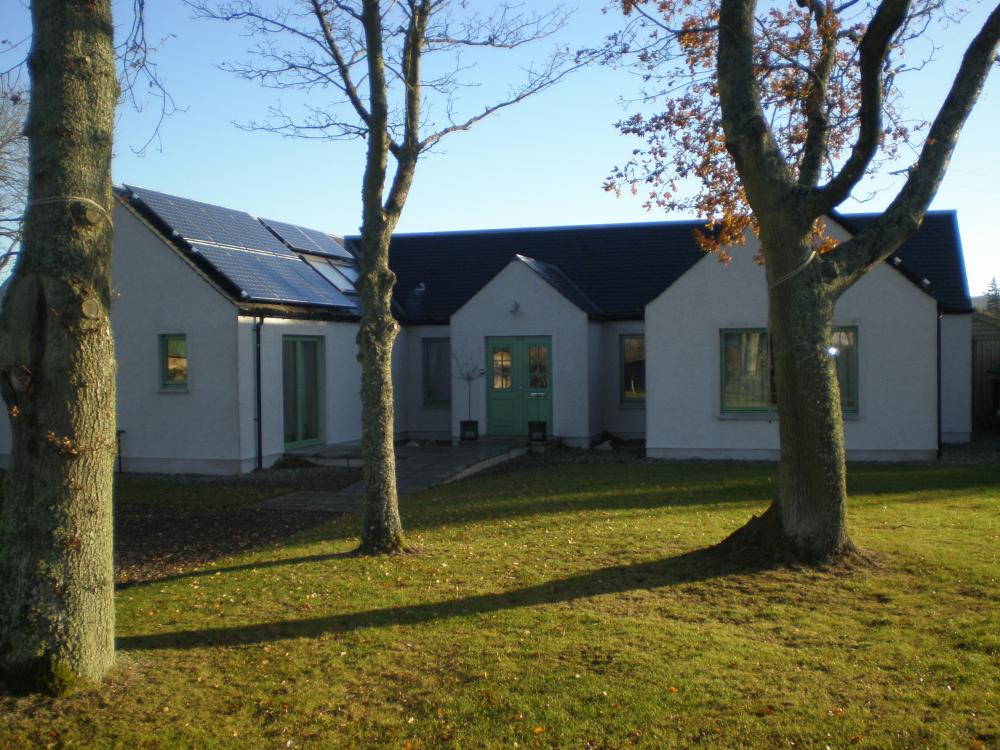
Looking good @joe90 As @craig says, going for a non standard window colour really can pay dividends. We went for a similar green in our last house at were very pleased with the look: There are a few old croft houses up here that have bright red doors, works really well against the stone.
-
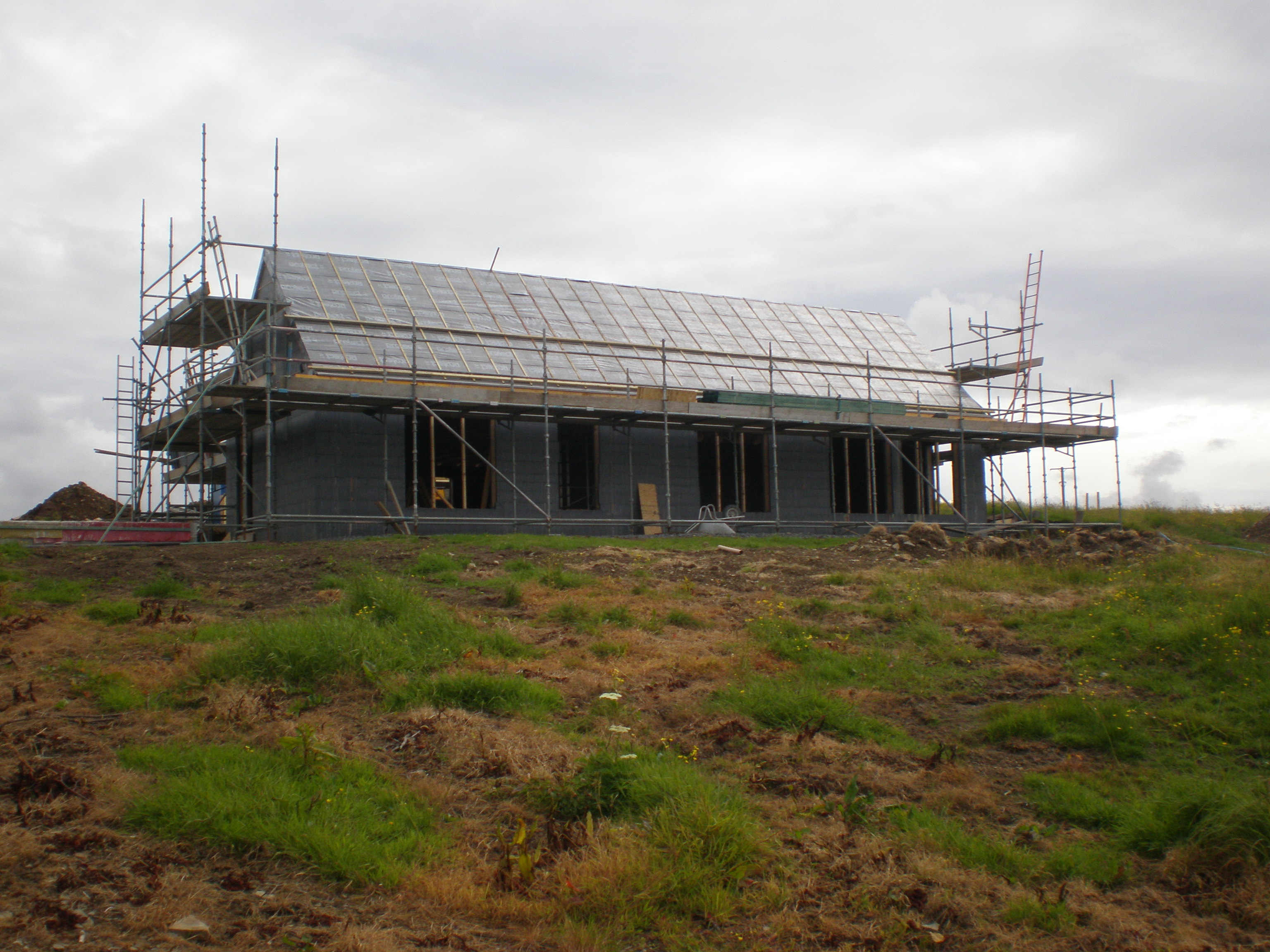
One of the reasons I steered clear of ICF previously was the utter lack of experience that local builders had with the system, i.e. none. As Ian says, not getting around the problem of a disinterested MD and idiotic member of staff. I was very fortunate with our build to be able to use a contractor with a small experienced team that builds with ICF all of the time. It's the human input that makes the difference.
-
Another voice confirming the views already stated. We have an ASHP, you can't hear it inside the house. I've written a bit about our system and how it is performing here: I previously looked at GSHP vs ASHP when we were looking to swap out the heating system at our old house. Our heating demand and DHW were 5000 kWh / yr each. A GSHP was MORE costly to run, even though CoP was better, because of the circulating pump running costs. As heating and DHW demand increased, so GSHP started to make more sense. The only real selling point of GSHP, and the one concentrated on by all of the installers was 'how much you'll make in RHI payments'. Skewed subsidy really isn't a sound basis on which to base your decision. Do a cost analysis once you've calculated your heating and hot water requirement to see which type of system/technology is going to suit your lifestyle. It's very easy to get into your head that a system with the highest stated efficiency is the one to go for, when the reality is there are many other options which may be better suited to your requirements and the level of comfort and control you want.
-
Are you prepared to write the cost of a cheap staircase and temporary handrail / balustrade off by replacing it with what you actually want long term as and when funds permit?
-
Probably, although I think a small adjustment to surrounding ground levels would he a better longer term fix. The air inlet in the lid has a raised lip, covered by a rain cap, so will only let in water if submerged. I may well drill a couple of drainage holes to allow this, although in doing so, have to weigh the risk of surface water overwhelming or limiting the capacity the foul system in the event such rainfall was repeated and my groundwork changes failed.
-
The Vortex was on my shortlist as well, along with the Condor and the Biopure. I couldn't get the Condor delivered to my location for a sensible price, which took the list down to two. The activated sludge process of the Vortex is interesting, but I'm not sure whether this generates a benefit in terms of performance. It could be argued the other way, that a sludge crust on top of the clarification chamber (as has formed in my plant) is a good thing to have. The built in sampling point in the Vortex is certainly useful. I opted for the Biopure as I didn't want to have to house the air pump separately (perhaps not the best decision given recent circumstances!) - the Vortex required a separate pump box over and above the plant itself. I felt more confident in terms of performance going with the Biopure as it's one of several that use the same cone shape / design. The Vortex cylinder seemed unique and did make me wonder why nobody else has such a design. That being said, performance figures for the two are very similar.
-
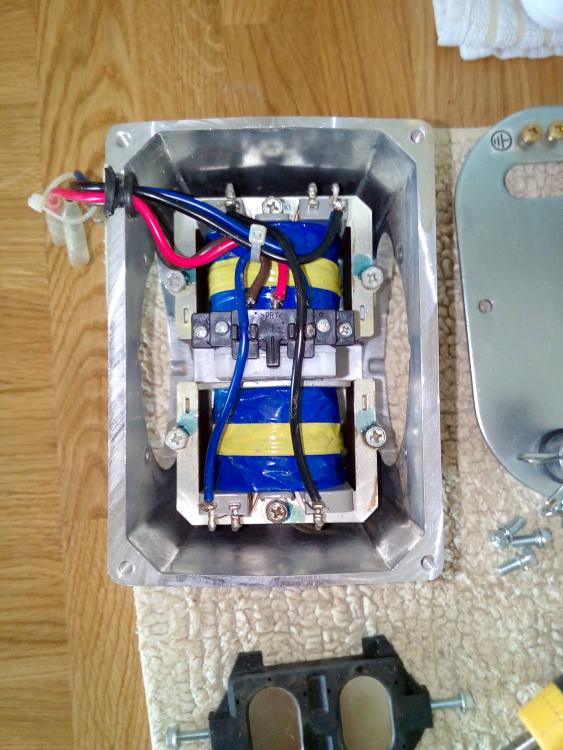
As a consequence of heavy rainfall: the air pump in our Sewage Treatment Plant was submerged with surface water yesterday. Having removed the pump and replaced it, I have stripped down the submerged pump Most of the component parts, cleaned, will of course simply dry out and be in working order when reassembled. I am however unsure if I should be doing anything to the key electrical component: Is there anything I should or could do?
-
A (hopefully) useful learning point for those installing Biopure Sewage Treatment Plants We had a huge amount of rain fall yesterday afternoon, so much so that our deep flow gutters were at times unable to cope with the amount of water running off the roof. In the main, our drainage strategy coped very well, with all visible surface water being drained away within 10 minutes of the rain finishing. Given the volume of water that fell, I'm happy enough with this result. One issue that we did have was that surface water ran down a banking behind our treatment plant, and pooled on top of its lid. Up until now, any rainfall has simply run off the lid to the land surrounding, however yesterday, the flow / volume was too much, which resulted in the small air vent on top being submerged. Our air pump is located within an insert below the main lid, directly beneath the air vent. The insert filled with water, submerged the pump and tripped the electricity supply. There was no further damage caused to the treatment plant (i.e. being overwhelmed with surface water) as the pump housing insert was watertight. Taking advantage of a 10 minute break in the weather, I swapped out the pump with a spare and got the system back up and running without incident. On a positive note the IP68 rotary switch which connects the mains supply to the pump was bone dry when I opened it. The submerged pump has been stripped down and is currently drying out. The advice therefore is to ensure that the lid of the Treatment Plant remains proud of the surrounding ground, rather than level with or partly proud (as was the case for me), and ensure any surface water / heavy rain has somewhere to run off. If the worst happens, having a spare pump (as proved in this case) is certainly a worthwhile investment. Having identified this issue the hard way, I now have a small amount of diversion drainage work to undertake.
-