


JohnMo
-
Posts
13296 -
Joined
-
Last visited
-
Days Won
200
Everything posted by JohnMo
-
Why automate the MVHR then...
-
Welcome, lots of information on here, very friendly bunch. No question to daft
- 1 reply
-
- 1
-

-
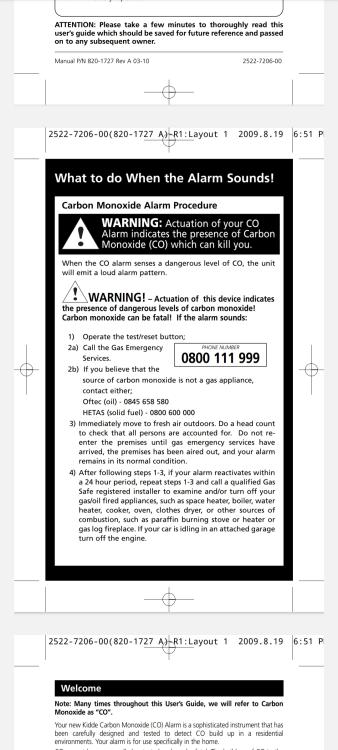
If you are getting this type of alert you should be getting out of the house ASAP. Then figuring why you are getting high CO. Your MVHR will not save you
-
Not a lot of money really
-
Basics are, there seems to be no real target values. Improve airtightness to what? Just a bit better or 1m3 per m2 at 50 Pa or better? Target U values, better than you find it is too vague. You need a clear statement of what you want to achieve, otherwise it's rubbish in rubbish out. As I mentioned in another thread linking an ASHP to PV and battery is daft. Let the PV and battery feed the house, if power is available the heat pump will use it.
-
Completion certificate came through this afternoon. Had an inspection a month ago, the only things picked up were. 1. Boiler not positioned as per plan, variation required, easy enough to update, took a couple of weeks to be approved. 2. Hadn't finished the balustrade due to weather. Had to get that completed. 3. Wanted a commissioning cert for log stove. Next jobs Install ASHP, mostly complete. Build summer house, being delivered next week. So from digger arriving on site, 3 years almost to the day. Could of been finished 6 months earlier, but I went back to work. All in took me a year longer than expected, but big site everything bigger and takes longer than expected. Overall costs including doing lots myself, and including all groundworks £2400 per m2
-
 Think you are trying too hard. Break it down into bite size chunks. Do you have G99 approval for 6+kW of PV? Any electrical driven equipment will take up excess PV electric, so you don't need anything fancy or complicated. Basically during the heating season PV generates next to nothing. A DHW cylinder with a 3m coil is all you need, half the cost or less than heat a bank, simple control, simple PV diverter. Concentrate your efforts getting the heating system to run as low a temperature you can, that way you get best CoP.
 -
I got mine from an online seller. Best to go through a lot of them as prices vary daily, one day they are cheapest next not. But also challenge your preferred local merchants. That amount should be free delivery. Would also consider doing it in two layers instead of one with staggered joints. 100mm was bad enough, 160mm would be a pain to install.
-
Mesh direct, by the roll. Scissors are fantastic also Category:Stainless Steel Soffit Mesh | Product Ordered: 10cm wide x 30m roll x4 Item No 304-SFLY100 Category: | Product Ordered: Heavy-duty Scissors for cutting fine mesh Item No FIN-225--PROMO
-
Rye oil - Cedar Cladding Oil / Decking Oil. https://www.ryeoil.co.uk/shop/deckingoil/ Have done all my cladding with the above, one heavy coat, 12 months on as good as it went on. Very easy to apply, with a wide brush, soaks in over the next couple of days. Not expensive and goes a long way. I will be doing our log building with it, in a couple of weeks.
-
Heat and hot water cylinder vs Vaillant Arastor
JohnMo replied to anonymous's topic in Energy Storage
So an unvented thermal store. Hidden behind a lot of flowery talk. And a time of use tariff. To have any useful energy for CH you would need a big cylinder. -
2700sq ft, 3 Zones, Weather Comp & OpenTherm
JohnMo replied to Ambergold's topic in Boilers & Hot Water Tanks
If you have Viessmann boiler use their controller. If your plumber is not comfortable with doing how Viessmann design their system, get another plumber who is. On weather compensation you should be getting on average over 100% efficiency out of the boiler, your none condensing one was possibly 60 to 70%. Keep the flow temps as low as possible. Make sure your plumber doesn't plumb as a normal Y or S plan, you need it set to priority hot water or X plan, this allows the boiler to heat the cylinder at a high temp and heating system on a low temp or weather compensation. -
Not sure why you think you will get short cycling when operating as a single zone. A HP that turns down to say 3kW and has a 0.5kW heat demand, requires a system volume of 60L to give a run time of 10 minutes. Off time should be around 50 minutes.
-
If your on a single zone at 200mm centres and 265m2, don't see why you need a buffer. Unless your running a massively oversized heat pump. Mine (6kW) will be installed with a single zone, but with 300mm centres on 192m2, with a second area of 16m2 on 115mm centres (summer house) - no need for a buffer. All will be run on WC.
-
You can't if the buffer is controlled by a thermostat. If your running WC can you do away with the buffer by using a 1 or 2 zone system, just make sure the engaged volume is bigger than minimum volume required by HP.
-
Planning through Celebration beers or more expense
JohnMo replied to Canski's topic in Planning Permission
4. 1 says it all, talk to your architect -
ASHP - LG Therma V Water flow issues - Plumber vs Installer
JohnMo replied to Woze's topic in Other Heating Systems
Well you must have had a magically boiler, my last house and current house, the water flows cold, then warms up over a few seconds then becomes hot. -
Trouble is boilers can only modulate down so far. Your UFH looks to quite small on only 3 loops. So will not have the demand to keep the boiler happy. Are running the 3 ufh loops on their own thermostats, if so your engaged water circuit could be extremely small. I would suggest you try running the UFH only with all three UFH loops open, to see if that allows the boiler to function correctly.
-
Two ways to control 1 attach a thermostat to buffer, run it hotter than you run ch use the thermostat to call for heat from ASHP. Disadvantages, lower CoP from heat pump, cannot run WC. 2 allow buffer to float on ASHP flow temp. Can use WC keep flow temp low. Use room thermostat to call for heat. If you haven't plumbed it in yet, consider piping into the return line only, not across the flow and return this ensures no mixing of supply and return flows to minimise flow temp. It's also heated to the lowest temperature so least standing losses.
-
ASHP - LG Therma V Water flow issues - Plumber vs Installer
JohnMo replied to Woze's topic in Other Heating Systems
From cold water in the pipe and hot water in the cylinder and opening the tap several things occur before you get perceived hot water out. You open the tap, preheated water flows from cylinder, displacing cold water, the hot water is diluted with cold and at the same time cooled by the cold copper pipe. This will continue along the pipe until the copper pipe heats up, if the pipe is uninsulated the heat will also heat the air around the pipe. You will then start to hot water out the tap. The bigger the pipe the bigger the volume of water, the larger the area of copper, the larger the area to radiate heat. You seem to be going down a rabbit hole looking at at flow rates and pressures. Get yourself down to a local DIY store buy some lengths of insulation, if not already installed and install to the pipe run. If that doesn't improve things your only options are, smaller pipe dia. Or a secondary return circuit, ideally on a timer. -
Are your room thermostats connected to the wiring centre for the UFH or the wiring centre for the boiler? If to the UFH the boiler signal is likely from the UFH so would be ok. How do you have your radiators and UFH timed to come on. You really want them on together then no need for buffer
-
Notice you only have three loops, so the likelihood of the boiler just cannot modulate low enough and it trips soon after firing up. My suspicion is the following occurs UFH asks for boiler to fire up, boiler pump starts and boilers fires, but there is not enough flow to take the heat away, so boiler trips very soon after. Has a 10 min timeout, then tries again, repeat. Uses gas but very little heat delivered. Whole heating system calls for heat, but plenty of flow available to take the heat away. Unless you install a buffer it may never work, as it is. Other option is have the heating flows turned down so the heating system runs for longer and have the UFH work with the rest of the system.
-
Why is every hot water cylinder jacket out there coloured red?
JohnMo replied to Radian's topic in Boilers & Hot Water Tanks
Why did I waste my time looking at this post. Who cares, if you don't like, don't buy, make your own it may fit and perform as well or better. If don't like red.... Maybe they all come from a single manufacturer and are just rebadged. -
CoP at -10 and 55?
-
As I mentioned above the outside temperature used in all cases is -10 so ignore SCoP as it has nothing to do with it. SCoP is a different measure all together.


