


Gone West
-
Posts
4668 -
Joined
-
Last visited
-
Days Won
20
Everything posted by Gone West
-
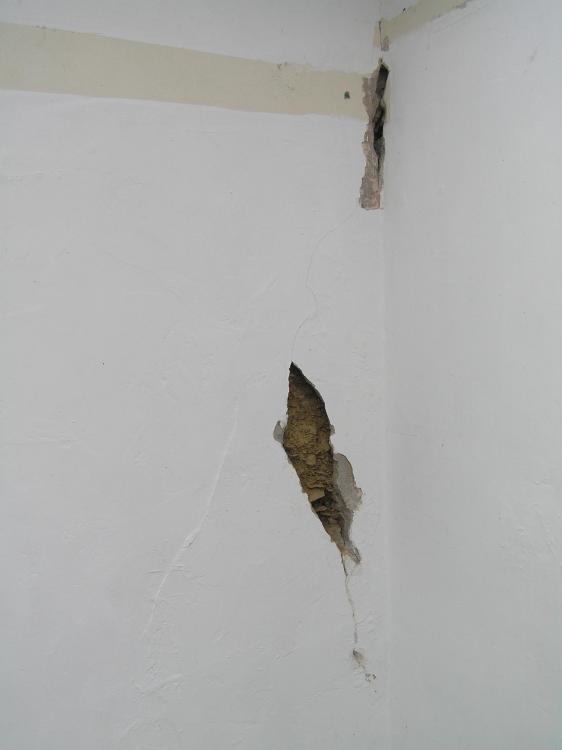
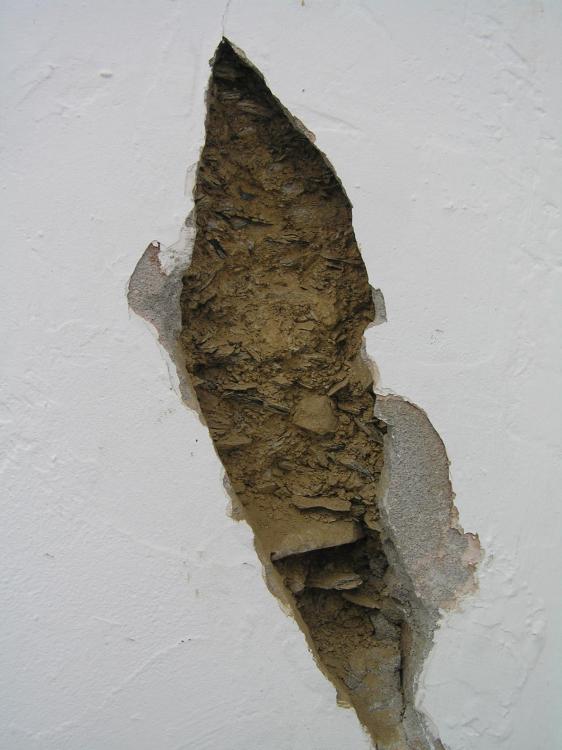
One of the original (1840s) external sandstone walls of my house is now an internal wall when a 1970s leanto was built. It's got an area of blown render which looks like it's been repaired before. Under the render is just shale and sandstone, which is all very dry and crumbly. Would soaking it with SBR stabilise it enough to rerender, or does anyone know if there is a product designed for this problem?
-

Cant get insurance for timber frame / Metal Roof !
Gone West replied to bob the builder 2's topic in Self Build Insurance
We've used Sennocke Insurance. https://www.sennocke.co.uk/ In 2018 we also got buildings and contents cover from Aviva for a timber clad, timber frame. -
Mortar on indian sandstone slabs
Gone West replied to xtianaudio's topic in Landscaping, Decking & Patios
I think there are three. We used a Roughneck Mortar Gun successfully and cleanly on our sandstone slabs. -
I don't like heights, and wouldn't be brave enough to do the things you have done. I have worked on my two storey house roof, after getting used to it. Have you spoken to your doctor about this, as it may not be a phobia.
-
We fitted a WPL Diamond DMS2 in 2010. We installed it ourselves and didn't have any real problems. The air pump was installed in the box which is largely underground and wasn't especially noisy. The only thing we learnt was to service the air pump annually, which we did ourselves.
-
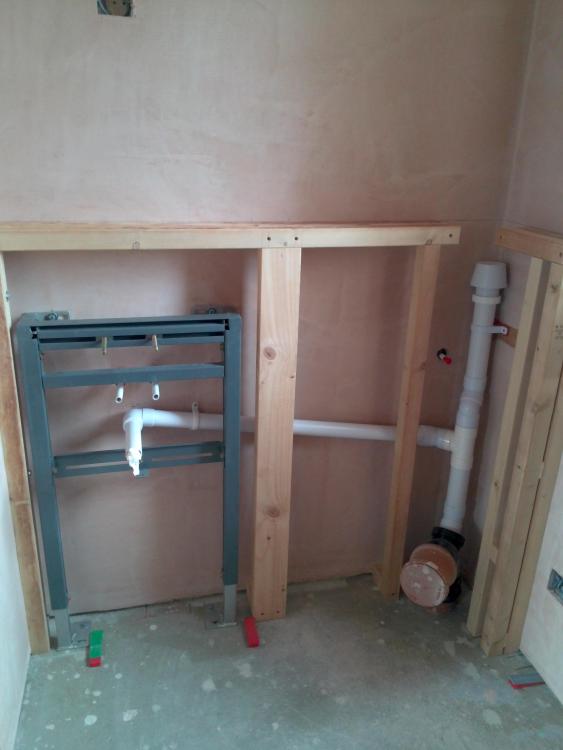
@LaChab I've found what maybe a more useful picture.
-
I had one soil pipe with a fitting very similar to your picture. Mine had a 50mm outlet on the bend, and because it was just a toilet and basin on that soil pipe, I used a 50mm AAV. It was seven years ago so I don't remember exactly what make, but most of my fittings were Floplast or McAlpine.
-
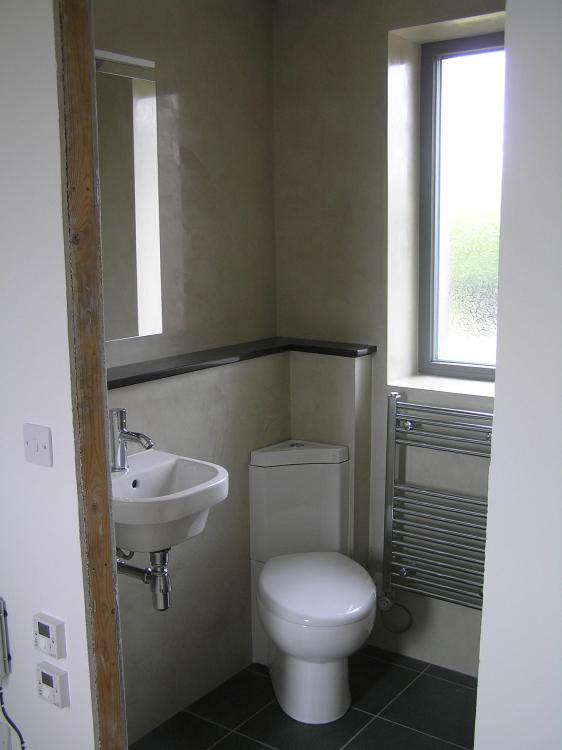
In the ground floor wetroom at our last place I put the stub stack with AAV behind a dummy wall. The waste for the basin was also behind a dummy wall.
-
Any Architects on here?
Gone West replied to Mulberry View's topic in General Self Build & DIY Discussion
We had our metal web joists installed as per @ETC drawings. A few of the joists had to be shortened, and the builders contacted the joist manufacturers, who said they could be shortened, but that the end vertical strut had to be fitted as per original, after shortening. -
I also agree with oil and rads. Forget UFH and ASHPs but at the very least insulate the loft well.
-
That's the original rawplug from over a hundred years ago. It supposedly held half a ton.
-
3Kw quiet site generator. Recommendations?
Gone West replied to flanagaj's topic in Tools & Equipment
It wasn't particularly noisy and fortunately we didn't have any neighbours. -
3Kw quiet site generator. Recommendations?
Gone West replied to flanagaj's topic in Tools & Equipment
No, it was mostly in good nick. The house was built in the 1920s from 4" x 2", virtually no worm, same for the flooring. -
3Kw quiet site generator. Recommendations?
Gone West replied to flanagaj's topic in Tools & Equipment
We dismantled our old timber framed, timber clad bungalow ourselves. It had a breeze block extension on the back. We gave all the the timber away on Freecycle, hired a concrete crusher set to 100mm and used the 50mm and smaller stuff on site and gave the 100mm stuff to the farmer. What was left, went in the back of the car to the tip. Total cost of the demolition, around zero, after the asbestos had been removed. -
We used Venetian Plaster in all the bathrooms in our last place. Much prefer it to tiles.


-
Squeaking Joist / Noggin / don't know what
Gone West replied to MortarThePoint's topic in General Construction Issues
If offense is taken, it isn't intended. I bet she's glad it's not intended 😁 -
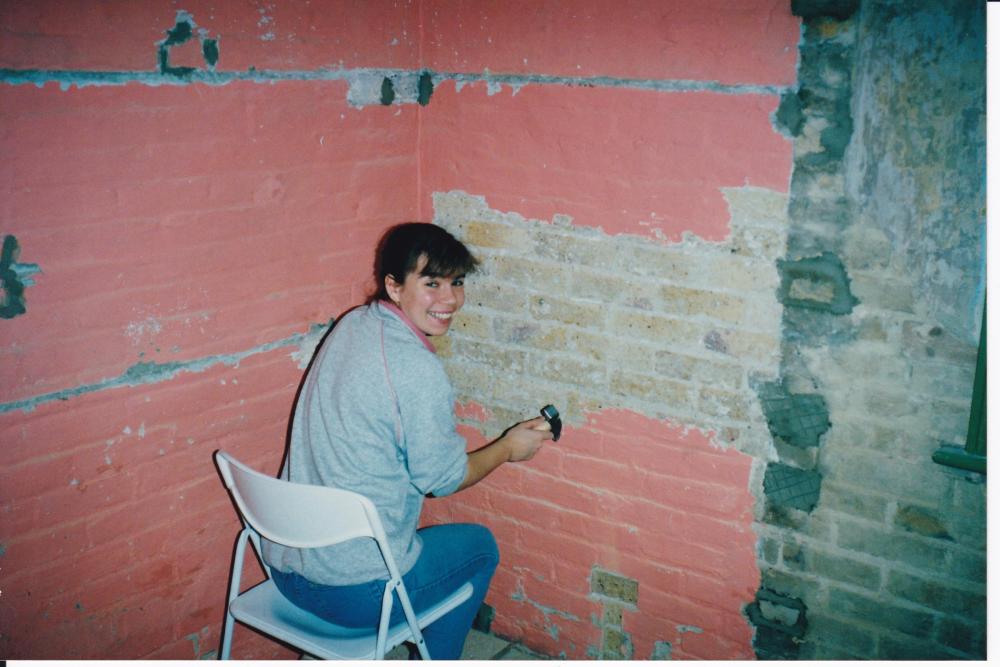
Back in the nineties we had a 1900 cottage with some distempered walls and the builder wanted it all removed before he would plaster them. Wendy set to work with a scutch hammer, she got through a lot of scutch bits.
-
I'm not sure how well RTK would work here. AIUI you need a good view of the sky, without obstructions, to see however many satellites it is, for the RTK to work.
-
Yes, that's what we've found so far. We've been looking at the Ambrogio models.
-
They just get cut up and left as a mulch, apparently.
-
We're looking into getting a robotic mower. We've only got around 650m2 of grass, but it's spread over five areas connected with slopes. We have to consider how much of an incline it can cope with, and because it's not smooth grass, whether we want the small cutting blades, that have to be changed more frequently, than a solid disc blade.
-
Way too much for me. I would investigate the black marks in the bedroom, could be damp. I would carefully, there may be asbestos, drill some holes in the wood, to find out what was behind with an endoscope. If there are no problems anywhere I would just plasterboard over the panelling.
-
At almost 73, I'm also a definite no, to woodburners.
-
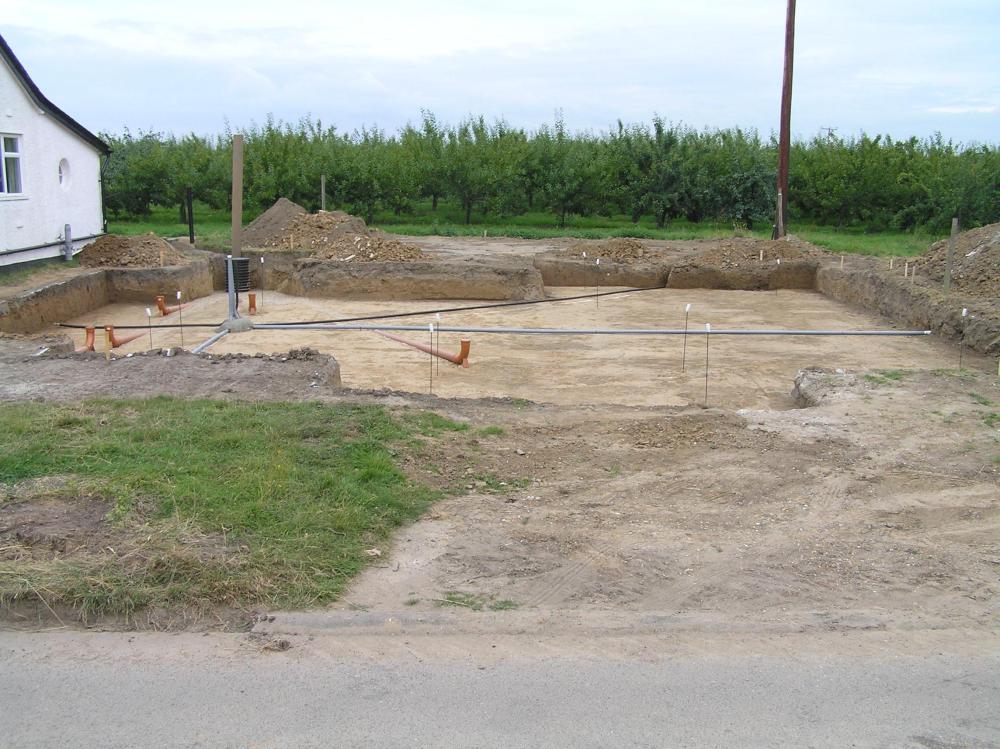
They did design, supply and installation onto a level site, which I had marked out and laid all services.
-
That's what we did. Isoquick insulated slab and TF.








