billt
-
Posts
499 -
Joined
-
Last visited
Everything posted by billt
-
Quick question if I can - are optimisers worth it?
billt replied to MrTWales's topic in Photovoltaics (PV)
Yes; the panels were left over from our last house so they didn't cost anything. I've still got 8 doing nothing. -
Quick question if I can - are optimisers worth it?
billt replied to MrTWales's topic in Photovoltaics (PV)
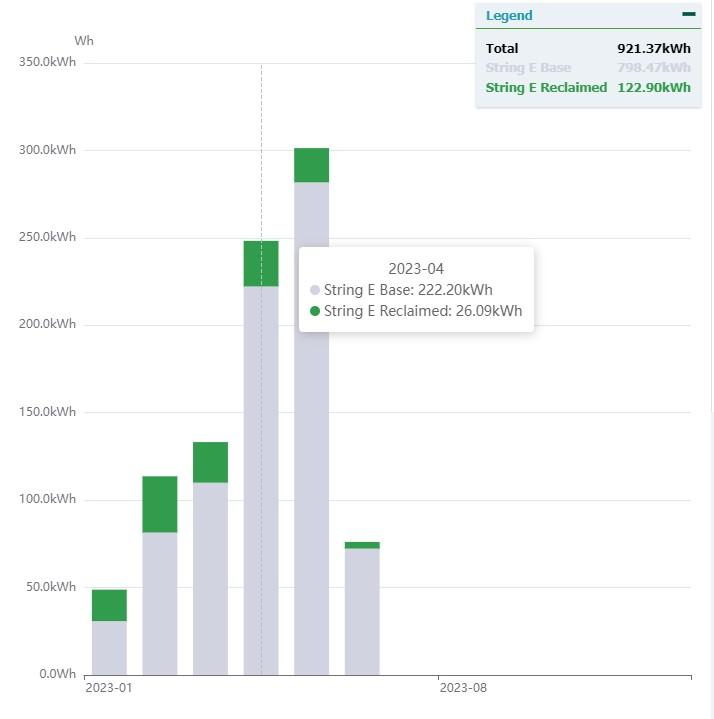
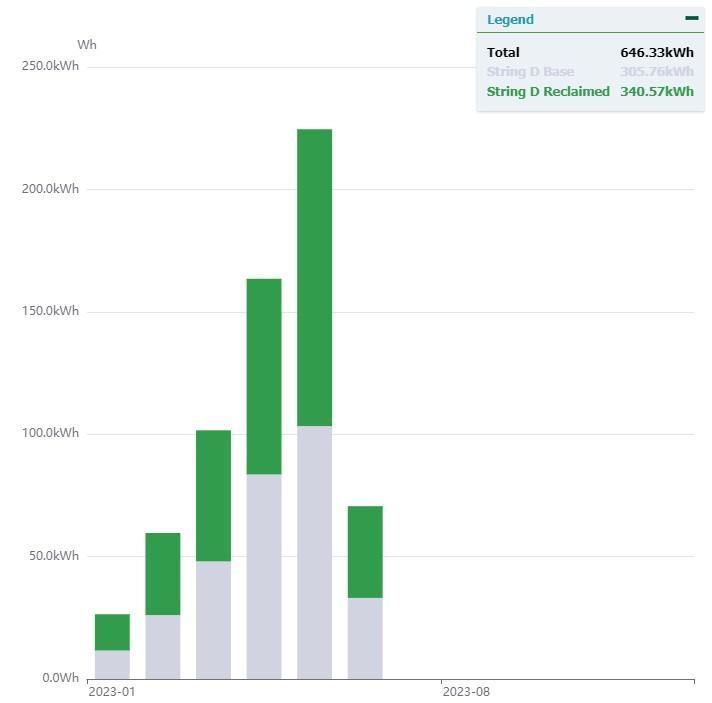
As others have said, it's highly unlikely to be worth while in terms of energy saved. There are optimisers on 32 of our 54 panels. Most don't do much, one set does. One string of 6 panels facing SE has shading on the bottom 3 panels from trees in the morning. I put optimsers on those panels and there is virtually no reclaimed energy Garage has 12 panels on one side with optimisers on 9 panels and shading in the morning and also doesn't recover much energy. The other side of the garage roof has more significant shading and optimisers on every panel. That recovers more energy, but it's not an amazing amount. There are also 8 panels on a shed which face 3 different directions and have significant shading throughout the day. These do recover a noticeable amount of energy. Conclusion, it isn't worth it financially, but for me it is for the monitoring.

-
? What safety reasons are they? If you are talking about radiator temperatures it is perfectly possible to design a system with radiator temperatures at 43C or below, the maximum temperature recommended for radiators in properties with vulnerable people. You may want UFH for other reasons but child safety isn't a compelling one. (An online search reveals an industry devoted to exploiting fears of dangerous radiators, so I assume that there's been some sort of social media panic about them.)
-
15 minutes to get in touch
billt replied to SteamyTea's topic in Energy Efficient & Sustainable Design Concepts
https://www.bbc.co.uk/news/world-asia-65708746 This story made me angry. They have presented it as if the Chinese scientist thinks it likely that covid came from a lab leak when all he is saying is that you cannot rule it out as there is not enough evidence to say categorically that it wasn't a lab leak. IOW the scientist is taking the correct scientific view but the BBC are trying to put a sensationalist slant on it. -
System sizing based on actual consumption - a better way?
billt replied to JamesPa's topic in Air Source Heat Pumps (ASHP)
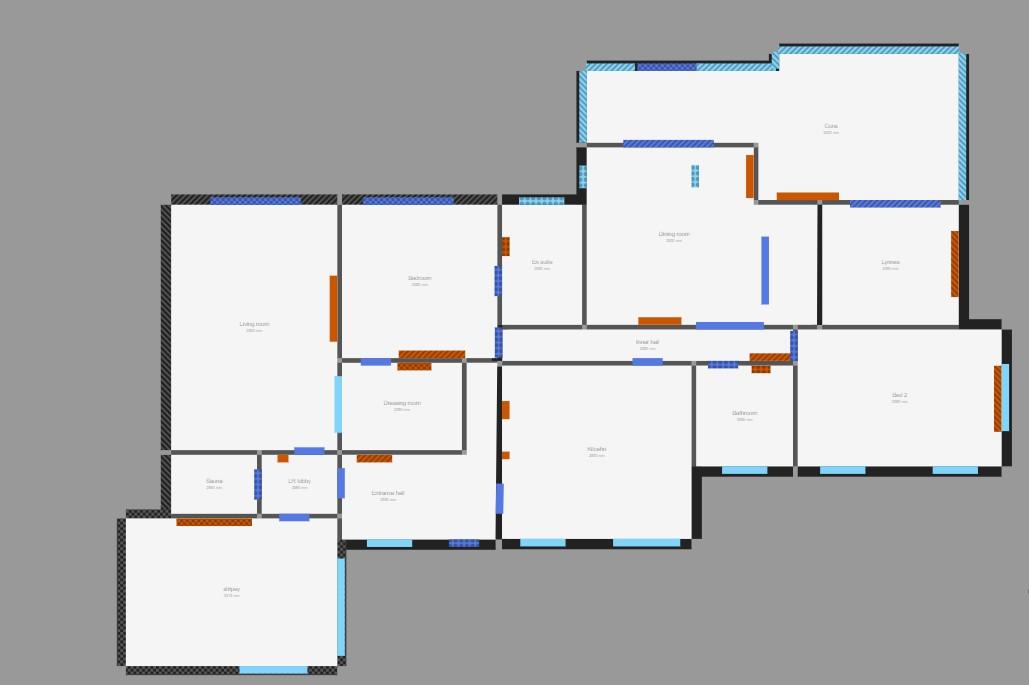
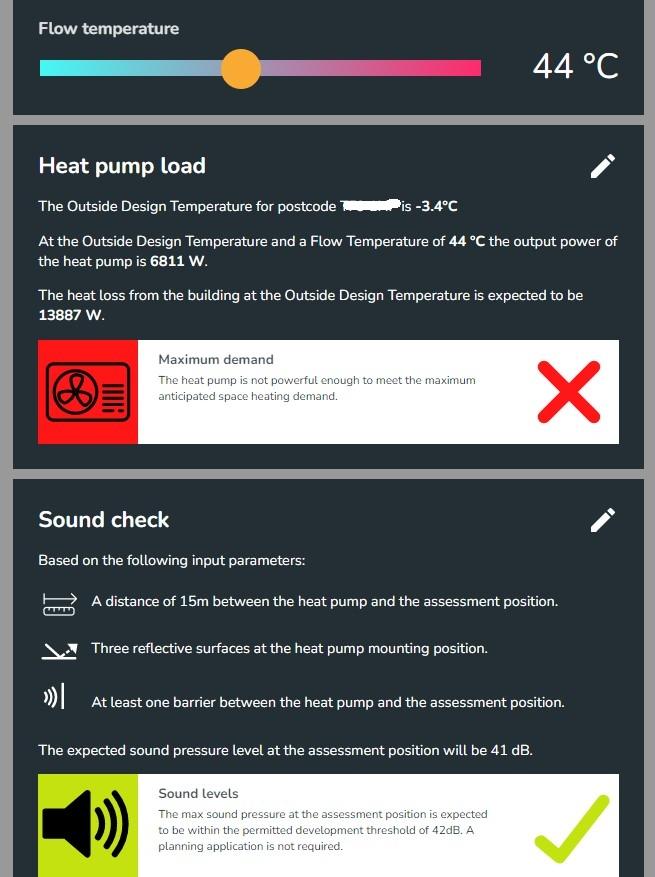
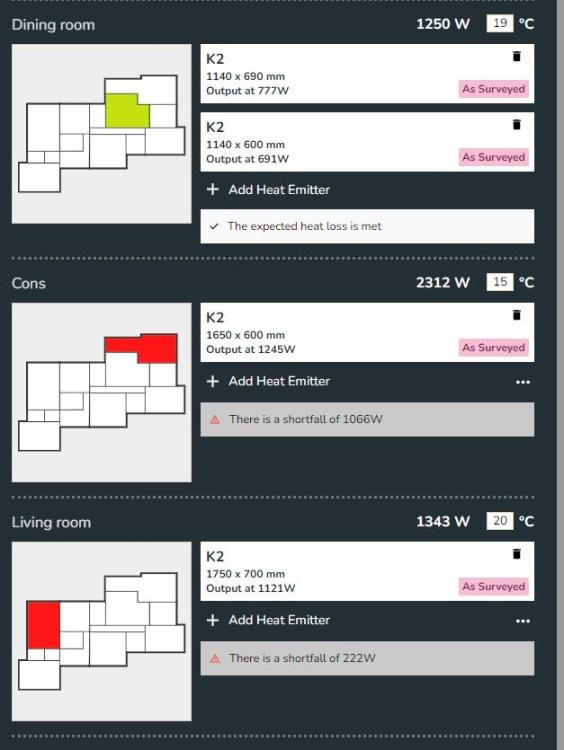
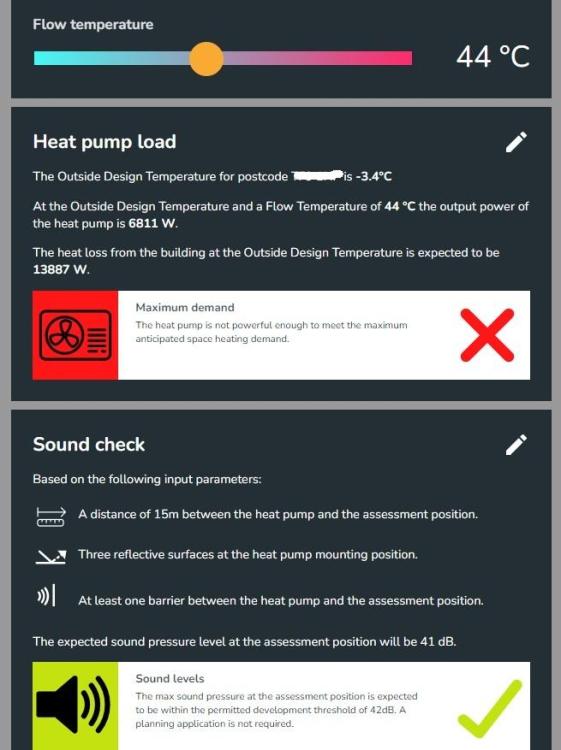
I thought we were talking about sizing the system yourself? MCS surveyors not involved. Presumably you have a good idea of the construction of your house, in which case you can use the HeatPunk calculator to get a pretty accurate result. Obviously gigo applies, but if you're doing it yourself you would take care to put accurate values in. This is a rough plan of our house. The room on the bottom left has solid brick walls with no insulation, a solid floor with no insulation and a pitched roof with no or very little insulation. Those elements can all be modeled in the HeatPunk calculator. You can create your own element if you need to. The room on the top left is the most recent and has 50mm insulation in the solid floor 75mm in the cavity walls and 200mm in the ceiling. The room on the bottom right has a suspended wooden floor, cavity walls with some blown in insulation and 200mm insulation in the ceiling. All the elements can be specified individually, there's no need to guess and use approximations. The best thing about the software is the result page. You can choose a heat pump and play around with the flow temperature. It will show if the heat pump has enough output or not. And it tells you if the emitters can reach each rooms design temperature at the specified flow temperature.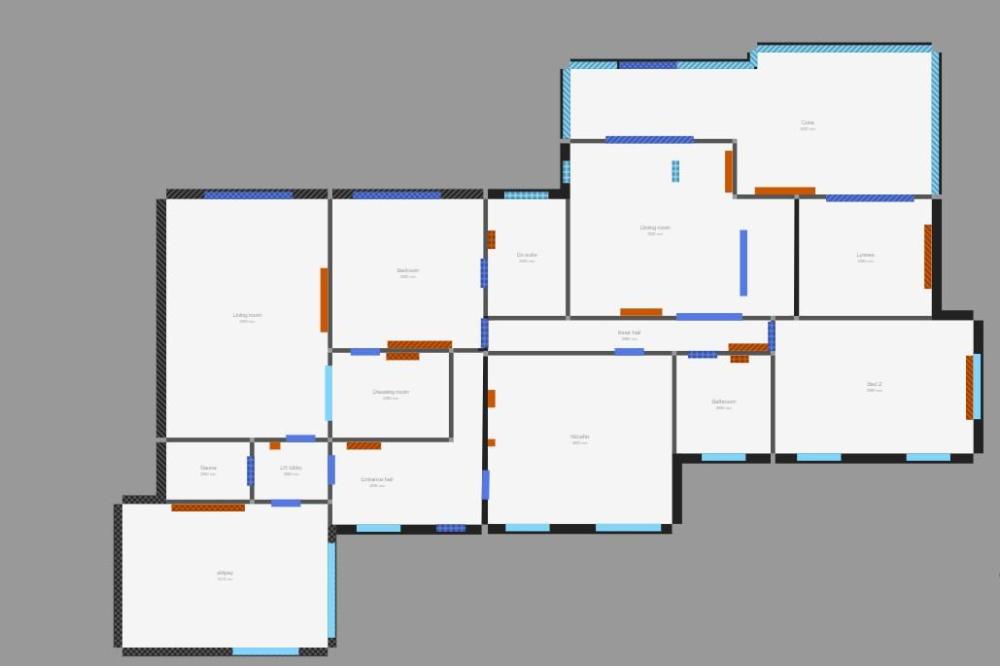
-
System sizing based on actual consumption - a better way?
billt replied to JamesPa's topic in Air Source Heat Pumps (ASHP)
I think you need to look at it more closely. Our house is a hotchpotch of additions carried out at different times with different construction methods and it is possible to model that in the heat punk calculator. You can enter fabric losses for each element in each room separately as well as air changes for each room. It should come up with a pretty accurate heat loss figure. -
System sizing based on actual consumption - a better way?
billt replied to JamesPa's topic in Air Source Heat Pumps (ASHP)
Have you looked at the Michael de Podesta YouTube video? It seems at least as accurate a method for heat pump sizing as those used by commercial specifiers. The heat punk calculator is a fairly simple interactive calculator that will give you heat pump size from building dimensions and construction and lets you play with emitter sizing and flow temperatures to see the effect on performance. You have to set up an account but it's free. Fairly time consuming initially but very informative. https://heatpunk.co.uk/home -
It's off grid.
-
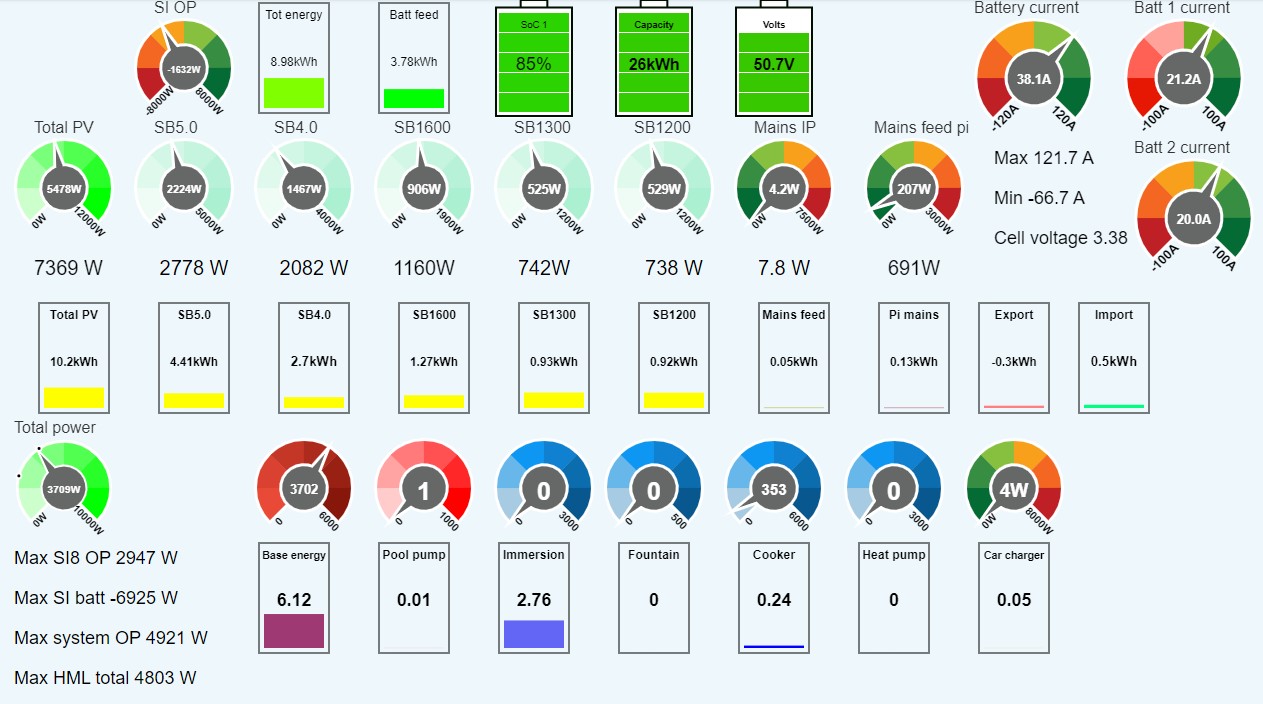
It's an AC coupled system based on SMA inverters, but not connected to the grid for export. That has the advantage that all the outputs add together so in theory you could have 12kW of PV added to 6kW of inverter output to give 18kW of supply briefly. (I'm trying to get hold of another SI8.0 to double the inverter output and increase the maximum charge rate, but they seem to be unobtainable at the moment. Although the system works with only 6kW, a bit more capacity is desirable with the added ASHPs )
-
Yes the heater is an ASHP and the pool is covered 99% of the time. The heat pump consumes 1.5-3kW and the pool pump is 500-800W. And it only runs in the summer when there is enough PV for it. (We don't actually want a swimming pool, but it came with the house and we might as well keep it running.)
-
Don't have an "Eco dwelling" but we do have 2 7.6kW induction hobs, 2 2.4kW ovens, a 7.2kW EV charger, a 21kW pool heat pump, 69kWhr batteries. An 8kW ASHP and a 3.5kW A2A HP to be installed all running off a 6kW(26A) inverter. You would seem to think that that is impossible, but it's all to do with diversity and knowing your loads. For instance, in the last month the highest power consumption for all the cooking appliances was 4.8kW and only for 5 minutes. Induction hob rings generally consume little power (a few hundred watts) they only use 3kW when on boost which only typically lasts a couple of minutes. The EV charger and heat pumps are potentially more of an issue, but they can be controlled to suit the available power supply. A 100A supply is more than ample for any reasonably sized house.
-
I think that you'ld normally have them ducted so the air comes from outside the building and returns to outside the building.
-
https://www.stromacert.com/members/software-release-notes FSAP 2012 https://www.stromamembers.co.uk/downloads/fsap2012/publish.htm FSAP 10 seems to need a login.
-
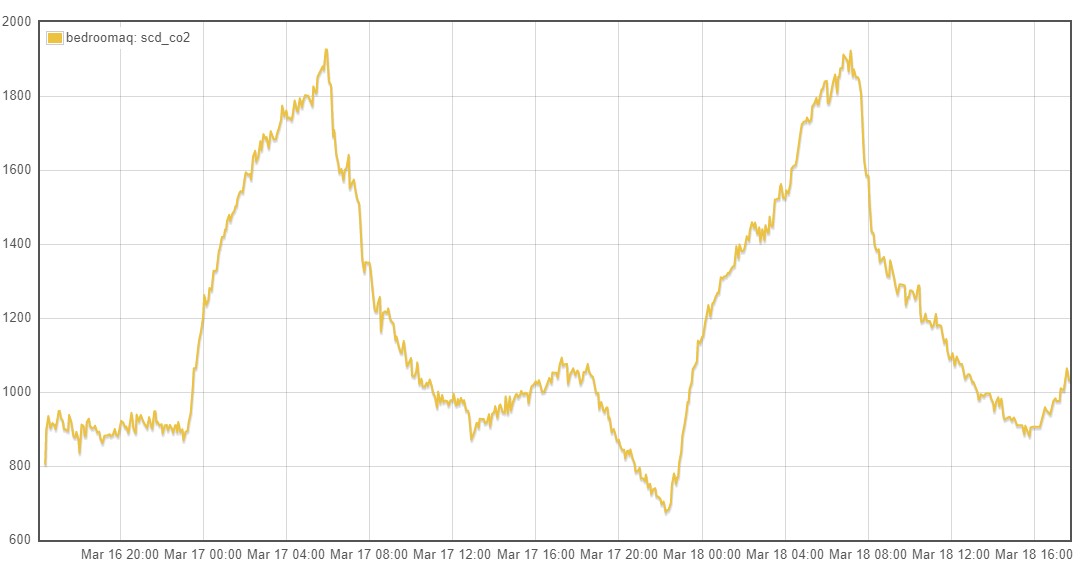
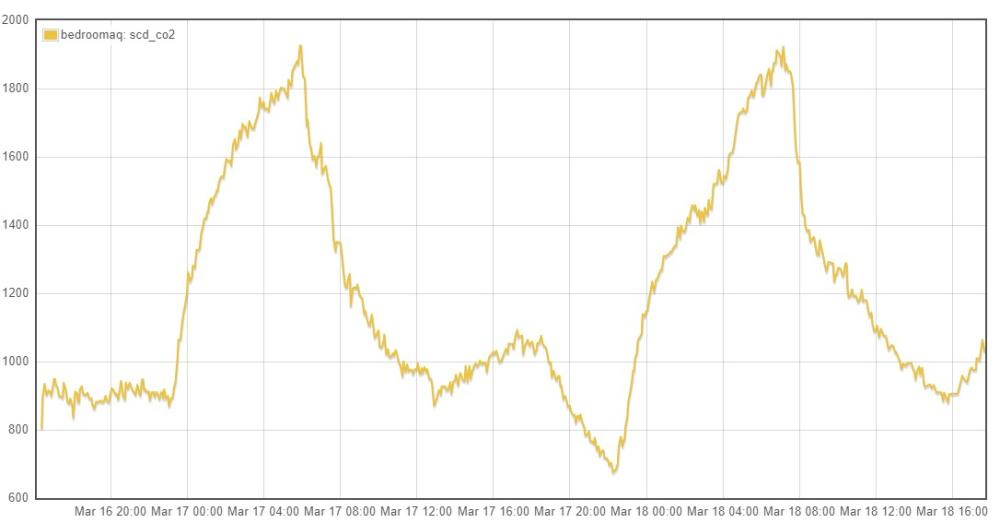
I've just acquired some Enviro boards https://shop.pimoroni.com/products/enviro-indoor?variant=40055644684371 and got a CO2 sensor for 1 of them, merely out of idle curiosity. Must get the MHRV installed.
-
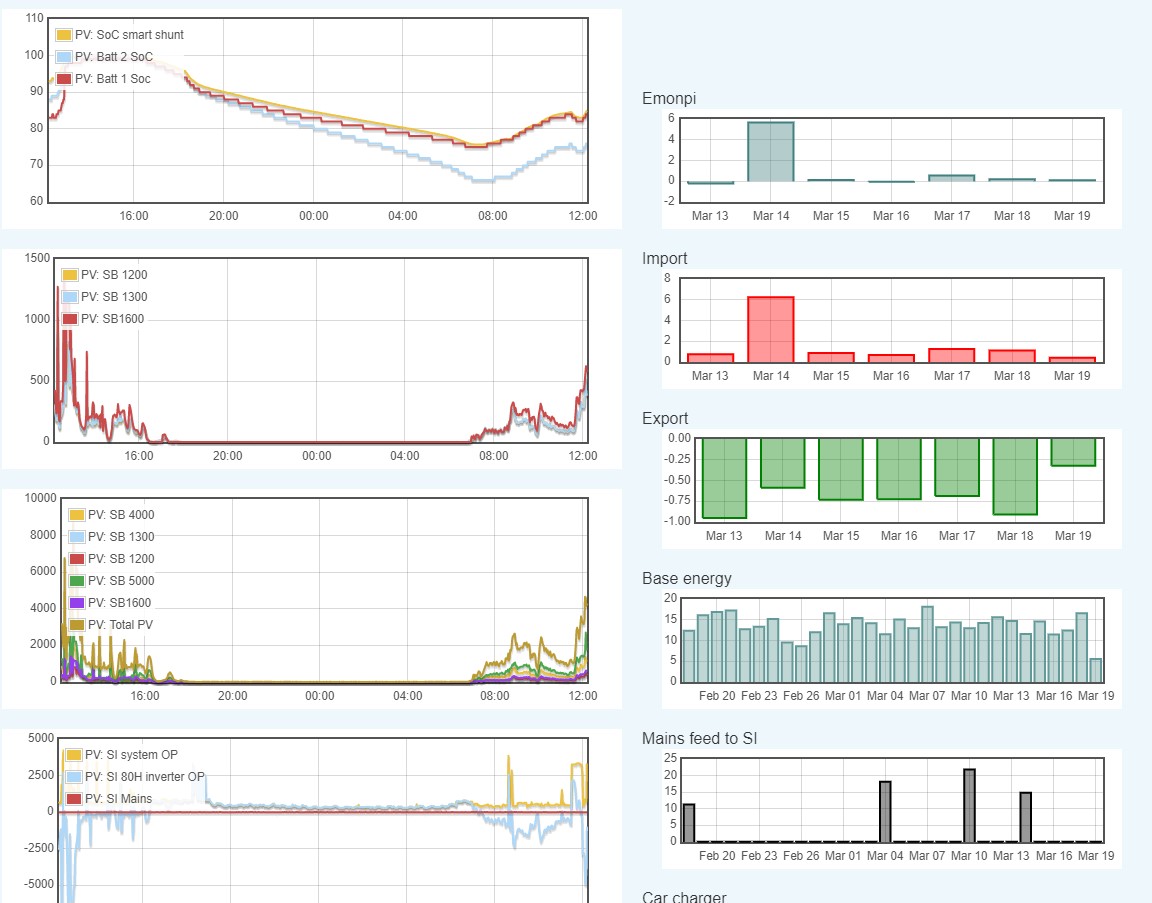
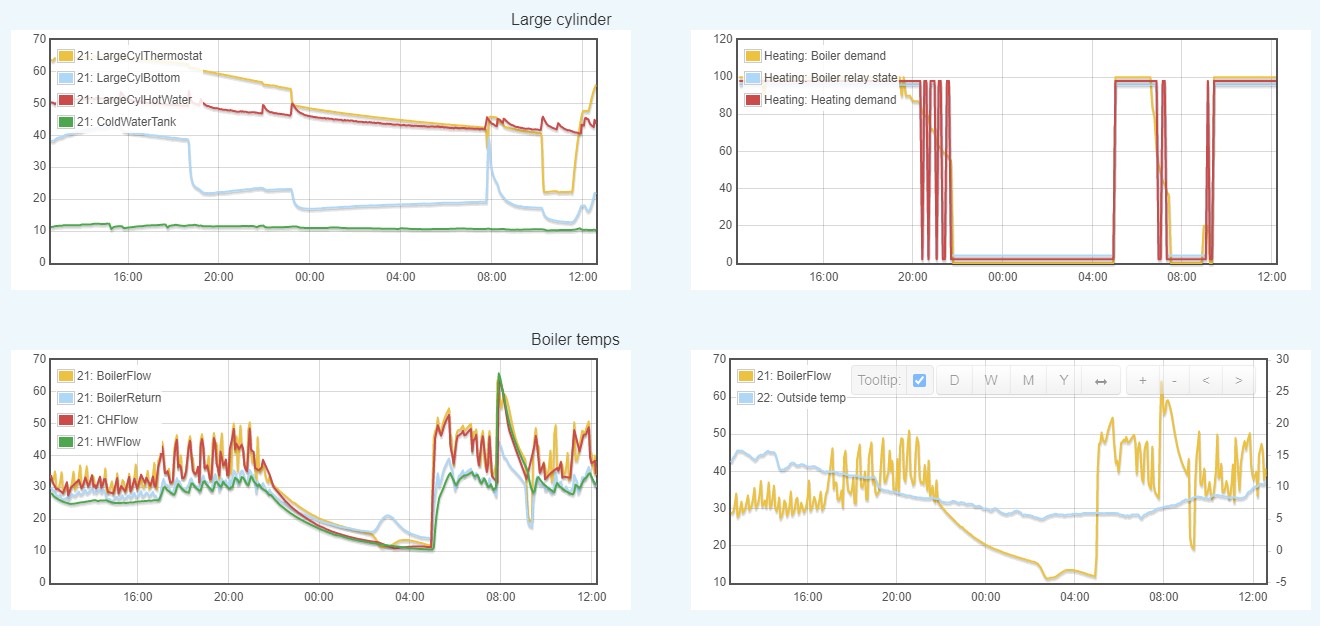
To find things like the boiler short cycling! The reason for that is because every room has temperature control. It's quite warm at the moment so most of them will be closed so nowhere for the heat to go. I'm going to install an ASHP with a different control strategy so there's no point in doing any more about it. I find it interesting in itself and it can tell you if you've accidentally left something on. The measurements from the solar system are linked to the EV charger so the EV can be charged from solar without over taxing the inverters. It's also used to control the immersion heater and pool heat pump so they only run when there's enough PV power available, etc. etc.
-
I use EmonCMS https://docs.openenergymonitor.org/emoncms/index.html .When I started this monitoring business years ago the likes of SQL and RRD were the common options but well beyond my capabilities to use. EmonCMS has a learning curve but it's trivial compared to other databases. The easiest option is to write the SD card image to a micro SD card and put it into a RaspberryPI (if you can find one) then you configure it with a web browser. The database is looked after by the program; all you have to do is decide which version to use and how often you want the data recorded for some db choices. You can log the raw data but there is also the possibility of processing the data and logging the processed data. It was originally developed with power monitoring in mind so logging power, energy and daily energy are basic uses, but it will store and process any numerical data. I use http or mqtt to get the data into the db. Once there you have multiple graphing options.

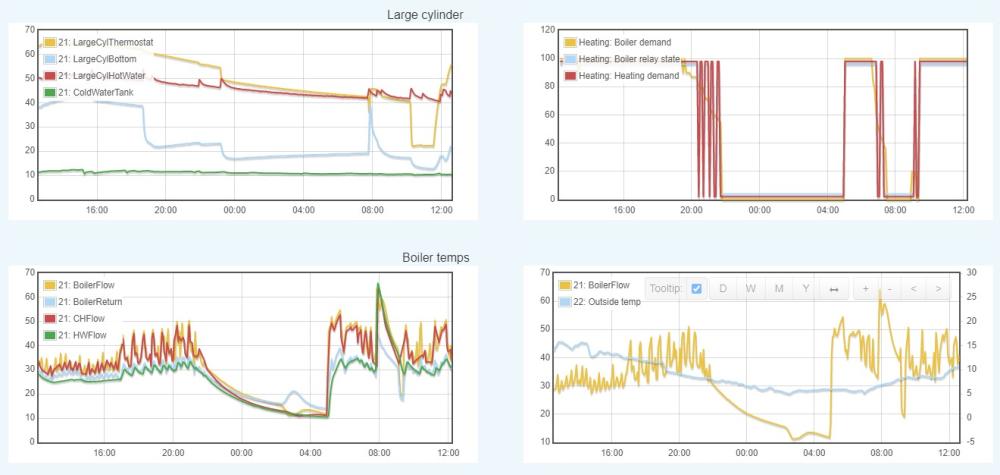
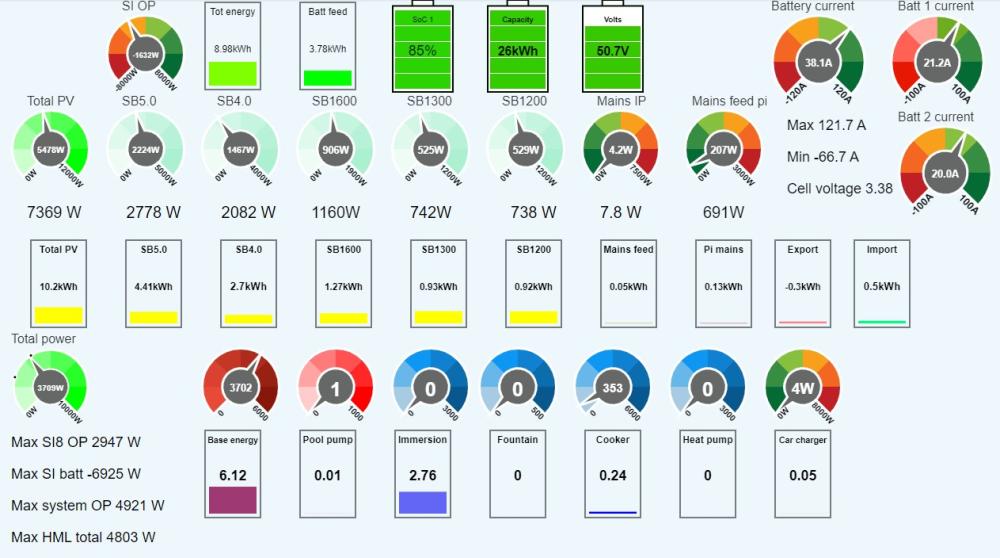
-
In the radiator sheet I see that they've given the output of the existing radiators in the hall and kitchen as 0. If they put that in their calculations the programme will say that they need to be upgraded. If you can find the iutput of the designer radiators you may find that they are already adequate. According to their figure the Bathroom towel rail does need to be upgrded, but the difference is small and if you are prepared to accept a slightly cooler bathroom you could stick with the existing towel rail. However, I suspect that they will insist on changing it. My radiator upgrades are going to cost about £5,000, £620 looks cheap! I think that the BUS insists that hot water is supplied from the ASHP which would be why they want to replace an electrically heated cylinder.
-
The big phone switch over/off in 2025
billt replied to Temp's topic in Networks, AV, Security & Automation
My brother used to work for the GPO and worked on SystemX. Can't say I know much about it though. -
A 120l cyliinder will be perfectly adequate for your use, if correctly designed and operated. A 300l cylinder will just waste energy. However good the cylinders insulation you will inevitably have large losses from the pipework. Keep it as simple as possible. Solar thermal is expensive and not worth doing these days. My system has a 120l cylinder with a fast recovery coil heated by a 19kW boiler with hot water priority. The boiler runs at 70-75C when heating water and will heat the cylinder from cold in 20 minutes and much less time for reheating after some hot water has been used. Weather compensation is used for central heating water. There's an immersion heater at the bottom of the cylinder which can be fed from excess PV production.
-
It will be something like this https://www.aircondirect.co.uk/p/1449870/10000-btu-wall-mounted-air-conditioner-and-heat-pump-without-outdoor-unit-with-wifi-for-rooms-up-to-30-sqm the gubbins are all internal so there's no issue with complying with planning permission or F gas regulations, but they are more expensive and don't seem to be as efficient as split units. I doubt that they do ventilation as the air flow for the heat exchanger should be sealed.
-
Part E Building Regulations - legal question
billt replied to LightsBlinding82's topic in Building Regulations
I doubt that you have any recourse via building regs, which are basically unenforceable after a very short time unless the failure to comply results in a dangerous structure. You might be able to pursue the issue of nuisance, but you would want guidance from a suitably experienced individual. If the shop owner isn't cooperative it's likely to be a long winded, expensive and frustrating process with an uncertain outcome. -
Sorry, but you're client is wanting a £5,000 bung from the government. It is perfectly reasonable for him to abide by the conditions that are imposed if you want the bung. If you want to do your own thing you are perfectly at liberty to do so, just without £5,000 from the rest of us. (If you can afford a Loxone system you're pretty well heeled, so I suspect that £5,000 is neither here nor there.) Yes, I have no doubt that it is possible to set up an HA system to work perfectly well with a heat pump. It is not reasonable to expect an installer, who may only have training on a subset of systems, to cope with a random, bespoke control system when setting up or trouble shooting the system. FWIW, I'm installing my own ASHP, partly because I wouldn't see any benefit from the £5,000, but also because I wanted control over the design of the system. Losing a dubious subsidy like that doesn't bother me, and I can't afford Loxone.
-
Afraid my sympathies here are with the installer. They have to follow a path defined by MCS so are limited in terms of design. They will be expected to ensure that the system heats the building effectively (probably why they oversize heat pumps so often) and will have to return to fix things if the system doesn't work as expected. Some random HA system interfacing with a heating system is going to make their life much more difficult (and it probably won't work very well). Using a single zone actually sounds as if he might be designing a reasonably good system. Having spent many hours reading the good info about heat pumps here and elsewhere randomly turning rooms on and off is not a way to operate a heat pump system efficiently.
-
My batteries are outside the house. I disconnected them when we had those sub zero days recently, but that was probably over cautious, as the batteries never got to zero. We don't actually get many days of very low temperatures in most of the more southerly parts of the UK. The issue is that LiFePo4 cells don't like being charged at low temperatures, you can still discharge them if yoou don't use high discharge rates. When I rebuild my batteries I'm going to put heating pads under the cells, thermostatically controlled, for the 2 days a year when it might be an issue.
-
Depends which DC cables you're talking about. If it's the 48V battery cables they want to be as short as possible. If you mean between the panels and the inverter, that depends on the string voltage. If the DC voltage is much above 250 then there's no loss in making the DC cables longer than the AC cables. Personally there's no way that I'd put batteries in the loft. LiFePo4 might be the safest Lion chemistry, but you're going to be storing a lot of energy, if it goes wrong with poor access the consequences could be sever.