Onoff
-
Posts
21056 -
Joined
-
Last visited
-
Days Won
206
Everything posted by Onoff
-
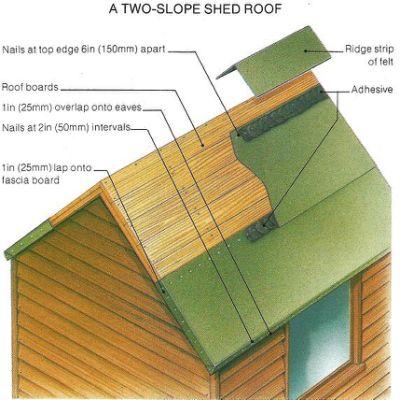
Nothing wrong with a double thickness of felt at the ridge. A strip of lead is the ultimate! I'd put any battens down the slope of the roof so water runs off. Having them lengthways, i.e horizontal and crud just builds up behind them unless you start packing behind them. Just imho.
-
Put a Quinetic receiver where the existing switch is. Standard or dimming. You have L&N there coming in then switched live out? You just need L&N into the receiver then from the output, switched live and neutral to your light(s). https://www.tlc-direct.co.uk/tcl/search?query=Quinetic+receiver+&Submit=Search Then for your remote switch pick a grid module as close as to your other switches. (Assuming you won't want the big, standard, Quinetic switches): https://www.tlc-direct.co.uk/Manufacturers/Quinetic/
-
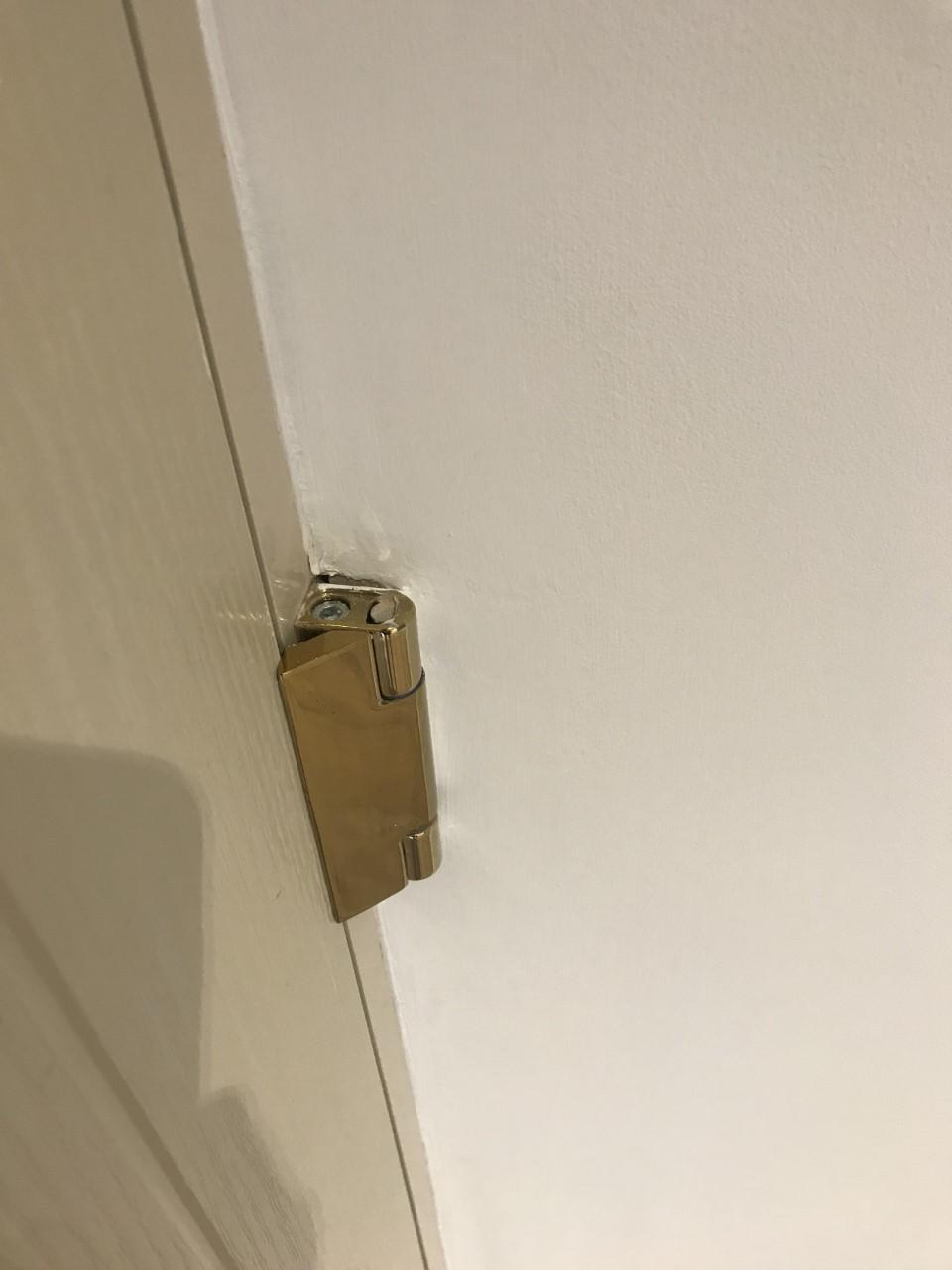
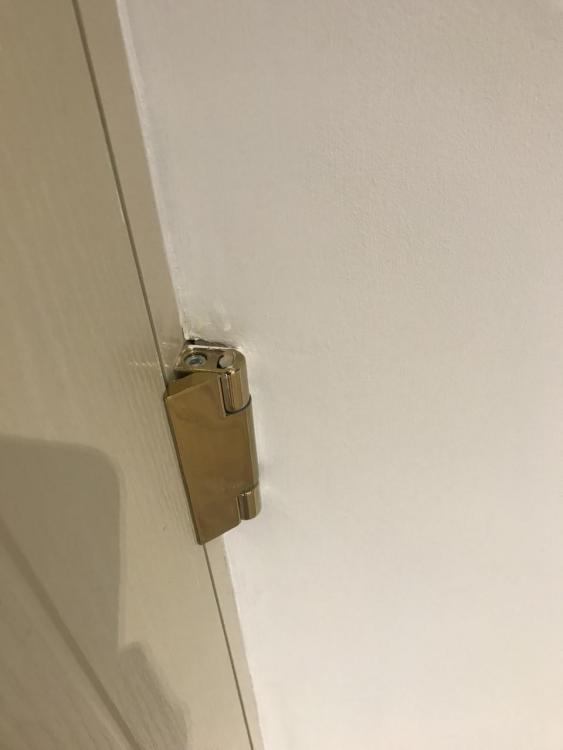
Anyone recognise this door hinge make? Need some caps. Asking for someone else. Cheers.
-
I can't see the need tbh for the underlying OSB over the whole area. I'd set up a laser and locally pack (like I did) to level it. You could stick the packs to the tiles then the CLS to the pack. Is there any insulation under that original, tiled floor? Guessing not. Filling between the CLS with insulation would be a good idea. It'd cut down on any drumming noise too as you walk across it.
-
I've seen Grade 304 bolts by the sea like a Swiss cheese, literally holes in them you could could see through. If you go stainless go 316 and nothing else.
-
That seems expensive for a start! Similar to the Reign model I and a few others on here have. Still Hudson Reed. Top control does the rainfall head flow Middle sets temperature Bottom does the handset flow You can have both going at once. Good price here: https://www.qssupplies.co.uk/bathroom-furniture-shower-taps/57864.htm
-
 Do you consider the switching in another room to be local and could you isolate it quickly? Btw, you don't want to be in a room where the isolation is if the exit is in the room where the equipment is.
 -
45x95 so "4x2".
-
This is the code my lad used for showing the temperatures, simultaneously for 4 DS18b20 sensors. Ripped off from somewhere. All's he's done is add 1 line to the config file on the Pi to get it to work. This even though it should have defaulted to pin 4 anyway: #!/usr/bin/env python import glob import time # DS18B20.py # 2016-04-25 # 73 01 4b 46 7f ff 0d 10 41 : crc=41 YES # 73 01 4b 46 7f ff 0d 10 41 t=23187 while True: for sensor in glob.glob("/sys/bus/w1/devices/28-00*/w1_slave"): id = sensor.split("/")[5] try: f = open(sensor, "r") data = f.read() f.close() if "YES" in data: (discard, sep, reading) = data.partition(' t=') t = float(reading) / 1000.0 print("{} {:.1f}".format(id, t)) else: print("999.9") except: pass time.sleep(3.0) Of course it does this all in a terminal. How then would he make a graphical representation of the enclosure on screen with text boxes for each sensor? I just need to point him in the right direction. Cheers
-
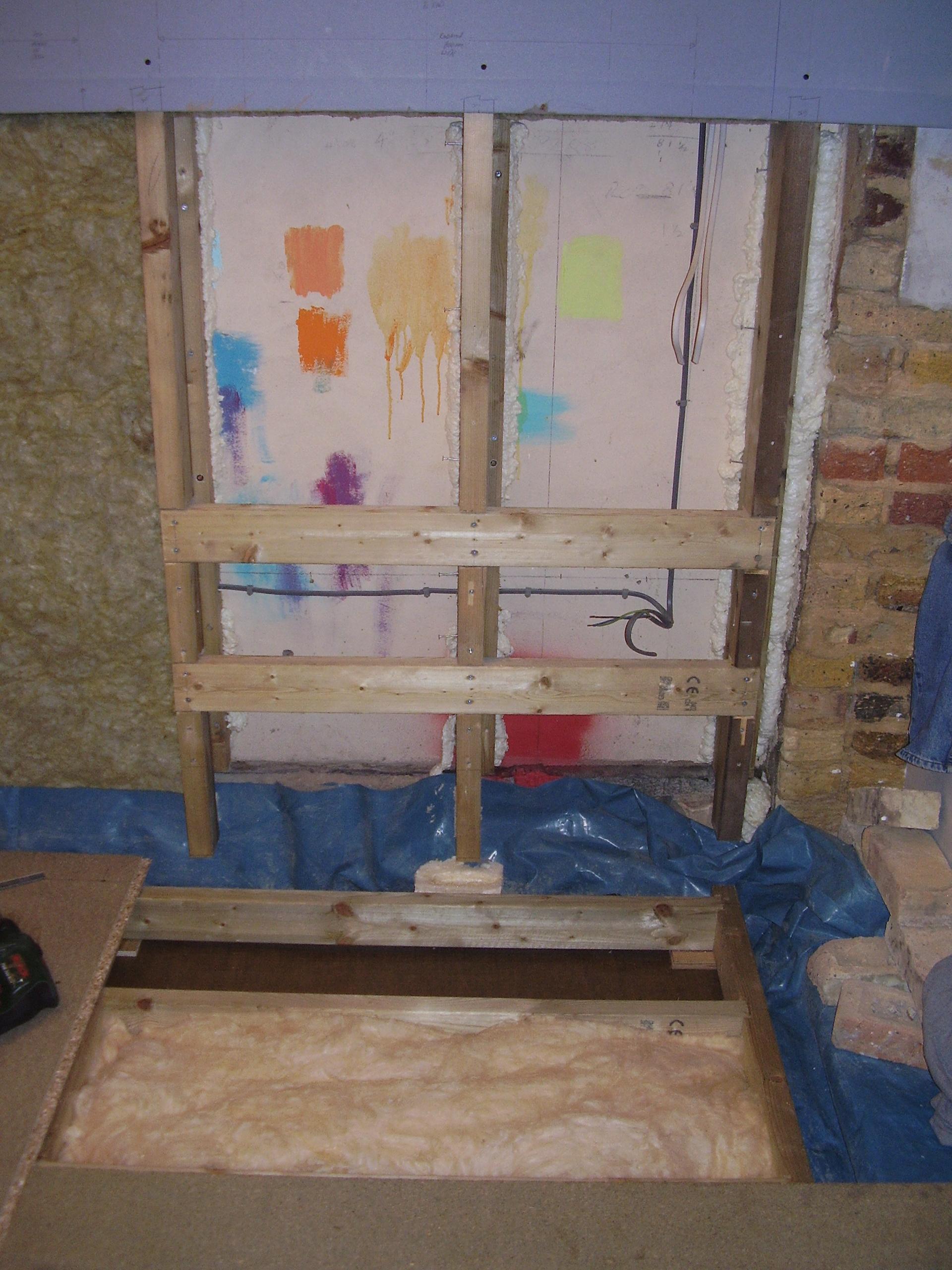
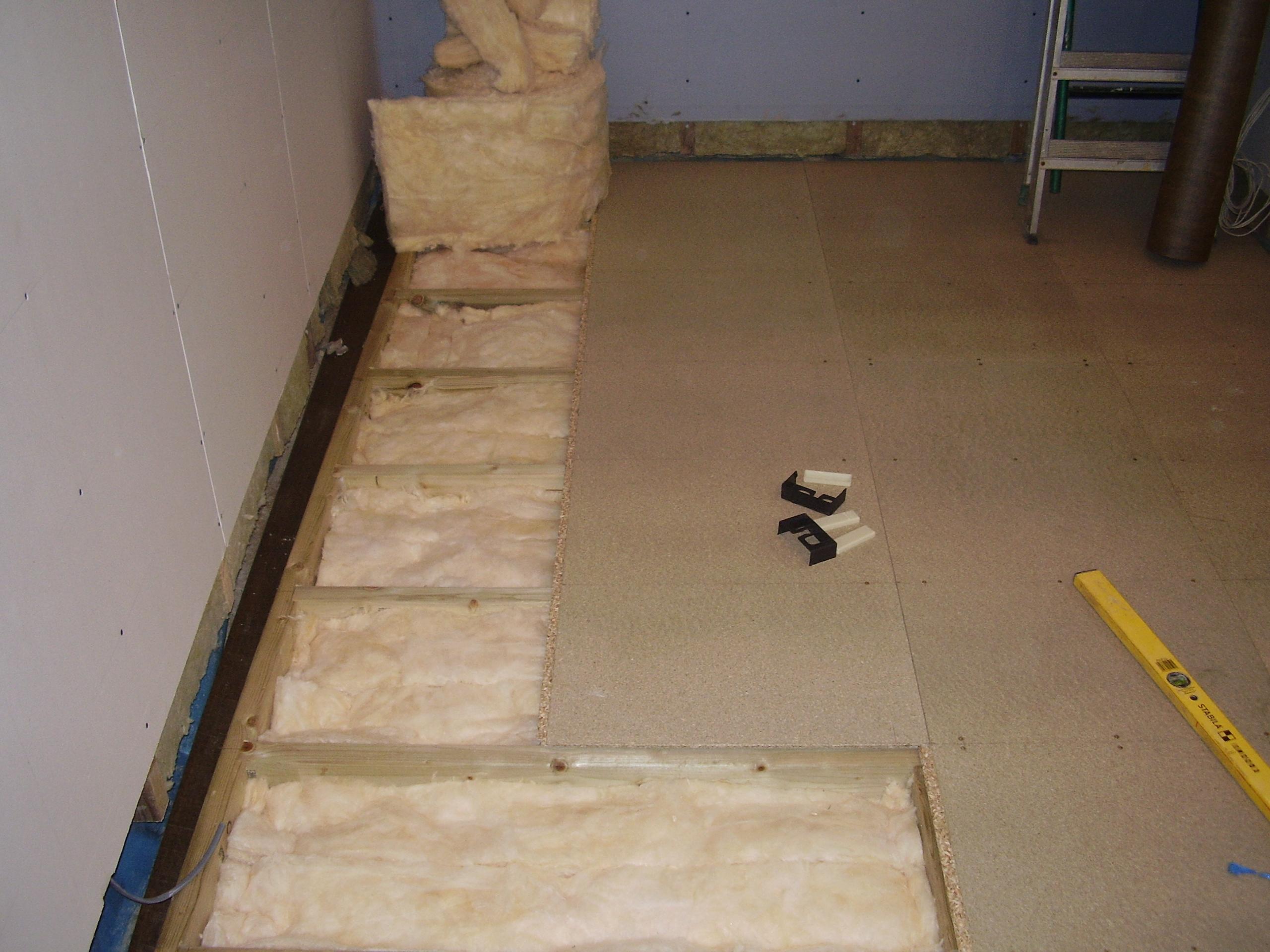
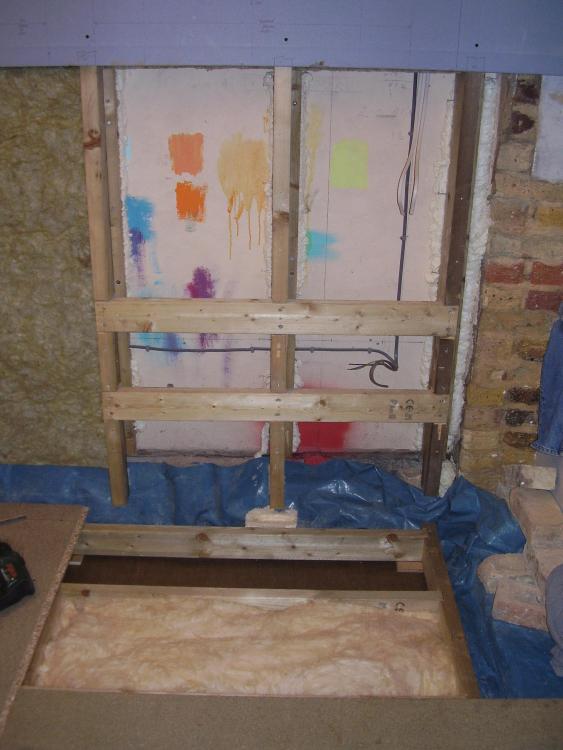
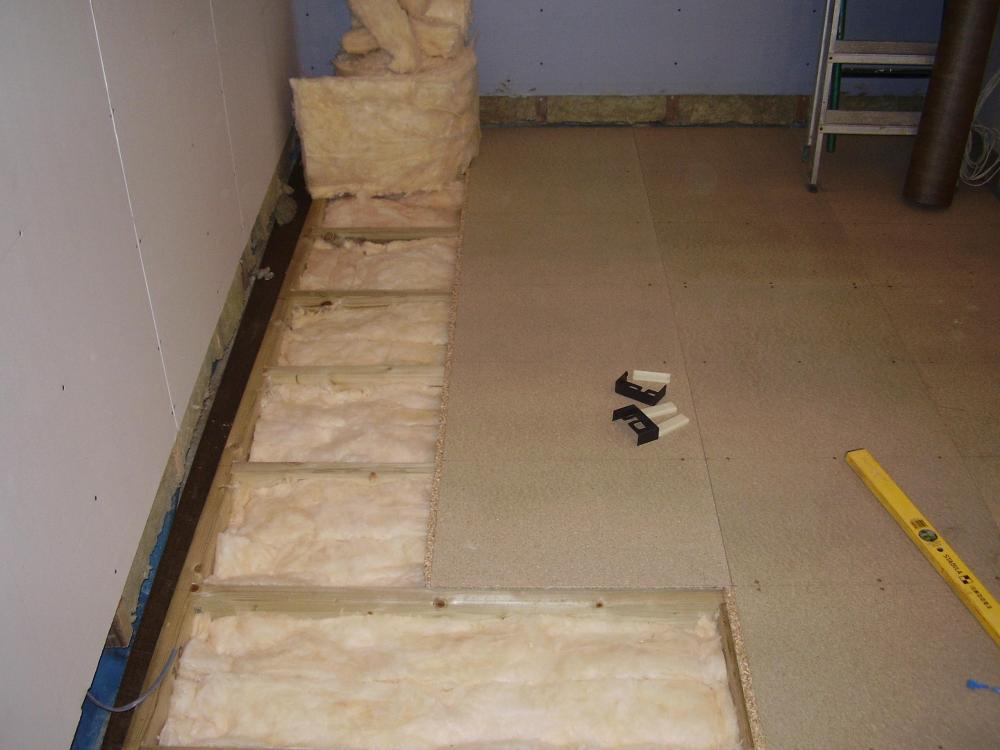
My CLS is not secured to the concrete floor in any way whatsoever. Not got many photos of back then but a few. We had a low boot room / coal store that was lower than the rest of the house. (Previous owner used to breed rabbits in there). I simply put a DPC down, 2 layers of wax building paper (no idea why) then made up a glued and screwed "stud wall" which I then laid down flat. The "frame" has a gap underneath. You can just see 2 of the 100x100 ply packs. I laid the frame down and figured how much it had to come up to meet the adjacent floor. Then just slipped in ply packs to suit the gap at that point be it 6, 9, 12, 18, 24mm etc. I lifted the frame off the packs and put a big squrt of pva between ply and underside of the CLS then left to dry. Rock solid is an understatement, no squeaks whatsoever! Widened the doorway, studded the walls etc: I've only got 100mm of roll insulation between joists. There's also a deliberate gap all round the floor frame. I had some mad idea it would be good for airflow/to stop damp! ? NB: This was before I discovered the forum or I'd have done it all different with UFH and masses of insulation under the floor that I'd have had to dig deeper. Hindsight eh!
-
How about just bonding down some thin cement type boards, the type used for under cloaking? You would want them laid in the direction of the roof fall so as not to cause a dam effect.
-
I did a similar floor downstairs: - Original concrete subfloor - 2 layers of waxed building paper - 4x2 CLS @ 400mm ctrs (in effect a glued & screwed stud wall laid on its side) - 100x100 ply packers - thickness to suit. These slipped under the floor joists with a big slug of D4 glue at each point. -22mm T&G affixed with SPAX It's the best floor in the house. Not a peep of noise and rock solid. Might sound a mad idea but I wonder if you could pour some sort of self levelling compound in through some discreet holes to flow under all the gaps? Maybe via a solid board cutter:
-
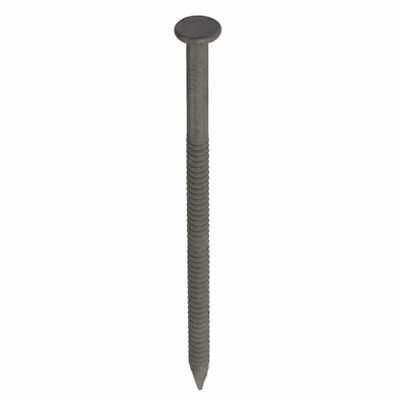
It's a common problem to have floors nailed down with angular ring nails like this: Far better is to use SPAX flooring screws: Ask me how I know! Our upstairs (ring nailed by hand) is 18mm T&G chipboard on 400mm centres and it initially had terrible problems. The SPAX have made it better but it's still not perfect. All the noggins appear hand nailed so I think they might be part of the problem.

-
Try County Batteries. Very helpful: https://www.countybattery.co.uk/
-
Tin foil:
-
How about actually trying it instead of thinking it can't be done on a tapered edge board? Just use a bigger disc to miss the tapered bit if you're that bothered.
-
Are we talking trips to the vet or do you just think they've burnt their feet?
-
Get a dog. Cats will move quicker and not burn their feet.
-
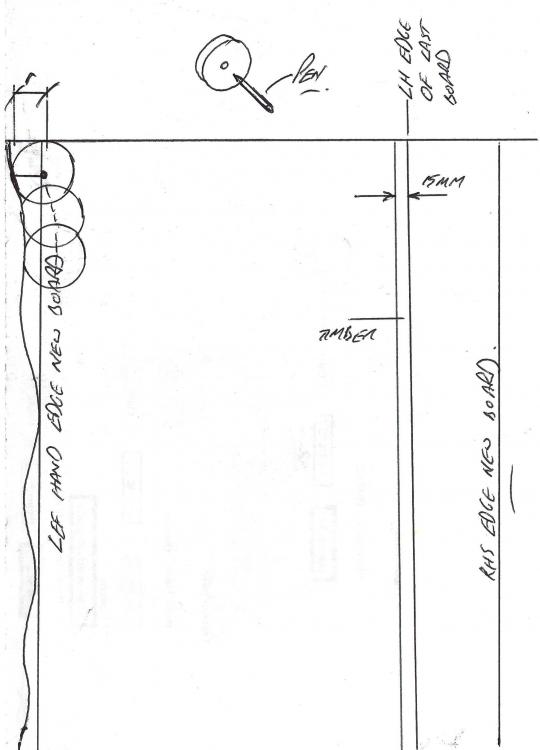
& yes, cut the rhs side to suit. Quickest way for all of us. So what if it's no longer a tapered edge before you ask!
-
-
How many clear suggestions do we collectively need to make before you get it? "I get it...no I don't...yes I do...I'm going to ignore that so I can keep this thread going..."

-
Fibaro switch wiring lack of knowledge!
Onoff replied to Pocster's topic in Networks, AV, Security & Automation
On this forum? -
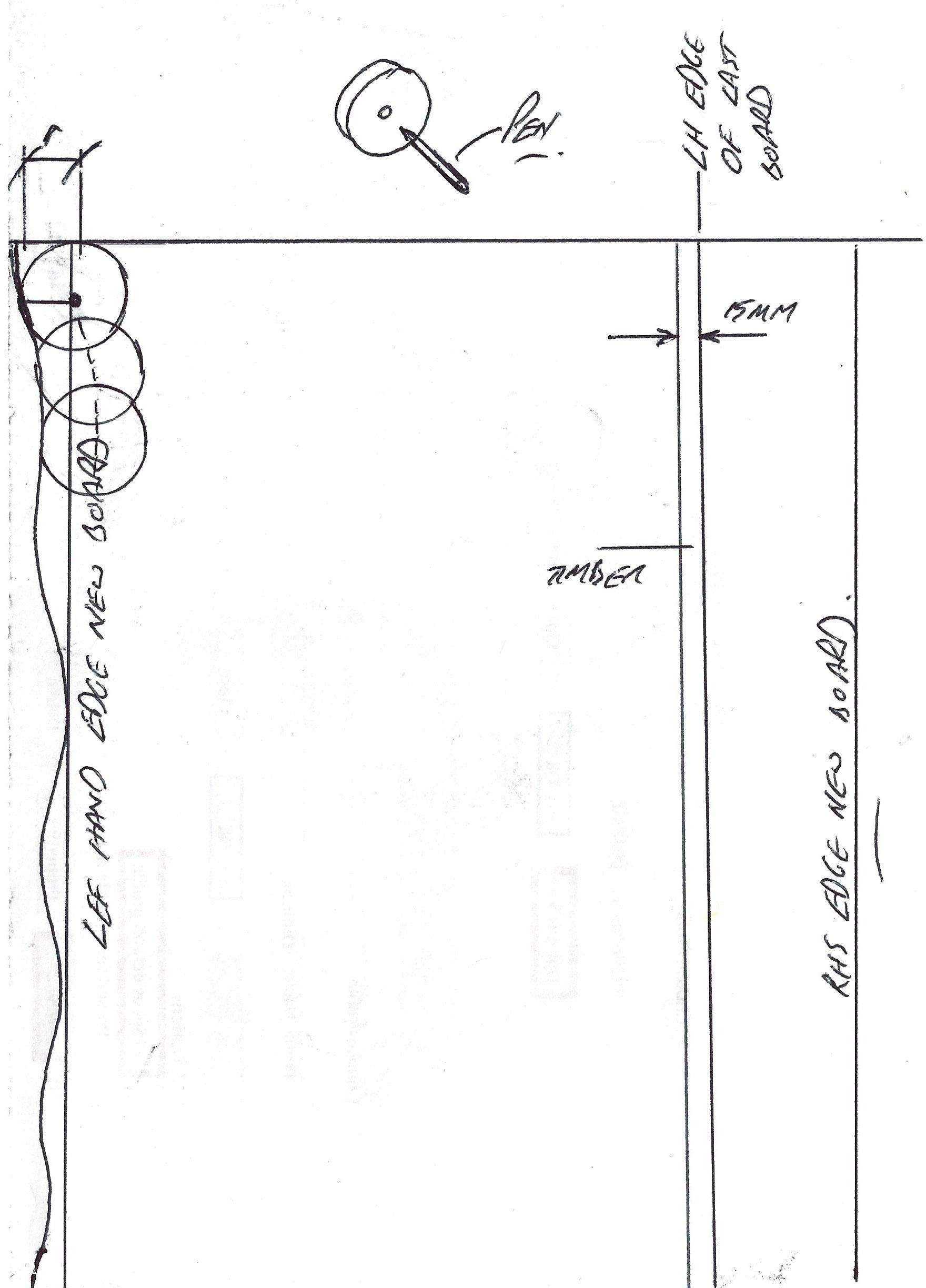
You could just do a series of marks say 50mm apart, vertically down the edge of the last board fixed - where you only have 15mm to fix to. Draw a vertical line on the foiled pir as close as you can to the wobbly wall. Mark that out vertically too, every 50mm. Then just measure at each point from last board fixed on the rhs to the wall. Transfer those measurements to your pb working from the rhs edge. The closer the marks the more accurate the fit. Join the dots. Cut to that. Acrylic decorators filler thereafter.
-
Rats rats rats . I forgot that they like streams too.
Onoff replied to Patrick's topic in Infestation
+1. Far better than a cat. Once saw the MiL's Jack cross take two caught rats released from a cage. It chased the second up the side of the old weatherboarded house. Mind the dogs can be destructive. Same dog burrowed through a sack of pony nuts to get to the rat nest behind it. -
If I've one or two 2.5s going into a face plate terminal I double them up. If 3 I tend to leave them as they are. I strip back nom 18mm and bend over to 9mm. Not all terminals mind are made equal in terms of size i.e amount you can get in. Ditto the quality of terminal and how likely they are to strip or have the head shear off!