Ian
-
Posts
751 -
Joined
-
Last visited
-
Days Won
3
Everything posted by Ian
-
it's well worth ringing them once the public consultation is over. The planning officer should now be able to let you know what their recommendation will be and also timescale for the decision notice.
-
Cutting down a TPO tree by mistake - Enzo's homes
Ian replied to Moonshine's topic in Planning Permission
@Onoff there’s no automatic protection of trees unless you live in a conservation area. Also you’ve got to be careful if your house is listed. The LA keep a list of TPO protected trees but it’s obviously not a good idea to make an enquiry giving your exact address. -
It's the extreme alkalinity of concrete (ph of 12 to 13) that prevents the embedded steel from corroding.
-
@nod Mine was 3.7 without using any special tapes or airtightness membrane however my build was timber frame and timber clad. Did you wet plaster or dry line your inner block wall?
-
@Redoctober @Jude1234 @Christine Walker @CC45 Hi, The broker I used is called Mayfair Performance Insurance, 11 Lurke Street, Bedford. Tel 01234 242900 (no connection with them other than as a customer) My reason that i went through a broker is that my self-build is a holiday home which is timber frame and timber clad so a little unusual but the insurance is not too bad - £200 a year for the building & usual 3rd party liability (but no contents cover) I've been using them for a couple of years now and started a few months before I got my building regs completion (but after the highest risk work had been completed). Loss as a result of construction work prior to full completion was an exclusion on the policy. Ian
-
@nod PM sent with the brokers details.
-
I managed to get normal building insurance well before I had a building regs completion certificate. Let me know if you want me to PM you the details of the broker I used. The only exclusion was loss as a result of construction work.
-
My Biopure 1 is serving a holiday home and I was advised by the manufacturer to run the blower 2 hours on/2 hours off. its been running about 18 months now without any issues. With the 50% reduction in time the running costs are only about £20 per year as the JDK-S-60 pump is already a low power one (27 watts I think)
-
@Russell griffiths extract from AD B of the building Regs for England re escape windows: “Note 1: Approved Document K Protection from falling, collision and impact specifies a minimum guarding height of 800mm, except in the case of a window in a roof where the bottom of the opening may be 600mm above the floor.”
-
I built a 71sq.m holiday home where I had similar issues to some of yours in that I wanted to keep the wall thickness down. I ended up with a 260mm thick wall with a U value of 0.21 I compensated by having better insulation in the roof (0.13), floor (0.1)and windows (0.8 3G) wall build up from inside to outside was skimmed plasterboard on battens to form a service cavity - 25mm foil faced Cellotex insulation 140mm timber frame filled with mineral wool insulation OSB with external cedar horizontal weather boarding on battens.
-
thats exactly what I thought. I'm guessing 300mm of larch would be a wall U value of about 0.4 which is nowhere near enough for building regs compliance
-
@Adamantium AD K of the building regs in England requires the following: Tread width (going) should be between 220mm and 300mm Step height (riser) should be between 150mm and 220mm Max allowable pitch is 42 degrees When measuring tread widths, overhangs don’t count: Page 4 is the relevant bit you need: https://assets.publishing.service.gov.uk/government/uploads/system/uploads/attachment_data/file/443181/BR_PDF_AD_K_2013.pdf
-
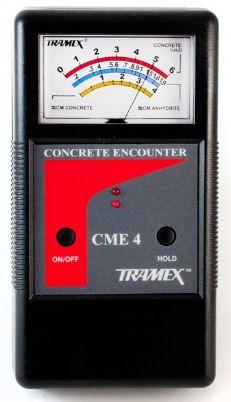
Just to re-state the point I made earlier: you can easily get a false positive reading from a Tramex meter, especially as they are calibrated for concrete and not calcium sulphate. It's worth getting a hygrometer or calcium carbide test done to double-check that the Tramex readings are correct. Using the Tramex the floor might be bone dry and your meter is telling you it's wet.
-
@Jude1234 What method are you using to test the relative humidity levels in the screed? Edit - the reason for asking is that some of the commonly used test methods can be unreliable, particularly when the screed is calcium sulphate. If your builder has been testing using a Tramex CME meter (see photo) they can sometimes give false high readings. It would be worth checking using a different method. It doesnt sound like you have the time to get a hygrometer test done as they take 72 hours but you could get a calcium carbide test done quickly if you can find someone to do it for you.
-
@Jude1234 In order to get your screed dry you need a differential between the relative humidity of the screed and the relative humidity of the air in the house. For example, if the air in the room is warm with high humidity because all the windows are shut while the UFH is on then the screed is not going to dry out. Have you tried running dehumidifiers at the same time as the UFH?
-
I don't think it's a good idea to use a liquid dpm on top of a still-damp Calcium Suphate screed like yours. It would be okay with a sand cement screed or concrete but calcium suphate screeds have a high gypsum content. If you use a liquid dpm before the screed has dried out properly it will trap any residual moisture and there is the potential for the gypsum to swell up and become soft leading to your floor finish debonding. http://www.contractflooringjournal.co.uk/blog/anhydrite-screeds-handle-with-care/ Edit: I've read that some manufaturers of liquid DPM claim they have products suitable for use with calcium sulphate screeds but it's not something I have any personal experience with. EG: http://www.uzin.co.uk/products/calcium-sulphate-screeds-need-uzin/
-
ICF Queries/concerns from Architect/Structural Engineer
Ian replied to Adam2's topic in Insulated Concrete Formwork (ICF)
I'm involved with a largish commercial project which is on site at the moment. The basement was constructed using Amvic ICF using designs by a structural engineer recommended by Amvic (an engineer who is used to their system). Waterproofing of the Amvic was by Sika who designed it (it's a separate membrane system) then regularly inspected the work on site. They are providing a 20 year waterproofing guarantee. -
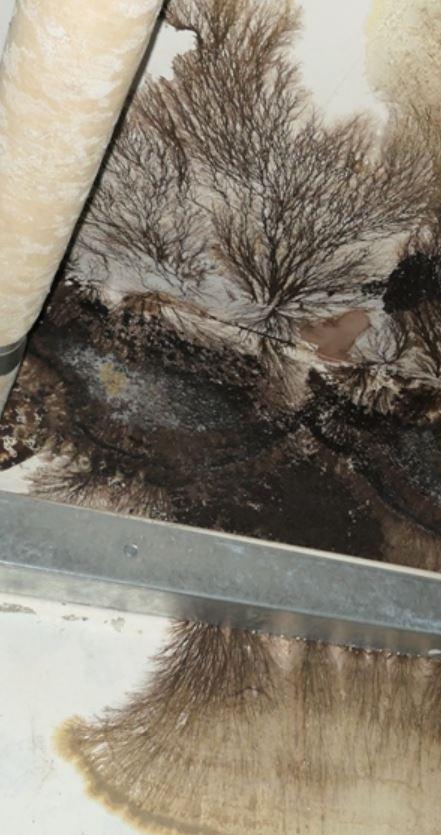
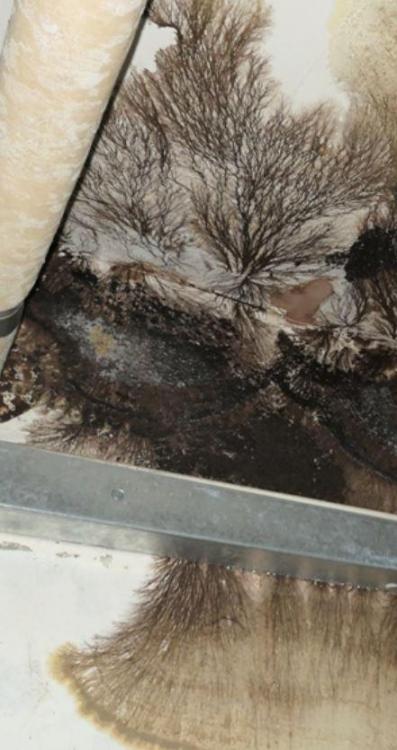
I've got some nice dry rot fungus on a job I'm involved with at the moment. Ideal growing conditions in a leaky basement so no mushroom fruiting bodies visible but plenty of active hyphae.
-
@MikeGrahamT21 Not sure if this will help but on my (naturally ventilated and min building regs compliance) timber frame new-build bungalow we got a figure of 3.7m3/(m2·h) on the air test without the use of any specific air tightness products - so no special tape or membranes. We had a ground-bearing concrete floor rather than suspended timber. Anything lower than 3.0 and I would have needed MVHR so 3.7 was a result I was happy with.
-
I know this is an old thread but for anyone doing a search about propane storage the spare bottles should be kept in a well ventilated and lockable store away from the building or site accommodation. Most people don’t know that propane is heavier than air so any leaking gas has the potential to enter and fill open excavations such as foundation trenches, basements or drains - subsequent risks being the obvious explosion/fire risk but also there’s a suffocation risk due to the propane displacing the air in a confined space such a drain manhole.
-
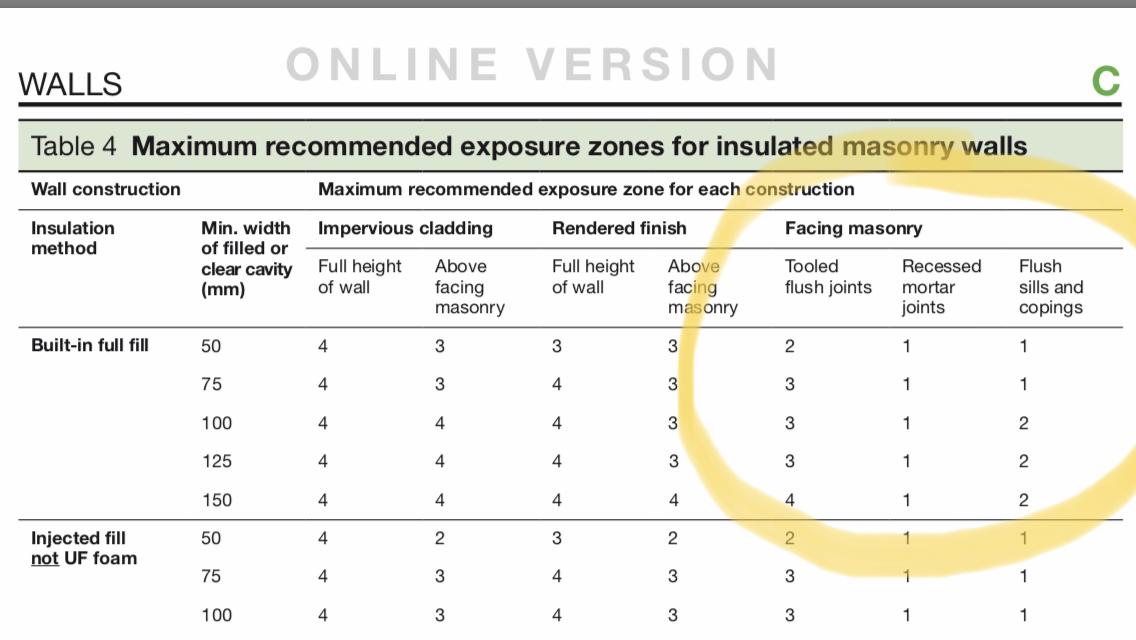
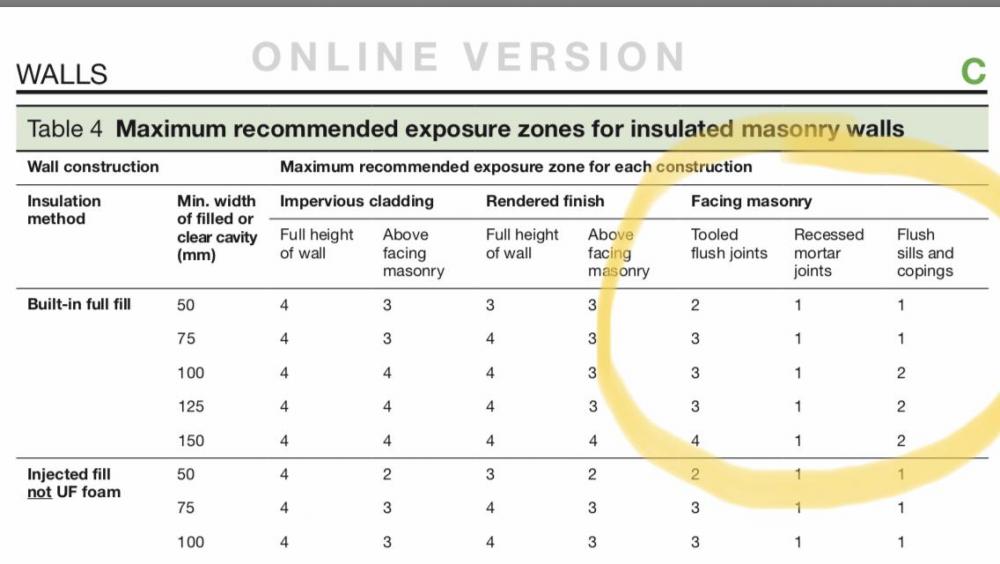
@squealeyhealey even in an area of high exposure to driving rain a full-fill 300mm cavity would be okay as long as you use flush tooled joints in the facing masonry wall. Part C of the Building regs guidance only goes up to 150mm full fill cavity but it shows it’s okay with even zone 4 max exposure sites.
-
They're a clay block very similar to Porotherm. All new Lidl stores are built that way.
-
@reddal Ideally you need an epoxy resin floor eg: https://gbr.sika.com/content/united_kingdom/flooring/en/products-and-systems/resin-flooring/about/sika-resin-flooring.html If you can afford it go for something that has a thickness of between 1 and 2mm. The DIY versions are usually just paint-on and will wear out too quickly.
-
Intumescent paint expands in a fire and forms a protective layer over the steel that insulated the steel from the heat & flame.
-
If you are not trying to stick anything down onto the surface of the screed then getting rid of the laitance is not really an issue although you would still want the surface to be clean and dust free. Your main issue is making sure that the screed is dry enough (it needs to be at 75% RH). There are liquid surface dpm products that can get around the drying issue but they are quite expensive. Alternatively I've occasionally used specialist profiled underlays which allow any free moisture to escape to the edges of the floor.