


Russdl
-
Posts
1783 -
Joined
-
Last visited
-
Days Won
6
Everything posted by Russdl
-
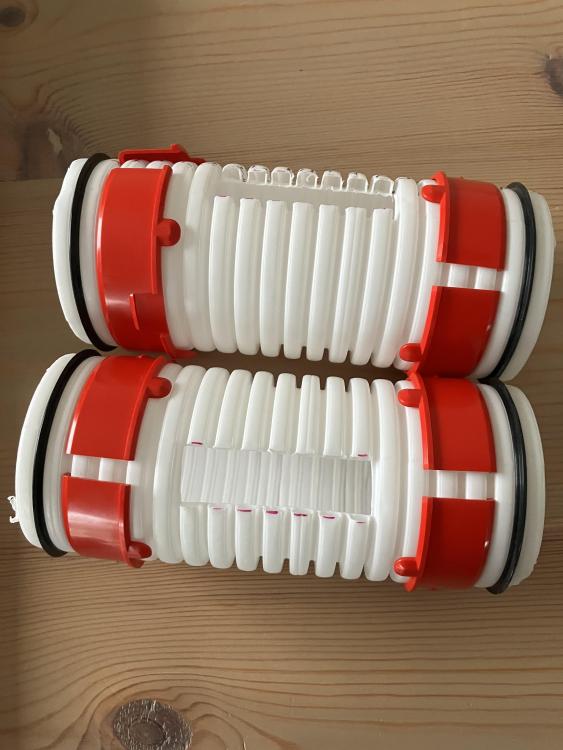
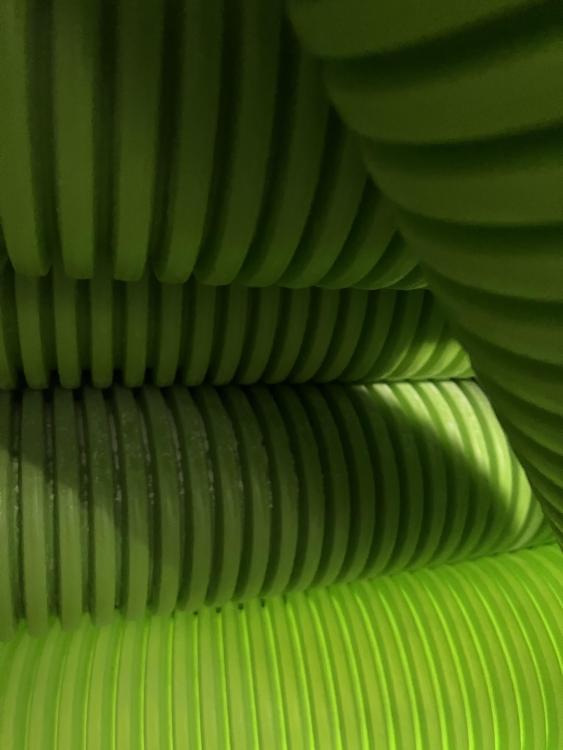
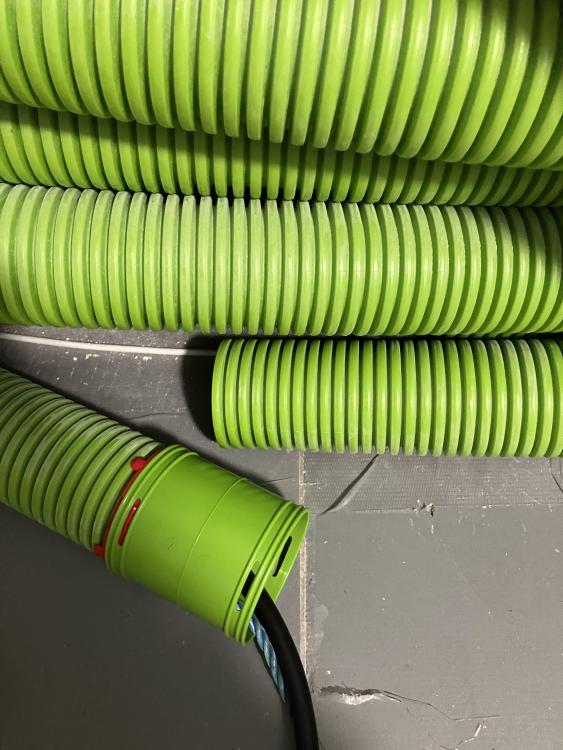
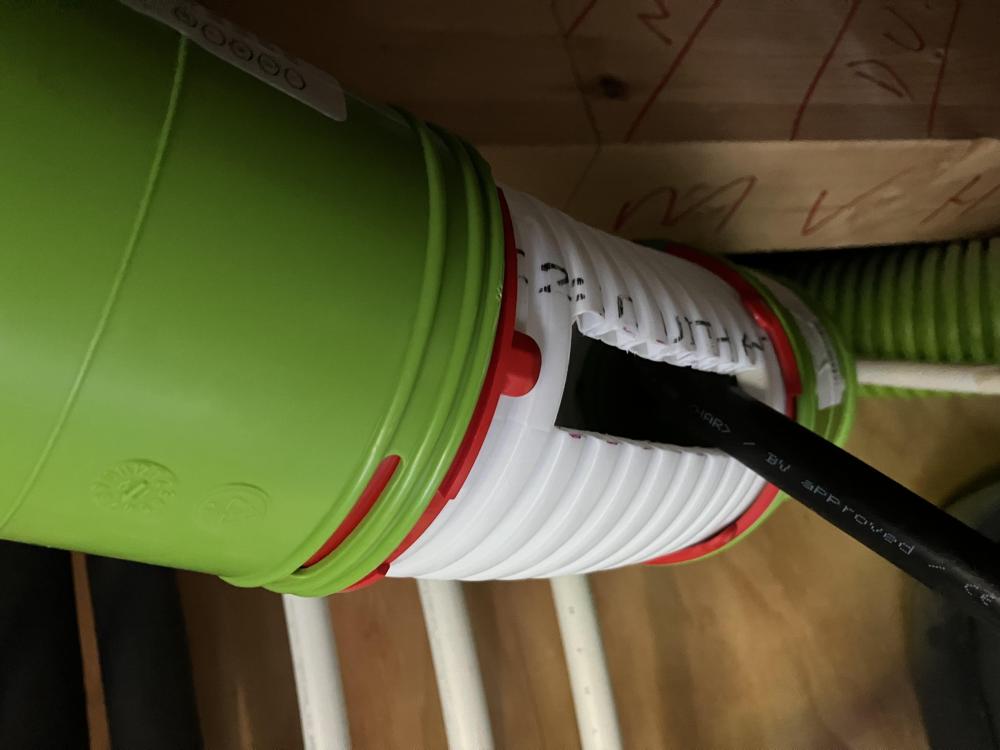
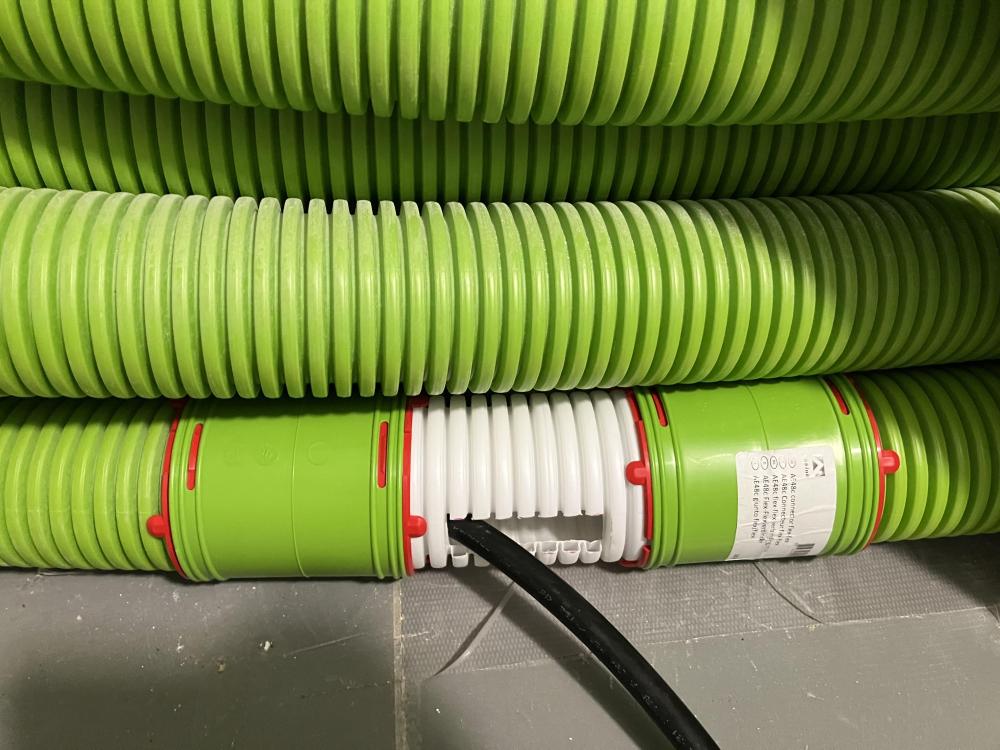
Slight modifications to the plan and the MVHR duct and the 6mm2 is in situ, exiting the duct in both rooms via a slot in a short piece of white duct I had left over and inserted into the main duct run. I’ll make the slots airtight once the battery is in situ and the cable doesn’t need to be moved any more. The modification is easily reversible should the need arise by just removing the smaller sections of duct that I inserted into the run. I pulled a small torch through the duct to make highlight the correct one. Smalls sections prepped ready for inserting into the main duct run. I wish I’d had the foresight to make provision for getting cable etc from the utility room to the MVHR room, but I didn’t so out comes the Stanley knife. Utility room MVHR room in the loft. Battery won’t arrive until early in the new year but I’m ready for it now. One bit of good news, the interior of the duct was as clean as the day it was fitted.
-
Phase 2 complete.
-
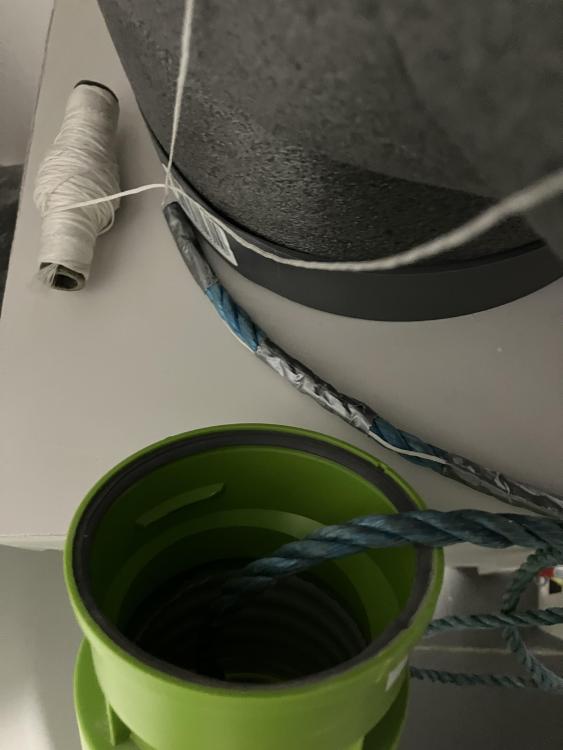
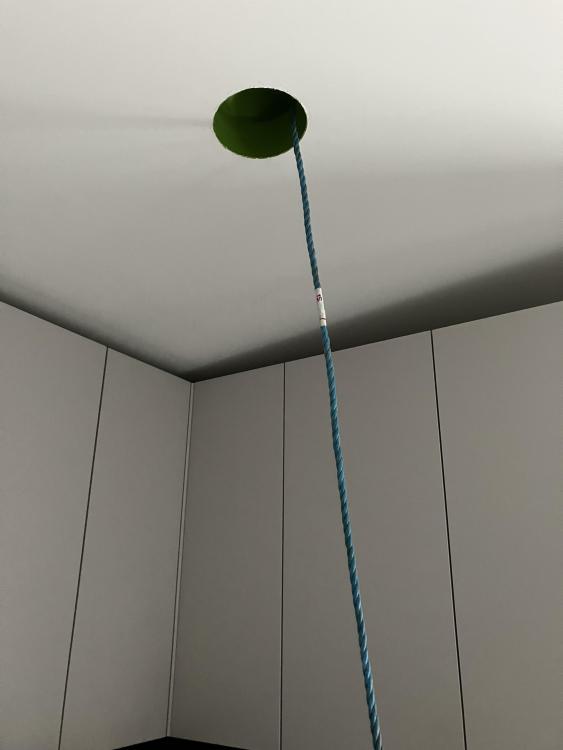
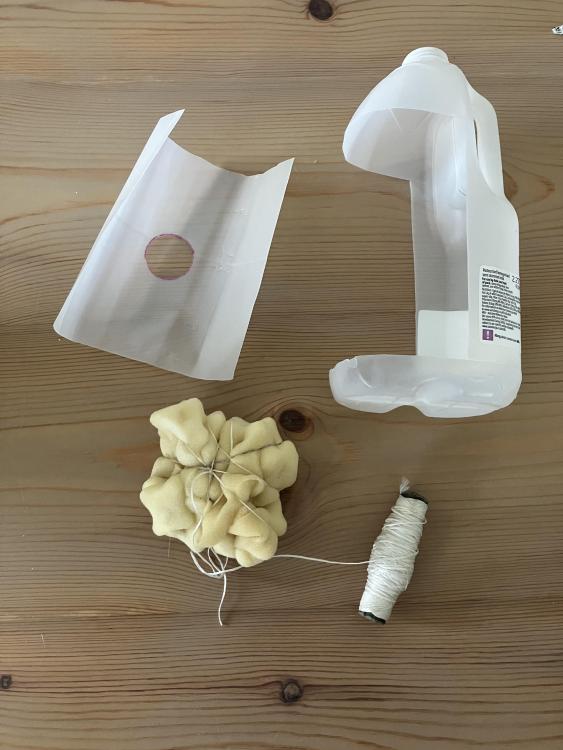
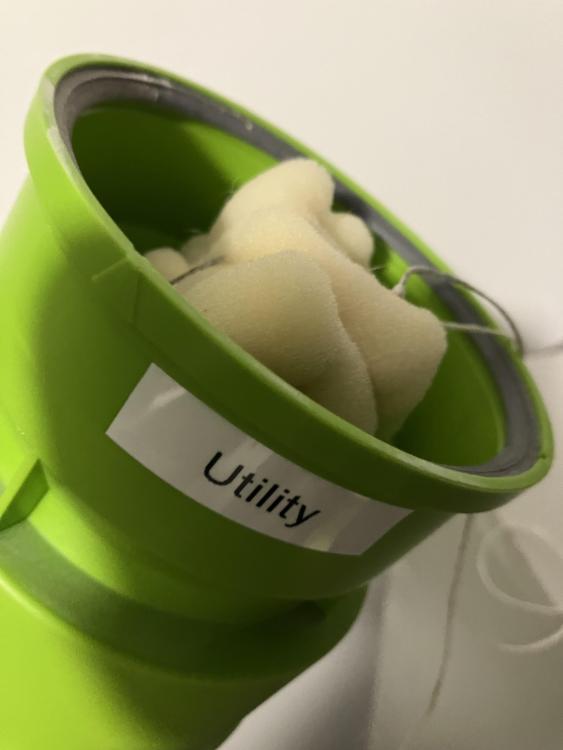
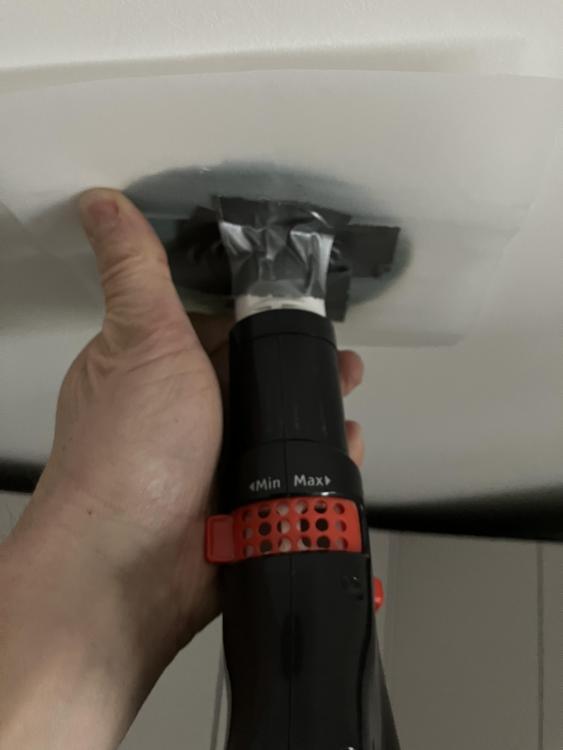
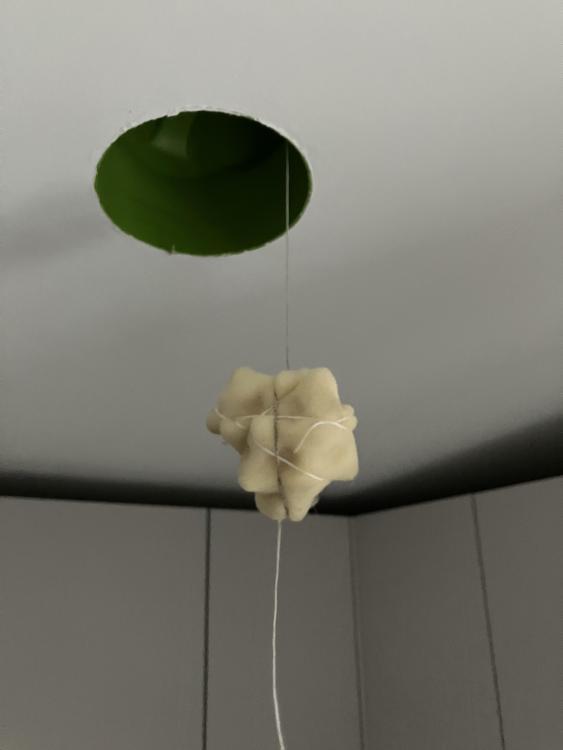
Phase one of operation ‘MVHR as Conduit’ has been a rip roaring success, next stage is to pull a length of rope back through and then attaching the new 6mm2 cable and pulling that through the MVHR duct. Mk1 foam ball was a bit big Smaller Mk2 foam ball.
-
That’s not a dissimilar shape to the garage I’m building, height restricted in the same way you are as we are using permitted development rights. We’ve used EPDM, 8m x 8m with a big triangle to cut off due to the shape of the garage. (It is a long way from being finished though). Our roof pitch is very shallow and single pitch. Why have you gone for different slopes across the roof?
-
I would resist the urge to do that until you are pretty much complete and have stopped creating dust etc. Removing the filters would keep them clean but everything else will get contaminated.
-
Draining external taps prior to the BIG FREEZE
Russdl replied to Adsibob's topic in General Plumbing
If you can isolate the tap from the inside and then open the tap outside I’m pretty sure there will be zero chance of any damage. Any residual water that freezes will expand along the largely empty pipe pushing air out of the outside tap rather than trying to bust its way through the pipe. -
@Nic A quick comment on the current design, your low pitched roof is facing northwest so not ideal for solar if you were planning on that. Can you slope it south east, that would be much more favourable for PV production and then you could start looking at Passive Plus or more.
-
Fill that space with planting (minus path) and it’ll look spotty dog.
-
I’ve not but I did look in to them and opted for external blinds instead. We have a timber frame house and my concern was fixing to the structure without introducing a significant cold bridge, the alternative as I saw it was fixing them abutting the house but with their own independent structural solution. I decided that was too difficult so went for the external blinds which you can get move out of the way if the conditions dictate but a Brise Soleil is for life. Look nice though, but so do my blinds imho.
-
3m may be a bit tight but it all depends on the patio furniture. Adding a meter or two would ease that of course but I’d start from what will the patio be made from? Is it slabs/paving of a known size or a timber deck? Ours is constructed from porcelain tiles, each 1200mm long so three of those gives us 3.6 meters and it’s enough to get past the patio furniture when people are sat there and way more than enough to get past when people aren’t sat there - which is most of the time. From your plans it looks like the further you go towards the fence the more ground you’ll have to build up which probably won’t come for free so if I were you I’d work out what your going to use for the patio, work out the size of the furniture and give yourself enough room to get past it when people are sat there but no more.
-
You can put a wireless (and battery-less) Quinetic light switch in the room.

-
@Rog1 you’ll be just down the road from us in sunny (one day, hopefully) Wiltshire. Good luck with your project.
-
Hello @Gaf whoever told you that this was the place to come for help and advice was spot on. Good luck with your project and ask away, tons of expert advice is waiting in the wings.
-
There’s certainly no pumps in the UniQ, I shall see if I can find evidence of a ‘Y’ strainer in the documentation or by lifting the lid. (Message received loud and clear about removing any side panels whilst there is warmth in the unit). Likewise. If my UniQ were to stop doing it’s thing I’d go for a Sunamp replacement as a first port of call.
-
@TerryE mines a UniQ. I don’t recall seeing a ‘Y’ filter in there but the last time I looked I wasn’t looking for one.
-
Ah, thanks @TerryE, I didn’t think there was one inside my Sunamp. I’m guessing there should be one on my incoming main though, I’d better go looking for it as my Sunamp has been issue free since the thermistor string was replaced and I’d like to keep it that way.
-
@Cooeyswell that 'Y' strainer you cleaned. Was that within the Sunamp unit?
-
Whenever I’ve checked, our MVHR is supplying more than it extracts - not 20% though - so the house is always mildly over pressure which I presume is the way it should be* so don’t balance the fans too much. (*standing by to be corrected)
-
which trades, when and in what order
Russdl replied to Post and beam's topic in General Construction Issues
Are you sure they know the ‘form’ when it comes to the airtight detail? If you’re doing the taping yourself make a point of getting in the way of the first fix guys until you are sure they understand exactly what you require from them regarding airtight detail and the need to rectify any errors before they are hidden from view. -
@TerryE I hope I never need it but many thanks for that insight. 👍
-
I saw a great T-shirt yesterday, it read: There is no Plan-et B Which puts a spotlight on the problem humanity may be facing but I wouldn’t be at all surprised if that very T-shirt was part of the problem itself. I didn’t wrestle it off the wearer to check but I suspect that T-shirt has traveled thousands of miles, along with tens of thousands of clones of itself, for no planetary benefit whatsoever. I wasn’t wearing that T-shirt but I’m sure I have plenty of stuff that has travelled many thousands of miles for my benefit/convenience that I could have lived without. Life would have been a bit more difficult but I suspect I could have got by. Sent from my phone that I’m pretty sure was made in China.
-
Take care that if the upstanding is too small (not very high) there may not be enough room to plug in a moulded three pin plug.
-
I decided to tell the the sparky my unorthodox plan. Delighted to say that he has no problem with it. Also delighted that he/his company came up with a price that seemed very reasonable considering previous quotes I’d received.
-
We live next to a field. When they are spraying we turn it off, also when they are ploughing, just for the dust. All around us are houses with wood burners/open fires and not far away is a big pig farm that, on occasions stinks to high heaven. We’ve never turned it off for these events and never noticed anything indoors. You’ll be fine.
-
Steel spec to suspend motorcycle
Russdl replied to Capable Noob's topic in RSJs, Lintels & Steelwork
More importantly, what bike is it? I can probably look after it for you, save you the hassle 😀






