Bitpipe
-
Posts
4118 -
Joined
-
Last visited
-
Days Won
53
Everything posted by Bitpipe
-
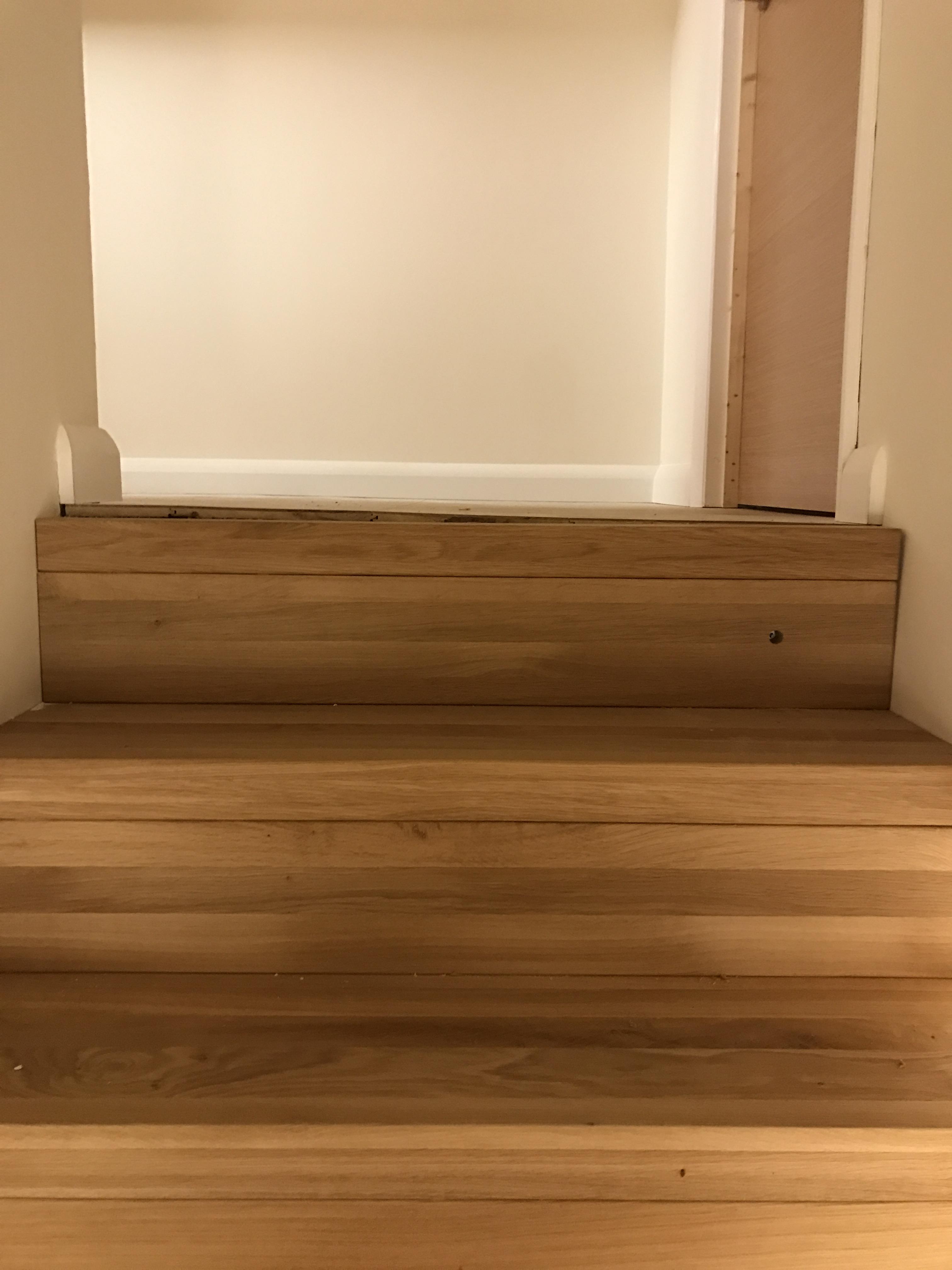
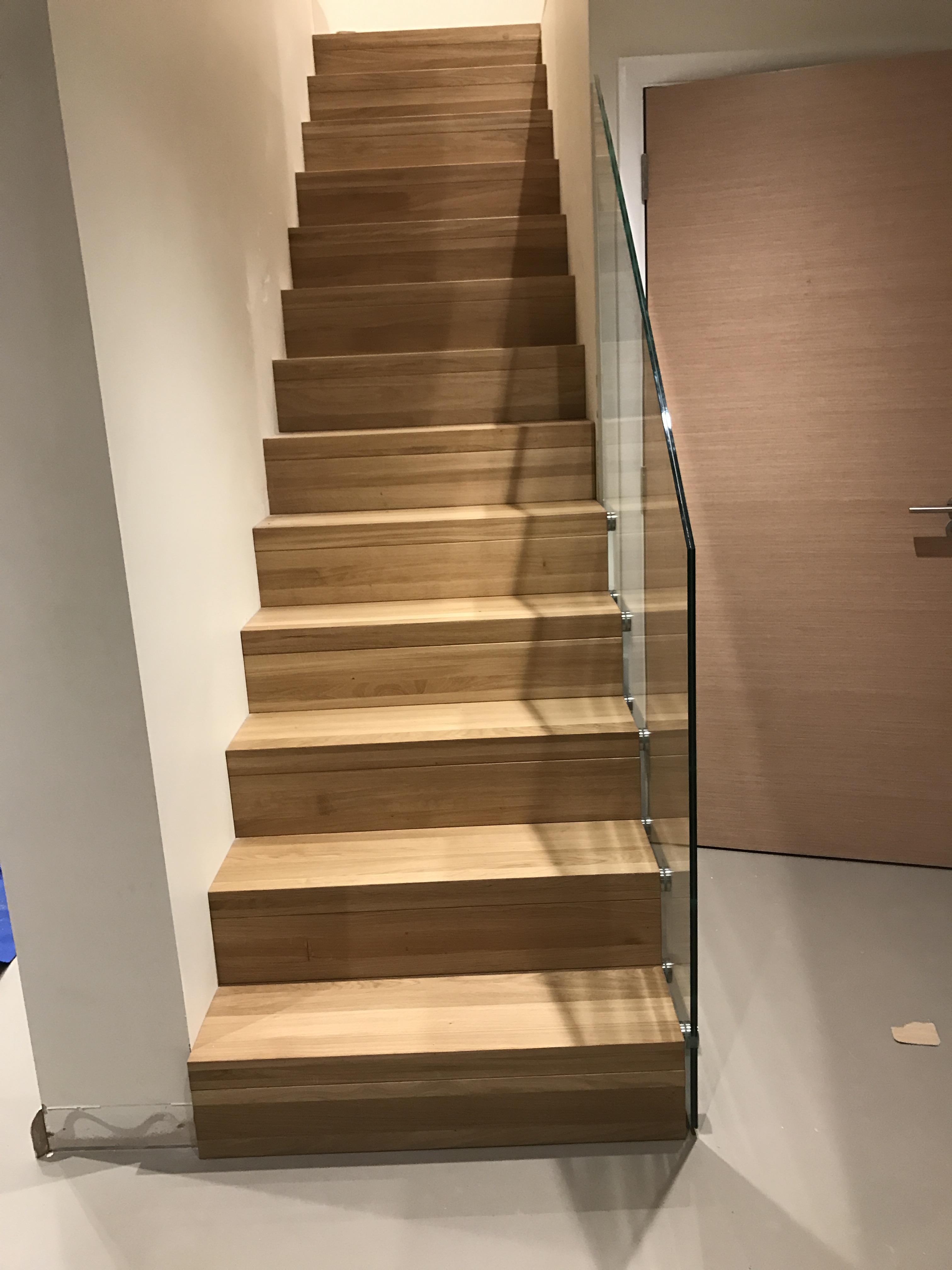
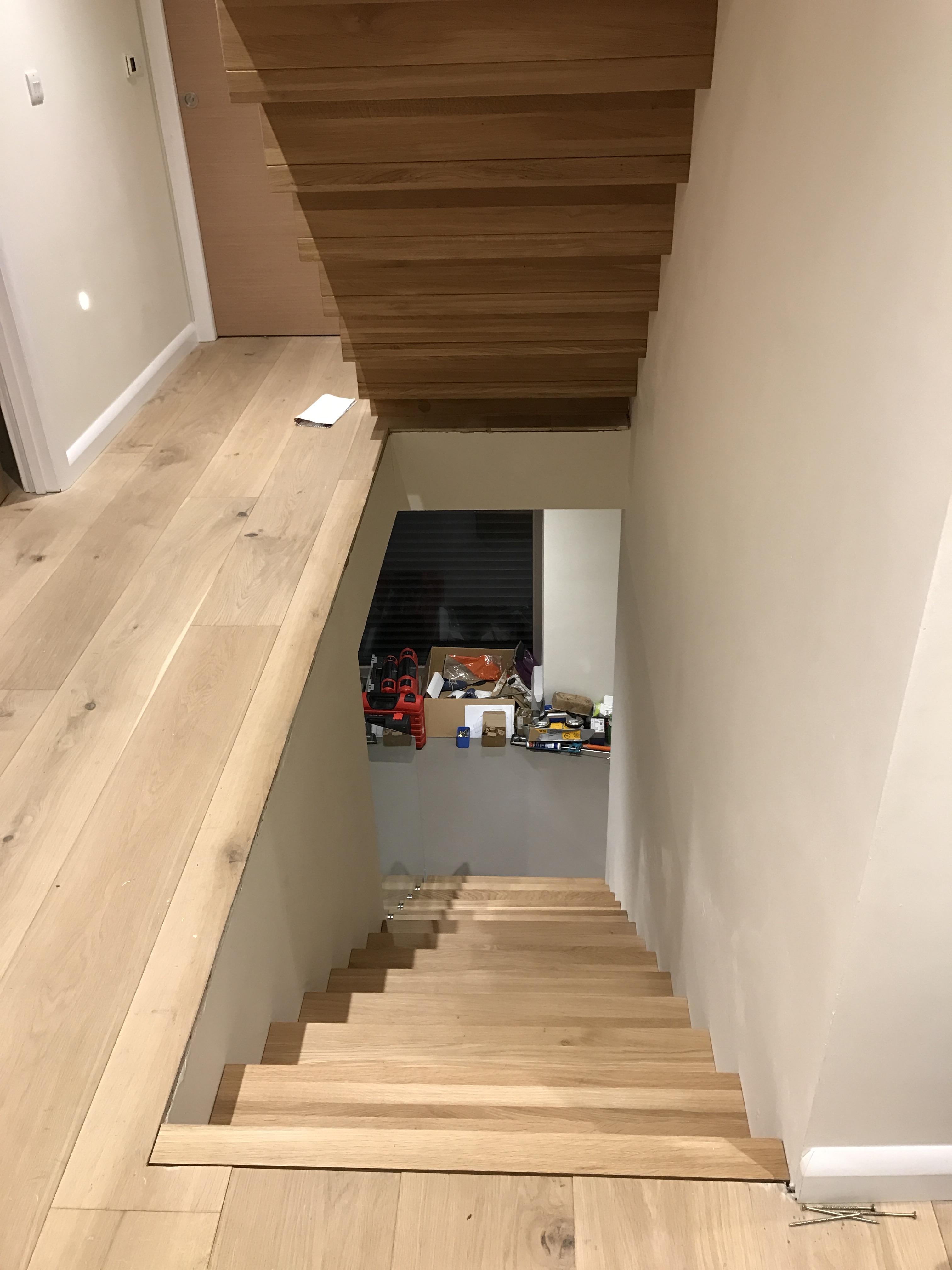
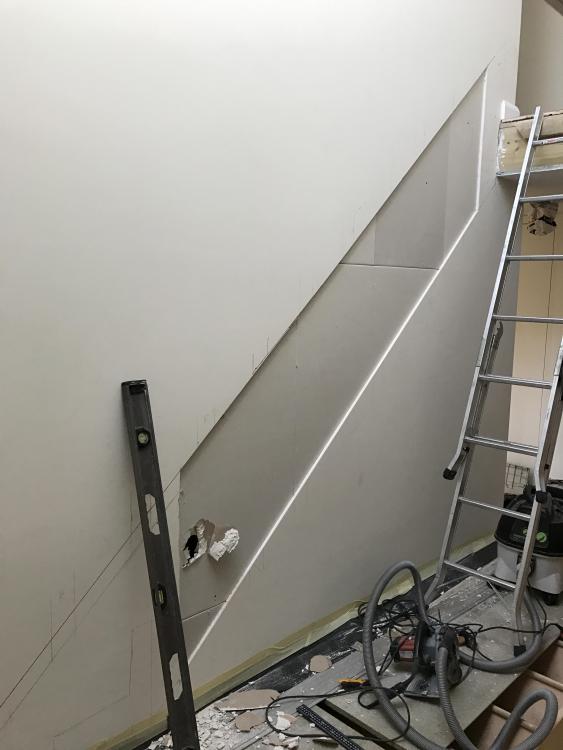
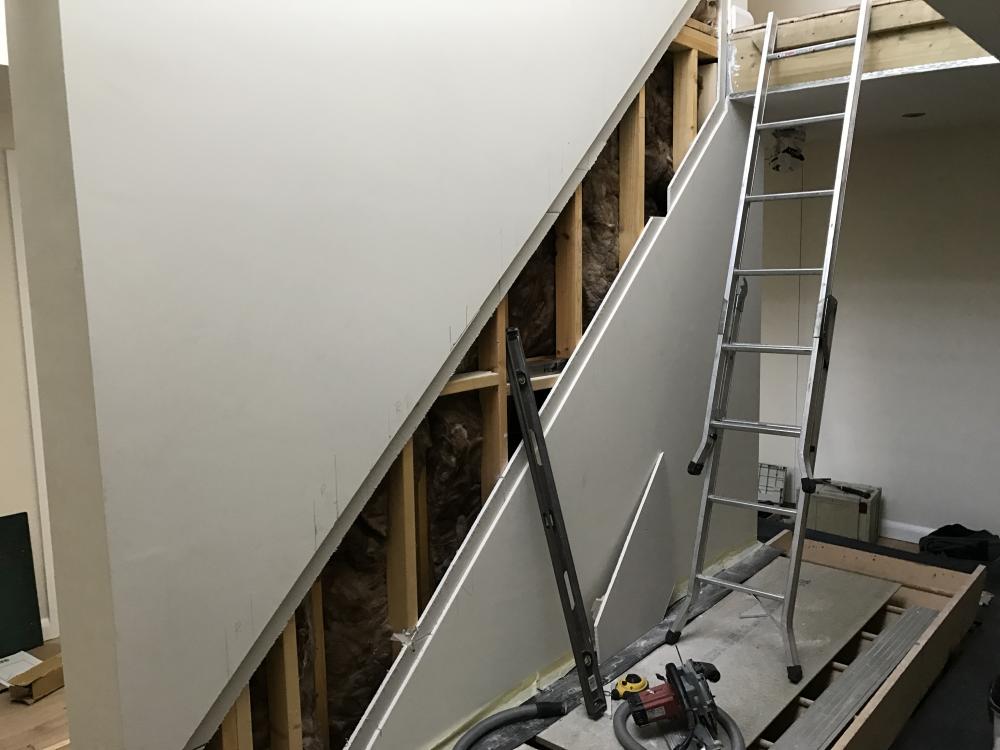
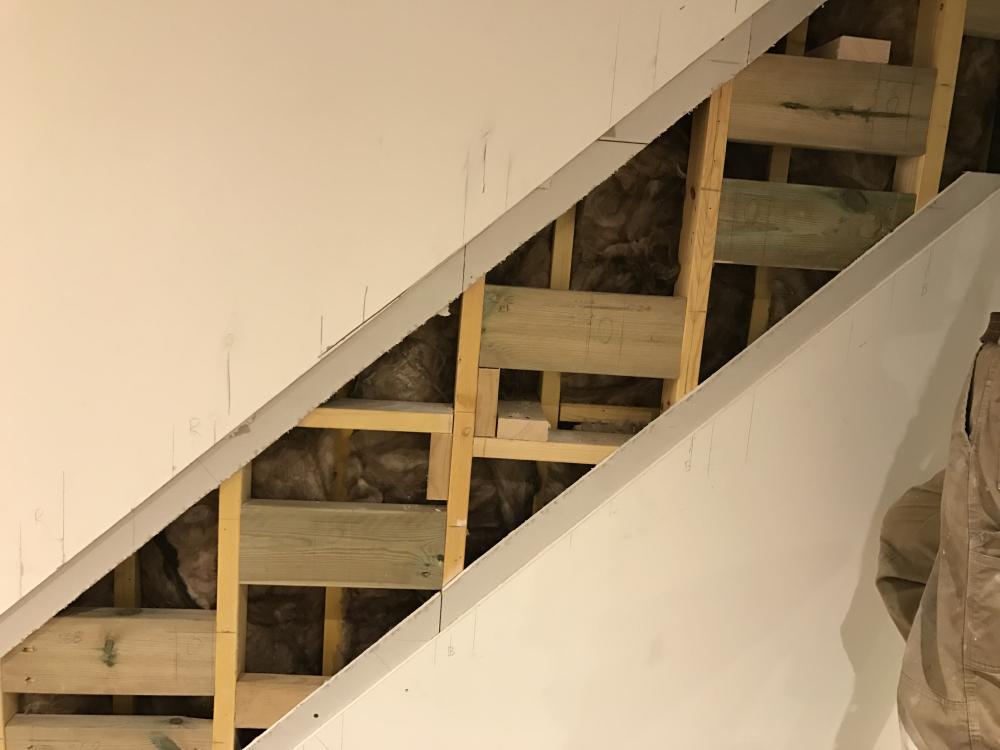
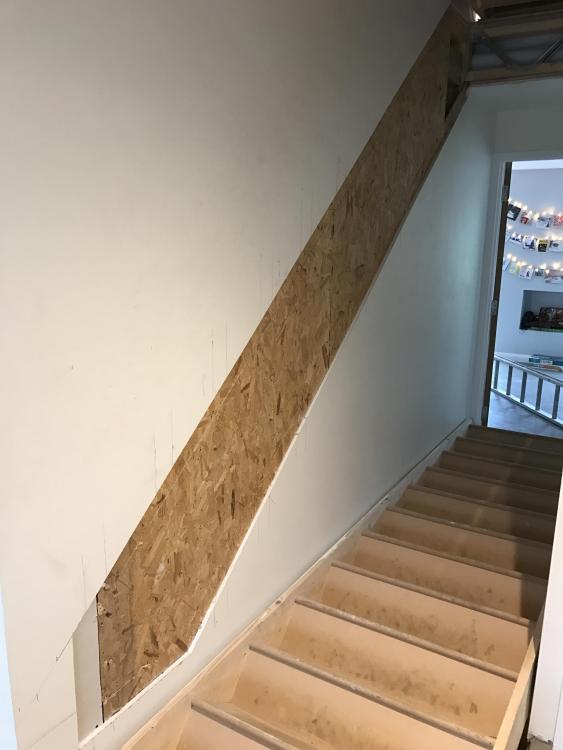
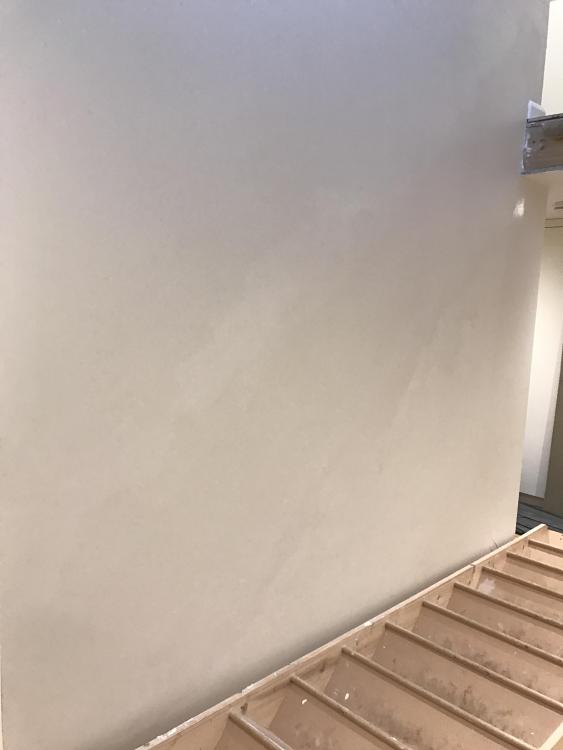
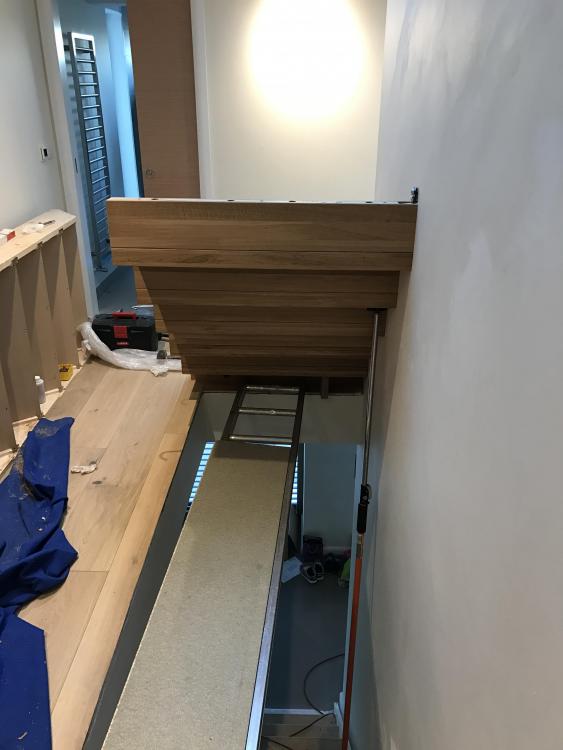
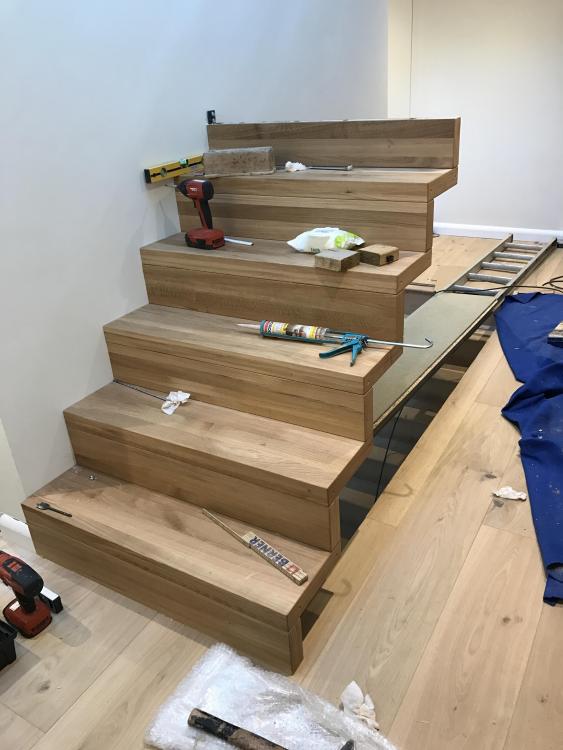
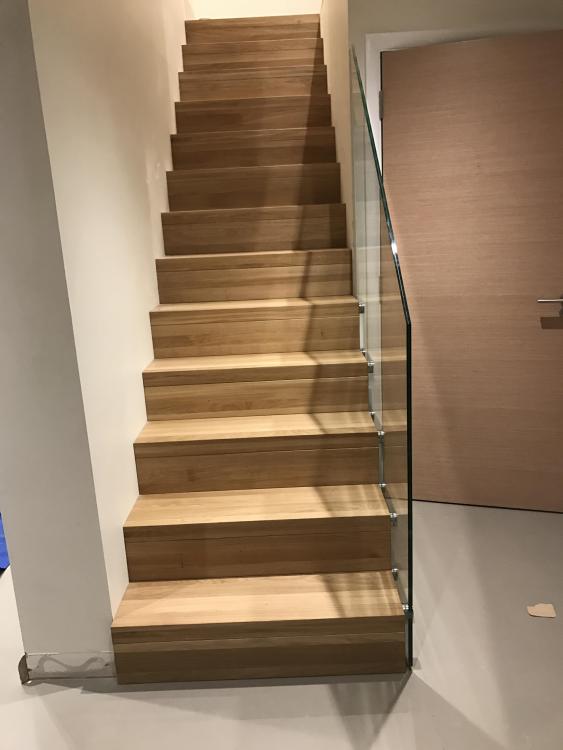
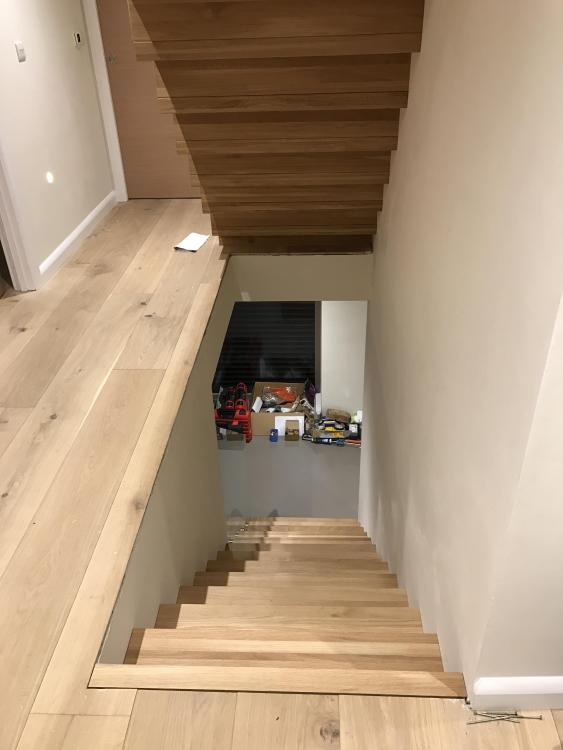
Back to the stairs. My joiner tackled the reinforcement after xmas, three days to chop into the wall, reinforce and make good. Stair guys came on Saturday and there were a few nail biting moments while they drilled that first hole. Almost finished now, just some glass to go in and a bit of detailing. Looks like the top floor is uneven, gains 10mm over a metre - likely the underlying floor vs the oak floating above. Stair guys will manufacture a new top piece which will hide the slope.
-
I watch Grand Designs as pure entertainment not documentary and the recent dream home series with Piers whatshisface was about as substantial, potentially more so as at least he's an architect and could talk to the detail. That said, I watched and old GD this week, the 2008 passive house with the arched self supporting tiled roof - still one of my favourites and the factual content was reasonably accurate, even if KMC discussed a MVHR unit as it it was some kind of futuristic technology. That's also one of the few that had genuine unscripted drama when there's an almighty crash off camera as a poor builder puts his foot through the arch...
-
Welcome - MVHR is a must if your build is airtight and you have windows without trickle vents etc. Above 2 air changes / hour (ACH) it won't work that well from a heat recovery pov but will still deliver fresh air and remove stale air. Do you have any airtightness provision?
-
You'll want to hide it in a diffuser - we have this in our room in roof. Essentially an alu angle bead with opaque plastic strip that diffuses the led dots on the tape. Our spark ran twin core to the location and soldered it onto the end of the tape (you can cut it every few inches or so). The transformer is located at the other end of the twin core run, either tucked into roof void (accessed by removing a LED spot) or in a cupboard.
-
i got inexpensive mats from eBay (100w/m2) and they work a treat in our bathrooms. they came with cheap stats that I didn't use and a full laying kit. Latex and insulation boards also got though eBay, pretty sure I detailed it all on this site somewhere.
-
 NWSD - Now we're suckin' diesel
 -
Static Caravan V Low Cost Rental Accomodation
Bitpipe replied to Appleco's topic in General Self Build & DIY Discussion
I'm just about to put mine on ebay or similar - it was bought off a local site from the owners who felt it was a bit chinzy for rentals. -
Static Caravan V Low Cost Rental Accomodation
Bitpipe replied to Appleco's topic in General Self Build & DIY Discussion
If you're at all involved in the build then being on or very close to site is invaluable. If you've got a great main contractor that you trust and he has good subs, there is absolute clarity in the drawings etc then perhaps you could let them get on with it, otherwise you need to be there at least every morning and evening and the odd day each week. I found it invaluable to be there and we prevented a few situations where a trade would not have done something the way I wanted or as described. As long as you're not breathing down their necks or nit picking then the trades don't mind you being there as most want to do something the right way first time. I'm lucky in that I work from home mostly so there would be a regular knock on the caravan door to 'just have a look at something'. I also photographed everything at every opportunity for future reference (and probably not enough) - continually comes in handy, like last week when I was putting up a shelf in the kids room and realised that my initial location would have risked driving a fixing though a pipe in the bathroom next door! On the laundry, get a cheap garden shed from B&Q and stick it in there. Or get an even cheaper one berth caravan that can act as site toilet / office / tea room and a laundry at the weekend - these often change hands for a few hundred. -
Static Caravan V Low Cost Rental Accomodation
Bitpipe replied to Appleco's topic in General Self Build & DIY Discussion
As a recent 18 month caravan dweller, let me share some of our experiences. Our 38x12ft van had a surprising amount of storage, lots of nooks and crannies but it's still tight and you need to keep tidy otherwise you're tip toeing through piles of junk. We were in there with our two kids (9 and 11 at that time) and the cat. I removed the twin beds in the kids room and replaced with caravan bunks to allow more space for furniture. You do need to pay council tax but only when the van is habitable - we notified the council of the demolition of the existing house in order to stop paying CT on that and they put us on the A rate for the van. Now we're in the new house, the local assessor popped in and we've been put on full tax for the house (backdated to our move in date) but 50% for the van (unoccupied rate) which we're going to challenge as we killed the power and water to the van when we moved out. Van was situated behind the old house so was private until it got demolished and then felt quite exposed! We used privacy netting on the Heras fencing which helped, although it made it more liable to blow over in the wind. Once the new frame went up we got our privacy back. We had a top tip to make the van comfortable in winter - a dehumidifier. As vans are inherently well ventilated (they have holes in the floor and walls covered in mesh) they can also get a bit damp in winter, especially if you're using LPG for heat and cooking as this generates a lot of moisture which then condenses out on the floor making it feel cold underfoot. We bought a cheap dehumidifier the first November and it made a massive difference, not only did it solve the cold floor issue, it also kicks out a reasonable amount of heat to keep the van warm. Once we got that we never used the LPG fire again - it was running pretty much 24/7 so ran up the electricity bill a bit but worth it for the comfort. We had an electric oil heater in our bedroom to take the chill off that and also an electric blanket - all worked fine. I found the van most uncomfortable in summer - as the long side sat east /west it got a lot of solar gain in the morning and got quite stuffy. Make sure you have a co2 alarm outside the hot water heater, for peace of mind if nothing else. We also terminated our phone line to a site office (converted container) and squirted it over to the van using powerline plugs. Friends who did similar built a deck around the van for additional space, we didn't bother with that due to cost but did build a raised walkway on pallets to give us a mud free way in and out. Laundry facilities are the main challenge - we put the washing machine and tumble in a greenhouse that had a water supply and ran an extension when we needed to use. As soon as the house was weather tight and had basic power, we moved them into the basement. Living in the SE, it saved us a fortune in rental and it's very useful to live on site - makes the build go much more smoothly. Can't say it was always fun but we managed, as you do. Now looking to sell the van and hopefully recoup what I paid for it! -
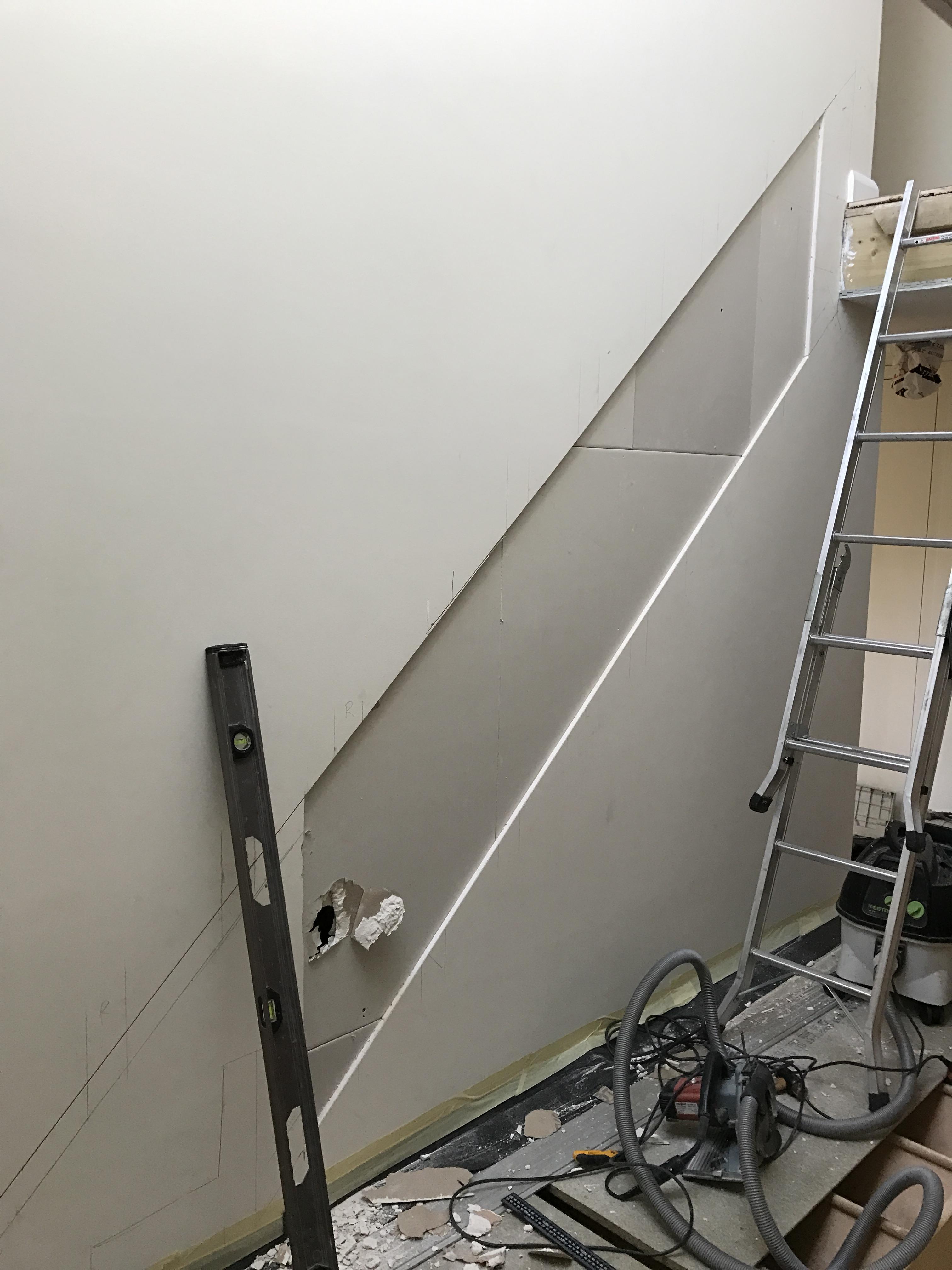
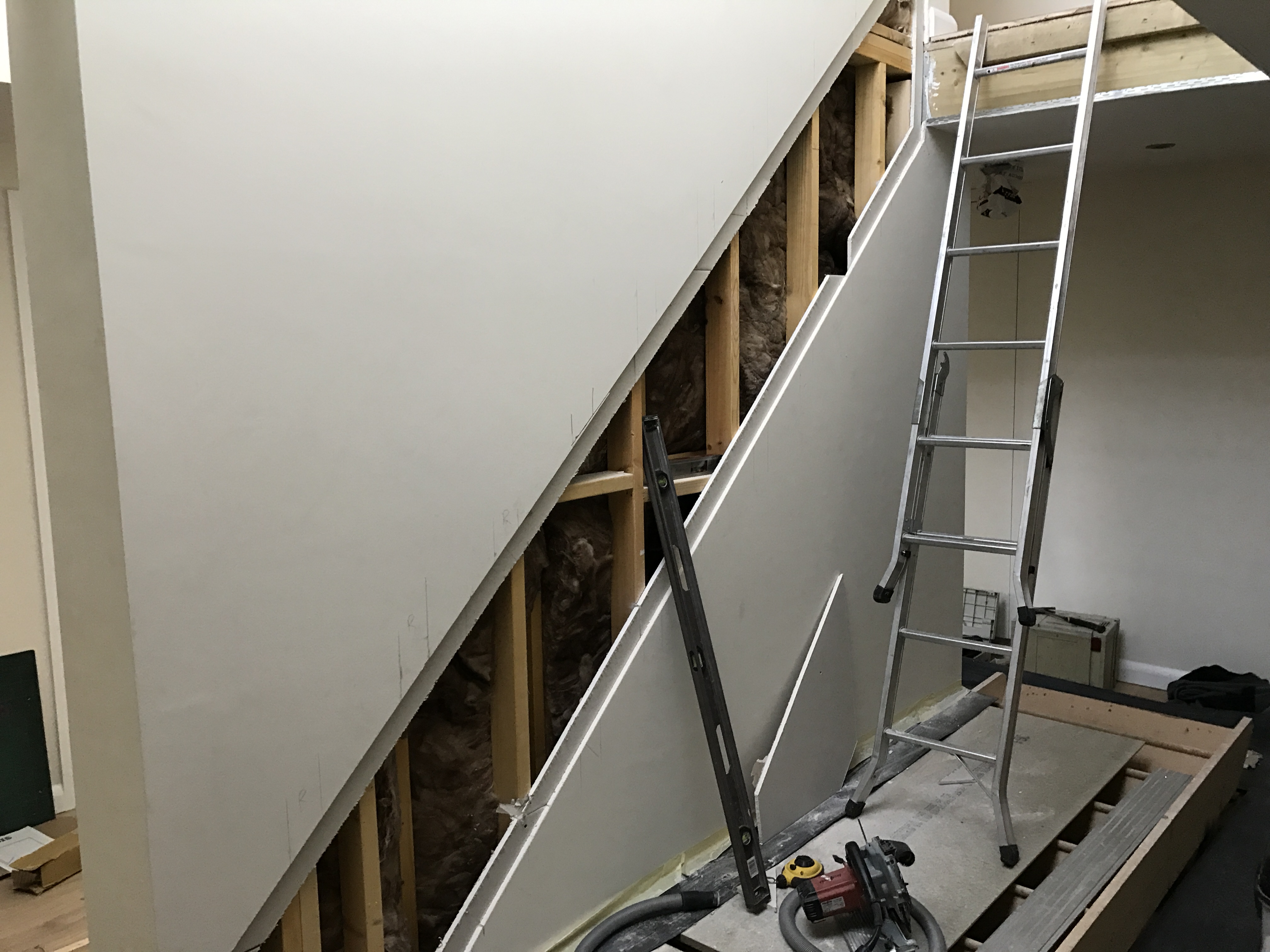
Also remember to switch off your MVHR if doing dust generating work post move-in. We've been reinforcing the stairwell and have been cutting out the old PB and vacuum sanding back the new work. Also, if you have ground level intake / extract vents (like us) its a good idea to switch off if doing dusty external work, like cutting slabs etc.
-
I have the same issue. I know that some have used 2mm aluminium sheet (the type used to form gutters) and just screwed it into the EPS 300 perimeter. My perimeter is only EPS 70 to too soft for fixings, I'm planning on using Ubiflex (the alternative to lead flashing stuff) and will look to bond it on with something like pink grip. The backfill should hold it in place.
-
Agree. It's a good discussion point though so I'll move to the off-topic thread.
-
Joiner starting work today to add some 6x2 supports inside the wall and then make good, stair firm have agreed to fund, hopefully worth the mess
-
How best to sell a carvan?
Bitpipe replied to Bitpipe's topic in General Self Build & DIY Discussion
Thanks Dave, I have a local mover that the friend's site use and he got it from there to us and set up for £500. I've already put him on notice that it will be (hopefully) moving again soon. Will take some photos and start to ring around the dealers for their quotes. Wondering if this is a good time of year - I guess many people will be getting sites set up in the next weeks for a spring start. Also, spring flooding also seems to drive up the requirement for temp accommodation (although I would not wish that on anyone). -
How best to sell a carvan?
Bitpipe replied to Bitpipe's topic in General Self Build & DIY Discussion
I'm in Maidenhead. -
BT/Openreach New Connection
Bitpipe replied to worldwidewebs's topic in General Self Build & DIY Discussion
Sparky ran standard 4 pair telephone cable from where the BT wire entered the basement and ran it up to the loft (passing through another BT box) where we originally planned to have the master socket and where all the cat6 cables terminate. This was also our plan B location should we need a drop wire vs the ducted option. Another 4 pair cable ran back down to the study. We have two lines, voice only for house and a voice DSL that I use for work (and expense so need it billed separately). We had BT install the broadband master in the loft and the voice only master in that second basement BT box. When we hooked up the Smarthub, the wifi signal wasn't good enough so sparky moved the broadband BT master socket back to the basement, right next to the incoming BT line, a bit of rejigging with the interior cable allowed this line to exit in the study which is where the Smart Hub now lives, ditto for the voice only line - we have a nifty MK euro module with two BT sockets side by side. This also took a bit of length out of the internal phone wiring circuits which wont hurt performance. It's also good practice to have the BT master as soon as their line enters the house as this is used for testing performance if there are ever issues and this way they can't blame your internal wiring. So I'd plan to have the Master where the drop wire will enter and then run multi pair (for redundancy, future proofing) from this to your desired location. The BT masters have internal connections for extension wiring which they will happily connect. if you're not planning to hang anything off the master, don't get a face plate with a built in filter otherwise you can't locate your smart hub further down stream. Just ask for a standard one (or even be cheeky and ask for one of each) and then use the micro filter that ships with the hub at its final location -
BT/Openreach New Connection
Bitpipe replied to worldwidewebs's topic in General Self Build & DIY Discussion
And just in time for xmas we got the data rack cabled and I picked up a 24 port switch for about £70 so the TV, XBOX and our office PCs are off the WiFi. Speed is ok at the 20Mb mark, not amazing but good enough for what we need. Will initiate a regrade again in a few weeks, the last one upped the speed from 12 to 20Mb. Neighbour still has a bee in his bonnet over the trench, called me today and had a good moan over why we didn't mole across the road and even why we couldn't live with a drop wire. Followed it up with an email with the same content.. -
So the time has come to get shot of the caravan after faithfully housing us for over a year, it's a Ruby Atlas Super, 12x38 ft, two bed two door model with double glazing and gas heating / HW. We bought it from a friend whose family run a local caravan park, it had got a little too out of date for their holiday clientele but was still in fine condition. However as that was private sale, not sure how to go about selling it on. Option A is to sell it to a dealer, would expect them to drive a keener deal but would perhaps be less hassle. Quite a few to choose from and even a 'webuyanycaravan.com' option! eBay is also an obvious choice, so we could put it on auction with a minimum derived from what a dealer would give us. Any other suggestions / experience? We also have a container / site office combo to sell but as that came from eBay, that's likely how it will go also.
-
Is it one of those ones with the tabs for each 15 min duration? We have had one fitted to control our floor level lighting in the hall, which comes on when the light levels drop (via PIR). However it's a bit under sensitive so we added a mechanical timer switch to only have it on at bedtime. Confused me initially as it has 3 settings, on, timed and off. Very easy to slide it past the timed setting to either on or off.
-
Our MVHR (which does not have active heating or cooling) has a condensate drain and it's running freely at present - all our ducting is within the heated envelope of the house and the steel duct runs to and from the exterior (the 'cold' side, in winter anyway) are insulated. I used the flexible insulated 180mm ducting to make the connections to the distribution boxes, more for ease than anything else and from there it's the standard 75mm semi rigid duct to plenums. I had a small section of insulation to fit (on a 90 bend) and it was left uncovered for a few months - as soon as we had the first cold snap in October that bit of pipe was sopping wet on the outside so I sorted out the remaining insulation pronto. So that was moisture in the air inside the house condensing on a cold internal surface. I'm guessing that the condensate inside the unit is caused by the (previously warm but now cool) damp air leaving the house, either condensing on the inside of the unit or within the exterior facing pipework - although I stand to be corrected
-
Looks well thought out and by considering it now before frame design is locked then you stand half a chance of sticking to the plan. So you will have no fouls or DHW/cold feed competing for space? If that's correct then you're simplifying life a lot. DIY is definitely doable if you have the time and are not blocking other trades from working. Plenty of previous posts on the different strategies and pitfalls - have some help and resist the temptation to trim duct pipe too soon (if the flex type) as we played with it quite a bit to get everything as flat as possible. Also trim your plenums prior to plastering. Make sure you allow for the increased diameter of your insulated MVHR pipes to and from your unit - this can add an additional 50mm to the raw pipe diameter, definitely caught us out. You'll also need to manage the condensation from the unit - in this cold weather there will be surprising amount. We also had a design (from BPC) but it did not survive contact with the enemy (the already installed frame) and by sheer luck and some pencil chewing I got all the necessary duct where it needed to go - at the cost of over ordering on the rigid stuff (still have 5 x 2m lengths of 180mm radial in garage) to give us some flexibility in where to put the distribution boxes. In fairness, BPC did warn us that this was the likely scenario! Haven't comissioned it properly yet - just turned it on when we moved in really (actually a week or so after and the change in air quality was noticeable). Am planning to hire the air flow monitor thingy and do a proper job of balancing sometime soon. That said, it does seem to be working fine - our unit is quite large (but then so is the house) - a Sentinel Kinetic Plus, no active heating or cooling. We had a full house of 11 + cat + dog over xmas, lots of showers, cooking etc and no obvious issues. Think on how you'll be activating boost. We had our sparky put a PIR in each bathroom and also hook the boost circuit to the light switch, so entry will put the MVHR in boost - (these both also activate our secondary pump for the DHW). Need to add a current detector to get the oven hood to do similar as our hood is not compatible with the dedicated switch in the MVHR. It does have an in-built humidity sensor so this is all belt & braces.
-
We had 900 x 2100 door openings specced throughout and went with 826 doors aside from one 926 door. Was able to get the metric linings from Howdens ok (they don'd tend to hold many in stock but can order in) but on reflection we should have gone with door sets for quicker installation. Doors came from FSN - very nice, very solid but not the cheapest, however they will custom make any size at no extra cost which was handy as the basement doors needed an extra 10mm at the bottom when we changed the flooring to Karndean from time to save a few pounds. Think about your thicknesses also - we had 44mm fire doors and 40mm for the pocket doors.
-
Abacus WC push buttons, geberits, megabads
Bitpipe replied to Auchlossen's topic in Bathrooms, Ensuites & Wetrooms
I think with the exchange rate being what it is now, the Megabad advantage is somewhat diminished so if you can get all you need through a local dealer then that's great. -
That would have made no difference, the issue was a lack of communication in the factory, not a language barrier between us. The stairs they did install (which have traditional stringer) are extremely well made and expertly installed, very happy with them. Looks like they're leaning to agree to pay for the work required so happy with that. Anyway, we live in a globalised market economy, I'll buy local when the quality, price and service justify it.