Jeremy Harris
-
Posts
26430 -
Joined
-
Last visited
-
Days Won
360
Everything posted by Jeremy Harris
-

Boiling Water taps. What and where to buy.
Jeremy Harris replied to ProDave's topic in Kitchen & Household Appliances
I checked into this with Itho UK, as they supplied an expensive cartridge filter with the tap, that needed replacing every 6 months. They passed me on to a technical chap in the Netherlands, who was very helpful. He made it clear that the filter was there mainly to protect the heating element in the boiler from hard water, as it included a phosphate dosing capability, as well as the normal activated carbon to adsorb stuff that might affect the taste. I asked him if there would be any problem with running the unit on soft, or softened, water, without the supplied filter and he confirmed that this would be OK. The warranty thing is really because these boilers run way above scale formation temperature (typically around 55 to 60°C I believe), and so would very quickly fur up if used in a hard water area without the filter. -
Lots of installers seem to have gone to the wall in the past year or so, so maybe he's picked up these panels from one of those?
-
I have the same problem. My solution was to design my own PV diverter, with a radio link from the meter box back to the house. This has worked fine for the past five years, but in my drive to remove custom built stuff I've just bought an Apollo Gem diverter, as that comes with the option of a radio link from the power sensing part.
-
Pity there's not more information in that listing. Might be worth asking the seller what make they are, what their history is, and whether he'd accept an offer for a batch of panels. Might even be worth asking if he'd do a deal for a big batch of them, and then organise a group buy on here, perhaps. Need to get them from Norwich, though, which may add a fair bit to the cost.
-
Boiling Water taps. What and where to buy.
Jeremy Harris replied to ProDave's topic in Kitchen & Household Appliances
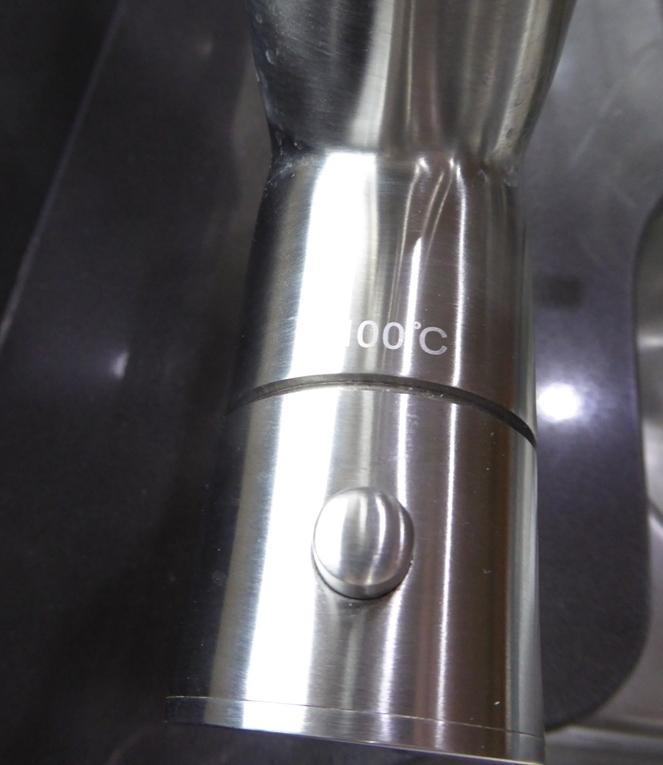
Ours definitely delivers water at 100°C, it's marked "100°C" next to the boiling tap handle, and the spec for the boilers states that it runs at 105°C. It doesn't seem to have any connection with Quooker AFAICS, so I'm not convinced that it's only the Quooker units that can deliver water this hot. It's a mixed blessing having water at 100°C coming out. I've had to adjust the flow rate, using the built-in valve under the sink, to try and reduce the amount of spitting from the tap. Even so, you need to hold the cup or pan close to the tap, as the water starts to actually boil as the pressure drops as it leaves the spout. It's still really handy, having boiling water on demand, but it does need a bit of care to not get scalded by splashes. The safety feature that's built in, that means a spring loaded button has to be held in to allow the boiling tap handle to turn, doesn't help, as it takes a while to get the knack of doing this whilst holding the cup or pan high up under the nozzle. Let the cup or pan drop a bit, and there's a risk of getting splashed with boiling water.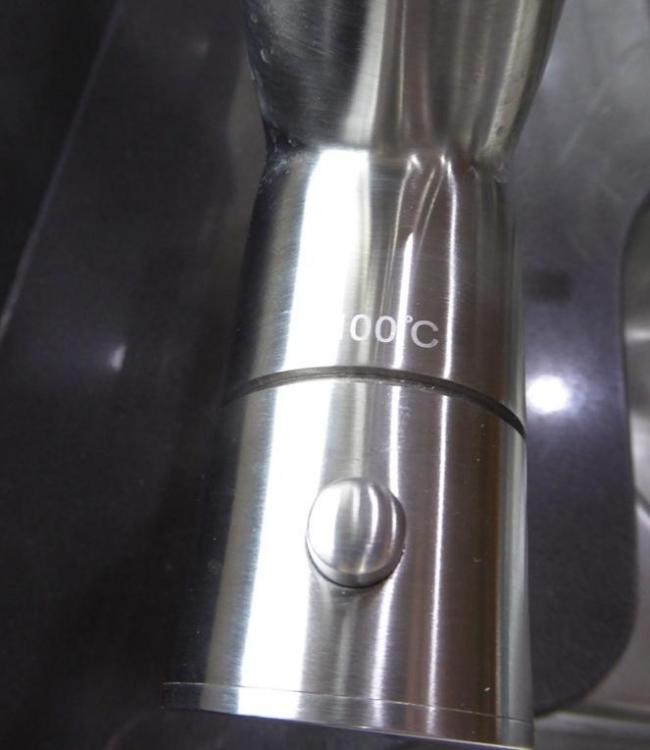
-
And the government has been pretty inept at handling the sale/development of these sites, too. Bicester is a good example, where they seem to have turned what should have been something pretty straightforward, the development of a large brownfield site into a really good self-build development, into a nightmare of bureaucracy. All told I think it took well over 5 years to get Gravenhill sorted, and that's a fairly easy to develop site. The Fort presents just a few problems, not the least being land contamination, that makes it a tougher challenge, I suspect, although with house prices in that area being fairly high, it should still have been a viable prospect. I can't understand the local issues there, as before we moved the DSTL staff from there to Porton there was probably more traffic in and out of the place than there would be if it was housing. For my sins (I suspect you already know this, @PeterStarck!) my last job was Head of iLab at DSTL, so responsible for the closure of a few establishments around the country...
-
Boiling Water taps. What and where to buy.
Jeremy Harris replied to ProDave's topic in Kitchen & Household Appliances
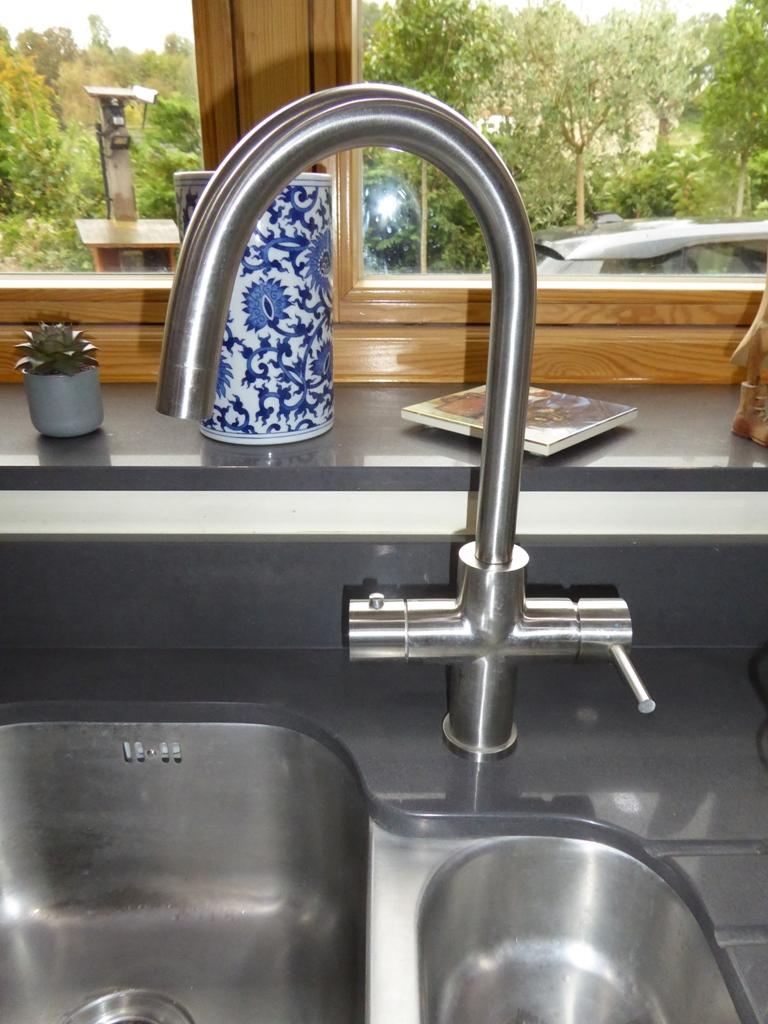
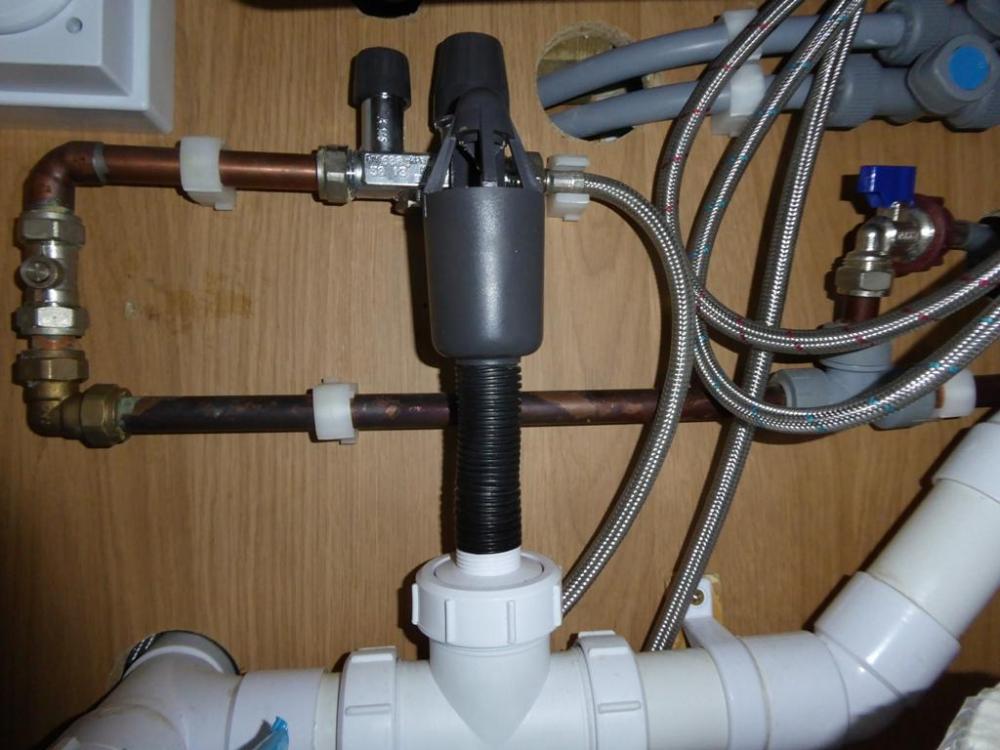
Not sure, TBH. I bought the Itho because it seemed to be good value for an all stainless steel tap, with a boiler that fitted under the plinth. This is what ours looks like (been in for five years now): And this is what the combined PRedV/PRV and tundish looks like: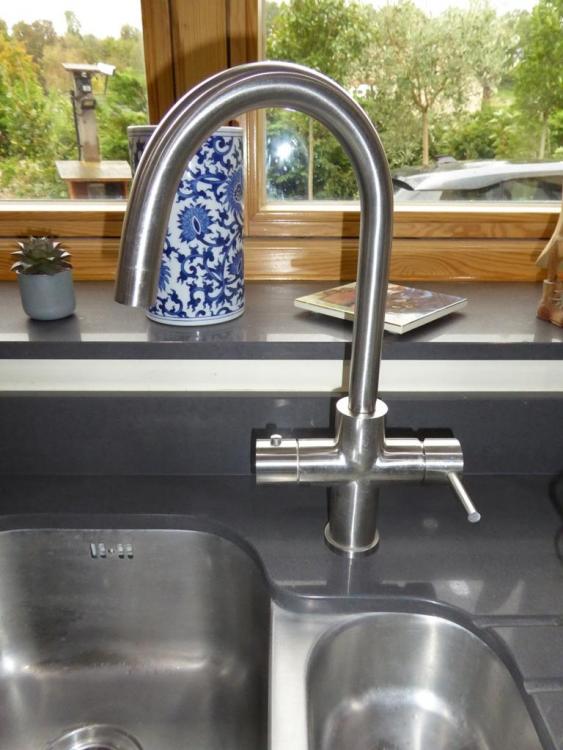
-
Boiling Water taps. What and where to buy.
Jeremy Harris replied to ProDave's topic in Kitchen & Household Appliances
Good point. For reference, the Itho, and I assume the Grohe Red, deliver water that is at 100°C, as the boiler keeps water at around 105°C, according to the spec. It runs at high pressure (it comes with a combined pressure reducing valve and pressure relief valve in the supply, that needs connecting to a drain via the supplied tundish), which allows it to keep water that hot without it boiling. -
Boiling Water taps. What and where to buy.
Jeremy Harris replied to ProDave's topic in Kitchen & Household Appliances
First off, yes, they are eligible for the VAT claim, as long as they are integrated, so they supply hot, cold and boiling water. We bought a Itho Daalderop tap and boiler, which is very good indeed. Stainless steel, very well engineered, neat boiler unit that just slides under the base unit (just unclip the kick board to get at it) and has so far served up many thousands of cups of tea. The snag is that Itho Daalderop have stopped marketing this tap in the UK (I have a very strong suspicion that it's now marketed by Grohe) and the price of the Grohe is way more than we paid for the Itho (IIRC it was around £600). Also, Grohe (and, it seems, Itho) have changed the design of the boiler, and the new one no longer slides under a unit. This seems a retrograde step, as the only downside to the boiler we have is that it does make the unit it's under very slightly warm. This is useful for the under sink unit as it will dry out anything damp in there, but it does tend to make the gel-like dishwasher tablets a bit sticky (we switched to the solid ones to get around this). Assuming that the Grohe Red is really the same basic unit as the Itho we have, then I'd recommend it, but it's a lot more expensive to buy here, not sure why. It seems to be cheaper from the Netherlands, on the Itho Daalderop site, but is still expensive, at around £900 or so. -
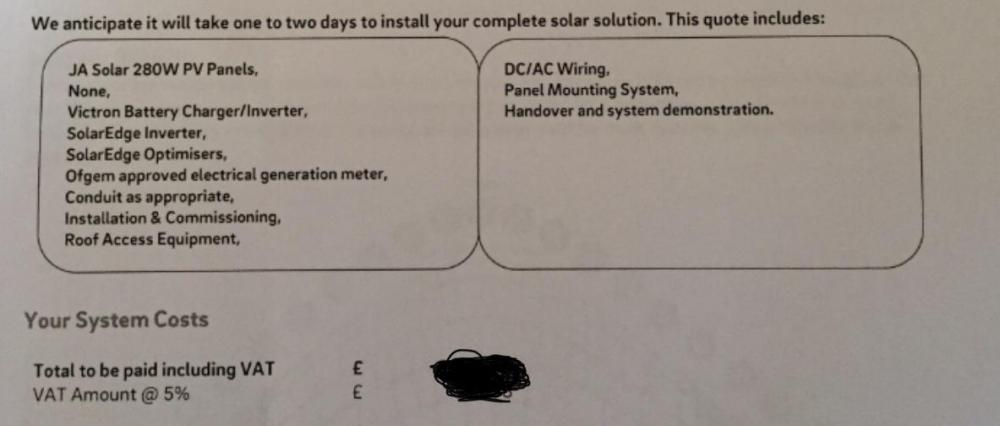
Looking at the quote: There are clearly two inverters listed in the price. The Solaredge inverter, that will be the 6 kW one you have, plus a Victron Battery Charger/Inverter, which allows a battery pack to be connected and charged during times when there is excess PV, and discharged when there's little or no PV generation, so cutting down on imported electricity. The slight issue with this is that word "None," above the Victron Battery Charger/Inverter entry. The comma makes me wonder if those two lines should be one, and read "None, Victron Battery Charger/Inverter". The key point may be the timing of the receipt of this quote. If you initially considered having the battery option, but decided against it before this quote was received, then it may be that they have badly amended the initial quote they had drafted, and the Victron line entry is effectively a typo.
-
We did this in the bedrooms, as I wasn't convinced that having no heating in the bedrooms would work in practice. In practice we've found the bedrooms never get cold, if anything they are too warm in hot weather, so we've not bothered fitting panel heaters to the spurs, but I did install air conditioning in our bedroom this summer.
-
+1 to the above. The vast majority of our heating (which isn't much) is overnight, during the E7 off-peak rate, and uses the ASHP (which seems to run at a COP of around 3.5 or so) to charge the slab up from the UFH. The running cost is about 2.328p/kWh. If we used electric panel heaters, then the cost would be over 6 times higher, at 15.729p/kWh. There's also an environmental benefit with an ASHP, in that, because it uses less than 1/3rd of the electricity, there will be less than 1/3rd of the emissions etc from the power generation.
-
Exactly my gripe too. They could have sorted the problem by just improving terminations, as these have got steadily worse over the years. The older brass terminations that had two screws were pretty much bomb proof, and had the big advantage that they held even very thick wires firmly in place. Some of the clamp gate type terminations are hopeless, especially with heavy gauge wires. Move the wire a bit when fitting other wires and there's a pretty good chance it will loosen up.
-
We have a BioPure (looks near-identical to @ProDave's Condor). The recommended service interval is two to three years, depending on how heavily loaded it is. When looking around I quickly decided to ignore all the units with mechanical moving parts in the tank, as they looked like a nightmare to service or repair. The air blower units all seem similar, and the conical shaped ones, with an integral clarification tank, seem simpler than any of the others. I think it's worth locating the air pump away from the unit, both so it can be put in a sound proof enclosure (in a very quiet area the hum is noticeable). It also makes servicing the pump simpler and easier if it's in an easy to access remote box. I mounted ours in a stone box, with an insulated, hinged lid, and just ran the air pipe down to the unit. This also makes servicing the unit easier, as the pump doesn't need to be disconnected and lifted out before the treatment plant lid can be removed.
-
No immediate action needed for any of those items, IMHO. If you're ever having any major electrical work done, then just add a consumer unit change to the work list, and that will cover everything except the "cables in walls" point. Not sure what that is, could be just that it wasn't possible to inspect buried cables in walls (bit OTT, IMHO, but some do record such points). When a new consumer unit is fitted it will be fire resistant and include RCD protection, plus there will be (or should be) details of the installation left with you. A consumer unit change will be around £80 to £100 plus labour, should take less than a day to change, inspect and test. Labour rates vary, around here it would be around £200/day.
-
Electrical sign off
Jeremy Harris replied to Mike_scotland's topic in Regulations, Training & Qualifications
I thought that Part P didn't apply in Scotland? Unless things have changed, then I don't think there's any need for an electrician there to belong to any particular body in order to inspect, test and issue an EIC. @ProDave will know, as I'm pretty sure he's not a member of one of the cartels. For completeness, for those in England and Wales (not sure about NI) building control are supposed to be able to do the inspection, test and sign off under Part P, as a part of the rest of the building inspection system. However, I found that in practice some building control bodies are not able to do this, as they don't have anyone with the right ticket to do 3rd party inspections and test. I was going to do all the wiring in our place, and just get building control to sign it off, but was told they were very sorry, but couldn't do this, so I'd have to use a Part P registered electrician. -
unbearable stench - what have I done wrong
Jeremy Harris replied to Tin Soldier's topic in Waste & Sewerage
Are all the traps full of water? We have to remember to run the tap in the bath in the second bathroom once a month or so (we don't use it) otherwise the MVHR extract in there pulls in smells from the treatment plant when the trap dries out. -
MVHR newbie.. help needed
Jeremy Harris replied to Savage87's topic in Mechanical Ventilation with Heat Recovery (MVHR)
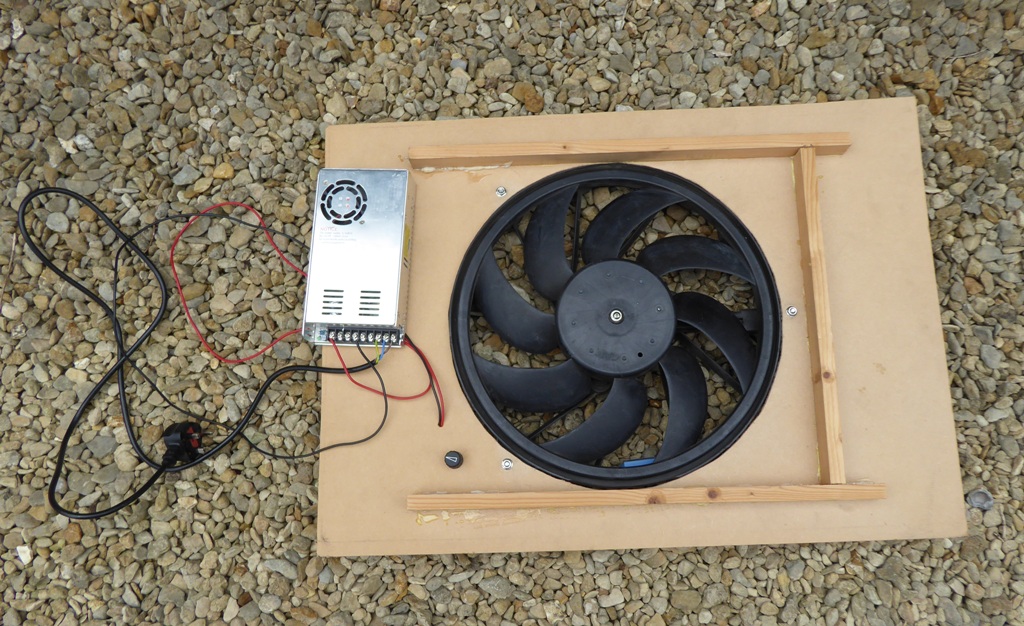
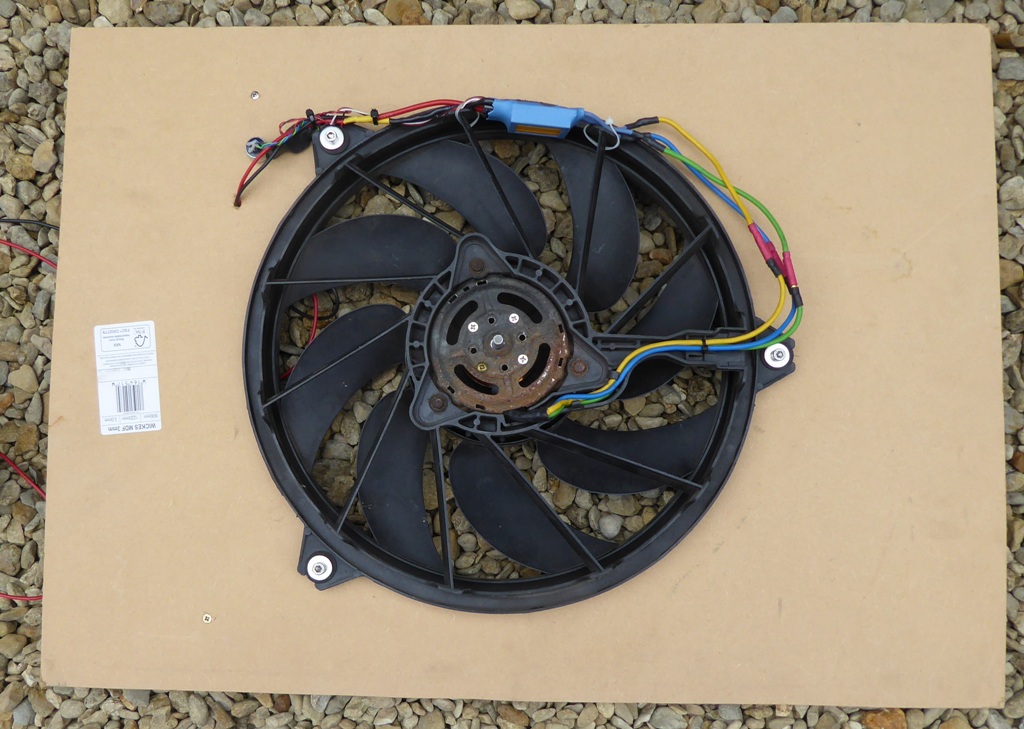
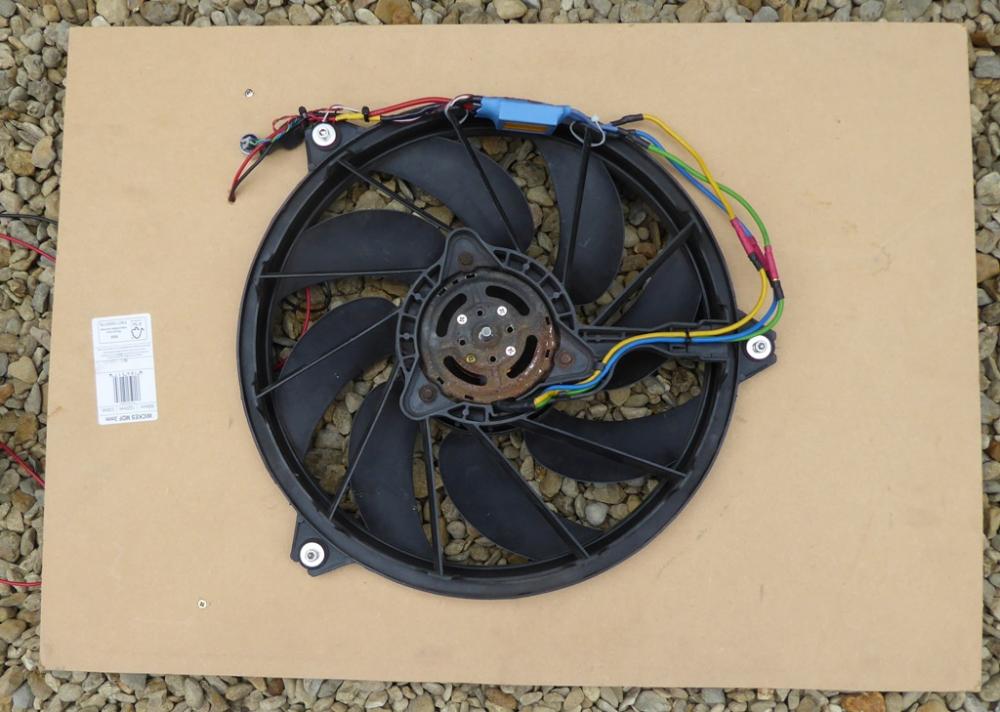
Photos of mine: I used an old car cooling fan, with the motor replaced with a brushless DC one for better speed control. The motor and speed controller are standard model aircraft parts from China (Hobbyking, I think). The speed is adjusted using a model aircraft servo tester, fitted with a better knob. The thing runs from the DC power supply in the photo. It's massively too powerful for testing a passive house, but was fine for finding air leaks in our old, 1980's, house. The bit of MDF was cut to be a tight fit into an open bedroom window.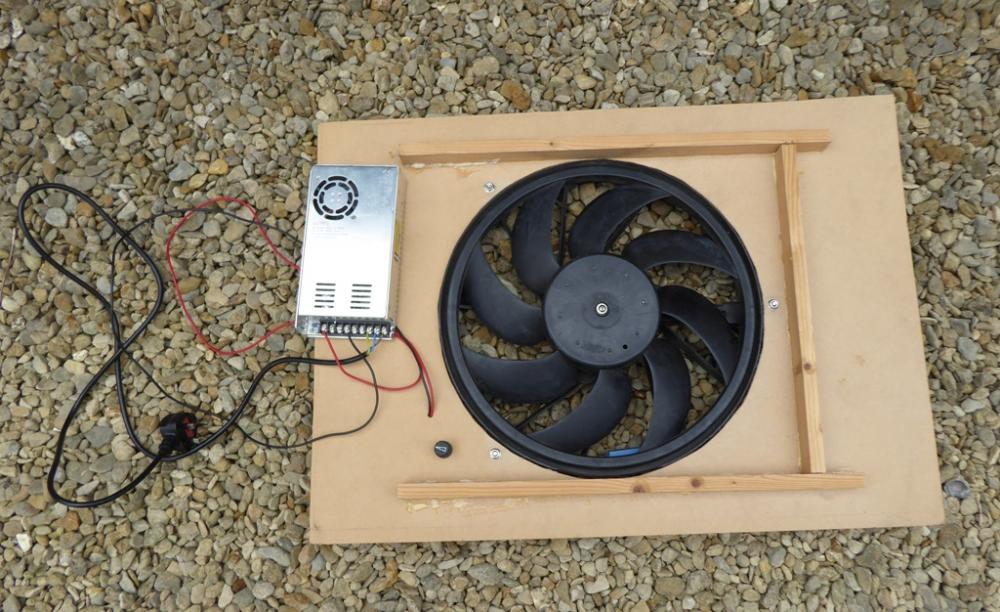
-
Waste water heat recovery
Jeremy Harris replied to eandg's topic in Environmental Materials & Construction Methods
I spent a bit of time measuring shower temperature, right at the output from the thermostatic mixer. Anything over 40°C feels pretty hot to me, and we run ours at about 38°C, which is hot enough for my wife and just about OK for me (I'd prefer it to be slightly cooler, but I can't be bothered to keep adjusting the temperature every day). Interestingly, the hotel we stayed in a week or two ago had a detent on the shower temperature control, that set it to 38°C. A button needed to be pushed to change to any other temperature. Made me wonder whether 38°C is some sort of agreed standard for shower temperature. -
MVHR newbie.. help needed
Jeremy Harris replied to Savage87's topic in Mechanical Ventilation with Heat Recovery (MVHR)
I've done exactly the same, as the house was being over-ventilated at the building regs rates (and our BCO wasn't interested, either!). I turned the whole system down a bit for the background ventilation rate, and that seems to work very well. Mind you, there are only two of us in a 130m² house, so that's one reason why the building regs rates were a bit too high in practice, and the main snag with using area to determine ventilation requirements, IMHO. -
MVHR newbie.. help needed
Jeremy Harris replied to Savage87's topic in Mechanical Ventilation with Heat Recovery (MVHR)
Not sure why there's the fine detail, TBH. The number is just 27l/s for both whole house background rate (90m² * 0.3l/s) or 27l/s for the extract rate (13l/s + 8l/s + 6l/s). Room volumes don't come into it, as the building regs required extract rates are fixed irrespective of the size of those rooms and the whole dwelling ventilation rate is just calculated from net internal floor area, not volume. Volume isn't used, either in the way building regs determines the required ventilation rates or when determining airtightness, as the UK calculation method only uses areas. The PHI (and other countries) use the air change rate to determine leakage during the airtightness test, and to set the MVHR ventilation rate, but that's not how the UK regs are structured (although it's useful I find, to talk about whole house ventilation rate and airtightness in term of volume air change rate for a given condition). -
MVHR newbie.. help needed
Jeremy Harris replied to Savage87's topic in Mechanical Ventilation with Heat Recovery (MVHR)
May well be. Just to be clear, this wasn't duct/flow noise, as far as I could tell all the MVHR units we looked at in our tour around were silent in the rooms (hard to be sure, as we were being shown around during the day). The Paul unit seemed noisy when stood in the loft space/unfinished room where it was located - this was noise coming from the case of the unit, not from the ducts or terminals. The Brink was in the top half of a hot press, so about head height, and seemed very quiet when stood next to it. Similarly, our Genvex can definitely be heard when standing in our services room, much like the Paul unit, especially if I'm in there when it's running on full boost, with the compressor running. It can't be heard outside that room, but as I mentioned, I'd not really want to site such a unit in the loft space above a bedroom, as I doubt that it could be silenced well enough to prevent the noise being a bit intrusive. -
MVHR newbie.. help needed
Jeremy Harris replied to Savage87's topic in Mechanical Ventilation with Heat Recovery (MVHR)
Looks like the whole dwelling background ventilation rate is the same as the required extract rate for the kitchen + bathroom + WC, then. The kitchen needs 13l/s, the bathroom 8l/s and the WC 6l/s, so 27l/s for extract, and if the net internal floor area is 90m2, then the whole dwelling continuous background ventilation rate is also 27l/s. It's often the case that the whole dwelling continuous rate ends up being the thing that determines the ventilation rate needed, which is handy, as it saves having to mess about considering the impact of boost settings, as boost isn't needed to comply with the regs and everything can be set at the background rate. To put things in perspective, I reckon I managed to get our old house pretty well sealed, but it was around 15 ACH at 50 Pa at a guess. Our new build is far from being the most airtight here, but it came in at 0.43 ACH during the air test, so around 35 times more airtight. -
MVHR newbie.. help needed
Jeremy Harris replied to Savage87's topic in Mechanical Ventilation with Heat Recovery (MVHR)
That's probably a useful confirmation that these units are a bit noisy, then. Mind you, the Brink unit we saw/heard in Ireland was the quietest one I've heard, it really was very, very quiet, even standing inches in front of it, with it at about head level. -
MVHR newbie.. help needed
Jeremy Harris replied to Savage87's topic in Mechanical Ventilation with Heat Recovery (MVHR)
No, it was in Ireland, when we were over there looking at other MBC builds.