
Nickfromwales
-
Posts
30313 -
Joined
-
Last visited
-
Days Won
295
Everything posted by Nickfromwales
-

Bel'm Entrance Doors - Any Experiances
Nickfromwales replied to actionjackson's topic in Windows & Glazing
@craig is the in-house window wizard, so hopefully he will drop in when you can post something for us to comment on. -
Worcester Bosch Greenstar 8000 System Boiler Issues
Nickfromwales replied to EinTopaz's topic in Boilers & Hot Water Tanks
Yea, same here, given the new information about rads slowly getting warm. Still stinks of poor circulation. @EinTopaz, has this ever run correctly, or is this something recent / new? Have you stripped and cleaned the Maga-clean? edit: the under-boiler valves are correct and fully open. -
Zanussi combi oven/microwave tripping fuse
Nickfromwales replied to Adsibob's topic in Electrics - Kitchen & Bathroom
@Shan2010 is it an RCD, MCB, or RCBO that’s tripping? Show a pic of the offending item and post it up here if you’re not sure. -
Zanussi combi oven/microwave tripping fuse
Nickfromwales replied to Adsibob's topic in Electrics - Kitchen & Bathroom
On new appliances there is an oil coating sprayed onto the elements to prevent corrosion during transit / storage etc. With 2 BNIB ovens on one clients project, they reported trying to use them for the 1st time, each on their own 16/20a RCBO’s, and both ovens had tripped in the same (attempted) cooking session. I went to investigate, as this was a brand new house where I’d done a full 3 phase electrical installation, so I assumed that the oil was the culprit or a contractor cockup; as 2 ovens on the same phase were popping at the same time it was mind boggling…. Turns out my initial suspicion was correct. I removed one oven, lifted the earth connection, and fired it up. Ran perfectly, stunk the room out for 15 mins, and then I reconnected the earth whilst it was heating and issue gone. Left it to cool down and reinstalled. Ran it again from cold, all good. Same with the other one. Same results. Neff units, so not Howdens specials by Lamona, btw! @Shan2010, is the unit on a moulded plug or made off to an oven switch (20a isolator like a light switch)? See if lifting the earth (you need to be competent with electrics to attempt this!!) will resolve it and go from there, but only really relevant if the oven feature is being used for the first time. -
Does aerobarrier negate need for airtightness detailing?
Nickfromwales replied to SBMS's topic in Ventilation
If so, I’d get the electrics 1st fix done, and get the PB installed, and then get AB in. Before plastering. -
The cold streak at the top of the wall is, imo, being caused by cold airflow coming from the cavity in the outside wall, and that’s being drawn up to the ridge by draughts / convection. Dropping the ceiling (on the vekux elevation) would do very little afaic, as the thermal image doesn’t show this section to be adversely cold. You pointed the IR camera at purple, but there’s black which will be colder again, and as heat rises in the room that should be the same surface temp as the ceilings, but it’s not. You can use ‘tapping on the wall’ to located the dabs, plus possibly also the IR camera. You can then drill 6mm holes in the wall between dabs and inject expanding foam. This would fill voids without removing the PB. This would need to be done well, right into the corners, and all the way down each side at the internal junction with the outside wall, in order to have any practical effect. Skirting boards can come off and you can foam behind there too, if the issue is more persistent, as an additional way to attack this without doing major work. The object would be to stop airflow (thermal tenting) behind the PB, which then sucks the heated air out of the room and blows it to the ridge and to the clouds (24/7/365). The significance of the cold at the top of that wall suggests there’s a massive cold bridge, or there’s a LOT of cold air blowing a hooly through there. Ventilation heat loss (blowing a hooly) is where my money would be. The least intrusive way to see what going on at the top of that wall would be to remove some roof tiles, and peel back the membrane, and get in there from above. May just need some more rockwool stuffing in there, but it would need to be done carefully to not make it worse…..eg you stop the cold air flow but then the insulation bridges damp. Hope that’s cheered you up!!
-
Worcester Bosch Greenstar 8000 System Boiler Issues
Nickfromwales replied to EinTopaz's topic in Boilers & Hot Water Tanks
I watched the video. That’s basically kettling, in a more modern sense of it. Shooting up, nowhere to go, shooting back down again. -
Worcester Bosch Greenstar 8000 System Boiler Issues
Nickfromwales replied to EinTopaz's topic in Boilers & Hot Water Tanks
I say it’s creeping out, vs going somewhere. These are my assumptions from the info I’m seeing. First place I’d look would be isolation valves. Then I’d switch off every rad. Then I’d fully open both valves of the rad nearest the boiler. Then do the observations over again to see what is actually going on here. Another option is a duff pump. Another, which I’ve had with WB before, is the pump relay on the PCB giving sporadic intermittent power out, like a child flicking a light switch to annoy you, which took ages to figure out. Kept the pump active just enough to have the boiler fooled, so it didn’t lock out. Temp was bobbing up and down like a yo-yo. -
Worcester Bosch Greenstar 8000 System Boiler Issues
Nickfromwales replied to EinTopaz's topic in Boilers & Hot Water Tanks
10 mins of doing what I suggested its doing, means it’s short cycling excessively, repeatedly, over the stated 10 mins that we’ve been shared info on. -
At 15.8° at that height, it’s time to get the padsaw out and cut some exploration holes. Borescopes are cheap on Amazon, which means only having to drill 10mm holes to go poking around. Looks like cold airflow from the cavity into the roof, which is typical of this type of building ‘improvement’ work tbh. Zero thermal detailing or prevention of draughts etc, just straight painted plasterboards which look nice but are used to hide laziness or sins.
-
Out of the running for being used I guess. Kinda reduces options to….?
-
Worcester Bosch Greenstar 8000 System Boiler Issues
Nickfromwales replied to EinTopaz's topic in Boilers & Hot Water Tanks
👆👆👆 -
Worcester Bosch Greenstar 8000 System Boiler Issues
Nickfromwales replied to EinTopaz's topic in Boilers & Hot Water Tanks
It’s not going anywhere. Light, overheat, shut off, cool down a bit, repeat. -
Worcester Bosch Greenstar 8000 System Boiler Issues
Nickfromwales replied to EinTopaz's topic in Boilers & Hot Water Tanks
The boiler would shut down the burner way in advance of reaching 70° though, if there’s any discernible flow out to a circuit getting rid of heat? This looks like it ‘kettles’ quite soon after the burner ignites and there’s an unavoidable overshoot. -
Worcester Bosch Greenstar 8000 System Boiler Issues
Nickfromwales replied to EinTopaz's topic in Boilers & Hot Water Tanks
Or that there’s just heat being forced out of the boiler by expansion, meaning there’s no heat any further downstream. A full survey required and loads of info missing. -
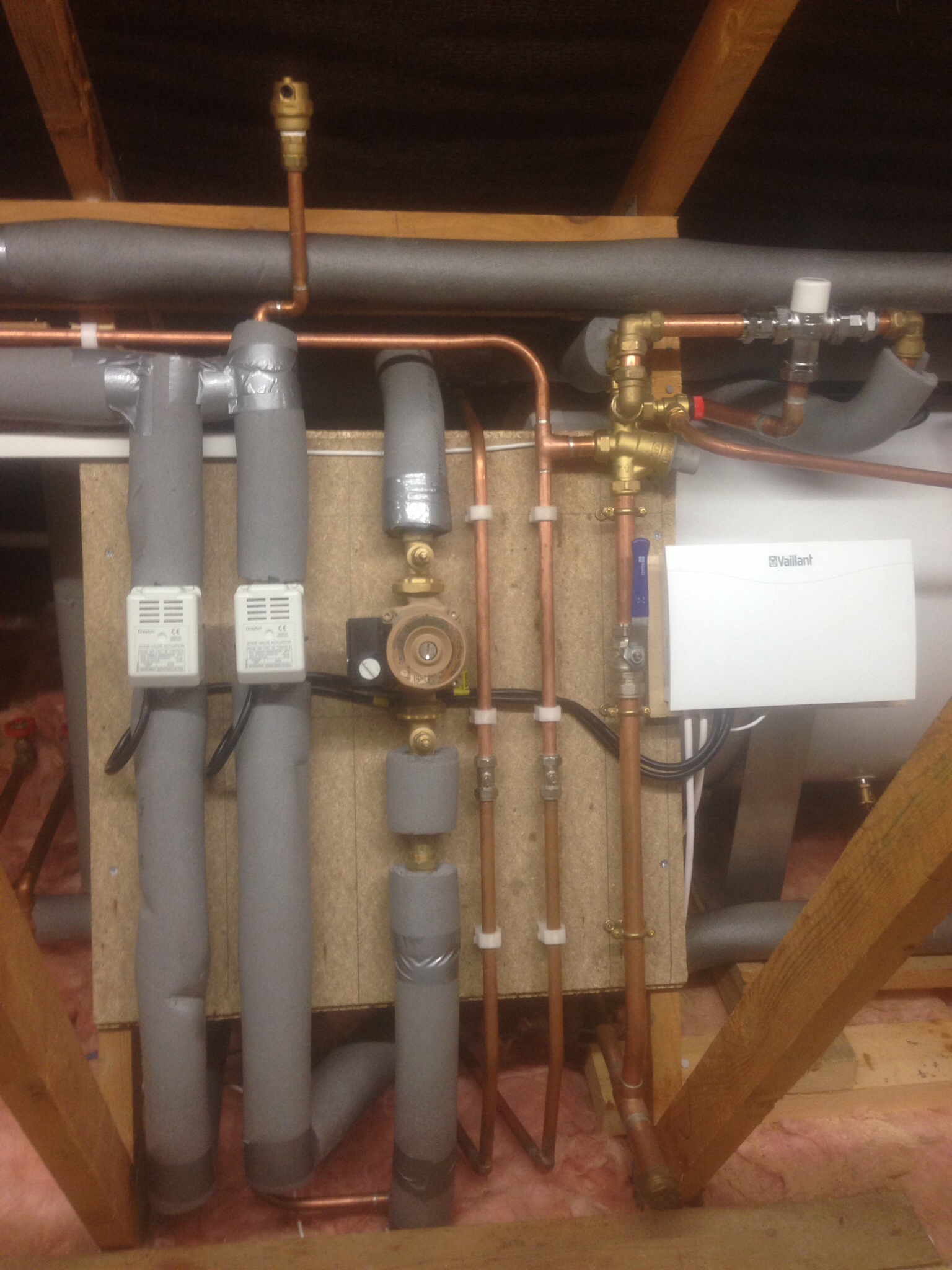
And before the crowd mobs me, that was the size of the plant room and the designer confirmed that those being close was a non issue (considering these can be in one dual terminal).
-
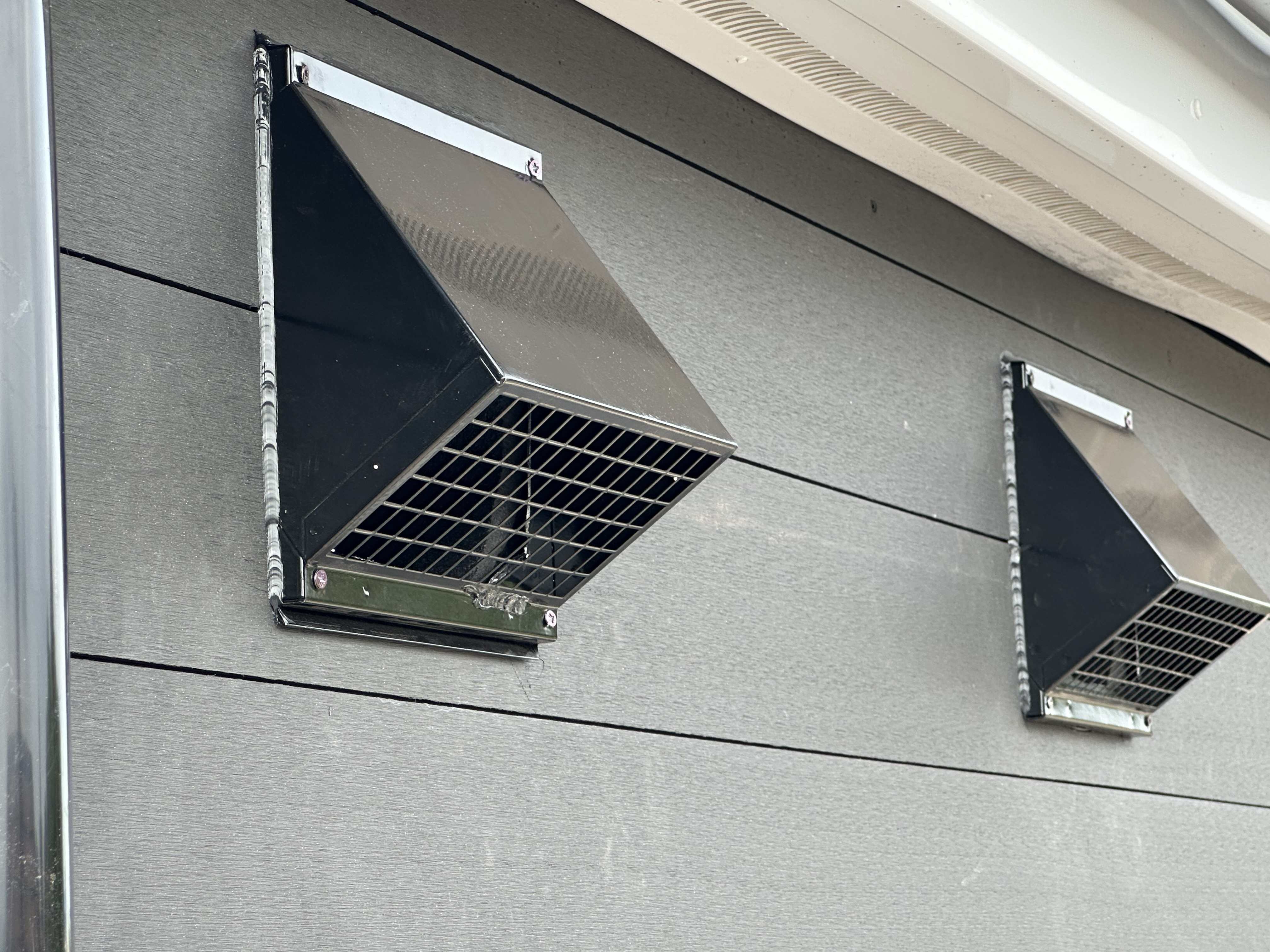
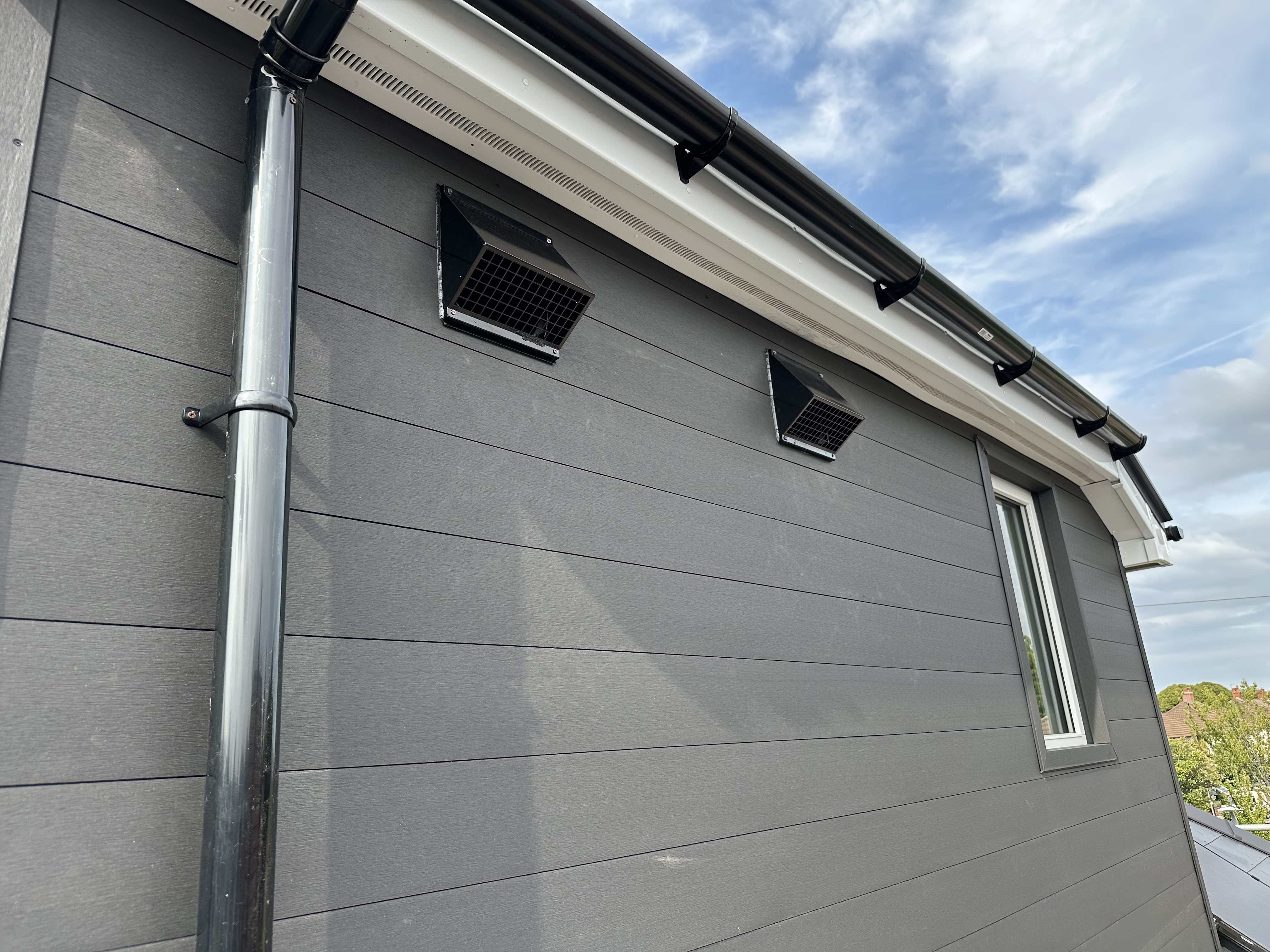
Fitted these on a good few jobs where driven rain was expected to be a factor to mitigate against. These were for 180mm ducts.
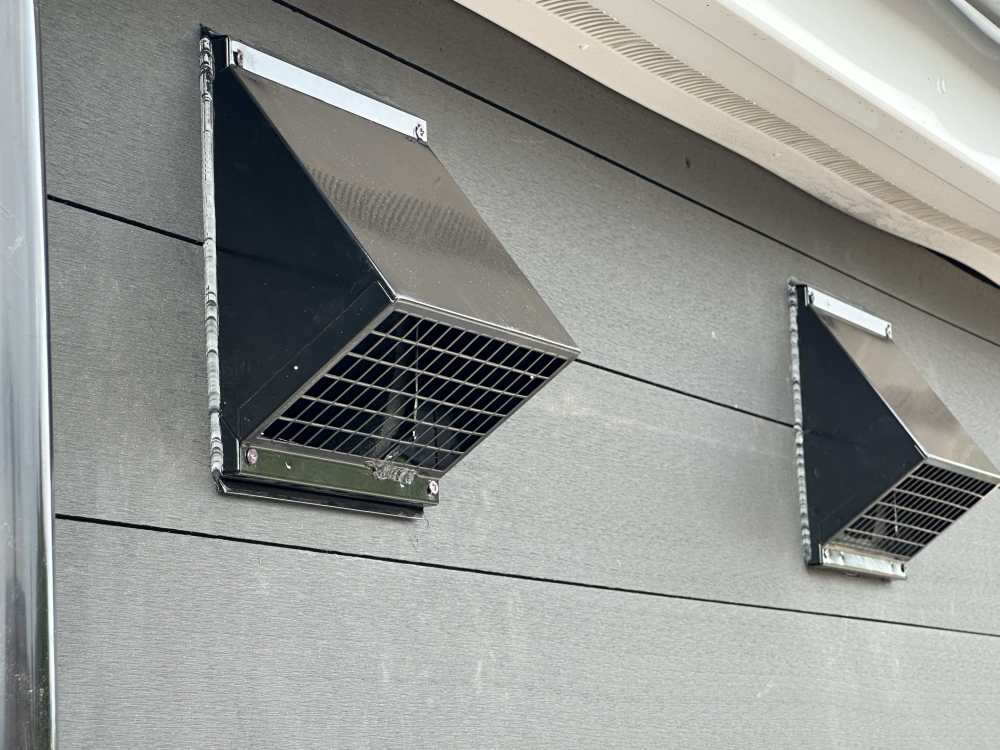
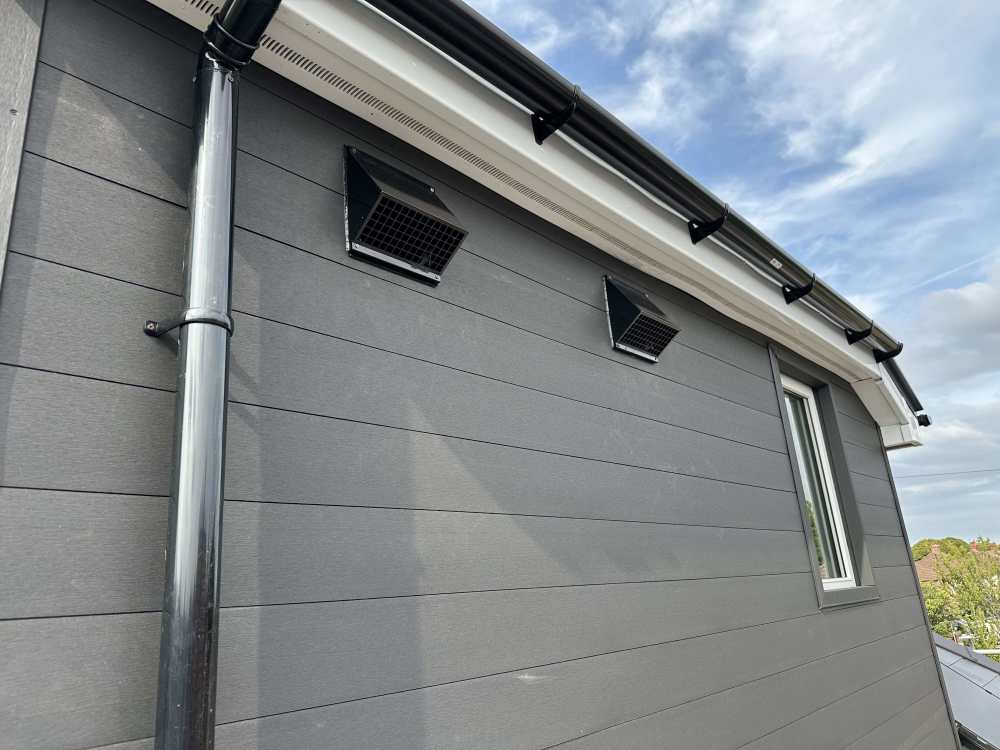
-
Not a real world issue afaic. I’ve fitted loads of systems, foam and rigid steel, and nobody’s ever reported standing water to be an issue. Constant airflow means these just suck or blow themselves dry, but I do angle the last bit of duct downhill before it gets to the external facade.
-
Does aerobarrier negate need for airtightness detailing?
Nickfromwales replied to SBMS's topic in Ventilation
You can plasterboard, just don’t plaster, but only relevant on the exterior walls obvs. Are you dot & dabbing, if you’ve parged masonry? -
Does aerobarrier negate need for airtightness detailing?
Nickfromwales replied to SBMS's topic in Ventilation
Every day is a school day. My first direct experience of AB, but defo not the last! -
Week 28 - Floor tiling, bathrooms, cladding, MVHR, electrics…
Nickfromwales commented on Benpointer's blog entry in Contemporary build in north Dorset
Maybe keep a spare remote for a Velux roof light in the glovebox! Not ideal but better than the brick-toss through the cheapest one.- 25 comments
-
- 1
-

-
- floor tiling
- cladding
- (and 2 more)
-
Worcester Bosch Greenstar 8000 System Boiler Issues
Nickfromwales replied to EinTopaz's topic in Boilers & Hot Water Tanks
I reckon flow is choked. Usually a partially open valve on the jig, or a partially open gate (pump) valve. -
Worcester Bosch Greenstar 8000 System Boiler Issues
Nickfromwales replied to EinTopaz's topic in Boilers & Hot Water Tanks
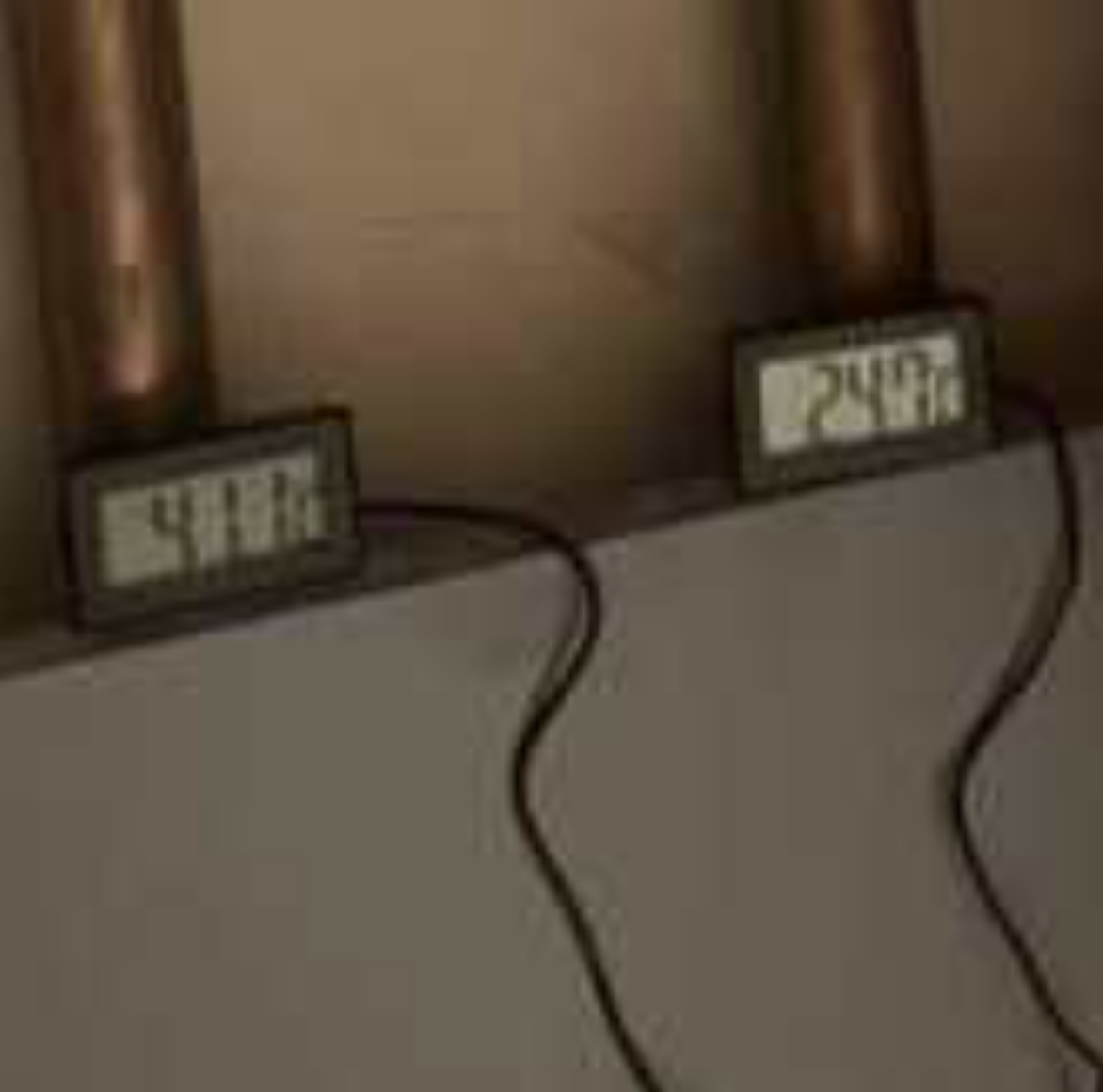
Zoom in and see the two Amazon stats on the pipes.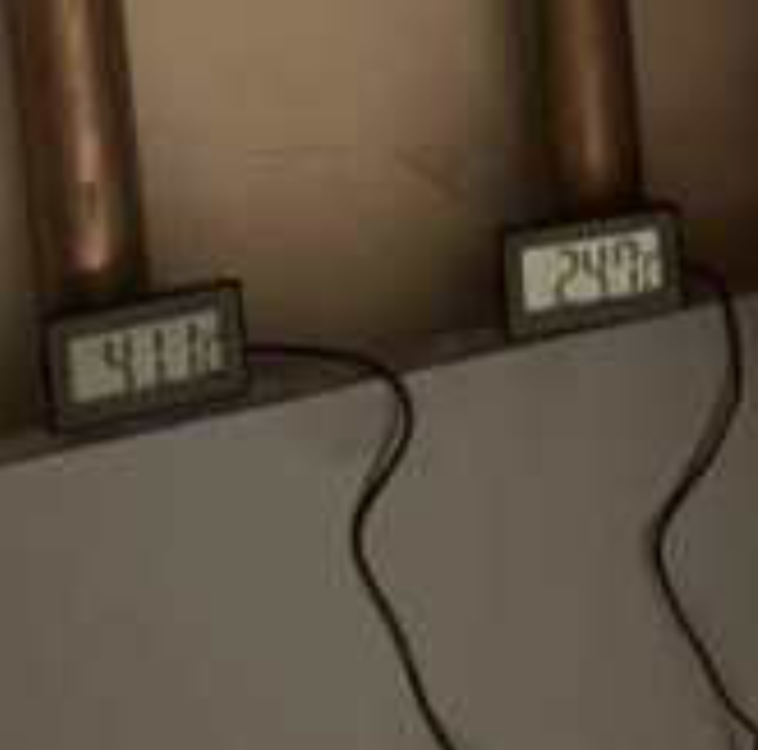
-
Planning application 1 of 2 approved!
Nickfromwales commented on AshleyFae's blog entry in North Yorkshire New Build
More “professionals” to the rescue……not! Good that you pushed back and got this over the line. -
This.