
Nickfromwales
-
Posts
31384 -
Joined
-
Last visited
-
Days Won
346
Everything posted by Nickfromwales
-
It's Mr. Captain, please. The very last thing I need is dissension in the ranks! 🙄😆 We both know you've just answered your own question.
-
Regular foam dries like the inside of a Crunchie, but the 330 is totally non-friable and you have to work hard to remove it where you've 'gone mad' with it. Remember to get a (Hozelock / other) spray bottle with a 50/50 mix of PVA/water, and spray everything liberally, immediately prior to applying the foam. The difference is night & day, as most do not realise that PU products are 'moisture cure'. Applying this into bone dry places results in the foam 'honeycombing' and not curing anywhere near as well / expanding effectively as it should.
-
Yup, great. Just be mindful to NOT use anything other than Illbruck 330, or you may bridge damp / cause issues. The 330 is closed cell foam, and builders sheds sell open cell, which is not the best thing for this application tbh. I buy from here LINK
-

Cheap way to prevent boiler cycling
Nickfromwales replied to Crunchynut's topic in Boilers & Hot Water Tanks
Good luck attempting that in a real world situation The second any TRV responds, the balance is gone. With oil, @Temp's solution, or adding a thermal store, is the only actual solution. The kW demand will be identical, after the OP has gone round the twist trying to balance the TRV's / boiler temp, and then the lock-shields. Oil boilers need to come on at 100% output, burn as required, and shut off again. Heat loss of the dwelling will dictate this, and nothing else. -
The more the better, is the simple answer. If you can robustly add 40mm or 50mm of PIR to the existing 120mm then you'll have a very good level of insulation (U-value). What would make this all a waste of time is ventilation heat loss (drafts) around the perimeter, up behind the skirting, and tenting into the dwelling. How have you planned to kill this off?
-
Yup. https://www.toolstation.com/ultraplan-renovation-screed-3240/p21200?store=W8&utm_source=googleshopping&utm_medium=feed&utm_campaign=googleshoppingfeed&mkwid=_dc&pcrid=&pkw=&pmt=&gclid=Cj0KCQjwn_OlBhDhARIsAG2y6zP8Eth81NL8telHABW4sOvuyIt1UaPgFYztFETuqpdHb7pIDWkWSf8aAuDhEALw_wcB&gclsrc=aw.ds Just use this to smooth the transition. You'll never notice this, and the only time it'll be a problem is when you stand there considering it, long after all works are complete. Smooth it out with some of that screed, removing the protective cover and priming first, and it'll be done and dusted.
-
What is "it"? The grout or the tiles? Silicone injected between the tiles will be an absolute nightmare to remove!
-
Maximum safe cut angle for existing made ground
Nickfromwales replied to jon-lee's topic in General Structural Issues
Top or biggest? To be called a top builder you have to be extremely skilled, conscientious, and provide a client with a good end product. The bigger companies seem to fail in many respects. Doesn’t matter, if this person has come here seeking advice then that’s what we can decide to do, or to not do. I’ve provided my clients with much better service (after gleaning advice and support here) since co-founding this forum a good few years ago. It’s better for a professional to ask here than not bother asking at all, imho, as the end owner of this dwelling will benefit from something that's been done properly. @jon-lee Any information gleaned here is utterly useless anyways, unless it’s professionally underwritten it cannot be surrendered to building control or a warranty provider, but many will help out wherever they can. You just can’t practically use the information that’s all. -
Battery VAT claimable? Battery choice
Nickfromwales replied to MortarThePoint's topic in Energy Storage
Always bloody wanting! 😂 -
Battery VAT claimable? Battery choice
Nickfromwales replied to MortarThePoint's topic in Energy Storage
Good evening. Apparently, once upon a time they didn't, but now they do. I concede, sir. I am now off to do my ritual self disembowelment, followed by a swift beheading. -
We often get to loggerheads, so let me add one more to the list lol. WHY? This is such an obvious thing to do, and would be the most sensible 'jump' IMHO. Sell the others on and swap over to a hybrid. The added losses of all of your (then) equipment will be 'undesirable', but the (a) hybrid would work perfectly for you. It even has (could have) an input for the generator directly. Utterly seamless with zero time 'off grid / in blackout'. Please reconsider this, as it has huge benefits for your exact situation!!
-
Indeed. Do you think I can remember who / when / where....? Not a bloody chance! I know who to ask though, if anyone's looking for info?
-
What’s your vector, Victor?
-
The force is strong with you.....
-
Have you not tried a 1” tap to recut the thread? I can’t remember where we got to with that. If the stopcock works then crack on. They’re good for 10bar and that’ll rarely see north of 2bar. 👍. It’s time to end this madness, so “make it so, number two”. 🫡
-
Yup. Chip shops / restaurants use them a lot.
-
Let it disappear down the pipe! If I can dispose of U571, then a few dog hairs and a bit of mud will disappear to never be seen again, zero problemo.
-
I’ll see if I have fittings on site tomorrow and mock it up / post pics.
-
You could even rise into that intersection branch (instead of the second M&F 90 bend) and do both inputs via the single boss, if there's room to sneak a 40mm waste around the back of the soil pipe. Just use a few M&F 45's in the 40mm waste to get you around it maybe?
-
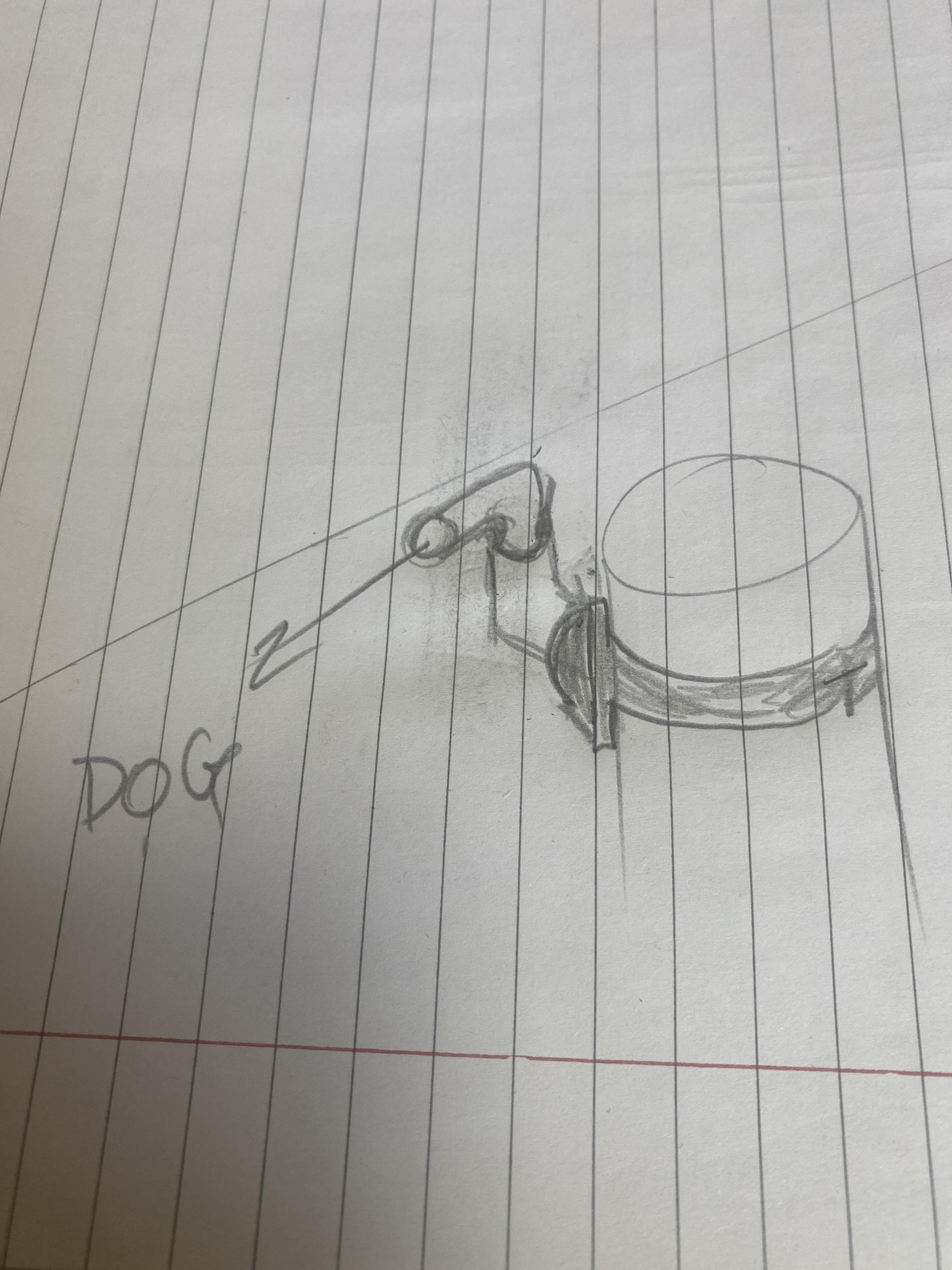
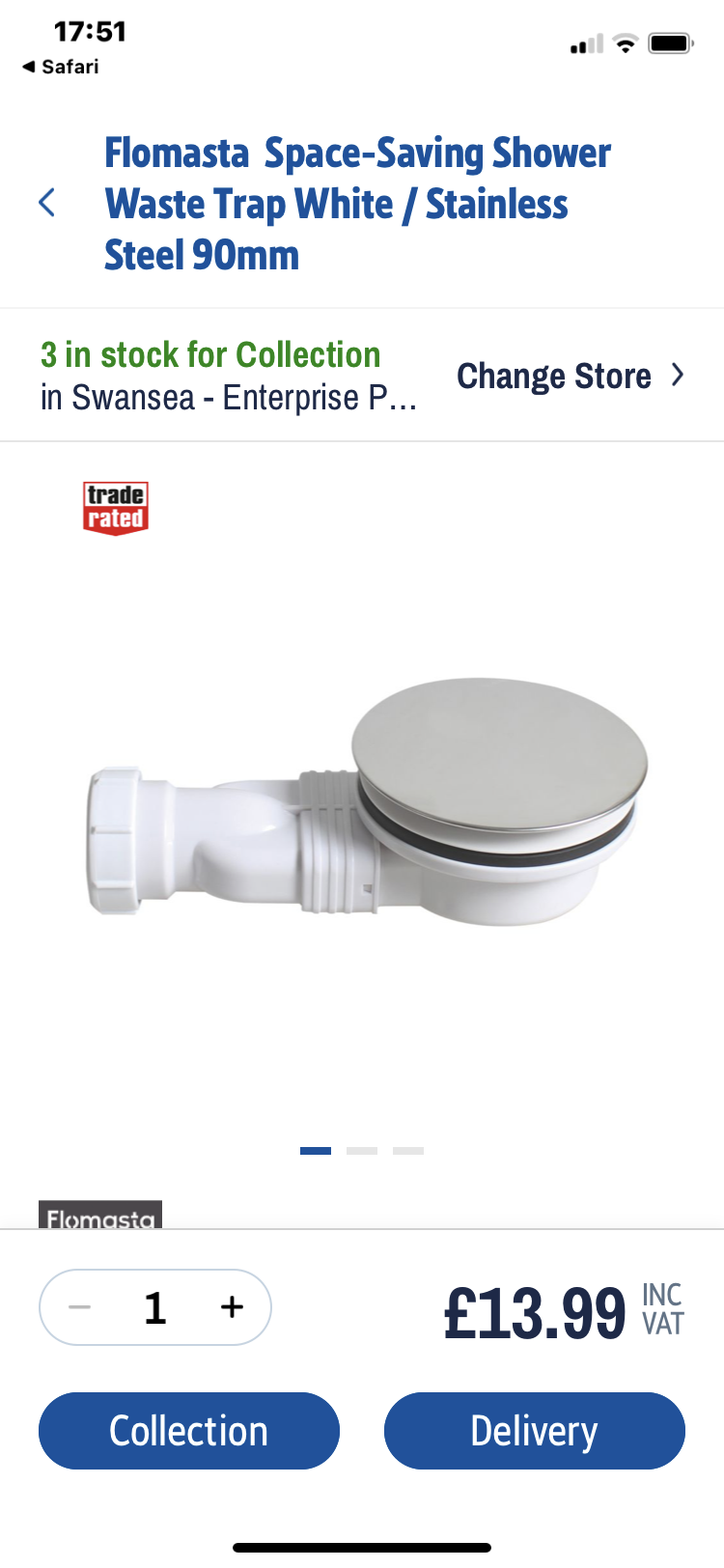
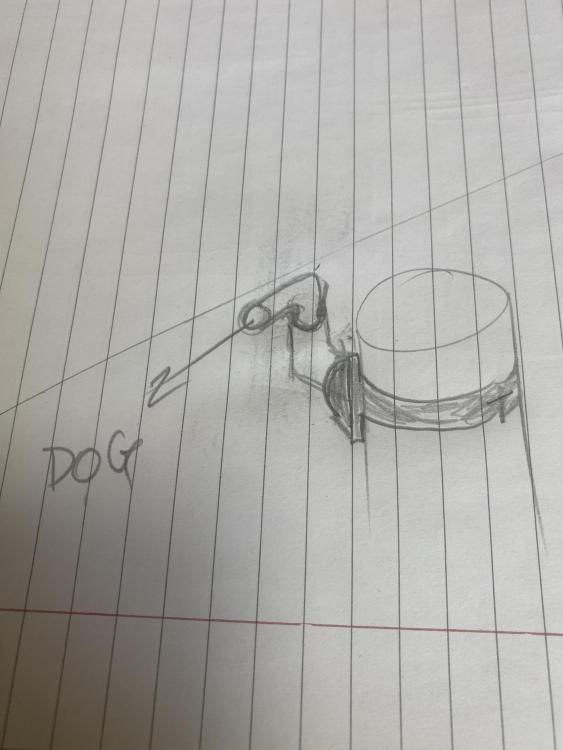
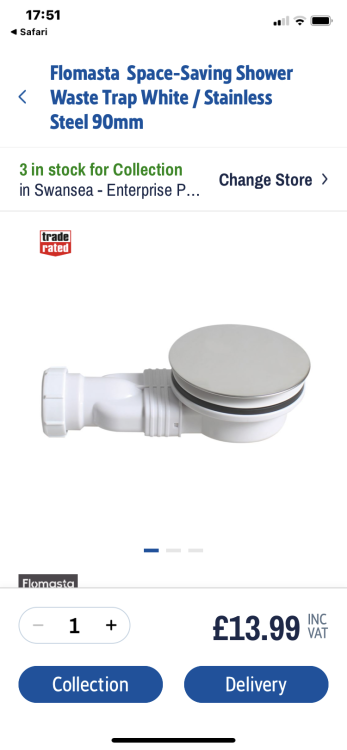
Apologies for the shite drawing. My desktop just snuffed it. Tidy. So, you chisel out a bit of the floor, if you need to get low as a slugs scrotum, and do as per the above. A 50mm strap on boss with a vertically rising M&F bend into it, with the male 'spigot' of the bend sawn down to get it as close to the boss as possible, then rotate the soil pipe clockwise until the M&F bend is as far around as possible. Then you fit another M&F bend into the first and you’ve got a universal joint which can come off at any angle. 2x M&F bends cut down will only be apart the thickness of the pipe, so you’ll only get 50mm rise from FFL. Should be plenty fall for the dog shower tbh. Use a space saver shower trap to keep the tray as low as possible.
-
It’s fine as long as it’s cleaned, decontaminated and roughed with some 80grit. You need to use “gap filler” cement instead of solvent weld to bond these together successfully. I always twist the fittings back and forth a good few times to get the plastics to ‘weld’, and you can feel when to stop doing it as the glue starts to bond and cure quite quickly after it displaces what’s not needed in the joint. If poss, it’s nice to use solvent cleaner and a lint-free cloth to remove excess glue from the pipe, internally.
-
Not just that, but you need 2x connections disappearing at 180° from the soil pipe, so you’d need one above the other. You can go further back (rotate that grey collar more, put a 50mm reducer into and the an M&F (aka street) elbow into it rising vertically, and then fit a 50mm double branch (aka intersection). Then 40mm reducers into each side and pick the pipes up a bit higher up.
-
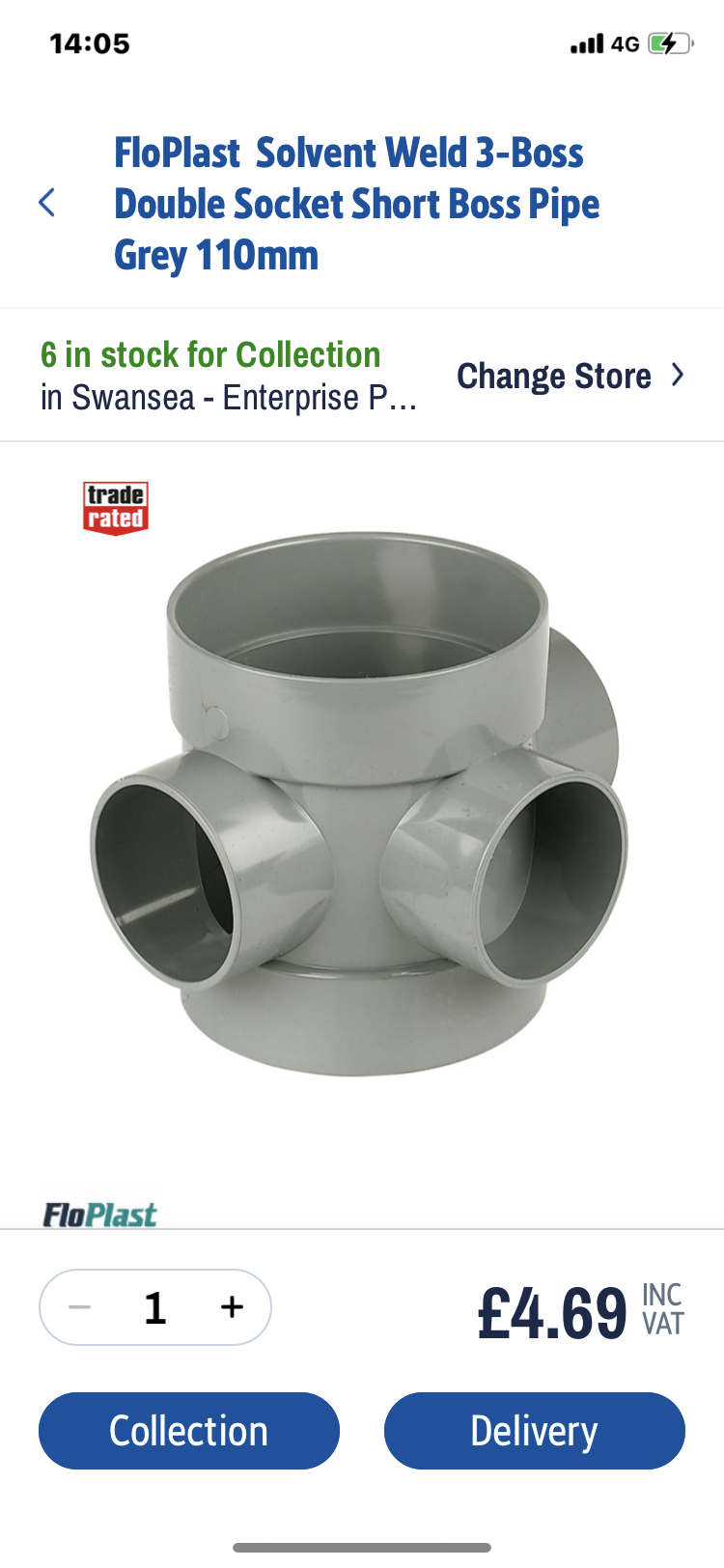
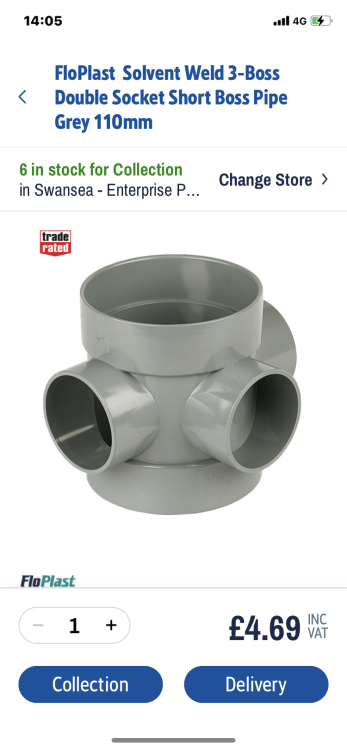
Only one of those is open, as supplied, and the other two are “blind” so just saw off the redundant one, drill out the 2 at 90° to each other, and bingo. Rotate so each accept a 45 waste fitting and problem solved?
-
Ok. Just zoomed in. Not yet made up. OK. You need a boss socket / collar then?
-
Can you rotate the pipe going into the ground? And I assume that strap on boss is glued and now permanent?