SteamyTea
-
Posts
23850 -
Joined
-
Days Won
200
Everything posted by SteamyTea
-
Whale Oil Beef Hooked.
-
 Work on half the output, won't be far out. The maximum theoretical output only matters in extreme weather.
 -
Any help https://www.infrastructure-ni.gov.uk/topics/rivers-and-flooding/flood-maps-ni
-
List of correction factors here. https://www.buildingservicesindex.co.uk/entry/136540/AEL-Heating-Solutions-Ltd/How-to-calculate-the-delta-T-for-a-radiator/
-
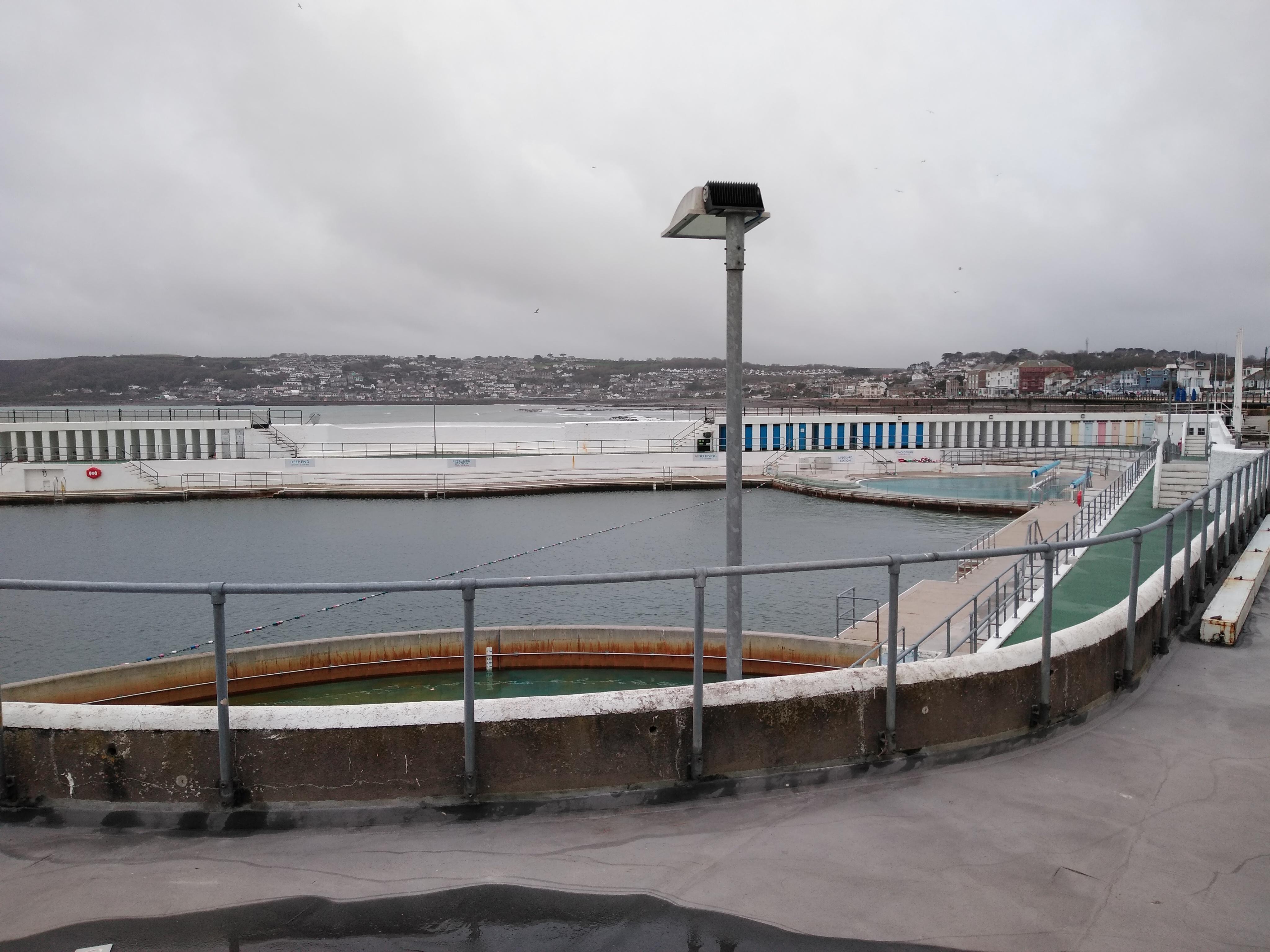
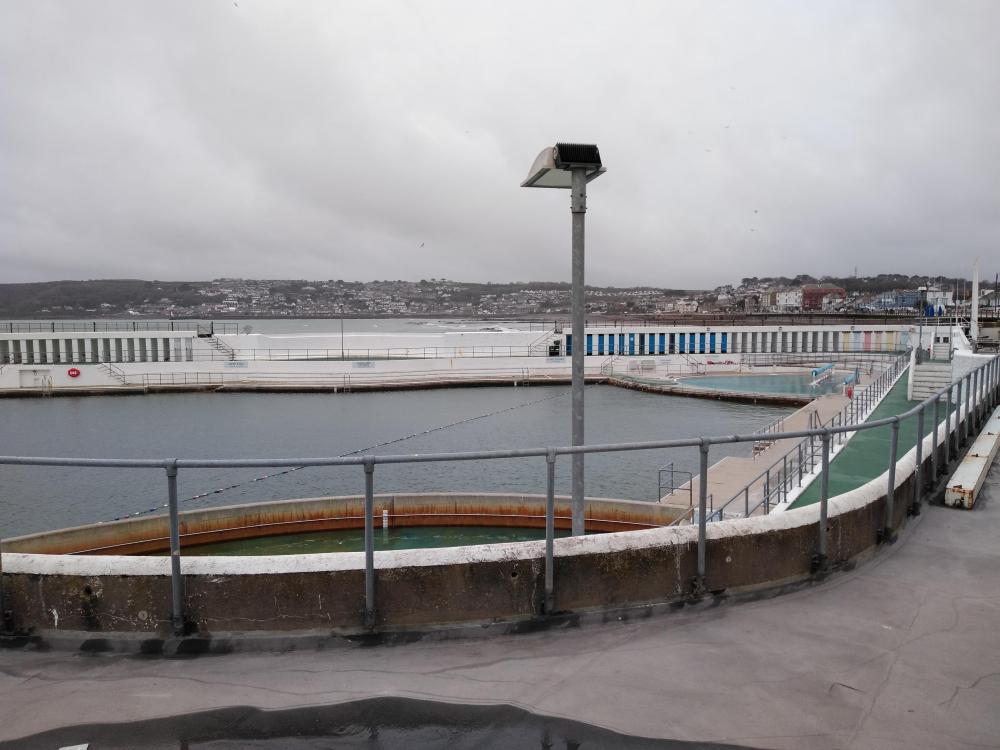
This is my swimming pool. Needs a wetsuit. Think the GSHP is not working till March.
-
Yes, pretty ain't he.
-
Can you stuff the cupboard with clothes, see if that dampens the noise. Rubber is good for this.
-
Ahhhhh, run for the hills. Adding insulation will add mass, but reduce thermal losses. Can you just add 50 to 60mm of PIR and then board and tile (I assume tiling as it is next to a swimming pool. You could consider an electric UFH matt for the wetroom. I find wearing shoes and socks cures the cold floor problem.
-
Do these prices for erection include scaffolding, crane/telehandler and site bogs etc?
-
Yes, that may well be true, and easier to install. I forgot you have a decent amount of PV. A2AHP it is then. Still worth doing a basic heat loss calculation. To give you an idea, my whole house is a similar size, but my heat load is less than a kW when it hits 0°C. My place is 34 years old and nothing special.
-
Advice needed before I tackle the installers!
SteamyTea replied to MattB67's topic in Air Source Heat Pumps (ASHP)
Sounds magic, would like to know how putting in less energy gets a room to the same temperature. Lower heating costs SpeedComfort helps contribute to significantly save money on your energy bills. This is because of several smart properties: The SpeedComfort results in a lower supply temperature of the central heating water, which saves gas A lower temperature of the central heating water means less heat loss in pipes Thanks to the SpeedComfort, the room is brought to temperature faster, meaning the boiler is not running for so long. Adjustment on the water side of the installation yields further savings -
It may just pass. But It is mainly windows. I would do some thermal modelling and then see what size A2AHP is needed. You can get systems that have one outdoor unit and 2 or 3 indoor units. How do you heat the pool?
-
Can you clarify the insulation levels a bit more, does not seem very good spec. How much wall area is actually windows. A2AHP has a lot going for it, it heats up the parts you want and does not waste time on heating up a large slab of concrete, which is slow to respond for occasional usage. Having said that, 8 kWp of heating for 50 m2 seems quite excessive.
-
True at Portreath after heavy rainfall.
-
Yes,, and it is illegal. Same with rainwater harvesting, it needs to be registered with South West Water. So that will be 4,999,999 visitors instead of 5,000,000. Even the dog ban does not stop it. It is a real problem, and if you ever see a seal with distemper that is transmitted by dog shit/piss, you may change your mind.
-
I agree. Then you get someone, who knows your name, use it in a post.
-
Yes. Why boreholes need to be registered. If I had got an unregistered borehole when I moved here, I would be quids in now. Really annoying as the high sewage charges are to help keep the beaches clean. Then people let their dogs shit all over them. If you have a dog, don't come to Cornwall, it is really an anti social thing to do.
-
SMA isn't it. There is a small dial that sets the country code, think it is 9 for UK. Setting it wrong allows the voltage to go higher, do can deliver more power. So the DNO where right to tell you to disconnect it until it is proven to be correct.
-
Is this a new build that is drying out? If so, the problem may vanish in a few weeks.
-
What is this?
-
How large is the area. Takes an hour to tell someone how to do it. After that it is just practice. 100 quid of materials and 5 attempts for practice and you are ready to do it yourself.
-
OP said he bought a new inverter. If a good make it should be possible to download the relevant documents. If it is an SMA, let's hope the correct country code was used while setting up, pain if it isn't.
-
You do. It is a safety issue. They need to know where installations are, how large they are, where the safety cutouts are, and that all the equipment is legal. You better get whoever wired it in to get you the certificates pronto.
-
You were not hoping to fit PV with that roof were you.
-
Was not my point. Was just checking the the install is legal to protect the installer and the DNO workers. Diverting to DWH is the easy way, but may only use 6 kWh a day, and in the summer it may be possible to generate 4 times that. Worth remembering that energy and power, the kWh and the kW, are different things. To run a heat pump purely off PV will require a minimum constant power, plus a bit for initial pump/fan startup. Batteries can help here. Batteries are still expensive, but at 20p/kWh to import energy, the levelised cost must be getting close to parity now.