SteamyTea
-
Posts
23848 -
Joined
-
Days Won
200
Everything posted by SteamyTea
-
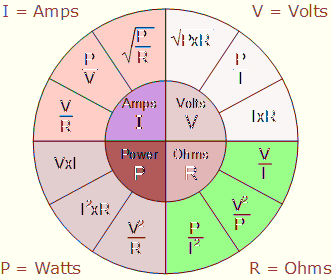
Ohms Law. Or put a volt meter on it.
-

Two questions - I'm a newbie
SteamyTea replied to Adrian_london's topic in Air Source Heat Pumps (ASHP)
Yes, and often means people buy an over specified system. I do think we should sell, trade, and discuss energy by the joule, MJ or GJ, would save a lot of confusion. Some petrol stations still don't have temperature compensation on their pumps. That means you pay more to go a lesser distance. And if you listen to gas and oil traders they use therm and barrel. And often you don't know if the price is USD, EURO or Sterling. Jacob Rees-Mogg may love all that stuff, I prefer a simpler live with just 7 definitions. Length - meter (m) Time - second (s) Amount of substance - mole (mole) Electric current - ampere (A) Temperature - kelvin (K) Luminous intensity - candela (cd) Mass - kilogram (kg) -
Two questions - I'm a newbie
SteamyTea replied to Adrian_london's topic in Air Source Heat Pumps (ASHP)
KW, kwh, and other combinations. Grrrrrr -
You need to know the voltage that the lamp runs at i.e. 3V, or 12V.
-
You have done the right thing, twice. Always worth five minutes checking Companies House. You can track directors as well, see if they have a history of insolvency.
-
Garden shredder advise Spring 2023
SteamyTea replied to JohnBishop's topic in Landscaping, Decking & Patios
Just make sure your cheeks an are pointing into the wind. Will be just like primary school again. -
Garden shredder advise Spring 2023
SteamyTea replied to JohnBishop's topic in Landscaping, Decking & Patios
Can be replaced with wee wee. -
Dirt boy, that though never crossed my mind.
-
Mad idea for DHW retrofit based on Mixergy?
SteamyTea replied to JamesPa's topic in Air Source Heat Pumps (ASHP)
It is because, as you have shown, a lot more inputs and outputs. I always reduce the ∆T by 3K as that is where my house seems to sit above OAT when left empty. -
Try culling into it with a sharp knife. Whoops, did I type culling, meant to say cutting. Culling it what need to happen to idiots.
-
What I am finding, only 18.8°C as I type this (16:25 10/04/2023), but I can live with it. And I am saving what, £3 a week, the same as a coffee.
-
Can't think why not. Evan 25mm of PU or EXP would help. May need to drill some ventilation holes, or pull the plasterboard off and get more thickness. Get a multitool and you can trim it all easily.
-
Last one I did the unit cost about £20. I think when I did them in 2006, they were £16 each. Shop around.
-
Meant to say outer, no idea how I got my inniey and out confused.
-
Workshop build using shipping containers - Electrical Advice
SteamyTea replied to Walrus's topic in Introduce Yourself
Last time I was arrested I had a leg spasm, think it was caused by a coppers kneecap. All I remembered was saying 'ha, missed both my legs'. -
Workshop build using shipping containers - Electrical Advice
SteamyTea replied to Walrus's topic in Introduce Yourself
(expletive deleted)ing autocorrect. Truncheon -
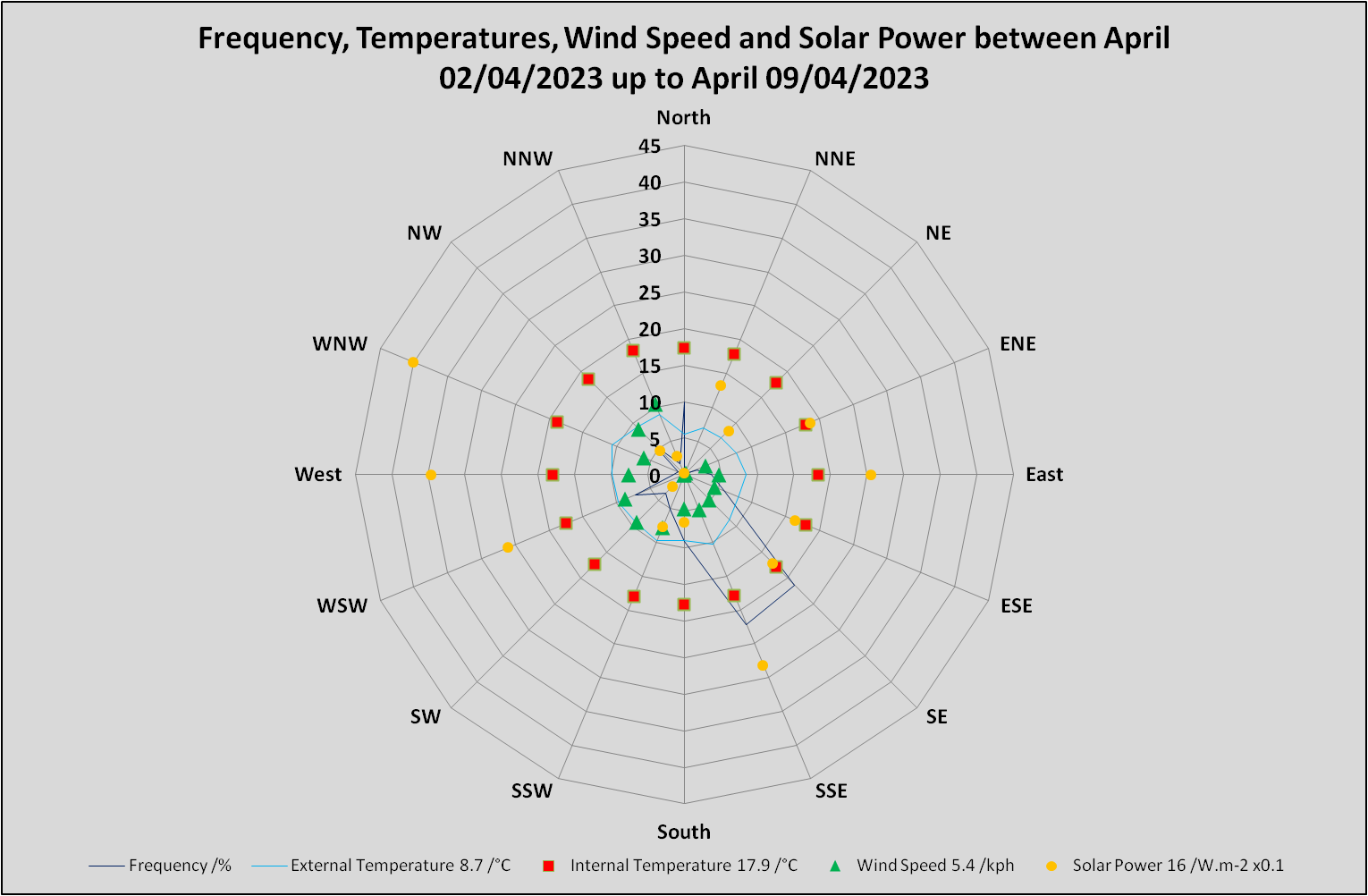
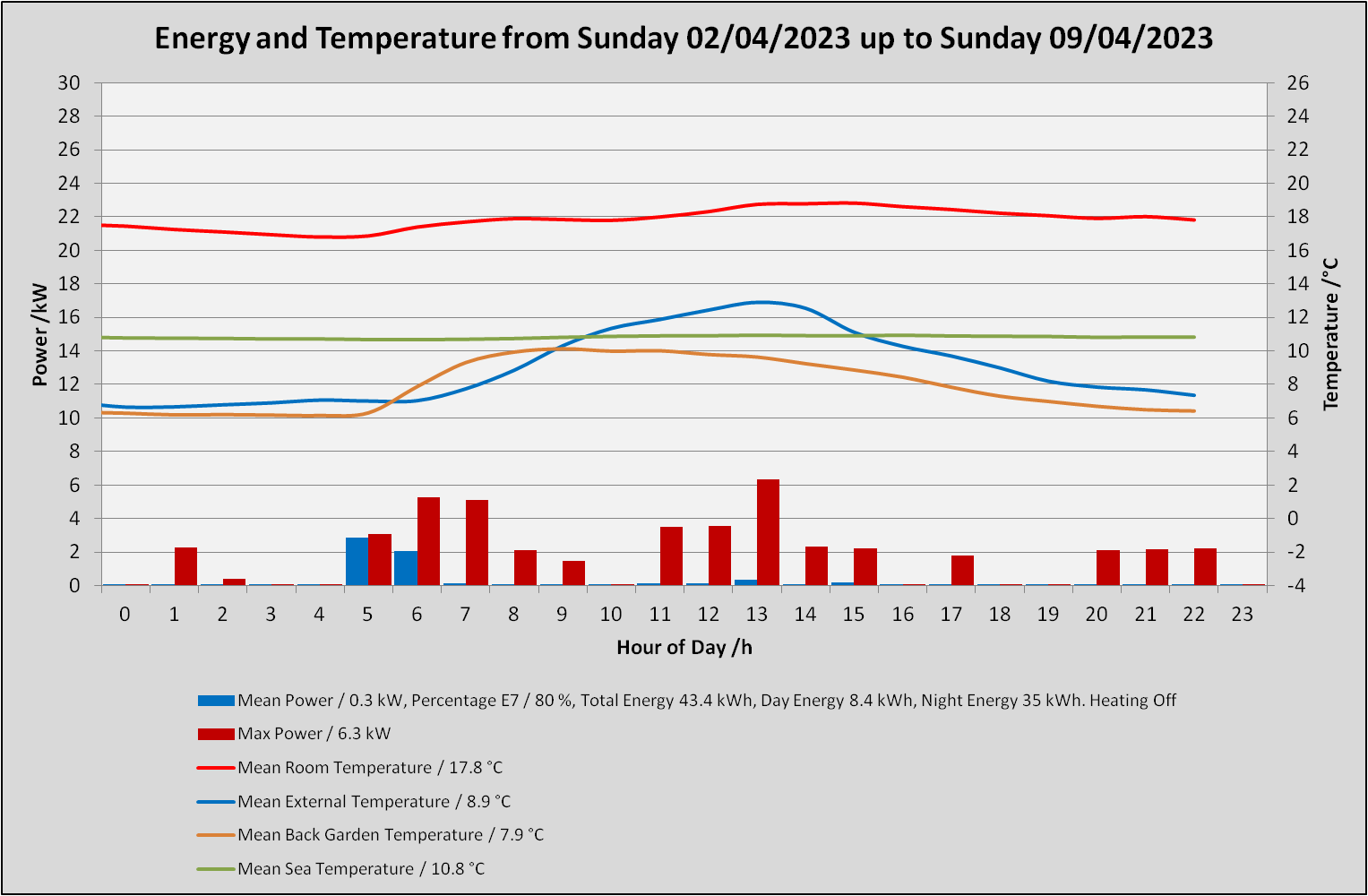
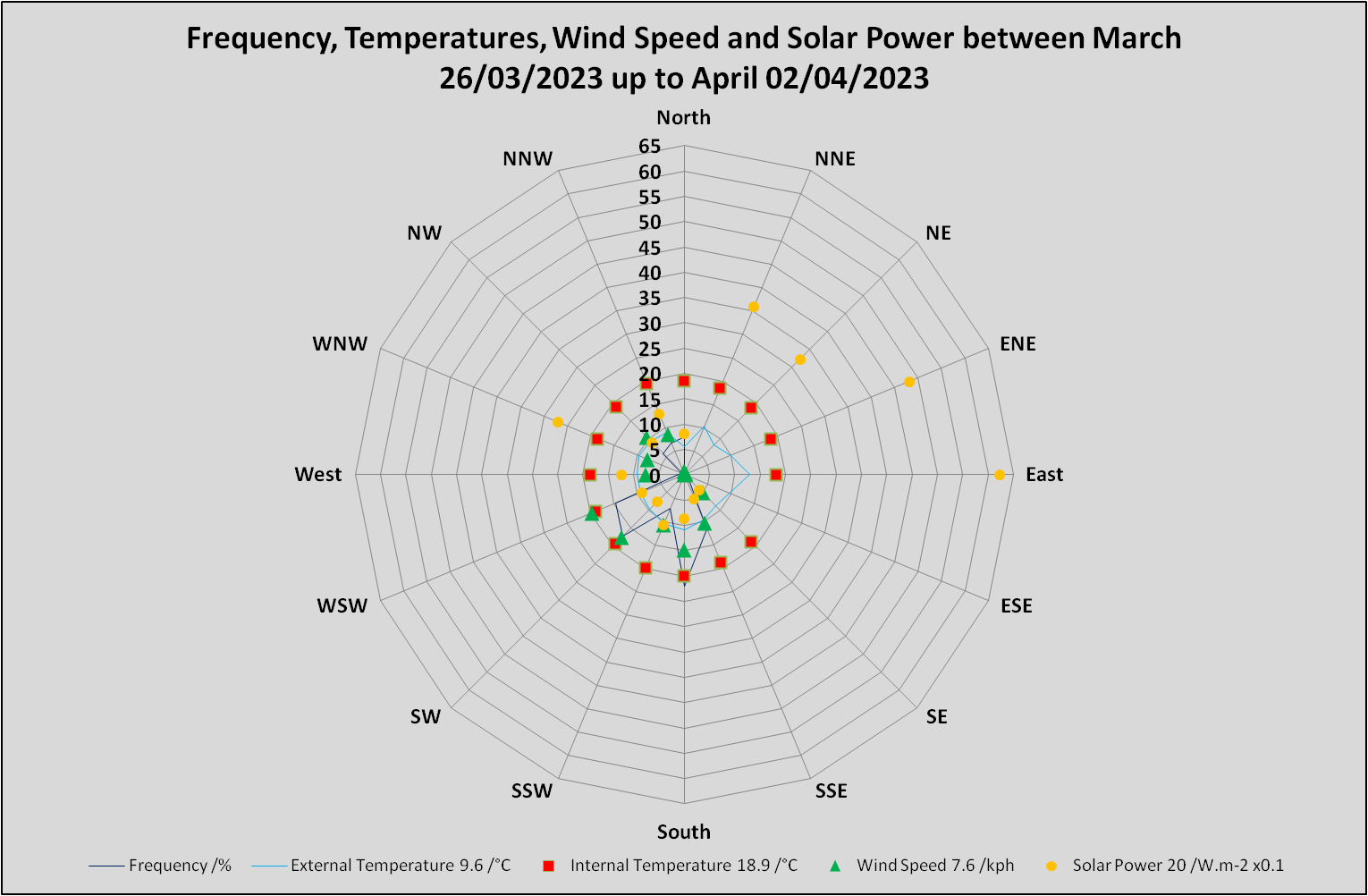
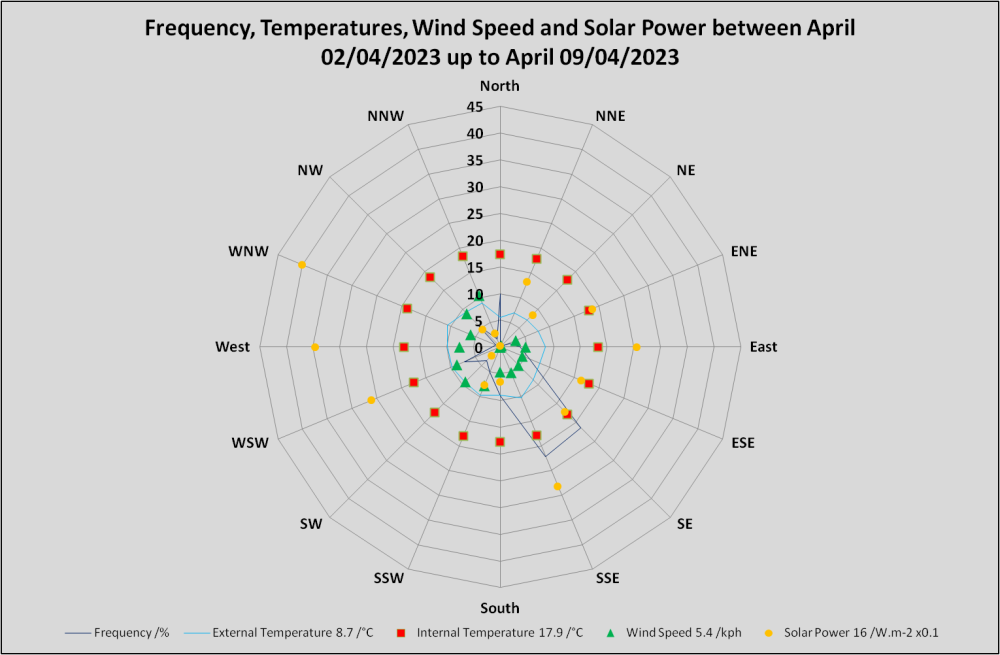
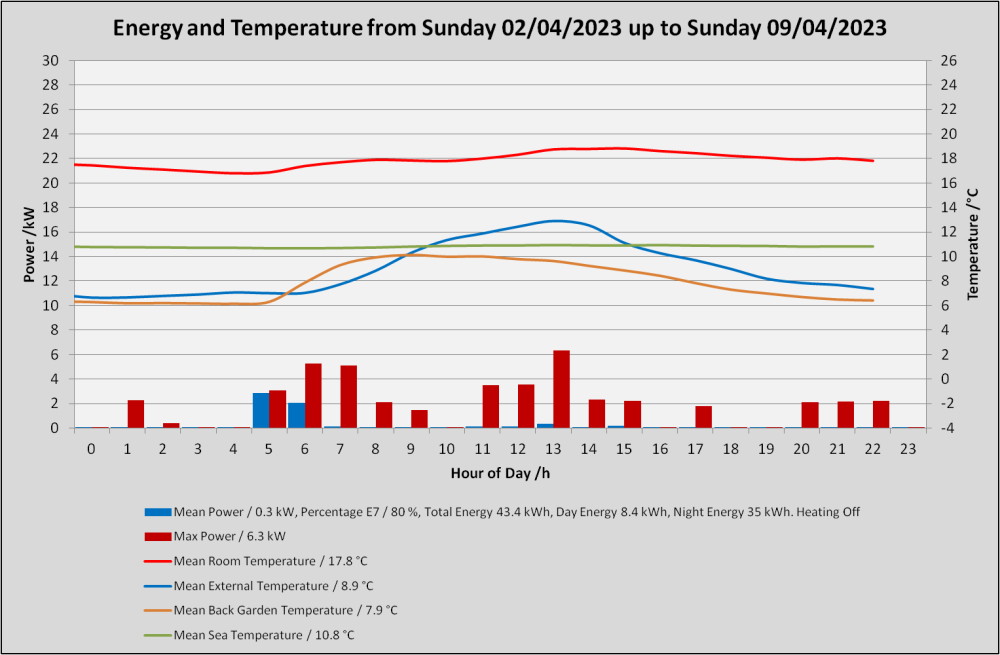
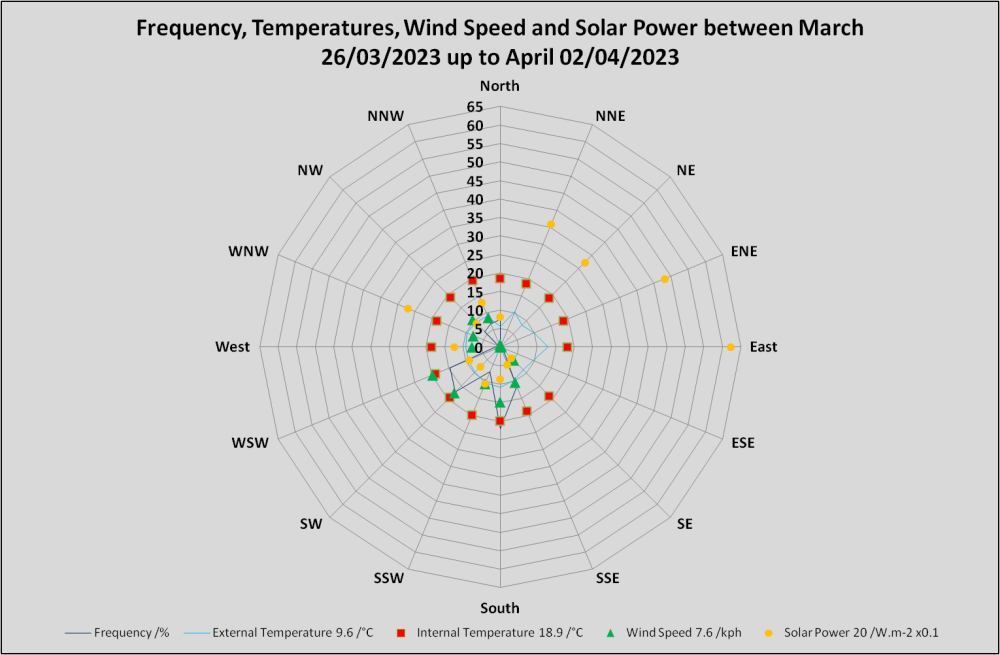
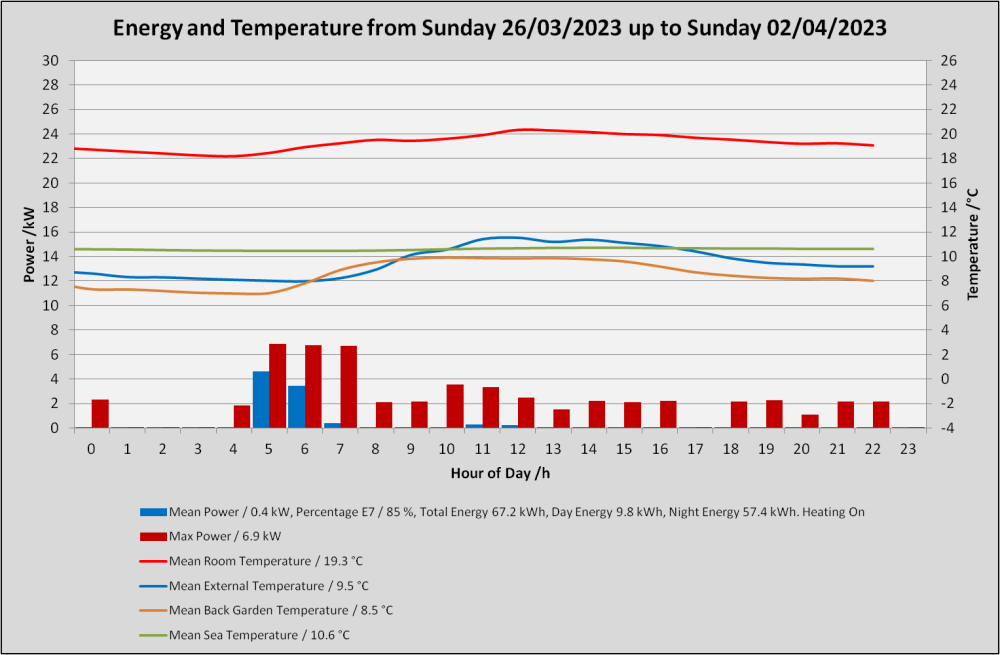
Well first full week with the heating off, and as I guess, maybe a bit too soon. Mean house temp is now 17.8°C, down from 19.3°C the week before. External temp, 7.9°C, which is lower than the week before, which was 8.5°C Consumption is 43.4 kWh for the week, 80% at night. Week before was 67.2 kWh, with 85% at night. Here is the windrose and the consumption charts. The difference in the external temperatures is rounding errors and my rear garden sensor and the local WU weather station. Week before
-
Workshop build using shipping containers - Electrical Advice
SteamyTea replied to Walrus's topic in Introduce Yourself
Would that have been their notebooks, blood stained truncheon, camera memory cards and morals. -
Many years ago, I put in a secondary pane of glass into a window. It misted up in a few weeks. I then cracked the inner pane during bedroom antics (moving furniture but that is boring). The misting vanished in now time. I have often though that a small hole drilled into the inner pane may alleviate this problem. May get brave and try it out on a blown unit, but only after I have a replacement ready.
-
Computer Reaction Aided Production will be next.
-
I think that is the case. The first replacement I did was too small, but is still good. The rest, I made a bit bigger and they have failed. The glazing man only offered 1 year warranty on replacement panes if they were going into timber frames. When I do get around to replacing them, shall go a bit smaller, and have already put in weep holes. Shall also put in more silicone and accept I will need to scrape off the excess. That bit is easy now as I am not going to be renting the scaffolding. Cornish weather plays havoc with outdoor work timetables.
-
Or block off that bit of the eve vent.
-
My experience as well. Also, the north east facing painted windows 'weather' better than the south west facing ones. Less UV, rain, salt and windspeed.
-
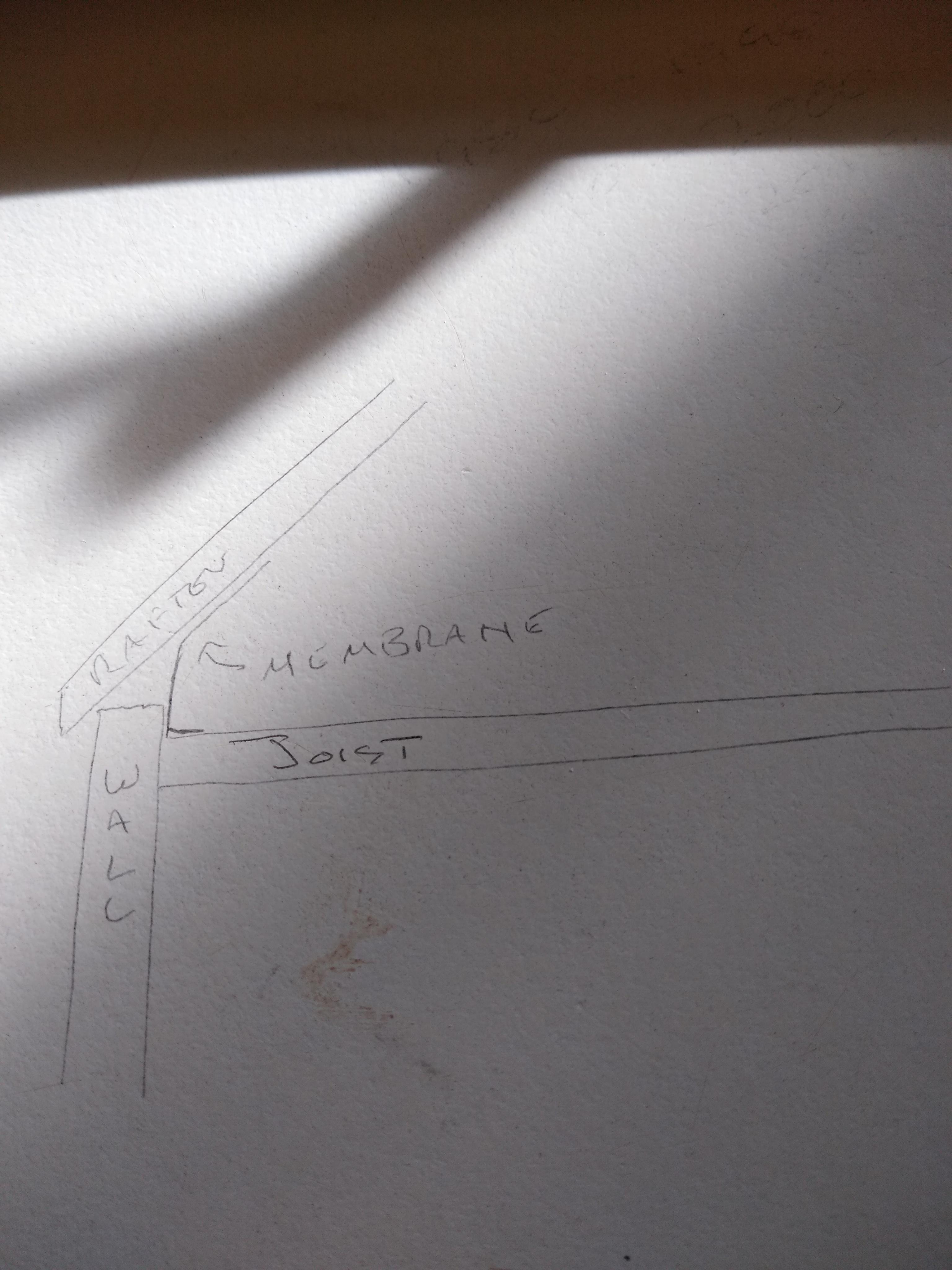
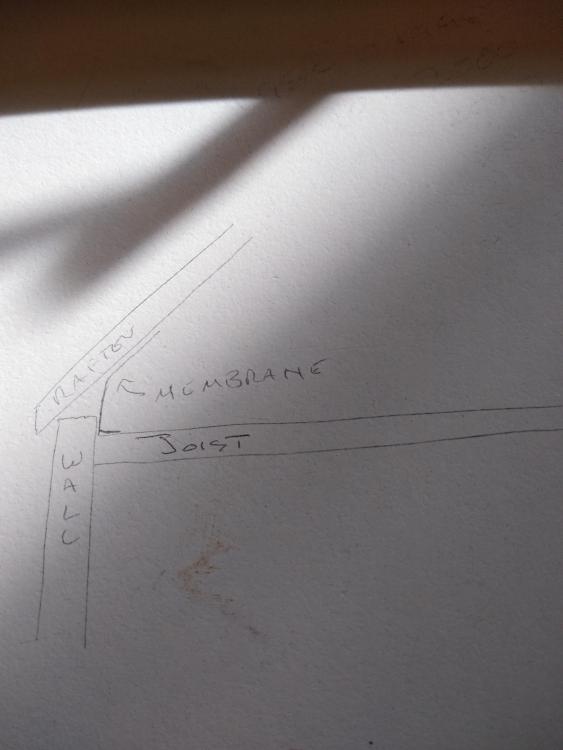
Crayon aided design. Like this?
-
Workshop build using shipping containers - Electrical Advice
SteamyTea replied to Walrus's topic in Introduce Yourself
Go on, we all love a good yarn.