SteamyTea
-
Posts
23848 -
Joined
-
Days Won
200
Everything posted by SteamyTea
-

Insulhub Isotex Voluntary Liquidation
SteamyTea replied to Surfiejim's topic in Insulated Concrete Formwork (ICF)
Take a buildhub.org.uk banner along. -
Has anyone had any experience with Chelmer Heating?
SteamyTea replied to sharpener's topic in Air Source Heat Pumps (ASHP)
My 'heating on' daily mean temperature is now 9°C. Used to be 10°C. It is why a 1°C drop in house temperature can make a large saving on energy costs. We tend to have more days where the temperature is between 6°C and 10°C than we do -1°C and 3°C. I also think that HDDs are one of the few metrics that benefit smaller houses, though not actually analysis it too closely yet. My cooker, which has been on less than 30 minutes, has increased my house temperature by over 1°C. -
Insulhub Isotex Voluntary Liquidation
SteamyTea replied to Surfiejim's topic in Insulated Concrete Formwork (ICF)
I don't know, not my problem. But I suspect that The London Gazette will know, eventually. -
Is this legal? I thought the original FiTs was a contract with OFGEM/Government/DNOsand energy suppliers. They got caught out over a decade ago when they changed the scheme at very short notice.
-
Insulhub Isotex Voluntary Liquidation
SteamyTea replied to Surfiejim's topic in Insulated Concrete Formwork (ICF)
Sounds to me they may be the ones that issued the winding up notice. -
Insulhub Isotex Voluntary Liquidation
SteamyTea replied to Surfiejim's topic in Insulated Concrete Formwork (ICF)
@Jamie Kent It is a bank holiday weekend, so no need to knee jerk anything. Also, may be best to get your name changed on here as you don't want legal people search for you and what you may have said. It is an over connect world now. I also don't think the time you have invest in getting to the BR stage is wasted, there are many ways to achieve the same result. -
Has anyone had any experience with Chelmer Heating?
SteamyTea replied to sharpener's topic in Air Source Heat Pumps (ASHP)
Not a lot
-
11°C peak tomorrow, about the same as today. May get some sun tomorrow afternoon. Trouble is sea surface temperature and air temperature are very similar, so may be misty instead.
-
I needed a bag of compost for my planters. Local children's charity was having selling some off on the side of the A30, so stopped and bought a large bag. I like to support local charity that uses child labour. Was not till I had used half of it I noticed that it was in a bag that said 'Grass Seed'' on the side.
-
I shall set a reminder now.
-
Yes, but some days it is hardly adding any energy. Not as if every winter day is -5°C. I have fully turned mine off now, starting to think I have have been a bit early as house is only at 18°C, but it is only 6.6°C outside now, and has been for the last two hours.
-
Just had a customer who lives very near you. I have set the traps, and leaving the till empty tonight.
-
Is that Scotch
-
I have just bought one, it better be worth 8 quid. I had my misty lenses changed on the NHS for nothing.
-
Post a picture up and let us see.
-
More so than Which I think is a type of onion.
-
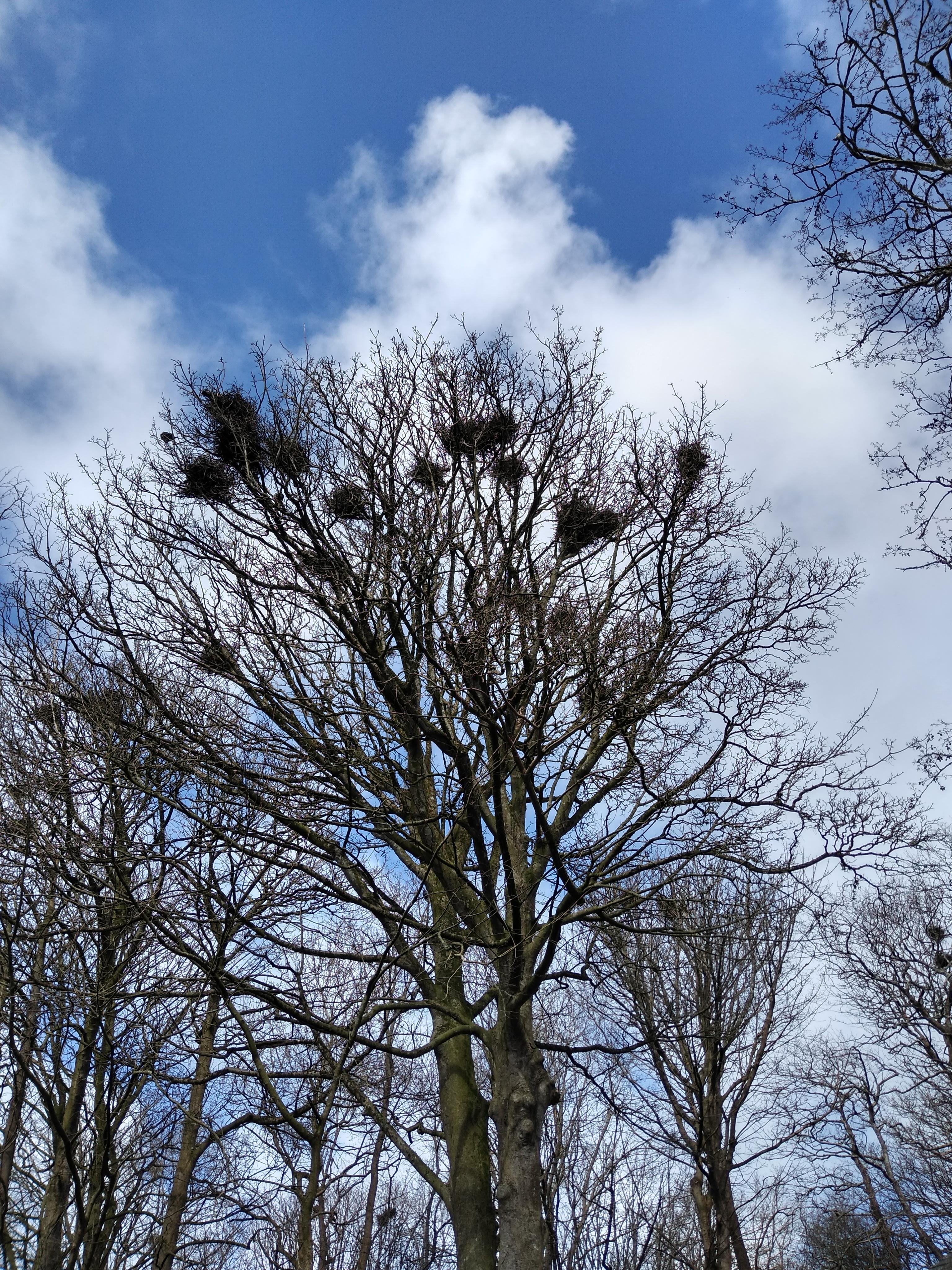
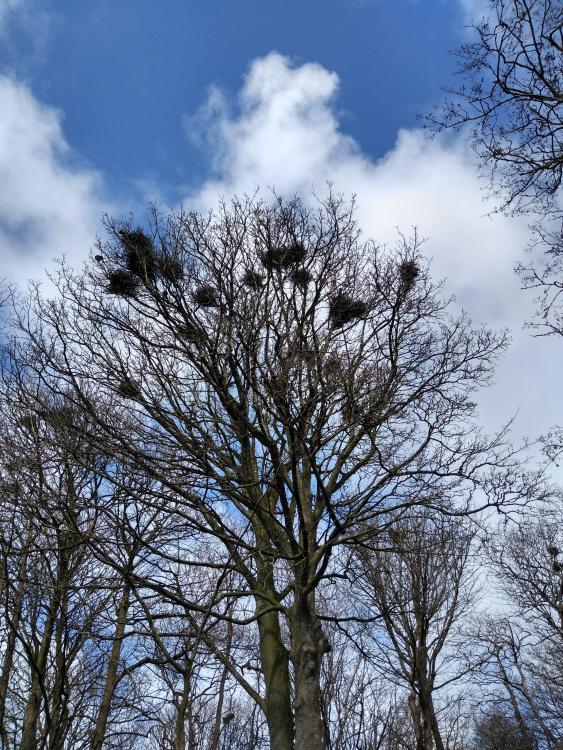
Right. That stuff I said about guns and how useless they are at killing vermin. Well I am sitting in Tehidy Woods having a coffee, (expletive deleted)ing crow shit on me, my comic, phone, glasses and actually in my coffee. So off to get a shotguns for revenger. Silence the (expletive deleted) for good.
-
I shall have a look as I may be using the grinder a lot again. I am sure if a grinder was very quiet, it would not sound scary.
-
I don't think it would, at worse, be worse than resistance heating. Houses need to expel air anyway, and 3/4 of the year they hardly need any heating. Just do the sums.
-
As well as a turkey voting for Christmas. The problem my glasses steam up with goggles on. And a full face mask is no better.
-
What a fantastic opportunity to monitor two identical (almost) houses. Get the data monitoring gear in.
-
Costing The Earth had a bit about the problems with installations. Not listened to all of it, will catch up later. https://www.bbc.co.uk/sounds/play/m001kqzy?partner=uk.co.bbc&origin=share-mobile
-
Or dig a hole and put it in there.
-
Has that increased the value considerably?
-
I imagine I am wearing safety gear.