
ETC
-
Posts
1673 -
Joined
-
Last visited
-
Days Won
9
Everything posted by ETC
-
How to determine finished floor height using beam and block?
ETC replied to ruggers's topic in Foundations
Get your SE to design a reinforced slab. Gets rid of the sub-floor void and all ventilation terminals. -
Non opening windows as part of planning requirements
ETC replied to revelation's topic in Windows & Glazing
It is. BC won’t care about overlooking. They will care about distances of windows (unprotected areas) from a boundary. -
BC will not get involved other than to say it’s not acceptable. They won’t give a written opinion for use in court - only a letter to the applicant following an inspection to say that the works do not comply with the Building Regulations.
-
I know - that’s the point. There is no point in getting BC to get their knickers in a twist because they won’t be able to get the supplier or installer to do anything - it will always be up to the applicant to sort this out - however he dose this.
-
To be sorted by the applicant - not the supplier of the glazing system.
-
The channel doesn’t look as it it is fixed properly to the floor. BC will ask for the balustrade to resist a horizontal force of 0.36kN/m. I’m surprised the SE you contacted wouldn’t help. A blind man on a galloping horse can see that the balustrade isn’t fixed properly.
-
Highly unlikely - BC’s relationship will be with the applicant and BC will put the onus on the applicant to sort the problem out.
-
What height to begin stair rail / balustrade
ETC replied to revelation's topic in Building Regulations
Speak to Building Control. They will give you all the information you need. -
What height to begin stair rail / balustrade
ETC replied to revelation's topic in Building Regulations
Hate to be pedantic but balusters need to be spaced so that a 100mm sphere CANNOT pass between them. Slight difference but less than 100mm. I’d normally suggest 100mm maximum centres. Works for most infill balusters. -
Double extension drawings...your thoughts?
ETC replied to NandM's topic in House Extensions & Conservatories
Looks like a steel fabricator’s dream job - far too much steel! Why are you stepping the ground floor out or stepping the first floor in from the ground floor. Seems strange and expensive. Don’t forget that you will need 400mm minimum at the bottom of the stairs. -
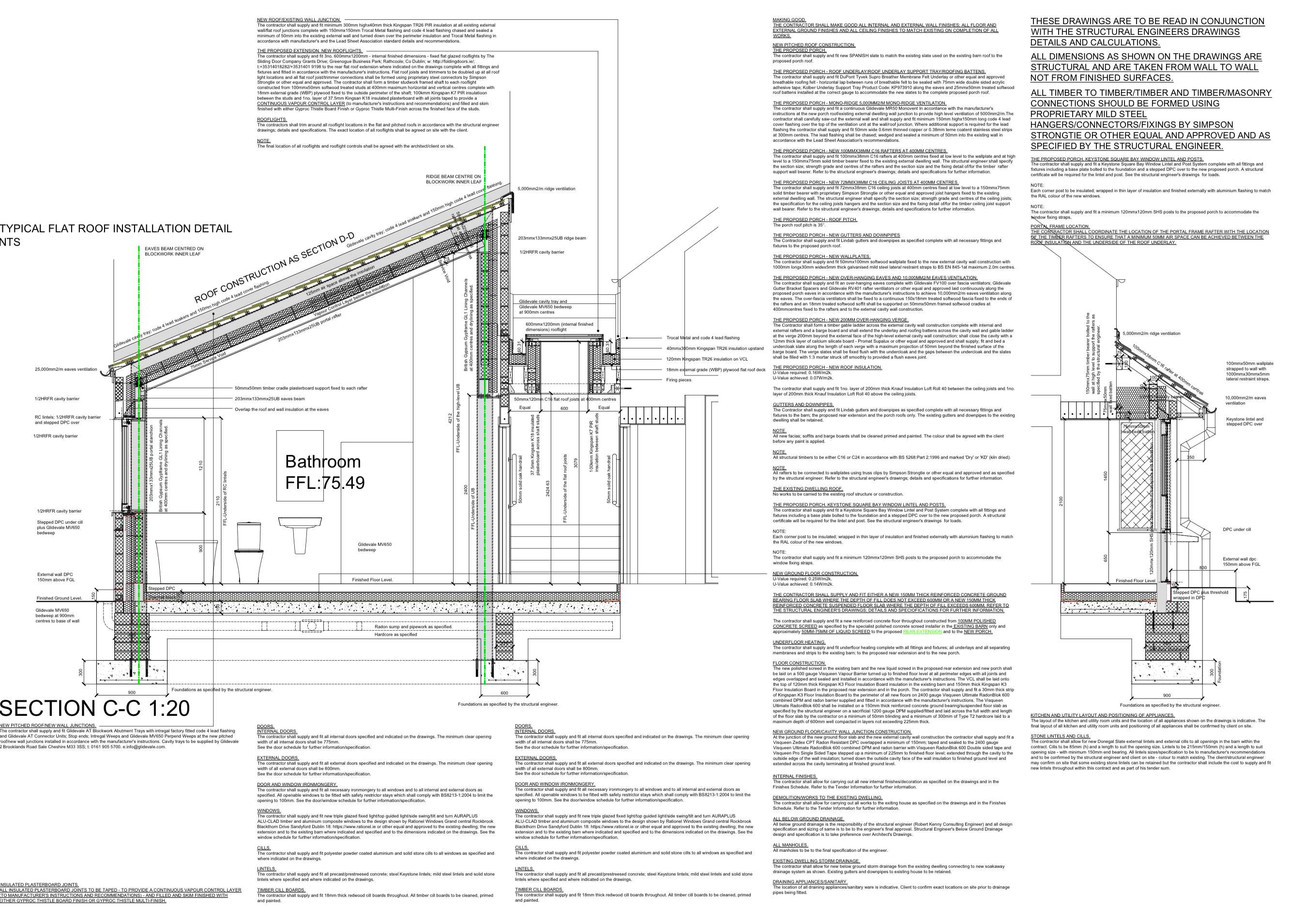
Can PIR go between rafters in a warm roof?
ETC replied to Jilly's topic in House Extensions & Conservatories
https://glidevaleprotect.com/products/roofing-ventilation/ -
Can PIR go between rafters in a warm roof?
ETC replied to Jilly's topic in House Extensions & Conservatories
Keep both roof “cold” and put in ventilation. -
Should windows be installed with any kind of DPC or similar?
ETC replied to Oxbow16's topic in Windows & Glazing
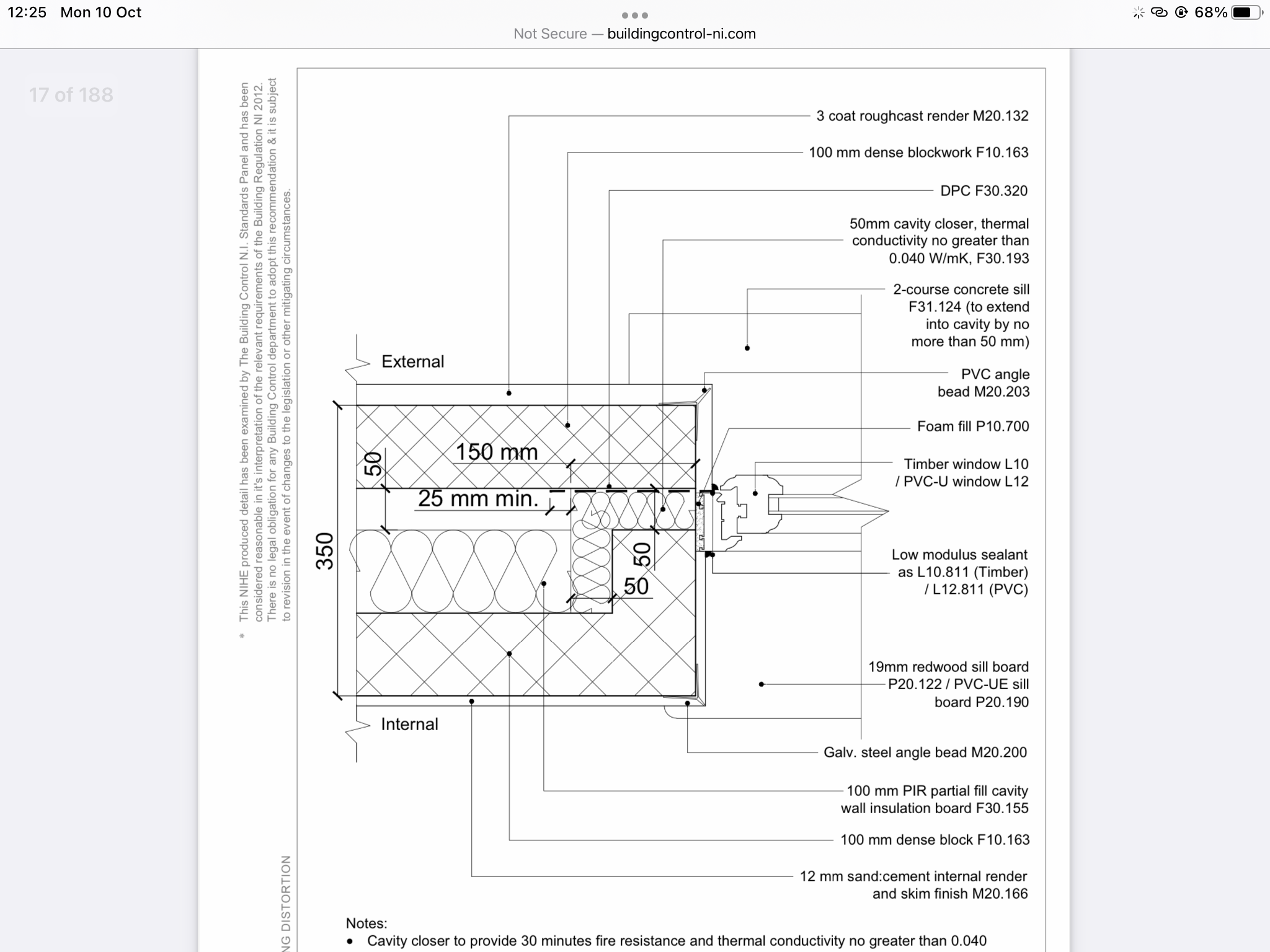
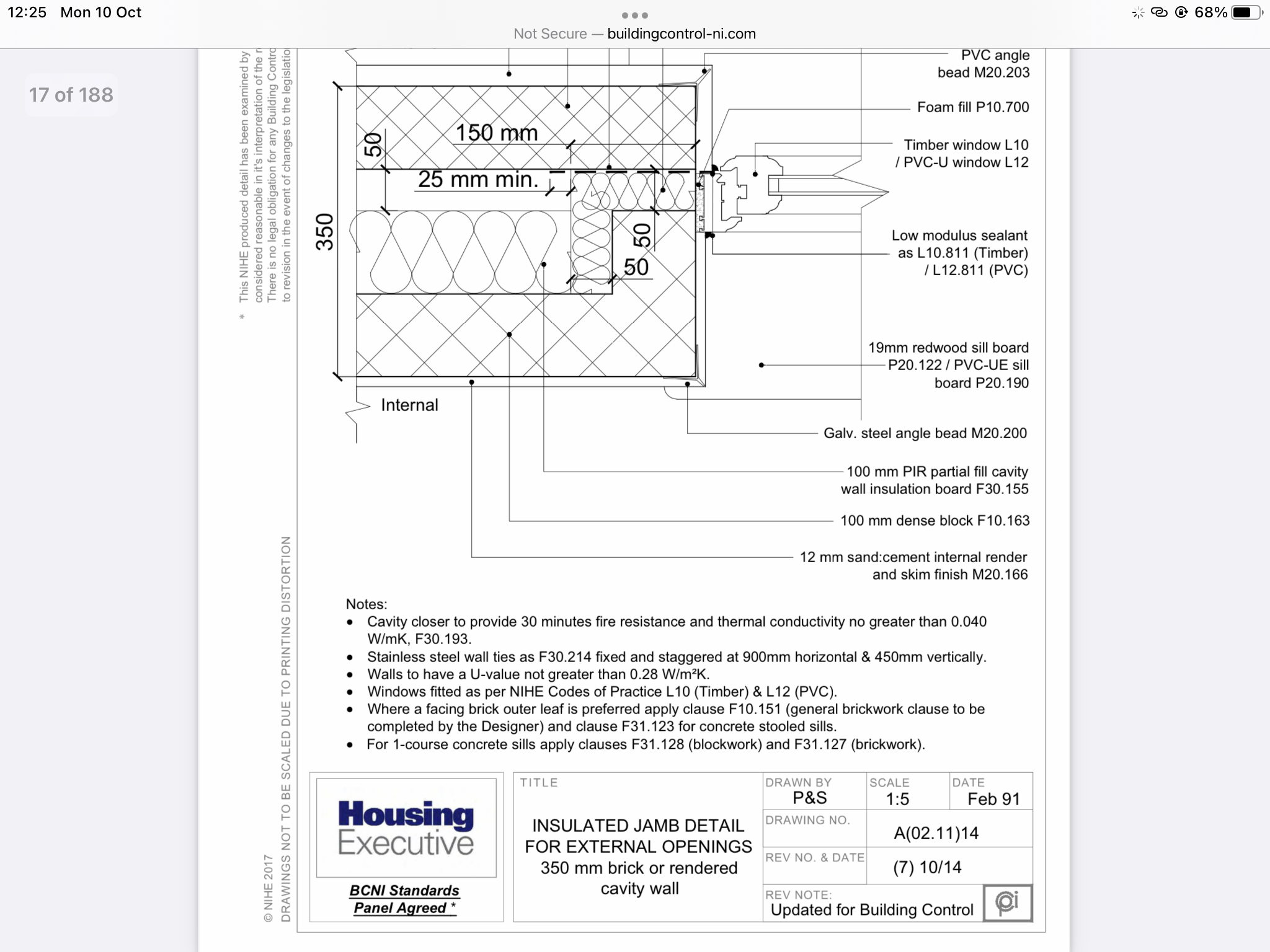
Confusing DPC with DPM. DPM goes in the floor not a jamb-which would normally incorporate a DPC where there is a cavity wall and if there is a potential route for moisture from the outside leaf to the inside leaf. -
That’s very kind of you to say. Thank you.
-
Would you recommend using an Architect for extension?
ETC replied to TryC's topic in House Extensions & Conservatories
Nope. -
Would you recommend using an Architect for extension?
ETC replied to TryC's topic in House Extensions & Conservatories
I think you are being a bit disingenuous towards architects. Lol at “complicated design work”. -
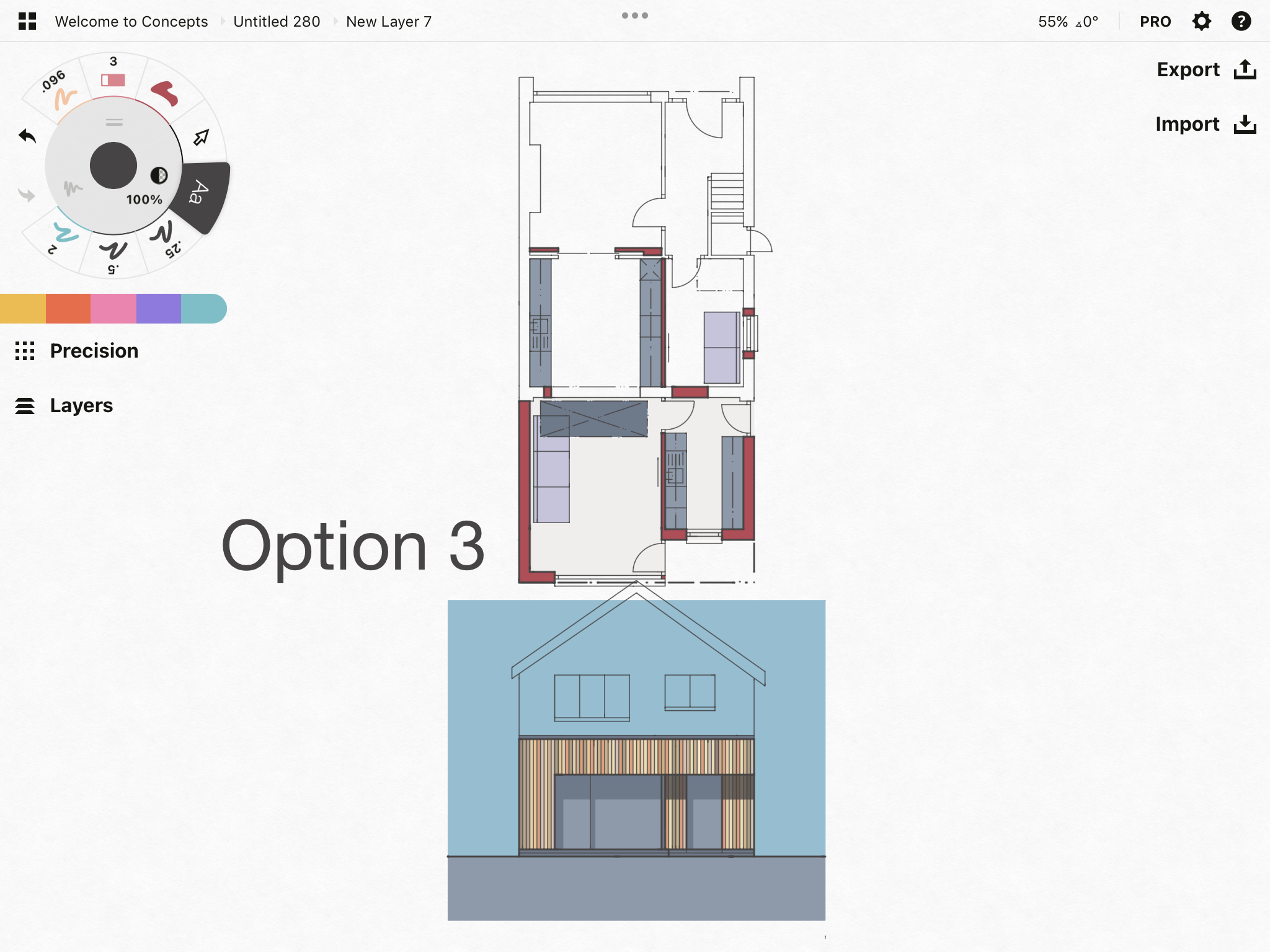
I’d like to offer help to anyone who needs help doing drawings or designing their home or extension. I'm a Registered Architect with some time on my hands. I use my iPad and an app called Concepts to draw and have already helped out a few Forum members.
- 27 replies
-
- 14
-

-

-
Can PIR go between rafters in a warm roof?
ETC replied to Jilly's topic in House Extensions & Conservatories
Don’t forget that you will need through ventilation for BOTH cold roofs. You will need continuous low-level ventilation to the main roof at the junction of the main and flat roof. You will need low and high-level through ventilation to the flat roof. Personally I’d get a condensation risk analysis done - quick phone call to Kingspan - than muck about with trying to get ventilation. Whichever option you go for the main roof will need ventilated along the junction of the flat and pitched roofs. -
http://www.buildingcontrol-ni.com/assets/pdf/BCNI_CONSTRUCTION_DETAILS_-_March_2021.pdf
-
http://www.buildingcontrol-ni.com/assets/pdf/NIHE_Standard_Details_March_2017_AMD_1.pdf Other options are available.
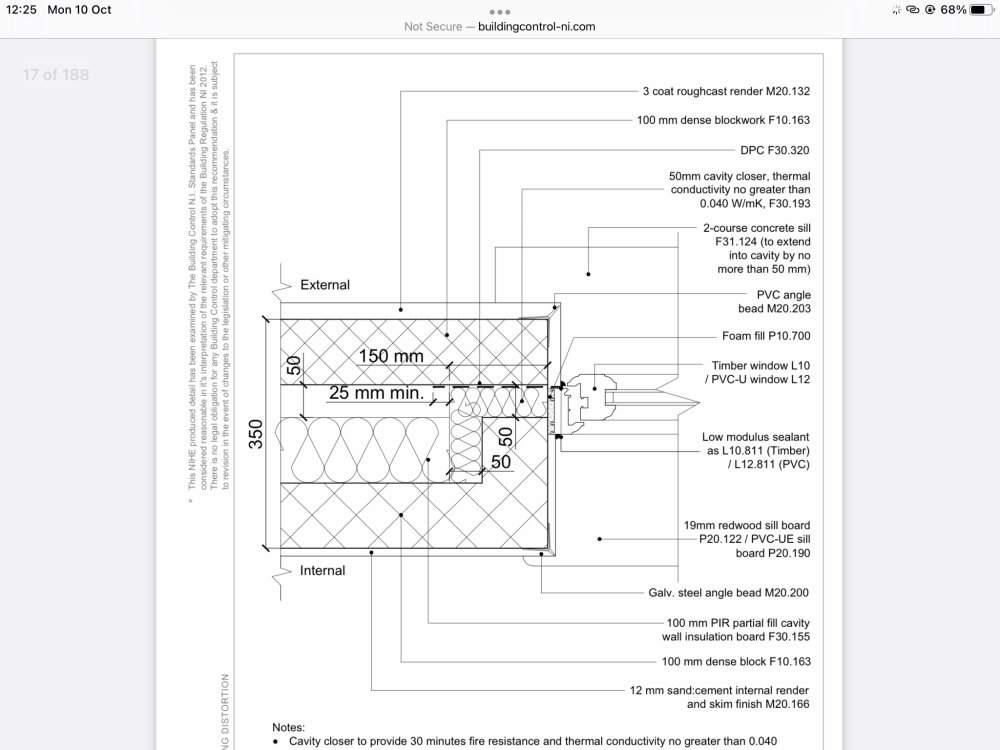
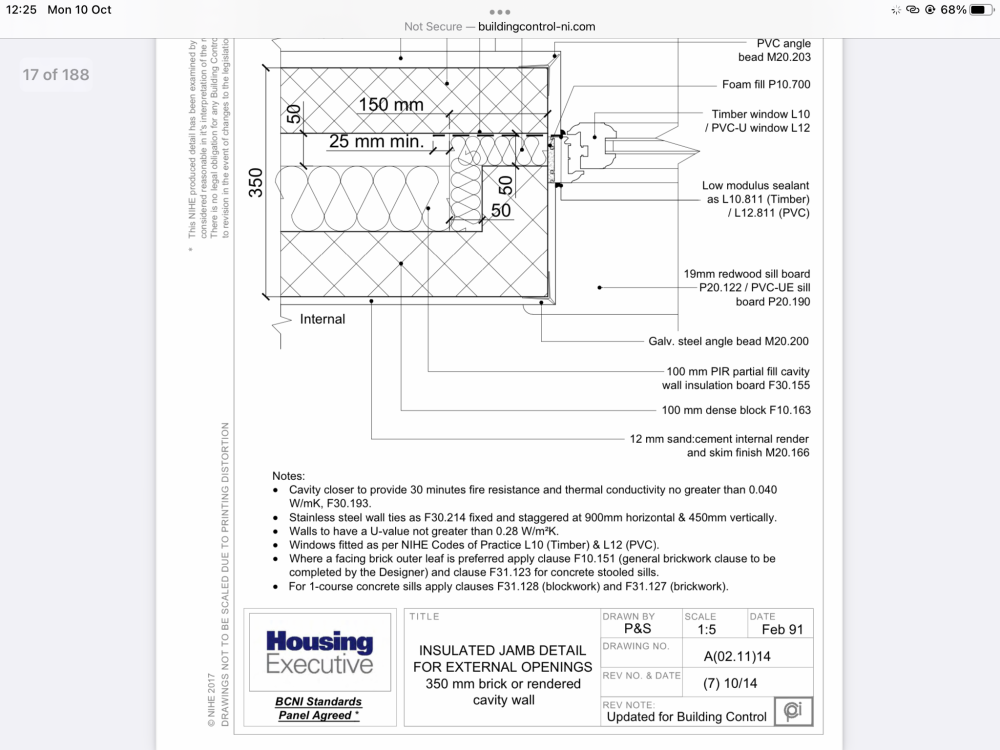
-
Do foundations look right on house purchase?
ETC replied to HazG's topic in House Extensions & Conservatories
Looks unusual. Looks like the slab has been extended to the inside face of the outer leaf. Just means that the inner skin will be built off the slab - I’d normally ask for reinforcement if this was the case-especially since the DPM looks like it has been installed below the slab. Also has implications for DPC/DPM locations and for depth of cavity. You should check with Building Control-they will have inspection notes of what was built and will confirm if they are happy with the construction. They should also have a record of the proposal including the sub-floor construction. -
Can PIR go between rafters in a warm roof?
ETC replied to Jilly's topic in House Extensions & Conservatories
Get the supplier/manufacturer of the PIR insulation to do a condensate risk analysis/interstitial condensate risk analysis before you do anything. I would normally expect to see approximately 125mm PIR insulation to meet the U-Value here in NI. Might be higher in mainland UK. -
Keep the floor plan/building shape as simple as possible. Don't go 1.5 storey unless you choose attic trusses. Avoid valleys and structural steelwork. Insulate, insulate and insulate some more. Naturally ventilate. Avoid air-conditioning if you can. Orientate the house to maximise natural light and heat. Consider renewable energy sources. Establish a budget and stick to it. Use an architect-a real one! - one who you can work with to deliver what you want.
-
Ask the window supplier. Wouldn’t normally have a check with blockwork but would with brick. I’ve seen 15mm-25mm depending on how the fire stopping is carried out.