ProDave
-
Posts
30861 -
Joined
-
Last visited
-
Days Won
427
Everything posted by ProDave
-
First flooring sag - what is acceptable?
ProDave replied to readiescards's topic in General Flooring
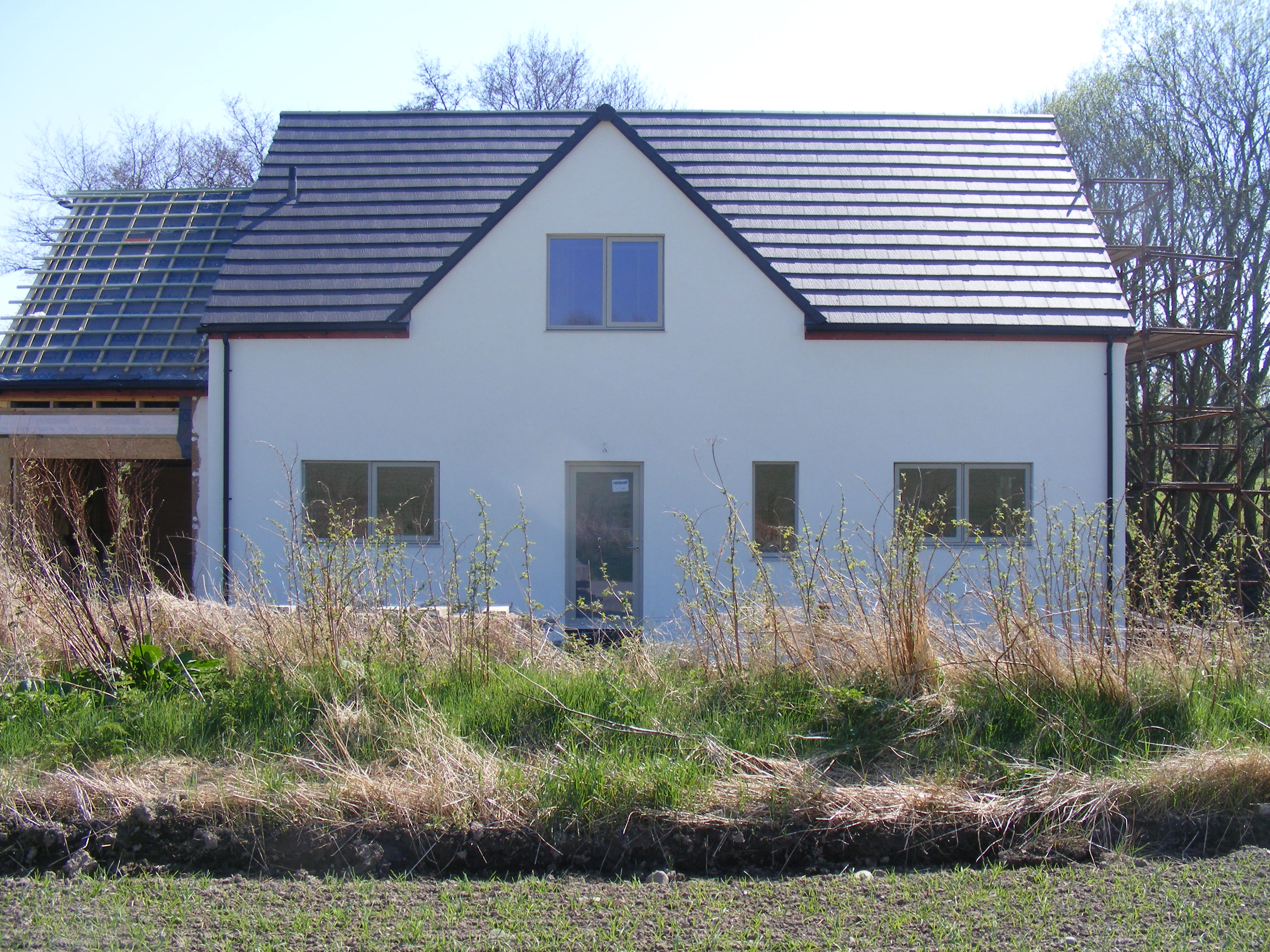
I would be having a word with the contractor and telling him he put down the wrong boards to be exposed and you expect them to rectify the problem at their expense. Nice looking house by the way. -
First flooring sag - what is acceptable?
ProDave replied to readiescards's topic in General Flooring
I would get something over those window openings. while waiting for my windows to arrive, the openings were sheeted with OSB to keep the rain out. That looks just like "ordinary" chipboard to me. Even the green "waterproof" stuff won't stand up to much. the only one that will is something like Weyrock (the name will be clearly printed on it) that has a sort of grey waterproof coating. Get the windows covered, let it dry out and see what it is like. Put a straight edge over it and see if the joints have swelled. -
First flooring sag - what is acceptable?
ProDave replied to readiescards's topic in General Flooring
It's not the sag that bothers me so much as why it is soaking (no doubt the cause for the sag?) Unless it's weyrock or similar, I would not have laid the flooring until the building was properly watertight. -
It's just a modern take on hanging tiles. That is fine if you like that finish, but it is so out of touch with the local vernacular here that I would be surprised if the planners allowed it.
-
All insignificant compared to the cost of the toothpaste.
-
I always thought there was a switch, activated by putting a plug in, that energised the transformer. Certainly all the ones we have are like that, so nothing plugged in = no power. That doesn't help though as one or other toothbrush is always on charge. To check, with nothing plugged in, put your ear to the socket and I will bet you cannot hear the hum of the transformer.
-
topping out Wednesday 19th October
ProDave replied to Fallingditch's topic in General Self Build & DIY Discussion
Poured a large dram of the GOOD single malt. -
I'm going to make a shed out of pallets.....
ProDave replied to ProDave's topic in General Self Build & DIY Discussion
In which case you will be glad to hear the OSB I laid over the floor this afternoon was previously used to temporarily close the window openings in the house last year before the windows arrived. It might be slightly swelled at the edges but nothing serious. And I connected the electricity to the shed as well this afternoon. Of course it's a recycled consumer unit. -
Repurposing an old up and over garage door
ProDave replied to daiking's topic in General Self Build & DIY Discussion
If you have a neighbour that you dislike, put it on the side facing their garden. -
Begin by costing the build on a cost per square metre basis. I am hoping to get mine for £1000 per square metre but that is with me doing a lot of the work myself.
-
I'm going to make a shed out of pallets.....
ProDave replied to ProDave's topic in General Self Build & DIY Discussion
You are approaching your spare garage door problem from the wrong angle. You have the door, so you obviously need to build a garage. All you need is 3 walls and a roof to complete it. -
At £1K for a building that size, that you know will be sturdy, that appears to be good value per square foot compared to a matchwood ready made shed.
-
Hi and welcome to the forum. I am one that bypassed an architect, because my experience was they based their fees on a percentage of the estimated build cost. I don't know where they got their figures from but their estimate of the build cost was about double what it actually cost us (so of course that means their fees were double what they should be), but others have had better experiences and there are some architects on this forum who may be able to help.
-
I'm going to make a shed out of pallets.....
ProDave replied to ProDave's topic in General Self Build & DIY Discussion
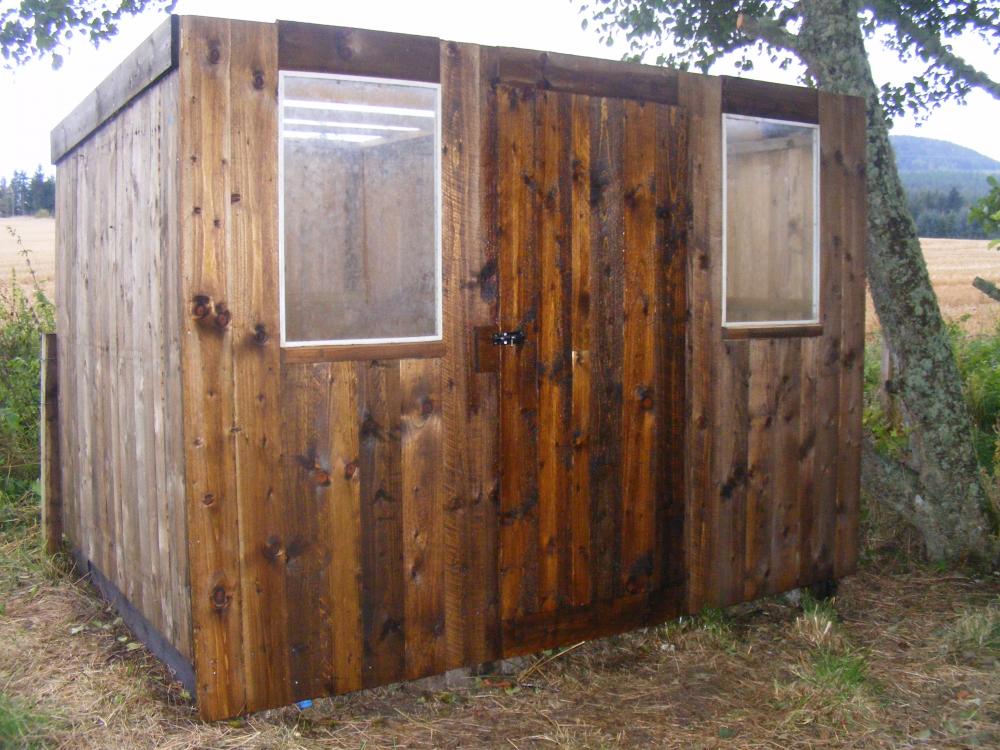
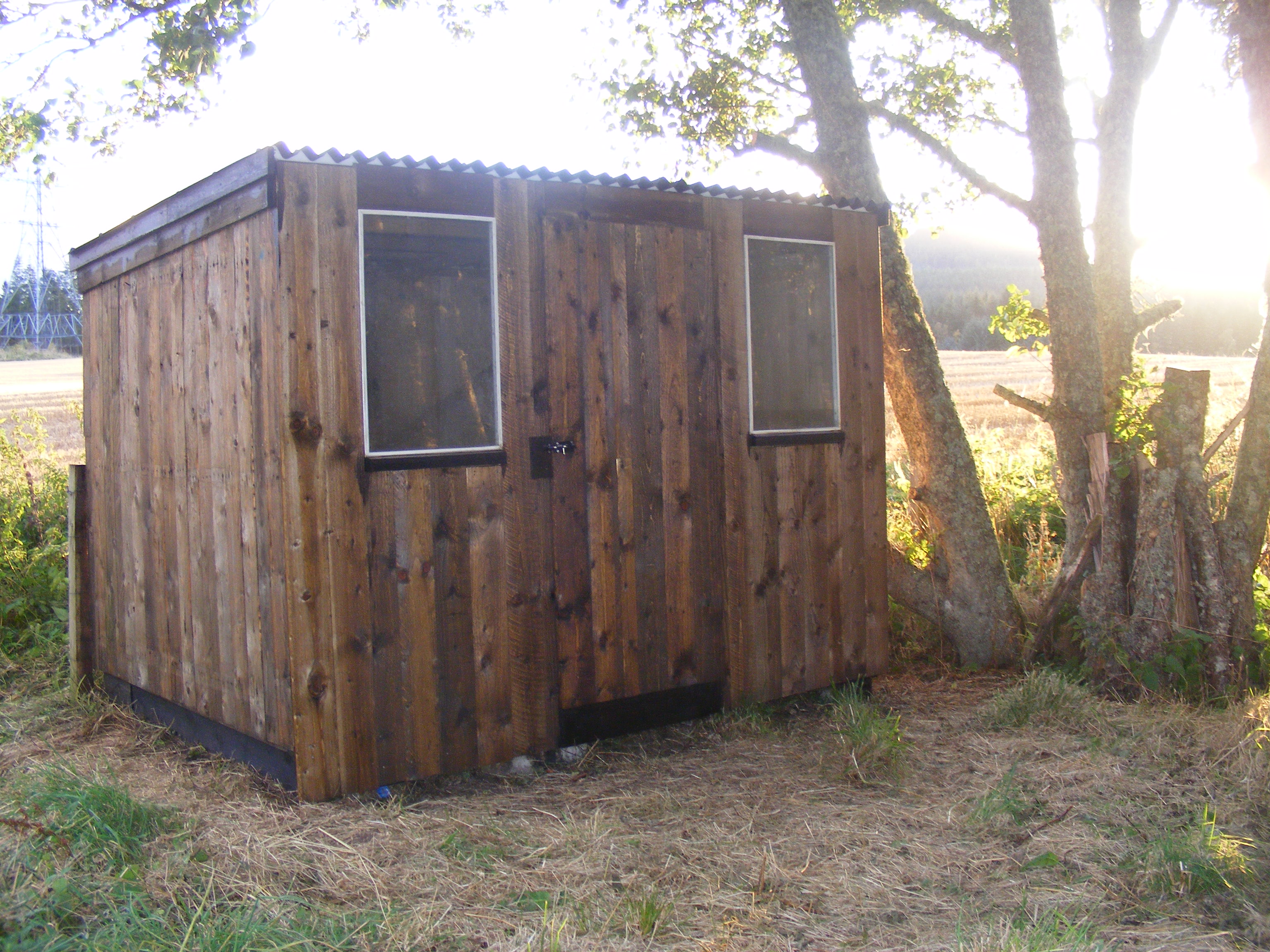
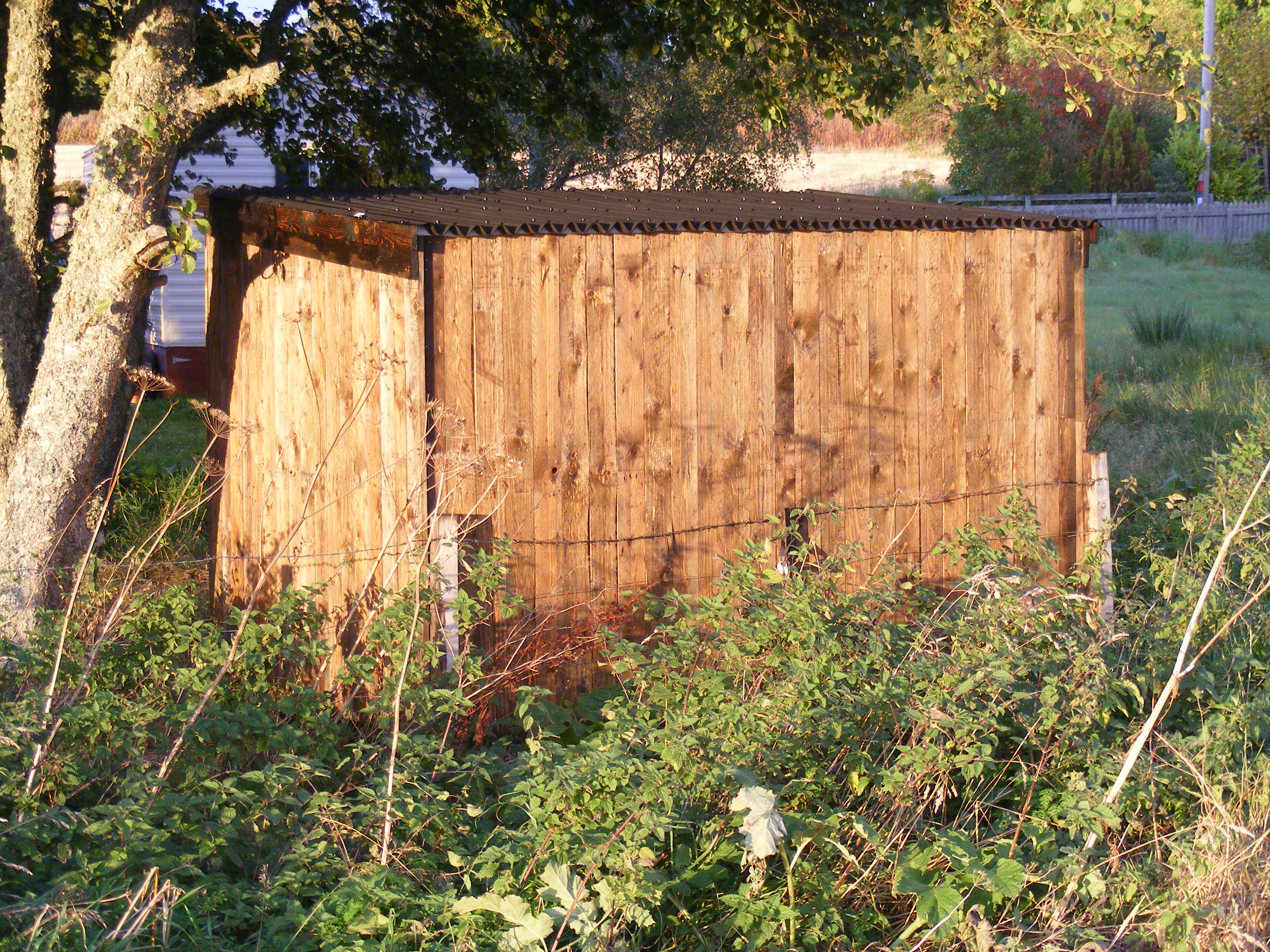
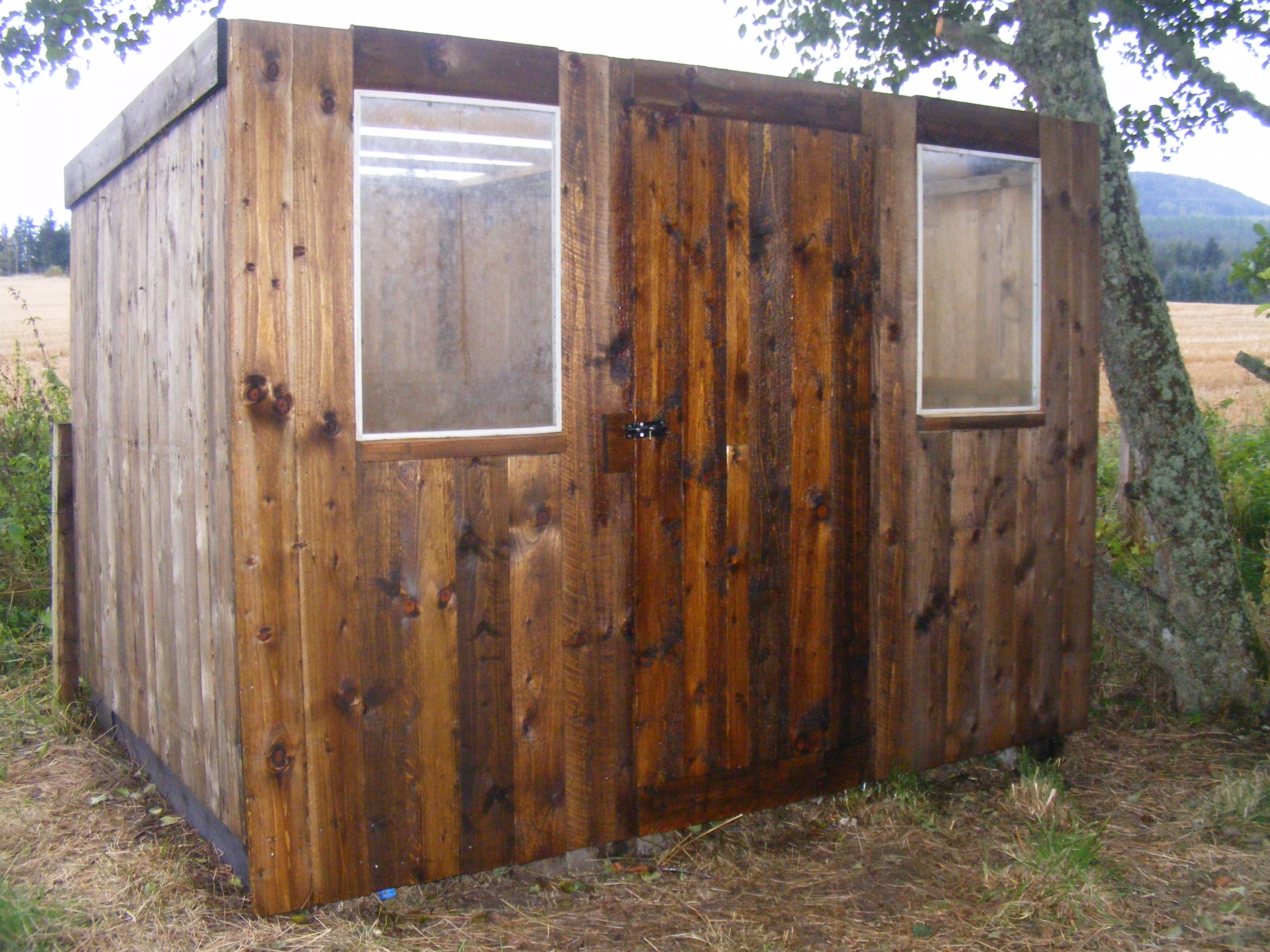
Yes it is very solid. the pallet planks that make up the cladding are about 3/4" thick. The frame is quite sturdy and has diagonal bracing on all sides so it won't start leaning when the wind blows. It's staked down to the ground so it won't blow away. It's all been painted with the modern version of creosote. the lighter brown on the rear was the first to be done and the front, looking darker was the most recent. I suspect it will all lighten up fairly quickly. I like creosote for stuff like this, so easy to apply (and re apply) and effective at repelling water and preventing rot. I forgot to say, the roof timbers are 6 X2 and 4 X 2 timbers that have previously been used as shuttering for a concrete slab, so again, re using previously used timber. -
I was in town today and called in at the big orange shed. Out of curiosity I had a look at the sheds they had on display. To get a shed the same size as my pallet shed, would have cost £400 all bar a few pence. I wasn't expecting it to be wonderful, but it was far worse than I had expected. The cladding timber was probably little over 1/4" thick. The frame appeared to be little bigger than 1" square sections. There was no diagonal bracing relying on just the nails in the flimsy planks to give it rigidity. If you leaned on one corner of it, you could flex the structure and make it wobble. If I bought one of those and put it up in my garden, I would be amazed if it lasted one Highland winter without collapsing in a pile.
-
I'm going to make a shed out of pallets.....
ProDave replied to ProDave's topic in General Self Build & DIY Discussion
It's just about finished. I went into town today and bought the roofing sheets, a cost of about £100 so that's the total spend on this shed.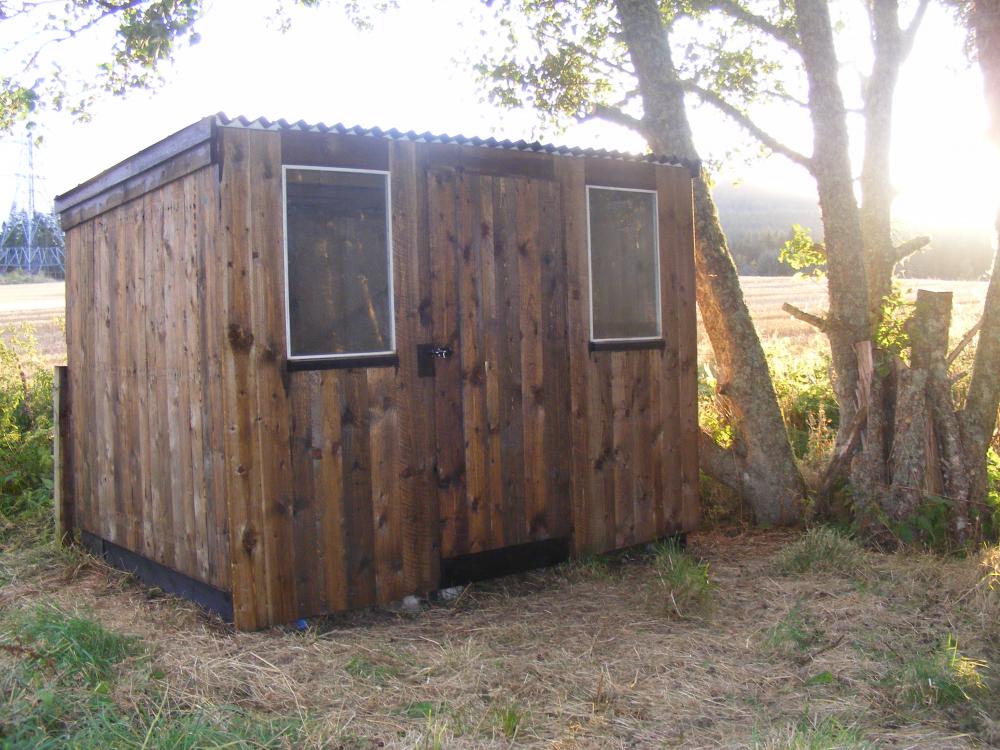
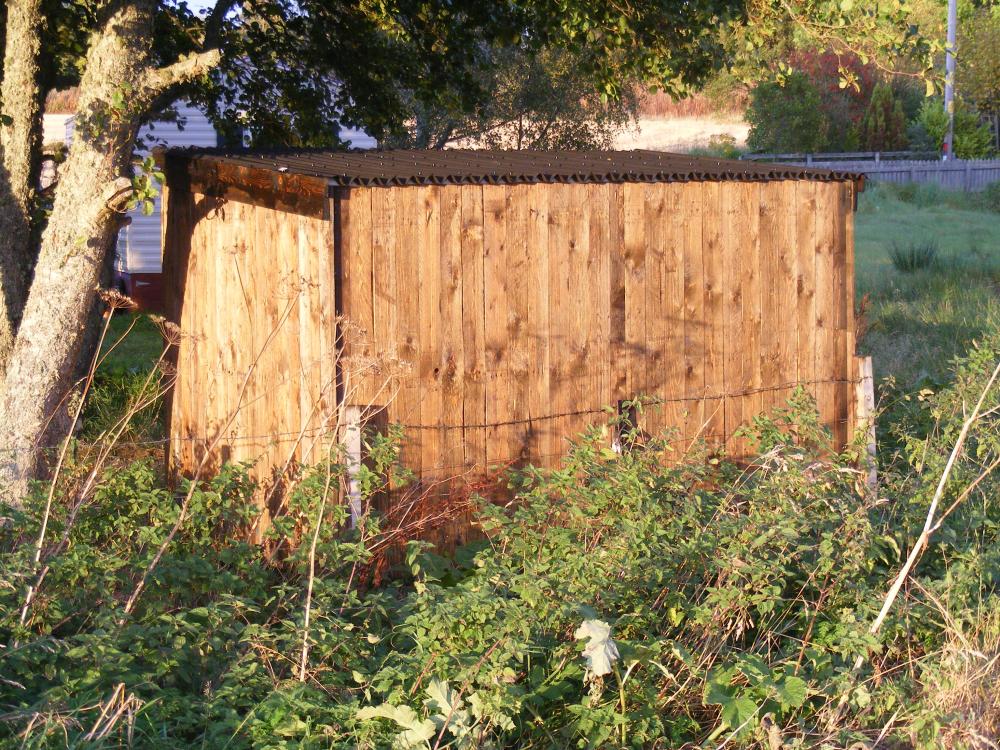
-
The 12KW will give you a better shower than any electric shower will.
-
Stage 1 Is Very Nearly Complete :)
ProDave replied to Construction Channel's topic in General Self Build & DIY Discussion
Great video Ed. But that drone footage. Are there NO hills where you live? that really re defines a flat landscape where you are. -
Heating Oil up 24% in 17 days
ProDave replied to Temp's topic in General Self Build & DIY Discussion
I filled mine in August (it's large enough to last a whole year) Traditionally that has always been the cheapest time to fill it, I usually use Boiler Juice to look at the price and decide just when to order a fill. I hope this is the last time I will fill it (hoping it will have sold before the tank is empty) but I said that when I filled it last year....... -
Reduced Energy Bills Achieved
ProDave replied to Ferdinand's topic in General Self Build & DIY Discussion
What I want to know though is the cost per unit of electricity and gas from each supplier? THAT is what is important. Could it be you have just been over paying and built up a large credit with them so they are reducing the monthly amount to slowly pay down that credit (i.e no REAL saving?) I plot the weekly electricity and solar PV meter readings so I know how many units I use and generate each week, and there is a definite correlation, good week of high solar PV = reduction in usage reading for that week. -
How to value overgrown, unused, "garden" land.
ProDave replied to K78's topic in Landscaping, Decking & Patios
I take it from the pictures that your plot is the last picture that has had extensive ground work and the bit you would like to buy is the overgrown similar strip to the left in the last picture? The fly tipping can be dealt with by a decent fence along the top of the stone wall, and I can see with relatively little work it could provide an interesting shaded bit of garden just be thinning the lower branches of the trees and creating a path through, perhaps to a shed / summerhouse at the end? My guess is, that seeing your house being built by digging into the steep bank, the neighbours may view their bank as another potential building plot. -
Setting up our new build for PV in the future
ProDave replied to JanetE's topic in Photovoltaics (PV)
The voltage drop issue is nothing to do with fooling the metering. It's that inverters are set to trip or limit output at 253 volts. With many UK supplies being 245V there is not much headroom for volt drop (which perversely is voltage "rise" in this case) before the inverter trips. So although a 2.5mm cable will handle the load, it is wise to fit a much larger cable to minimise the risk of voltage issues. -
I'm going to make a shed out of pallets.....
ProDave replied to ProDave's topic in General Self Build & DIY Discussion
You can buy coffee tables made out of pallets. When I suggested that for the left overs............ NO -
Vent Axia Sentinal Kinetic Plus
ProDave replied to a topic in Mechanical Ventilation with Heat Recovery (MVHR)
I see a bottle of beer is now the standard forum yard stick to show somethings size. -
I'm going to make a shed out of pallets.....
ProDave replied to ProDave's topic in General Self Build & DIY Discussion
Making progress. All it wants now is a roof (I am going to have to spend some money) then I can put the OSB floor panels down. The windows are some secondary double glazing units I have had for ages, just a single pane of glass set into a plastic frame. We used to use them as cloches for growing vegetables. SWMBO came to have a look at this creation, and she has named it the "Steptoe Shed"