
Stones
-
Posts
3761 -
Joined
-
Last visited
-
Days Won
23
Everything posted by Stones
-
Can I ask why you have such a bee in your bonnet about this? I would also be questioning why a supplier was quoting / pricing for a product that I hadn't asked for UNLESS they were being very clear that they couldn't supply the requested product or were offering it (as you suggest), as a more appropriate / cost effective alternative alongside the quote for the product requested as a comparison. That doesn't appear to be the case here, which certainly me makes me wonder what on earth is going on.
-
Not sure, annoyingly, I missed the pour. As I understand it they use a stiffer mix to prevent it flowing out. I'm guessing that life isn't made any easier by the presence of rebar (the steel fibres used in the wall concrete weren't available due to delivery problems), and that as a result it would have been fairly slow going in comparison to the walls. Just a photographic illusion - the walls as they stand are the basic 280mm ICF block (65/150/65). Cold roof. Insulation is between and under/across rafters. I'm just debating the final insulation build up. We have all PU priced in, but I'm leaning towards using earthwool batts, for some or all of the rafter depth (exc ventilation gap), and slightly more PU under/across rafters. U value of roof as currently specced is 0.1, the changes I'm looking at would reduce that to just under 0.15. The running cost difference is something like £21 a year, so it very much depends on final prices. Chatting to the joiners today about it, one said he would rather a week with earthwool than a day with PU, the other said exactly the opposite! When the warrant was submitted, the spec was full fill between rafters with PU and a breather type membrane, so a hybrid rather than a warm roof. We've ended up with a cold roof, which on reflection, I'm more comfortable about, not being entirely convinced by the hybrid concept.
-
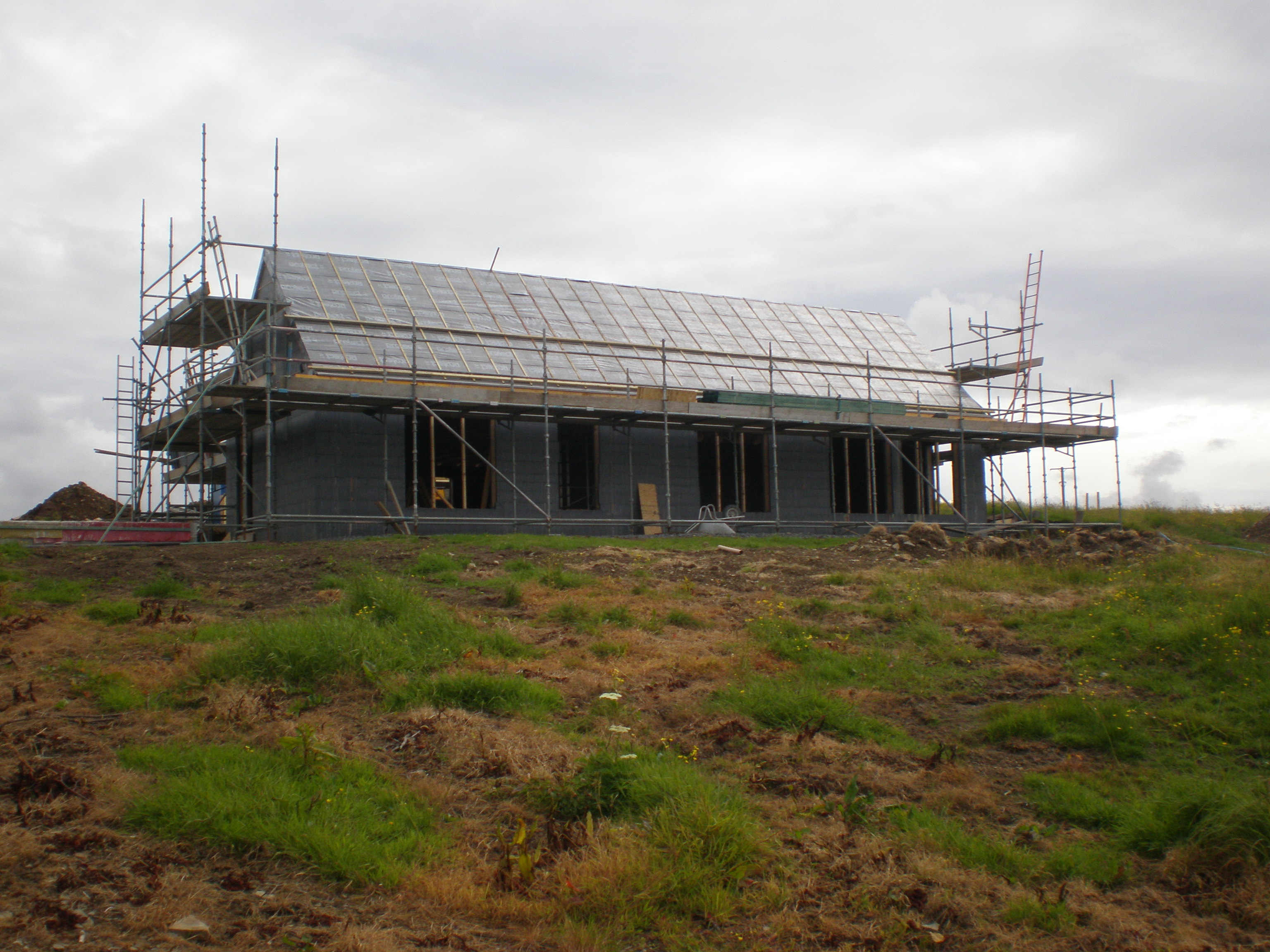
A busy couple of weeks for the joiners has seen us progress from poured walls to roof on. First order of business was removing some of the bracing used to secure the walls during the concrete pour; and bolting a wall plate on ready for the roof trusses. A laser level (you can just make it out on the earth mound in the background) was used to ensure the wall plate was level. Using a telehandler, engineered trusses are lifted into position and secured in place by the joiners. The trusses over the link section and in the main room are 'attic' trusses, which are being used to create an MVHR serrvice room over the link section, and a mezzanine study that will look over the main living area. Once the trusses were in, ridge beams for the areas where we have vaulted ceilings were lifted into place. Quite an interesting sight given the reasonably brisk wind we had that day! This beam forms the master bedroom roof: This monster, 9m x 450mm x 125mm forms the main living area roof (clear span). In the absence of gable walls (which get built to suit the roof), posts were bolted into the ICF walls, the ridge beams being rested on top of timbers fixed to these posts. To ensure the ridge beams were level, a laser level was used (you can see it lying on the scaffold tower). In both cases the other end of the ridge beam is carried off a double truss (in the case of the bedroom) or a triple truss (in the case of the living area). You can just make out the oversized joist hanger used to secure the main ridge beam to the triple truss. After positioning on the supporting posts, bracing timbers were screwed in to keep the ridge beams in place until the rafters were fitted. The smaller ridge beam you can see on the left hand side of the house spans 2 metres, and is there to create a vaulted ceiling over the utility room (to locate an pulley clothes airer) and on the other side the staircase up to the mezzanine and provide a bit of feature to the small relaxing space below. The rafters were fitted next, having been made on site. Sarking boards (OSB) were used to cover the roof, and the gable ends were built up ready for a final concrete pour. Rebar was used to tie the gable sections to the previously poured wall, and a thicker concrete mix specified to ensure the concrete didn't run out during the pour. The day after the final concrete pour, a ventilation strip and structural fascia timber (to be clad later on) were fitted, allowing the last of the OSB sarking to go on. The entire roof was then covered with a roofing membrane and is now ready for tile battens. We still have plenty to do on the roof, not least the construction of the timber formwork for the lead covered skews which will finish the gable ends, something that has to be completed before we can tile. To finish this entry, a quick glimpse inside to show the height of the vaulted ceiling in our living area.
-
We have generally always built over the summer period, the idea being that you are likely to have better weather for critical outdoor work. Building on Orkney is a little different, as their can be some very challenging weather at any time of the year, although so far, it's been very dry (last year was a virtual washout) and we have now thankfully reached a point where if it does rain, it's not going to be too problematic. We did build one house over winter and TBH, it was a nightmare. The foundations and initial groundworks were done in the dry, but the day the timber frame was erected it started raining, and didn't stop for 6 weeks. By the time the roof was on, the frame was sodden - you knocked a nail in and water oozed out of the timber. With little heat and a lot of moisture in the ambient air, drying out was very slow, which had a knock on impact when it came to decorating. I'm sure the structure did eventually dry out, but insulation going into a wet frame - not good.
-
Thanks. I take it WD40 would be my best friend for this?
-
Thanks, very similar to what I need. I note from your blog that you used cills on the patio doors / full length windows. What did you do at your main entrance door threshold?
-
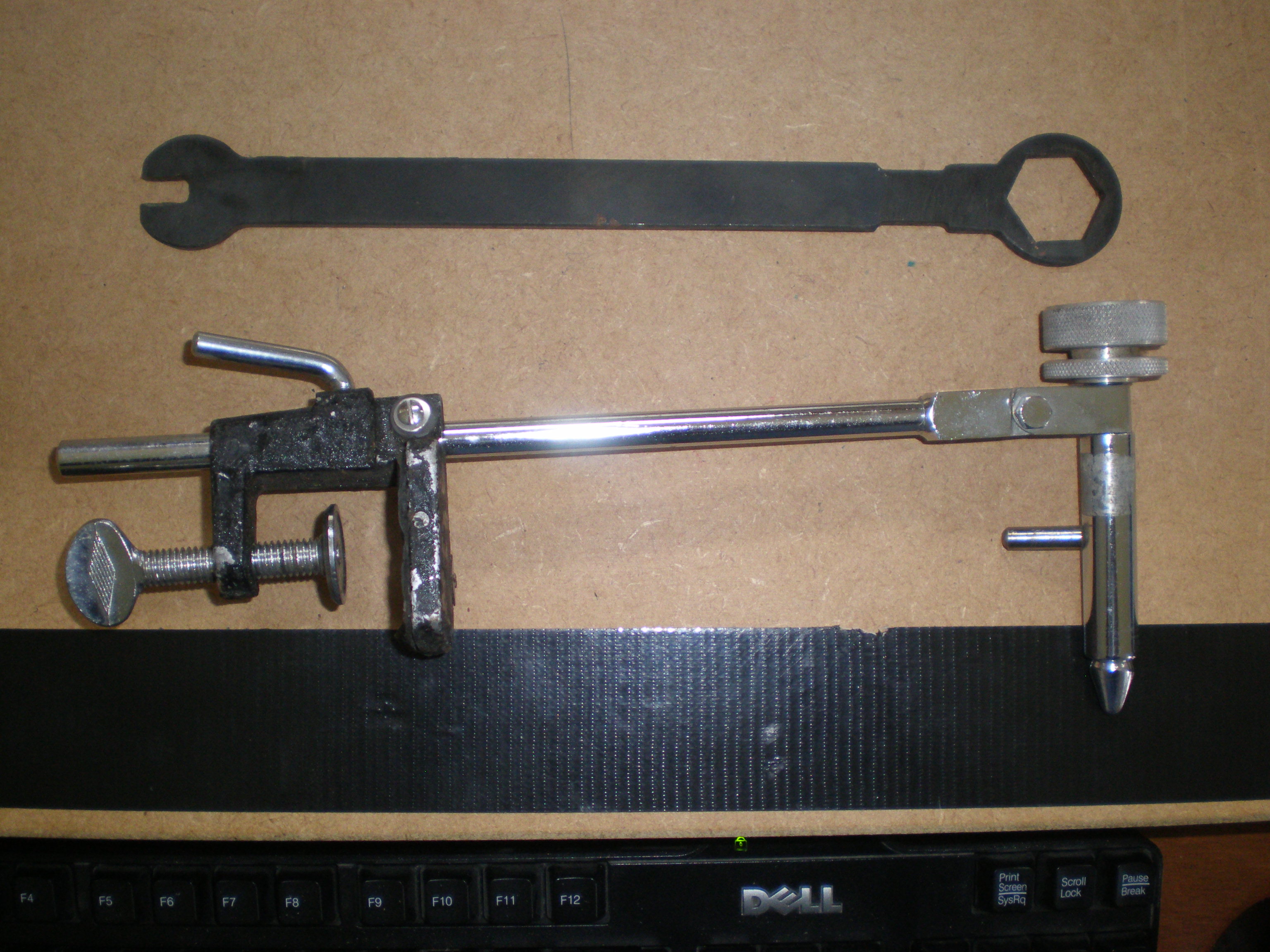
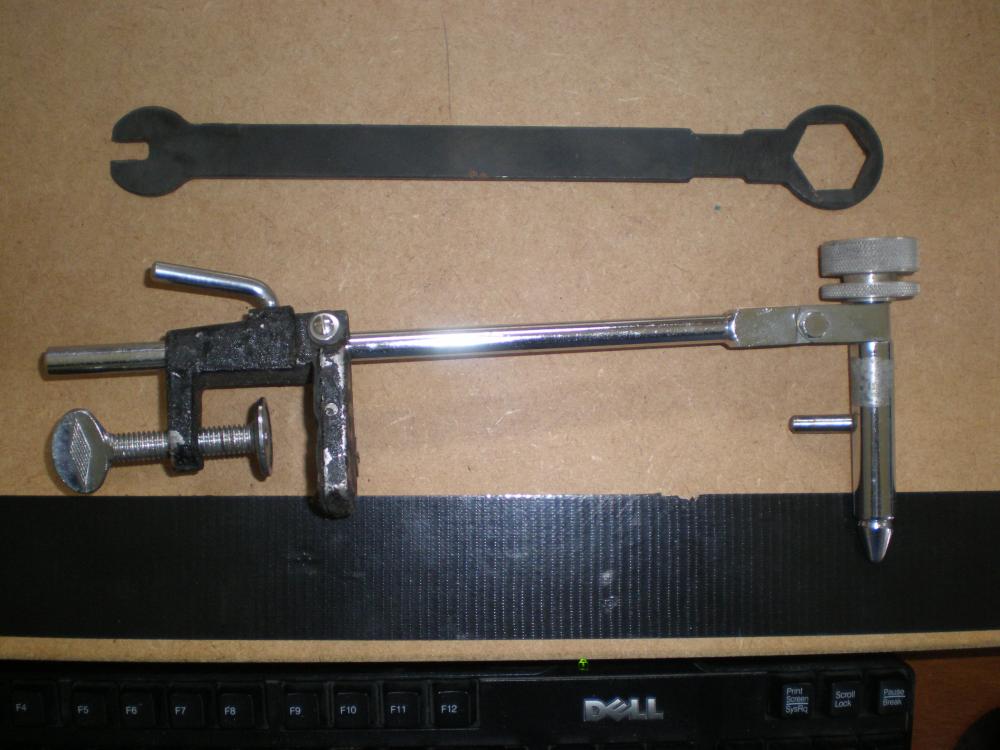
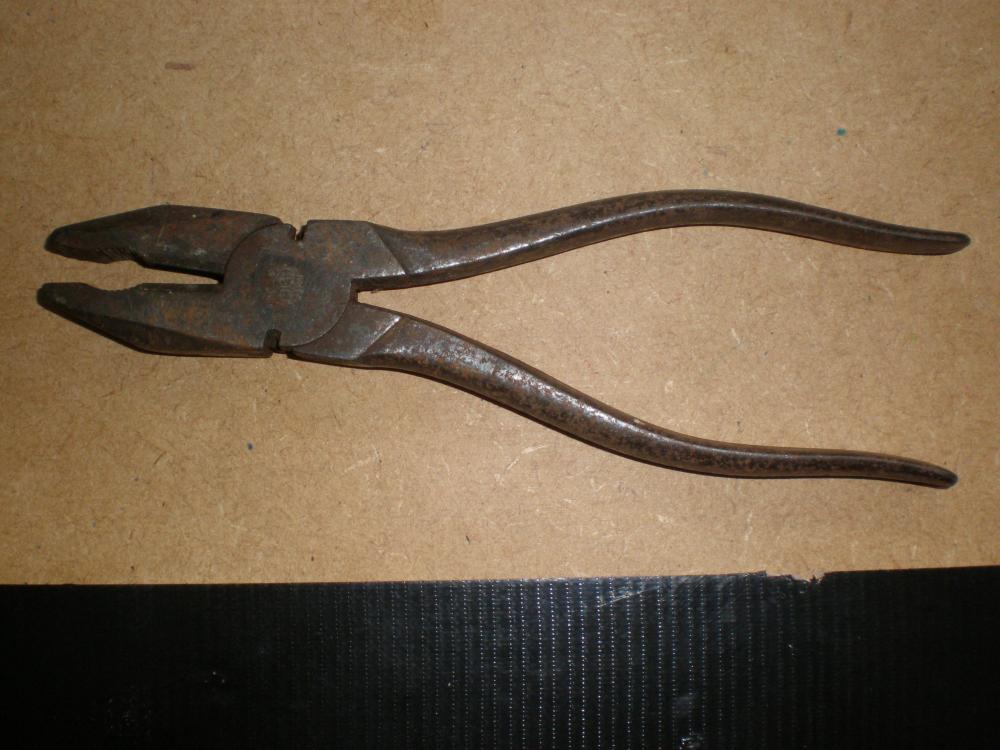
A two part question. I've just been sorting through a box of old tools that came to me from my late grandfather, and have come across a couple of things that I'm at a loss to know what they are for: I've had a look through a couple of catalogues but can't find a match. Any suggestions? There are also a number of good quality British made tools, which seem to be a lot better quality than most of what's available today, but could do with some TLC, to bring them back to life: Whats' the best way of reviving tools like this?
-
Peter, can you tell me the depth of your cills and the fall over that depth? I'm trying to decide between 5 and 10% fall.
-

A Timber framed house with external wall insulation
Stones replied to ProDave's topic in Timber Frame
How much wider than the window is the cill? -
Another cheap 12kW Kingspan Aeromax ASHP
Stones replied to Stones's topic in Air Source Heat Pumps (ASHP)
One of the reasons (having discussed with my good lady) why we have decided to pass on these. -
Another cheap 12kW Kingspan Aeromax ASHP
Stones replied to Stones's topic in Air Source Heat Pumps (ASHP)
I spoke to the seller the other day. He is removing quite a few units from an estate and replacing with gas boilers. The heat pumps had been set up to prioritise hot water at 55 - 60 C into small cylinders, struggled to do that, cost a lot to run and I think as a result didn't have enough capacity left for heating requirements, so Jeremy is spot on when he suggests bad specification and installation. The seller does have another 6kW and a few 12kW heat pumps left / to take out apparently. I have his number if anyone is interested and wants to contact him. Given their age perhaps more of a gamble in terms off remaining lifespan and reliability given previous poor installation. For the right price maybe worth a punt. -
A Timber framed house with external wall insulation
Stones replied to ProDave's topic in Timber Frame
Thanks, that's very helpful. I've been discussing this with my builder and the joiner who will be putting the windows in, and I think this is how we are going to do ours as well. -
A Timber framed house with external wall insulation
Stones replied to ProDave's topic in Timber Frame
Looking good Dave, could you take a closer shot of the alu window cladding / render junction? I'm interested to see how this looks close up given the window installation instructions about ensuring there is a drainage channel for the aluminium cladding. -
We are likewise going for the sable finish and it's MSP I'm getting my cills from. Their quote is around half the price of what the window supplier was looking for. We are going to end up with a 150 mm ingo / reveal (140 EWI on ICF block plus 10 / 12 mm render) so it was either use the Rationel cill and a concrete cill, or go for a deeper alu cill extension and forgo the concrete cill altogether, which is what we have decided to do. If you are contacting MSP, speak to derek. he has been very helpful and is aware that forum members may be asking for quotes.
-
Thanks Peter. Dave, it's deciding whether to replicate the Rationel profile (as we are fitting Rationel windows) because they cannot supply the depth we need. I don't want to use concrete cills, so it means I need to fabricate a cill that extends 180mm from the face of the alu cladding on the window (150 ingo/reveals, 30mm overhang). The next question what pitch / fall to have on the cill. The Rationel cill is a 15% fall, but over 180mm looks excessive, so I'm thinking either 5 or 10 degree.
-
http://www.ebay.co.uk/itm/Kingspan-Aeromax-Plus-12KW-Heat-Pump-Model-KHP0040-/112034552292?hash=item1a15c799e4:g:bcMAAOSwvg9XaZiu
-
No such thing as a stupid question, but this could be one! For those that have purchased new ASHP's, what exactly have you got for your money apart from the Monobloc heat pump unit and a controller? Do you get any other parts to enable a connection to your CH / DHW system or did you have to get those components separately? http://www.ebay.co.uk/itm/KINGSPAN-AEROMAX-12KW-AIR-SOURCE-HEAT-PUMP-INSTALLATION-PACK-KHP0030-ONLINE-778-/162082815873?hash=item25bce37f81:g:qaIAAOSwo0JWPiMO
-
I am just about to order my window cills. The cills will be folded rather than extruded aluminium. Two basic profiles: http://www.bandearg.ie/standard-aluminium-window-sill/ or http://lingjoinery.co.uk/extended-cill/ The main difference is the drip line, on the first example it's tucked away, on the latter it sticks out (which may result in people catching themselves on it). I'm guessing both profiles are fine in terms of water dripping off, so is there anything else I need to consider?
-
We have over an acre of ground at our new site, which I'm going to landscape such that it can all be done using a ride on mower. There is one area that slopes quite steeply and that will be fenced off and given over to sheep and chickens (or both). Paying someone is still quite an attractive option though. Our last house was 1/2 acre, around 1/2 of it laid to grass. After we moved out but before the new owners took possession, I had to get the grass cut so the place was nice and tidy. I got a couple of quotes from local gardeners, £30 for a cut and tidy of edges. Just over an hour's work but they used their own machines, fuel etc. When you think about it, paying for a cut every fortnight from April to the end of October, means 14 cuts, or £420. £420 doesn't seem an excessive amount to pay annually to not have the hassle of cutting the grass, buying and maintaining a mower, getting and paying for fuel etc.
-
We adopted exactly this approach with our cats, creating a small sheltered area for them and their food / water bowls. They still got in the house from time to time, but in the main, seemed quite happy living outside. Of course, being cats, when I devoted several hours to building them a more luxurious cat house, the refused to go in the damn thing.
-
Having visited our build today, there is quite a high possibility that we may do away with one of our planned velux windows. My builder has placed an order for the window in question but as yet it hasn't been delivered (there is an even chance that the local Jewson's haven't actually ordered the window themselves as the individual dealing went on holiday just at the point the order went in), so we may be in a position to cancel the order, or may be able to return it subject of course to a 'restocking fee'. Just wondering what level of restocking fees people had encountered, and if anyone knows what Jewson charges?
-
The surveyor who is signing off my build is charging £850 to inspect the build and provide a PI certificate for me. Perhaps worth approaching someone else?
-
We originally planned to cover half our roof in metal, but have since decided to go with an all tile roof covering. I looked at both profile sheeting and standing seam and have obtained the following prices:Materials - Planwell Profile sheets - £15 per m2 inc sheets, ridge and barge flashings, fixings and delivery to quayside (Orkney).Tata Colorcoat Urban Standing Seam - £30 per m2 inc sheets, ridge, verge, valley, ventilation, fixings and tools. Delivery (to Aberdeen only) £650 if part of a shared load, over £1K if not. Tata will not let you collect / arrange a haulier to collect so you are stuck with their delivery charges. You also have to bear in mind an 18mm ply/OSB deck is required to fix the sheets to. Tata initially refused to budge on price, saying their product didn't compare to profile sheeting and should only be compared to higher priced zinc or aluminium standing seam. However, they did follow up and reduce the cost of the sheets by 15% in recognition of the 'risk' factor involved as I had been planning to get my builder to install the roof (and he had no previous experience of fitting this product).Installation costsTata - guide price £16 m2 for finished roof (breaks down to £12 m2 for sheets, then varies per linear metre for various trims). Planwell - a bit of extra work involved (compared to SS) as the roof would need battened out and all the sheets marked to ensure fixings were in line. I didn't go the length of getting an installation price, but suspect it would end up costing a little bit more to install than standing seam.
-
Council tax valuation bandings
Stones replied to Calvinmiddle's topic in General Self Build & DIY Discussion
I've just had a look through the paperwork that I still have from our last house. First off, you need to ask the VAO to provide sales evidence to support their assessment of your property. That way you can see exactly what they are comparing your house to. Next you need decide on your grounds for appeal, and a general feeling that the banding is too high isn't going to be enough. You need to be able to base your arguments on something measurable, assessed floorspace being the most straightforward. The sales information that your VAO will give you will probably cover a fairly wide geographical area. My advice would be to identify a number of houses local to you which you think are comparable to your own, visit the Assessors office and inspect the register to establish what band the house are in. Ideally you need to identify houses that were either built at or around the valuation benchmark year (1991) or last sold around that time, so that the comparison valuations you use are relevant. Once you have done that, ask for the sales evidence and banding information for those houses, which should include the assessed floor area. I think you have to be reasonable and specific in the information you request, and have to accept that they will only do the minimum required to help you. If they refuse, I would politely remind them that the valuation appeals committee would take a dim view of them refusing to provide reasonably requested information. Indexing back from the current valuation will not be accepted as evidence. -
One of my new neighbours tried divining the position of the 6 inch main we are connected to. The rods crossed exactly at the point we expected the water main to be, however on excavating, we found the rods had picked up the foundation of an old stone wall. The water main was 2 metres away.