Thorfun
-
Posts
4891 -
Joined
-
Last visited
-
Days Won
36
Everything posted by Thorfun
-
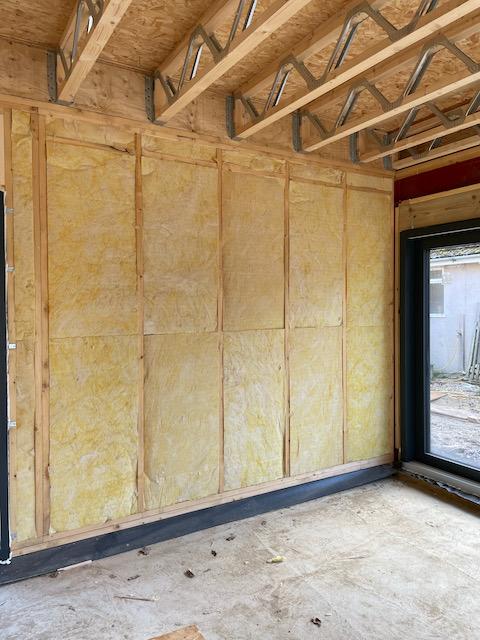
I used Isover 32 batts and worked perfectly for 600mm centre studs. ironically though in our house there aren't too many studs that are 600mm centres due to panel joins, extra studs for support of windows etc. so we ended up having to cut a lot of it anyway. https://insulation-uk.com/products/isover-timber-frame-batt-32 this is the stuff we used. got it from Jewsons.
-
yeah. our installer threw a wobbly when I complained that he caused a 6 week delay by sitting on questions from Warema (which put me completely out with regards to the timber cladding, scaffolding, drainage and other follow on trades, not to mention the financial impact that a 6 week delay can have on a build) and he basically told me to find another installer. so I've found another installer locally to me who offers many external blinds and I'm in the process of getting quotes for them. once I've made a decision on who to go with and got them installed I will update here.
-
coz i'm a sucker for marketing. 😉 I wanted some kind of barrier to reduce off-gassing from the PIR in to the house and using polythene sheeting just didn't 'feel' right to me so I wanted something with technology that could potentially help in it. and after shopping around I found I could get the bee-knees stuff from Germany for cheaper than a cheaper AVCL so figured why the heck not! I don't know if it'll make a difference but if I didn't use it I'd always be thinking 'I wonder if using Intello plus would've been better?'
-
was told by local BM that timber prices will be going up next month. and PIR. definitely chose the wrong time to build a timber frame well insulated house!
-
INTERNAL WALL INSULATION.
Thorfun commented on Patrick's blog entry in Timber Portal Frame - but stick built
nice one. added to my list to research nearer the time. -
Hi, any recommended 'eco' window fitters in South East England?
Thorfun replied to 11thHour's topic in Introduce Yourself
Aluclad -
nowhere in the MI does it say you have to stop and stir. it just works. ain't technology great?
-
Hi, any recommended 'eco' window fitters in South East England?
Thorfun replied to 11thHour's topic in Introduce Yourself
I can recommend Norrsken. offices based in Poole where they have a good display of their windows. great quality and the fitters they used for our job (Elite Installations Nationwide (https://www.eliteinstalls.co.uk/contact) were excellent. based in Leeds but they travelled down and stayed locally for the duration of the job. obviously, I can't comment on any of the other fitting teams that Norrsken use but if they're anything like Jim @ Elite then you'll be on to a winner. 🙂 -
agreed. it's much nicer not having a turntable. we have a Panasonic combi with a steam function which is great for steaming Bao buns and gyoza. it also has a great feature that Panasonic marketing call 'Panacrunch'. basically it's a low level microwave function with a grill as well. so it will heat the item and also crunch up the top. my only criticism is that it takes a long time for the oven to get up to temperature.
-
INTERNAL WALL INSULATION.
Thorfun commented on Patrick's blog entry in Timber Portal Frame - but stick built
how did the Knauff rock wool compare to Rockwool for costs? (sorry, I know I could Google prices but it's late and I'm feeling lazy! 😉) -
service cavity battens in the corner of a room with internal PIR
Thorfun replied to Thorfun's topic in Timber Frame
Ok. That makes sense. Thank you. -
service cavity battens in the corner of a room with internal PIR
Thorfun replied to Thorfun's topic in Timber Frame
sorry. I don't understand this at all! but it has been a long day. -
service cavity battens in the corner of a room with internal PIR
Thorfun replied to Thorfun's topic in Timber Frame
ok, thanks. so there's no rhyme or reason, just a one or two entry points into each section. got it. one more quick question, the gap at 450mm and 1150mm, you've previously said 'leave a small gap'. can you quantify 'small gap'? are we talking 50mm? 80mm? 100mm? I'm sure it doesn't matter but my brain likes to know the details of what I'm doing despite winging most of the bits I've done so far! although it has been educated winging it. -
service cavity battens in the corner of a room with internal PIR
Thorfun replied to Thorfun's topic in Timber Frame
@ProDave how do you know how far apart to put the openings on the top batten? in your image below from another thread there doesn't seem to be any sort of standard? did you already know where sockets were going and so left top gaps accordingly or is it simply experience? -
service cavity battens in the corner of a room with internal PIR
Thorfun replied to Thorfun's topic in Timber Frame
thought of another question (although not specifically to do with the corner battens!). what is an acceptable distance between the fixings for the battens? 600mm? 800mm? or in true cowboy fashion 'that looks about right'? -
but you can use it to offset your water usage in the house, especially now there's a new net-zero water usage jobby in planning, right? I know for us it helped us to get through planning with regards to water usage in the house and the number of toilets/showers/baths/dishwashers etc we've planned. we've got a RWH tank and didn't do it for any kind of financial return or saving, we wanted to reduce our reliance and demand on mains water. I hope to be in the new house for at least 30 years so if it eventually pays itself off then great! otherwise I won't be losing any sleep about the payback period. As with other things, decisions don't have to be made just on the financial payback period of the technology.
-
service cavity battens in the corner of a room with internal PIR
Thorfun replied to Thorfun's topic in Timber Frame
thanks guys. I can fix to bottom and top studs in the wall so any diagonal fixing will be few and far between -
service cavity battens in the corner of a room with internal PIR
Thorfun replied to Thorfun's topic in Timber Frame
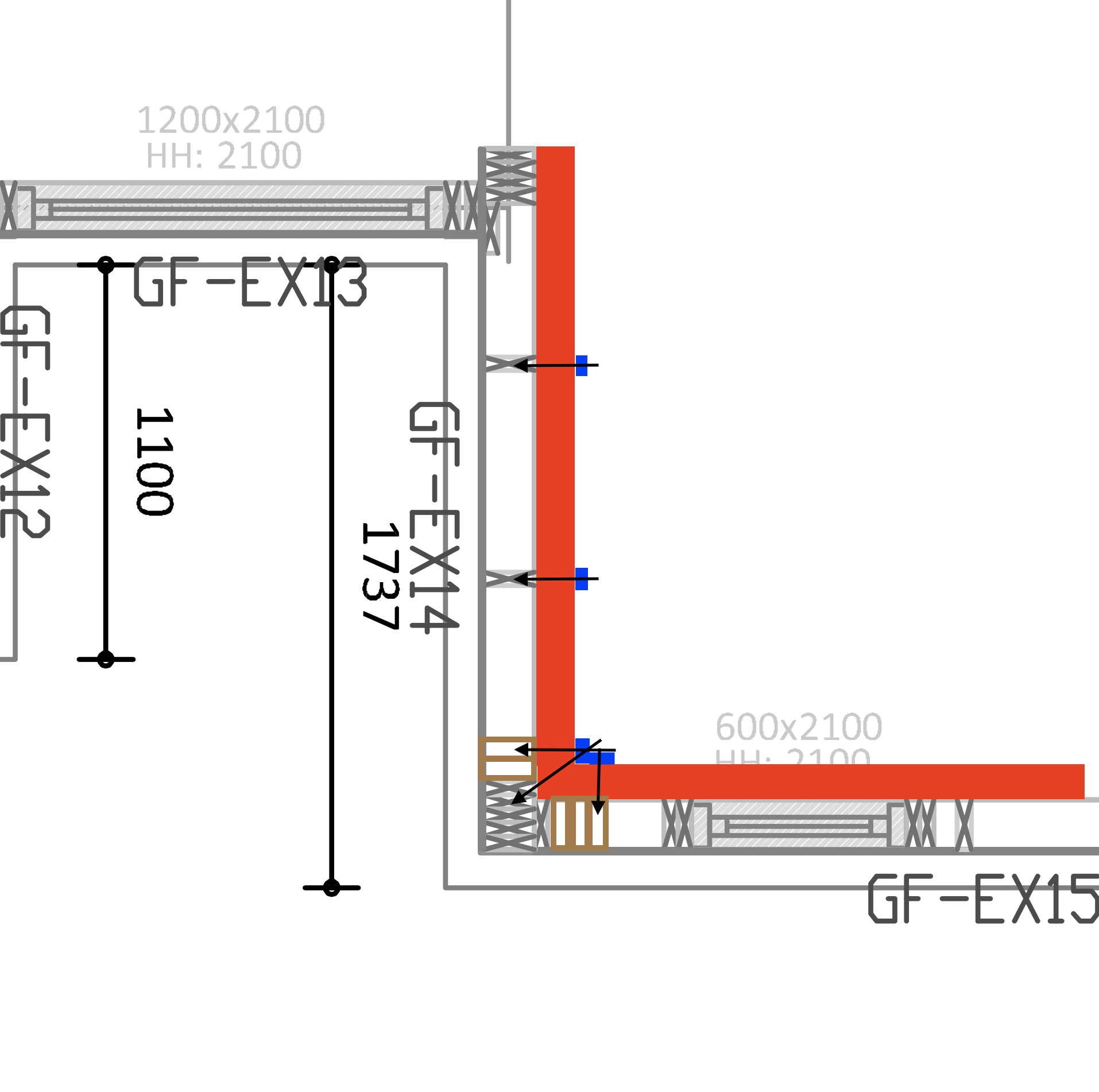
so, basically, this?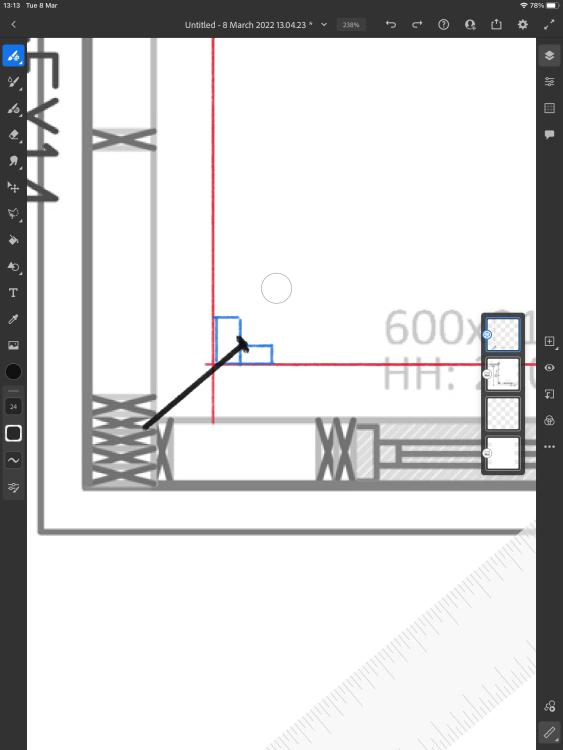
-
service cavity battens in the corner of a room with internal PIR
Thorfun replied to Thorfun's topic in Timber Frame
thanks guys. I like both those ideas. think I might amalgamate the two and see how I get on! I'll need to use maths to figure out the length of screws needed for that diagonal though. it's a good job we have Google! -
service cavity battens in the corner of a room with internal PIR
Thorfun replied to Thorfun's topic in Timber Frame
like this @cwr?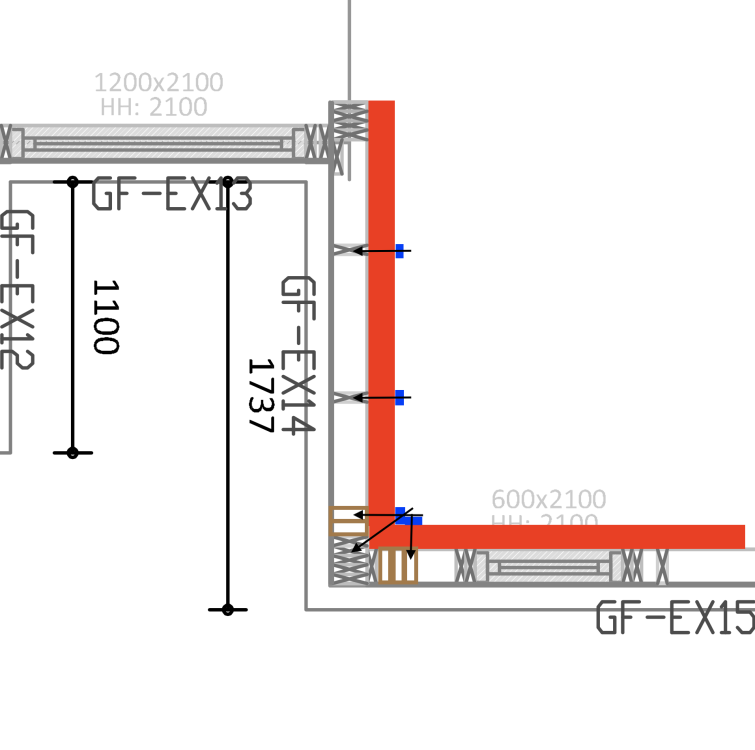
-
service cavity battens in the corner of a room with internal PIR
Thorfun replied to Thorfun's topic in Timber Frame
and I presume you mean 'studs'? so add extra studs to the TF walls making them 80mm wider so it is past the PIR? that's a LOT of extra timber. plus a lot less insulation in between the studs. -
service cavity battens in the corner of a room with internal PIR
Thorfun replied to Thorfun's topic in Timber Frame
too late for that I'm afraid! the walls are already full of mineral wool and the PIR is already attached to the studs (and in one room the VCL is already fixed). if there's no other option then I can potentially do that but it's a ball ache. 😉 -
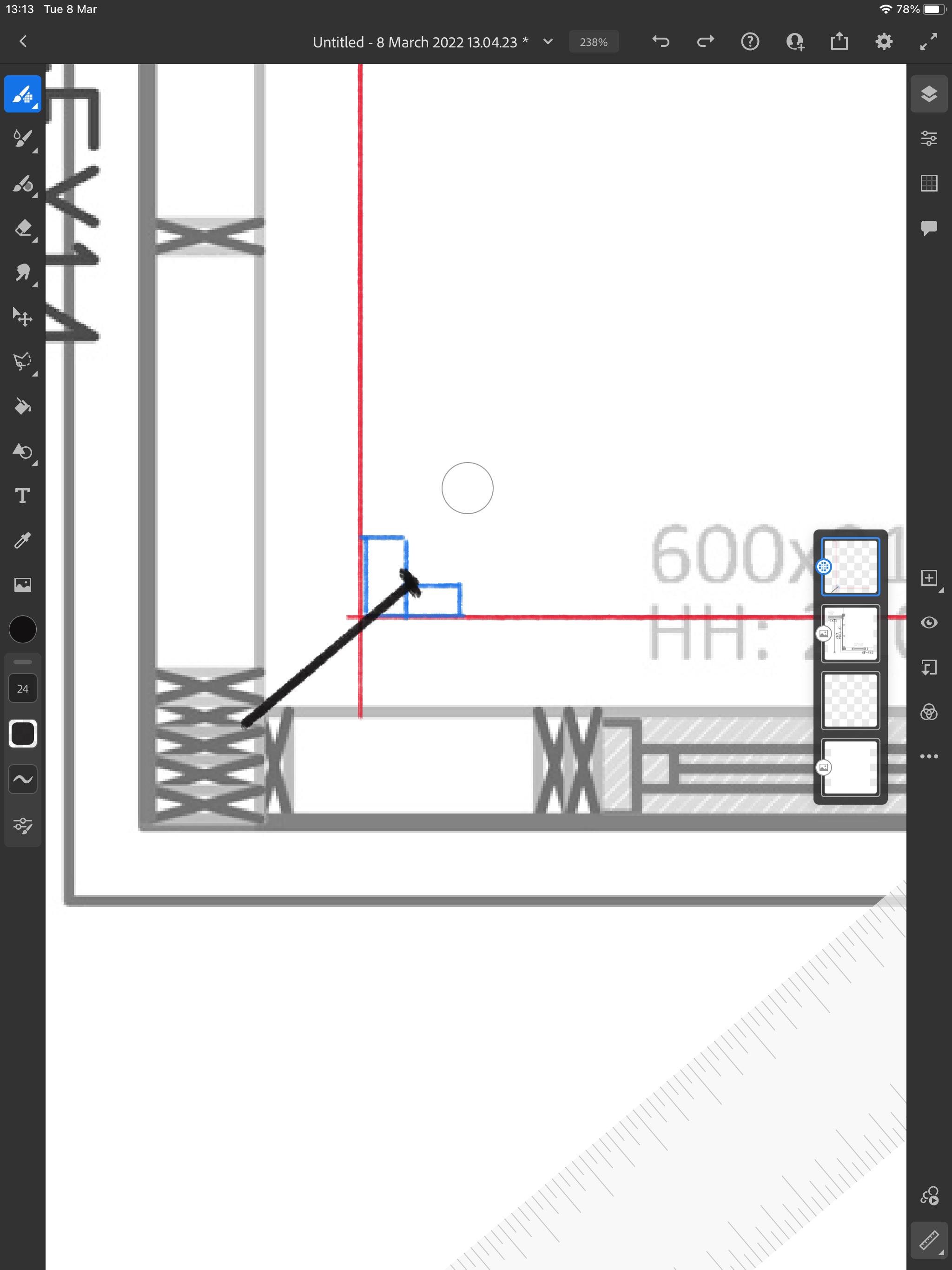
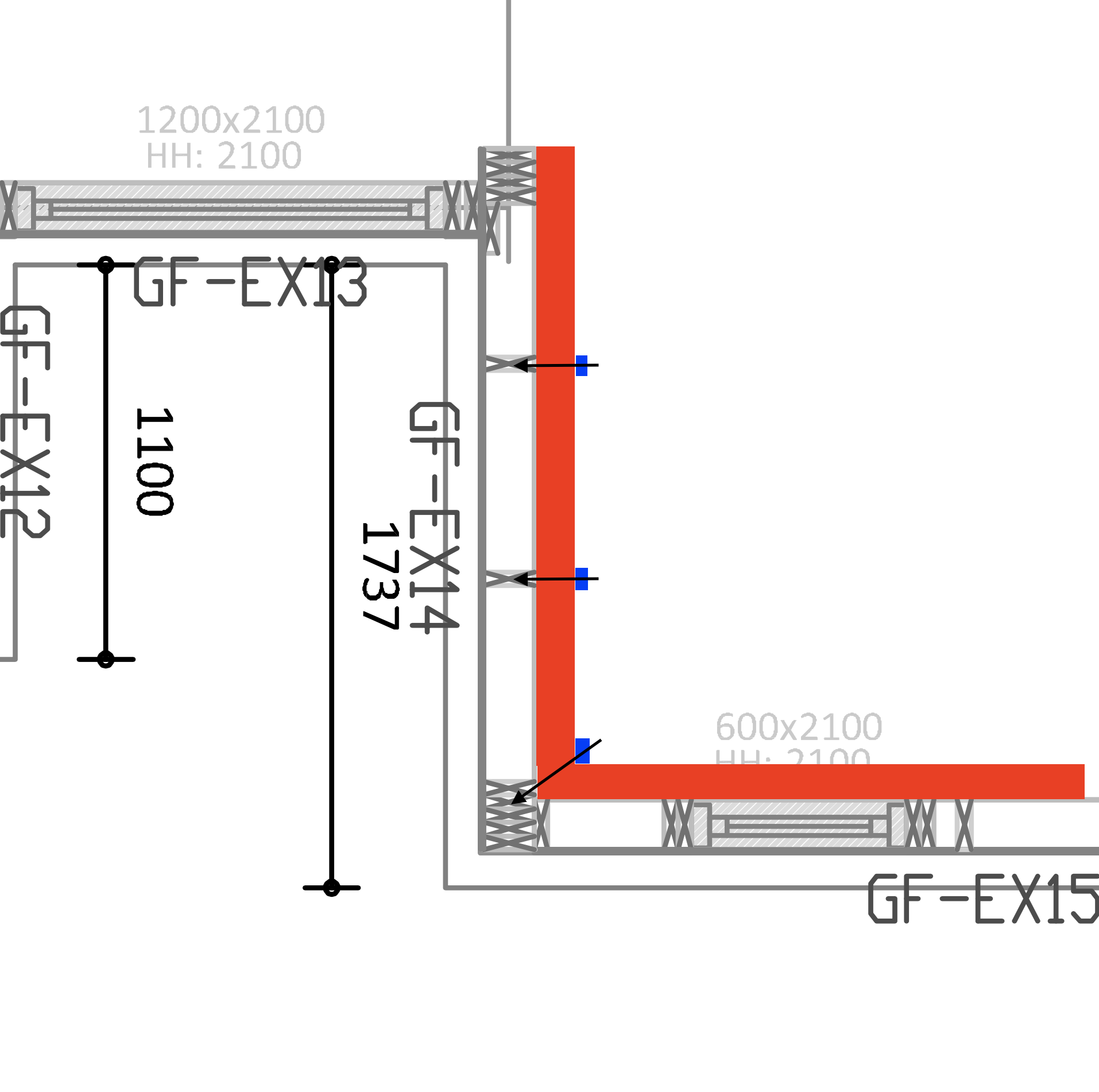
hello, I'm wondering how others with timber frame houses have fixed service cavity battens to the studs in the corners when you have internal PIR? we have 80mm internal PIR covered with an AVCL so in the corners it's not possible to straight fix to the timber studs so do you simply screw at an angle and hope that you hit the stud? e.g. or is just attaching at bottom and top plate enough?
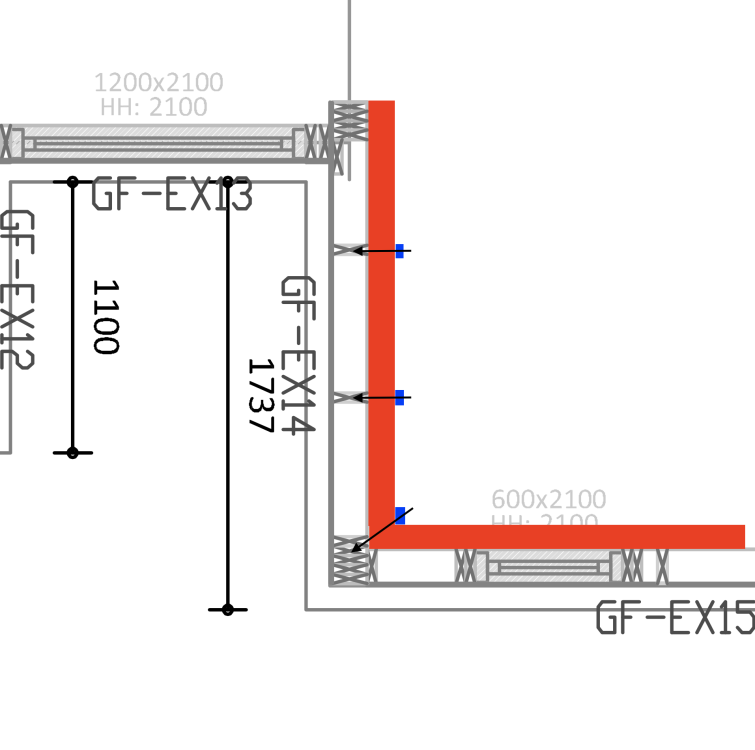
-
as @Johnnyt says, none of the GSE plastic tray is exposed at all.