
Conor
-
Posts
4165 -
Joined
-
Last visited
-
Days Won
12
Everything posted by Conor
-
Nice. Couple practicle suggestions. You'll want the stairs separated from the kitchen somehow. Where's the front door? At the stairs I presume? You'll need a second door as can't have means of escape through the kitchen. Again, come back to the issue of the kitchen not being closed off to the rest of the house. Hate the idea of a toilet in a kitchen... Swap with the cupboard and have the door coming off them under the stairs.
-

Options to save money discharging conditions?
Conor replied to flanagaj's topic in Planning Permission
I did biodiversity, RPO, site management plan myself. Planting scheme done by architect. The lighting and water efficiency is usually a note on your drawings telling the contractor what specification to work to. So a lot will be copy and paste for your architect. Rest you can do as there are examples online. -
It happens all the time, we did. The important thing to bear in mind, is your new design, when completed, likely to be lower in value than the one in place? I.e. smaller foot print, fewer bedrooms? If so, that could be an issue. How are you funding the build? Do you need a mortgage for both land cost and construction? Near in mins the funder will only release money in stages, based on the value of the plot at each draw down.
-
Between broker and Legal fees, £1500 - £2000
-
Throw it back over the fence.
-
Our install was a total of 6 man-days, £1200. Installing a monoblock ASHP, pre-plummed cylinder, buffer and a couple of manifolds is easy. And also laying a few hundred metres of UFH. I really dont know what these guys charging £5k+ are doing.
-
Your solicitor will almost certainly say it's enforceable. We had a 100 year old one on our property, the original document was barely legible, but we were still made to get indemnity policy against it. £400 for nothing. You're best bet is to hunt down the successor and see if you can negotiate a release of the covenant.
-
Are these aesbestos slate tiles?
Conor replied to Chanpreet2675's topic in Roofing, Tiling & Slating
You'll need to get a sample tested. -
Condensation for short periods of time in a hot summer isn't going to do any damage to a building. It'll dry up as soon as you stop active cooling. It's only going to form on exposed pipes and manifolds anyway.
-
Can't comment on the total cost without more details. My rational for suggesting the demolition is because, if I'm interpreting your intentions correctly, you're going to have to demolish most of the existing building anyway. All front walls, remove roof etc. if you have issues with the rear and side walls, then you may as well remove these, set them back a bit, install dpc, insulation etc. if you've photos or more details on the final spec, that would help. Demolition is a digger for an afternoon and a grab lorry. £1k. Or take it down by hand and reuse / recycle the materials for minimal cost.
-
Absolutely is not "rising damp". Moisture migration from the stone wall, or (less likely) condensation. The inside surface of the wall will need to be ventilated. Doesnt look like you've any width to insulate, so I'd leave the wall bare.
-
I'd demolish, start with a blank canvas, move walls in from boundaries, proper dpc etc. reuse the slab. Construction with non-combustable materials, under 30m², no living spaces, ridge height under 2.5m, and you won't need planning or building control.
-
Cost of reversing double garage conversion
Conor replied to ignite-me's topic in Costing & Estimating
Are you (and your bank) happy with the reduction in value when you do this? I.e. not selling any time soon and/or you've a low LTV mortgage. -
Escape windows - can they be lockable
Conor replied to Lincolnshire Ian's topic in Windows & Glazing
I thought locking (with a key) windows were a thing of the past? I've always assumed the insurance question was asking about latches that click in to place, so can't be teased open from the outside. In my parents house, they had single friction latches. If I ever locked myself out, all I had to do was gently and rapidly bang on the frame where the latch was, and it would just work it's way up and open! -
Make sure you use 100mm perforated pipe instead of 80mm. Also, decent bed of clean gravel UNDER the pipe. You want the gravel to do most of the work and pipe only come in to play in heavy flow situations.
-
Go for 20-30mm stone then.
-
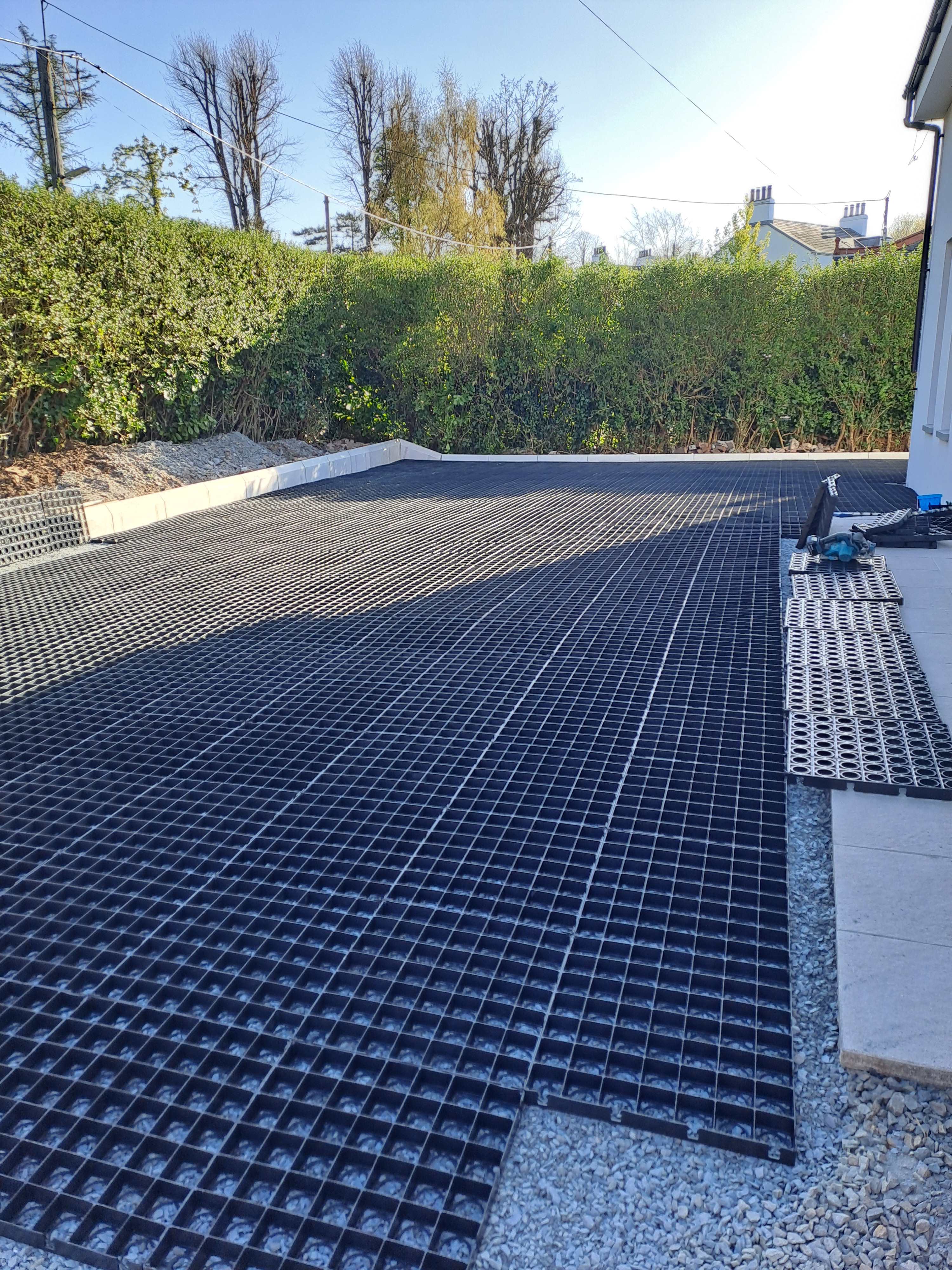
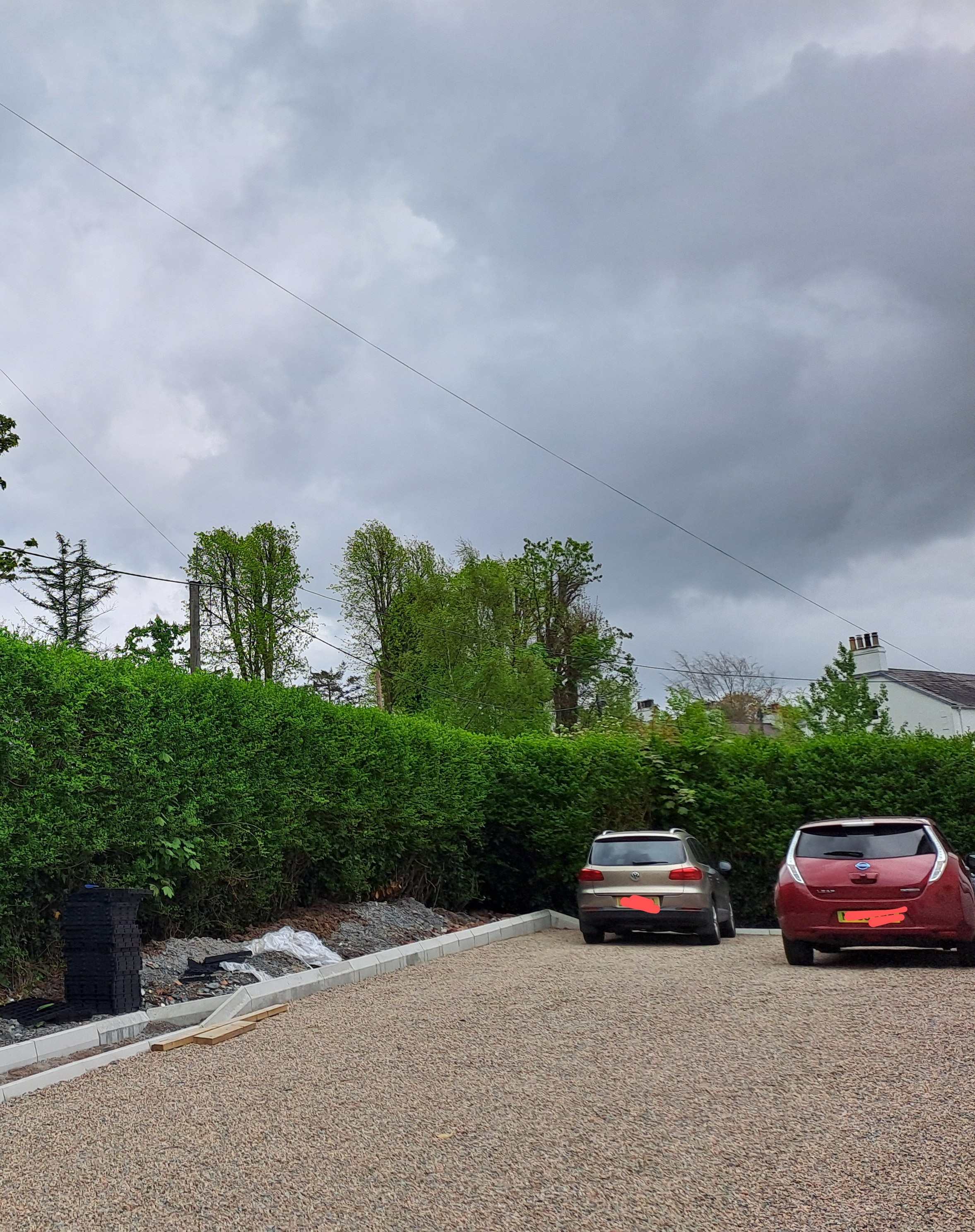
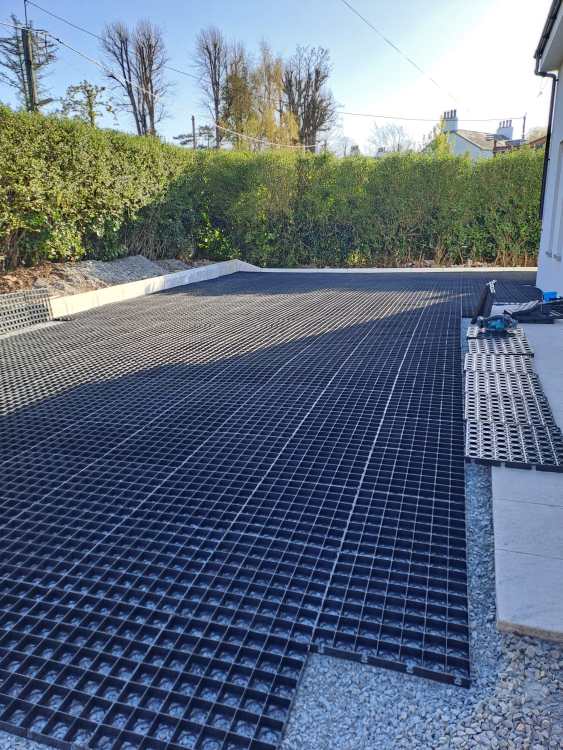
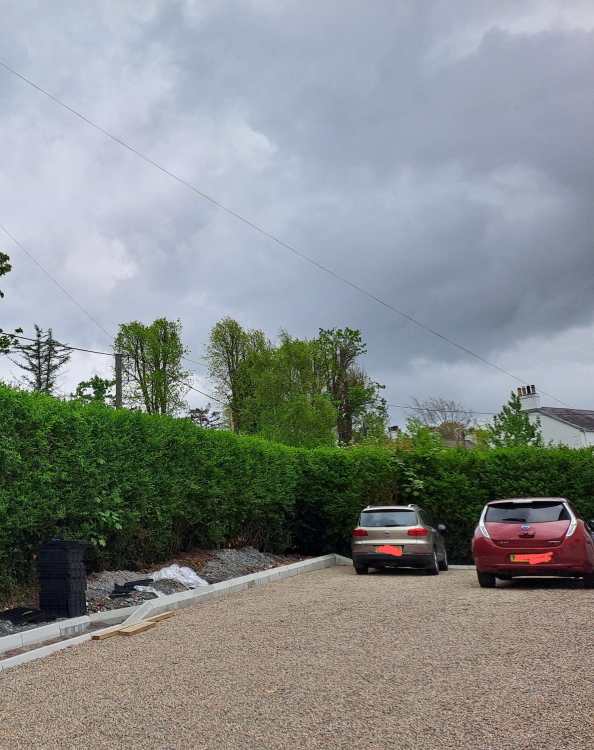
We've 10mm mixed stone on gravel grids. You really, really need grids for small stones.
-
Just turn the paver over so the correct face is up ...
-
Most of the UK is running a lot drier than average. We should have had 310mm of rain by now, it's just 220mm so far. Still, a long way off drought conditions fortunately.
-
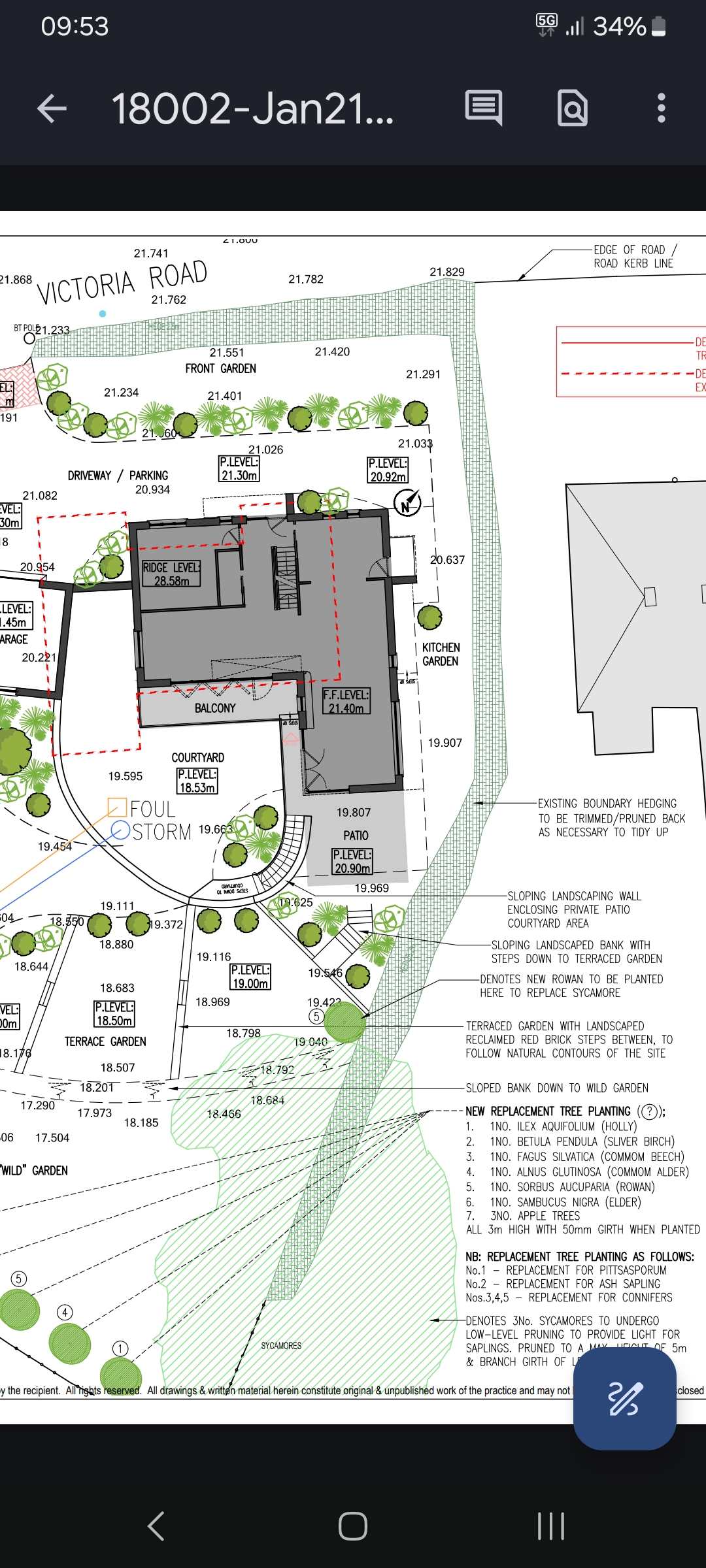
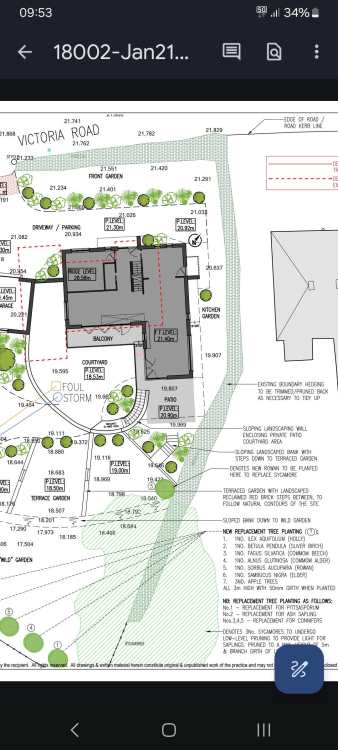
What you've supplied isn't nearly enough. You should show locations and species of trees, hedges, anything hard. Remember, you can only claim VAT back on landscapimg items that are on you planning drawings. It doesn't need to be exact, just cover the bases. A snip of our drawing. We are in a conservation area, so landscaping is a tad more important, esp trees. We've only done a fraction of this and will be many years, and won't look it at all!!
-
Been tracking my generation. We've produced more this April than any other month in 2024. And by the end of today, it will be the third best month overall in the last four years. Good to see but the lack of rain is a tad worrying.
-
Hey! New here, looking to do a self build around MK
Conor replied to BHACHA16's topic in Introduce Yourself
How big a house do you need? We're a family of 4 and have a 253m² net house and it feels huge. Better to build to the budget you have and get it right. -
Glad I didn't tell you guys about my 200mm thick slab with 300mm / 450mm thick ring beams 🤣
-
A better way to run it is during overnight low rate, and let heat radiate out during the day. That's what we do, very rarely the heat is on during the day. You'd maybe want an ASHP with a slightly bigger output in that case, we've a 9kW heatpump for 253m² floor area, similar U values.
-
As above, if somebody did the work, you can't claim, they should have zero-rated their services.