
Radian
-
Posts
2586 -
Joined
-
Last visited
-
Days Won
15
Everything posted by Radian
-
Looks more like 2023 There are a huge number of vehicle trackers using 3G data only sims, I mean like 100's of thousands. I know because I used to be involved in their development and one of my CEM's still knocks them out on his pick'n'place machines. Dunno what's going on really and like others here, I'm in a 4G blindspot (quite near a mast but down a slope).
-
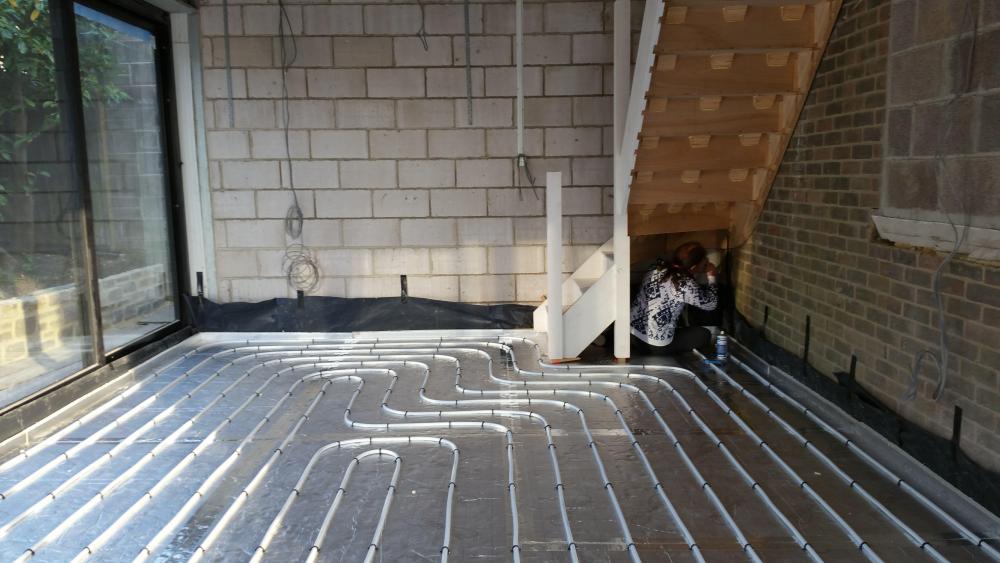
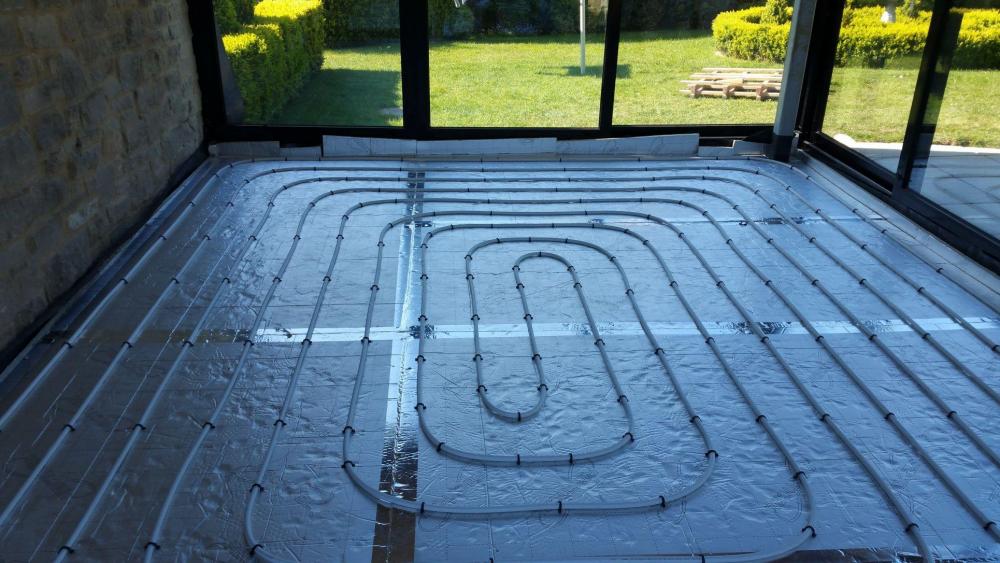
The dark patches are aluminium oxide and while the oxidisation will have stopped after the cement curing it will have lowered the emissivity of the foil. Some additional heat will be conducted through the PIR as a result. Bit of a second or third order effect but definitely worth preventing with a flimsy sheet of polythene. We live and learn.
-
I'm not too keen on anything that builds up beyond the fascia i.e. cladding with UPVC. I've resisted the drive towards plastic for this kind of application although I'm not sure how much longer I can hold out! I guess markc's idea of a shadow gap might look the least conspicuous. I may regret this statement but I'm pretty sure there's no need for SS mesh reinforcement as I think this is just opportunist mice exploring an inviting looking hole. Experience has shown that passing trade happens on average once a fortnight - an indicator of the mean density of mice in my neighbourhood. It would be different if they were on the inside trying to get out though!
-
I have a bunch of these colour tunable smart bulbs They have a wide range of colour temperatures between 2700K-6500K. If used with Amazon Alexa routines they can be used to start the day with intense blue whites and change to warm whites towards the evening to help settle down for the night. I find it helps with my sleep by keeping circadian rhythms going through the day when the natural light diminishes. I can't speak for their effectiveness in managing SAD but logic suggests it ought to help. The main point, I think, is that lamps like these can be fitted almost everywhere in a house (all popular lamp bases are catered for) so there is a unified lighting regime wherever you happen to be. Alexa routines are easy to create and can be as granular as you like. Cost wise, if not already in the house, you can buy a single Echo Dot for £40 and this will open the gateway to as much control as you like. They are frequently on offer for half that as well. The bulbs also work with Google or Apple smart ecosystems but I have a preference for Amazon who seem happy to sell this stuff at a loss. One thing to note however is that these are WiFi dependent so you need good coverage throughout the house. They can also be a bit finicky to set up on your network if you have 5gHz and 2.4gHz access points sharing the same SSID. This is because you need to use a smartphone to run the app that manages the lamps and have it connected on the same SSID. Smart lamps that use other wireless systems like Zigbee or Z-wave are not dependent on WiFi other than for a single hub but these are generally more expensive. I'm really just giving you the lowest cost approach but the end result can be just as good if not better than the big name brands.
- 9 replies
-
- 1
-

-
- seasonal affective disorder
- sad
- (and 1 more)
-
Almost two years have passed and nothing has exploded except for the price of gas and electric. Hey, maybe I can tap the hydrogen as a fuel source...
-

An Overview of my House Heating and Controls 4 years on
Radian commented on TerryE's blog entry in The House at the Bottom of the Garden
Shame they discontinued those. I have a home brewed battery UPS for mine but I think if I was reorganising things I would use POE to distribute power and network to all the connected Pi's. This would bring together a handful of PiCams and the home control stuff under one supply that could be powered by the big UPS I keep for NAS and desktop PC. -
Hi DaveAndAnnaUK, sounds like an interesting story. I used to work on Portland so I'm well versed in the idiosyncrasies of life on the isle.
-
Purchase price for a mini split is around £500 hence why I said 10% the cost of an wet ASHP. You can also buy one-piece units like this for £900 on Amazon although they used to be only £500! Nearly all units come pre-charged these days so while they ought to be installed by FGAS installers, in practice most people DIY them. Honestly, if it wasn't for the noise (I certainly wouldn't have that single unit one) I'd jump at these as a way to heat my garage attic room. Still on the fence over that ?
-
Smallest = ~£1K right?
-
Another option is air-to-air (i.e. air con) which can provide heating or cooling at the same efficiency levels as air to water but currently at 10% the cost for the equipment. The only downside is having some noise and moving air. However, as a room-in-roof, the cooling may be a serious consideration. Again, air-to-air has you covered plus if you have solar PV on the roof the running cost of summer cooling can be very minimal.
-
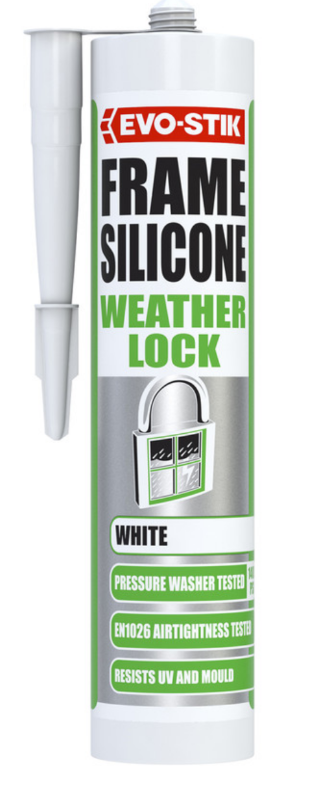
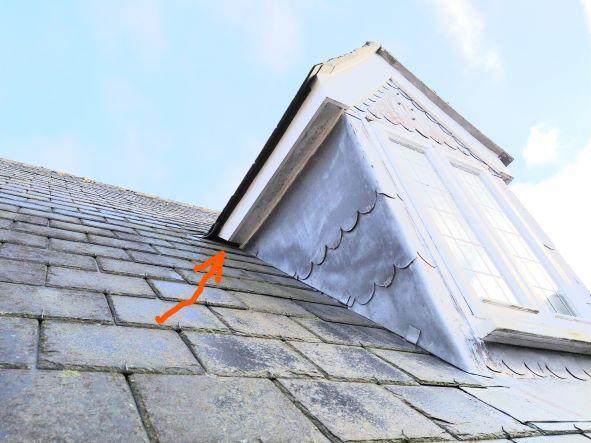
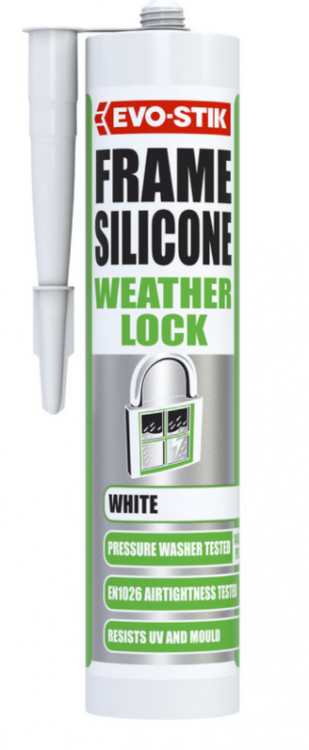
In my thread about attic mice I was looking at how they're getting in and came to the conclusion it was from the dormer window, through the big gap at the ends of the soffits: I've given up worrying about rain bridging to woodwork so I'm going to try plugging the gap (about 25mm) first with closed-cell rigid foam (like the product used as expansion strip around UFH) then overcoated with a caulk. But at this time of year acrylic frame sealant will take months to harden and become rainproof so I'm going to have to use something different. I've only ever used acrylic frame sealers so I'm not sure what might be suitable. I was looking at this silicone stuff... It's usually used between UPVC frames and brickwork so not meant to be overpainted so that might be an issue as my fascias are wooden. Can anyone recommend a different product? Stixall is the only other thing that comes to mind but I regard it more as an adhesive. It says its a sealant as well but I think it might be too runny.
-
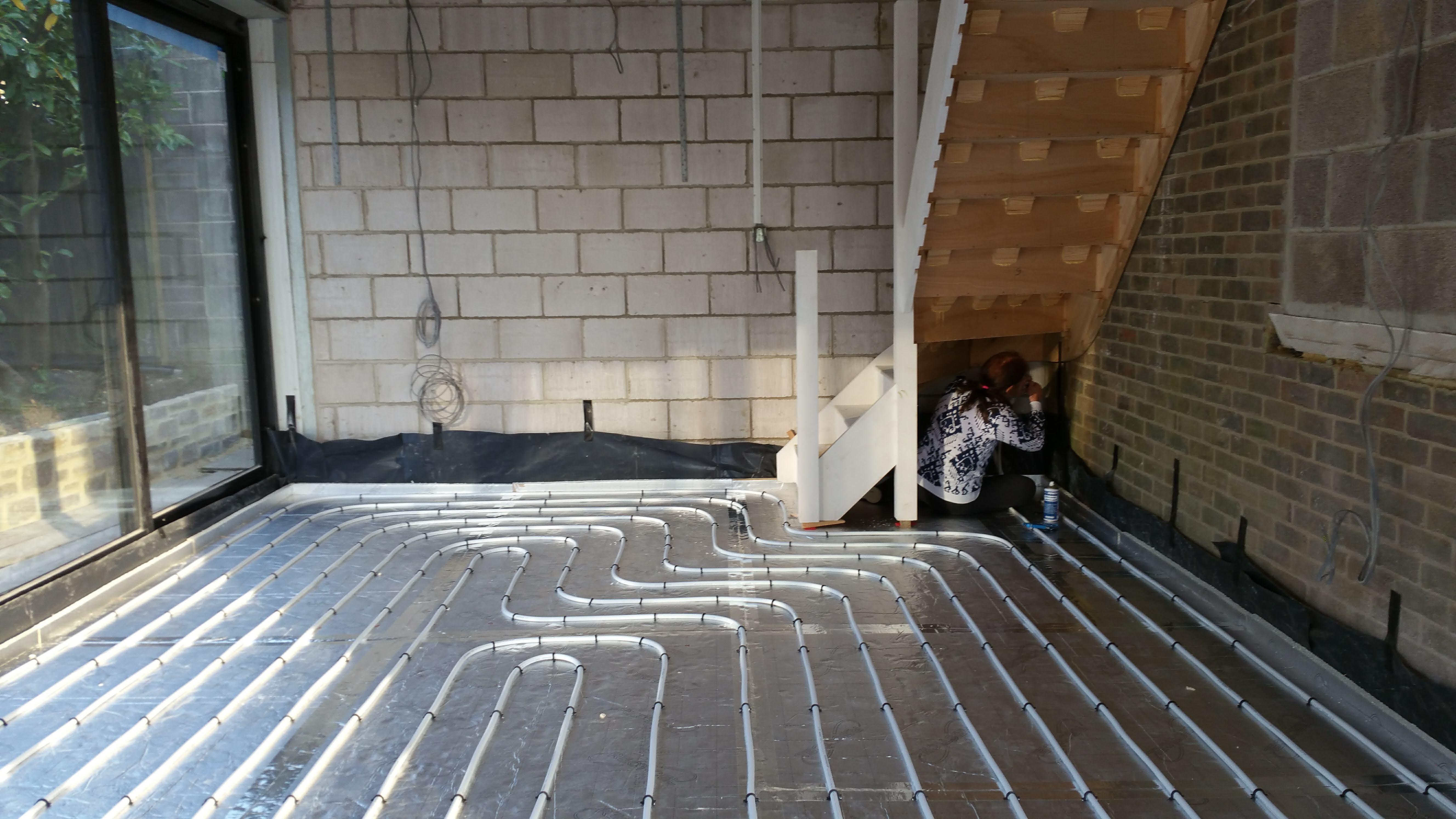
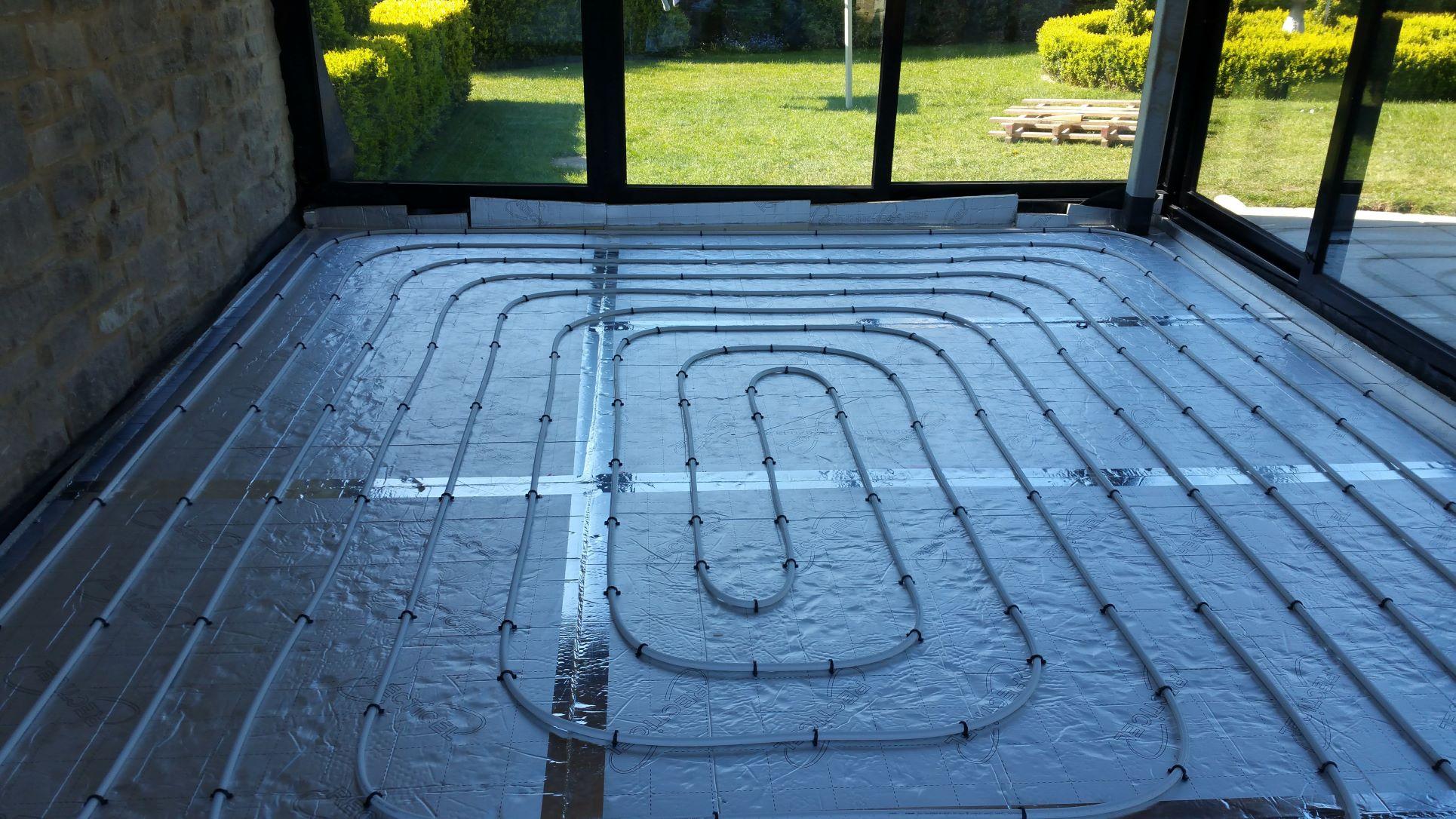
I was just thumbing through our photos and - oopsie! No plastic barrier under the pipes! Ah well, too late now ?
-
Are you considering EPS for the insulation? 260mm EPS would still give you a U-value of under 0.15 and come in at a lower cost than PIR. Usually PIR is chosen for it's space saving properties but you've got the space!
-
Mutually exclusive I'm afraid - except if you have 100% control over the equipment. This rules out any cloud based products - except if you host your own cloud. The people here who use Raspberry Pi SBCs and have re-flashed various 'smart home' products with Tasmota, or rolled their own from scratch, have not only saved a great deal of money but have also gained a large degree of independence from an industry very much in its infancy. I do make one significant exception in my own home and that is for Amazon Alexa, for one very good reason: Amazon have a wide open API which allows me to write every line of code for my smart home devices (either built from scratch or Tasmota'd) while being able to take full advantage of their 'highly presentable hardware' that is frequently sold at a ridiculous loss. BUT this is providing an optional control interface - local control through soft switches and web interfaces hosted on phones and tablets makes everything equally accessible when required. At the very least I would recommend bearing in mind this alternative DIY approach and comparing it to whatever you are thinking of signing up to - ask yourself what would happen if the company stopped supporting your hardware or disappeared overnight.
-
But not my style. Besides, the mice lived in this pleasant field long before I did ? Sure, but I don't want to waive my anonymity. Posting YT's anonymously is way too much of a faff.
-
Got it. Unfortunately it crept in so slowly and cautiously that the motion detection timed-out before it got to the beam breaker so there is no video of the shutter coming down. This video is about 1/4s after that moment and the mouse has already turned around and got back to the entrance. You can just see the shutter bob up slightly as the current reduces to the holding level. vi_2892_20220123_032113_Trim_Trim.mp4
-
An Overview of my House Heating and Controls 4 years on
Radian commented on TerryE's blog entry in The House at the Bottom of the Garden
I seem to recall you saying you don't have much glazing? I was using local temperature forecasts to advance the switch-on time for the UFH in our highly glazed garden room but this was not taking into account the solar gain from the SE elevation first thing in the morning. I'm now looking at using the free tier Solcast API as a better predictor. On another issue, do you have UPS for your RPi's? I found this absolutely essential in my setup (which uses many of the same components as you do). -
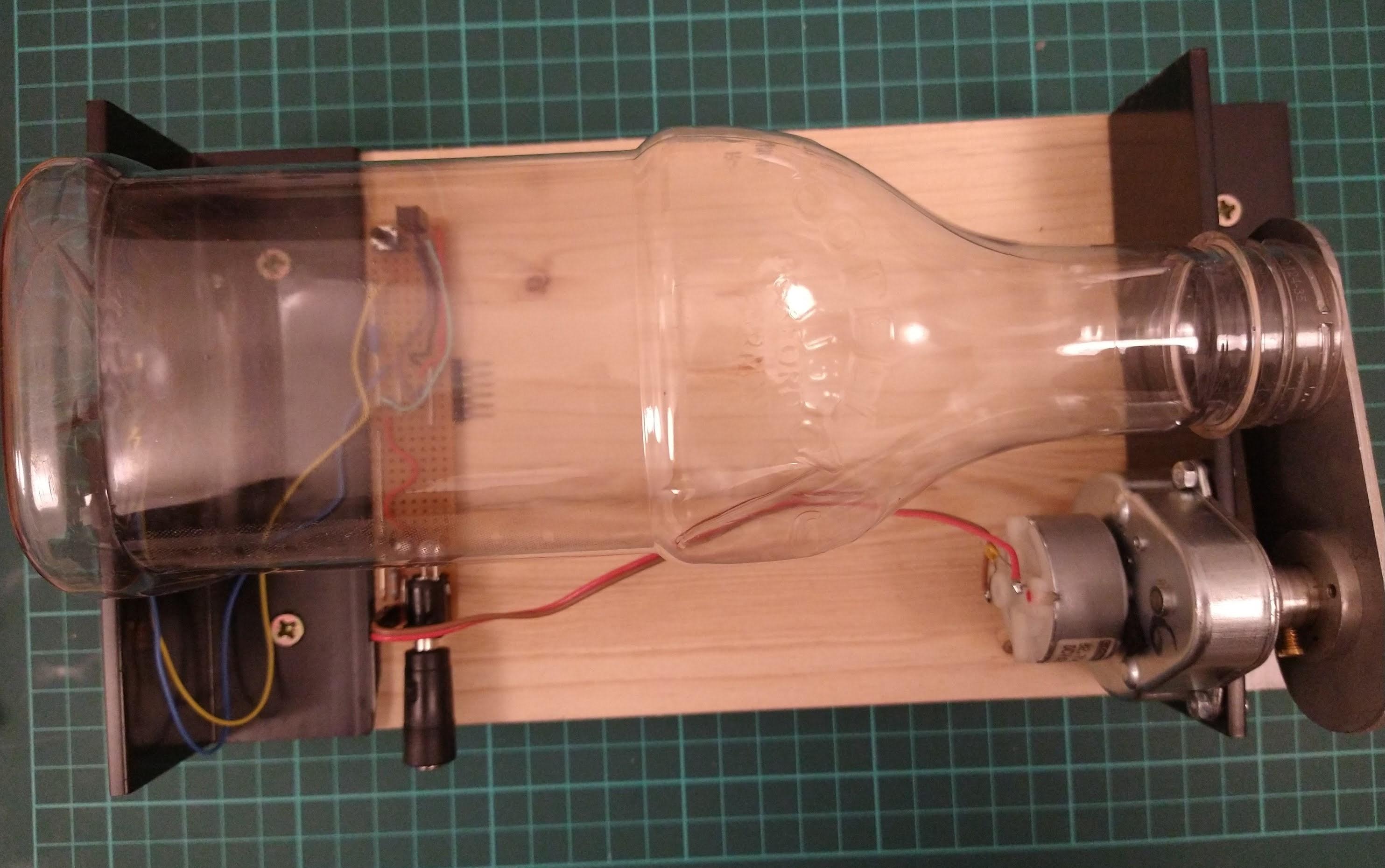
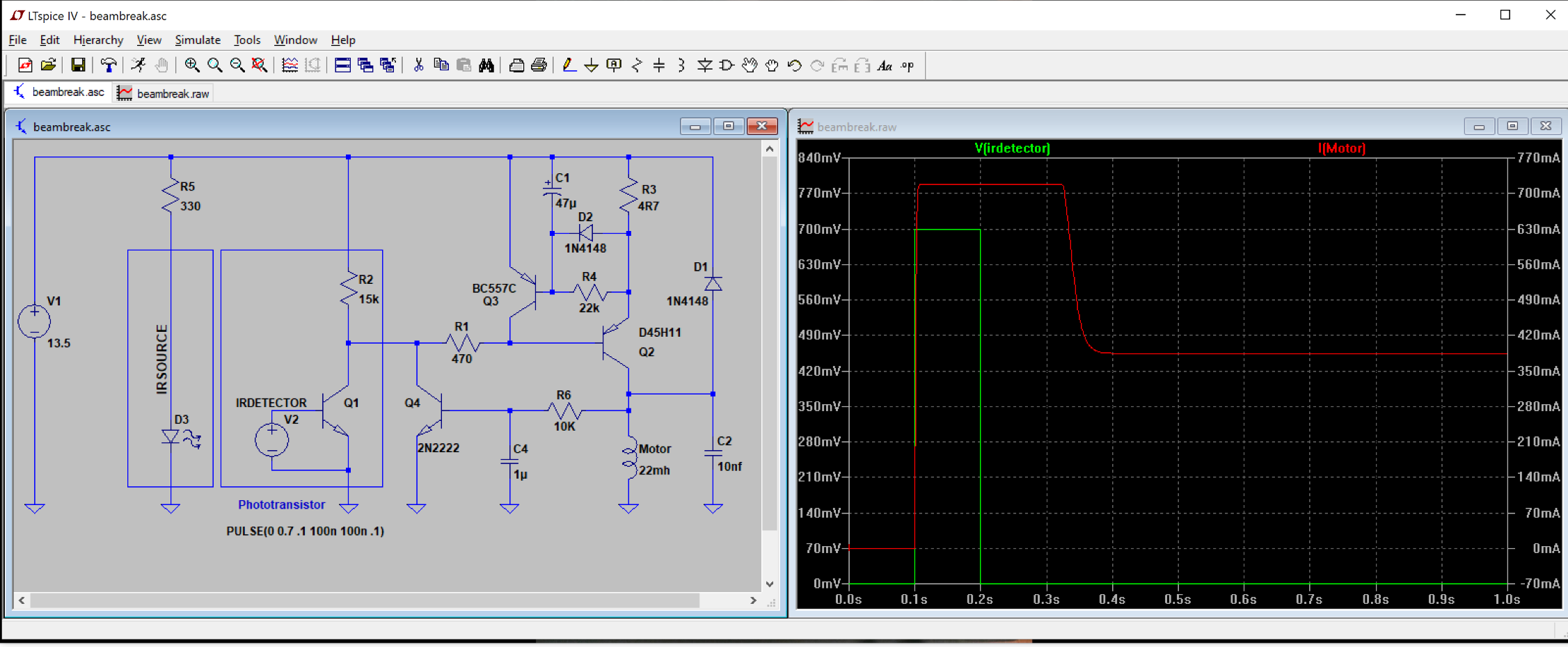
Finally got the electronics wired up to the motor on the new mousetrap... The circuit board has an IR LED and IR Phototransistor on opposite sides at the end of the bottle, at about half the height of a mouse. These are connected to a transistor circuit which latches on the power to the shutter motor at full current for 250ms, the instant the mouse breaks the beam, then backs off the motor current to hold it down in stall indefinitely. The latch is reset by lifting the shutter via the back EMF from the motor.
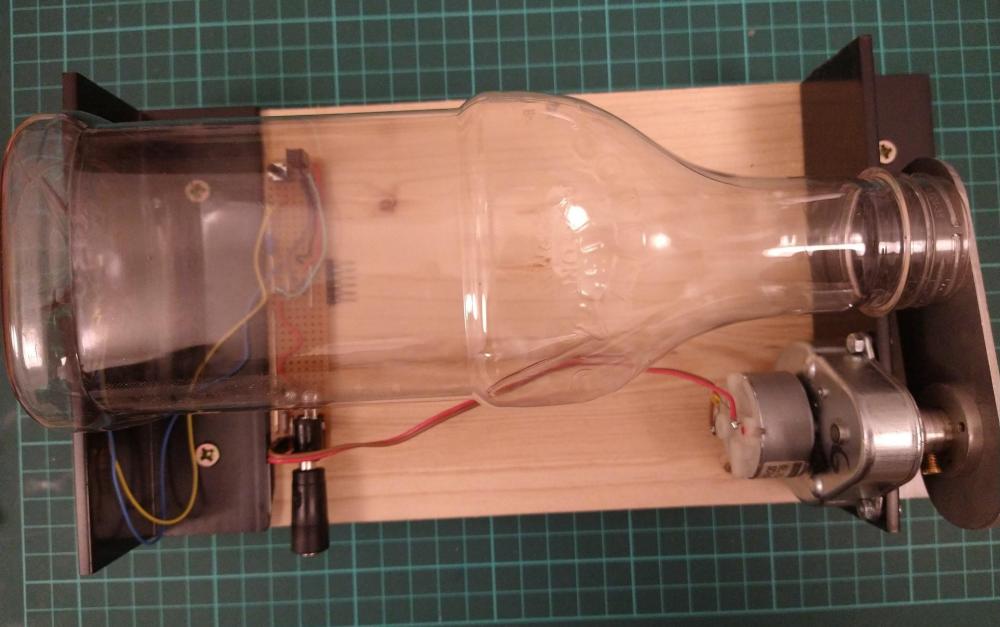
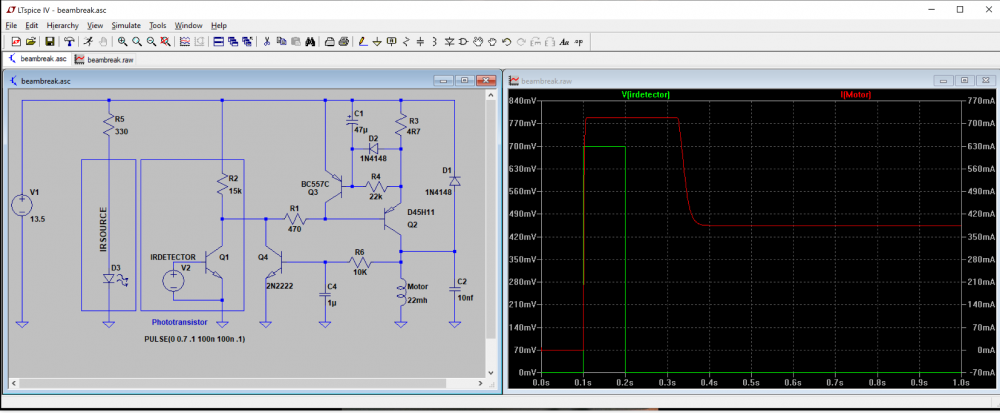
-
That's interesting. Up until now I've always used peanuts and had plenty of success with them but this particular mouse just doesn't seem interested. Last night however I tried a couple of sultanas and he took that bait somewhen after midnight. Only the crafty so-and-so somehow managed to extract it from the neck of the bottle and get free leaving it in the locked position. I don't know how he did it as he also managed to evade the motion detection running on the video camera overlooking the trap! This one's a proper ninja.
-
Last night the Mouse set off my see-saw trap without getting in. Time for a new design:
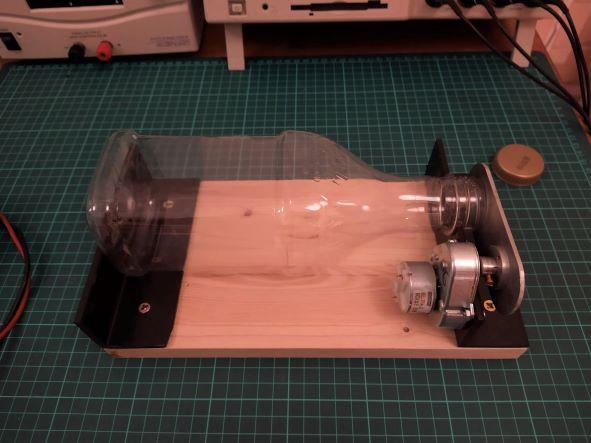
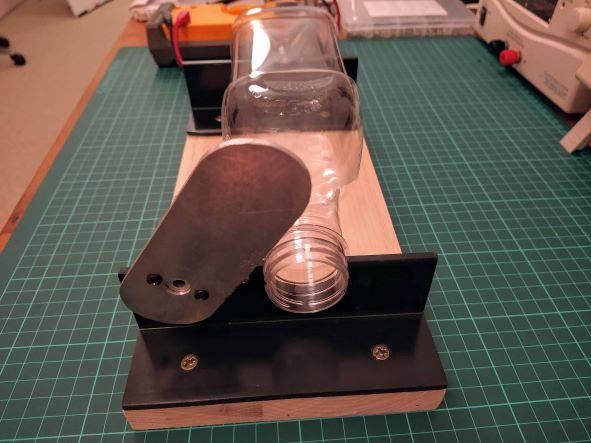
-
More like 400V I think. SE5000H-RW000NNN2 has Max. input 480V, nominal 380V which would be a sensible design choice. So 55 off 6V batteries in series as a minimum before a buck regulator would be needed. Based on a full absorbtion charge voltage of 7.2V the PV array could charge up to 396V at the natural current limit of the array (<13.5A looking at the spec of the invertor) then get disconnected at this threshold using a relay driven by a comparator. If this was a changeover contact: Bat <- PV -> Invertor then another changeover: Bat <- Invertor -> PV could switch in at dusk to run off battery. Alternativley the use of a Diode Or could do most of the switching but a charge termination circuit would still be necessary. Probably not going to happen though as 55 batteries won't fit on a palette.
-
What's the maximum DC output voltage from your PV array? If you don't know, I'm guessing it's split it into two strings, so how many panels per string?
-
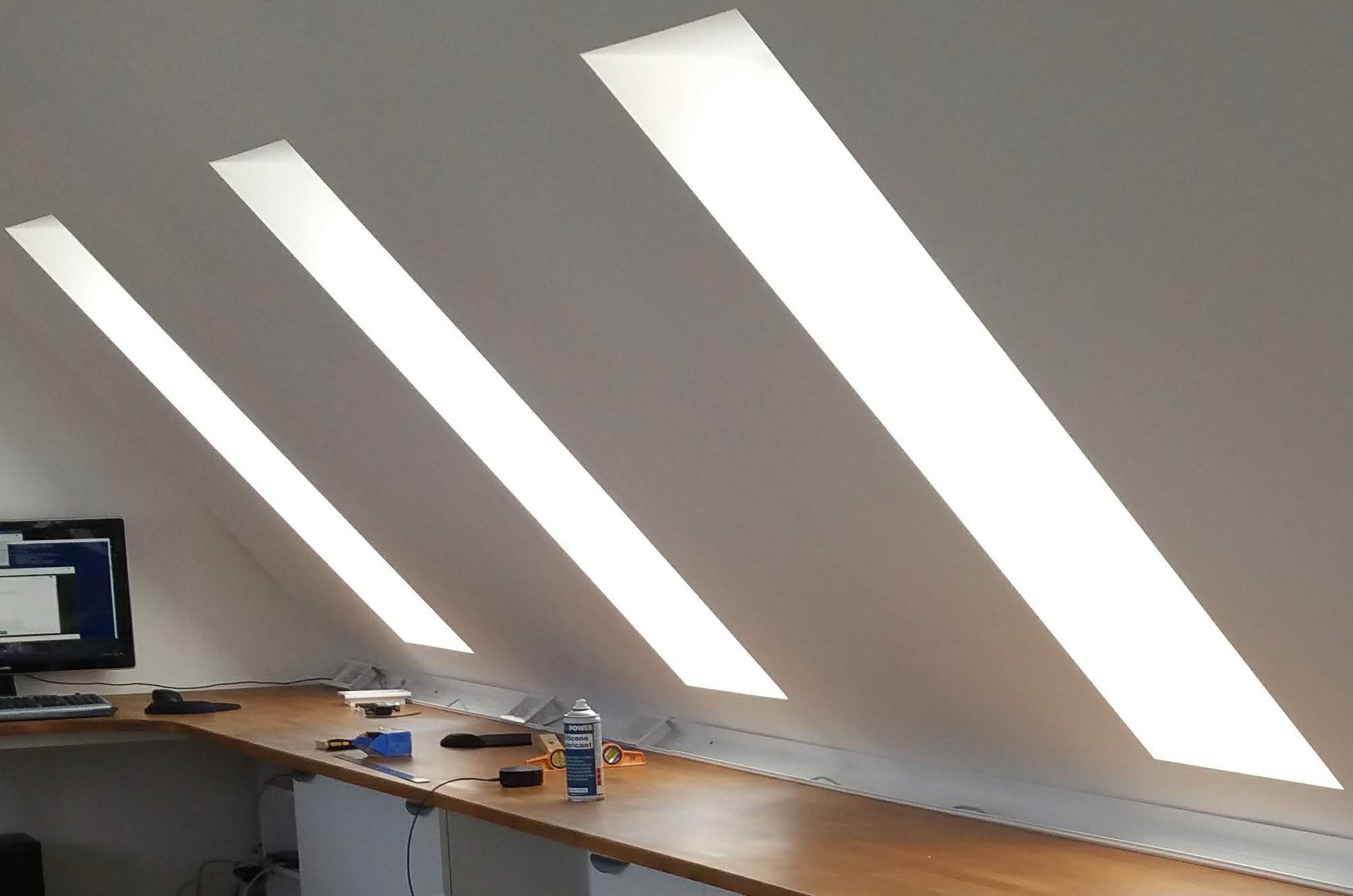
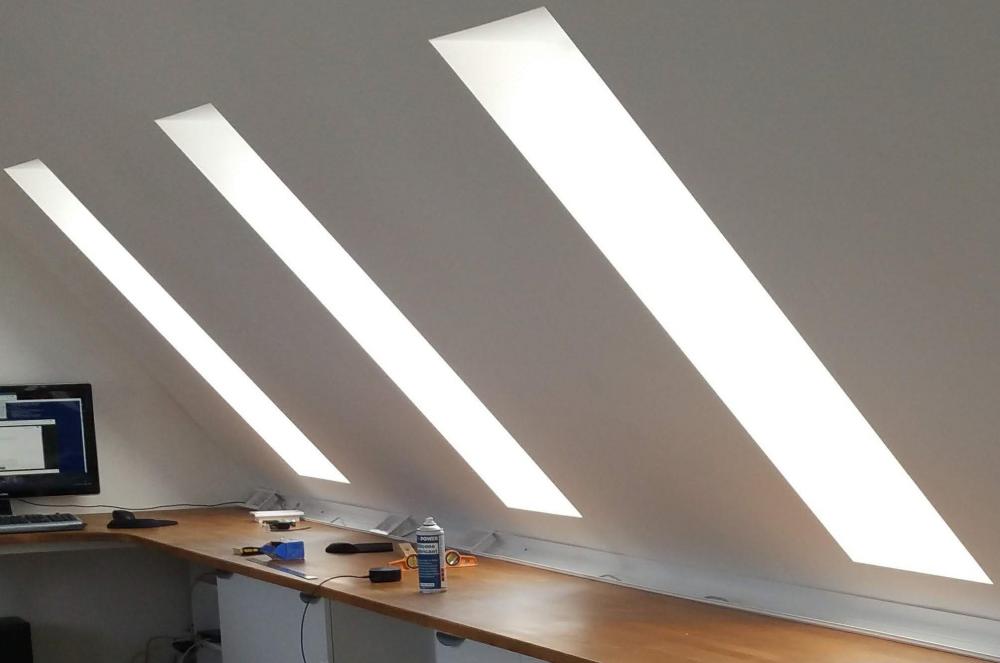
I would have actually liked to make the bottom vertical to continue the low wall below but I was installing perimeter trunking so left it perpendicular to match the plane of the sockets (yet to be fitted in this photo...) In an ideal world I would have liked another 100mm on the height of the windows to bring it all the way down but getting these kind of details right from the get-go is virtually impossible.
-
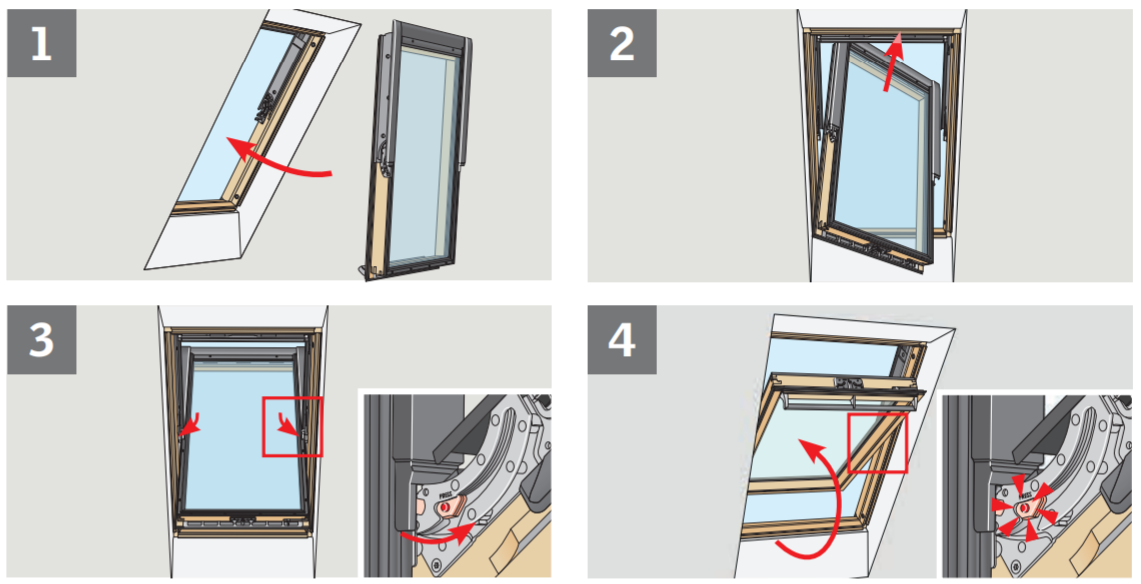
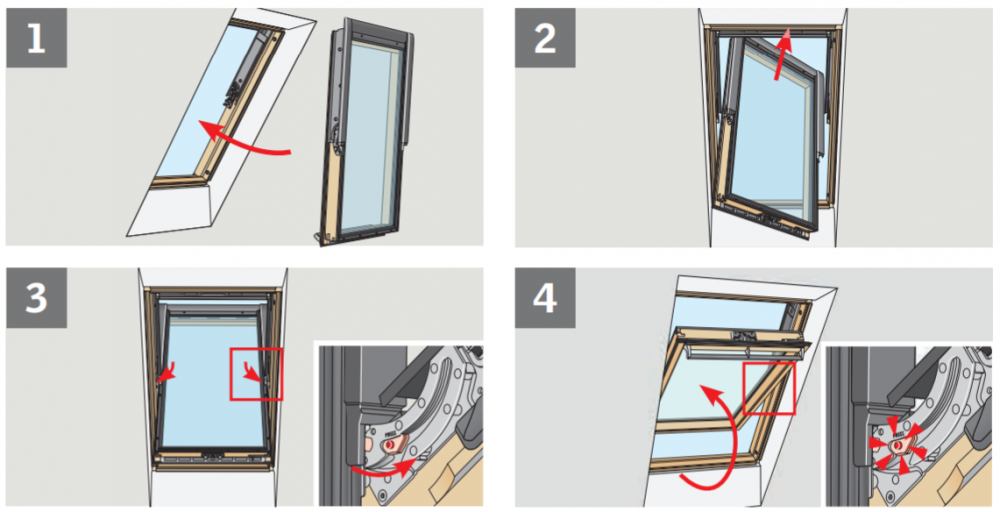
Perfect for defensive balistraria ? Yes, the most natural light value is obtained from windows that are relatively low down but I cannot see any advantage in not always doing it this way. The velux installation guide shows the aperture trimmed both horizontally and vertically but I bet 9 out 10 builders don't take the hint.
-
Oh, here was I thinking you might have scored somewhat more than that. That makes it quite a bit more difficult. As a massive series string, they could have had similar characteristics to the PV output and parallel up quite easily. But the relatively lower voltage you have requires some serious power conversion and that's never cheap.