
Radian
-
Posts
2586 -
Joined
-
Last visited
-
Days Won
15
Everything posted by Radian
-

Urgent need for a secure gate
Radian replied to Adsibob's topic in Networks, AV, Security & Automation
Why didn't you get any kind of alert from the camera when it recorded the intruder going past at 4:50? -
Just wondering, has this been successful for you guys? I rebuilt one of my Pi Zero cameras from scratch the other day and forgot this fix. It ran for a couple of hours then hung. Added this setting and it's been running fine.
-
The best tip (haha) I can offer is that you need to make use of the solder to transfer heat from the soldering iron tip to the parts being joined. Just having the tip in contact with the wire/ PCB trace will tend not to transfer sufficient heat. Melted solder is a hot fluid that will transfer the heat nicely. Think of it like that and you'll make better solder joints.
-
Another annoying error: cut, hide ignore?
Radian replied to ToughButterCup's topic in Electrics - Kitchen & Bathroom
Seems like it was to be for counter lights? If so why not just add a new light and choose something that will take the cable in at the back? -
Cheap sturdy vacuum cleaner for DIY cleanup
Radian replied to Gill's topic in General Self Build & DIY Discussion
Having worked hard to get our baseline power demand under 500W, I regularly look at our daily power plot and wondered what was pushing us over 2kW for most of one morning - then I twigged it was me in the woodshop with the dust extractor on. Prolonged use can get expensive! -
Cheap sturdy vacuum cleaner for DIY cleanup
Radian replied to Gill's topic in General Self Build & DIY Discussion
Am I the only one looking with horror at that 1300W? Since the cost of energy racket began, I've been noticing how much power our various vacuum cleaners take. They all seem to be pretty similar in how good they are at sucking up stuff but vary by a factor of two to three in their power consumption. The main difference is in how bloody loud they are. I think this is why the EU legislated for lower wattages as the manufacturers were deliberately making them less efficient on the basis that people were mainly judging products worth by which one had the higher power ratings. Not any more! -
Raised Patio & Building Control/Safety
Radian replied to Jimbo37's topic in Landscaping, Decking & Patios
Approved Document K a. in dwellings: provide pedestrian guarding that is capable of preventing people from being injured by falling from a height of more than 600mm That's why I built my lawn retaining wall to be 590mm high.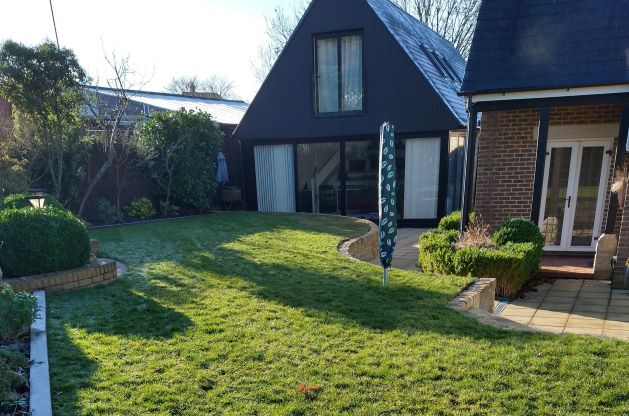
- 18 replies
-
- 1
-

-
- raised patio
- external steps
- (and 1 more)
-
Looks like some better quality stuff there, but a bit too pricey for me. Nice to see though.
-
Cheap sturdy vacuum cleaner for DIY cleanup
Radian replied to Gill's topic in General Self Build & DIY Discussion
Aldi usually do a 'shop vac' that has optional bags. ~£60 when I got mine a while back. -
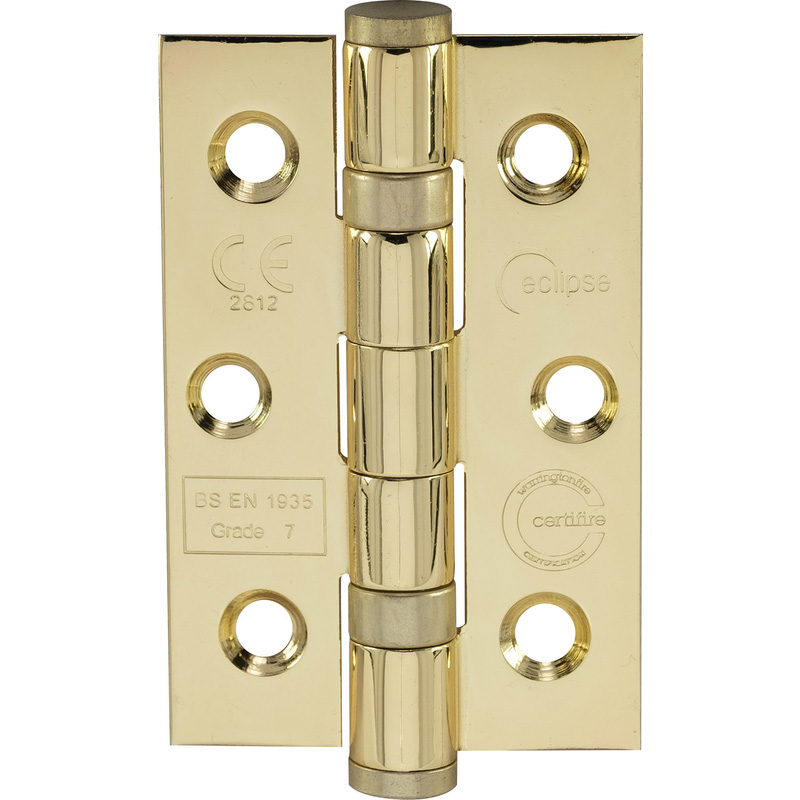
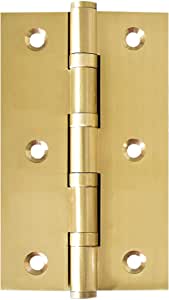
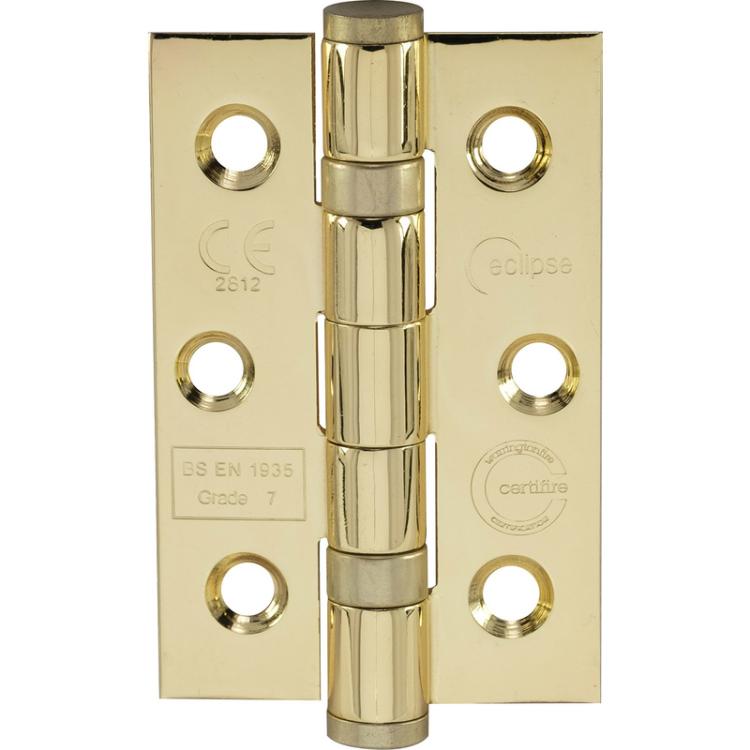
OK thanks, only TS seem to do the Eclipse ones in brass. Good point. Anyway, whatever I go for will be better than what's already there! I had a good look through Amazon but many seem to have very shallow countersinks with people complaining about it in reviews. The only one that looked any good was this one which works out at £2.75 per hinge:

-
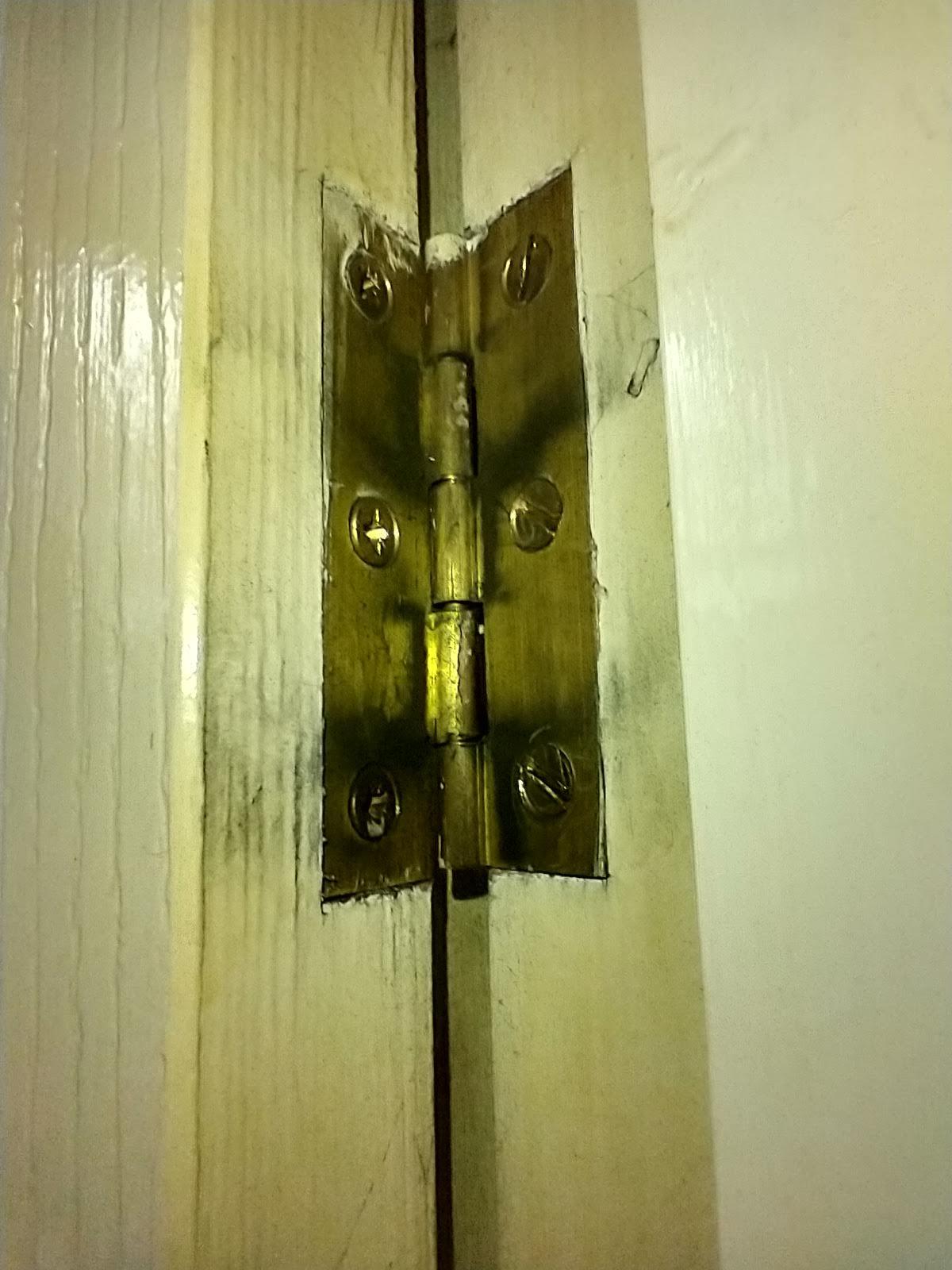
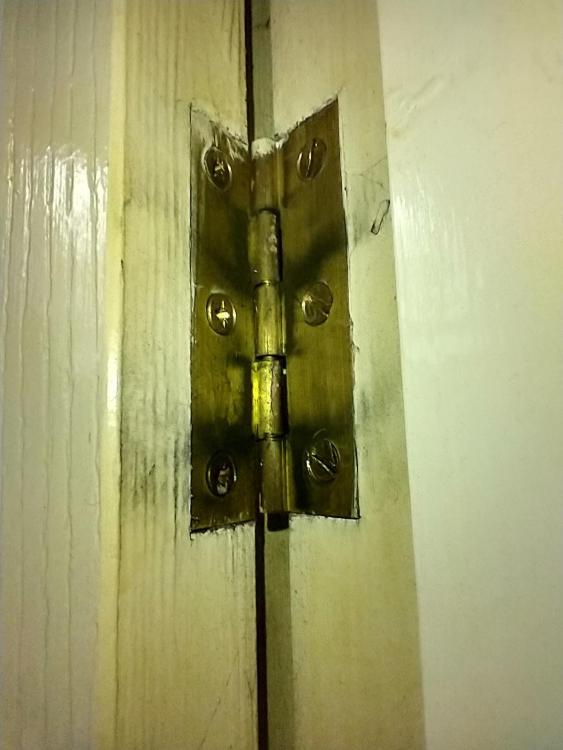
Our awful cheap butt hinges are all giving up after 25 years. So I'm looking at what to replace them with. Ball bearing hinges seem to be where its at but I notice very few have a ball race at every joint. Most have a race top & bottom like these from TS: I'd prefer each joint to be separated like these seem to be: Only problem is I can't actually find any. The Amazon listing that photo came from has people complaining false advertising as a plain hinge is what turns up. Anyone point me to a better hinge or are the SF and TS ones as good as it gets?
-
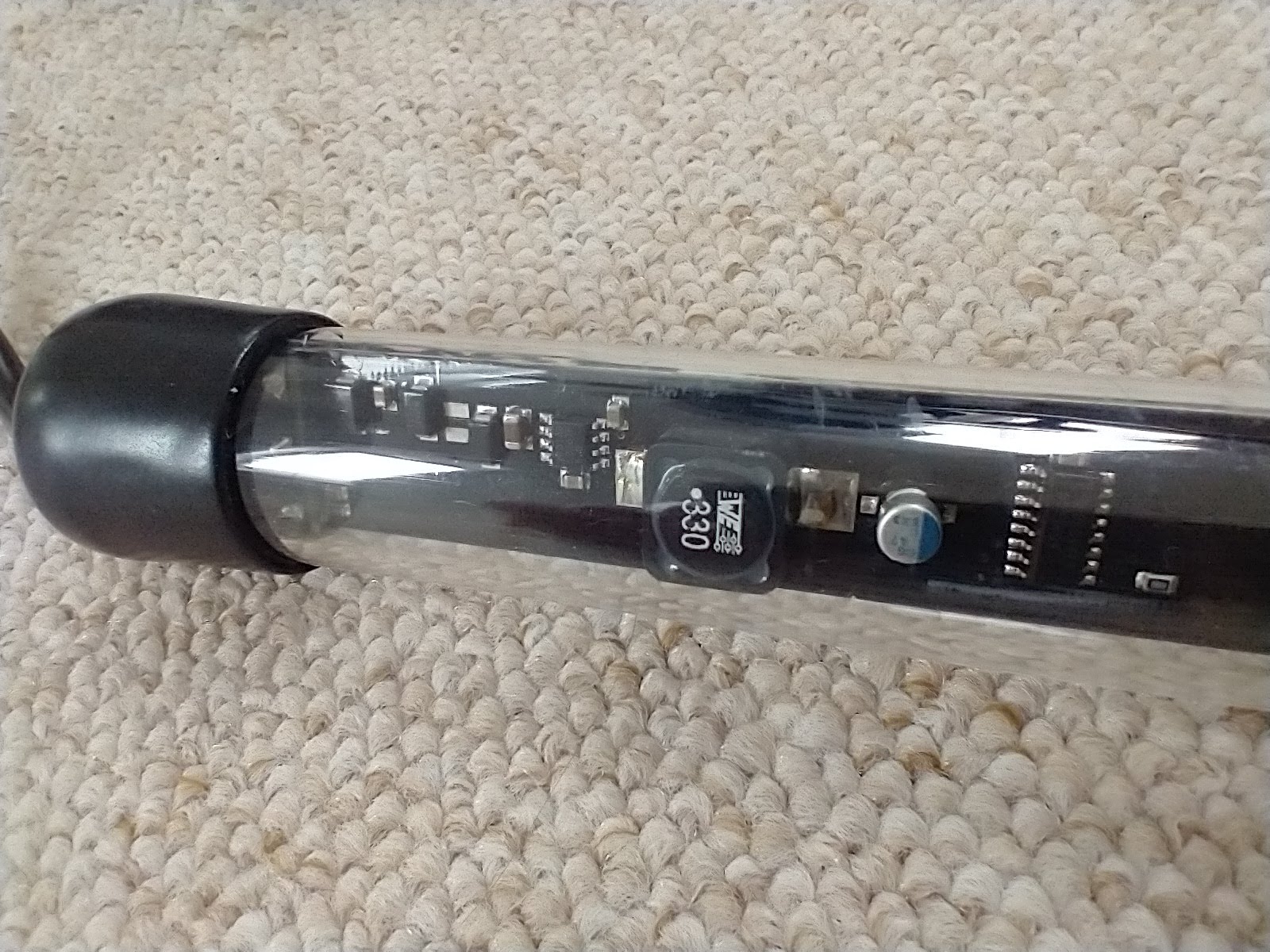
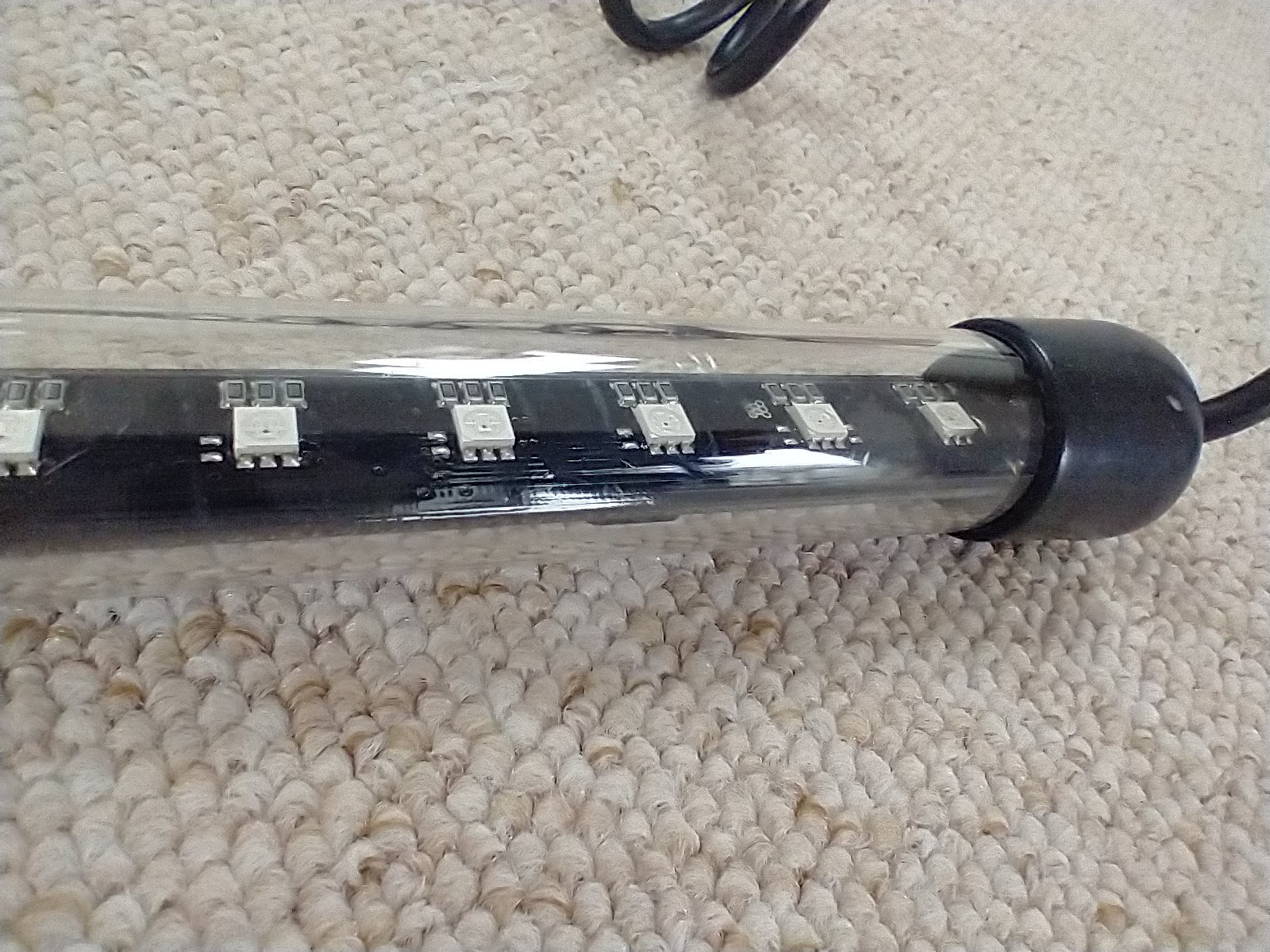
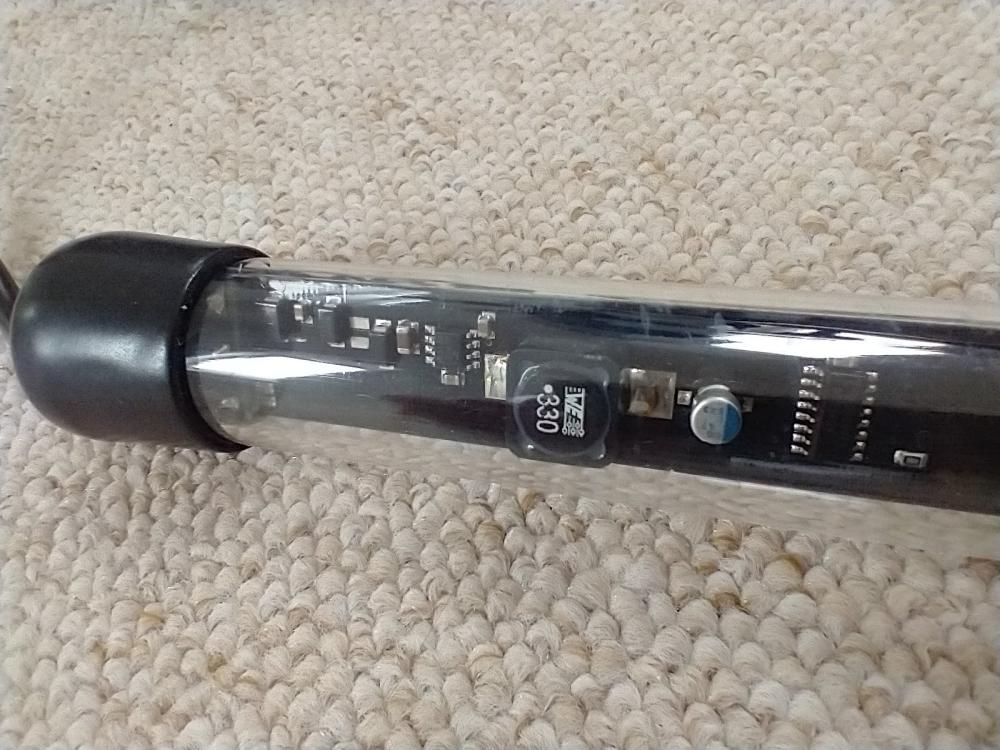
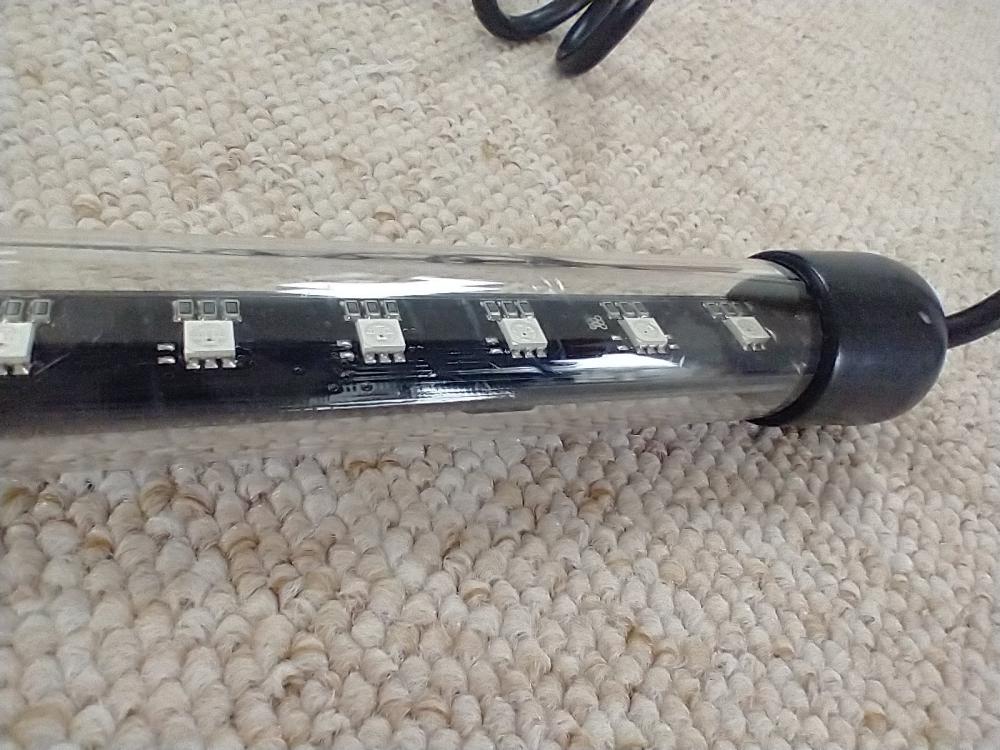
That's good. Condensation is an absolute PITA. Several of my products have microcontroller driven LED's in clear plastic tubes for use outdoors (under cars, yachts etc.) and despite going to great lengths to hermetically seal the end caps and cabling, the polycarbonate tubes themselves have a finite amount of hygroscopic absorption and repeated heating and cooling pumps water vapour through the plastic. Then because it's decoupled from the outside, once the temperature falls below the dew-point the vapour condenses into water droplets. That's not a good look on a PCB full of electronics. Because of the inevitability of this I've had to apply a good coat of mil-spec lacquer over all the electronics and just leave nature to do its thing. The good news is that the water never builds up. The self-heating of the electronics clears the vapour on average and some tubes I've had outdoors since 2003 still work fine with a few drops of water nearly always present.
-
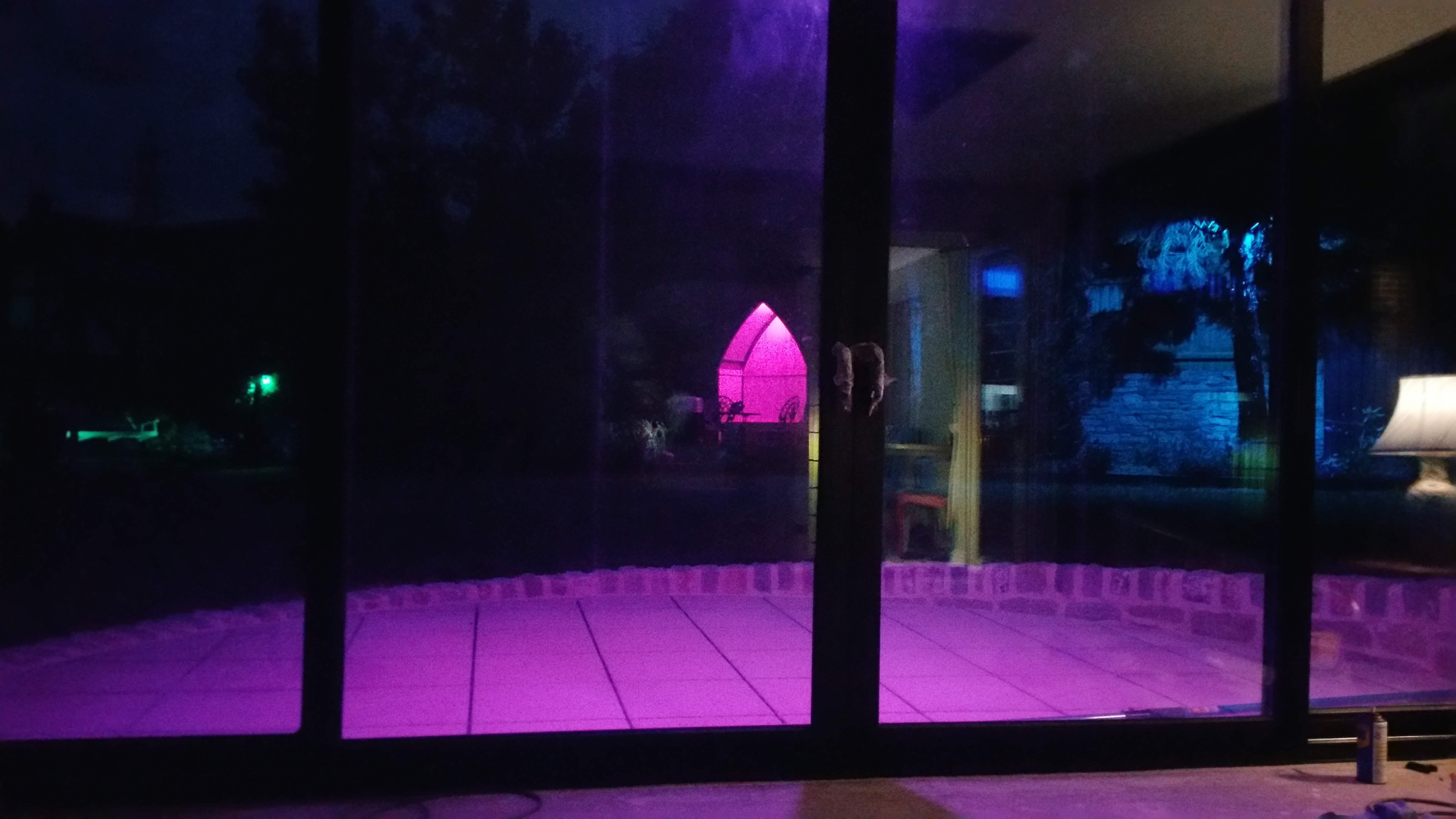
OK, yes, you're obviously mad. But how cool would that look? Tree ferns lit in green at night and with little plastic dinosaurs. Probably just increase the condensation though.😂
-
Less than or equal to the outside temperature and for the RH to be less than or equal to the outside air. Equal is your friend because it means all you need is to bring the outside air inside. To lower the RH would mean actively condensing the vapour i.e. a local cold spot sometimes AKA a dehumidifier. Or refrigerate the walls of the lightwell. It's all too complex because it needs power, and equipment, and somewhere to dump the condensate. How much simpler then to bore a bunch of freaking holes in the upstand 😆
-
Think about what we do with sheds to stop condensation wrecking our stuff... We leave big gaps for drafts. Same with cold lofts. Dissimilar air (RH and temperature) is what results in condensation. Having the same conditions on either side of the glass is key. Think about a freestanding sheet of glass outside. You wouldn't expect to see condensation form on it - except for when the weather changes from cold and dry to warm and damp. In this case there will be a short time before the glass warms up when it's below the prevailing dew point and vapour in the air condenses on it. The faster it reaches the same temperature the less condensation risk there is. This is why you need to ventilate the light well to the outside. If your walk-on glazing was triple glazed and your light well insulated then your inside window could be left open and no condensation would form on the underside of the walk on glazing. But you didn't build it like that.
-
No. That will probably make it worse. As I said earlier it's outside air that you need in the light well so the same air is on both sides of the walk-on glass. If you could control the temperature and RH of the trapped air to an extent such as to always keep its dew point below the outside temperature you'll be some way to eliminating the condensation but it would take some serious engineering/expense.
-
No, your light well has a fair volume of air in it. That air needs to be at the same temperature and humidity as the outside air. If you 'extract' it what will take it's place?
-
But unless hermetically sealed above it will just pull more outside air into the space. If it was hermetically sealed then it would be exchanging inside air which would be even worse in terms of dew point.
-
As you've already identified, this is the root of the problem - whatever vapor content the trapped air has will condense out once the inside face of the glass drops below the dew point. The delay between the mixing of the internal and external air is what causes this to be a problem so ventilating it to the outside to increase the rate of mixing is the most effective solution. If you're triple glazed below, what's the issue with getting cross-ventilation into the space?
-
Shower tray cracked around where the trap is
Radian replied to Question's topic in Bathrooms, Ensuites & Wetrooms
Does it suggest that the bottom of the trap was 'grounding' on something below such that the trap couldn't go up and down with the tray as people's weight was put on it? -
ASHP turning out to be very expensive
Radian replied to Venkat Rangala's topic in Other Heating Systems
A 12m x 6m 4-bed detached house might have a total external interface area of 324m2. If 90kWh was needed to be input every day to maintain a 20oC indoor/outdoor delta, it would imply an average U-Value of 0.58W/(m²K) which would be consistent with something built to late 20th century building regs. But it's highly dependent on the airtightness and actual levels of insulation achieved. -
The one thing you regret not doing
Radian replied to Pocster's topic in General Self Build & DIY Discussion
Warm roof on our garage room-in-roof + extension. Almost impossible to balls-up the insulation with that. At the time it seemed to add too much to the cost given the 190m2 roof surface area. But it's only really the cost of the OSB, and ultimately less labour given what a faff is involved in cutting lots of strips of PIR and jamming them between the rafters. -
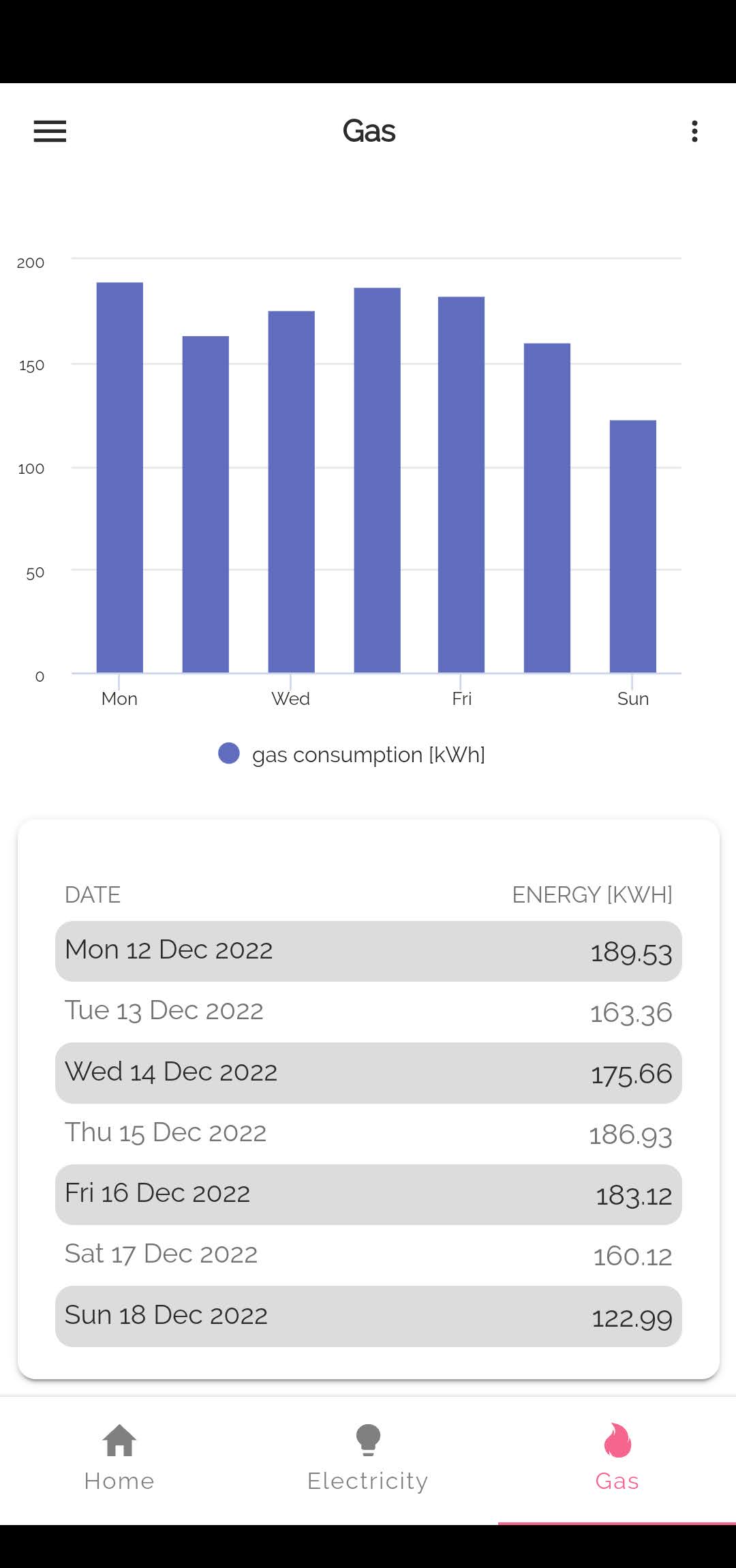
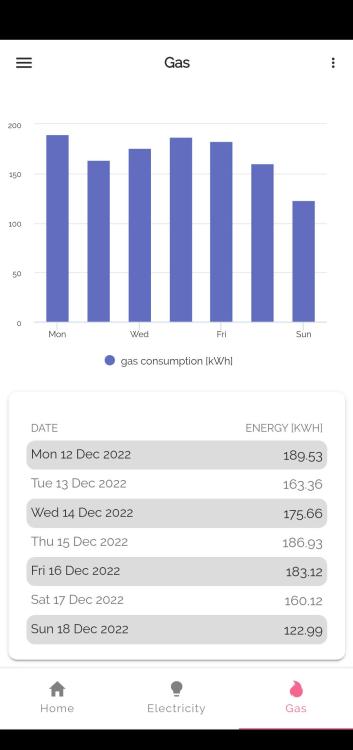
Can you 'range rate' your gas boiler? Most seem to have this facility somewhere in the installer menu - even my 15 year old Glowworm has it. How low you can go depends on the modulation ratio for your model. Mine is a 30kW boiler and only has a 3:1 modulation ratio but it still lets me 'try out' a 10kW heat source (minus a bit for calorific conversion). I've dropped my flow to 50oC and am slowly lowering the range rating. Currently at 15kW. You'll understand why I'm going cautiously if you compare my Bright data with yours 😆
-
Since getting a couple of Daikin A2As installed in our grown-ups play rooms, looking back at our highest energy use, 12 December was our coldest day at an average of -2oC. On that day our two 'as advertised' 3.5kW heating units gobbled around 10kWh hours of leccy between them keeping 60m2 of space heated to between 17oC and 19oC (night/day). That's therefore, in very broad terms, replacing the calculated fabric loss of roughly 2kW (48kWh/day) with a COP of 4.8 Incidentally, this space has a not insignificant (25m2) of glazing to contend with. @SteamyTea would probably say that £3.40 is a bargain for enough energy to keep these rooms usable. All the same, I'm just thankful such cold days are a rarity here. However, getting a COP of nearly 5 does make it a practical proposition compared with the previous year when we just didn't use the space in the winter.
-
I haven't got around to accurately logging the power use against indoor/outdoor temperatures and known losses to check the published data. But honestly, from the power consumption alone (compared to the resistive heating I was previously using) it's still like a miracle to me that you can do comfortable space heating for so little energy input. But now I've been reminded I'll make it a priority logging task before the heating season is over.