
Radian
-
Posts
2586 -
Joined
-
Last visited
-
Days Won
15
Everything posted by Radian
-
No! That's the really weird bit. They do work regularly for the slightest bit of burnt toast. The 'smoke' wasn't like that kind of smoke in that it seems to have been vaporised fat. The joint had a big layer of fat on top and that had completely melted. However, the PM2.5 monitor in the garden room instantly went nuts - which reminds me to trigger a notification at something like >200 ppm
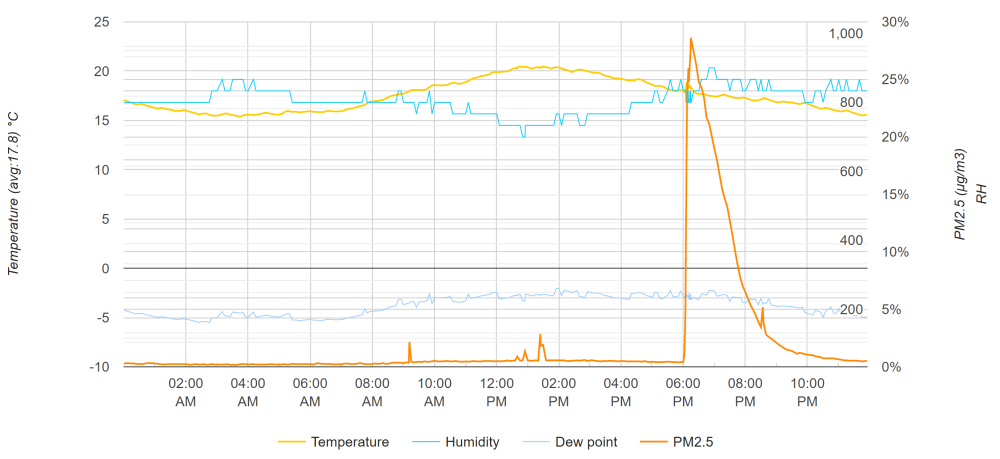
-
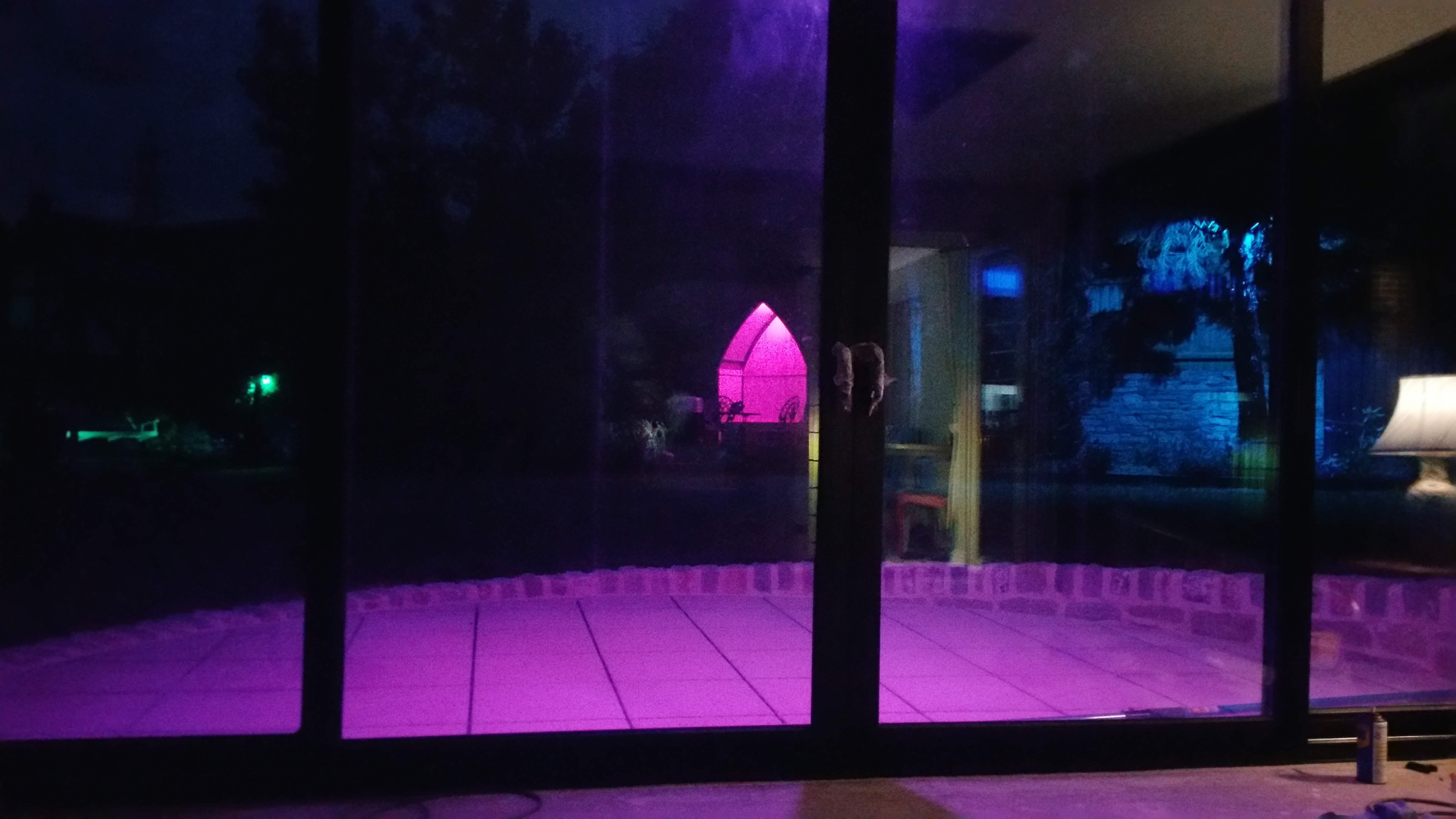
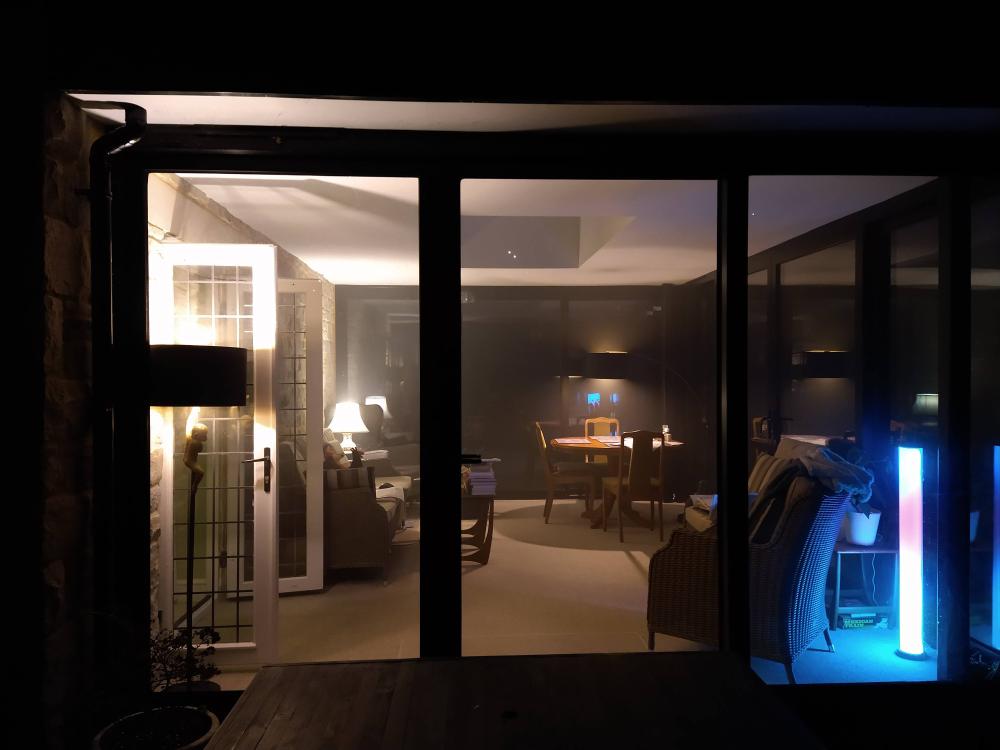
The oven was accidentally set a little high and left to cook a beef joint. This was the garden room adjoining the kitchen a while after we opened all the doors and windows. 🤣 I guess the filters might need cleaning?
-

Anyone can make a mistake. But how many is too many?
Radian replied to ToughButterCup's topic in Power Circuits
It's why we have the "maintenance free connector". Screw terminals are not in this class. Another related gotcha is tinning stranded wire. Some people think it's a good idea to apply solder to the stripped ends of the strands in order to tame them before tightening the screw holding the wire in a terminal block. It certainly looks neater but invariably the wire will eventually work loose. This is because the softer alloy solder gives under the pressure of the screw and is so malleable it can readily loose that contact pressure over time. But copper is only a bit less ductile so the same also applies only over longer time-scales. There is also a very subtle electromagnetic effect from the constant alternation of current that can result in minute mechanical forces acting on the conductors so, in addition to thermal stresses, even fixed installation wiring be less fixed than you might think it would be. -
Anyone can make a mistake. But how many is too many?
Radian replied to ToughButterCup's topic in Power Circuits
Last year I got called out to our rental property about a funny electrical smell first thing in the morning. Tumble dryer (10A), kettle (12A), and toaster (8A) had all been on at the same time. They'd also used the microwave (5A) but couldn't remember if it overlapped use of the kettle. It's simply all too easy to innocently rack up well over 30A on a ring final. There's a good reason we do impedance checks, the theoretical current carrying capacity of 2.5mm2 cable can be diminished in numerous ways once installed and in service (although it never, ever, goes up). In a radial it would be protected at 16A and nothing's realistically going to come to harm with that. OTOH as part of a ring final, any snags with less than perfect junctions or wire condition (trapped or stretched) can suddenly rear their ugly heads as a consequence of a less severe problem cropping up. The test to establish a broken ring is easy once you've been alerted to the failure but actually locating the offending socket isn't anywhere near so trivial. Unhooking both ends of the ring and continuity testing out to each socket is easy in theory, but in practice you need to know the layout and where every socket is located. Naturally this one, underneath a dresser in an upstairs bedroom, didn't have anything plugged in but a terminal screw was loose. -
Anyone can make a mistake. But how many is too many?
Radian replied to ToughButterCup's topic in Power Circuits
And then you go on to say Because you can protect a radial cable with a MCB of the appropriate current rating you can have as many socket as you like, as long as it's in an area not exceeding 50 square metres (IIRC). This should allow you to meet the requirement of lots of low consumption devices. -
Anyone can make a mistake. But how many is too many?
Radian replied to ToughButterCup's topic in Power Circuits
I wish I was better at explaining. Perhaps this article on the TLC-Direct website might do a better job. This picture from there should help: They arbitrarily chose to show a break just after the first socket to the right of the 30A breaker but of course it could be anywhere. But you should be able to see how up to twice the expected current might end up in the cable if a fault develops. The big fail is that users may be blissfully unaware of the problem. In practice one socket (the one with a loose terminal) is very likely not to work but it doesn't necessarily even have anything plugged in to it.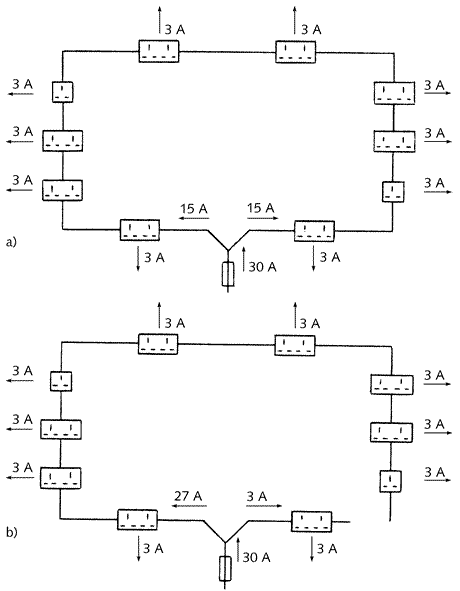
-
Thermal bridge of vertical metalwork
Radian replied to MattMiller's topic in House Extensions & Conservatories
Only had M$ paint to hand 😂 but,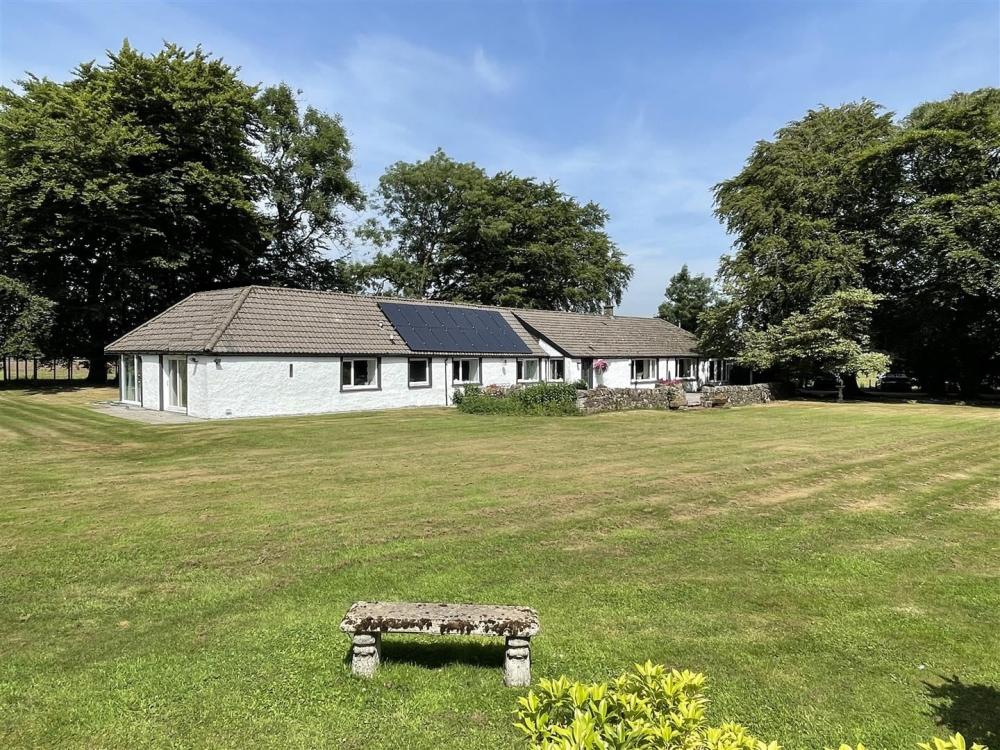
-
Thermal bridge of vertical metalwork
Radian replied to MattMiller's topic in House Extensions & Conservatories
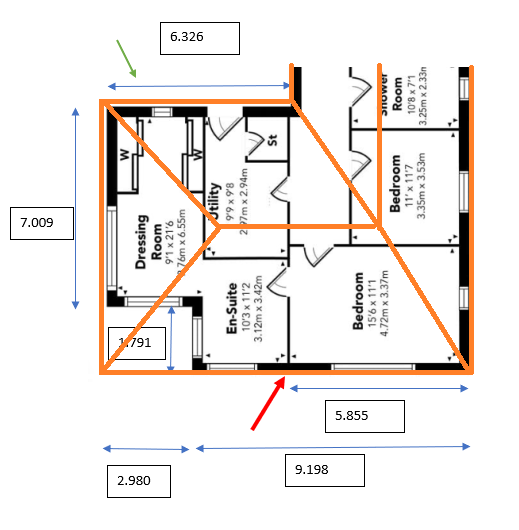
Looking at the agent's photos you linked to, the language of your property permits the use of shallow pitched roofs: This may help inform a suitable design. Harmonising the hipped edge section over the bedroom with its lower soffit level is one of the main challenges. By the looks of it though, the soffit line might just continue along forming a slight brow over the glazing (which is set back a little way). The pitch of this roof section would have to drop sufficiently to span the extension which is getting on for 9m! I estimate the pitch would have to be 33o on these three new planes: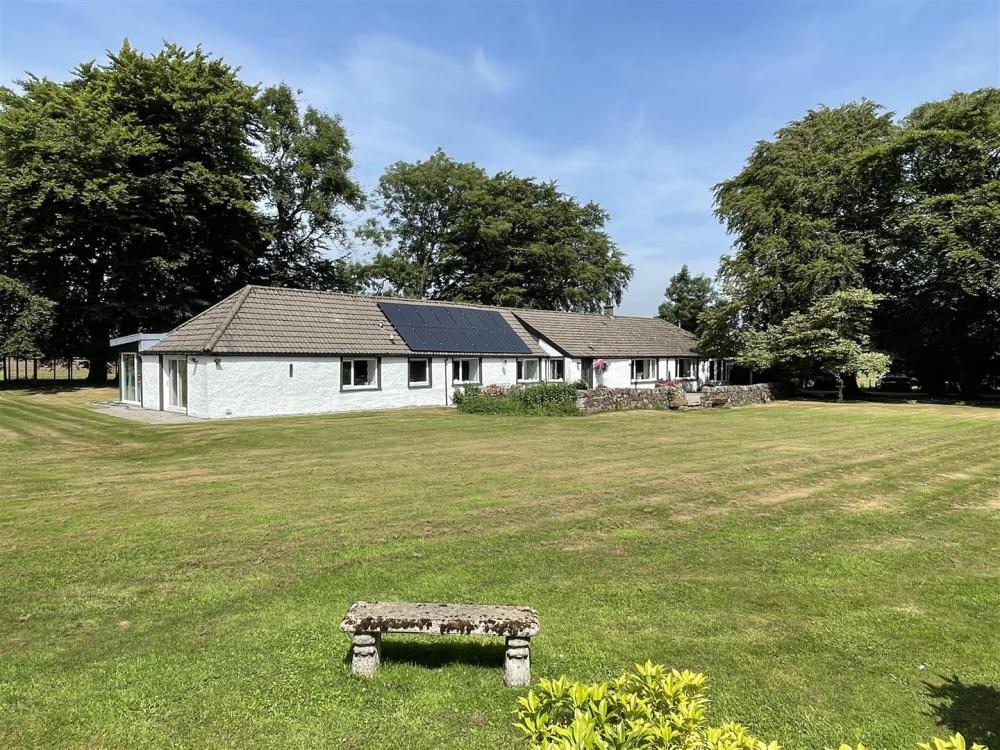

-
You've got to be very careful. HMRC are very good at weaselling out of this. A quote from admin on HMRC Customer forums
-
Anyone can make a mistake. But how many is too many?
Radian replied to ToughButterCup's topic in Power Circuits
To begin with you have to wonder why ring finals are peculiar to the UK. Their origins go back to their introduction circa 1942–1947 and the materials shortages of the time. It was a crafty trick to effectively get more current through less copper wire. It makes it possible to supply twice the safe current carrying capacity of the cable to any given set of loads on the circuit due to current being shared across two cables: Topologically, every socket is being fed by two paralleled cables. Except when it isn't. If a screw works loose somewhere in the circuit, the ring can be broken - yet you might not know it as there may still be an intact connection to every socket from one direction. Now the ring becomes two radials but sod's law states that the tumble dryer, kettle and toaster all huddle together at one end of the break. And then the burning smell isn't necessarily the toast. A radial will have an MCB rated for the safe current carrying capacity of the cable it feeds and at no time can the cable be stressed beyond that limit. A ring final may become inadequately protected due to a (relatively common) defect. -
Solar PV + battery installed together attract no VAT. Otherwise they will be subject to the standard 20% VAT rate
-
Unfortunately it's almost impossible to say without understanding the exact construction and layout i.e. surface area of external walls and it will also depend on the occupancy levels in adjoining flats. The bedroom with open space below is a particular concern. Is this room noticeably colder than others?
-
Flat roof top coat EPDM, GRP, Liquid Polyurethane?
Radian replied to Warrentdo's topic in Flat Roofs
Having patched up GRP boats and cars, it strikes me that it could be more successfully repaired than the other options as well? -
Interesting that they do them in white. If performance trumps appearance then these would be desirable on a room-in-roof situation. Would look kind of strange though 🤍
-
I hope you realise you will have to pay the full rate of VAT on them if you don't get them installed along with the rest of the system.
-
Anyone can make a mistake. But how many is too many?
Radian replied to ToughButterCup's topic in Power Circuits
It wouldn't make any difference if was a ring or radial. I don't know why anyone would opt for a ring final. A work of the devil IMHO. 👿 -
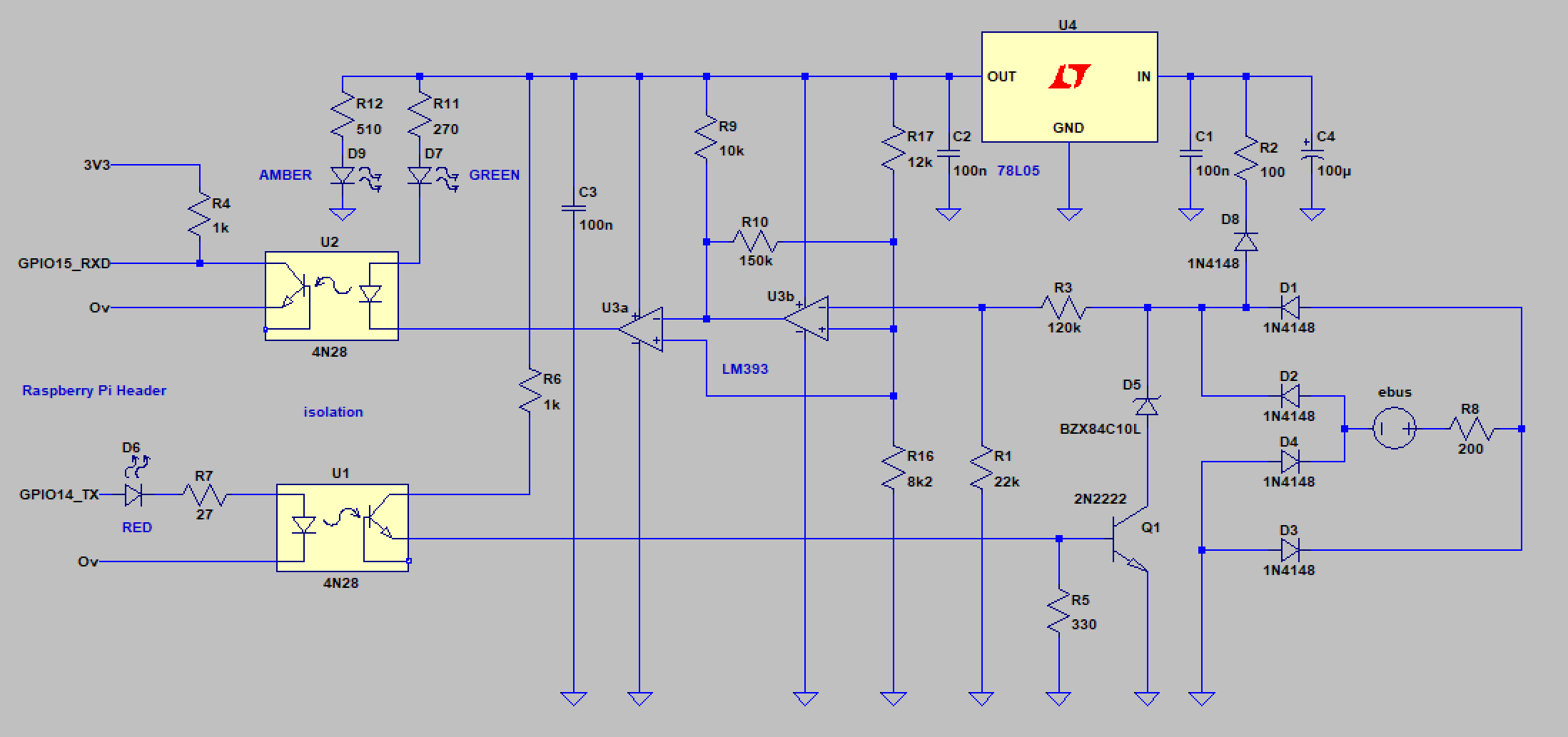
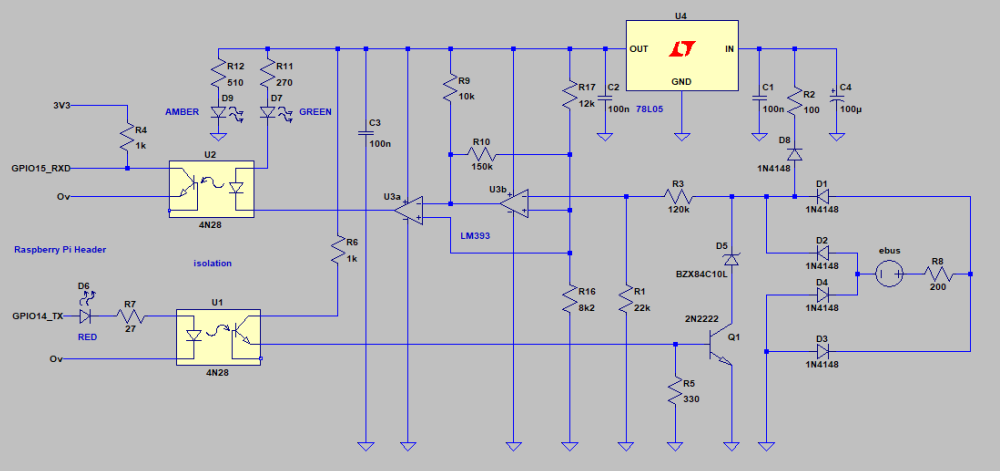
Schematic for my electrically isolated Raspberry Pi to ebus adaptor:
-
The connection was a little circuit I knocked-up myself but there are ready made ones I believe. Not sure if they're still obtainable because they were enthusiasts that made and sold them in small quantities. I can provide a schematic if you're into building circuits though. As for finding registers, the daemon can be configured to scan the bus for known systems and load in files that are referenced for reading/writing the various registers. The handful of manufacturers that use ebus seem to be quite well represented, Vaillant being the most common. ASHP and gas boilers are available.
-
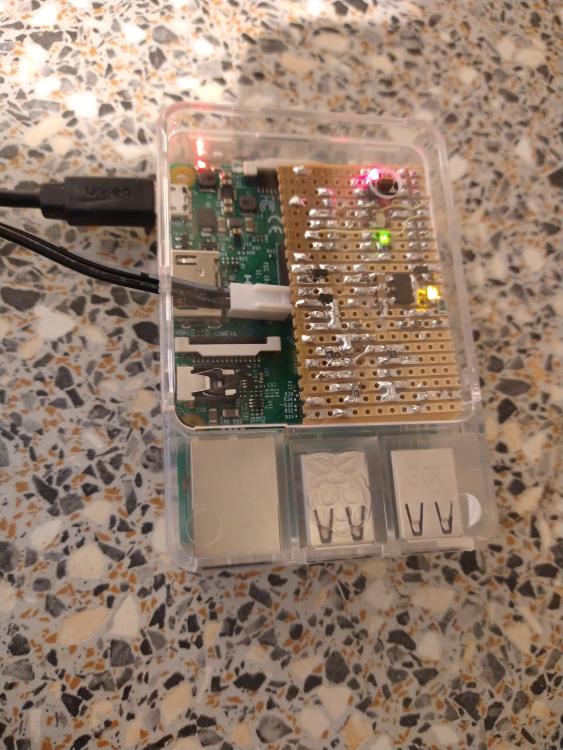
Seeing as this is a 'keeper' for now, I've got it a little plastic box: I noticed that one of the energy registers had max'd out at the highest integer for a 32bit number pi@ebusd:~ $ ebusctl find energy bai PrEnergyCountHc1 = 16381091 bai PrEnergyCountHc2 = 0 bai PrEnergyCountHc3 = 0 bai PrEnergyCountHwc1 = 12146 bai PrEnergyCountHwc2 = 0 bai PrEnergyCountHwc3 = 0 bai PrEnergySumHc1 = 4294967294 bai PrEnergySumHc2 = 0 bai PrEnergySumHc3 = 0 bai PrEnergySumHwc1 = 2937924 bai PrEnergySumHwc2 = 0 bai PrEnergySumHwc3 = 0 4294967294 is a big number. It's not kWh but some factor times it. Looks like they never tested the code for overflow as they seem to have lined up three registers for it. And as to why there are counts in hot water (this is a heat only boiler) who knows. Maybe I'll know now though. Using the write function like this for each register: ebusctl write -c bai PrEnergySumHc1 0 Has reset them to zero: pi@ebusd:~ $ ebusctl find energy bai PrEnergyCountHc1 = 0 bai PrEnergyCountHc2 = 0 bai PrEnergyCountHc3 = 0 bai PrEnergyCountHwc1 = 0 bai PrEnergyCountHwc2 = 0 bai PrEnergyCountHwc3 = 0 bai PrEnergySumHc1 = 0 bai PrEnergySumHc2 = 0 bai PrEnergySumHc3 = 0 bai PrEnergySumHwc1 = 0 bai PrEnergySumHwc2 = 0 bai PrEnergySumHwc3 = 0
-
Which set point are they talking about?
Radian replied to Radian's topic in Boilers & Hot Water Tanks
Take a look at my zombie boiler topic 😃 -
Which set point are they talking about?
Radian replied to Radian's topic in Boilers & Hot Water Tanks
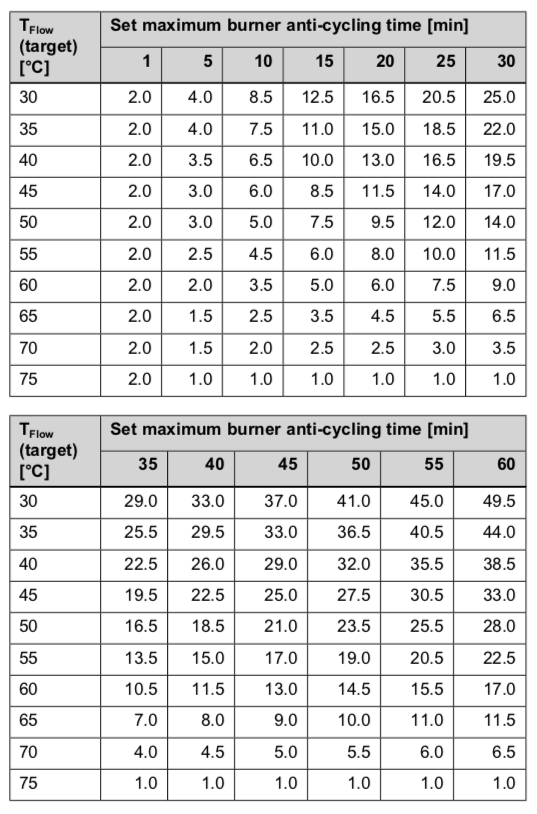
Vaillant say "If you are an engineer, the maximum anti-cycling time can be adjusted under the setting D.002 using the following table to produce the desired lockout time." reading the parameter D.002 that I already thought was the right one I see: bai BlockTimeHcMax minutes0=20 min [max. burner anti cycling period at 20°C Flow temperature setpoint] d.02 Which is why I expected 20 minutes but that's for a 20oC flow setpoint. This table sort of explains why I'm only getting something like 2 minutes as the setpoint at the time was 66oC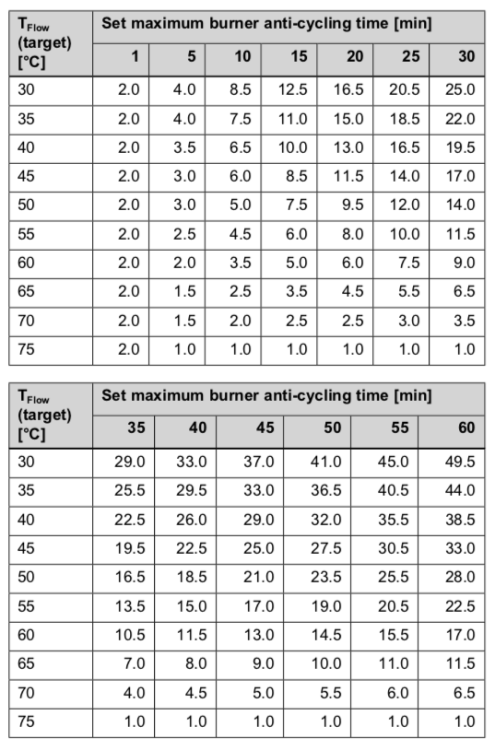
-
Thermal bridge of vertical metalwork
Radian replied to MattMiller's topic in House Extensions & Conservatories
You have to consider the best solution for the most important issue which is the roof of the extension. It needs at least 200mm of rigid or 400mm of fibre insulation and to make it 100% effective it needs to be continuous on the outside of the structure. To do this with a flat roof means adding 200mm to the top of the existing roof. Insulation between rafters won't cut it as you'll be recreating a cold roof with all the ventilation and efficiency problems. For this reason you need to consider an apex roof which will provide enough room for you to build it up as a warm roof (or decently insulated cold roof). You can de-construct the sloping section of the original roof over the bedroom and carry the slope along to cover the extension. You could 'fly' the roof over the cutaway corner to make a little covered area (corner post or cantilevered) if you don't want to extend out into the corner. You can do a cross hip roof (adapt this example picture to suit)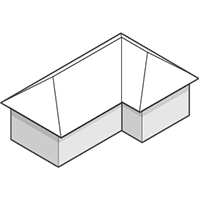
-
65m2 served by 3.5kW in a new-build is a bit troubling. Yes it could be practical if sufficient insulation was used in construction - but it might only be if the as-built performance matches the as-designed. This is rarely the case unless the build was well supervised. Then a number of other factors become relevant. The flow rate established by the circulating pump and the amount of domestic hot water used in the property are two things off the top of my head. But first I think you need a full heat-loss calculation for the property. Is there any documentation to this effect in your handover pack?
-
I don't want to get a reputation for being a zealot about A2A, so I'll say some bad things about them for a change: The colours of the outdoor units aren't very pretty and they can look a bit 'downtown Shanghai' on the outside of a building. But seriously, they're not ideal if you need 6-8 indoor units to serve lots of separate rooms (as you've already surmised). However, having recently installed a couple to heat two largish rooms in a new extension over two floors, with intermittent occupancy, I really can't imagine a better solution. In fact, every time I make use of them I can't help but wonder how I could use them to heat our main house. The reason being the speed they heat a space and the tiny amount of energy they use to do it. But I keep coming up against the roadblock of having separate rooms rather than large open-plan spaces. What I am considering is a single A/C unit at the top of a central, vaulted stairway/hall. This space could do with responsive heating in the winter and cooling in the summer and doesn't present any comfort issues with breezes. I've got to work out how much of the gas central heating it would offset to make sure it would make economic sense. But I think a hybrid system such as this should be at the back of everybody's mind.
-
That's quite surprising. I had guessed it was going to be set to 55oC. Is it 10mm pipework back to a manifold for each radiator?