
Radian
-
Posts
2586 -
Joined
-
Last visited
-
Days Won
15
Everything posted by Radian
-
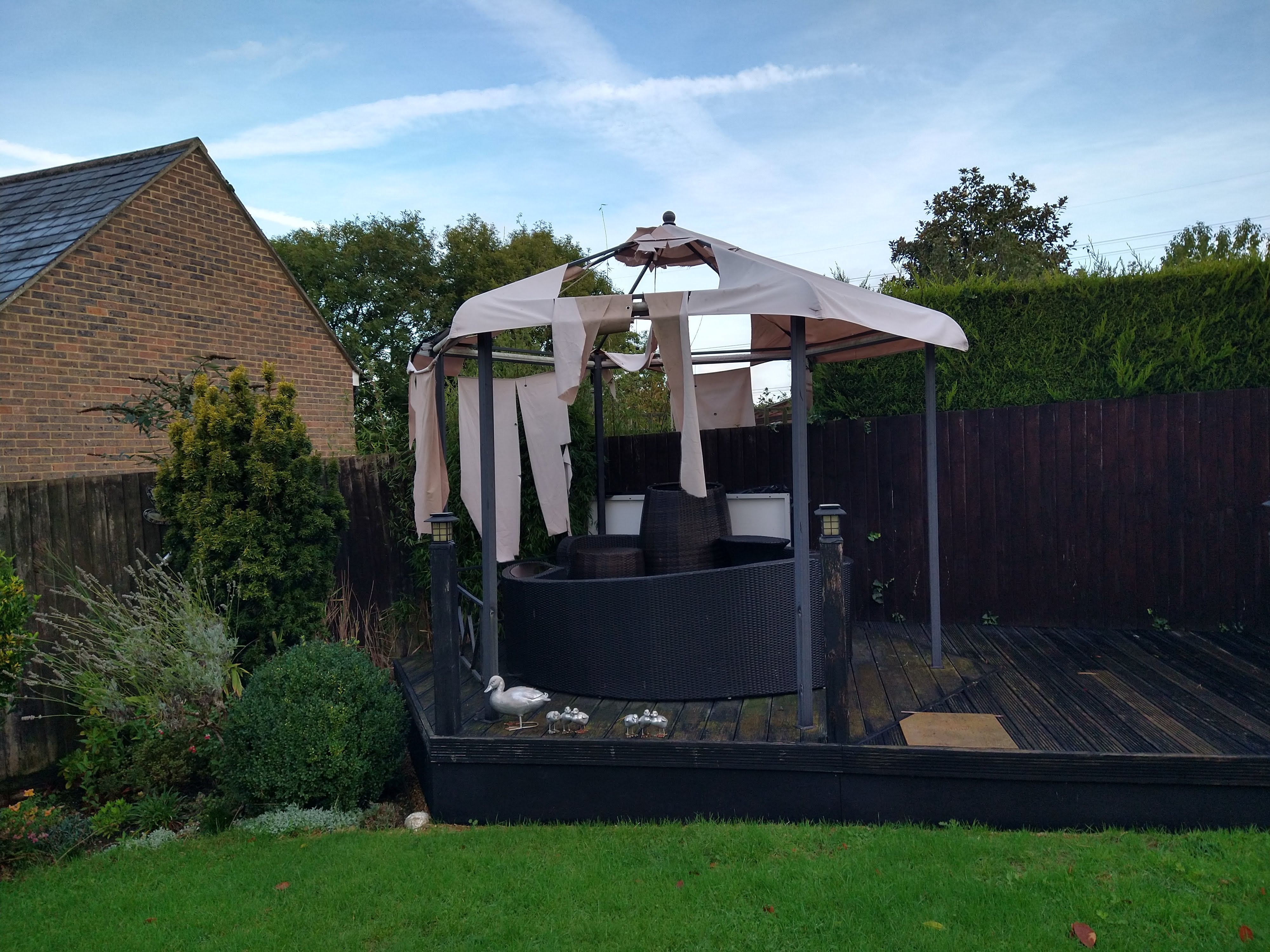
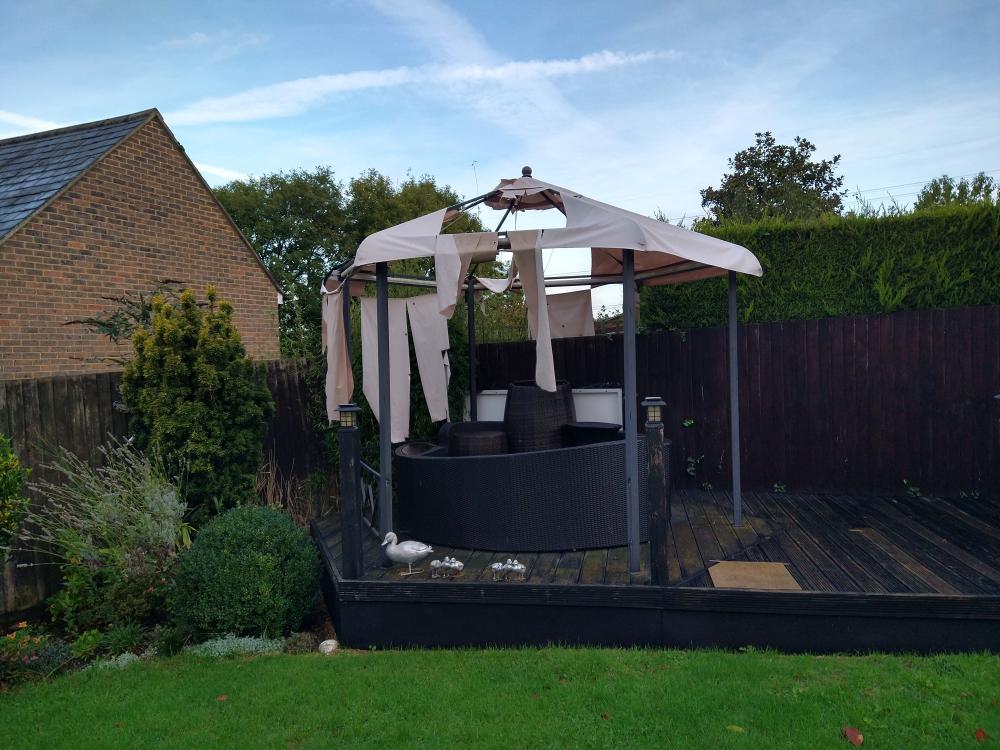
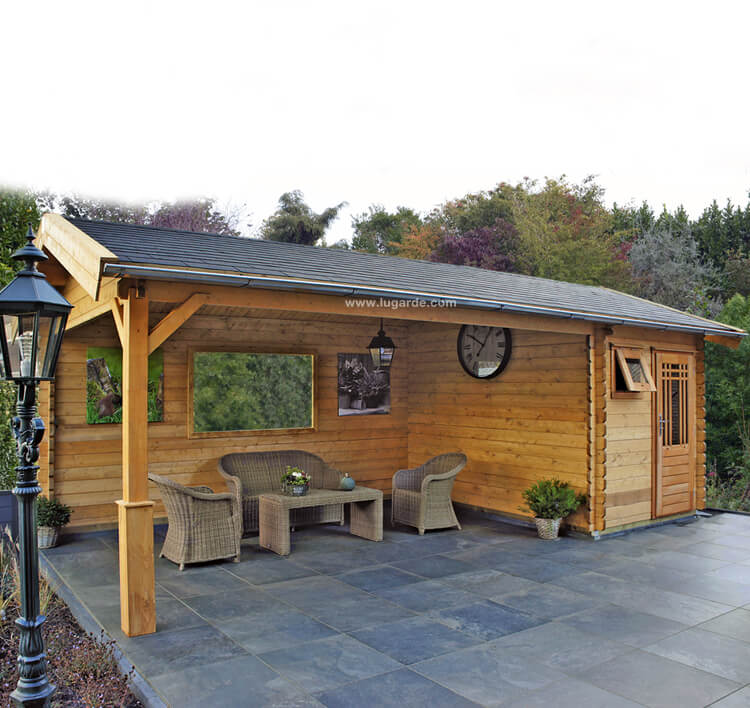
Our South facing deck is knackered and die Gazebo ist kaput: That little square of plywood is there so you don't put your feet though the deck when climbing from the lawn onto the gazebo area. I built the deck a long time ago and extended it with the hexagonal bit for the gazebo. The whole deck is just over 10m long and 3.3m wide and is as rotten as a peach. I'm thinking of rebuilding it and putting something like this on top: The roof can then support a few solar PV modules. The other end of the deck already has a structure on it so this would only take up half of it. If I use 150mm posts for the uprights and three 4.8m x 0.2m x 0.05m joists for the roof laterals (front, rear and ridge) that should be strong enough, shouldn't it? Can you buy these kind of 'logs' with the rounded ends and slots pre-cut?
-
-
Are those reviews relating how long the acrylic lasts for? Usually people don't come back with that kind of review a couple of years down the line. When I go to all the trouble of prepping, I want the job to last!
-
No, I2R losses will make the opposite true. You still seem to think the power has to go 'somewhere'. It doesn't. If you take the DC leads from a PV module and short them together, no appreciable power will flow. Plenty of current, but no volts and no watts. 10A times 0V is 0W. Leave the panel unconnected and there's plenty of volts, but no amps and no watts. This is because power in watts (W) is the product of volts (V) times amps (A). This should help to get across the idea of potential energy.
-
As does powering a NUC. I went to some trouble and expense getting a fridge that draws under 10W. Realistically a NUC is going to draw a lot more than that.
-
£2 a tube should be telling you something when the others mentioned here go up to £14!
-
The only thing I can really add to this conversation is that I still think most reliability problems stem from the power supply. By comparison with the SMPS used in desktop and laptop PC's, there's precious little charge storage in both the Pi and the AC adaptor used to power it (including the official ones). This is why even using an AC UPS is of limited benefit. Since powering my mission critical Pi's from DC-DC convertors connected to a 12V SLA on trickle charge, I seem to have resolved my reliability problems. I do however use a Netgear NAS for database and other frequent data writes. Keeping a .ISO clone of the SD card in each one and taping it to the enclosure is, of course, a no-brainer. And SD cards are highly variable in quality. Everyone seems to have their favourite. Mine's the Sandisk Extreme Pro.
-
Everbuild Puraflex 40 is an example of a hybrid polyurethane sealant which has a lot of stretch and is paintable. There are also products known as Modified Silicone that have the benefits of both systems. i.e. paintable, workable and stretchable. Soudal Fixall and Everbuild Stixall are two examples. I would advise anyone to grab a few different types and test them out to see which you're most happy with.
-

can I "extend" my boiler flue?
Radian replied to johnhenstock83's topic in Boilers & Hot Water Tanks
First, what kind of boiler? Combi? System or Heat-only? And how many kW? This will all be stated in the manual. -
Yes, 20o from horizontal is flat enough to get some direct irradiation in the summer. Even in the winter there's a small amount of power from indirect illumination typically from cloud bounce. It's called potential energy for a reason, i.e. no power is transferred without a load. Just as you electricity meter doesn't 'spin' when nothing's plugged in to your sockets.
-
Looks like a good destination for a evening outing. Cheers! Actually have some reasonable pubs around the place but none within walking distance... as defined by how long my bladder will hold out 🤣
-
Octopus Energy website down?
Radian replied to ProDave's topic in General Self Build & DIY Discussion
Working again now -
Octopus Energy website down?
Radian replied to ProDave's topic in General Self Build & DIY Discussion
Repeat offence, they should know how to fix it quickly.😃 -
Octopus Energy website down?
Radian replied to ProDave's topic in General Self Build & DIY Discussion
Unlikely. Hackers usually put up something of their own instead but this comes off their server with 404 status. -
Octopus Energy website down?
Radian replied to ProDave's topic in General Self Build & DIY Discussion
seems to have been spotted on twitter -
Stupid question: is a towel-warmer enough?
Radian replied to Garald's topic in Central Heating (Radiators)
Depends. If you follow the fashion for shiny chrome radiators that people seem to love, covering it in towels may actually make it into a more effective heat emitter. 🙄 -
Correct
-
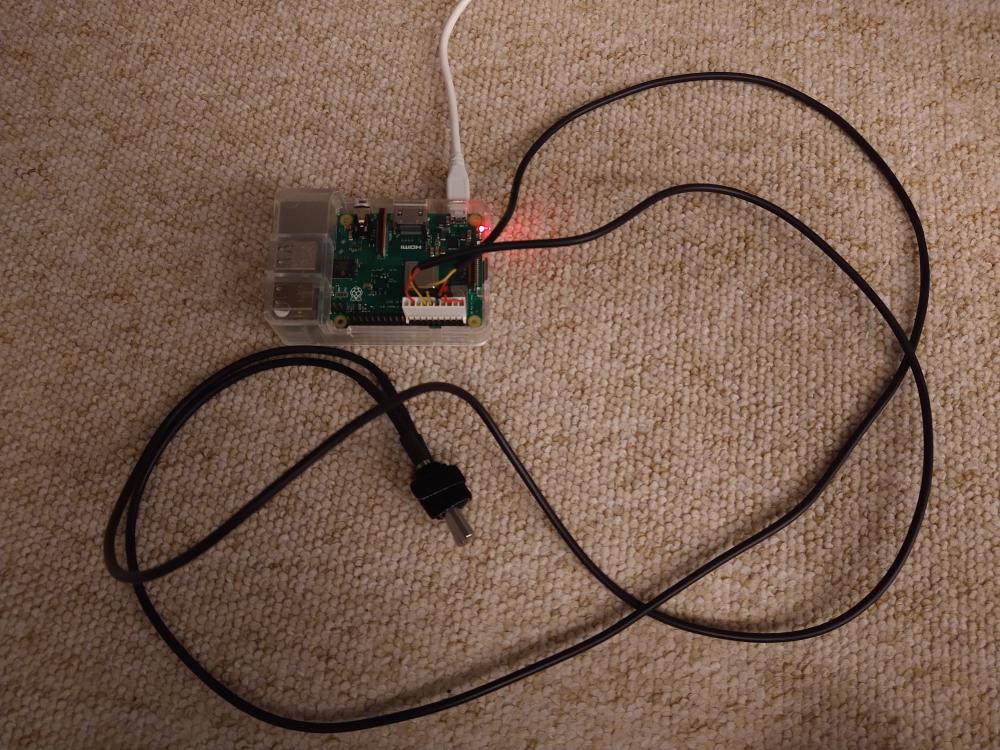
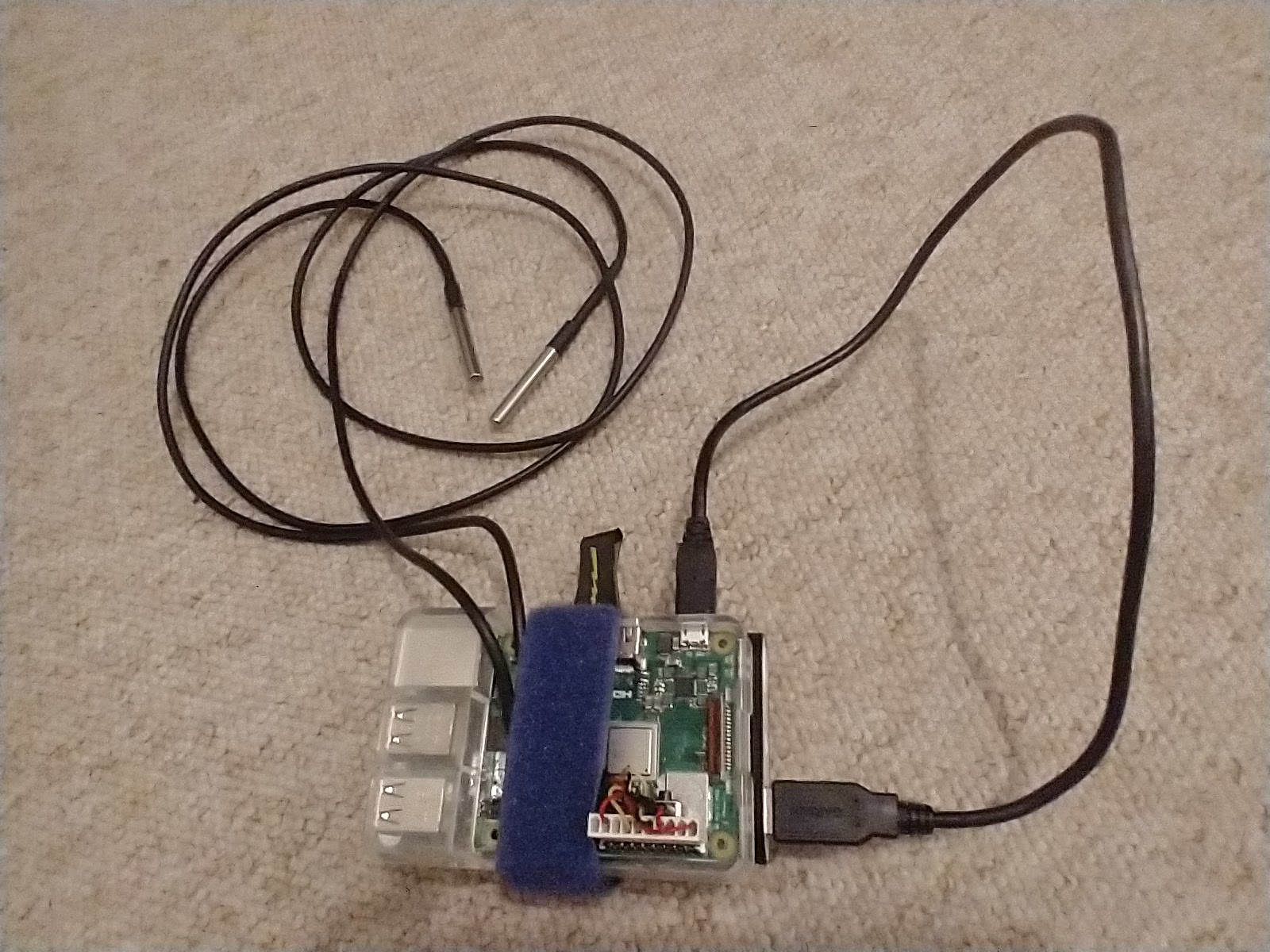
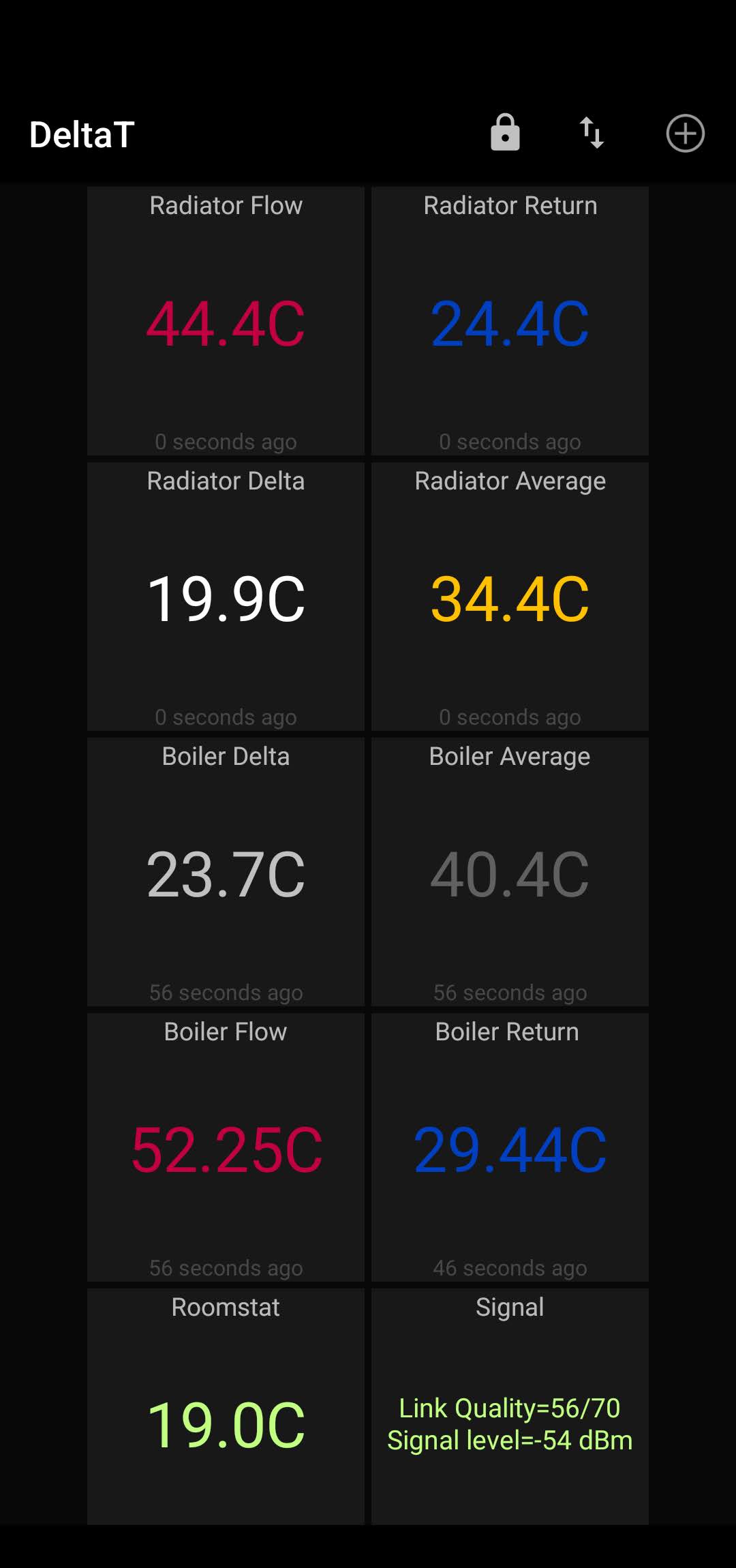
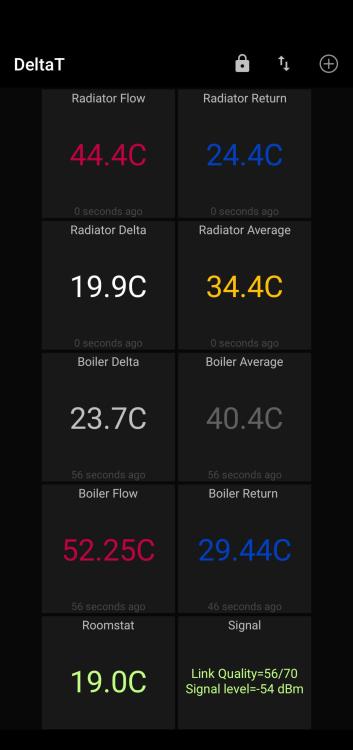
I've always used the rough-and-ready technique of starting with the closest rad to the boiler and setting its lock-shied to a quarter turn or so, then gradually increasing on that for subsequent rads in the system - out to the furthest one - ending at a couple of turns or so. Seems a bit unscientific, so I thought I'd be clever and make me a fancy, internet connected, differential measurement kit: This merges the live temperature readings with some handy data from the boiler etc. and pings them up to my phone for display. The screenshot was the first quick test on a nearby radiator. Great I thought! Looks super useful. Until, that is, I tried to use it. 🙄 The thing is, the first rad I tested it on was a big one and was evidently well balanced already (using my old method). When I started with the radiator closest to the boiler (a small one) I could not get a delta greater than 6oC. The reason seems to be that operating the lock-shield in the almost off position alters the volume of flow so much that the flow temperature falls as well as the return. The delta stays put whatever you do. Opening the lock-shield enough to get the flow temperature within, say, 10oC of the boiler flow temperature means losing the ability to control the delta as it's already pi$$ing through. Different radiators scale this problem in inverse proportion to their size so while I felt I was getting somewhere with in a handful of rooms with large rads, I went back to the old method for the majority of the radiators. Anyone got any pro-plumbing tips to offer me?
-
Yes, I get it. But you need a TOR web browser app and that's the bit I don't trust.
-
You and your Onions. I don't need another distraction 😆
-
Thanks. You've helped me realise I can't productively model the DHW side of things with my current setup. I shall focus on the space heating and try and save a few pennies on the HW with whatever it takes for now. The sun is shining as I type this so the PV divert is already doing some of the work and it's only the first week in February!
-
"Modern" radiator design and controls?
Radian replied to mjsx's topic in Central Heating (Radiators)
I only meant it as a hand wavy way of accounting for the optical transmission losses. I don't know about yours but my windows are always filthy anyway.😄 -
Some tricky issues though, with a triple point at 4.2bar CO2 can change from a gas directly to a solid which isn't an easy thing to circulate 🤔 Going to take some skilled installers to roll this one out.
-
"Modern" radiator design and controls?
Radian replied to mjsx's topic in Central Heating (Radiators)
Already in the default PVGIS System loss (14%) Actually, I think Feynman showed the reflection loss is more like 4% with his QED. It seemed like a reasonable conservative guestimate though. -
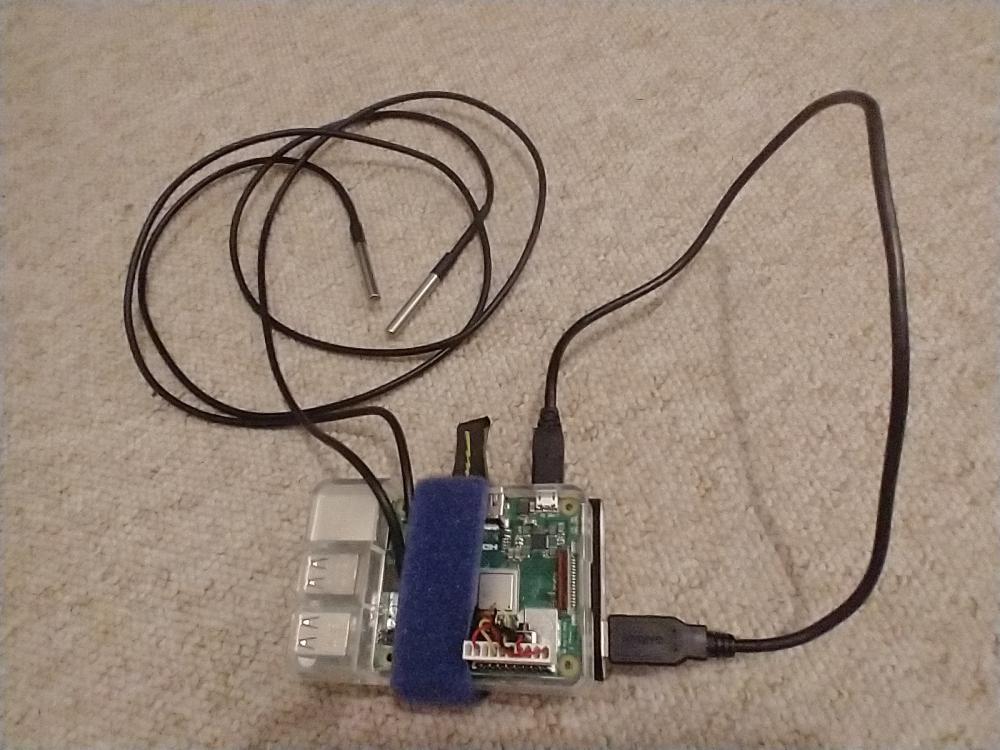
Funny coincidence, today I hooked up a Raspberry Pi with a pair of 1-wire sensors to make a radiator balancing kit. 8 sensors would be equally do-able: This one is wirelessly sending the readings over MQTT to a client app on my phone for the display. Will be strapping the Pi to a USB battery bank for moving it from rad to rad.