Bitpipe
-
Posts
4118 -
Joined
-
Last visited
-
Days Won
53
Everything posted by Bitpipe
-
Do you mean sheet piling around the perimeter to prevent landslip during excavation? On a level site with sufficient space the cheapest method would be having a sloped mouth to the excavation - known as battering back. The internal construction provides the long term means of holding back the surrounding ground and the gap is backfilled with something incompressible (rock) or layers of compacted spoil. On a tight site, or if the ground is unstable (made ground etc) then sheet piling may be an option. They are removed and sold for scrap post construction. Another approach is creating a wall of poured in situ piles which then form the perimeter wall. OR do you mean piling as a foundation system for the excavation itself (i.e. under the slab) due to poor ground conditions? Ultimately you should have a structural engineer making these decisions based on a comprehensive ground investigation report - probes, cores, water & gas levels plus contamination etc.
-

Basement Concrete Pour - Thoughts on this...
Bitpipe replied to Internet Know How's topic in Basements
We had multiple pours just like @Thorfun with rotating form work. Sika swell bar horizontal between kicker and wall and vertical between walls. The contractor built in a recess for the swell bar in the concrete and it was held in place with the sika mastic. Worked well - if installed correctly the swell bar will easily cope with the tiny amount of movement you will get - it expands to multiple times its original volume when wet. We had a warranty from Sika for the system which gave me peace of mind. Leave it to the experts. -
We got a warranty for our build, including basement, with just one waterproofing system. We used Sika waterproofing (concrete, seals, bungs etc) which itself was warrantied but they had specific build process to follow which was documented and inspected. Our structural engineer, who designed the basement, decided that WPC was sufficient based on the comprehensive GI reports they commissioned. As said above, ICF is a risk only because you can’t see the finished pour quality but there’s nothing inherently wrong with it. We did traditional shuttering with a TF on top. However it may not be acceptable by your warrantied WPC vendor (e.g. Sika). I’d listen more to your SE than architect on this - get a very good understanding of your ground conditions, get SE to spec waterproofing that addresses those conditions and press on. Even if everyone is ok with waterproofing concrete you may want to add an external membrane if you can absorb the cost but steer clear of internal membrane, sump & pump etc as that is a lot more complicated - usually relied upon for retro fit basement where leaks are assumed.
-
Thanks for all the help! I might wait and see if others stop reporting. The documented solution seems to be removing any sources of interference on the power supply used by the Enphase but nothing like that on mine.
-
Yes, I used Techfor also so they are probably of the same vintage. Will try and contact them again..
-
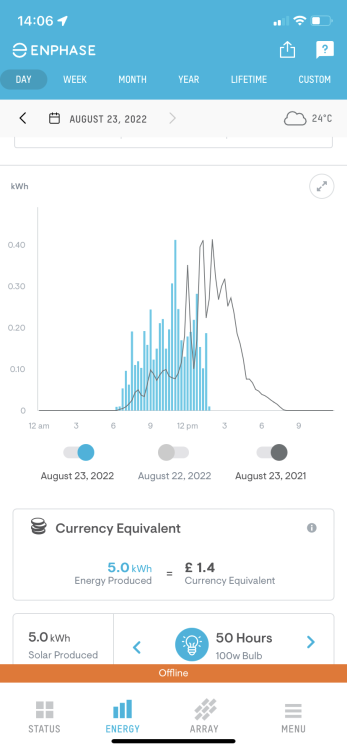
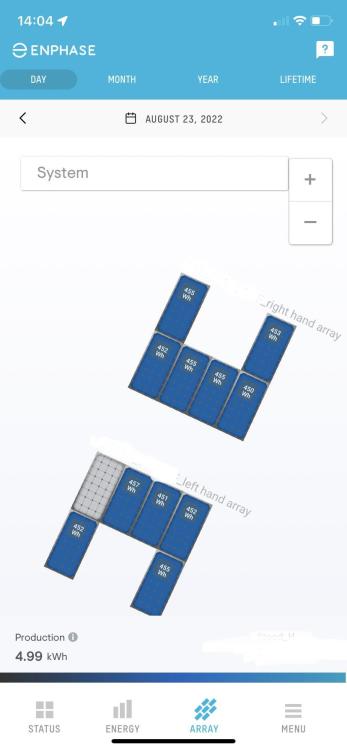
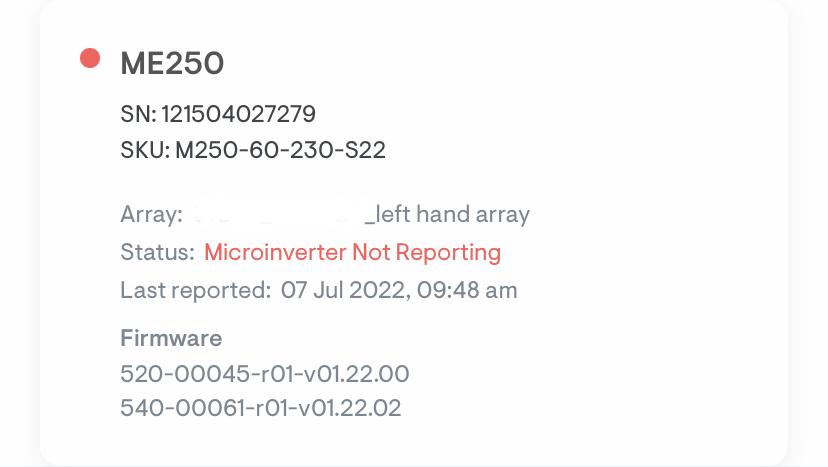
I have a 12 panel PV system, went live Jan 2016. Recently noticed one of the MIs is not reporting. Generation seems unaffected but can’t get it back online. Have tried resetting the enphase unit and cycling power to the array. Called and emailed original installer but not sure they’re still active. Any ideas?
-
Choosing an architect for a low energy (passive?) new build
Bitpipe replied to WisteriaMews's topic in Surveyors & Architects
When our house was designed back in 2015 neither we or the architect had any appreciation of low energy or passive build principles - main objective was to get PP. We had a 18 month hiatus between getting planning and detailed design drawings during which we discovered this site's predecessor. When we were able to move forward, we did so armed with a lot of knowledge and the decision to PM ourselves and use a passive timber frame firm for the build (MBC). We did hire a consultant for a few months to do PHPP and draw up a cost model but did not feel that they were value for money thereafter. Architect had limited input post planning as they would have been recycling the MBC detailed drawings and charging us significantly for such. I believe that the build contractor is the critical element as unless they are comfortable with low energy builds and experienced, all of the effort expended ahead of that could be compromised through poor implementation and attention to detail (especially airtightness etc). They will refine architect details and if brought into the process early enough can probably help see off any particularly bad decisions. I would suggest you use the architect you like but make sure that they understand how their 'big' design decisions impact the energy performance - especially solar gain - and then either get them to do the PHPP modelling directly or through a contractor or consultant. I'd suggest that pretty much any building design can be made to meet passive standards unless there are some design choices, i.e. acres of south facing glass etc that would make it particularly challenging. -
MVHR cooker hood idea
Bitpipe replied to woodman's topic in Mechanical Ventilation with Heat Recovery (MVHR)
It's what we have, seems to work fine. -
I would run MPDE all the way back to the main stopcock and loose the lead completely. MPDE is not expensive (50m of 32mm is £70) plus a few fittings. You could run it above ground for now, couple from outside, and then trench it in properly when the materials are out of the way. I'm no builder but was able to dig a 30m trench for my power cables with just a pick and shovel over a weekend. Also, dig out the lead and take to your scrap yard for a few ££.
-
Very much what we did. We got a bargain from a local park (insurance write off but completely sound) and dropped it in the back garden a year before the build commenced, only connecting it to services before moving in at which point we started paying council tax @ band A. May make a difference wrt PP if it's visible from street. When we moved into the new build, the CT continued at 50%, even after it was disconnected from services and the planners were keen to see it off site asap, as were we. Agree, double glazing and insulation are a must. We solved the condensation problem by using a dehumidifier (tip from another static owner). As the heating, hot water and cooking are all LPG, this generates a lot of water vapour (plus the inhabitants) which condenses out at night onto the cold floor making everything feel damp. The dehumidifier removed the need for running the gas fire and pumped out a decent amount of heat - completely changed the comfort levels. As the van is openly ventilated. It's not very efficient and with the current high electricity costs this may be impracticable but we had ours on more or less 24/7. We found summer more uncomfortable than winter as the van heated up quite quickly.
-
Feel like silly questions but may not be.
Bitpipe replied to MikeSharp01's topic in Networks, AV, Security & Automation
We bought one of those fancy internet radios from Revo for the kitchen, connects with WiFi or ethernet. At it turned out, the wifi was weak in that spot and there was no ethernet that side of the house at all. A few years later we upgraded to the BT wifi disc system with a unit near the kitchen, so coverage is improved but the disc always works best when connected to ethernet vs slurping a wifi signal from somewhere else but none available in that area. Study has ethernet ports along two walls but not the wall where the printer with the crap wifi module sits. Moral of our storey is that every wall should have at least one cat 6 socket next to a double gang 13A such that a cable would not need need to cross a door threshold. A patch panel just terminates cables to a series of RJ45 sockets. You still need an ethernet switch to share the ethernet between each socket you want live - I got a 48 port switch but only use about half of them currently. You don't need to co-locate your router with the switch (ours is in loft) as you can patch the router ethernet up a circuit to the patch, into the switch and then it shares it out again. -
Moving from self-build insurance to standard house insurance
Bitpipe replied to jamieled's topic in Self Build Insurance
I suppose my logic was any claims were more likely to be content related which would be less dependent on completion certs etc. I wouldn't say the chances of rejection were certain to be high but just sounding a note of caution that just because you've been sold a product does not guarantee that a claim would be guaranteed to be successful. You could disclose the nature of the delay in BC cert and get them to acknowledge in writing which would reduce the risk further. I know that for my last B&C insurance, I got specific written confirmation that my build method (TF, externally rendered) was accepted as it was not one of the drop down options on the application. -
I used the brush in grout (EasyJoint) and it works well, very quick to apply. Bits can come out if heavily pressure washed but I just re-apply in the affected areas and works fine. If you keep any opened bags in the tub under water then it keeps for a long time, however an opened bag will go off very quickly as the solvent evaporates and the resin activates.
-
What cables to pull through?
Bitpipe replied to WWilts's topic in Networks, AV, Security & Automation
Yep, looks like the one. Pull through an additional draw cord also (wish I'd done that). -
While this is seriously irritating you now, I'd take the advice above and live with it for a while before deciding to fix. You will likely have some other issue take over your mind soon and in a few months will wonder why it annoyed you so much. That was my experience anyway with several mistakes on my build. If it's still an irritation, then you can still fix it.
-
We should have installed air conditioning… now what?
Bitpipe replied to Adsibob's topic in Other Heating Systems
+1 on external blinds. We have a passive house, no AC, and if the heat gets in it is hard to get rid of. We have external velux blinds on the east and south roof lights and internal blackouts on the west (these ones are huge). While the external blinds are most effective, any shade will help. While living in the caravan on site the summer before the build commenced, we noticed just how much solar gain came from the east and specified external blinds for those windows - this has been very effective at preventing morning overheating. We have curtains in the west bedrooms but the big west facing sliders in the living room were very problematic in the summer. This year we bought the internal Ikea motorised blinds and they are working really well. Stack ventilation is handy in evening and then try to keep the house sealed up next day so you get the best of the cold air. I also wish I'd installed a split air-con for these hot spells. -
MVHR - Self install!?
Bitpipe replied to richo106's topic in Mechanical Ventilation with Heat Recovery (MVHR)
Hello, many here - including me, a complete amateur - have DIYd their MVHR system install and commissioning. It can be fiddly but is not very technical. If you can rope in a helper or two then it will be much, much easier. Expect a bit of trial and error initially. Many threads on the site explaining the process with tips and advice - go have a good search. BPC will not give you overall install instructions but the MVHR unit itself comes fully documented and is more or less a switch on job. BPC provide a suggested duct route based on whatever plans you provide them. Up to you to commission and balance, again not difficult once you have an air flow meter in your hands (used to be one available to borrow from the site). Key to success is having made provision in your building design for routing of duct - while the 75mm flexi stuff will snake easily through web joists you can get scuppered by a steel or soil pipe blocking the way. Also, as you get closer to the unit and many ducts start to congregate, it can get congested. The external intake/exhaust ducts also are much larger (mine were 180mm) and also need room for insulation. Manifolds will need space also. I made no such provision and had to make it up on the hoof which added to the time and my frustration but nothing else was happening on site that month so was not a big deal. Dodged a few bullets wrt routing, with a bit of forethought I would have requested penetrations in steels etc to make life easier. Good luck! -
Well yes and no, we had a sparky who was extremely diligent and photographed eventing and 6 years on can still, from memory, tell us where things are. Plumber was great but just did not operate like that. They spent a day together onsite to divvy up responsibility for overlapping jobs like the heating system but the reality is what has been built is the 'facts'. Depends how big and secure A 10-20ft container is better - insulated is best with some kind of damp control system (damp stick). It's not screw-ups really but usually making ad-hoc decisions on how to do something, where to put something and defaulting to the 'usual way' of doing things vs an alternate approach you have specified. However diligent, trades are always under time pressure so won't spend ages confirming or trying to hunt you down, they'll just get on with it.
-
My understanding is that for a demolish and rebuild, as soon as you have planning permission, you can start to accrue costs that are VAT reclaimable. Since you have your letter, you should also be rock solid for your future claim. Did you need to get PP? Well done on the VAT discount on power move, I understood these were always VATable (vs new supply).
-
We got our as-built EPC
Bitpipe replied to Conor's topic in Energy Efficient & Sustainable Design Concepts
Congrats, I briefly contemplated getting my SAP A EPC printed out mega big and stuck to the side of the house like a new fridge. -
All builders will have multiple jobs on the go unless you have pockets deep enough to buy them out of any other obligations. It's their way of spreading the risk. Also, good luck getting trades to document work to your satisfaction. Are you going to throw them off the job if they don't? Buying some long lead items in advance is a good strategy but you need secure dry storage or it will get nicked or more likely damaged (weather, machines etc). This is one advantage of TF in that you can order windows as soon as your CAD plans are locked as the apertures will be factory made and should not change. My advice is either to live on site or as close to it as possible and be there every day to passively observe and be on hand for clarifications etc. It's a fine line, you wan't to avoid micro management and let them get on with the job but not give them enough space to go awry. I found a routine of asking what the plan was for the day (or for the week on a Monday), making sure they had what they needed, popping in a few times to look around and catching them before they left was an effective strategy. Have a tidy up on your own and see what's been done and if you're happy with it. Then feedback next morning and rinse repeat. You also want to be seen as approachable for 'bad news', taking a pragmatic view and being solution vs blame orientated. Otherwise they just won't tell you and things will get covered up. If you are out of sight, you will be out of mind.
-
For sure, I had 120m2 to 150mm depth and filled a wheel barrow with bits of metal, wood, plastic, cable etc from the surface before it was blinded. God knows what was further down.
-
We did not use a MC but had a large contract with a single groundworks contractor to do demo, site prep, new services and basement excavation, construction & backfill etc. We took care of telco, electric and gas re-routing / termination. Water was fine as stop was at site boundary. The timber frame company then followed on from the completed groundworks and we PMd the other trades. My experience was that, to win the bigger job, the GW firm put a notional amount in for the demo (£5k) as it was pretty straightforward - a few days to strip, pull down & remove a 1950's detached brick house - site access was good which always helps keep GW costs down. We would not allow burning of timbers on site, per the LA demo notice. We looked into crushing the brick but was cheaper to cart it away and buy in what type 1 we needed vs hire a large crusher and pay for the labour to process (and manage storage on site), suspect we probably bought back some of our old house! Standalone demo contracts were more than double what the GW quoted as there were mobilisation costs to factor in and there had to be enough margin in the job itself, GW probably lost money on that bit but more than made it back on the whole job which was £120k!
-
Remember to calculate stair design from finished floor level on each floor and if you have exposed wooden stairs try not to install them until all wet trades (plaster & paint) are done, preferable all trades done as they are so easily damaged, even when protected. We used cheap MDF stairs right up until we moved in and then took measurements for the real ones - maybe a bit extreme but worked fine for us.
-
Agree with above, ignore neighbour and see what comes out of the council decision, which will be solely based on planning policy and local plan etc. If you get a rejection then they will detail the grounds for rejection, referencing the specific policies, and you can take those to a planning consultant to understand if you have grounds for appeal. We had a 7 page diatribe from a neighbour, who is a conveyancing solicitor, all written in flowery legalese and every objection raised was dismissed. However planners had their own issues which we had to address. That's how it works. If there is a large amount of local complaints then it usually gets pulled in front of the planning committee vs being decided by an officer but even then any rejection decision still needs to adhere to planning policy and can be appealed.